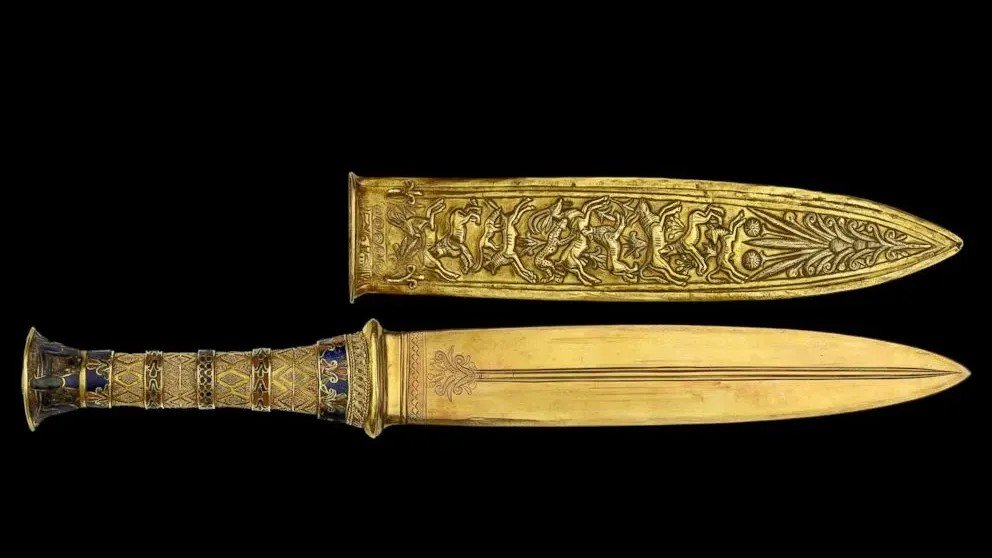

When most people think of the ancient world, they picture spears, swords, and chariots kicking up dust on some distant battlefield. But the real magic of ancient civilizations didn’t just happen in war; it happened in workshops, kitchens, observatories, irrigation channels, and bustling city streets. Long before smartphones and satellites, people were quietly solving hard problems with shockingly clever ideas.
What still amazes me is how many of these inventions feel strangely familiar. We tap on touchscreens and fly in planes, but at the core, we’re still doing what our ancestors did: trying to move more easily, understand more deeply, live more comfortably, and stay alive a little longer. Let’s walk past the clanging of ancient armor and step into the world of water clocks, stone highways, star maps, and surgical tools that changed human life in ways we still feel today.
Mastering Time: Water Clocks, Calendars, and the Birth of Precision
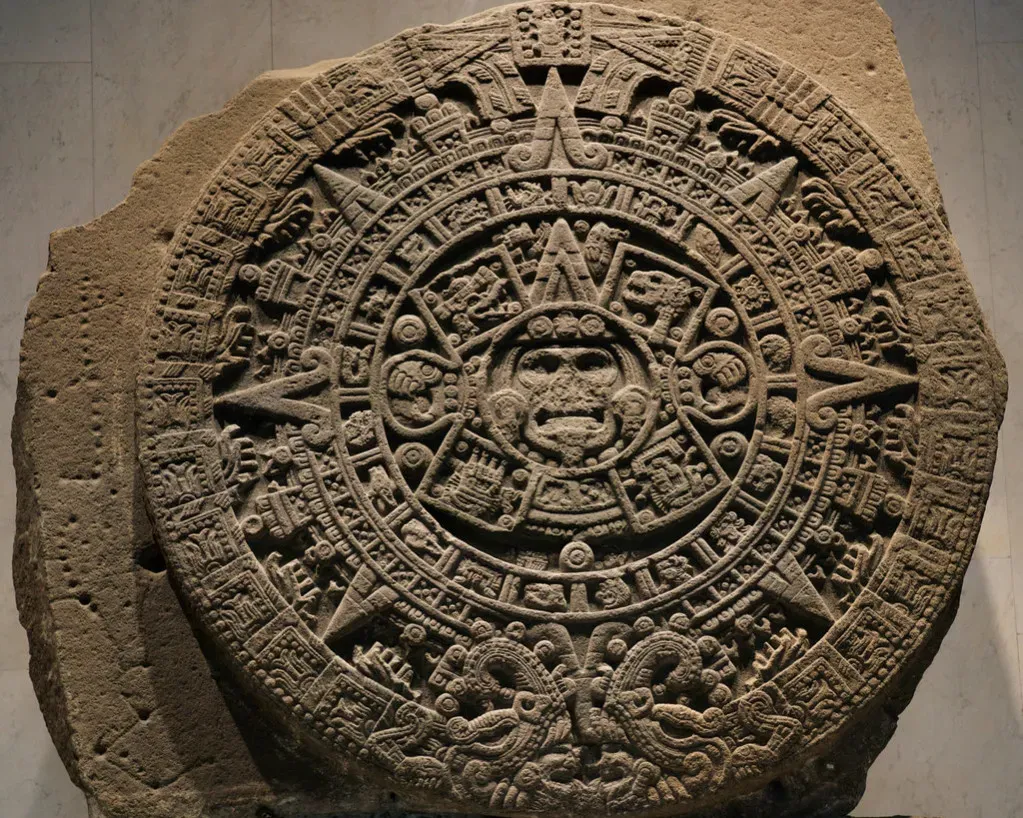
Imagine living in a world without phones, watches, or even mechanical clocks, yet still needing to know when to sow your fields, hold a festival, or appear in court. Ancient civilizations attacked this problem with a creativity that’s easy to underestimate. The Egyptians and Mesopotamians developed water clocks that dripped at a steady rate, measuring time by the rising level in a bowl, while others watched the sun’s shadow crawl along carefully carved stone markers.
But it was the calendar that really changed the game. The Egyptians anchored their year to the rising of Sirius and the flooding of the Nile, practically turning the sky into a giant farming schedule. The Maya in Mesoamerica built overlapping calendars: one for ritual life, one for the solar year, weaving time into a kind of cosmic fabric that touched religion, politics, and agriculture. These weren’t just curiosities; they were survival tools that let societies plan harvests, taxes, and ceremonies with a level of precision that still feels impressive today.
Water, Cities, and Sewers: Engineering Comfort Out of Chaos
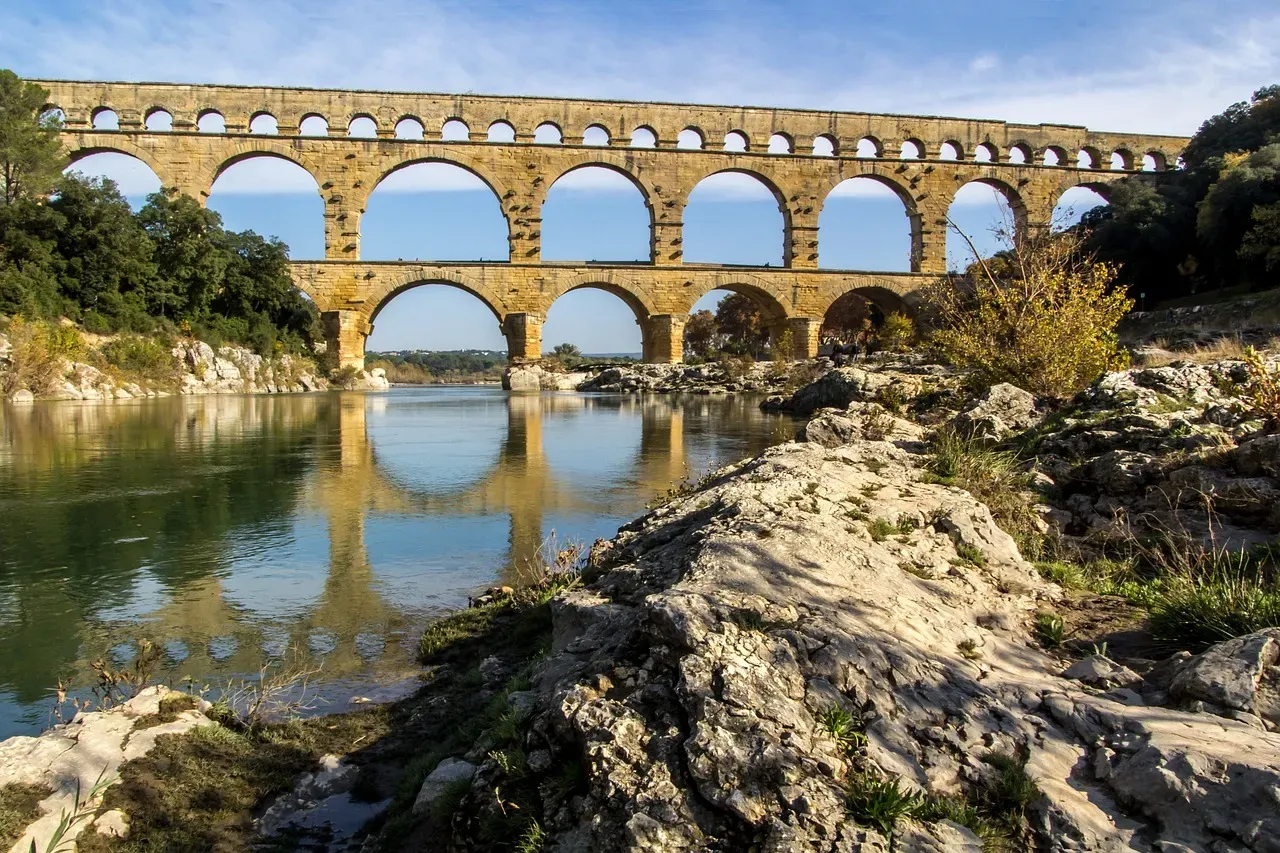
If you’ve ever turned on a tap without thinking about it, you’re standing on the shoulders of very old, very clever engineers. Ancient Mesopotamians and Egyptians dug canals and built irrigation systems that transformed unpredictable rivers into dependable lifelines. In the Indus Valley, cities like Mohenjo-daro had what looks suspiciously like early urban planning: straight streets, drainage channels, and standardized bricks that made construction more efficient and reliable.
The Romans took water obsession to almost theatrical levels. Their aqueducts, some stretching dozens of kilometers, hauled fresh water into cities using nothing but gravity and precise stonework. Public baths, fountains, toilets, and sewers weren’t just luxuries; they were part of a system that kept disease down and civic life humming. It’s a little humbling to realize that people two thousand years ago enjoyed flowing water, heated baths, and fairly organized waste disposal while many modern towns in the twenty-first century are still fighting to catch up.
Healing Hands: Ancient Medicine, Surgery, and Early Hospitals

Ancient medicine often gets reduced to leeches and strange potions, but buried under the superstition was real, methodical experimentation. In Egypt, medical papyri laid out observations of injuries, diagnoses, and treatments in a surprisingly clinical tone, differentiating between conditions they could treat and those they probably couldn’t. In India, texts describing surgical techniques, wound care, and even plastic reconstruction show a level of anatomical understanding that didn’t reappear in Europe until much later.
The Greeks layered philosophy onto medicine, especially with the idea that illness could come from natural causes instead of angry gods. Meanwhile in the ancient Near East and later in the Islamic world, scholars compiled and translated medical knowledge from multiple civilizations, building an early version of global medical literature. Hospitals emerged not only as places of treatment but as learning centers, where experience was shared and techniques were refined. These early efforts didn’t just keep patients alive; they seeded the mindset that the human body could be studied, understood, and improved with careful observation and skill.
Roads, Wheels, and Trade: The Hidden Networks That Held Empires Together
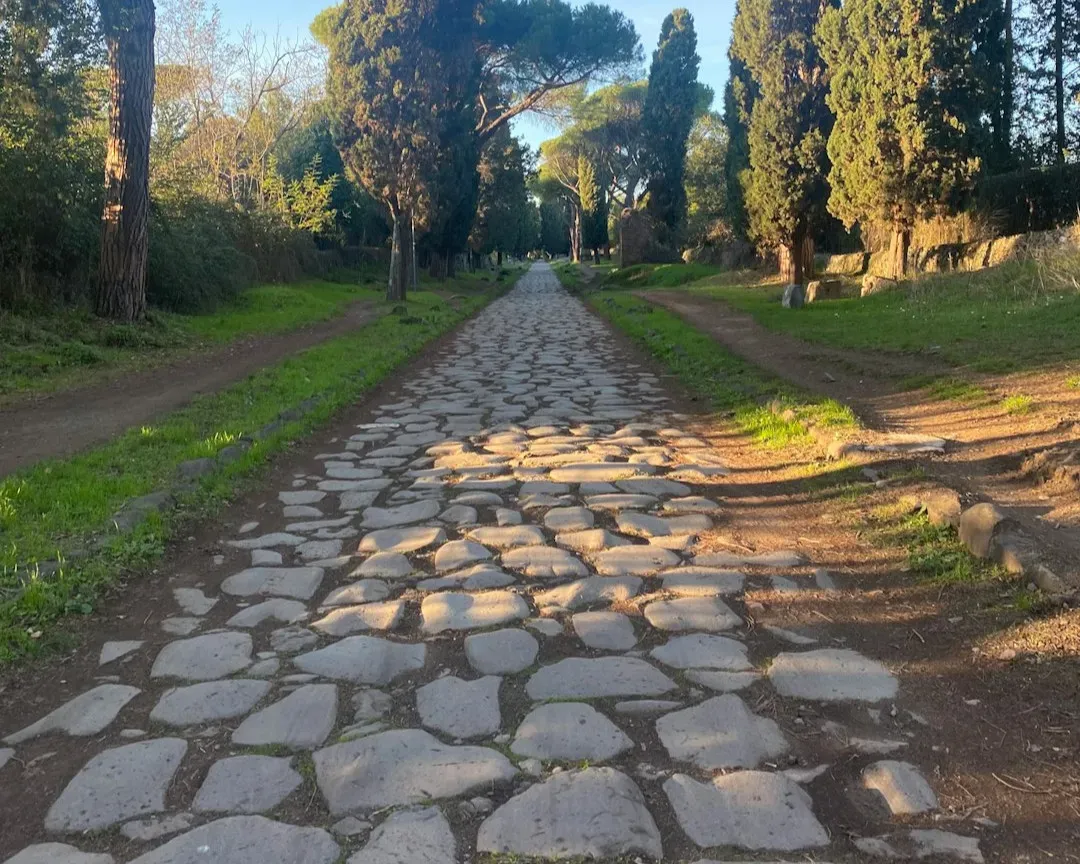
It’s easy to romanticize warriors and kings, but empires were really held up by wheels, roads, and trade routes that made the world feel smaller. The invention of the wheel in ancient Mesopotamia may be one of the most quietly revolutionary moments in human history. What started as a simple tool for pottery quickly became the backbone of carts, chariots, and eventually whole trade networks that moved goods, ideas, and people across massive distances.
The Persians stitched together their vast empire with the Royal Road, enabling messengers to move at a pace that stunned outsiders. The Romans paved thousands of kilometers of roads sturdy enough that parts of them are still visible today, connecting distant provinces like joints in a giant stone skeleton. Across the ocean, the Inca in the Andes built sophisticated road systems and rope bridges, even without the wheel, using human runners to relay messages. These networks made it possible to ship grain to hungry cities, move new technologies around, and turn local markets into something closer to a connected ancient economy.
Writing, Numbers, and the First Data Revolutions
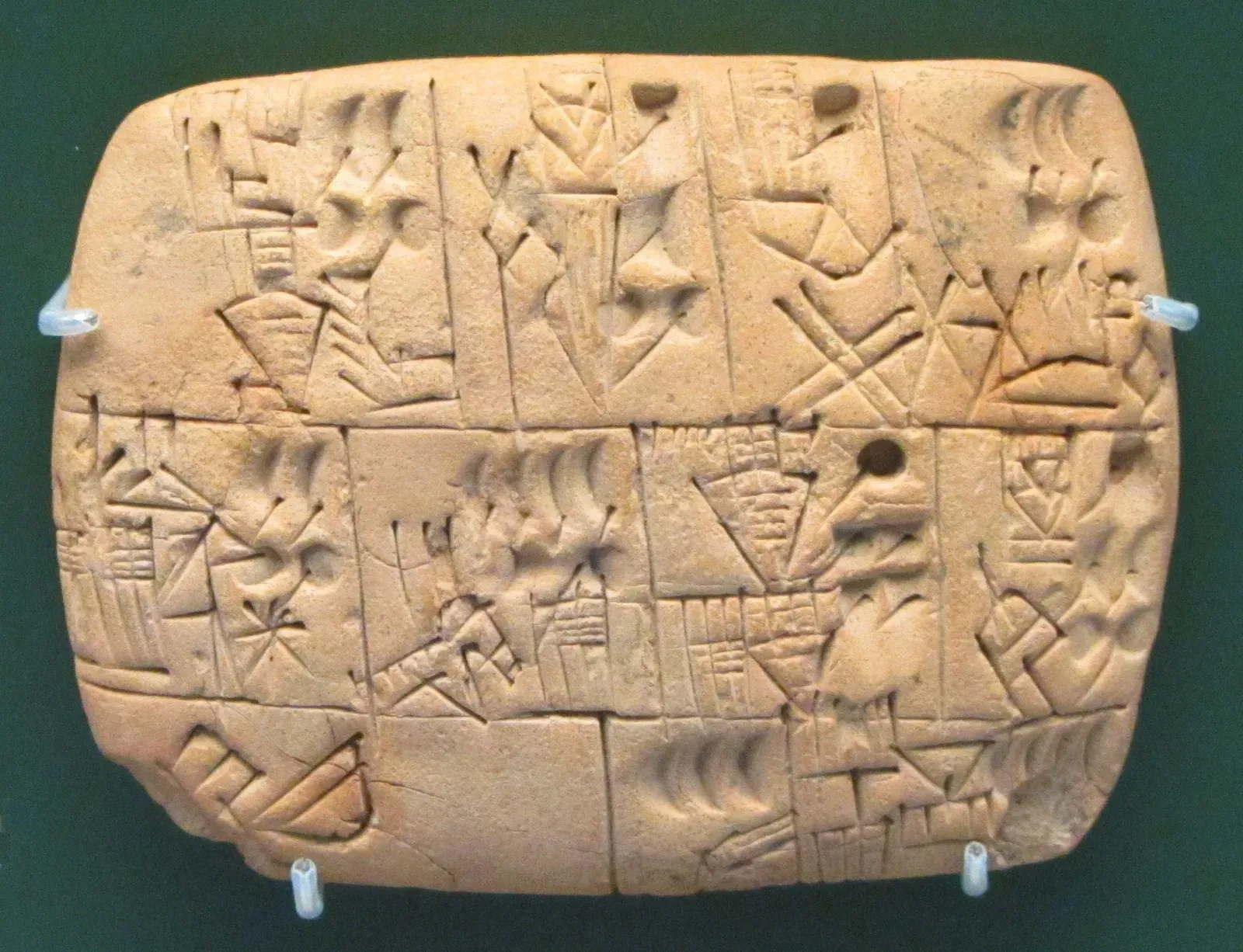
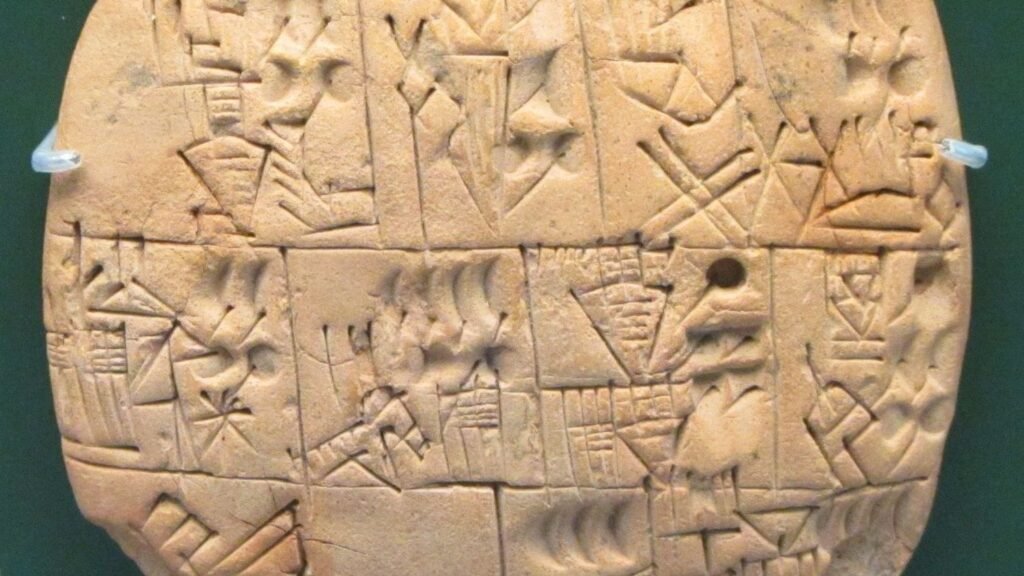
Before writing, memory was the only storage device humans had, and it failed constantly. The invention of writing in places like Mesopotamia, Egypt, and later Mesoamerica turned spoken words into durable records. Clay tablets recorded debts, grain rations, legal rulings, and contracts, effectively becoming some of the earliest spreadsheets in history. Hieroglyphs, cuneiform, and other scripts transformed governance, allowing rulers to manage far-flung regions without being physically present everywhere at once.
Alongside writing came another quiet revolution: numbers. The Babylonians used a base-sixty system that still haunts us today in how we measure time and angles. The development and spread of the concept of zero in ancient India completely changed mathematics, making complex calculations manageable rather than nightmarish. These tools allowed ancient astronomers to track the movements of planets, builders to calculate load-bearing structures, and merchants to keep accurate books. In a way, this was the first time humanity learned to outsource thinking to symbols, turning knowledge into something that could be copied, transmitted, and improved across generations.
Stars, Stone, and Science: Observatories and Architecture That Reached for the Sky
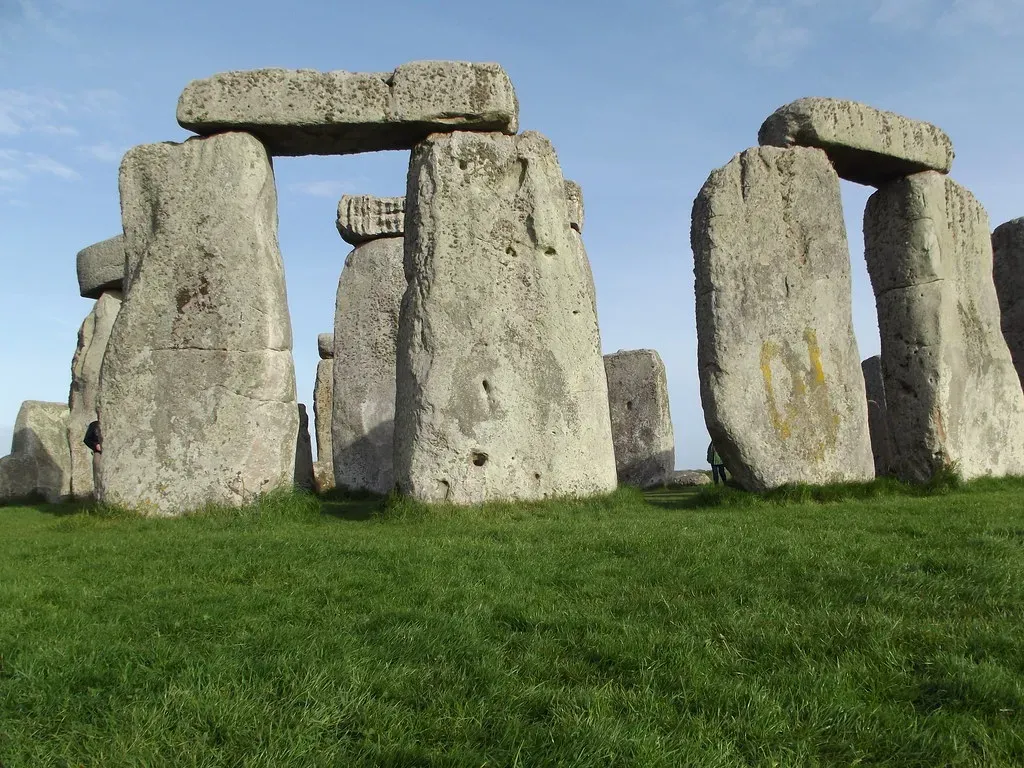
In a world without light pollution, the night sky was a massive, glowing chalkboard, and ancient people read it obsessively. The Babylonians tracked planetary movements for centuries, slowly recognizing patterns that let them predict eclipses and align festivals with celestial events. In China, court astronomers recorded comets, novae, and unusual phenomena with a reliability that still helps modern scientists check long-term patterns in the sky.
On the ground, architecture became a kind of frozen science experiment. Egyptian pyramids, Mesoamerican temples, and European megaliths often line up with solstices, equinoxes, or specific stars so precisely that modern surveyors are still impressed. The Greeks pushed geometric principles in their temples, correcting for visual distortions so that columns looked straight and proportions felt balanced to the human eye. Massive stone structures weren’t just about power and religion; they were engineering laboratories, proof that people could turn raw rock into carefully calculated, enduring expressions of knowledge and ambition.
Everyday Genius: Food, Textiles, and Domestic Innovations That Changed Lives
Some of the most impactful ancient inventions never made it into history textbooks because they happened inside homes rather than on palace walls. Early forms of refrigeration used evaporation, underground storage, or cleverly ventilated structures to keep food from spoiling too fast in brutal heat. Fermentation turned milk into yogurt and cheese, grains into beer, and grapes into wine, giving people safer, longer-lasting calories and a surprising variety of flavors in their diets.
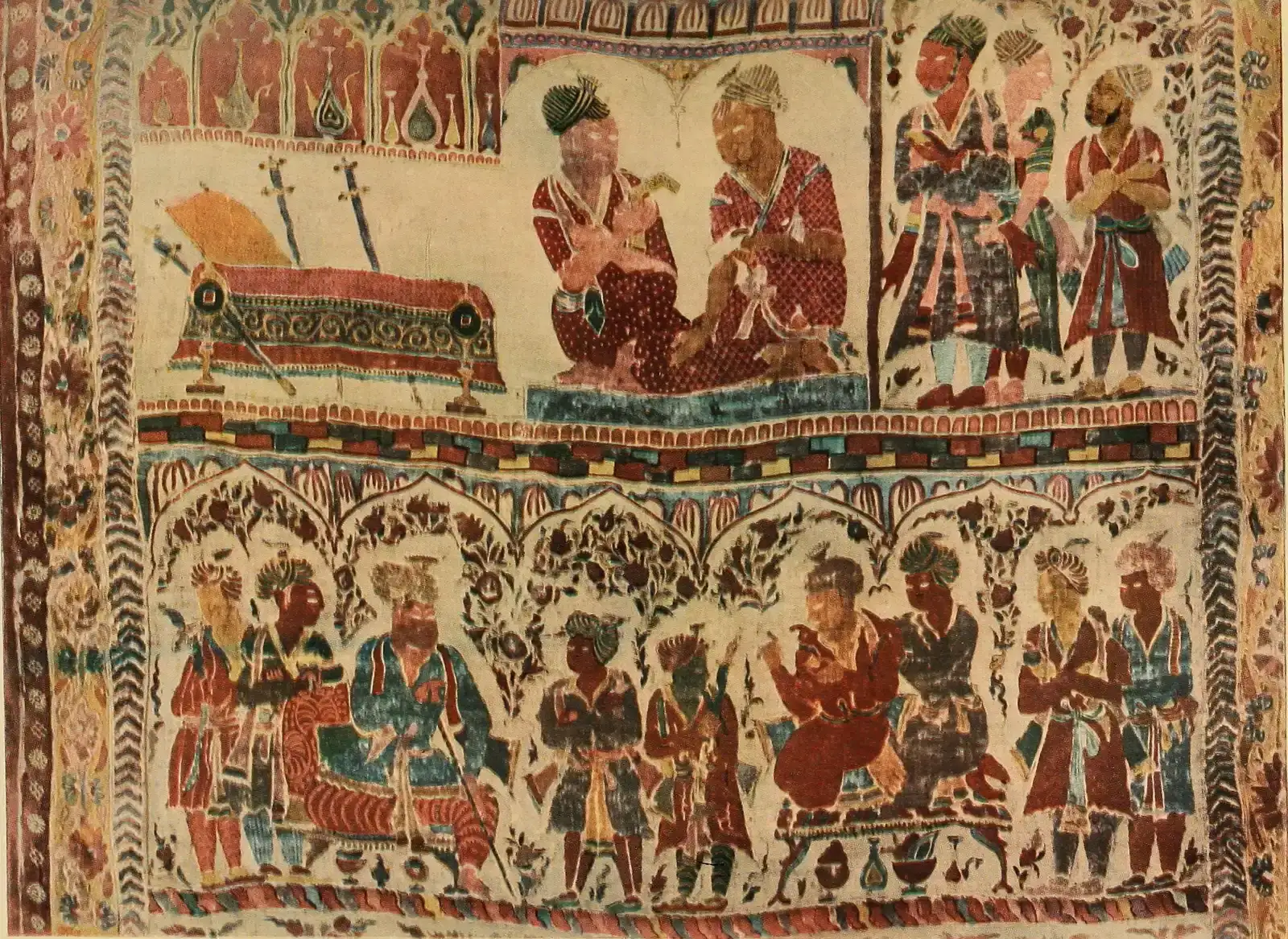
Textiles tell a similar story of quiet brilliance. Spinning and weaving transformed loose fibers into clothing, sailcloth, and blankets, and the development of looms made production far more efficient. Dyed fabrics became status symbols and trade goods, moving along ancient routes just like spices and metals. Even soap-like cleaning agents, cosmetics, and simple household tools emerged as people experimented with fats, ash, minerals, and plants. It’s in these everyday details that you see how deeply ancient ingenuity shaped ordinary life, not just royal courts and grand monuments.
Conclusion: The Real Legacy of Ancient Ingenuity
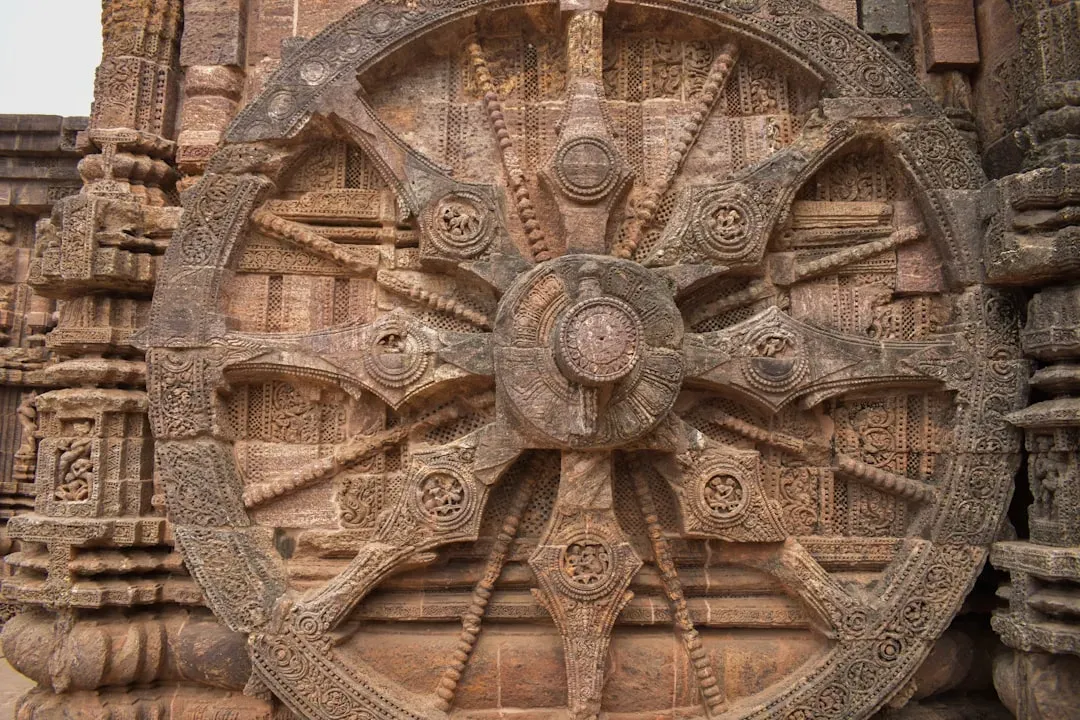
Looking beyond the battlefield, ancient civilizations start to feel less like distant curiosities and more like early versions of us. They wrestled with dirty water, lost time, failing crops, and fragile bodies, and they met those challenges with experiments, tools, and systems that still echo through our daily routines. The devices have changed, but the questions they were trying to answer – how to live better, safer, and more meaningfully – haven’t shifted all that much.
When you trace your clock, your plumbing, your writing, your medicine, even your city layout back through history, you bump into these early problem-solvers again and again. They weren’t just building empires; they were building habits of thought, trial, and refinement that we now call science, engineering, and design. The real surprise is not that they were ingenious, but that their solutions still quietly shape our lives every day. Which of these ancient inventions did you least expect to still be walking beside you in the twenty-first century?