
Picture this: a majestic sea turtle gliding through crystal-clear waters, mistaking a floating plastic bag for its favorite meal – a jellyfish. This isn’t just a tragic accident; it’s happening millions of times across our planet every single day. From the tiniest plankton to the largest whales, creatures everywhere are consuming plastic at an alarming rate. What begins as a simple case of mistaken identity quickly transforms into a complex biological nightmare that scientists are only beginning to understand. The reality is far more disturbing than most people realize, and the consequences extend far beyond what meets the eye.
The Scale of the Crisis

Every year, approximately 8 million tons of plastic waste enters our oceans, creating a buffet of synthetic materials that wildlife cannot distinguish from food. Marine biologists have documented plastic ingestion in over 700 species of marine animals, from microscopic zooplankton to massive blue whales. The numbers are staggering – studies show that 90% of seabirds have plastic in their stomachs, compared to just 5% in the 1960s.
Land animals aren’t immune to this crisis either. Researchers have found plastic fragments in the digestive systems of deer, cattle, and even insects. The problem has reached such proportions that scientists now consider plastic pollution a defining characteristic of our geological era. What’s particularly alarming is how quickly these numbers are accelerating, with some estimates suggesting that plastic ingestion rates are doubling every decade.
The Mistaken Identity Problem

Animals don’t intentionally seek out plastic – they’re victims of evolutionary programming that hasn’t caught up with human innovation. Sea turtles evolved to hunt jellyfish, whose translucent, flowing bodies are nearly identical to plastic bags drifting in the current. Seabirds dive for what appears to be colorful fish, only to surface with bottle caps and plastic fragments.
This deception runs deeper than visual similarity. Many plastics absorb organic compounds from seawater, creating chemical signatures that smell like food to marine predators. Researchers have discovered that plastic debris can mimic the scent of krill and algae, effectively creating olfactory traps. For animals that rely heavily on smell to locate food, this chemical mimicry turns plastic into an irresistible lure.
The Journey Through the Digestive System

Once plastic enters an animal’s body, it embarks on a destructive journey through the digestive tract. Unlike natural food items, plastic doesn’t break down or provide nutrients – it simply accumulates. Large pieces can cause immediate blockages, preventing the passage of real food and leading to a condition called impaction. This creates a false sense of fullness, causing animals to stop eating while slowly starving.
Smaller plastic fragments present different challenges. They can perforate intestinal walls, creating internal bleeding and infections. Some pieces pass through the system but not without causing damage along the way. The rough edges of broken plastic act like microscopic knives, scraping and tearing delicate tissues. What’s particularly cruel is that many animals survive the initial ingestion, only to face a prolonged and painful decline.
Chemical Contamination and Toxic Exposure

Plastic ingestion isn’t just a physical problem – it’s a chemical warfare situation happening inside animals’ bodies. Plastics contain numerous additives including flame retardants, plasticizers, and stabilizers, many of which are toxic to living organisms. When these materials break down in acidic stomach environments, they release concentrated doses of harmful chemicals directly into the bloodstream.
Perhaps even more dangerous is plastic’s ability to act as a sponge for environmental toxins. Floating plastic debris absorbs persistent organic pollutants like DDT and PCBs from surrounding water, concentrating these chemicals to levels thousands of times higher than in the environment. When animals consume this contaminated plastic, they’re essentially ingesting a cocktail of some of the world’s most dangerous substances.
The Microplastic Menace

While large plastic items grab headlines, microplastics – particles smaller than 5 millimeters – represent perhaps the most insidious threat. These tiny fragments are virtually everywhere, from the deepest ocean trenches to the highest mountains. They’re so small that they can cross biological barriers that evolved to keep foreign substances out, including the blood-brain barrier and placental wall.
Microplastics infiltrate every level of the food chain. Zooplankton ingest them directly from the water, fish consume contaminated plankton, and larger predators accumulate massive quantities through bioaccumulation. Studies have found microplastics in the tissues of fish, shellfish, and even table salt. The implications are staggering – these particles are literally becoming part of the biological fabric of life on Earth.
Impact on Marine Giants

Whales, despite their massive size, are particularly vulnerable to plastic pollution. These gentle giants are filter feeders, meaning they consume enormous quantities of water along with everything floating in it. Blue whales can process up to 16,000 gallons of water per mouthful, inevitably capturing plastic debris along with their krill prey.
Recent necropsies of stranded whales have revealed shocking discoveries. One sperm whale found dead in Spain had 64 pounds of plastic in its stomach, including ropes, nets, and plastic bags. Another whale discovered in the Philippines contained 88 pounds of plastic waste. These findings represent just the visible tip of an iceberg, as many affected whales die at sea, their stories untold.
Seabird Casualties

Seabirds face a particularly tragic fate when it comes to plastic ingestion. These aerial hunters mistake floating debris for fish, diving from great heights to capture what they believe is food. Albatrosses, known for their incredible navigational abilities, can travel thousands of miles only to return to their nests with stomachs full of plastic instead of fish for their chicks.
The impact on breeding success is devastating. Parent birds feed plastic to their young, thinking they’re providing nutrition. Chicks with stomachs full of plastic waste cannot consume enough real food to grow properly, leading to high mortality rates. On remote islands where albatrosses nest, researchers have found chick carcasses with stomachs containing bottle caps, lighters, and toy soldiers – a heartbreaking testament to how far plastic pollution has spread.
Freshwater Victims

Rivers and lakes aren’t safe havens from plastic pollution. Freshwater fish increasingly show signs of plastic ingestion, with some species exhibiting plastic particles in over 70% of individuals tested. The confined nature of freshwater systems means that plastic waste becomes concentrated, creating pollution hotspots that affect entire ecosystems.
Waterfowl face particular challenges in freshwater environments. Ducks and geese mistake small plastic pellets for seeds and grit, consuming them in large quantities. These birds use small stones to aid digestion, so plastic pellets perfectly mimic this natural behavior. The result is often fatal, as accumulated plastic prevents proper digestion and nutrient absorption.
The Terrestrial Tragedy

Land animals aren’t immune to plastic ingestion, though their exposure often comes through different pathways. Cattle and sheep grazing near landfills or areas with heavy plastic contamination regularly consume plastic fragments mixed with vegetation. Farm animals have been found with plastic bags, containers, and fragments in their stomachs, leading to decreased productivity and mortality.
Wildlife corridors and feeding areas near urban centers have become plastic minefields. Deer, known for their adaptability, increasingly consume plastic waste while foraging near human settlements. Even more concerning is the discovery of plastic fragments in the digestive systems of earthworms, which play crucial roles in soil health and ecosystem function.
Cellular Damage and Inflammation

At the cellular level, plastic ingestion triggers inflammatory responses that can persist for months or years. When plastic particles penetrate tissues, the immune system treats them as foreign invaders, launching persistent inflammatory attacks. This chronic inflammation can lead to tissue damage, organ dysfunction, and compromised immune responses to real threats like pathogens.
Research has shown that plastic particles can interfere with cellular processes, disrupting normal metabolism and potentially causing DNA damage. Some studies suggest that certain plastic additives may act as endocrine disruptors, interfering with hormone production and reproductive systems. These effects can persist long after initial exposure, creating lasting health impacts that may affect future generations.
Reproductive Consequences

The reproductive impacts of plastic ingestion are particularly concerning for wildlife conservation. Many plastic additives are known endocrine disruptors, chemicals that interfere with hormone systems responsible for reproduction, development, and behavior. These substances can cause reduced fertility, abnormal offspring development, and altered reproductive behaviors.
Female sea turtles with high plastic loads often show decreased egg production and lower hatching success rates. Seabirds exposed to plastic contamination may experience delayed sexual maturity and reduced breeding success. These reproductive impacts threaten the long-term survival of already vulnerable species, potentially pushing some populations toward extinction.
Ecosystem-Wide Effects

The impacts of plastic ingestion extend far beyond individual animals, creating cascading effects throughout entire ecosystems. When key species like filter-feeding shellfish accumulate plastic, they become less effective at their ecological roles, such as water filtration and nutrient cycling. This degradation of ecosystem services affects water quality, food web dynamics, and overall ecosystem health.
Predator-prey relationships are also disrupted when plastic ingestion affects animal behavior and health. Weakened prey species become easier targets, while predators may suffer from consuming contaminated prey. These disruptions can lead to population imbalances and ecosystem instability, with effects that ripple through multiple trophic levels.
Behavioral Changes and Adaptations

Animals exposed to plastic pollution often exhibit significant behavioral changes. Some species develop avoidance behaviors, learning to recognize and avoid plastic items, while others seem to develop preferences for certain types of plastic. These behavioral adaptations represent evolutionary responses to an entirely novel environmental challenge.
Studies have documented changes in feeding patterns, migration routes, and social behaviors in plastic-exposed populations. Some seabirds have altered their foraging strategies, while certain fish species show modified schooling behaviors. These adaptations may help some individuals survive, but they also represent fundamental changes to natural behaviors evolved over millions of years.
The Food Web Connection

Plastic contamination creates a web of interconnected impacts throughout food chains. When small organisms consume microplastics, they become vectors for transferring plastic to higher trophic levels. Each step up the food chain concentrates plastic particles and associated toxins, a process known as biomagnification.
This concentration effect means that apex predators – including humans – face the highest exposure levels. Top predators like sharks, polar bears, and large fish accumulate plastic particles and toxins from every prey item they consume. The result is a dangerous concentration of synthetic materials and chemicals in the bodies of animals that play crucial roles in ecosystem balance.
Recovery and Rehabilitation Challenges

Wildlife rehabilitation centers increasingly encounter animals suffering from plastic ingestion, presenting unique challenges for veterinary care. Removing plastic from animals’ digestive systems often requires complex surgical procedures, and success rates vary depending on the type and amount of plastic consumed. Many animals arrive at rehabilitation centers too late, with irreversible damage already done.
Even successful treatment doesn’t guarantee full recovery. Animals may suffer long-term health effects from plastic exposure, including chronic inflammation, reduced immune function, and ongoing digestive problems. The psychological stress of captivity during treatment can also impact recovery, particularly for wild animals unaccustomed to human contact.
Species on the Brink

Some species face extinction risks directly linked to plastic pollution. The Hawaiian monk seal, already critically endangered, faces additional threats from plastic debris in their limited habitat. Similarly, the North Atlantic right whale, with only about 340 individuals remaining, cannot afford additional mortality from plastic ingestion.
Island species are particularly vulnerable due to their limited habitat and often specialized diets. Seabirds breeding on remote islands face constant exposure to plastic pollution carried by ocean currents. These isolated populations have little genetic diversity and cannot afford the additional stress of plastic contamination on top of existing threats like climate change and habitat loss.
The Human Connection
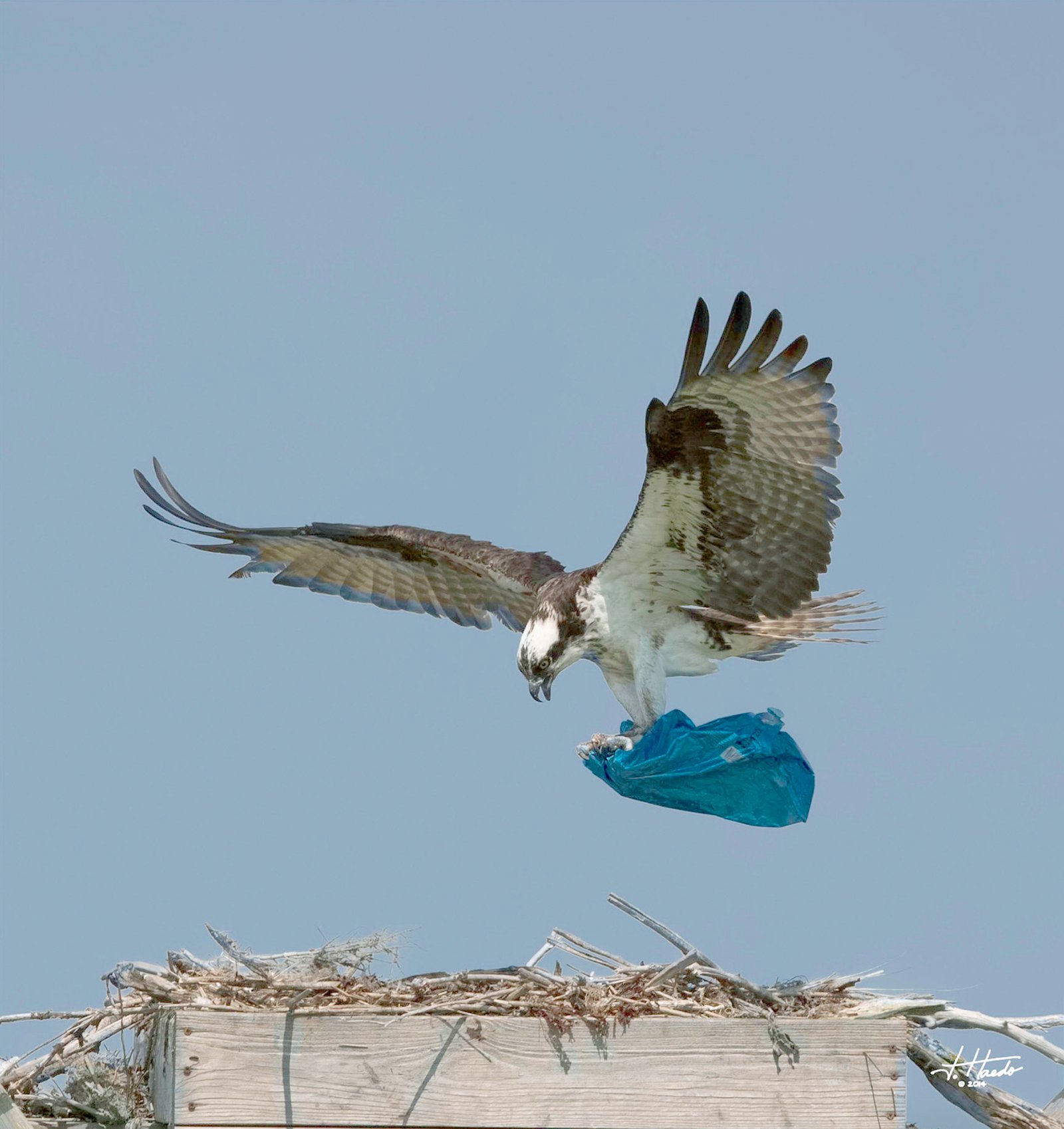
The plastic crisis affecting wildlife is intrinsically linked to human activities and consumption patterns. Every plastic item produced has the potential to end up in the environment, where it can persist for hundreds of years. Our throwaway culture creates a constant stream of plastic waste that inevitably finds its way into natural systems.
Understanding this connection is crucial for developing effective solutions. The plastic found in marine animals often originates from land-based sources, traveling through rivers and storm drains to reach the ocean. This means that plastic waste generated thousands of miles inland can eventually impact marine wildlife, highlighting the global nature of this crisis.
Emerging Research and Discoveries

Scientists continue to uncover new aspects of plastic pollution’s impact on wildlife. Recent research has revealed that plastic particles can serve as vectors for pathogens, potentially spreading diseases between animals and across species barriers. Other studies have found that plastic ingestion can affect animals’ ability to regulate body temperature and maintain energy balance.
Advanced imaging techniques are revealing plastic contamination in tissues previously thought to be protected, including brain tissue and reproductive organs. These discoveries suggest that the impacts of plastic pollution may be far more extensive than previously understood, with implications for animal cognition, behavior, and reproductive success that scientists are only beginning to explore.
Solutions and Hope

Despite the grim reality of plastic pollution, there are reasons for hope. Innovative cleanup technologies are being developed to remove plastic from marine environments, while new biodegradable materials offer alternatives to traditional plastics. Governments worldwide are implementing plastic bans and extended producer responsibility programs to reduce plastic waste at its source.
Individual actions, multiplied across millions of people, can create significant change. Reducing single-use plastic consumption, supporting companies with sustainable packaging, and participating in cleanup efforts all contribute to solutions. The key is recognizing that protecting wildlife from plastic pollution requires both individual responsibility and systemic change. Every plastic bag refused, every reusable container chosen, and every piece of litter properly disposed of represents a small victory in a much larger battle for the health of our planet’s wildlife.
What would you have guessed about the true extent of plastic’s impact on wildlife before reading this?