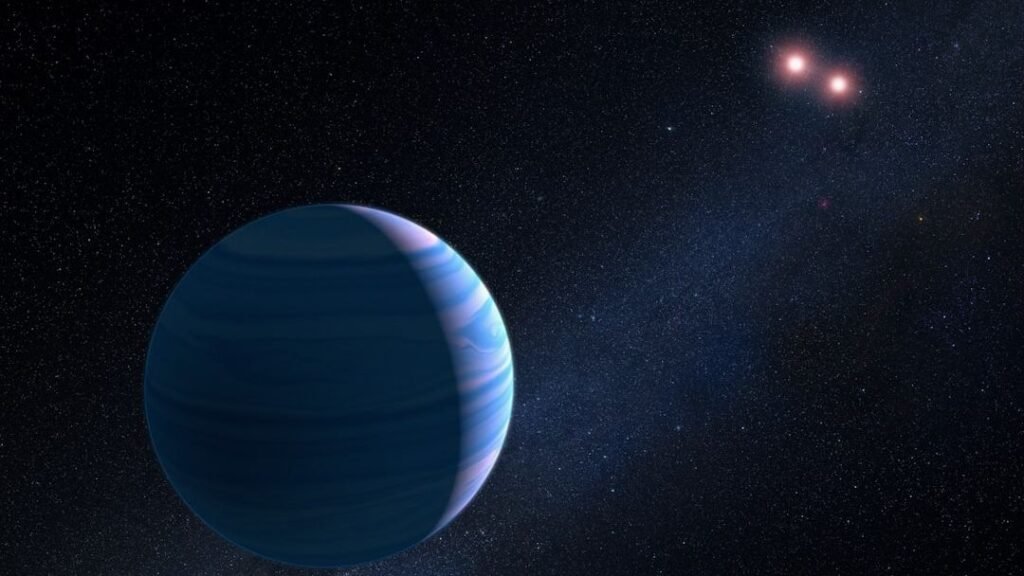

Look up at the night sky and it feels calm, almost lonely. Yet, hidden in that darkness are worlds by the thousands, circling distant stars, some of them eerily similar to our own. In just a few decades, humanity has gone from wondering whether other planets exist to cataloging them by the thousands and arguing over which ones might actually be able to support life.
We are still very far from proving life exists elsewhere, but we’ve become surprisingly good at finding the kinds of planets where life could, at least in theory, get started. This hunt is a mix of hard data and very human hope: astronomers sifting faint starlight, supercomputers crunching models, and the rest of us asking whether any of those pale dots might hold oceans, clouds, and maybe even something looking back.
The Moment We Realized Other Worlds Are Common
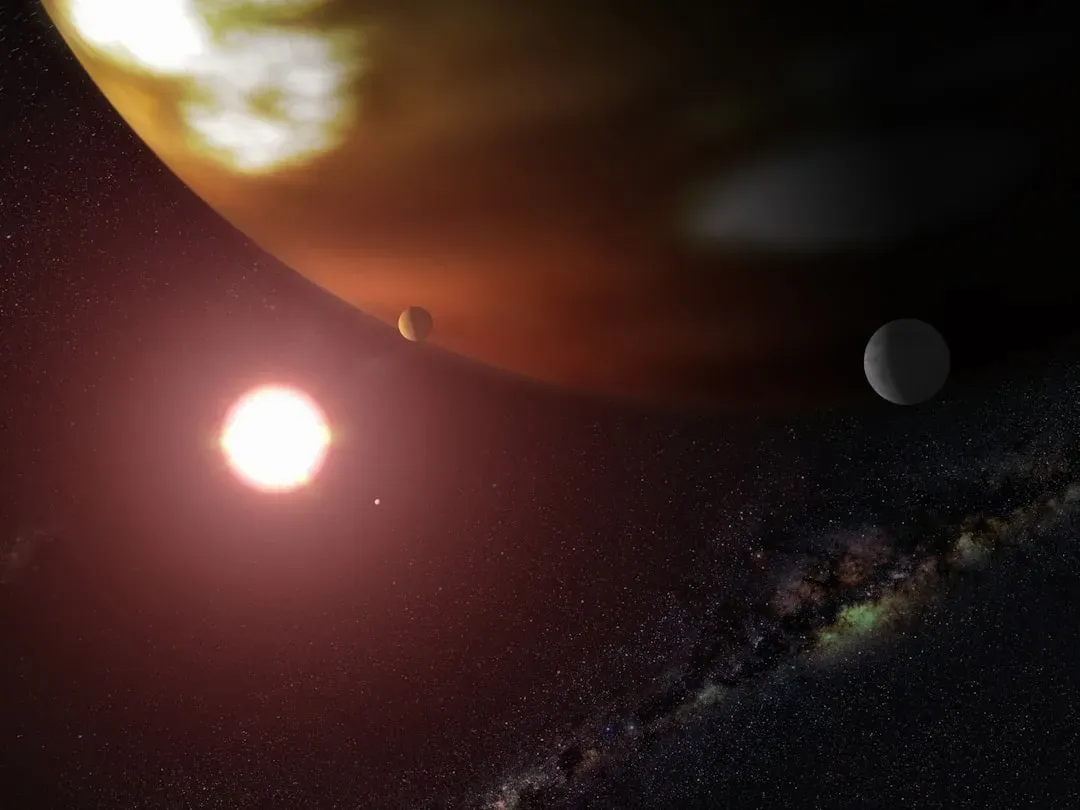
For most of history, the idea that other stars had planets was mostly a guess. That changed in the mid‑1990s, when astronomers found the first exoplanets around a pulsar and then a sun‑like star, and they were nothing like what anyone expected. Hot Jupiters, giant gas planets roasting closer to their stars than Mercury is to our Sun, shattered the comfortable idea that other systems would look like ours.
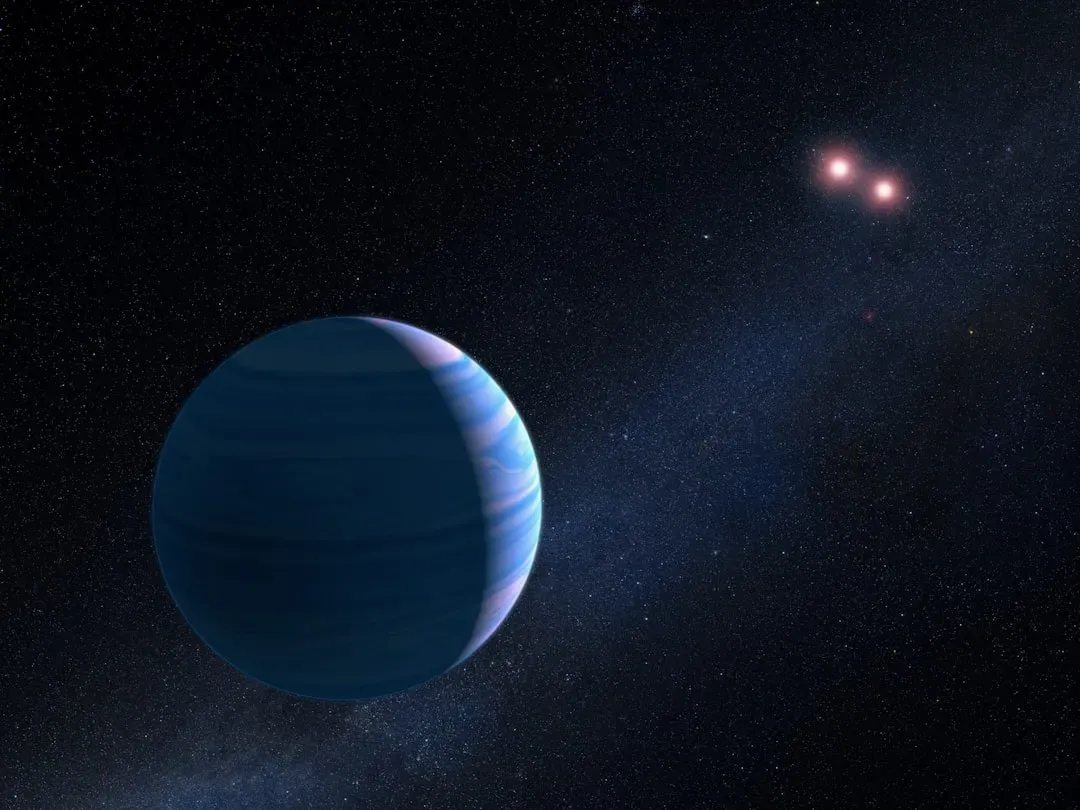
Since then, astronomers have confirmed thousands of exoplanets, with many more candidates awaiting verification, and the list grows every year. What stunned scientists most is not just the number, but the variety: ultra‑dense super‑Earths, puffy mini‑Neptunes, worlds tidally locked to red dwarfs, and planets orbiting binary stars like something out of science fiction. The big lesson so far is humbling: our solar system is just one strange arrangement among many, not the blueprint for the universe.
How We Actually Find Planets We Can’t See
Most exoplanets are far too small and faint to photograph directly, so astronomers detect them by how they tug on or dim their stars. The transit method watches for tiny, regular dips in starlight as a planet crosses the star’s face, like a moth flickering across a lightbulb. The radial velocity method looks for the star’s tiny wobble caused by a planet’s gravity, using ultra‑precise spectroscopy to measure shifts in the star’s light.
These two techniques have done the heavy lifting, often working together to reveal a planet’s size, orbital period, and approximate mass. Space telescopes like Kepler and TESS stare at tens of thousands of stars at once, catching transits that would be impossible to see from a typical backyard telescope. Newer observatories and instruments keep pushing the limits, slowly making it possible to tease out smaller planets, longer orbits, and eventually even Earth‑like worlds in truly Earth‑like orbits.
The Goldilocks Zone: Not Too Hot, Not Too Cold
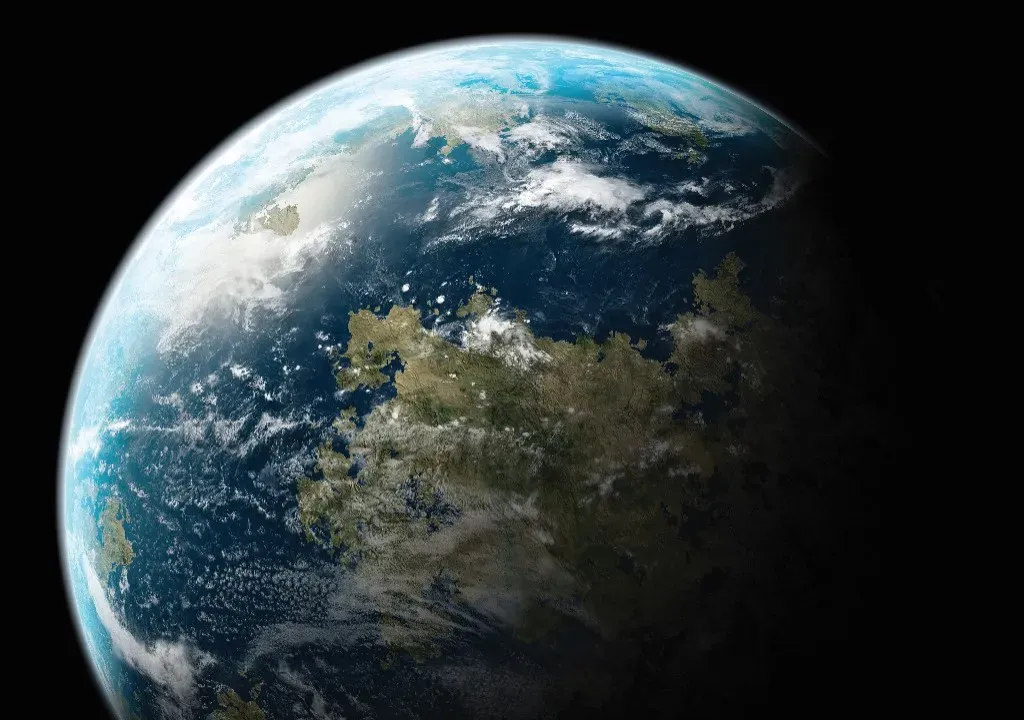
When people talk about habitable exoplanets, they’re usually talking about the habitable zone, sometimes called the Goldilocks zone. This is the region around a star where a rocky planet could, in principle, have liquid water on its surface. Too close, and any water boils away; too far, and it freezes into permanent ice. Earth sits comfortably in our Sun’s habitable zone, Mars hovers at the chilly edge, and Venus is just inside the inner, overheated border.
But being in the habitable zone is like having the right zip code, not a guarantee of a nice house. A planet’s atmosphere, geological activity, magnetic field, and even its rotation all influence whether water can stay liquid and stable over long timescales. Astronomers still use the habitable zone as a first filter, a way of slimming a vast catalog down to a more promising short list, knowing that many of those candidates will later drop out once we learn more about them.
Why Red Dwarf Stars Are Both Tempting and Troubling
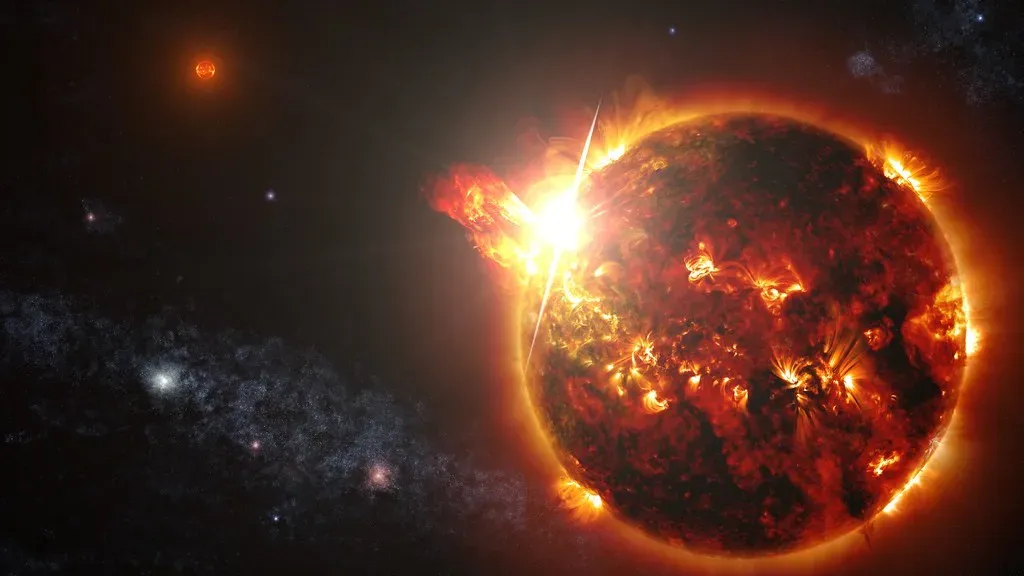
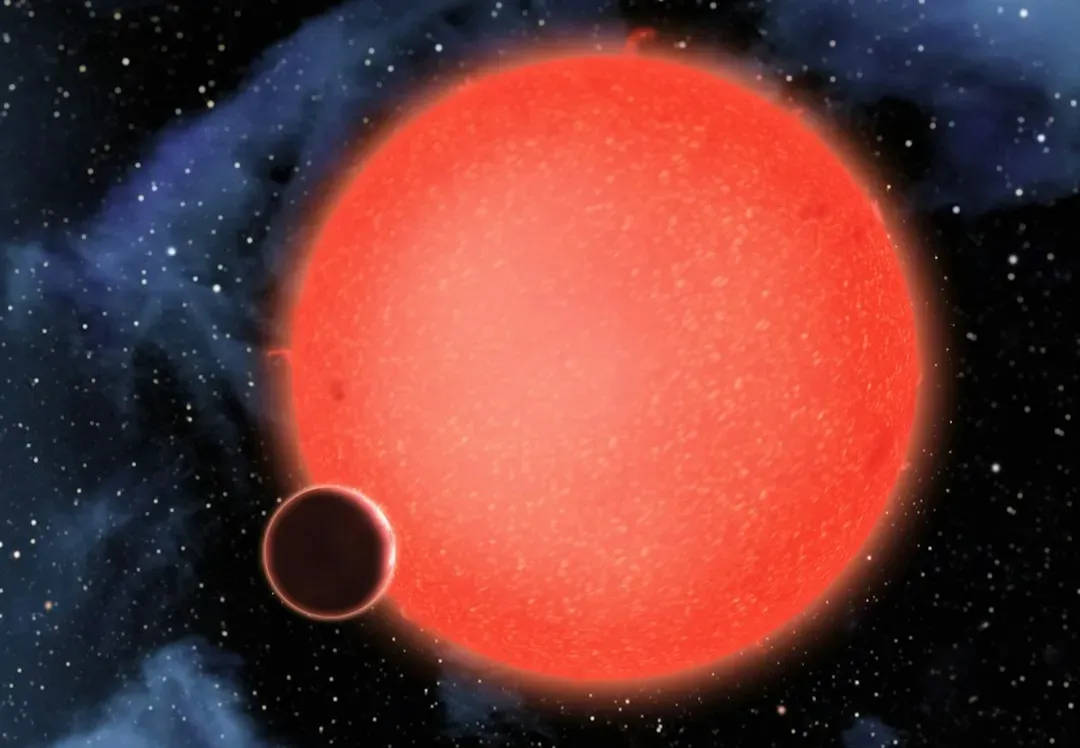
A huge share of the potentially habitable planets discovered so far orbit red dwarf stars, which are smaller, cooler, and far longer‑lived than our Sun. Because red dwarfs are dim, their habitable zones are much closer in, meaning planets there orbit quickly and are easier to detect with transit and radial velocity methods. Famous systems like TRAPPIST‑1, with several Earth‑size planets in or near the habitable zone, have captured enormous attention for this reason.
Yet red dwarfs come with serious problems. They often flare violently, blasting nearby planets with intense radiation that can strip atmospheres or sterilize surfaces, especially when those planets orbit close in. Many such worlds are likely tidally locked, with one side facing eternal day and the other endless night, raising questions about whether climates can remain stable. Red dwarf systems might still host life, but if they do, it may look very different from what we imagine when we picture another Earth.
Super‑Earths, Ocean Worlds, and Other Exotic Homes
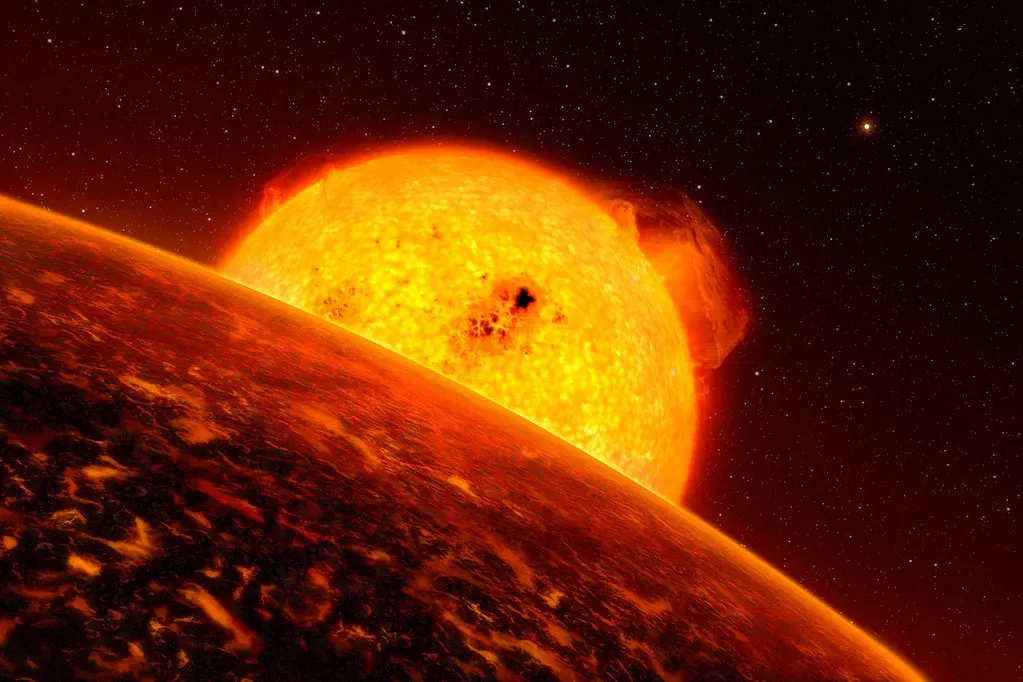
One of the biggest surprises in exoplanet science is how common super‑Earths and mini‑Neptunes are. Super‑Earths are rocky planets more massive than Earth but smaller than ice giants like Neptune, and they don’t exist in our solar system at all. Some could have thick atmospheres, strong gravity, and deep oceans, making them possible pressure‑cooker havens for life if conditions are stable enough.
There are also candidates for so‑called ocean worlds, planets that may be covered in global seas tens or even hundreds of kilometers deep. These worlds could hide high‑pressure ices and complex chemistry at their bases, a bit like extreme versions of Jupiter’s moon Europa or Saturn’s Enceladus. While it’s hard to imagine advanced civilizations arising on a planet with no land, simple life in deep oceans might be far more common than life on continents, especially on worlds far from friendly suns.
Reading Alien Atmospheres Like a Crime Scene
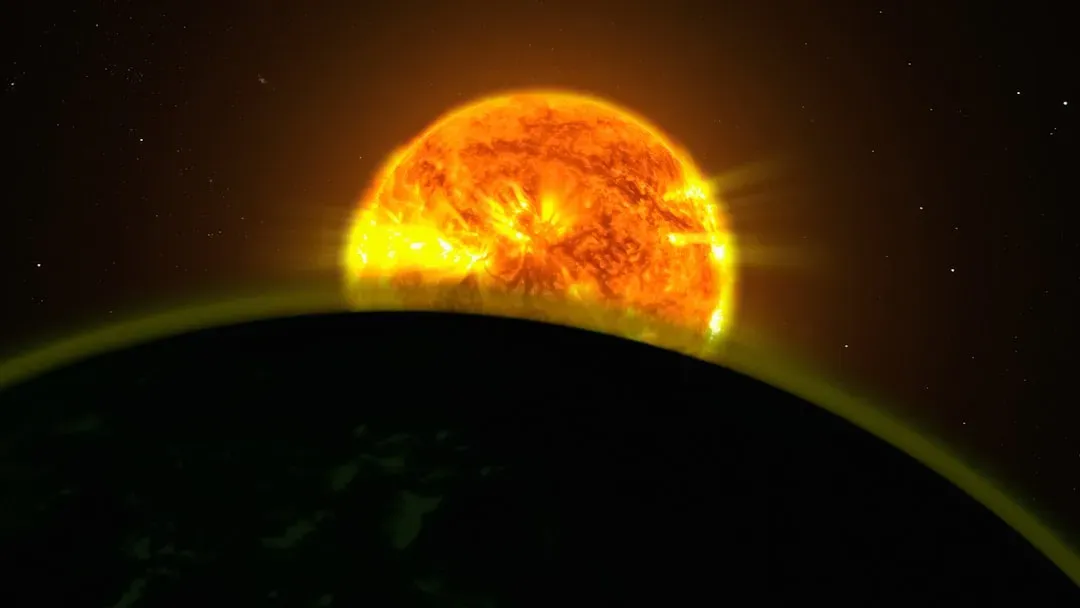
Finding an interesting planet is only step one; understanding whether it might be alive means studying its atmosphere. When a planet transits its star, some starlight filters through the planet’s air, leaving faint fingerprints of gases like water vapor, methane, carbon dioxide, and oxygen in the star’s spectrum. Powerful telescopes and sophisticated models work together to decode those fingerprints into possible atmospheric compositions and temperatures.
This is where the search for biosignatures comes in: combinations of gases that are hard to maintain without some ongoing source, potentially including biological activity. For example, large amounts of oxygen and methane together could be suspicious, because they react and tend to cancel each other out unless something keeps replenishing them. The catch is that many non‑biological processes can mimic such patterns, so astronomers are deeply cautious, trying to rule out volcanic, chemical, or stellar explanations before even whispering about life.
James Webb and the New Era of Exoplanet Forensics

The James Webb Space Telescope, launched earlier this decade, has pushed the search for life‑friendly planets into a new, more detailed phase. Its infrared eyes are exquisitely tuned to read the spectral fingerprints of molecules in exoplanet atmospheres, especially for planets orbiting smaller, cooler stars. Already, Webb has detected key gases on some planets, even picking up signs of intriguing chemistry on a few that sparked intense debate about what might be going on there.
Webb is not designed to give us a crystal‑clear answer about life on any one planet, but it can tell us which ones are worth obsessing over. It can identify hazy atmospheres, possible clouds, unexpected temperature structures, and unusual combinations of gases that defy simple explanations. In a way, Webb is acting as the universe’s triage nurse for future telescopes: flagging the most interesting cases, the worlds that later generations of instruments might one day study in truly Earth‑like detail.
How Close Are We to Finding a Truly Earth‑Like World?
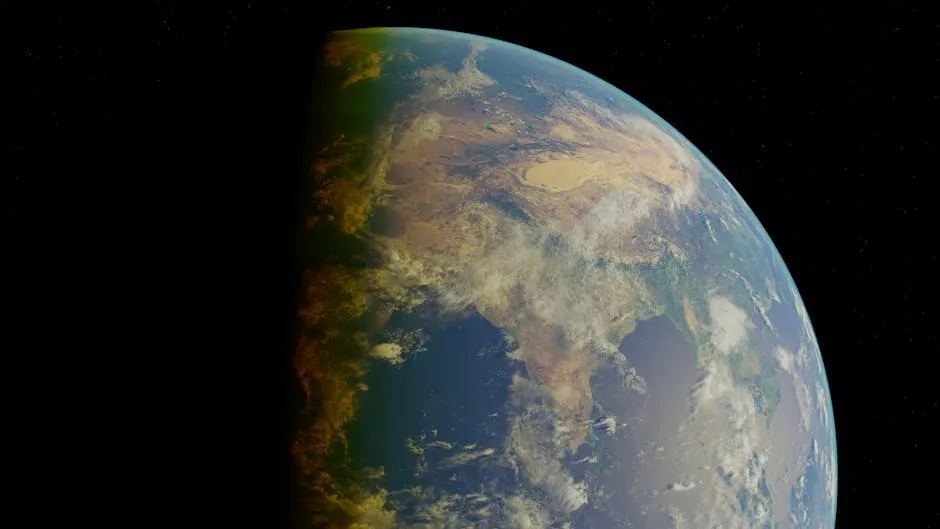
People often assume we must have already found an exact twin of Earth by now, but the truth is more nuanced. We have found multiple rocky planets similar in size to Earth, in or near their stars’ habitable zones, some only a few dozen light‑years away. However, confirming that any of them have Earth‑like atmospheres, surface oceans, moderate climates, and long‑term stability is still beyond our current tools for most targets.
Future missions planned for the late 2020s and 2030s aim to fill that gap. Concepts for large space telescopes equipped with starshades or advanced coronagraphs could directly image nearby Earth‑size planets and dissect their atmospheres in detail. If successful, this would transform Earth analogs from statistical guesses into individually characterized worlds, complete with cloud patterns, seasonal changes, and maybe even hints of vegetation‑like signatures. We are not there yet, but the path toward that capability is clearer than it has ever been.
The Philosophical Shock Waiting in the Data
Underneath the technical details, the hunt for habitable exoplanets is about something deeply human: whether we are a cosmic exception or a routine outcome of physics and time. If we eventually find dozens of Earth‑like planets with atmospheric signatures that look suspiciously biological, it would suggest that life emerges wherever conditions allow, making the universe feel crowded, even if the distances keep us apart. On the other hand, if we find countless Earth‑like worlds and none show convincing traces of life, it will raise a far more unsettling question about why we are here at all.
Either outcome would reshape philosophy, religion, and how we think about our own responsibilities as a technological species. I still remember the first time I saw a visual catalog of known exoplanets: a chaotic, colorful scatter of worlds, and somewhere in that mess, all of human history on one tiny point. The more of those points we find, the harder it is to cling to the idea that we are the main act in the universe. Maybe we are early. Maybe we are rare. Or maybe we are just now learning to recognize a pattern that has been repeating for billions of years.
Conclusion: Listening for Echoes in a Silent Sky
is no longer a fringe idea; it has become one of the central stories of modern astronomy. We have gone from no confirmed exoplanets to a sprawling, diverse census of alien worlds, with a growing shortlist of places where liquid water and stable climates might exist. Along the way, we have learned to read tiny dips in starlight, decode faint atmospheric fingerprints, and accept that our solar system is only one quirky arrangement among many possible ones.
We still have not found definitive evidence of life beyond Earth, and we should be honest about how hard that proof will be to obtain. Yet every new instrument, from planet‑hunting satellites to powerful space telescopes, sharpens our vision and narrows the search. In a sense, we are learning to listen better, tuning our instruments to hear even the faintest echoes of biology in a seemingly silent sky. When that echo finally arrives, in a spectrum, a signal, or a subtle chemical imbalance, will it feel like confirmation of what you already believed – or a shock you never thought would come?