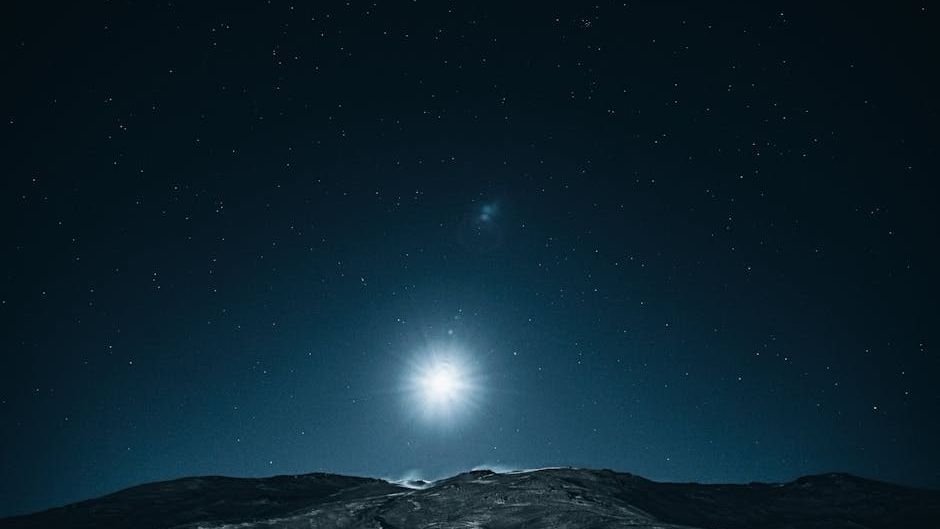
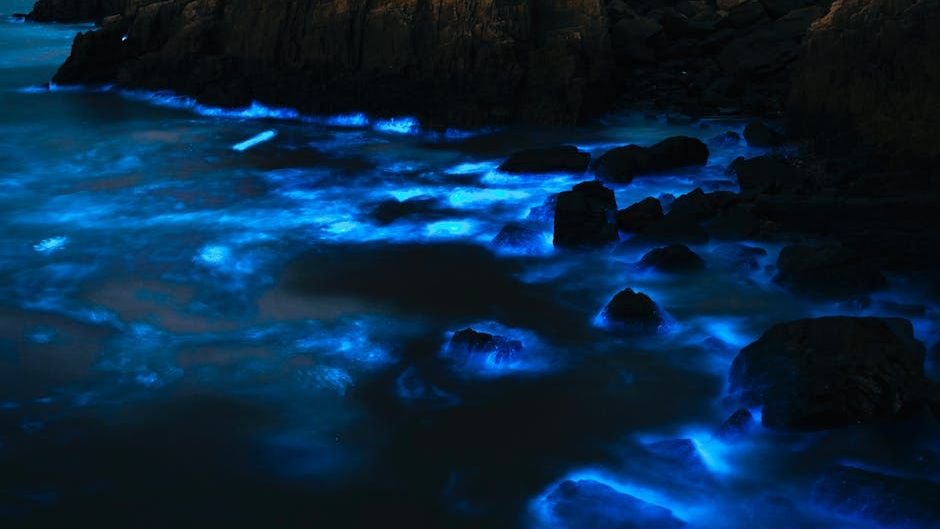
The science of a great starts long before anyone spreads out a blanket or snaps a photo; it begins miles above the city, where tiny particles, water vapor, and sunlight collide in a very specific way. In a basin edged by mountains and open to the Pacific, LA turns into a giant natural laboratory for scattering light, layering marine haze, and bending the sun’s last rays into improbable colors. Yet most people only see this as “a pretty sky” over traffic, never realizing how much geography and physics conspire to paint those few minutes of color. This piece goes looking for the places where that science becomes most visible: vantage points where the coastline, the urban grid, and the atmosphere line up just right. These are not just scenic overlooks, but real-world observatories where you can literally watch planetary processes unfold in real time.
Griffith Observatory: Watching Solar Geometry Over a Living City
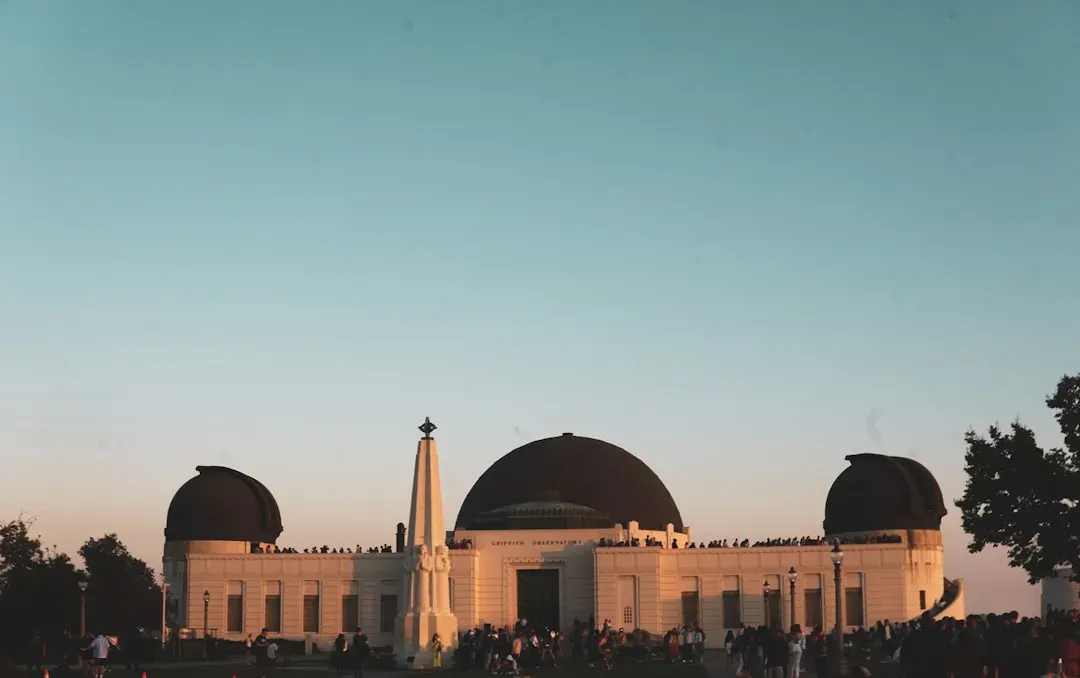
Griffith Observatory is probably the only place in Los Angeles where you can watch the sun set and then immediately walk inside to look at diagrams explaining why it looked that way. Perched on the southern slope of Mount Hollywood, it sits high enough above the basin that you get a wide, unobstructed view of the sun’s apparent path as it drops toward the Pacific horizon. From this height, you can clearly see the angular tilt of that path change across the year, tracing a shallower arc in winter and a higher, longer sweep in summer. The smog and marine haze that often frustrate daytime views turn into a lens at dusk, scattering shorter blue wavelengths away and letting the longer reds and oranges dominate. You can literally watch those colors grade from warm near the horizon to cooler higher up, a textbook example of Rayleigh and Mie scattering playing out over a metropolis.
What makes Griffith especially compelling for sunset watching is the combination of human-made and natural light. As the sun dips, the city grid flickers on below in a branching pattern that traces freeways, neighborhoods, and commercial corridors like illuminated fault lines. You end up seeing two systems at once: the changing spectral quality of sunlight above, and the steady sodium and LED glow of human activity below. On nights with good visibility, mountains, ocean, and skyscrapers all sit in the same field of view, giving a cross section of the LA basin and its famous temperature inversion layer. That inversion, a stable layer of warmer air that caps cooler air below, tends to trap aerosols and pollution, which is uncomfortable for lungs but potent for dramatic, color-rich sunsets. Standing at the rail at Griffith, you can feel the air cool rapidly as the sun disappears, a reminder of just how much energy those last few degrees of altitude were delivering moments before.
Santa Monica Pier: Where Ocean Physics Paint the Horizon
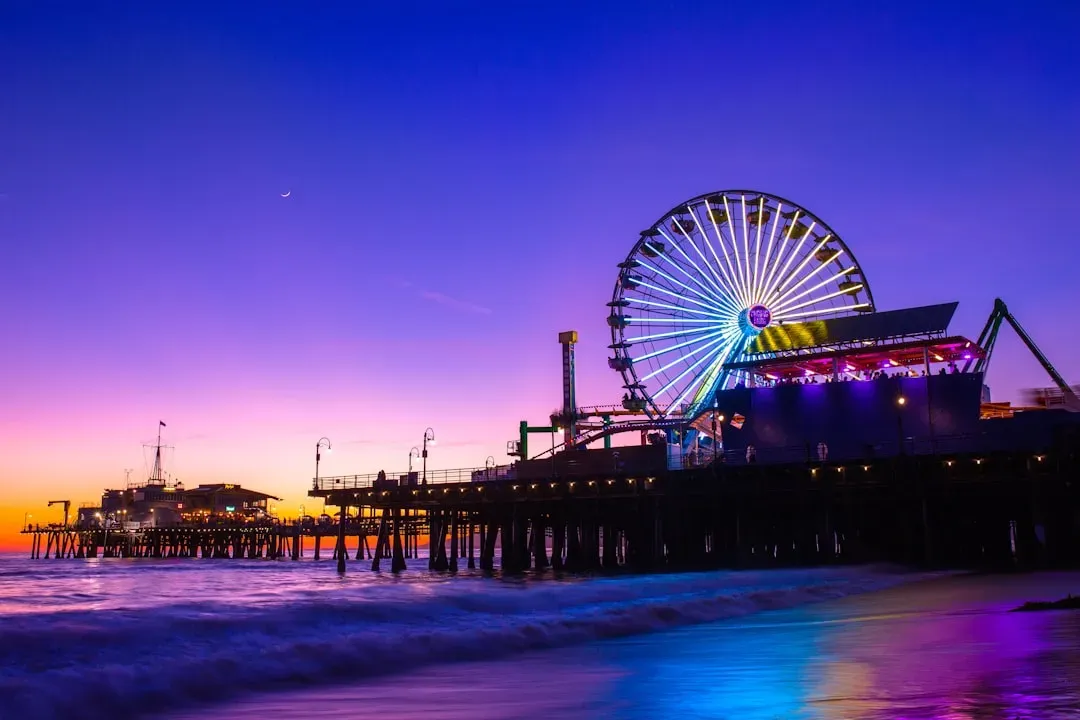
Down at Santa Monica Pier, the sunset feels more horizontal than vertical; the drama is stretched across the line where ocean and sky meet rather than over a deep city bowl. Here, you are staring directly into the marine layer, that shallow blanket of cool, moist air hugging the Pacific, which behaves very differently from the dry, mixed air over inland neighborhoods. As the sun nears the horizon, its light has to pass through much more of this dense, particle-laden air, shedding blue and green wavelengths and leaving behind the deep oranges and reds that people associate with classic beach sunsets. On some evenings, the upper edge of the marine layer forms a visible band or shelf, so the sun appears to slice into it and flatten, a real-world illustration of atmospheric refraction. That subtle squashing of the solar disk is not a camera trick; the density gradient near the horizon literally bends different parts of the light path by slightly different amounts.
The pier itself adds another layer of observation you might miss on a clifftop: the way water reflects and fragments the sunset. Gentle waves act like thousands of moving mirrors, catching and throwing back pieces of the sky at shifting angles, turning a simple gradient of color overhead into streaks, flashes, and silvered bands across the surface. This is where polarization becomes visible to the naked eye in a subtle way; reflections at shallow angles tend to be polarized, which is part of why polarized sunglasses make the water darken in patches and the sky deepen in color. As the Ferris wheel lights switch on behind you, there is an almost stark contrast between the predictable, engineered light pattern of LEDs and the chaotic yet rule-governed play of colors in the western sky. Standing at the end of the pier, you are literally at the edge of a moving boundary between land and ocean that drives much of Southern California’s weather and, by extension, its sunsets.
El Matador State Beach: Rock Arches, Tides, and Low-Angle Light
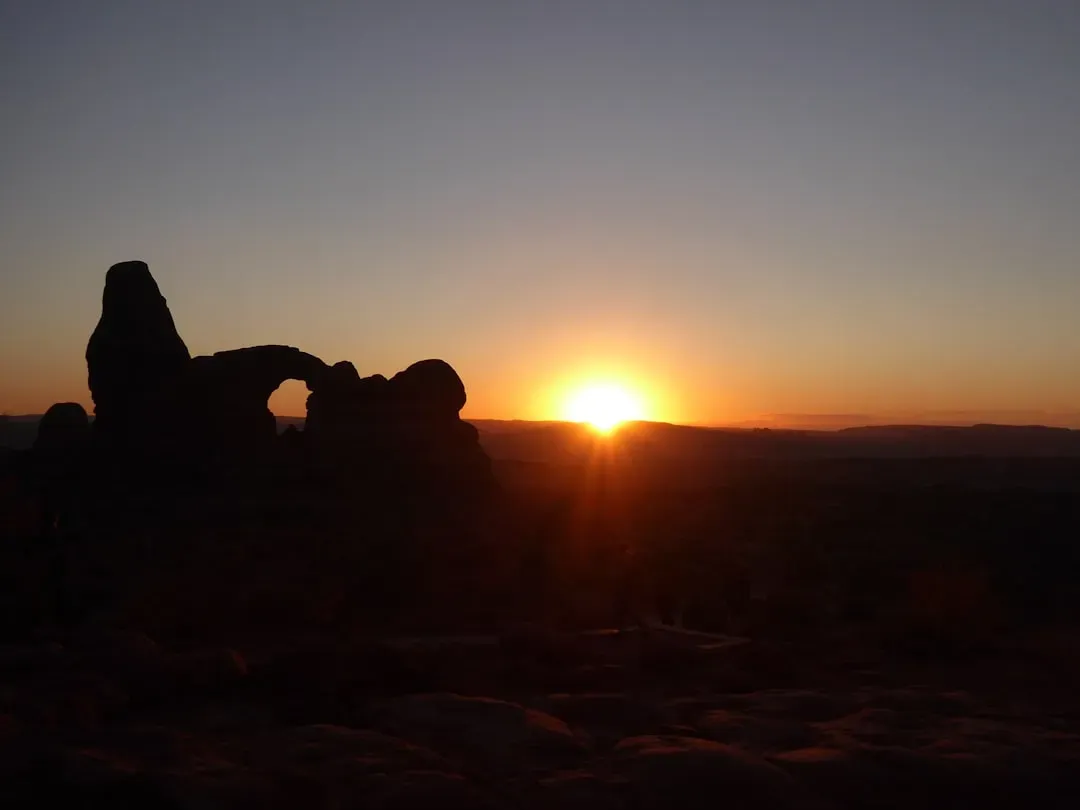
El Matador State Beach, up the coast in Malibu, offers a very different kind of sunset lab, one built from rock, shadow, and tidal motion. Here, tall sea stacks and natural arches break the sun’s last light into sharp beams, narrow slits, and long-edged silhouettes that march across the sand. The geology on display is the result of millions of years of uplift and erosion, leaving behind harder rock that resists wave energy while softer layers are worn away. As the sun drops closer to the waterline, its low angle exaggerates every contour, turning small ripples in wet sand into dramatic relief, like miniature mountain ranges. It is a neat, visual reminder that the same physics that makes mountain shadows so striking at day’s end works at every scale, down to dunes, footprints, and kelp lines.
The combination of tides and low-angle light here is particularly revealing. Around low tide, wave-cut platforms appear, acting like flat, shining canvases that briefly hold reflections of the sky before the next surge washes over them. The difference in color between dry and wet rock, and between white foam and darker returning water, becomes more pronounced as the spectrum of incoming sunlight shifts redder. This beach is also a good spot to notice how the sun’s position along the horizon drifts with the seasons, marching northward along the line of the coast toward late spring and summer, then back again. If you come back over months, the arches that perfectly frame the sun in August will miss it entirely in January, an accessible, visceral way to see Earth’s axial tilt played out in familiar scenery. Standing in the shadow of a sea stack as the sky glows around it, you can feel both the stability of solid rock and the relentless carving power of waves, all colored by a star 150 million kilometers away.
Runyon Canyon: Atmospheric Layers Over a Heat-Engine City
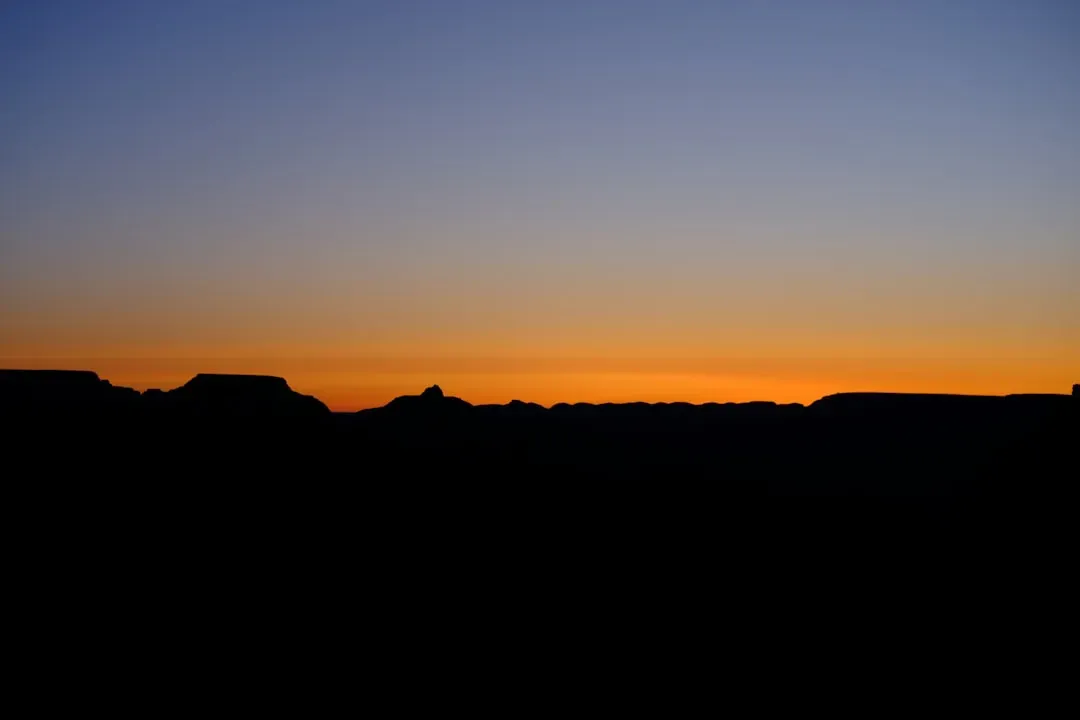
Runyon Canyon is less about postcard views of the ocean and more about looking down into the churning heat engine that is Los Angeles itself. Hiking up in late afternoon, you can feel the gradient directly: hot, stored heat radiating from streets and roofs below, and cooler, slightly cleaner air along the ridgeline above. This vertical difference matters at sunset, because as the surface cools, the rising thermals that were lofting dust and pollutants begin to weaken, and the haze layer starts to settle. Looking west from Runyon, you often see a distinct brownish band floating over the city, which fades to a clearer blue higher up, an everyday demonstration of how aerosol concentration changes with height. As the sun drops into that band, its color temperature shifts dramatically, going from relatively neutral white to saturated orange in a matter of minutes.
This is one of the best places in LA to notice how human activity modifies the raw physics of sunset. Emissions from vehicles, industry, cooking, and even seasonal wildfires inject fine particles into the lower atmosphere, boosting the amount of light scattering that can happen near the horizon. On days following offshore winds, when dry air from inland deserts sweeps the basin, that haze band thins and the sunset can become sharper, with a cleaner gradient and more defined solar disk. In contrast, after a stagnant, hot spell, the haze can be so thick that the sun disappears behind a diffuse glow well before it technically sets. From a scientific perspective, Runyon Canyon offers a balcony view onto the interaction between boundary-layer meteorology and urban pollution – a complex, dynamic system that people mostly experience as “good sunset” or “bad air day.” Watching the city lights ignite while the upper sky still holds a trace of color can feel like witnessing a slow handoff from solar to electrical power.
Point Dume: A Natural Amphitheater for Coastal Atmospherics
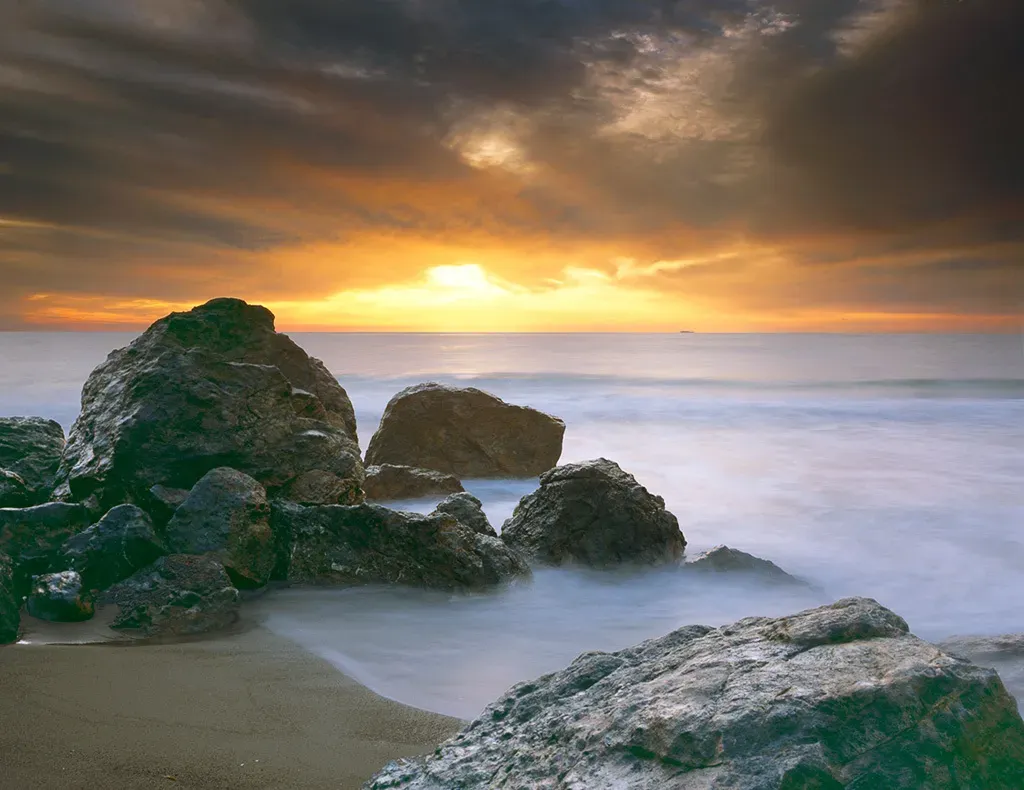
Point Dume, a broad headland jutting into the Pacific near the northern end of Malibu, acts almost like a natural observation deck built to study coastal optics. Standing on its cliffs, you can see both up and down the curve of Santa Monica Bay, giving a rare sense of geometry usually hidden when you are at sea level. The curvature allows you to watch how the marine layer thickens or thins along the coastline, sometimes cloaking the southern reaches in fog while leaving the northern stretch clear. At sunset, this means that different parts of the horizon can show different stages of color and brightness at the same time, effectively turning the sky into a time-lapse spread out in space. On days with small surf, the surface of the water appears almost metallic, reflecting the bright patch around the solar disk while the rest of the ocean darkens, revealing how directional and localized the most intense light really is.
Point Dume is also one of the more reliable spots to notice subtle atmospheric phenomena that most people never see. Under the right conditions, when the air is very clear and temperature gradients are sharp, the infamous green flash can occur in the instant just as the last sliver of the sun disappears. This effect arises because the atmosphere bends and splits light by wavelength, with green sometimes lingering a heartbeat longer than red as the disk drops below the geometric horizon. Even when that flash does not appear, the afterglow over Point Dume can be especially striking, as high-altitude ice crystals in cirrus clouds catch light that has traveled a longer, red-shifted path through the lower atmosphere. Staying for those fifteen or twenty minutes after the sun is gone reveals how much of a sunset actually happens after the star itself is out of sight, a reminder that what we call sunset is really a gradient in both time and space.
DTLA Rooftops: Urban Canyons, Reflective Glass, and Scattered Light
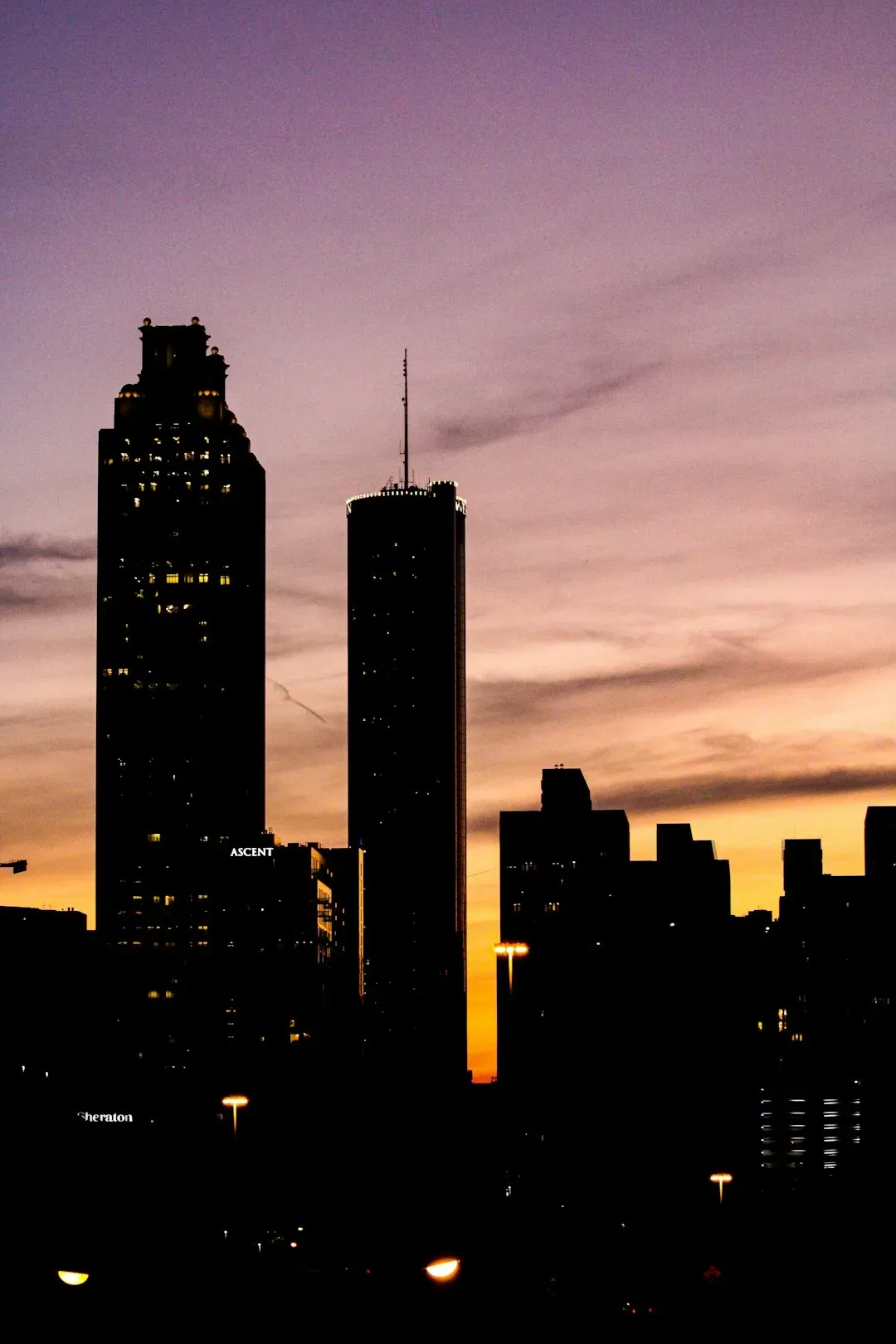
Downtown Los Angeles rooftops offer a very different kind of sunset, one where glass, steel, and concrete become part of the optical system rather than just a foreground. As the sun lowers behind the Santa Monica Mountains, its rays slice through the urban canyons between high-rises, lighting some façades with warm color while leaving others in cool shadow. Many modern towers use glass engineered to reflect specific parts of the spectrum for energy efficiency, which means they selectively bounce certain colors into the air at dusk. You can sometimes see entire walls flare with orange or pink for just a few minutes as the incident angle lines up, then fade to dull gray as the sun drops a degree or two. This fleeting glow is a direct consequence of reflectivity curves and panel orientation, not just chance.
From a rooftop, the sky itself is also segmented by the built environment. Instead of a smooth dome, you see framed patches of clouds and color reflected multiple times in windows and on metallic surfaces. Light pollution, usually thought of as a nighttime issue, starts to become visible even before the sky is fully dark, especially as LED signage, billboards, and stadium lights ramp up. The interesting twist is that some of this artificial light backscatters off particles in the air, slightly brightening the lower atmosphere even as the natural light fades. In effect, the city stretches twilight, holding onto a luminous haze longer than it would exist in a dark, rural setting. Observing sunset from DTLA, you are watching two illumination systems intersect: the predictable solar cycle driven by Earth’s rotation, and the more chaotic, human-made pulse of power demand and lighting design.
Palos Verdes Bluffs: Coastal Upwelling and Crystal-Clear Skies
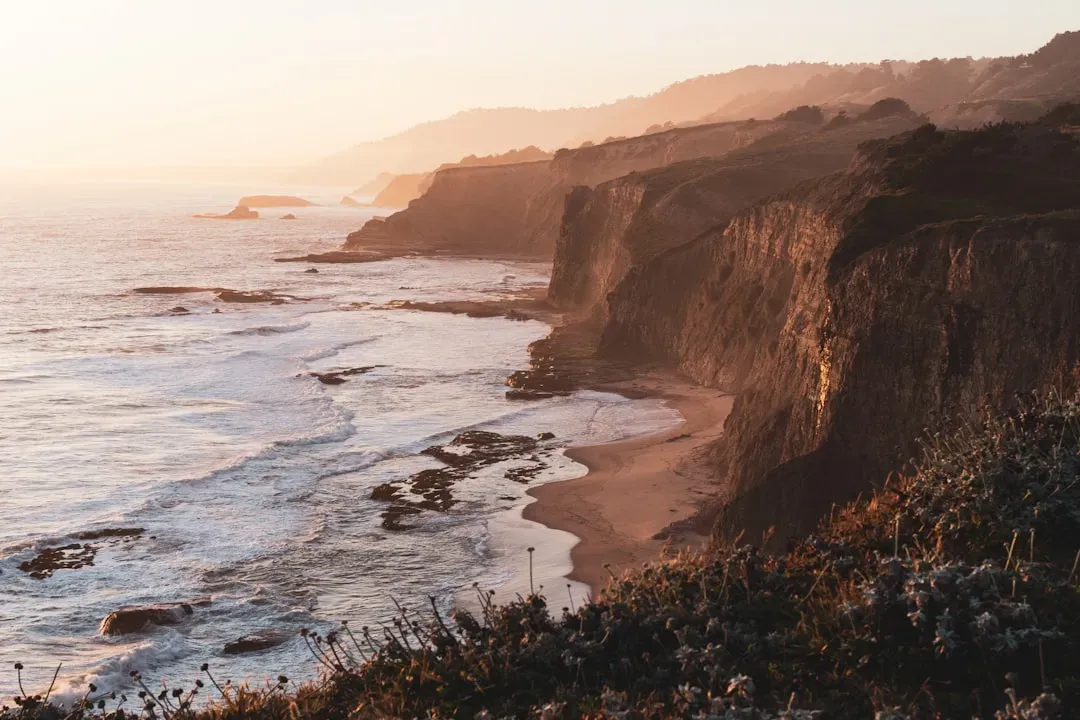
The Palos Verdes Peninsula, with its steep bluffs dropping into the Pacific, sits near regions of strong coastal upwelling, where cold, nutrient-rich water rises from depth to the surface. This oceanographic process cools the overlying air, often thinning or pushing back the typical Southern California marine layer in surprising ways. On many evenings, that means clearer visibility and crisper horizons than beaches closer to the LA basin, where the marine layer and urban haze often blend. From the bluffs, you get long sightlines toward Catalina Island and, on exceptional days, much farther, turning the sunset into a layered composition of island silhouettes, distant cloud decks, and the glitter path of reflected sunlight on the water. That glitter path is not a continuous band but a dense collection of bright points created where wave slopes align just right to reflect the sun toward your eyes.
The cooler water and cleaner air also subtly change the character of the colors you see. With fewer aerosols to scatter light in the lower atmosphere, the transition from blue to orange can be sharper, and the sky above the setting sun may stay a more intense cobalt before rapidly sliding into twilight. It is a striking contrast to hazier views inland, where colors may be more diffuse but also more prolonged. Standing at the edge of the cliffs, you are perched above a dynamic boundary where ocean physics influences the chemistry and temperature of the air column above, which then determines how sunlight is filtered and displayed. In a sense, you are watching three systems at once: the rotating Earth carrying the sun toward the horizon, the churning ocean cooling and feeding the atmosphere, and your own visual system adapting as light levels plunge.
Why Los Angeles Sunsets Look the Way They Do
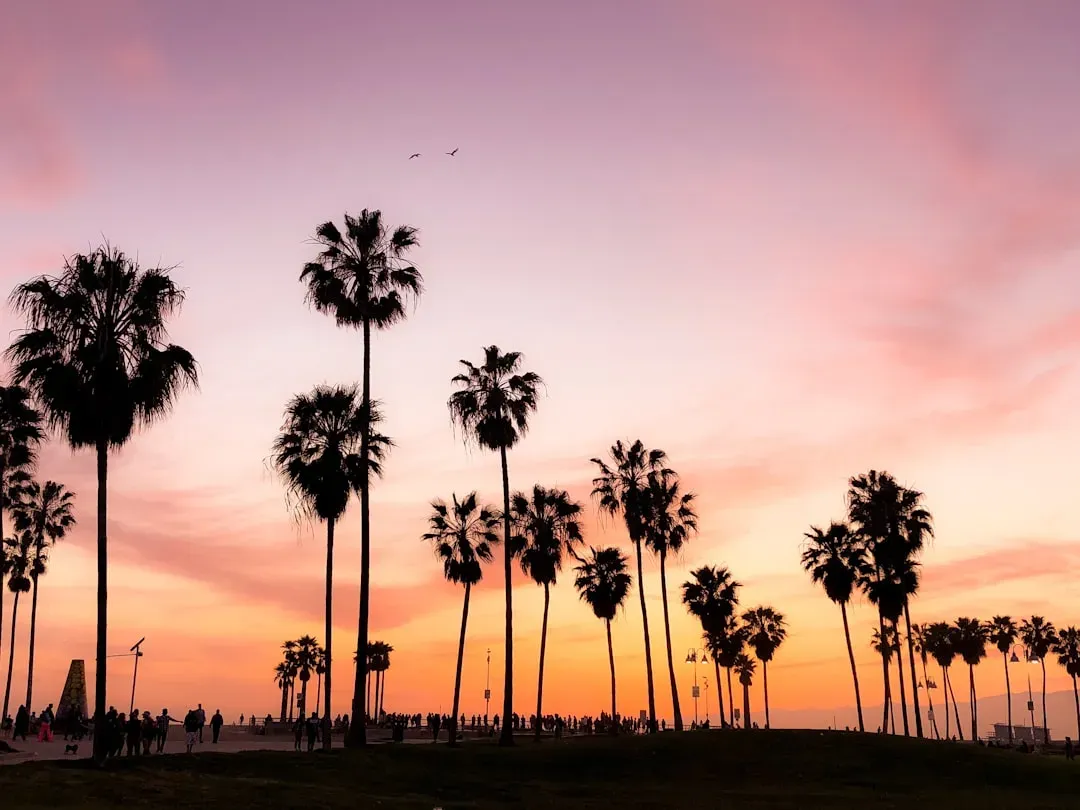
Pulling back from individual viewpoints, Los Angeles sunsets are shaped by a distinct combination of geography, climate, and human impact that makes them different from those in many other coastal cities. The city sits in a basin ringed by mountains and open to the Pacific, which encourages temperature inversions that trap aerosols and pollution near the surface. Those fine particles increase the amount of scattering that happens when sunlight arrives at shallow angles during sunset, often intensifying reds and oranges near the horizon. At the same time, the persistent marine layer and sea breezes introduce cooler, moister air from the ocean that can either soften or sharpen the display depending on its depth and structure. This delicate balance means small shifts in wind direction, humidity, or pollution levels can make the difference between a muted gray dusk and a sky that looks almost artificially saturated.
Comparing LA to drier, higher-altitude locations like deserts or mountain plateaus helps clarify what is unique here. In those regions, with less moisture and fewer aerosols, sunsets can be crystal clear, with a sharply defined solar disk and intense but narrower bands of color. In LA, the added particles and layered air masses create more gradients, halos, and extended afterglows, but at the cost of air quality. Over the past decades, improvements in emissions regulations have reduced some of the worst pollution peaks, subtly changing the typical sunset palette and visibility. The city’s shift to LED lighting is also altering the character of twilight and night skies, affecting how quickly darkness falls and how much the lower atmosphere glows after sunset. Seen from a scientific perspective, each evening’s sky is a kind of diagnostic tool, silently revealing how well our policies, technologies, and behaviors are interacting with the natural systems around us.
How to Turn Sunset Watching into Citizen Science
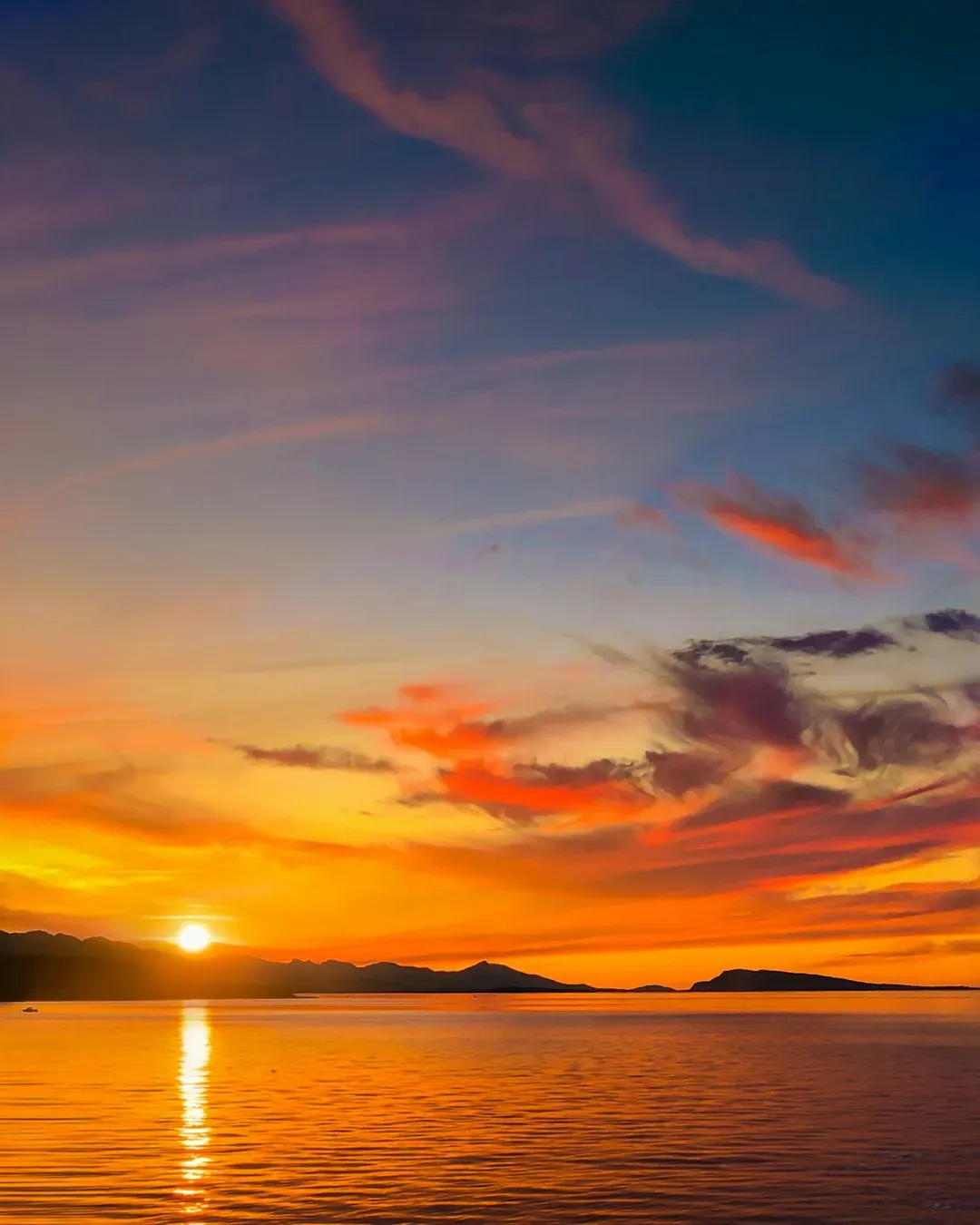
You do not need a telescope or lab equipment to turn LA’s sunsets into something more than background scenery; you mostly need attention and a bit of consistency. Picking one or two of these vantage points and returning across seasons lets you document how the sun’s position shifts along the horizon, how the timing of color changes tracks with the length of the day, and how haze layers grow or shrink with weather patterns. Simple tools – a notebook, smartphone camera, and even free satellite imagery – can help you connect what you see to larger-scale processes like marine layer dynamics or wildfire smoke plumes. There are community science projects that invite people to report sky color, visibility, or cloud types, turning personal sunset rituals into contributions to atmospheric research and climate monitoring. Even informal photo series, tagged with time and location, can reveal surprisingly rich patterns when you look back over months or years.
Engaging with sunsets this way also deepens your sense of place. Instead of chasing only the most dramatic colors, you start to notice the quieter evenings when a thin high cloud deck catches a narrow tracer of light or when a post-storm atmosphere produces unusually transparent air. Small choices – taking public transit to a viewpoint, leaving no trash behind, supporting efforts to reduce light and air pollution – become part of maintaining the conditions that make these scenes possible. In a city often defined by screens, freeways, and schedules, deliberately watching how a star slips behind mountains or into the ocean for a few minutes can reset your scale of time and importance. The next time the sky over Los Angeles explodes into color, will you just glance up from traffic, or will you choose a vantage point, watch closely, and notice what the planet is quietly telling you?
Suhail Ahmed is a passionate digital professional and nature enthusiast with over 8 years of experience in content strategy, SEO, web development, and digital operations. Alongside his freelance journey, Suhail actively contributes to nature and wildlife platforms like Discover Wildlife, where he channels his curiosity for the planet into engaging, educational storytelling.
With a strong background in managing digital ecosystems — from ecommerce stores and WordPress websites to social media and automation — Suhail merges technical precision with creative insight. His content reflects a rare balance: SEO-friendly yet deeply human, data-informed yet emotionally resonant.
Driven by a love for discovery and storytelling, Suhail believes in using digital platforms to amplify causes that matter — especially those protecting Earth’s biodiversity and inspiring sustainable living. Whether he’s managing online projects or crafting wildlife content, his goal remains the same: to inform, inspire, and leave a positive digital footprint.