
Imagine standing in the heart of Washington D.C., surrounded by the hustle and bustle of politics, monuments, and museums. Now, picture yourself sinking through the ground—down, down, past subway tunnels and bedrock—until you land in a world so ancient, so wild, it staggers the imagination. Here, beneath the city, is a secret landscape sculpted by ancient tides and teeming with the silent remains of coral reefs that flourished long before dinosaurs ever thundered across the Earth. This isn’t science fiction. It’s a story written in stone, hidden under our feet, and it’s more astonishing than anything you’ll find in the history books. Let’s journey into this mysterious world and uncover the incredible, forgotten secrets that lie beneath D.C.’s familiar streets.
The Surprising Origins of Washington D.C.’s Bedrock
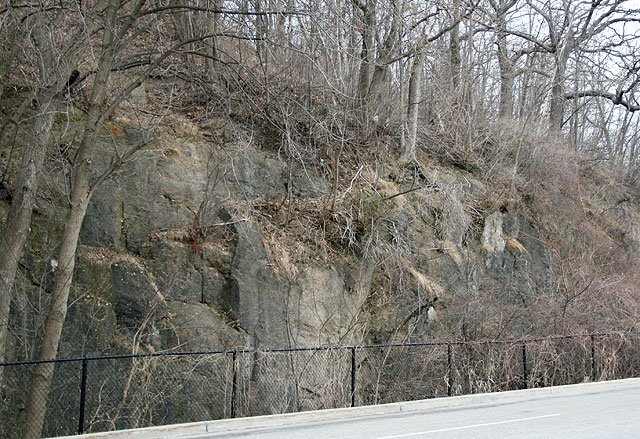
Beneath the city’s concrete and marble, the ground tells a story that began nearly half a billion years ago. Washington D.C. sits atop a foundation of ancient rocks called the Piedmont and the Coastal Plain. These rocks are the leftovers of mountains that once towered over shallow seas. Over millions of years, water and wind wore down these peaks, leaving behind the sediments that would eventually become the city’s bedrock. What’s truly mind-blowing is that these rocks don’t just come from the immediate area—they’re the product of continents colliding and drifting apart, a reminder that the ground we stand on was once part of a world that looked nothing like it does today.
When D.C. Was Submerged Beneath Tropical Seas
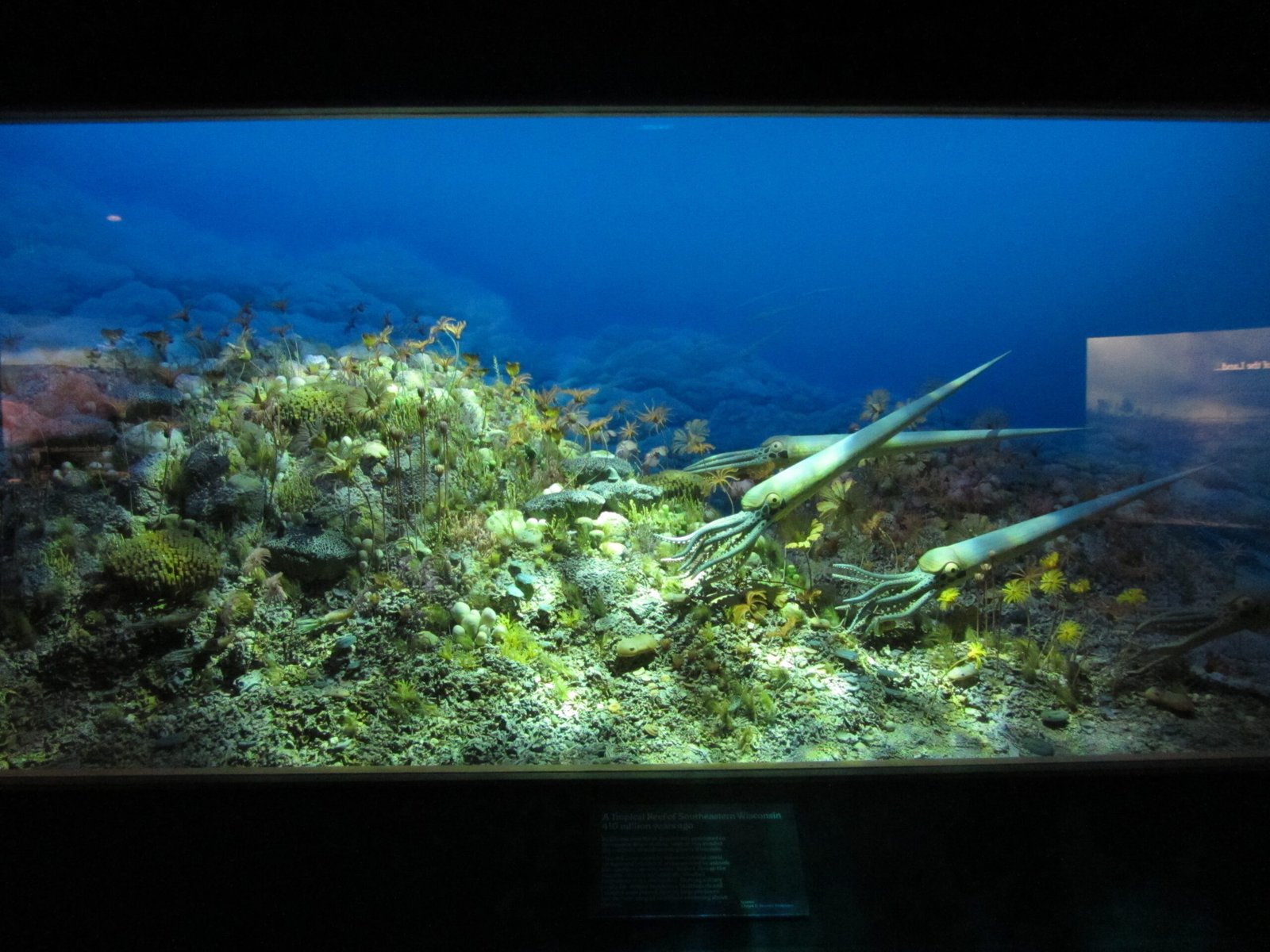
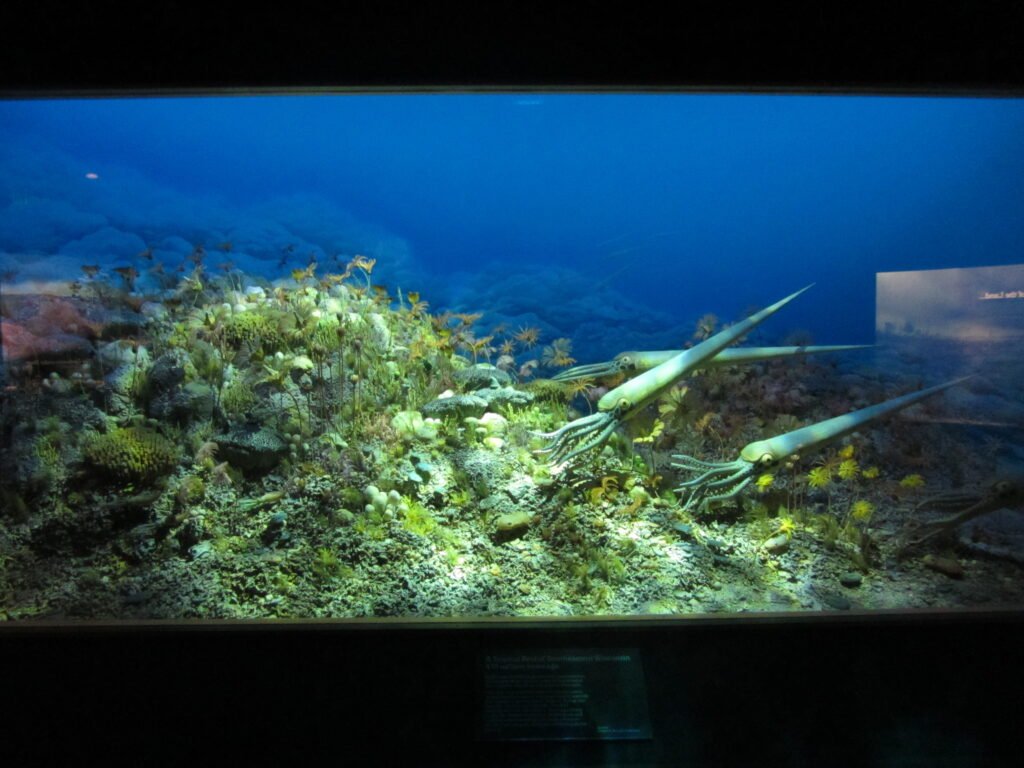
It’s hard to believe, but Washington D.C. was once underwater—submerged beneath warm, shallow seas teeming with life. About 430 million years ago, during the Silurian and Devonian periods, this region lay just south of the equator. The climate was hot and humid, perfect for the growth of ancient coral reefs. These reefs stretched for miles, forming complex underwater cities for trilobites, brachiopods, and early fish. If you could travel back in time, you’d see clear waters shimmering above a landscape that’s now buried and fossilized beneath D.C.
The Fossilized Coral Reefs: Silent Witnesses to Earth’s Past
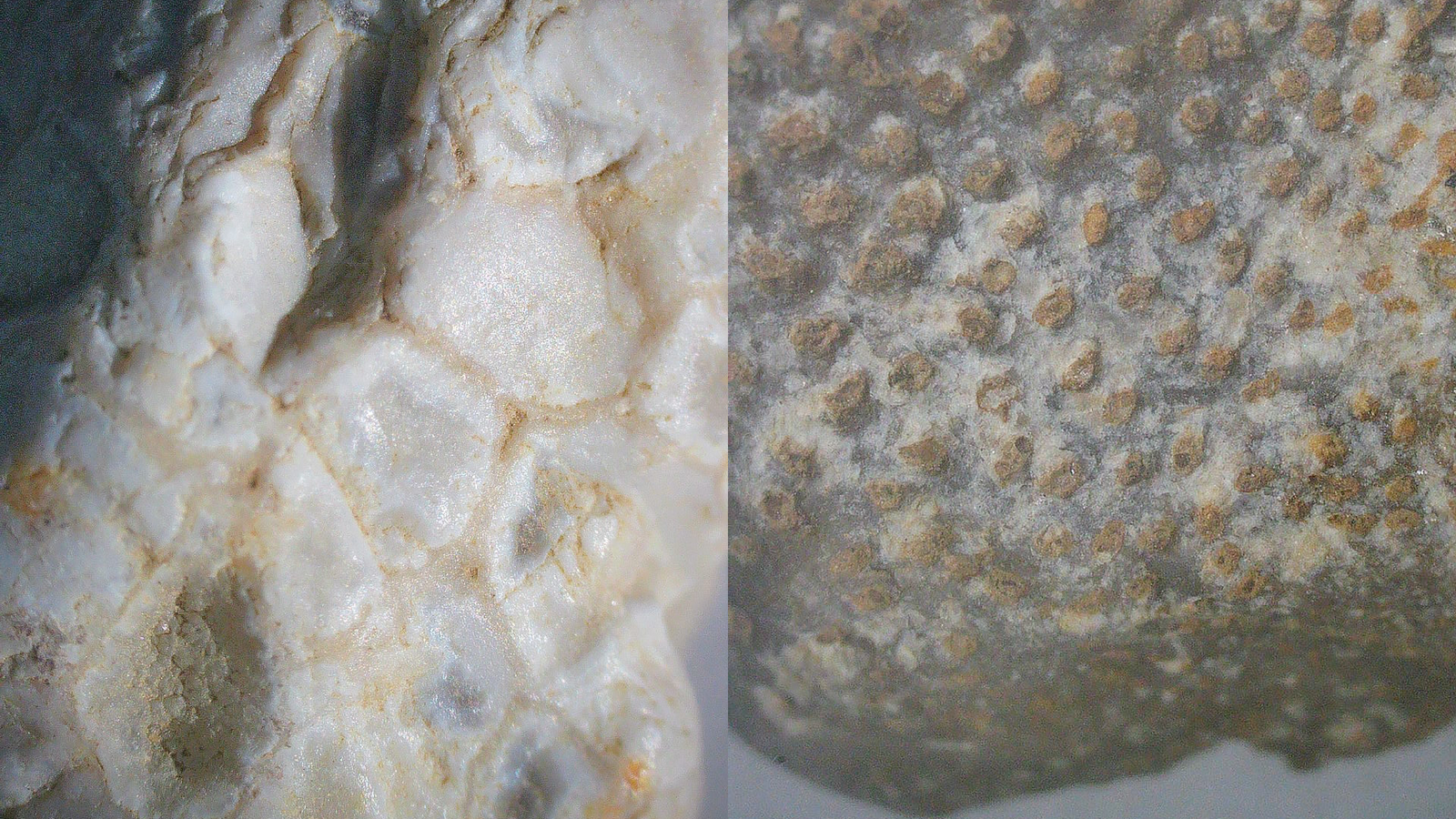
The ancient coral reefs beneath Washington D.C. are not like the vibrant, living reefs we imagine today. Fossilized over eons, they’ve been transformed into rock, but their delicate patterns and structures remain. These coral fossils are hard evidence of the city’s tropical past. Inside them, scientists have found the imprints of prehistoric creatures—tiny shells, worm burrows, and even the occasional tooth from an ancient fish. Studying these fossils is like paging through a diary written by the Earth itself, full of stories about vanished seas and the creatures that called them home.
Unraveling the Mysteries of the Aquia Formation
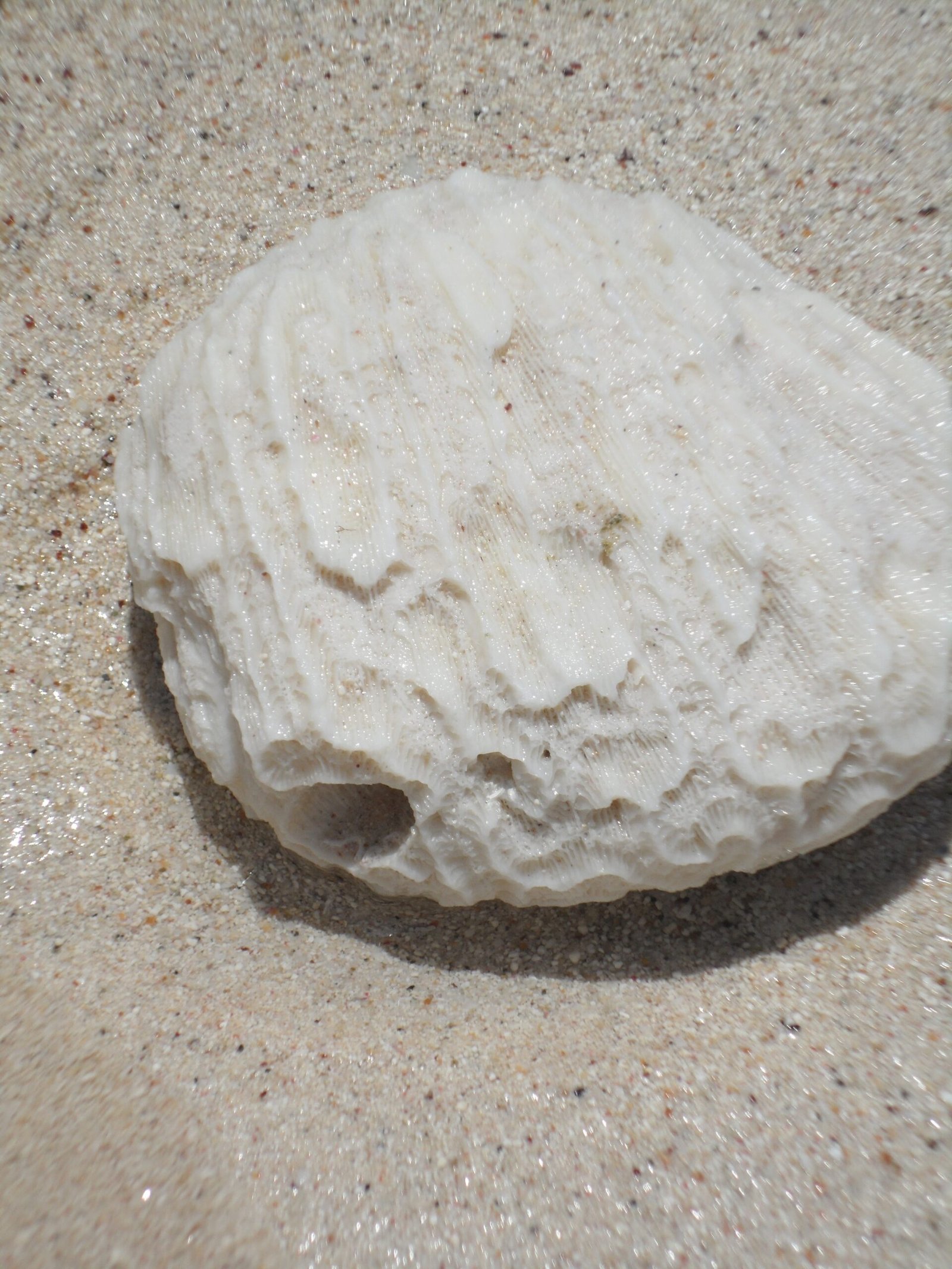
One of the most fascinating rock layers beneath D.C. is known as the Aquia Formation. This layer, formed around 56 million years ago, is a treasure trove of fossilized marine life. The Aquia Formation is mostly made up of sandstone and marl, but what makes it special are the fossils: shark teeth, mollusks, and fragments of ancient coral. Geologists and fossil hunters alike are drawn to this formation, eager to uncover the secrets it holds. Each fossil is a puzzle piece, helping scientists reconstruct the world as it was millions of years ago.
The Strange Creatures That Once Swam Where the Mall Stands
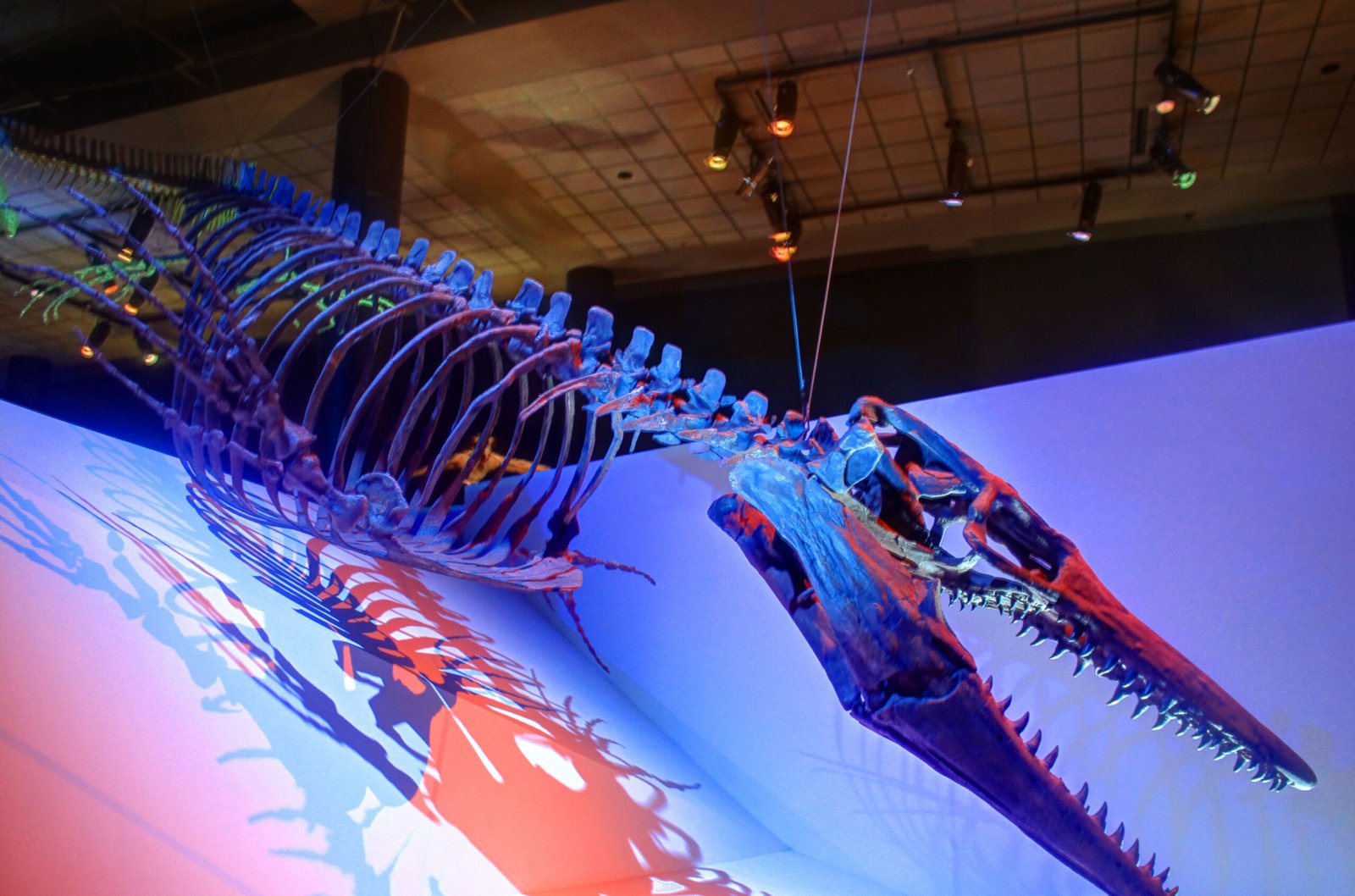
It’s wild to think that the land where the National Mall now stretches was once home to creatures straight out of a science fiction movie. Giant sea scorpions, ancient sharks, and armored fish swam in the warm waters above what would become D.C. Some of these creatures, like the massive Dunkleosteus, were fierce predators with jaws powerful enough to crush bone and shell. Others, like trilobites, scuttled along the seafloor, leaving tracks that are still visible in fossilized mud. These vanished animals are a powerful reminder of how dramatically the world can change over time.
How Ancient Tides Shaped the Landscape
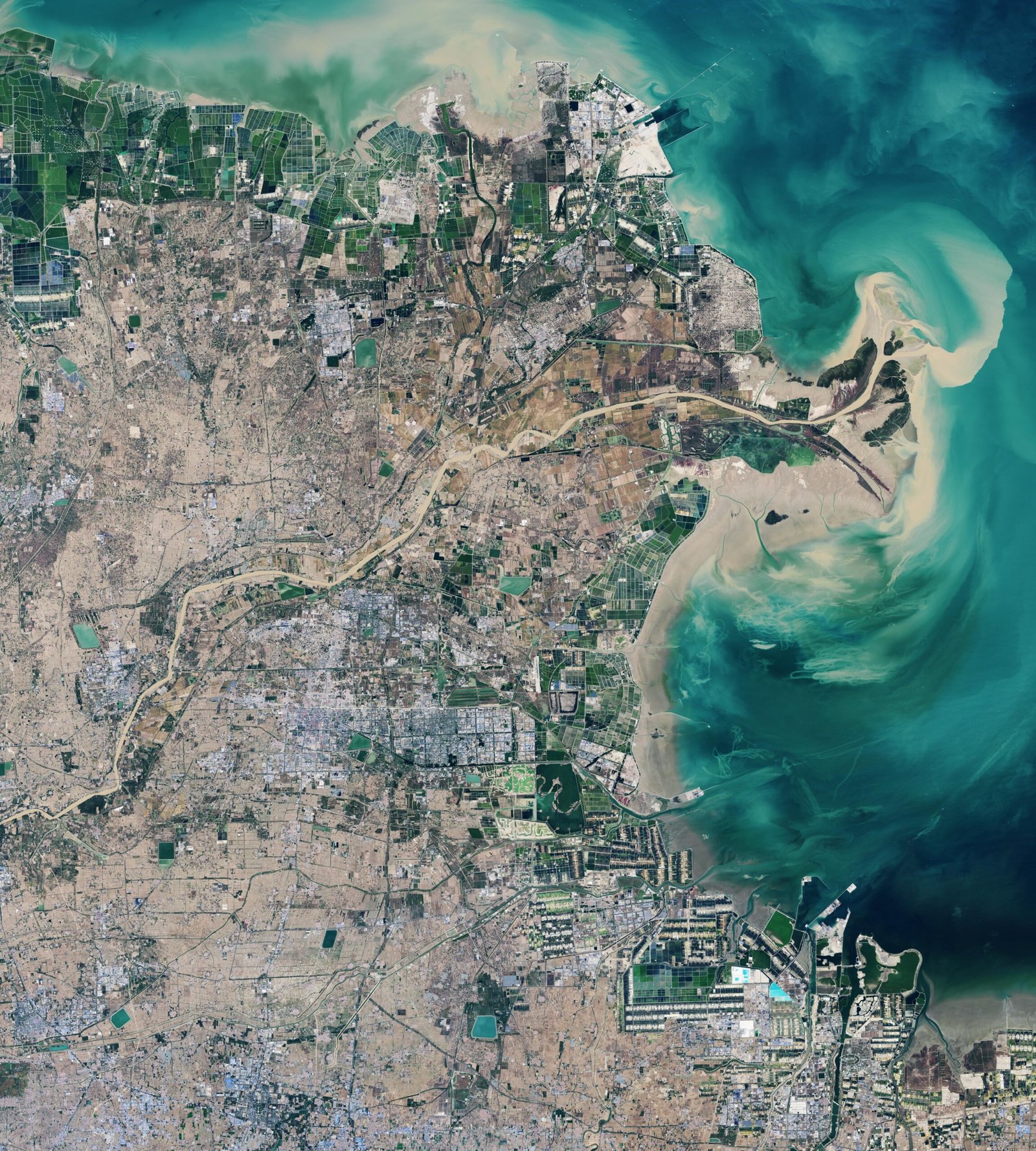
The ancient tides that washed over the D.C. area did more than provide a home for marine life—they shaped the very land itself. As the sea levels rose and fell, waves eroded rocks and carried sediments far and wide. Over millions of years, these processes sculpted valleys, carved riverbeds, and laid down the layers of sand, clay, and limestone that make up the city’s foundation. Even today, the Potomac River’s winding path is a direct result of these ancient forces. Every hill and hollow in the landscape whispers of the power of tides long vanished.
The Fossil Evidence Hidden in Plain Sight
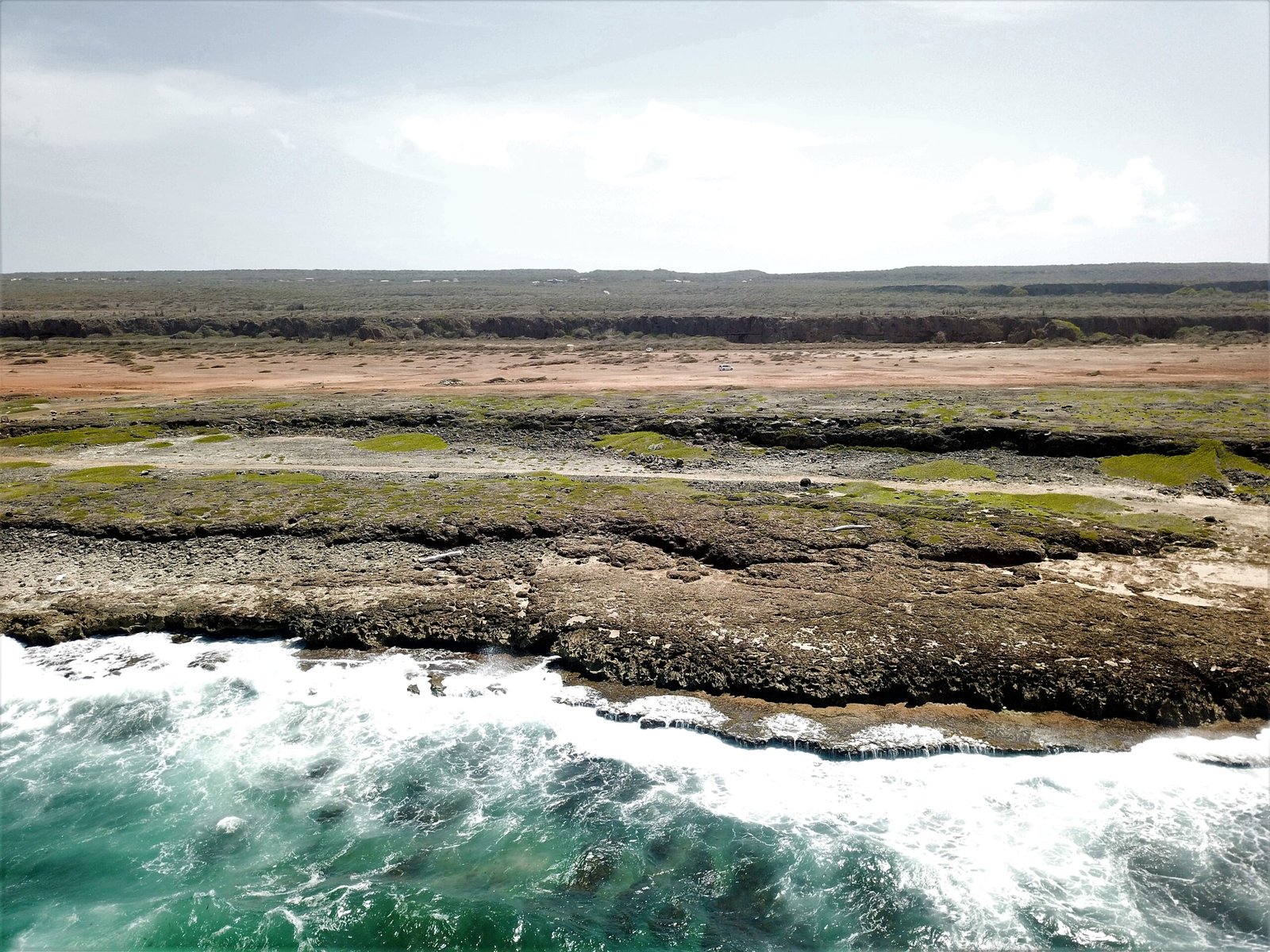
You don’t need to be a scientist to catch a glimpse of D.C.’s ancient past. Fossils from the city’s prehistoric seas have been found in surprising places—sometimes even in the stones used to build its most famous monuments. Look closely at some of the limestone blocks in local buildings, and you might spot the faint outline of a shell or coral branch, forever captured in stone. Parks, riverbanks, and construction sites occasionally reveal fossil treasures, reminding us that nature’s history is often hiding in plain sight.
From Coral Reefs to Capital City: A Geological Journey
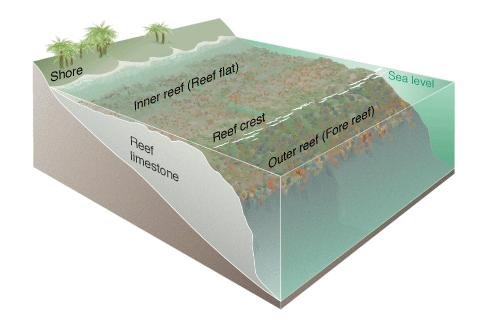
The transformation from a coral reef paradise to a bustling capital city wasn’t quick or simple. Over hundreds of millions of years, the region experienced dramatic shifts—seas advanced and retreated, glaciers scoured the land, and new rivers carved their way through ancient rock. Each chapter left its mark, building the foundation for the city we know today. It’s a journey that connects the present to an unimaginably distant past, a reminder that every city, no matter how modern, is rooted in deep time.
Modern D.C. and Its Living Legacy of Water
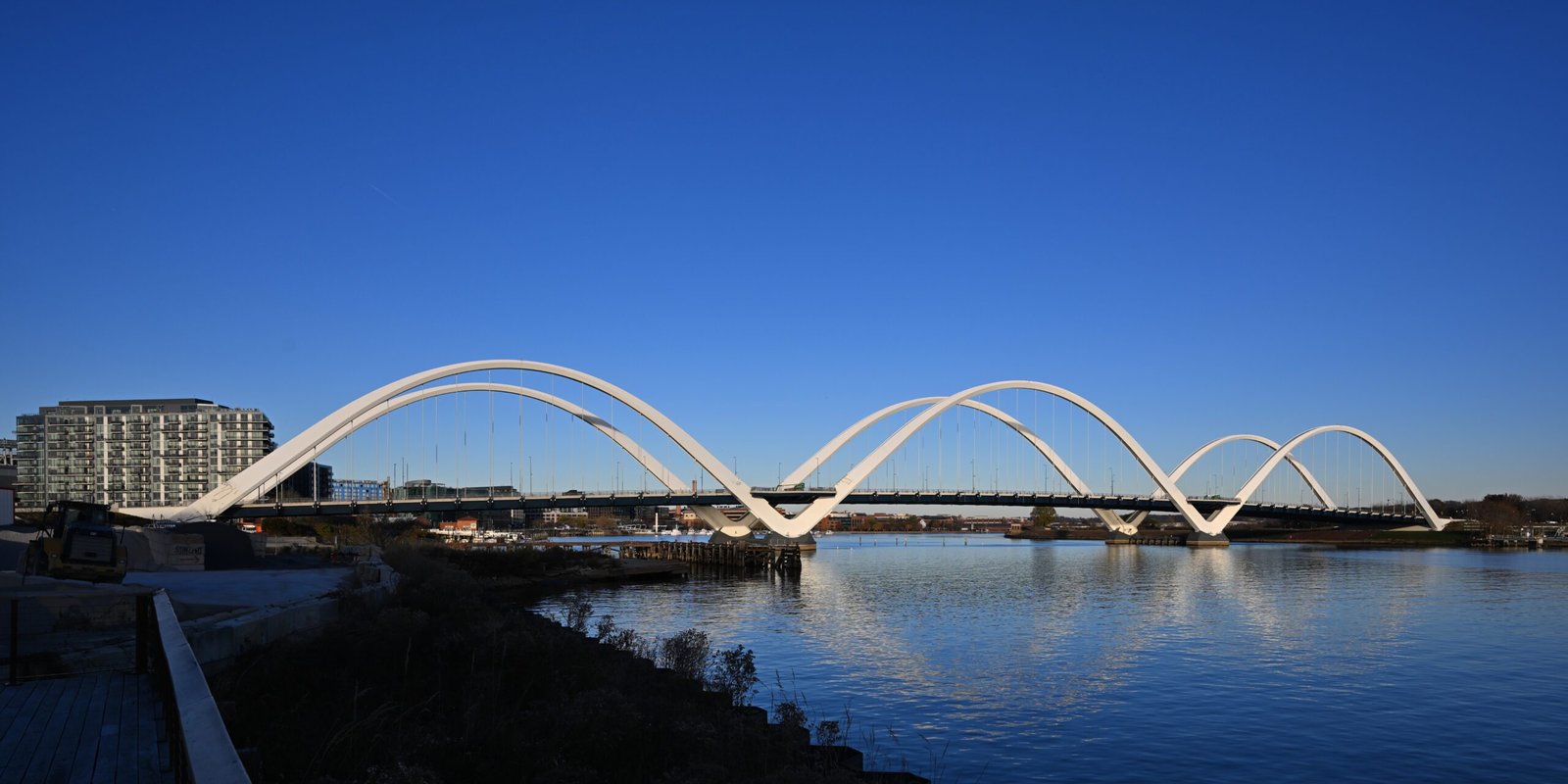
Even though the ancient seas have long since vanished, water still shapes life in D.C. The Potomac and Anacostia Rivers, along with countless streams and wetlands, are the latest chapters in a watery story that began eons ago. These waterways nourish parks, support wildlife, and provide a sense of continuity with the city’s prehistoric past. Urban planners and conservationists are increasingly aware of this legacy, working to preserve wetlands and restore natural habitats. In a way, the ancient tides never truly disappeared—they just took on new forms.
What Fossilized Reefs Teach Us About Climate Change
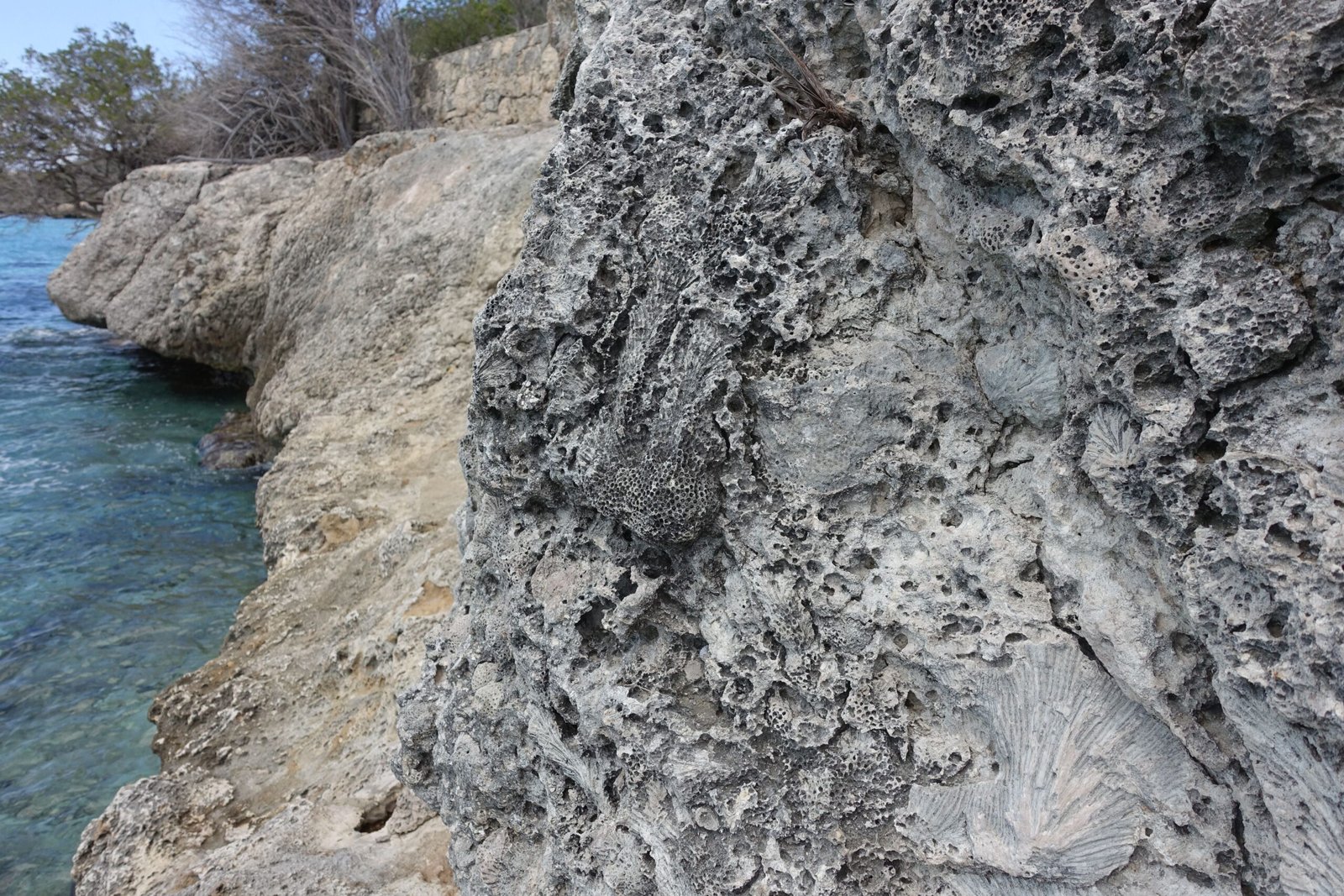
Studying fossilized coral reefs beneath D.C. isn’t just a fascinating exercise in curiosity; it offers urgently needed lessons for our modern world. These ancient reefs are records of past climate shifts—periods when the Earth was warmer or cooler, when sea levels rose or fell dramatically. By analyzing the chemical makeup of coral fossils, scientists can reconstruct ancient temperatures and ocean conditions. This helps us understand how climate change unfolds over millennia, and what it could mean for the future. The past, it turns out, is a powerful teacher.
Unearthing the Human Connection to Ancient Reefs
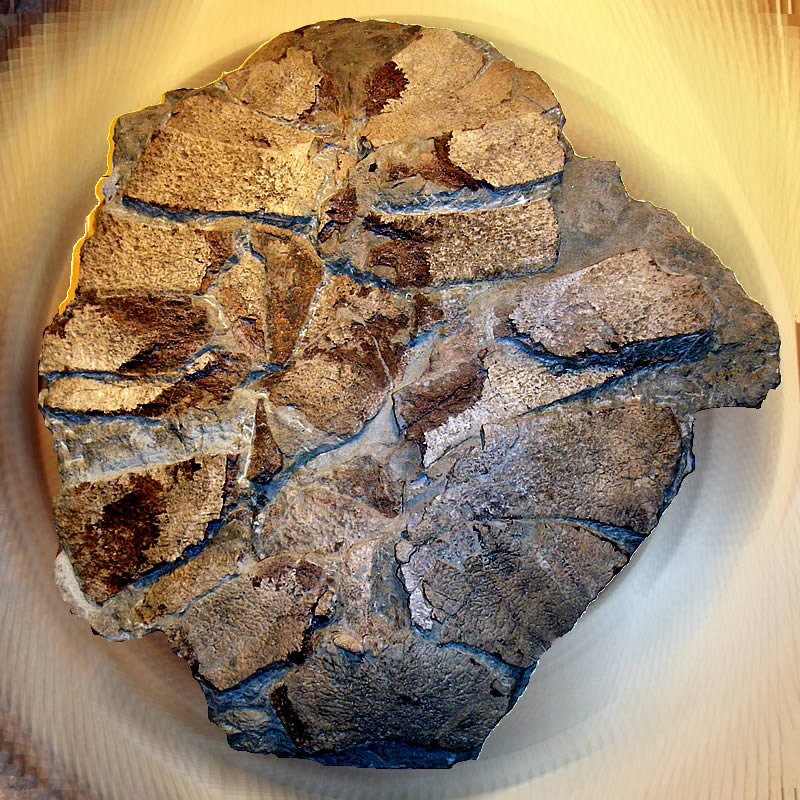
Humans have always been drawn to water, and the story of D.C.’s coral reefs is, in a way, a story about us. Indigenous peoples who lived in the region long before European settlers arrived would have encountered fossilized sea shells and other relics in riverbeds and cliffs. Some of these fossils were used as tools or ornaments, cherished as mysterious gifts from the earth. Today, visitors and residents alike continue to marvel at the strange stones and fossil shapes that turn up in gardens and parks, connecting us to a much older world.
Fossil Hunting: An Unexpected D.C. Adventure
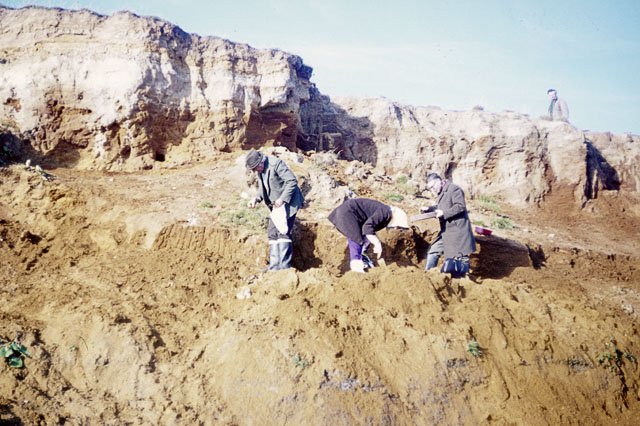
Believe it or not, D.C. and its surroundings are fantastic places for amateur paleontologists. With a keen eye and a bit of luck, you might find a fossilized shell, a chunk of ancient coral, or even a shark tooth along the banks of the Potomac. Local fossil clubs and museums often host guided excursions, turning fossil hunting into a family-friendly adventure. Each find is a tangible link to the city’s submerged past, a treasure that invites wonder and imagination.
How Scientists Date the Ancient Reefs
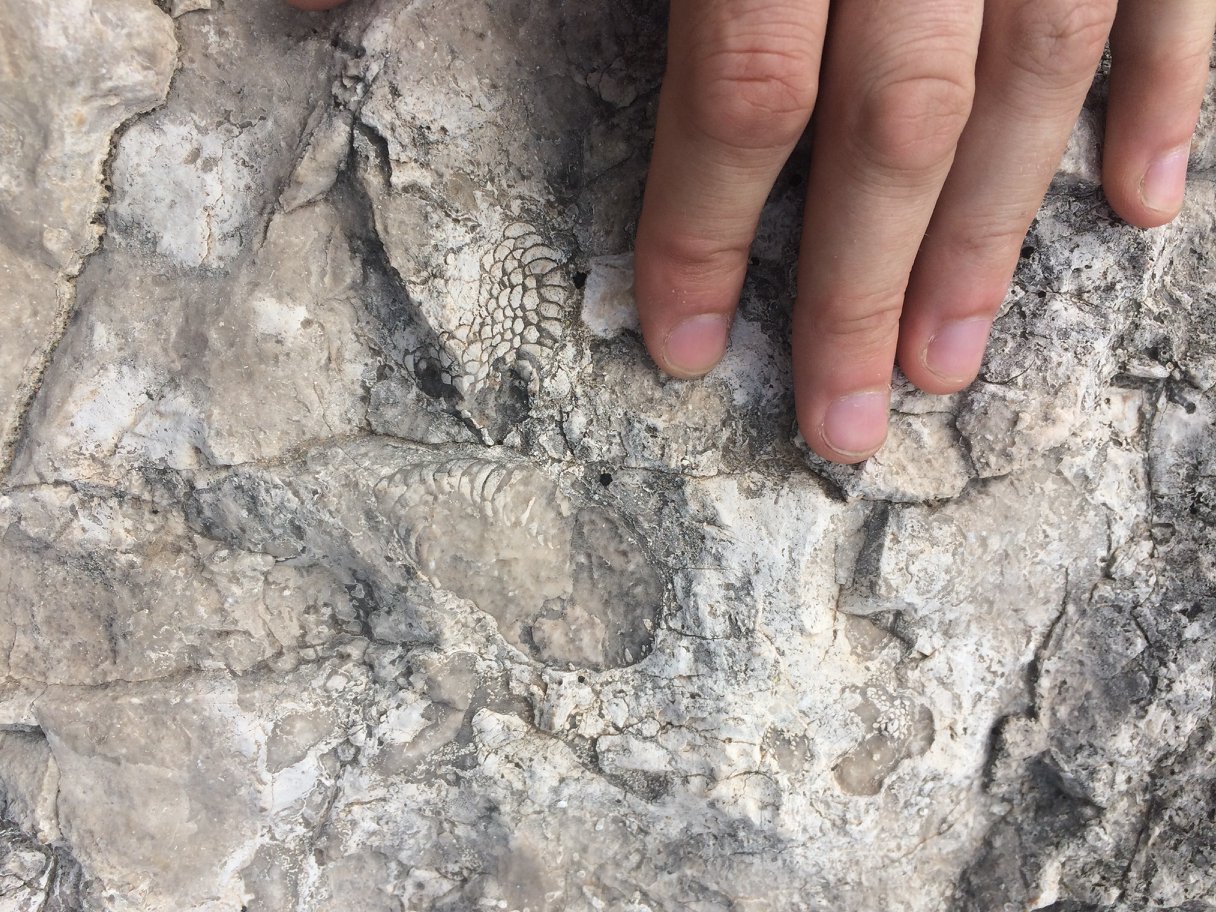
Determining the age of fossilized reefs is a scientific puzzle that combines geology, chemistry, and detective work. Scientists use tools like radiometric dating to analyze the minerals in coral fossils, measuring elements like uranium and strontium to calculate their age. Other clues come from the types of fossils found together in the same layers—by comparing them to similar fossils from around the world, researchers can piece together a timeline. It’s an intricate process, but the results are astonishingly precise, revealing the true age of the rocks beneath our feet.
The Role of Plate Tectonics in D.C.’s Ancient Seas
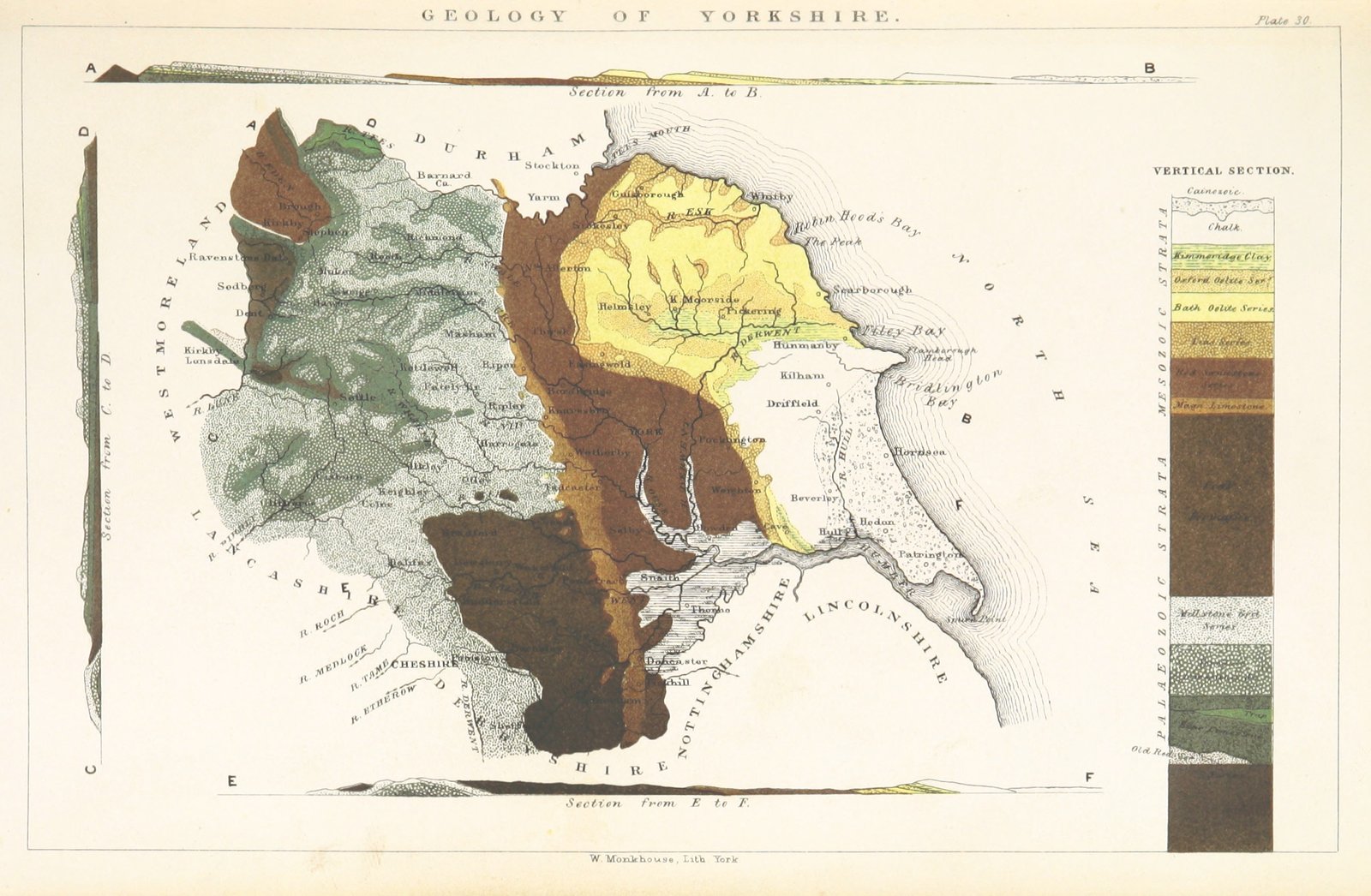
The story of D.C.’s fossilized reefs is tied to the restless movement of Earth’s tectonic plates. Hundreds of millions of years ago, continents collided and drifted apart, opening and closing oceans in the process. The shallow seas that once covered D.C. were created when North America was positioned near the equator, but as the continents moved, these seas vanished, replaced by mountains, rivers, and eventually, cities. Plate tectonics is the ultimate sculptor, shaping the land in ways that are both beautiful and unpredictable.
Ancient Coral Reefs: Nature’s Time Capsules
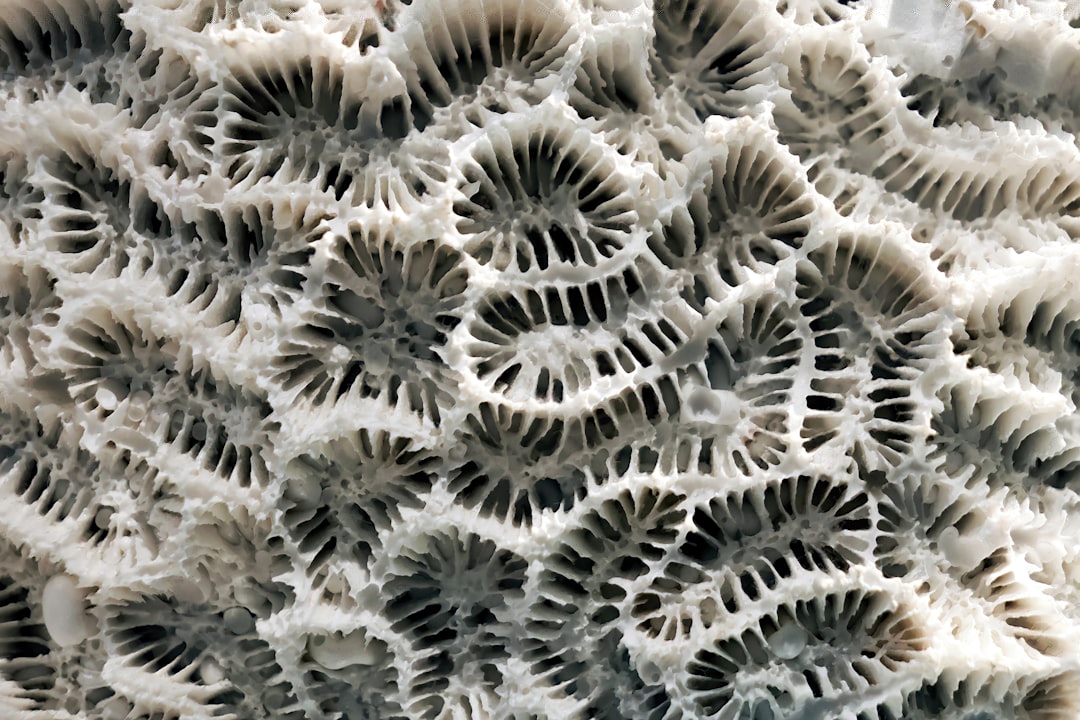
Fossilized reefs are more than just rocks; they’re time capsules that preserve snapshots of life from a world long gone. Inside these ancient stones, scientists have found not just corals, but also the remains of algae, sponges, and even microscopic plankton. Each layer tells a story about the environment—how salty the water was, what the temperature was like, and what creatures shared the reef. These details let us peer back in time, reconstructing lost ecosystems with surprising accuracy.
The Enduring Beauty of Fossil Patterns
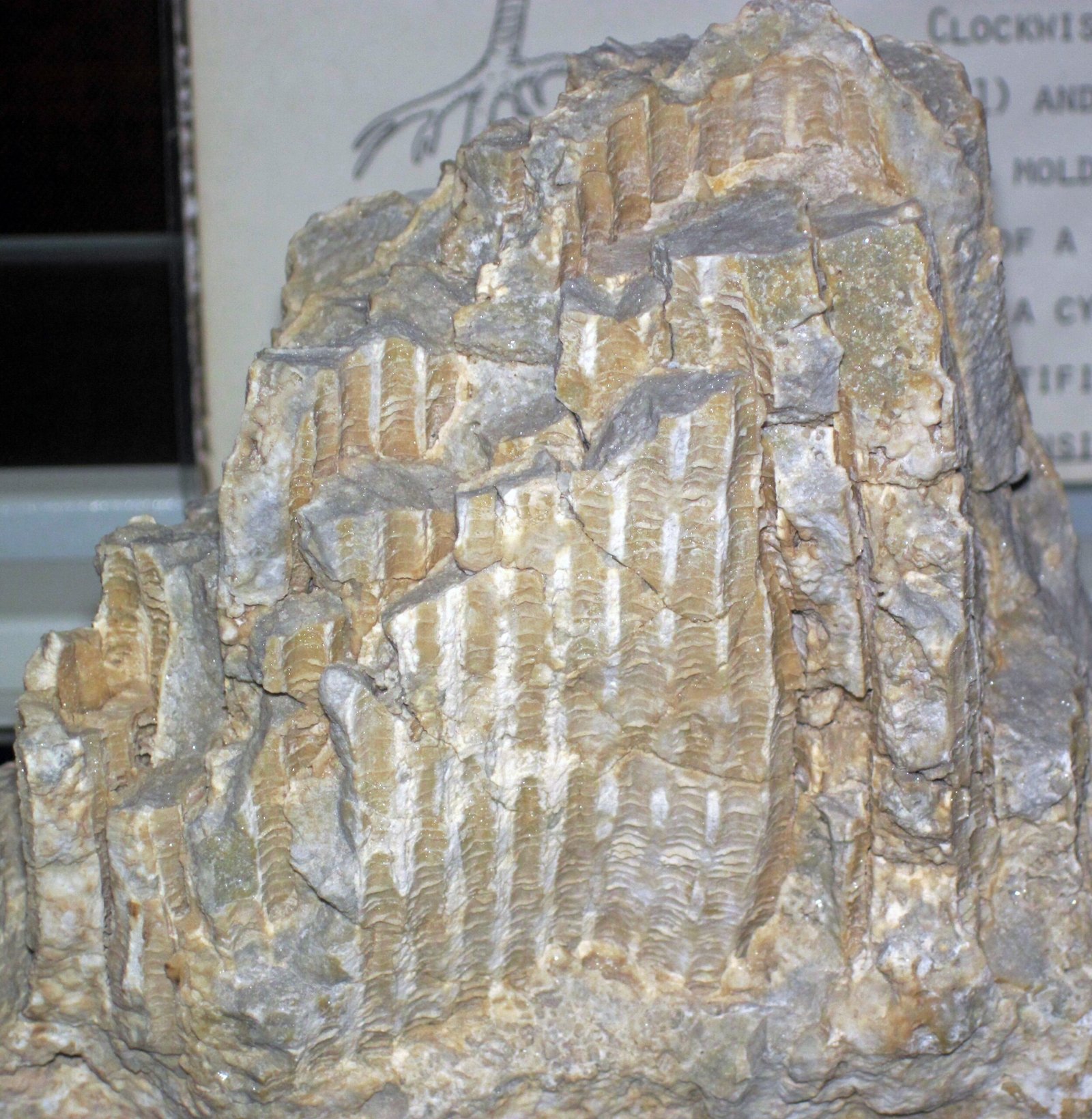
One of the most striking things about fossilized coral is its intricate, almost delicate structure. Even after hundreds of millions of years, the patterns left by ancient polyps are visible—tiny honeycomb shapes, branching ridges, and spiral whorls. Artists and architects have long been inspired by these natural designs, incorporating them into everything from jewelry to building facades. There’s a quiet beauty in these fossil patterns, a reminder that art and nature have always been deeply intertwined.
Preserving D.C.’s Geological Heritage
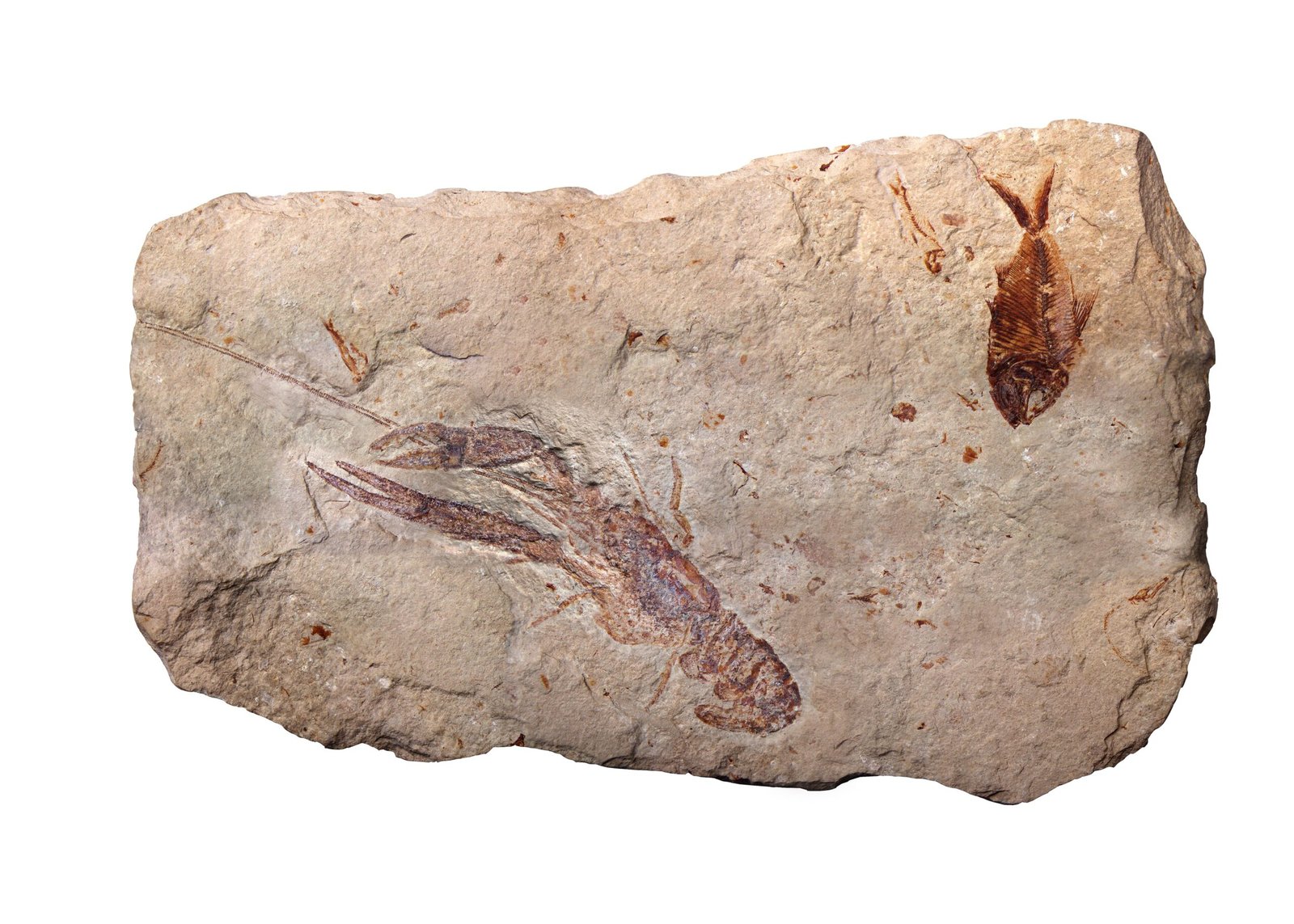
As the city grows and changes, there’s a growing movement to preserve its geological heritage. Museums, universities, and local organizations are working to protect fossil sites, educate the public, and share the wonders of D.C.’s ancient past. Some schools have even added fossil-focused field trips to their science curriculum, sparking curiosity in the next generation of explorers. Preserving these sites isn’t just about science—it’s about honoring the stories and secrets buried beneath our feet.
Unexpected Encounters with the Ancient World
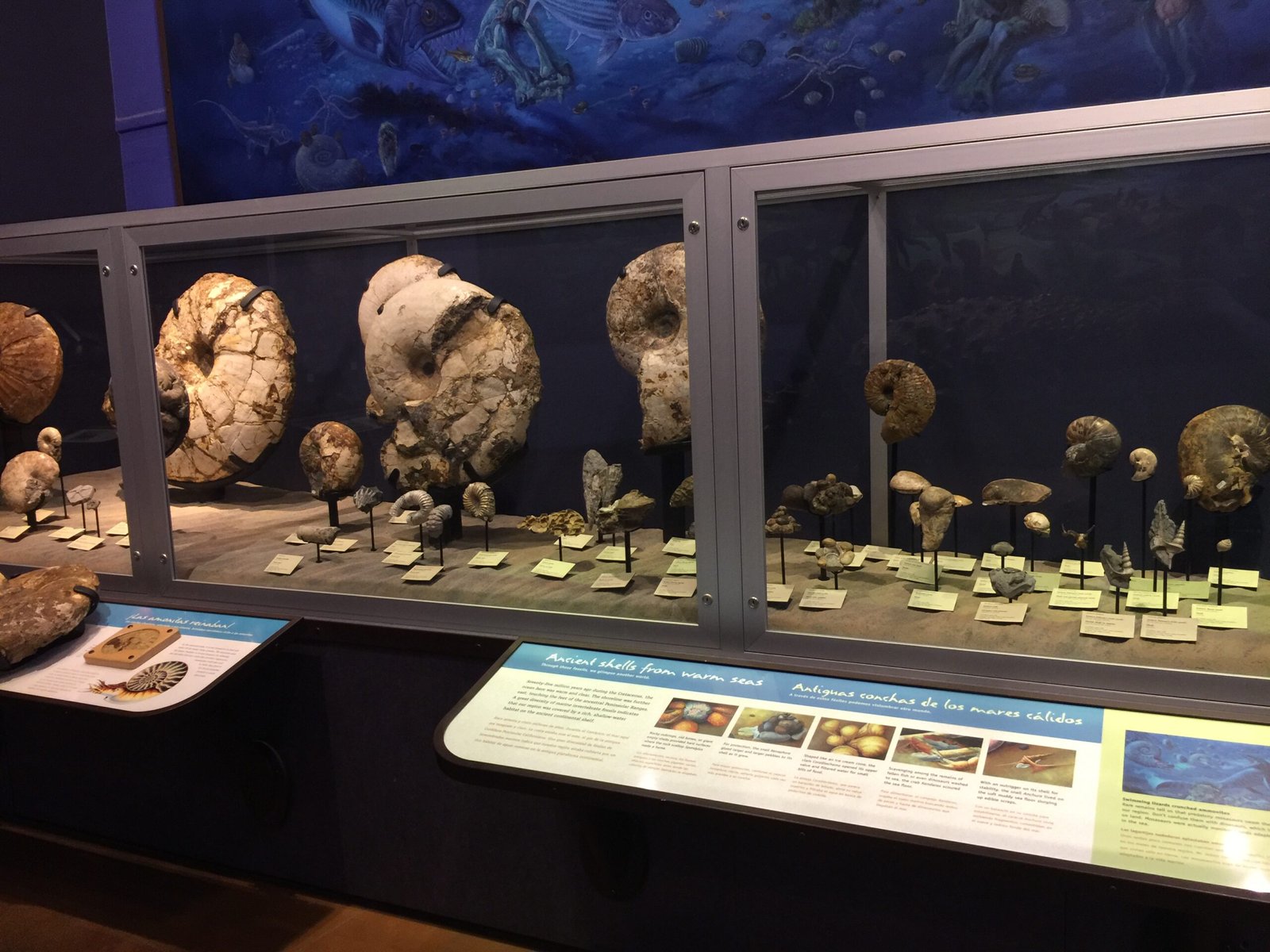
Sometimes, the past emerges when we least expect it. Construction projects in D.C. occasionally unearth fossilized shells or coral, surprising workers and sparking new scientific investigations. These chance discoveries are reminders that the city’s ancient history is still very much alive, waiting to be revealed. Each new find adds a piece to the puzzle, inviting everyone—scientists, students, and citizens—to join the adventure of exploration.
Why the Deep Past Matters for Our Future
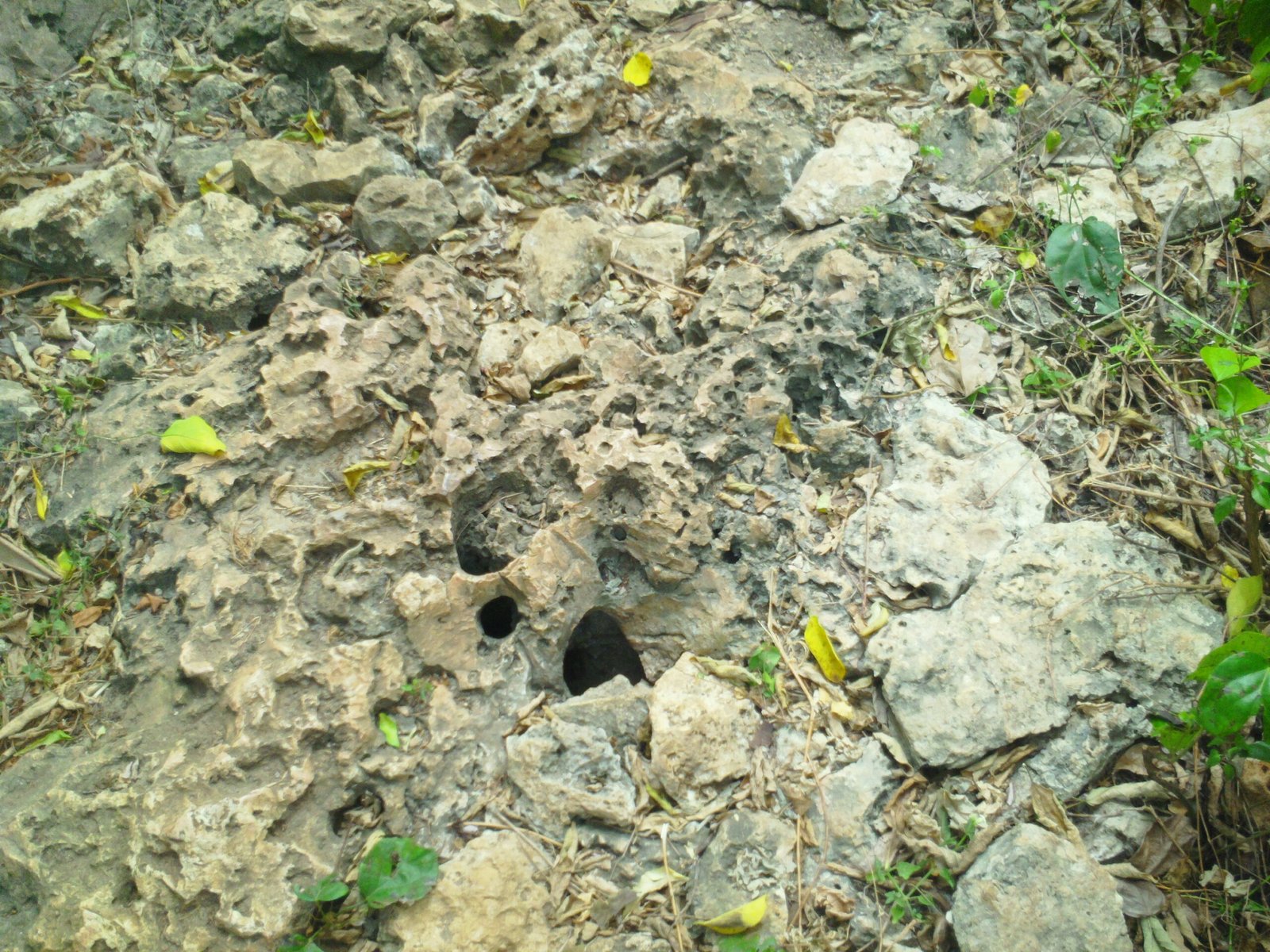
Understanding the ancient tides and coral reefs beneath D.C. isn’t just about curiosity—it’s about perspective. These stories remind us that the world is always changing, that today’s landscapes are shaped by forces far older and more powerful than we often realize. In a time when the environment faces new threats, these ancient records challenge us to see beyond the present moment, to recognize our place in a story that began long before humans walked the earth. The ground beneath D.C. is a testament to resilience, transformation, and the enduring power of nature.