
Imagine standing in the heart of Poland, feet planted firmly above ground, while beneath you sprawls a hidden world so vast, intricate, and ancient that it almost defies belief. The city of Kraków, with its bustling streets and historic charm, hides a labyrinth under its very foundations—a place where glistening salt crystals shimmer like diamonds, silent lakes mirror ceilings carved by centuries of hands, and every tunnel tells stories of human ambition, ingenuity, and survival. Plunging into these depths is like stepping into another universe, one shaped not just by geology, but by the relentless spirit of the people who dared to dig. Welcome to the astonishing underworld of Kraków, where science, history, and wonder intertwine beneath the earth’s surface.
The Birth of Salt: Geological Marvels Below Kraków
Long before a single miner swung a pickaxe, the very salt that fills Kraków’s famous mines began forming over 13 million years ago. Back then, a prehistoric sea ebbed and flowed across what is now southern Poland, leaving behind thick layers of salt as its waters gradually evaporated. Over millennia, these deposits were buried by layers of sediment and compressed by the weight of the earth. Today, those ancient salt beds stretch for kilometers, entwined with veins of rock and minerals. This geological process, known as halite deposition, is a slow-motion masterpiece of nature—one that would eventually shape the destiny of Kraków and its people.
The Wieliczka Salt Mine: A Subterranean City
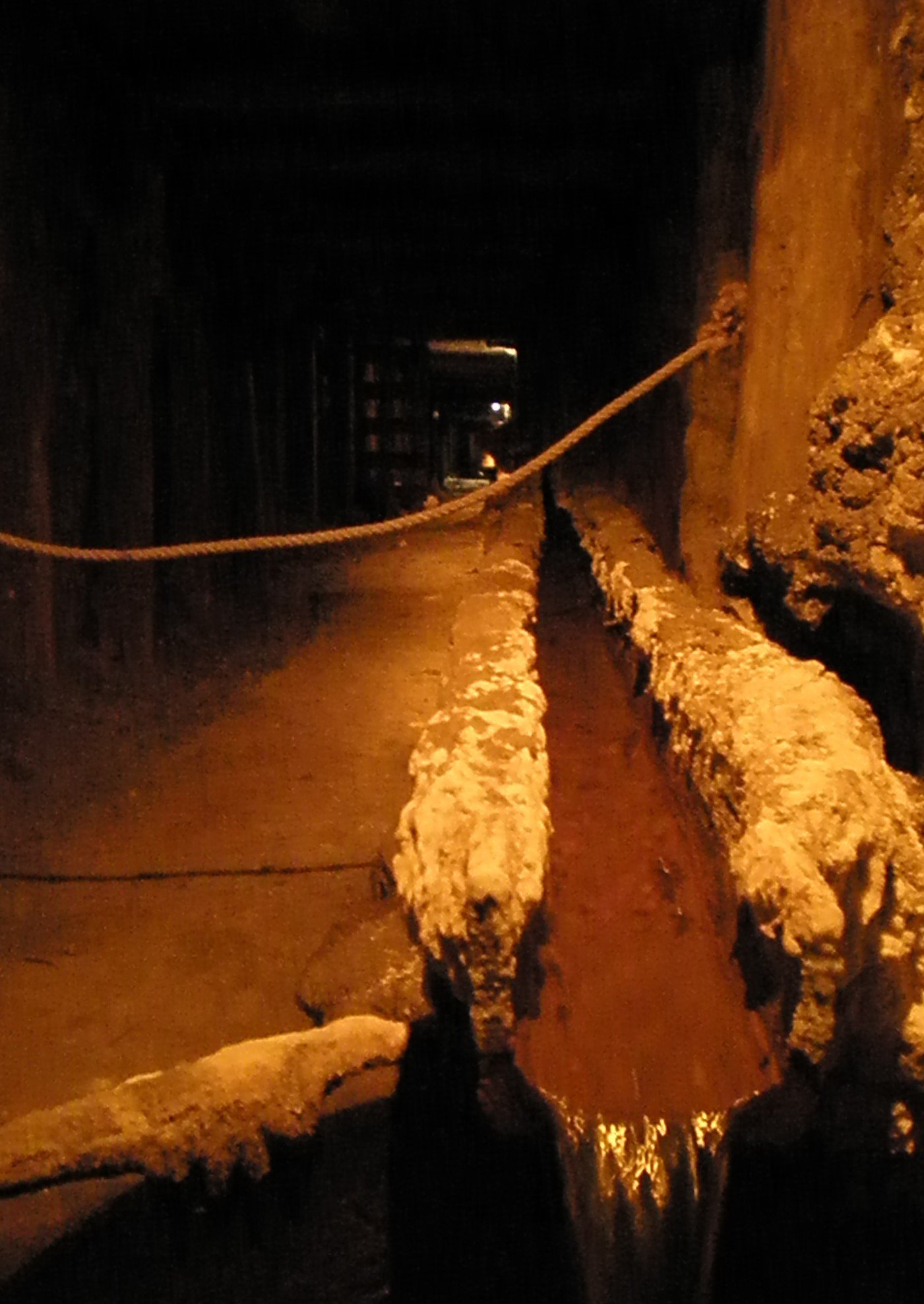
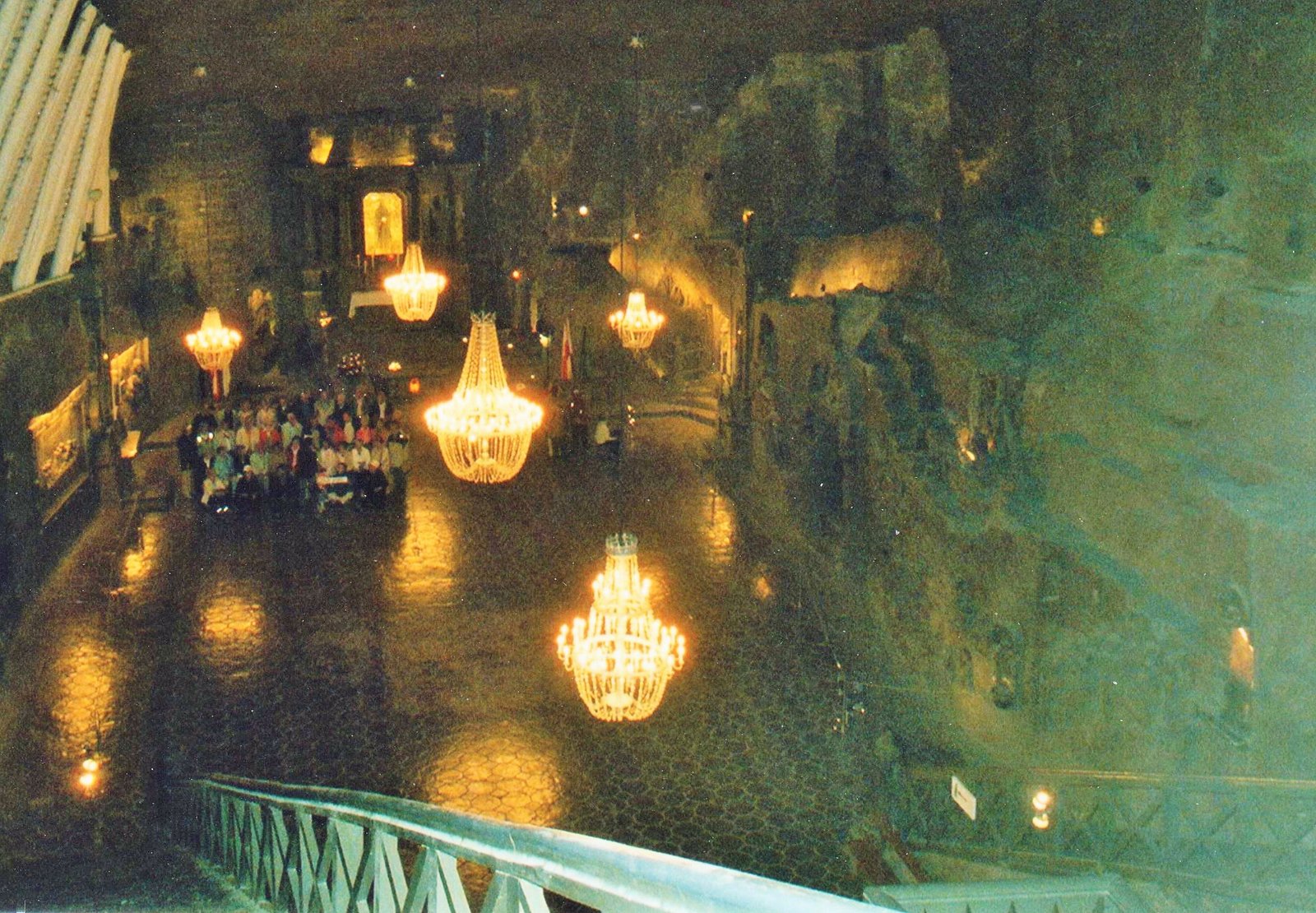
Just outside Kraków lies the Wieliczka Salt Mine, often called the “Underground Salt Cathedral of Poland.” First opened in the 13th century, this mine is a maze of tunnels, chambers, and salt-hewn sculptures that stretch more than 287 kilometers. Descending into Wieliczka is like entering a vast, silent metropolis carved entirely from salt. There are chapels with crystal chandeliers, vast assembly halls, and even a subterranean lake. Every corridor echoes with the whispers of miners and pilgrims who have walked these paths for centuries, their legacy preserved in walls that sparkle with ancient salt.
Underground Lakes: Silent Mirrors in the Deep
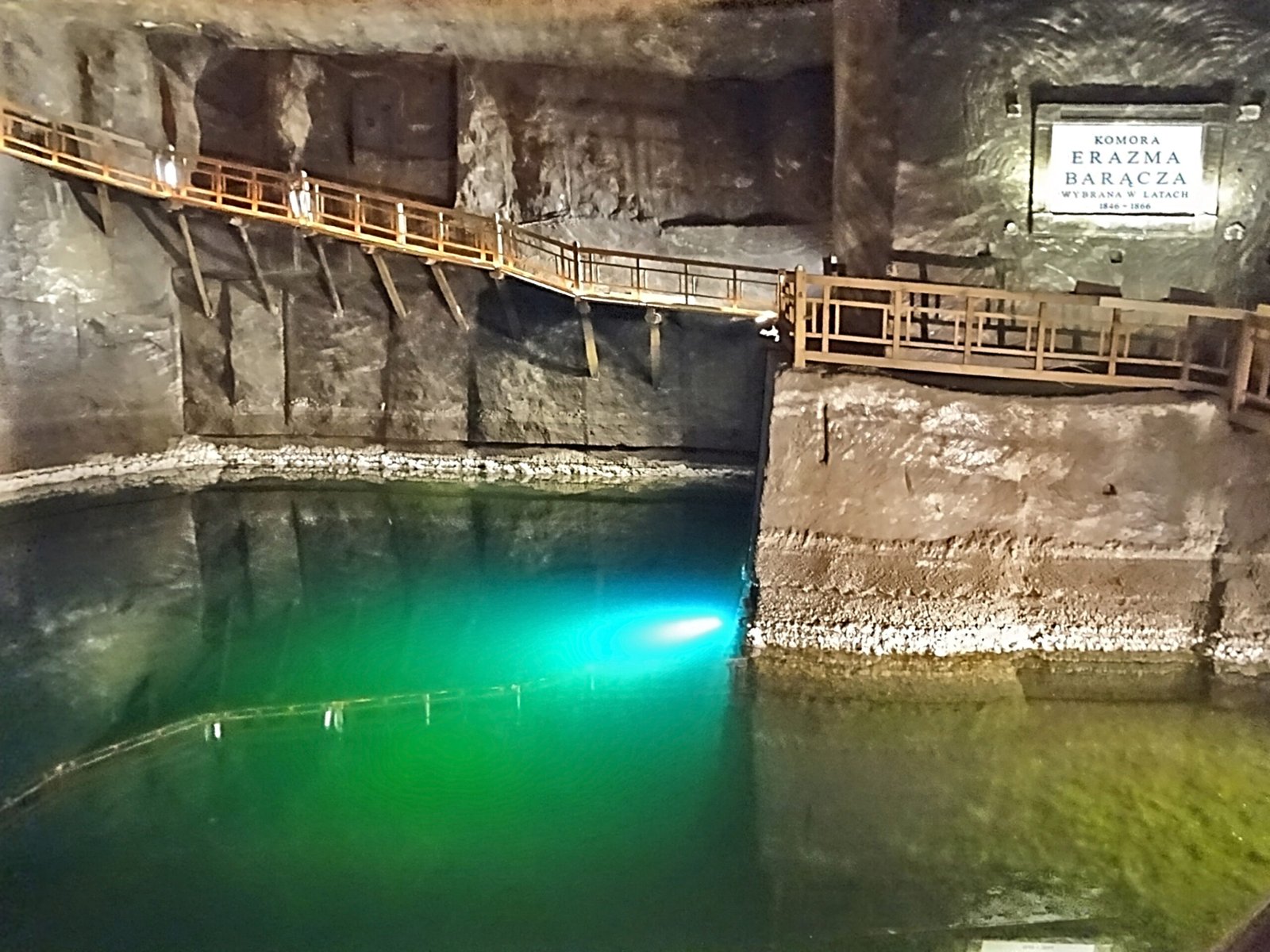
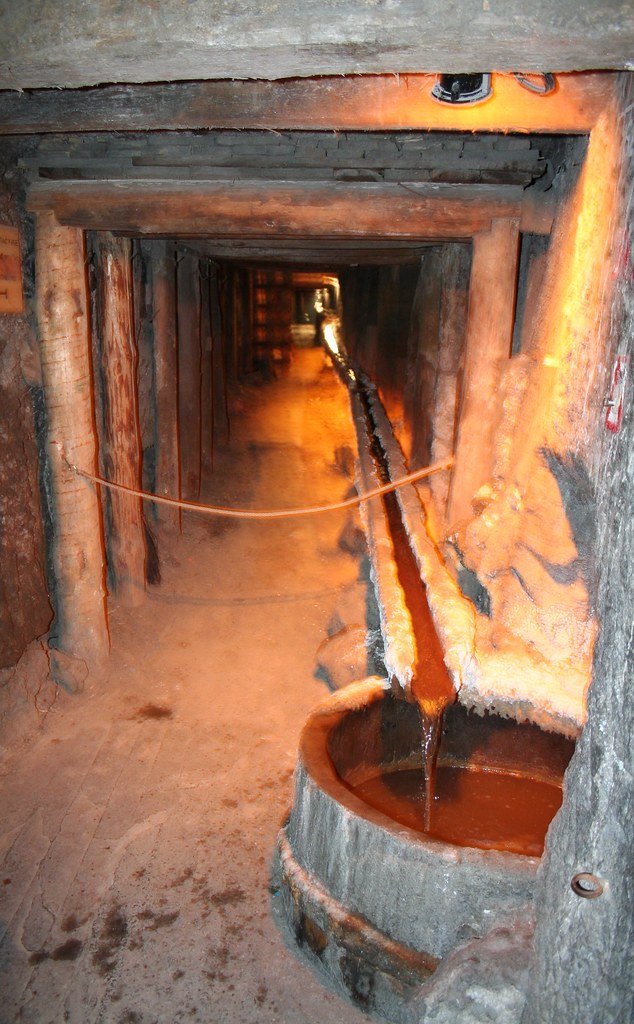
Beneath the surface, pools of water gather in the mine’s chambers, forming glassy lakes that reflect the world above with an eerie stillness. These underground lakes are more than just beautiful—they’re geochemical laboratories, where salt saturates the water to create brine as dense as the Dead Sea. Visitors who peer into their depths see not only their reflections, but also the mineral-rich history of this underworld. Some lakes are so salty that nothing can live in them, while others host rare microbial life adapted to extreme conditions. These lakes are silent witnesses to the endless battle between water and rock beneath Kraków.
Millennia of Human Digging: A Chronicle of Labor and Ingenuity
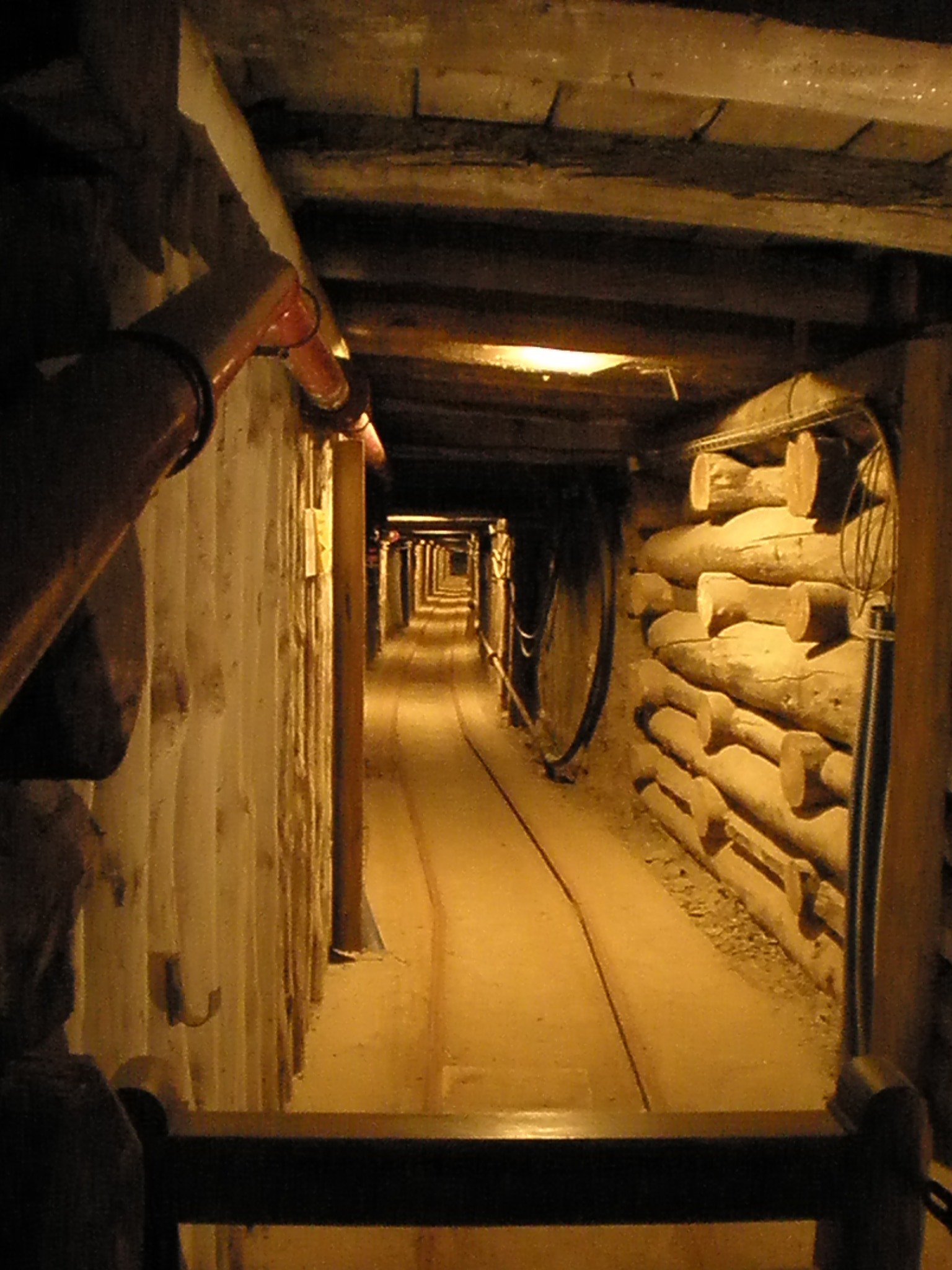
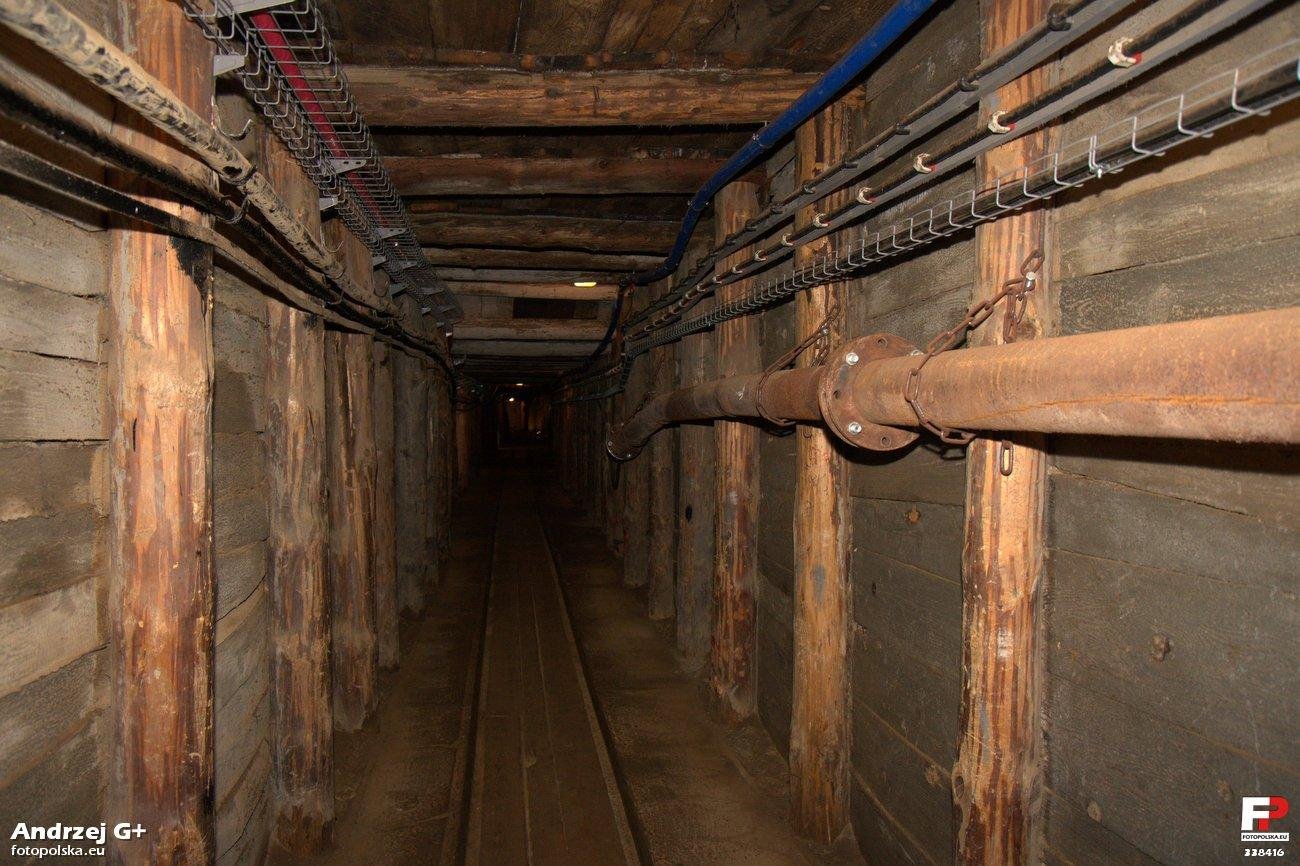
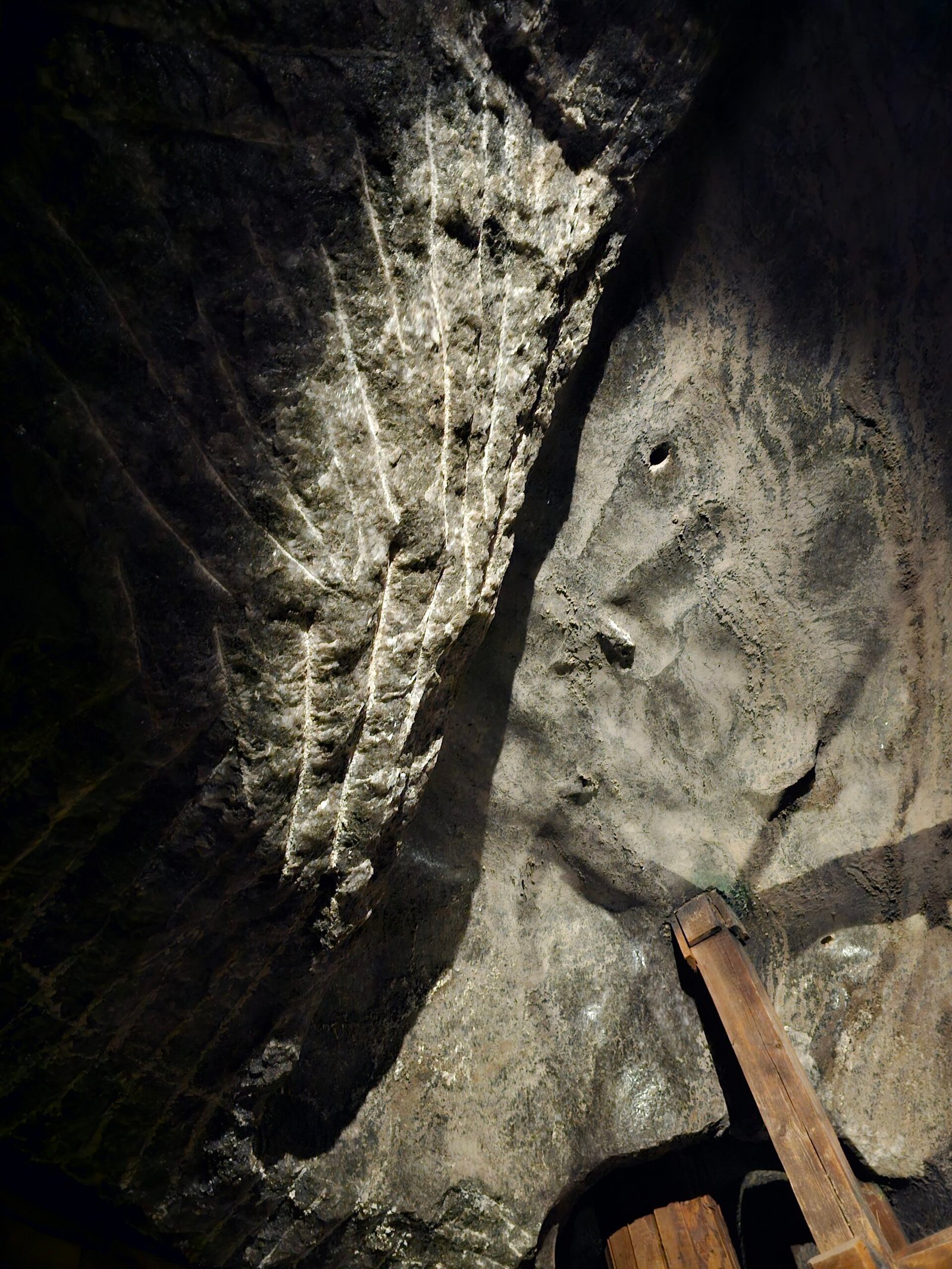
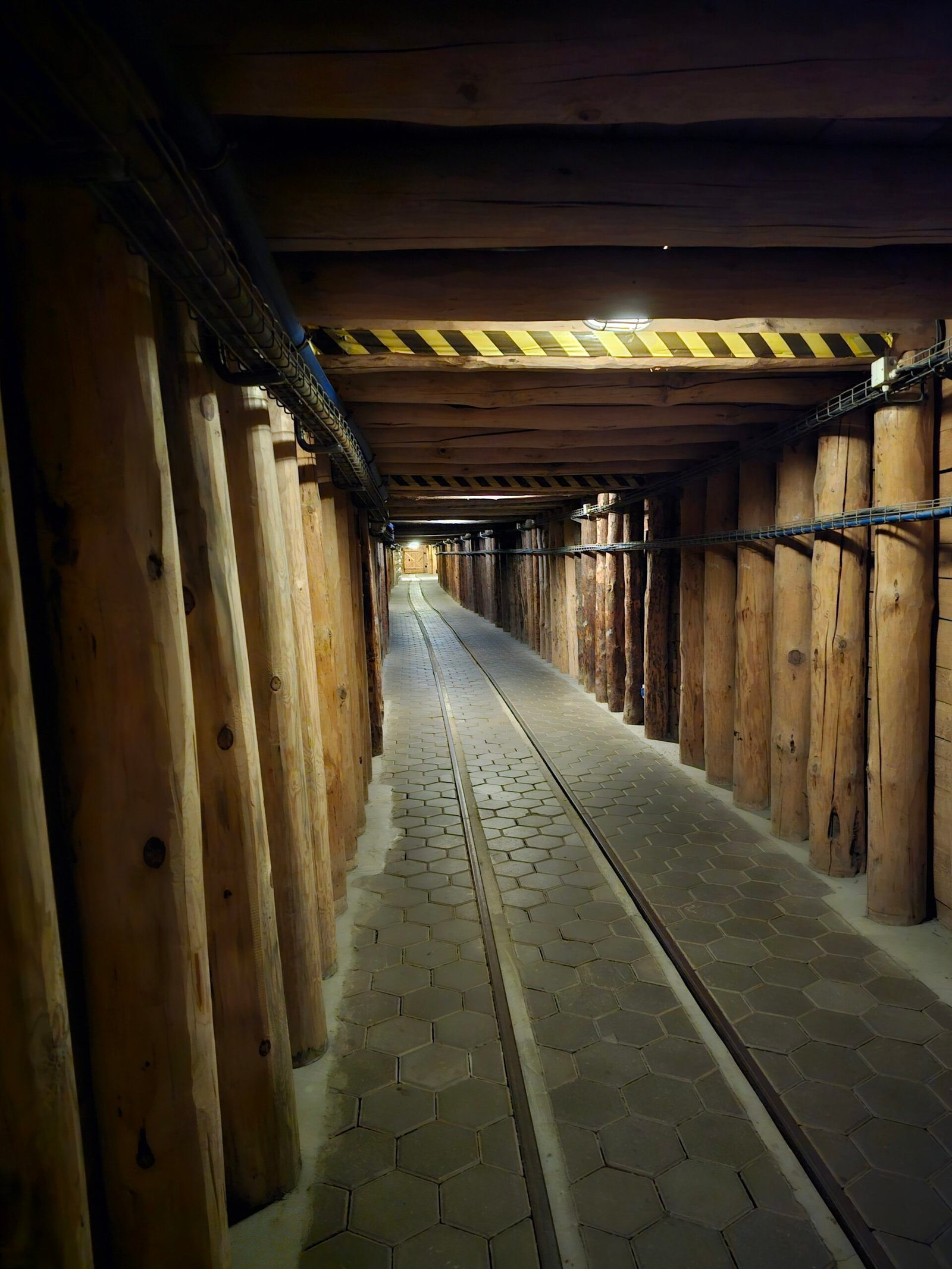
The story of Kraków’s salt mines is a saga of sweat, patience, and raw determination. For over 700 years, generations of miners have braved darkness and danger to carve tunnels and chambers by hand. Early miners used simple tools—hammers, chisels, and wooden scaffolding—to break through the rock. Over time, they developed ingenious engineering solutions, like ventilation shafts and water drainage systems, to survive in the stifling underground environment. The human effort invested here is almost unimaginable: some miners spent entire lifetimes below ground, their lives intertwined with the salty heart of the earth.
Salt Sculptures: Art Born from the Depths

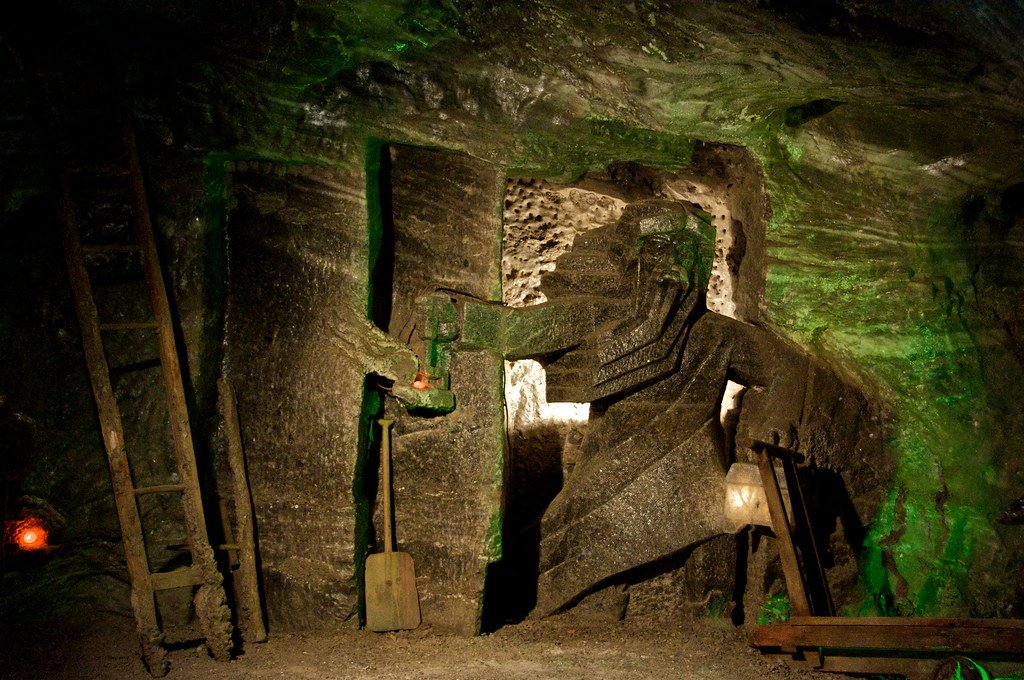
One of the most astonishing sights in Kraków’s salt mines is the intricate artwork chiseled directly from the walls. Over centuries, miners honed their craft, transforming solid salt into detailed sculptures of saints, kings, and mythological creatures. The famed Chapel of St. Kinga, for example, features bas-reliefs, altars, and even chandeliers—every piece made from salt. These sculptures are living testaments to the creativity and faith of the miners, who found beauty and solace in the darkness. The tradition continues today, as modern artists and craftsmen keep the spirit of underground art alive.
Engineering Wonders: Stairs, Shafts, and Subterranean Machines
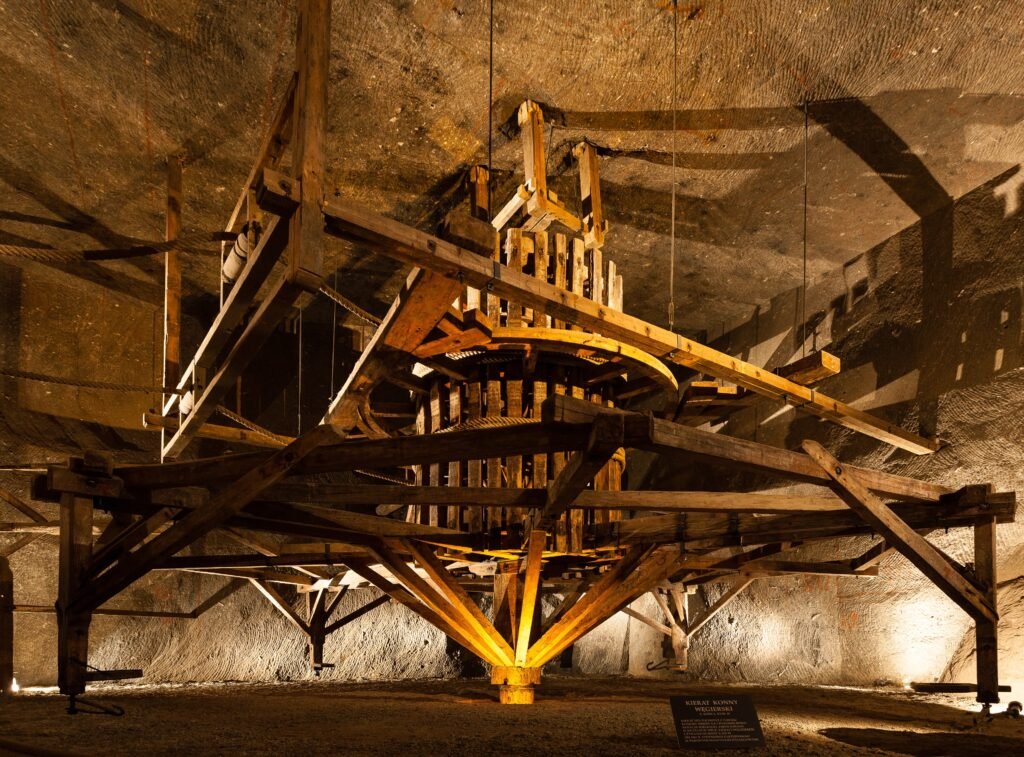
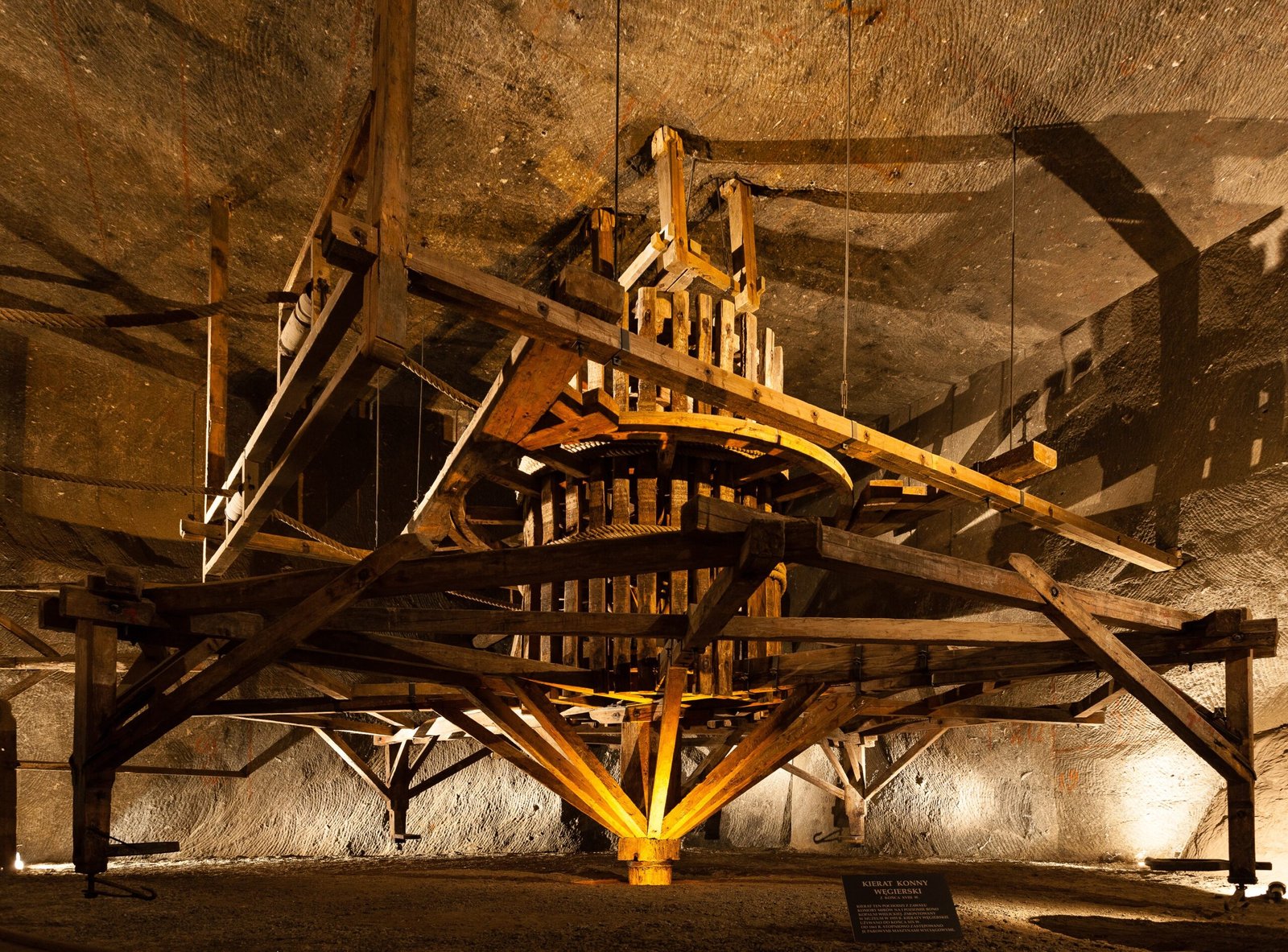
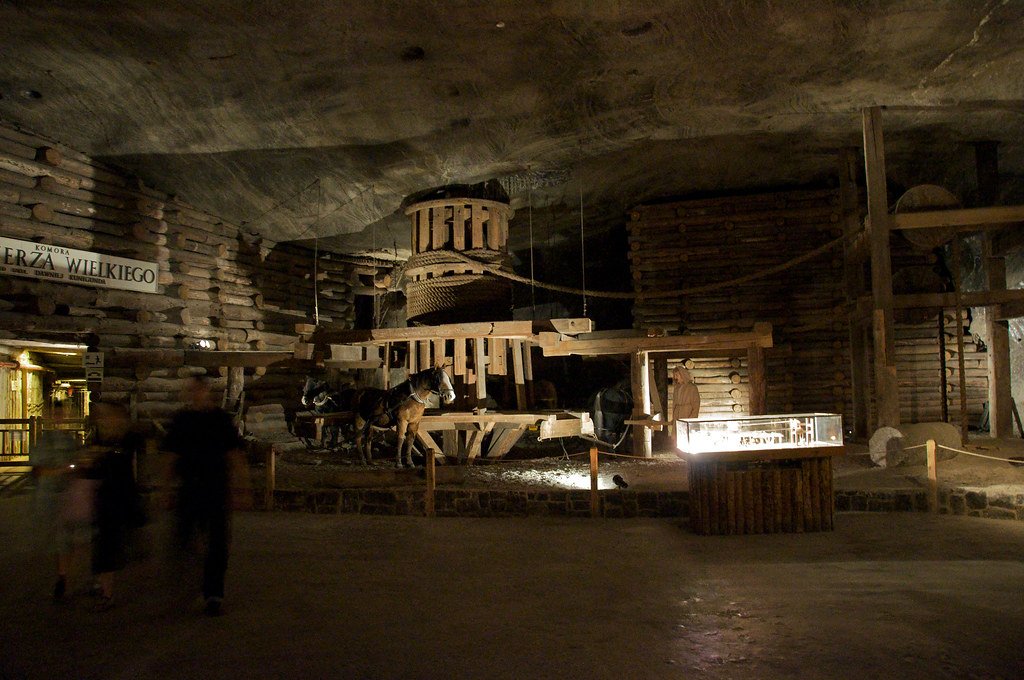
Digging deep into the earth posed colossal engineering challenges. Early on, miners relied on simple wooden ladders and manual winches to lower themselves and haul salt to the surface. As the mines expanded, so did the need for advanced technology. Ingenious devices like horse-powered treadmills, wooden elevators, and intricate pulley systems were invented to move tons of salt through narrow shafts. Ventilation and drainage systems became increasingly sophisticated, allowing miners to delve deeper and stay safe. The very architecture of the mines—spiraling staircases, vaulted chambers, and reinforced tunnels—reflects a legacy of innovation born from necessity.
Subterranean Life: The Daily Grind Below Ground
Life beneath Kraków was grueling and often perilous. Miners faced constant risks—collapsing tunnels, flooding, and toxic gases. Yet, they forged close-knit communities underground, developing their own rituals, songs, and superstitions to ward off bad luck. Meals were shared in makeshift canteens, and holidays were celebrated in salt-carved chapels. Some miners even raised families in mining settlements built at the mouth of the tunnels. The underground world was more than a workplace; it was a second home, where courage and camaraderie flourished in the shadows.
Legends and Folklore: Myths from the Depths
No place as mysterious as Kraków’s salt mines could exist without spawning a treasure trove of legends. One famous tale is that of St. Kinga, the patron saint of miners, who is said to have miraculously brought salt to Poland by tossing her engagement ring into a distant mine. Other stories speak of mischievous spirits, ghostly miners, and hidden treasures buried deep in the salt. These myths are not just fanciful tales—they reflect the hopes, fears, and beliefs of the people who lived and worked in the mines, adding a layer of magic to an already extraordinary place.
Salt as “White Gold”: The Economic Lifeblood of Kraków
For centuries, salt was known as “white gold,” and for good reason. It was precious—vital for preserving food, seasoning meals, and even performing religious rituals. The salt mines of Kraków brought immense wealth to the region, funding churches, palaces, and universities. Kings and merchants vied for control over the mines, and the city’s fortunes rose and fell with the price of salt. This mineral helped shape the destiny of Kraków, transforming it from a provincial town into a thriving center of culture and commerce.
Scientific Discoveries: Microbes and Minerals in the Depths
The dark, salty environment of Kraków’s underground world has proved to be a goldmine for scientists. Researchers have discovered unique microbial lifeforms that thrive in the brine-filled lakes—organisms that may hold clues to life’s origins or even the possibility of life on other planets. The mines are also home to rare minerals and crystalline formations that fascinate geologists. Every new discovery reveals another layer of complexity and wonder, proving that the world beneath Kraków is far from lifeless—it teems with secrets waiting to be uncovered.
Underground Tourism: A Journey into the Unknown
Today, the salt mines are among the most popular tourist destinations in Poland, drawing visitors from around the globe. Tourists can wander through winding tunnels, marvel at salt sculptures, and even attend underground concerts and weddings. Guided tours bring history to life, sharing stories of miners and legends with every step. For many, the experience is nothing short of magical—a chance to step into a realm where the ordinary rules of the surface world no longer apply. The sense of awe is palpable, as if you’ve stumbled into the pages of a fantasy novel.
Ancient Tools and Modern Technology: A Timeline of Mining Innovation
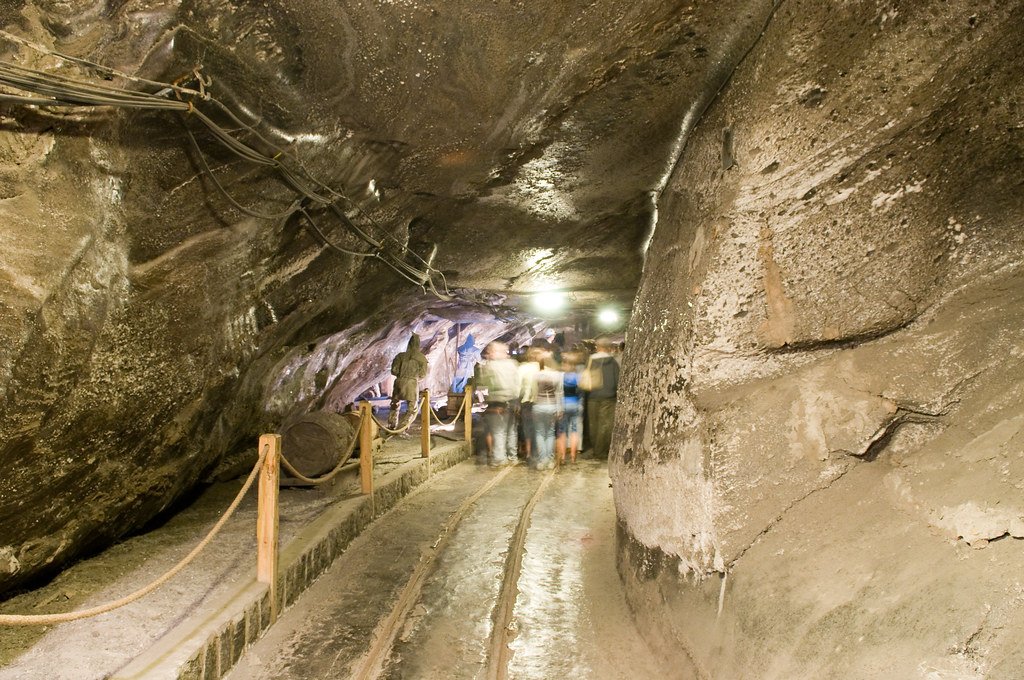
From hand-forged iron chisels to state-of-the-art drilling machines, the evolution of mining technology in Kraków is a story of constant adaptation. Archaeologists have unearthed primitive wooden tools alongside rusted metal implements, each marking a step forward in human ingenuity. In recent decades, advanced robotics, laser mapping, and digital monitoring systems have revolutionized the way mines are maintained and explored. This blend of ancient craftsmanship and modern science keeps Kraków’s mines at the forefront of underground engineering.
The Role of Women in the Salt Mines
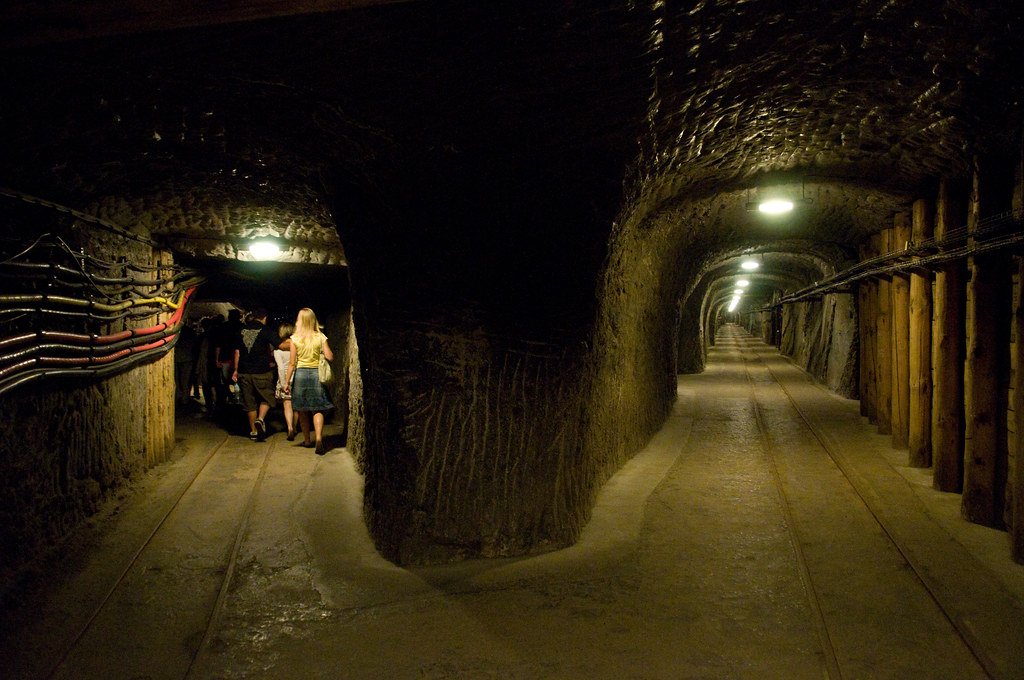
While mining was traditionally considered men’s work, women also played vital roles in the history of Kraków’s salt mines. Some worked above ground, sorting and processing salt, while others maintained equipment and managed supplies. In times of crisis, women even descended into the mines to assist with digging and rescue operations. Their contributions, though often overlooked in official histories, were crucial to the functioning of the mines and the well-being of mining families. Today, their stories are being rediscovered, adding new depth to the narrative of Kraków’s underground world.
Environmental Impact: The Price of Progress
Extracting salt from deep beneath the earth has not been without consequences. Over centuries, mining has altered water tables, caused subsidence, and left scars on the landscape. In recent years, environmental scientists have worked to mitigate these effects, restoring groundwater balance and stabilizing the ground above abandoned tunnels. The mines themselves have become unexpected refuges for rare bats and other wildlife, showing how nature can adapt to even the most altered environments. The ongoing challenge is to balance heritage preservation with environmental stewardship.
Preserving the Past: Restoration and Conservation Efforts
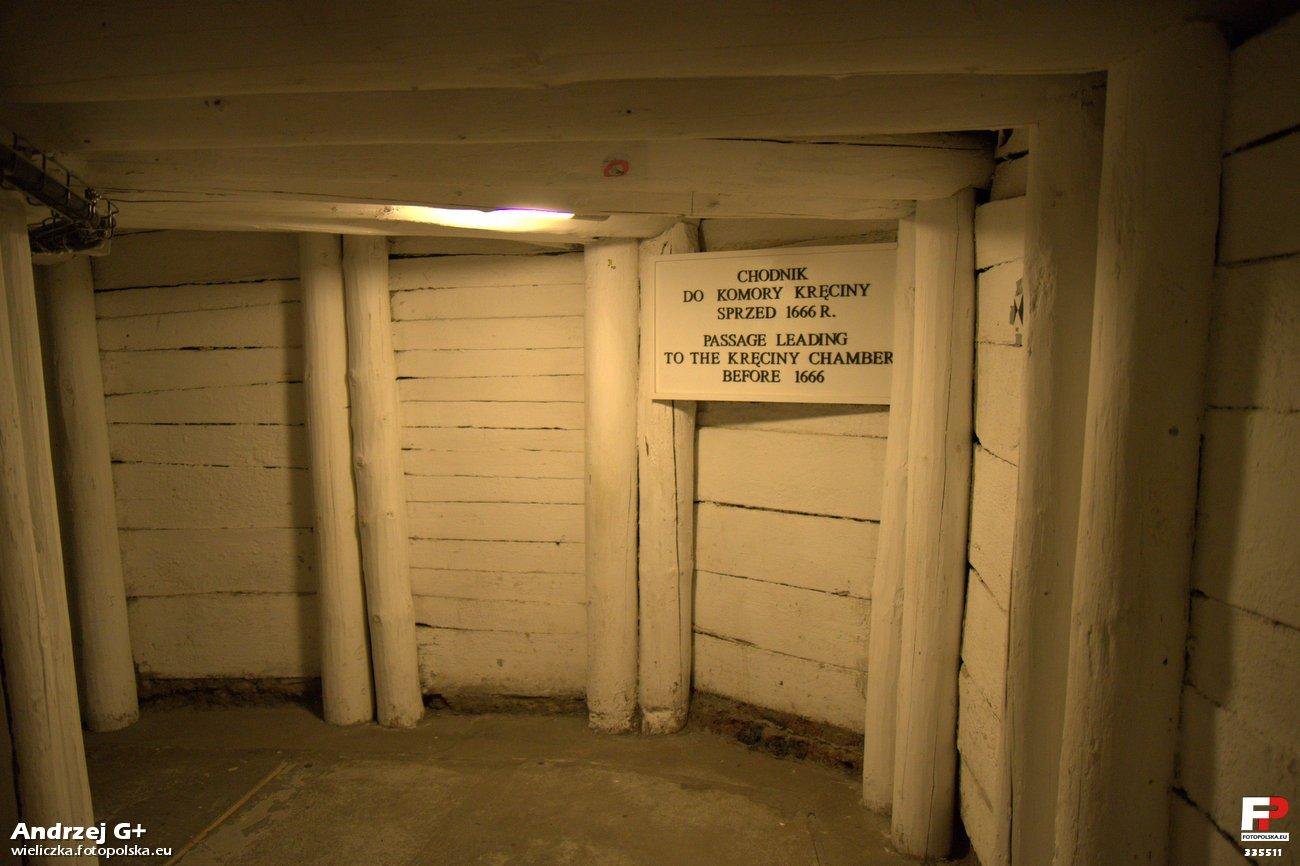
Preserving Kraków’s salt mines is a monumental task. Salt is a living material, constantly absorbing moisture and slowly eroding. Conservationists work tirelessly to maintain the structural integrity of tunnels, repair centuries-old sculptures, and protect delicate ecosystems. Restoration projects rely on both traditional craftsmanship and cutting-edge technology, such as 3D scanning and climate control systems. The goal is to ensure that future generations can experience the wonder of these underground marvels—without losing the traces of the past.
Salt Mines in Global Context: Kraków’s Place in the World
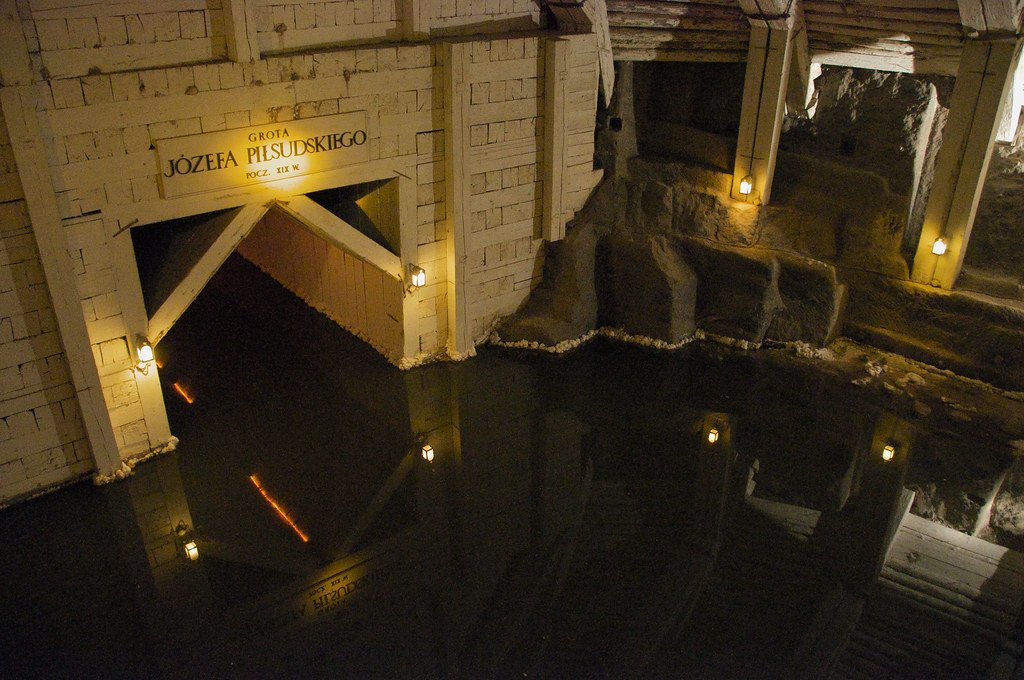
Kraków’s salt mines are not the only subterranean wonders on earth, but they hold a unique place in history. Salt mining has shaped civilizations from China to South America, but few sites can match the scale, artistry, and longevity found beneath Kraków. The mines are a UNESCO World Heritage Site, recognized for their cultural and scientific significance. They serve as a bridge between nations, drawing visitors, researchers, and artists from every corner of the globe to share in their mysteries.
Underground Medicine: Healing Powers of Salt Caves
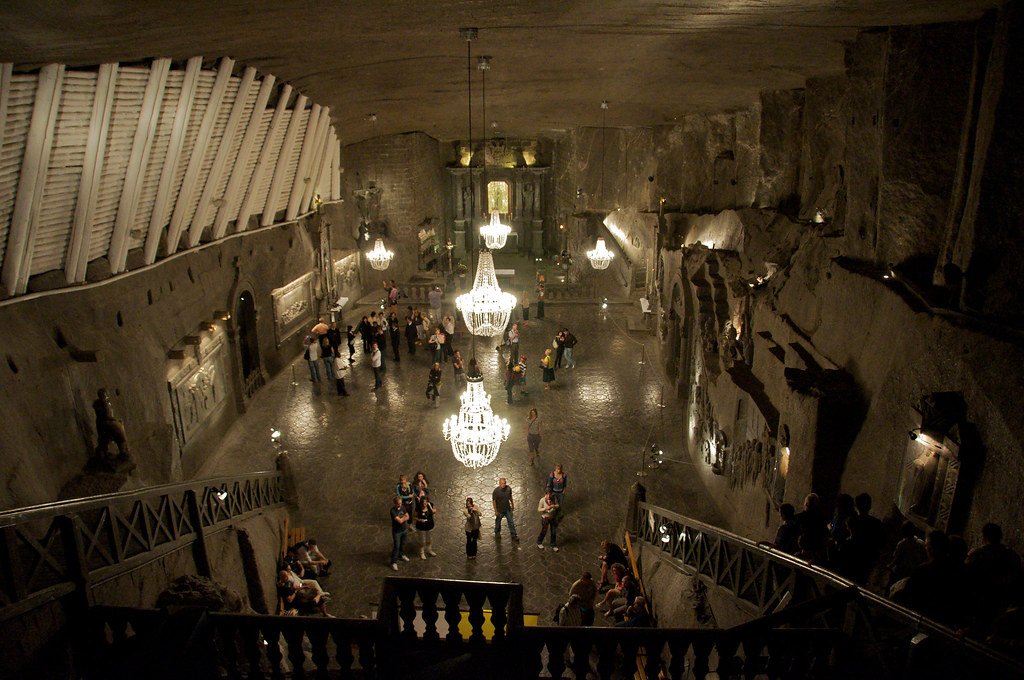
In recent decades, the therapeutic benefits of salt have gained new attention. The microclimate inside salt mines—cool, clean, and laden with tiny salt particles—has been found to ease respiratory ailments, allergies, and skin conditions. Special chambers have been set aside for “halotherapy,” where people relax and breathe in the salty air. Patients report everything from reduced asthma symptoms to improved sleep. While the science is still evolving, the healing reputation of Kraków’s mines adds yet another layer to their allure.
Art, Music, and Culture: Celebrations Beneath the Earth
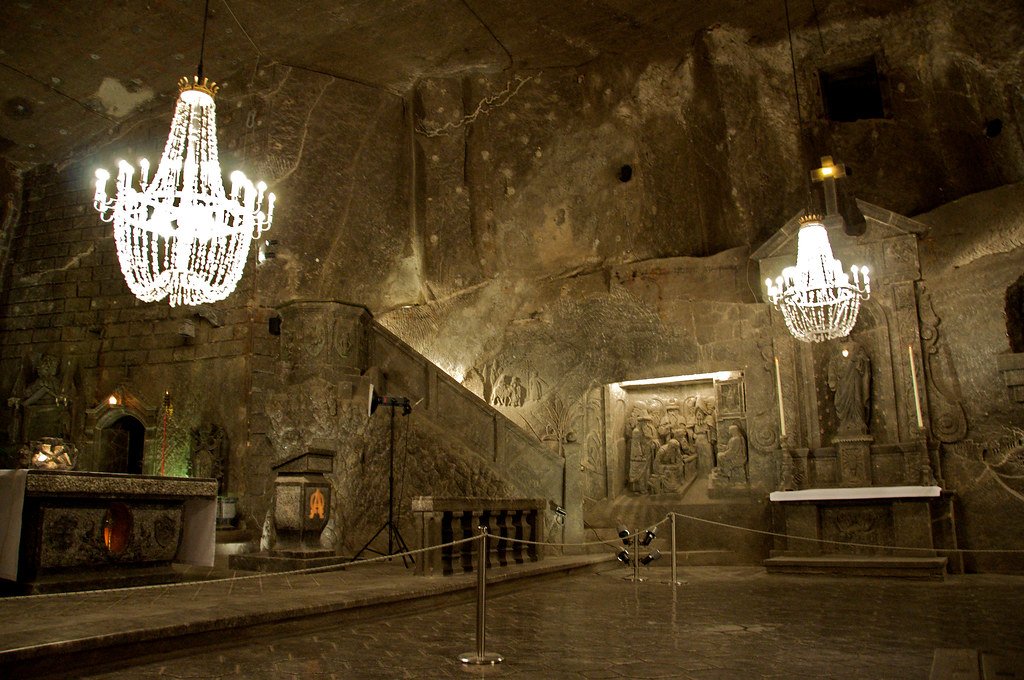
Kraków’s salt mines are not just places of work and science—they are also stages for art, music, and celebration. Underground chapels host classical concerts, art exhibitions line the tunnels, and festivals bring together people from all walks of life. The unique acoustics and ethereal atmosphere make every event unforgettable. These gatherings are a testament to humanity’s ability to find joy and beauty in even the most unlikely places, turning the depths of the earth into a living canvas.
The Future of Kraków’s Underground World
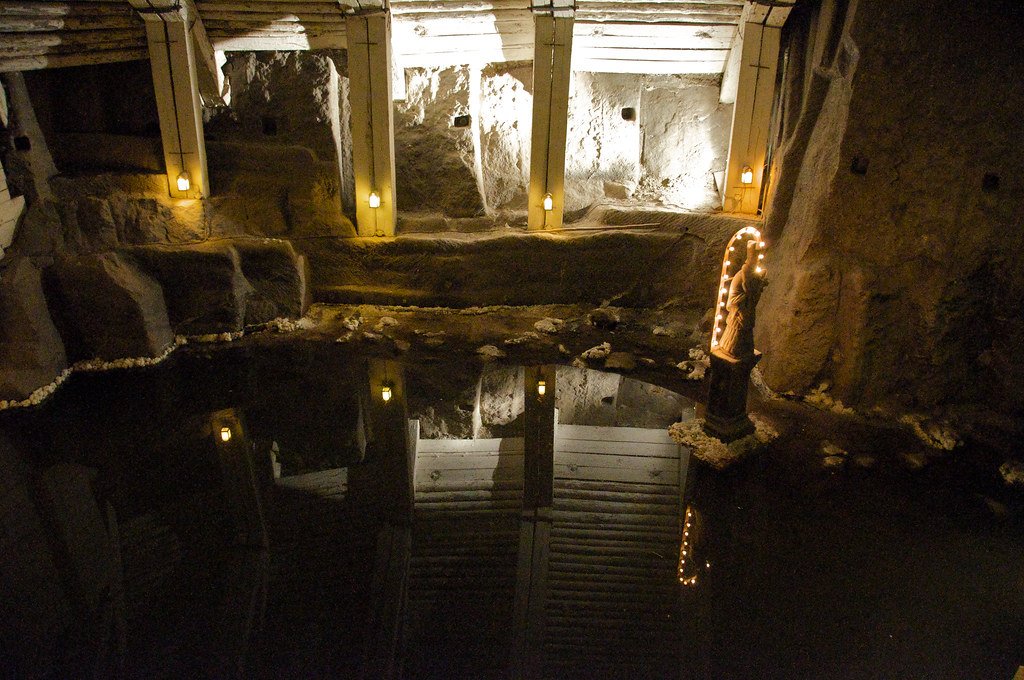
As we look ahead, the future of Kraków’s salt mines is both promising and uncertain. New scientific discoveries and technological advances offer hope for deeper exploration and better preservation. At the same time, climate change, tourism pressures, and economic shifts pose fresh challenges. The story of Kraków’s underworld is still being written, shaped by the same forces of curiosity, creativity, and resilience that have defined it for millennia. The question remains: what secrets still lie hidden in the salt, waiting to be unearthed?
The world beneath Kraków is a testament to the wonders that can be found when human hands and hearts dig deep—both literally and metaphorically. Who could have guessed that beneath the city’s cobblestones lies such a kingdom of salt, water, and history?