When you think about the future of wildlife conservation, your mind probably drifts to remote rainforests or vast savannas. But what if the most revolutionary conservation project was happening right in the heart of Singapore’s bustling urban landscape? The Mandai Wildlife Reserve isn’t just another zoo or attraction – it’s a groundbreaking experiment in urban wildlife design that’s quietly reshaping how we think about animals, nature, and city living. This 90-hectare masterpiece represents years of meticulous planning, cutting-edge technology, and a bold vision that challenges everything we thought we knew about wildlife spaces in metropolitan areas.
The Vision That Started It All
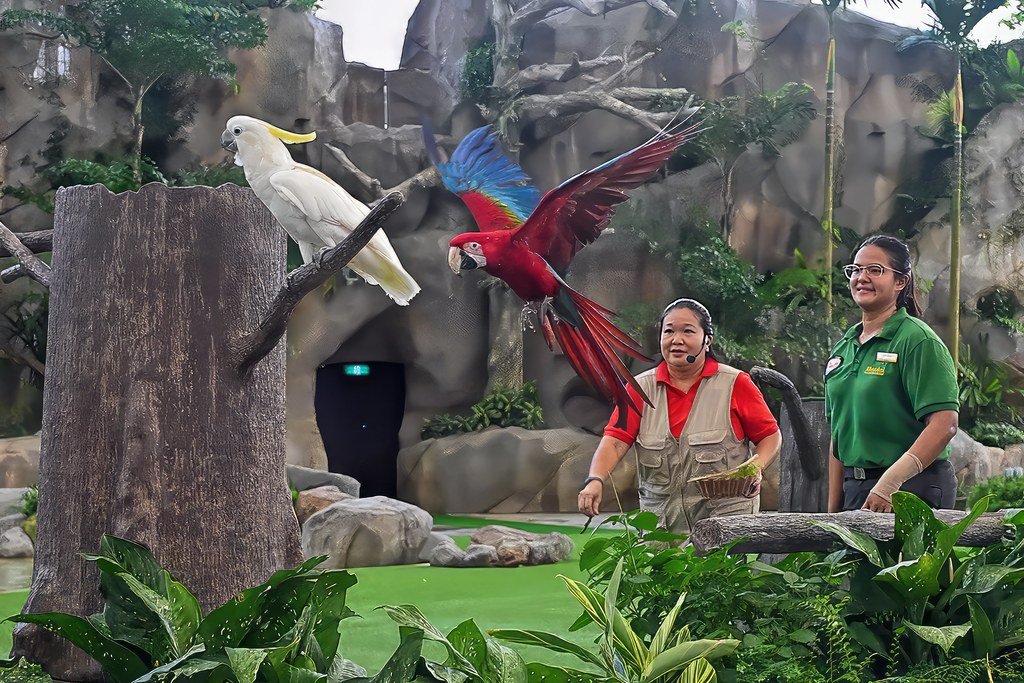
Back in 2014, Singapore’s government made a decision that would fundamentally change the landscape of urban wildlife conservation. They announced plans to transform the existing zoo area into something unprecedented – a comprehensive wildlife ecosystem that would seamlessly blend education, conservation, and recreation. The vision was audacious: create a space where animals could thrive in environments so naturalistic that visitors would forget they were in one of the world’s most densely populated cities. This wasn’t about building bigger cages or prettier enclosures; it was about reimagining what wildlife spaces could be in the 21st century. The planners envisioned a place where the boundaries between wild and urban would blur, creating an entirely new model for wildlife conservation.
Architectural Innovation Meets Animal Welfare

The architectural team behind Mandai faced a challenge that would make most designers break into a cold sweat. How do you create naturalistic habitats for hundreds of species while maintaining the safety and accessibility that modern visitors expect? Their solution involved revolutionary design principles that prioritize animal behavior over human convenience. Instead of forcing animals to adapt to human-designed spaces, the architects studied animal movement patterns, territorial needs, and social behaviors to create environments that feel genuinely wild. The result is a series of interconnected habitats that flow naturally into one another, using innovative materials and construction techniques that were previously unheard of in zoo design.
The Underground Marvel Nobody Talks About

Beneath the lush landscapes and stunning animal habitats lies an engineering feat that most visitors never see. Mandai’s underground infrastructure represents one of the most sophisticated wildlife support systems ever built, featuring climate-controlled tunnels, advanced water treatment facilities, and monitoring systems that would make NASA jealous. These hidden networks allow staff to move between areas without disturbing animals, while automated systems continuously monitor everything from air quality to soil composition. The underground veterinary facilities rival those of major hospitals, complete with surgical suites, diagnostic equipment, and quarantine areas that ensure every animal receives world-class medical care. This invisible foundation is what makes the visible magic possible.
Revolutionary Habitat Design Philosophy

Traditional zoos build enclosures and then figure out how to make animals happy inside them. Mandai flipped this approach completely on its head, starting with detailed behavioral studies of each species and then designing environments that encourage natural behaviors. The team spent months observing animals in their wild habitats, documenting everything from feeding patterns to sleep cycles to social interactions. This research became the blueprint for habitats that feel less like exhibits and more like carefully crafted slices of the wild. Each environment includes multiple microclimates, varied terrain, and carefully planned sight lines that give animals the privacy they need while still allowing meaningful visitor experiences.
Technology Integration That Feels Invisible

Smart technology at Mandai operates on a simple principle: if visitors notice it, it’s probably not working correctly. Hidden sensors throughout the reserve monitor everything from animal stress levels to visitor flow patterns, feeding real-time data to a central control system that can adjust lighting, temperature, and even background sounds to optimize conditions. Radio frequency identification tags allow staff to track individual animals without physical handling, while augmented reality features enhance visitor experiences without disrupting the natural feel of the environments. The most impressive part? Most of this cutting-edge technology is completely invisible to both animals and visitors, creating seamless experiences that feel magical rather than mechanical.
The Water Systems That Defy Gravity

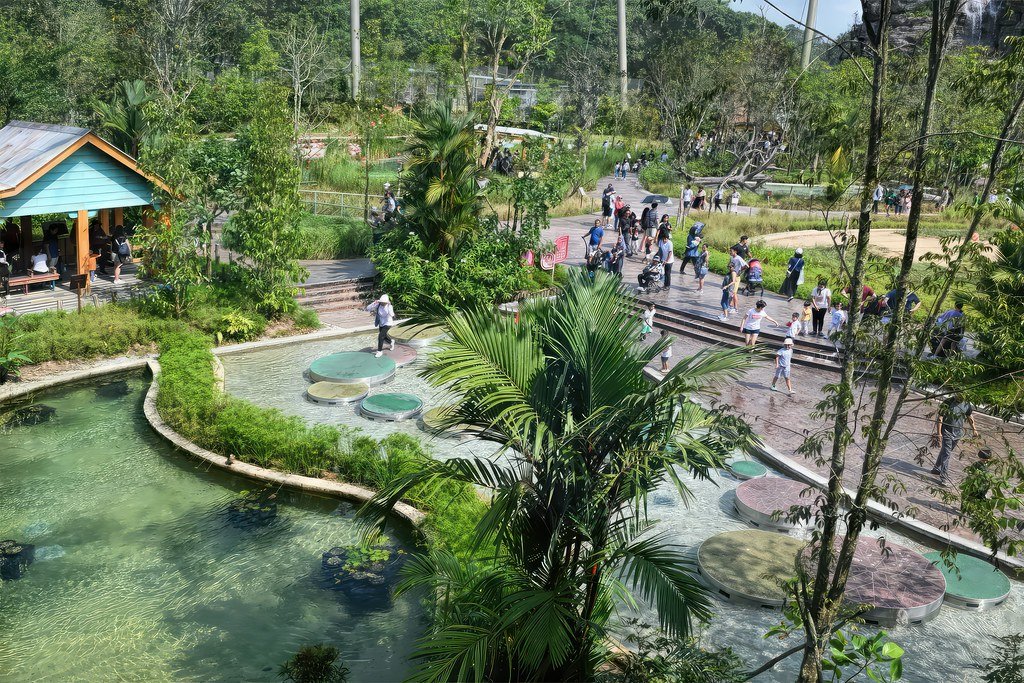
Water features at Mandai don’t just look beautiful – they’re marvels of hydraulic engineering that would make ancient Roman architects weep with envy. The design team created a series of interconnected waterways that flow naturally throughout the reserve, using carefully calculated elevation changes and hidden pumping systems to maintain circulation without visible machinery. These artificial rivers and streams serve multiple purposes: they provide drinking water for animals, create natural habitat boundaries, and help regulate temperature and humidity throughout the reserve. The water treatment systems are so advanced that they can purify and recycle water multiple times per day, maintaining pristine conditions while minimizing environmental impact.
Plant Selection Strategy Beyond Landscaping

Every single plant at Mandai was chosen for specific reasons that go far beyond aesthetics. The botanical team assembled living ecosystems that serve as food sources, shelter, territorial markers, and enrichment opportunities for the animals who call this place home. Native Singapore species were prioritized not just for environmental reasons, but because they create authentic sensory experiences – the sounds, smells, and textures that animals would encounter in their natural habitats. Some plants were selected specifically for their root systems, which help manage soil stability and water drainage in ways that artificial materials simply can’t match. The result is a landscape that functions as a complex, living support system rather than mere decoration.
Climate Engineering for Global Species

Housing animals from polar regions alongside tropical species requires climate control systems that would challenge the most sophisticated office buildings. Mandai’s engineers developed microclimatic zones that can maintain different temperature and humidity levels within meters of each other, using innovative insulation techniques and carefully planned air circulation patterns. The system can simulate seasonal changes for species that require them, gradually adjusting light cycles and temperatures to support natural breeding and behavioral patterns. Advanced heating and cooling technologies operate so efficiently that the entire reserve maintains optimal conditions while using less energy than many shopping malls of similar size.
Behavioral Enrichment Through Environmental Design

Instead of adding toys or activities to keep animals engaged, Mandai’s designers built enrichment directly into the environments themselves. Rock formations aren’t just scenic elements – they’re carefully positioned climbing challenges that encourage natural movement patterns and muscle development. Hidden feeding stations throughout each habitat encourage foraging behaviors, while varied terrain provides opportunities for territorial establishment and exercise. Water features serve as both drinking sources and play areas, while strategically placed vegetation creates privacy zones where animals can retreat when they need solitude. This approach means animals are constantly engaged with their environment in meaningful ways, rather than simply being entertained by artificial additions.
Visitor Experience Engineering

The most challenging aspect of Mandai’s design wasn’t creating great habitats for animals – it was figuring out how to let thousands of daily visitors experience these spaces without disrupting them. The solution involved creating carefully choreographed pathways that provide excellent viewing opportunities while maintaining appropriate distances and noise levels. Elevated walkways, hidden viewing blinds, and strategically placed barriers create separation that feels natural rather than restrictive. The design team studied human traffic patterns as intensively as they studied animal behaviors, creating flow systems that prevent crowding while ensuring every visitor gets meaningful wildlife encounters.
Conservation Science Integration

Behind the public-facing experiences, Mandai operates as a serious research institution conducting studies that contribute to global conservation efforts. The facility houses one of Southeast Asia’s most advanced genetic research laboratories, where scientists work on breeding programs for endangered species and study genetic diversity in captive populations. Field research programs extend the reserve’s conservation impact far beyond Singapore’s borders, with staff conducting studies in wild habitats throughout Southeast Asia. The data collected at Mandai directly informs conservation strategies for species ranging from local birds to international mega-fauna, making the facility a crucial hub in global wildlife preservation networks.
Sustainability Systems That Actually Work

Environmental sustainability at Mandai goes far beyond solar panels and recycling bins, though it has plenty of both. The entire facility operates as a closed-loop system where waste from one area becomes resources for another – animal waste becomes fertilizer for plant growth, while organic kitchen scraps become enrichment activities for appropriate species. Rainwater collection systems harvest Singapore’s abundant precipitation for use throughout the reserve, while greywater recycling reduces overall water consumption. The facility generates much of its own energy through a combination of solar collection, biogas production from organic waste, and innovative heat recovery systems that capture warmth from animal enclosures.
Staff Training Revolution

The people who work at Mandai aren’t traditional zookeepers – they’re wildlife specialists trained in cutting-edge animal care techniques that emphasize observation, environmental management, and minimal intervention. Training programs last for months and cover everything from animal psychology to advanced veterinary techniques to emergency response protocols. Staff members specialize in specific species or habitat types, developing deep expertise that allows them to recognize subtle changes in animal behavior or environmental conditions. This specialized knowledge enables proactive rather than reactive care, preventing problems before they develop and ensuring that animals maintain optimal health and welfare.
Educational Impact Through Immersion

Traditional environmental education relies heavily on signs, lectures, and guided tours, but Mandai takes a radically different approach. The immersive design means visitors learn about conservation and animal behavior simply by observing natural-looking environments and witnessing authentic animal behaviors. Interactive elements are carefully integrated into the landscape rather than standing out as obvious educational tools, creating learning opportunities that feel like discoveries rather than lessons. This subtle approach has proven remarkably effective at changing visitor attitudes and behaviors, with follow-up studies showing that people who visit Mandai are significantly more likely to engage in conservation activities in their daily lives.
Economic Model for Conservation
The business model behind Mandai demonstrates that conservation and profitability aren’t mutually exclusive – in fact, they can be mutually reinforcing when properly aligned. Revenue from admissions, dining, and retail directly funds conservation research and habitat improvements, while partnerships with hotels and tourism operators create additional income streams that support the facility’s mission. Corporate partnerships provide funding for specific conservation programs in exchange for meaningful engagement opportunities that go far beyond traditional sponsorship arrangements. This diversified funding approach ensures long-term sustainability while reducing dependence on government support or donor funding that can fluctuate with economic conditions.
Challenges Nobody Expected
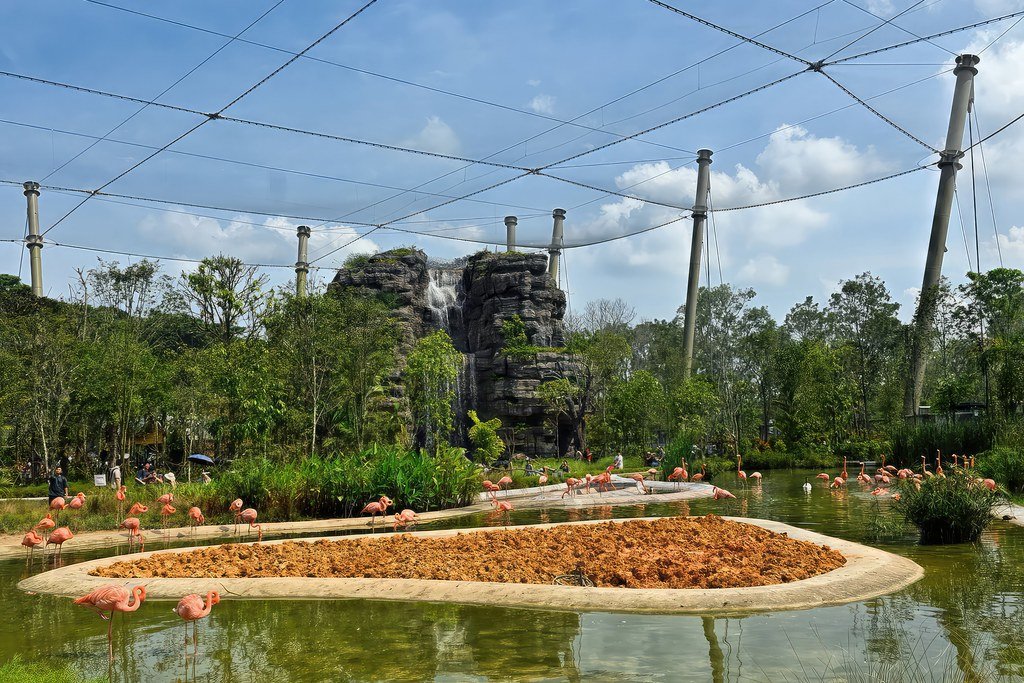
Even with meticulous planning, Mandai’s development faced obstacles that no amount of preparation could have anticipated. Singapore’s intense tropical weather created construction challenges that required constant adaptation of building techniques and materials. Urban wildlife that wasn’t supposed to be part of the plan – wild monkeys, birds, and reptiles – began moving into the partially completed habitats, requiring diplomatic solutions that protected both intended and unexpected residents. Local community concerns about noise, traffic, and environmental impact required ongoing dialogue and design modifications that sometimes conflicted with original animal welfare goals.
Global Influence and Future Impact

The innovations pioneered at Mandai are already being studied and adapted by wildlife facilities around the world, from urban zoos to remote conservation centers. International delegations regularly visit to observe management techniques, habitat design principles, and sustainability systems that can be modified for different climates and contexts. Several major cities have announced plans for wildlife facilities based on Mandai’s model, while existing institutions are retrofitting their operations using principles developed in Singapore. This ripple effect means that Mandai’s influence on global wildlife conservation extends far beyond its physical boundaries.
The Numbers That Matter

Beyond the impressive statistics about visitor numbers and species counts, Mandai’s real impact can be measured in conservation outcomes that extend far beyond the facility itself. Breeding programs have contributed to the genetic diversity of endangered species populations across Southeast Asia, while research conducted at the facility has directly informed protection strategies for wild habitats. The educational programs have reached hundreds of thousands of visitors from around the world, creating a network of conservation advocates who carry Mandai’s message back to their home communities. Financial contributions to field conservation projects have protected thousands of hectares of wild habitat, demonstrating how urban wildlife facilities can support conservation efforts in remote locations.
Looking Forward to Tomorrow’s Challenges
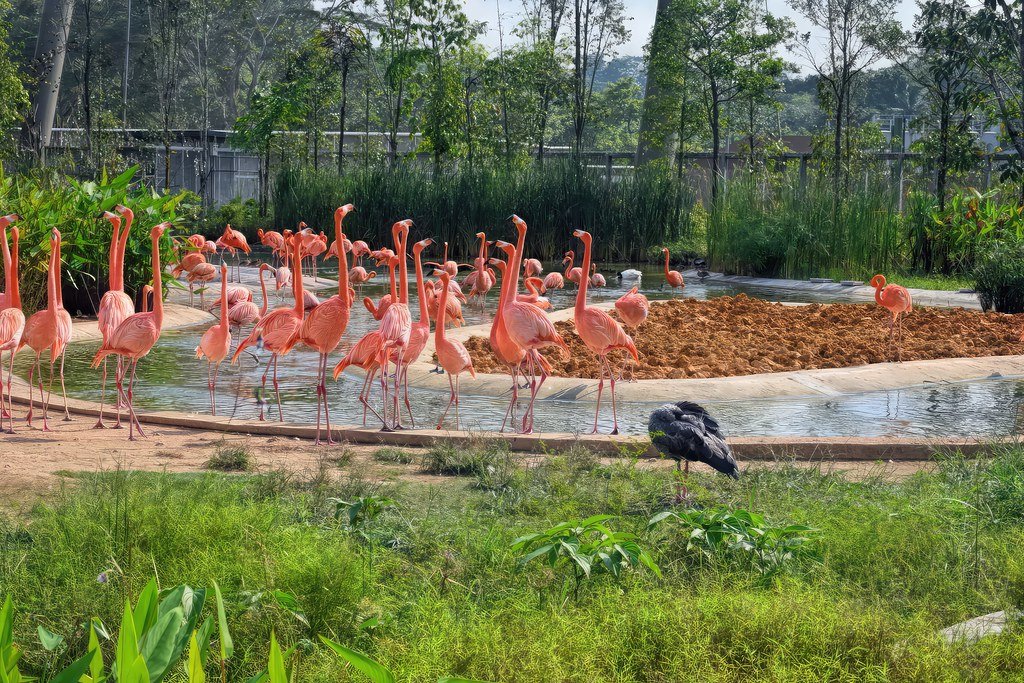
As climate change and urbanization continue to reshape the natural world, Mandai represents a crucial model for how human settlements can coexist with wildlife in meaningful ways. The facility’s ongoing research into urban ecology, climate adaptation, and sustainable tourism provides valuable insights for conservation efforts worldwide. Plans for expansion and enhancement continue to push the boundaries of what’s possible in wildlife facility design, while training programs for international conservation professionals help spread Mandai’s innovations to new contexts and challenges. The lessons learned in Singapore are already informing conservation strategies from Southeast Asian rainforests to African savannas, proving that urban wildlife design can have impact far beyond city limits.
The transformation of Singapore’s wildlife landscape represents more than just an impressive construction project or tourist attraction. It demonstrates that the future of conservation lies not in separating human and natural worlds, but in designing spaces where both can thrive together. Every carefully planned habitat, every invisible technology system, and every thoughtfully trained staff member contributes to a larger vision of what’s possible when we commit to treating wildlife as partners rather than attractions. What started as an ambitious urban planning project has become a blueprint for conservation that cities around the world are eager to follow.