Bears Reverse Early Decline in Fitness (Image Credits: Flickr)
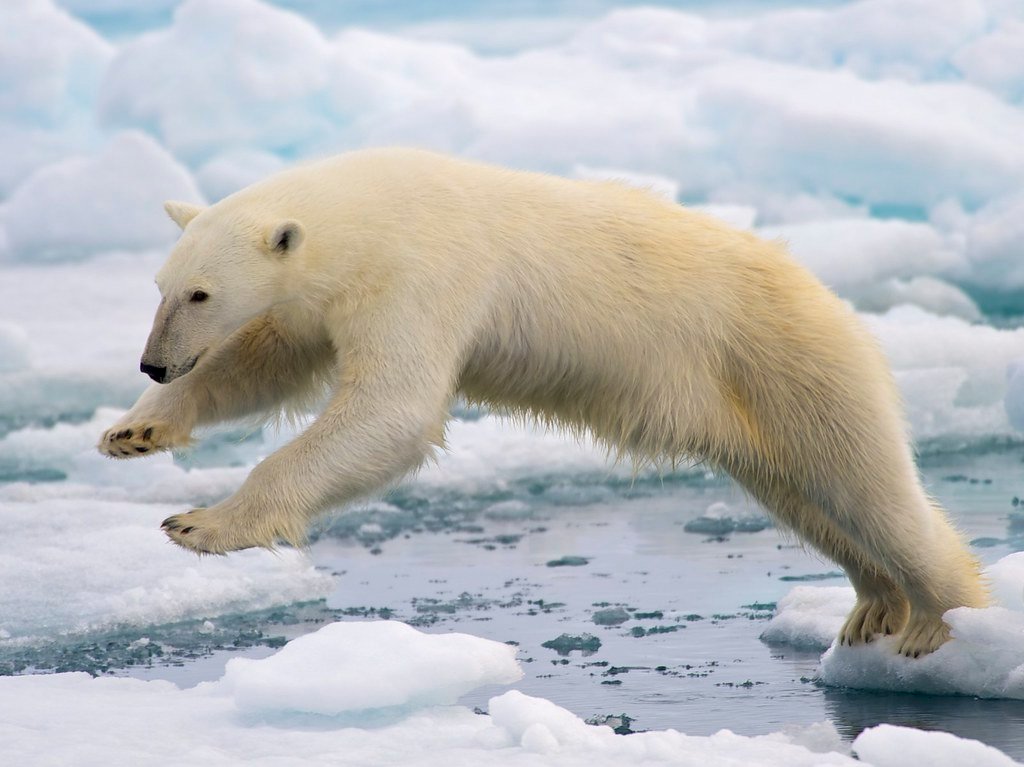
Svalbard, Norway – Polar bears in the Barents Sea have maintained strong body conditions over the past two decades, even as the region experienced the fastest sea ice decline among Arctic habitats.[1][2]
Bears Reverse Early Decline in Fitness
Researchers captured and measured 770 adult polar bears across 1,188 instances between 1995 and 2019. Body condition index, a key measure of fat reserves and overall health, dropped sharply until around 2000 for both males and females.
Conditions then improved steadily. Males peaked in body condition around age 12 before a slight drop after age 20. Females varied by reproductive status, with those accompanied by cubs-of-the-year showing the leanest profiles. “BCI declined until around 2000 for both sexes, but increased afterwards, during a period with rapid loss of sea ice,” the study noted.[1]
This turnaround defied expectations that shrinking ice would harm bear fitness across the board.
Sea Ice Vanishes at Record Pace
The Barents Sea lost sea ice twice as fast as other polar bear areas from 1979 to 2014. Spring breakup arrived about one month earlier after 2005 compared to the late 1990s.
Days without ice coverage surged by roughly 100, reaching over 200 days in recent years. No year before 2006 exceeded 175 ice-free days. Researchers tracked these shifts using metrics like breakup dates and prior-year ice-free periods.
Southern and eastern Svalbard bears fared best, while those in the northwest showed lower conditions, possibly due to greater reliance on distant ice packs.[1]
Abundant Prey Fuels Resilience
Improved access to food sources appears to counterbalance lost hunting platforms on ice. Harbour seals have spread closer to coasts, reindeer numbers have risen, and walruses have recovered.
Bearded seals linger into summer without ice, while birds’ eggs, nests, and whale carcasses provide alternatives. Lower ice may concentrate seals, easing hunts for bears. The study highlighted these factors: increased prey abundance offset reduced ringed seal access, a traditional staple.[1]
- Harbour seals moving shoreward in warmer waters.
- Reindeer populations expanding on land.
- Walrus haul-outs growing accessible.
- Bearded seals and other marine mammals staying longer.
- Tertiary foods like eggs and carrion supplementing diets.
Population Growth Signals Stability
A 2004 survey estimated the Barents Sea subpopulation at 1,900 to 3,600 bears, up significantly since protections began in 1973. Sightings at ice edges rose by 2015 compared to 2004.
Density remains below carrying capacity, supporting healthy conditions. Local bears numbered stably around 240 to 260. “After around 2000…both males and females of different reproductive categories increased in body condition for the following two decades,” lead author Jon Aars and colleagues reported.[1][2]
These trends contrast with declines seen elsewhere, like Western Hudson Bay.
Key Takeaways
- Body condition improved post-2000 despite accelerating ice loss.
- Prey shifts, including seals and land foods, bolstered bear health.
- Population shows growth potential below maximum capacity.
While Svalbard bears demonstrate adaptability, experts caution that ongoing warming could eventually overwhelm these buffers. Lead researcher Jon Aars emphasized population-specific dynamics: findings from one group cannot predict outcomes everywhere. Continued monitoring will clarify long-term prospects. What adaptations have you observed in Arctic wildlife? Share your thoughts in the comments.