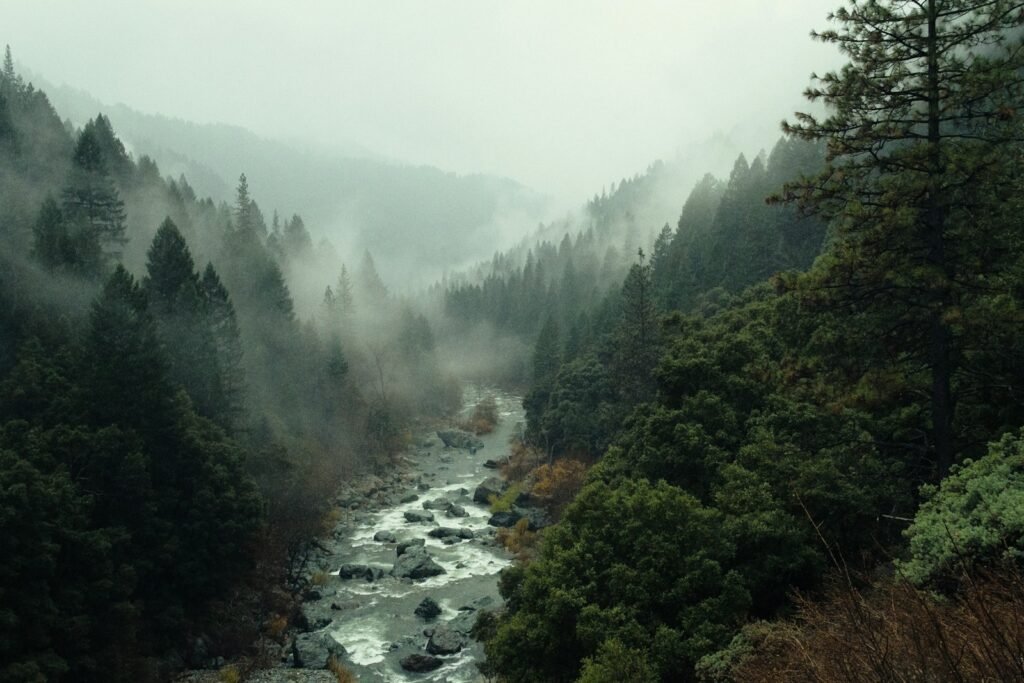

Imagine walking through the quiet, endless green of Canada’s boreal forest—millions of trees stretching toward the sky, mosses cushioning your steps, and the earthy scent of life all around you. What if I told you that the real heroes here are invisible? Beneath your feet and within every handful of soil, billions of tiny bacteria are working tirelessly, unseen and unsung. These microscopic creatures keep the entire forest alive, quietly powering cycles that let mighty spruce and ancient pine breathe. Without them, the boreal forests would collapse—literally suffocating under their own weight. Let’s plunge into this hidden world, where the smallest organisms hold the fate of vast, wild landscapes in their hands.
The Boreal Forest: Canada’s Green Heart

Canada’s boreal forest is one of the world’s largest intact wildernesses, stretching like a green ribbon from coast to coast. It covers nearly 60% of the country’s landmass, making it essential not just for Canadians but for the whole planet. These forests are cradles of biodiversity, home to moose, wolves, and countless birds. But deep within the moss and soil, an even greater diversity thrives—millions of bacterial species, each playing a unique, irreplaceable role. It’s easy to overlook them, but without their silent labor, the boreal would be unrecognizable, unable to support the life we see above ground.
Microscopic Powerhouses: Meet the Bacteria

When we think of bacteria, most of us picture germs and illness. But in the boreal forest, bacteria are hard-working helpers, not villains. These tiny cells break down fallen leaves, dead animals, and old wood, freeing up nutrients that plants desperately need. They’re like nature’s recycling team, turning yesterday’s waste into tomorrow’s growth. It’s a constant cycle—one that happens so quietly we forget it’s there, even though it keeps every tree and fern alive.
Soil as a Living Factory

Dig a handful of forest soil and you’re holding a living factory. Every gram can contain billions of bacteria, each busily transforming organic matter. Some specialize in breaking down tough plant fibers, while others release enzymes that make locked-away minerals available. This bustling underground city works around the clock, keeping nutrients moving and the forest breathing. It’s a little like a city’s sanitation crew and power grid rolled into one—unseen, but absolutely vital.
Nitrogen Fixers: Fertilizing the Forest

One of the most magical things bacteria do is “fix” nitrogen. Plants need nitrogen to grow, but they can’t use the form that’s most common in the air. Certain bacteria, like those in the genus Frankia, grab nitrogen from the air and turn it into a form plants can use. They often form partnerships with the roots of alder trees and other boreal plants, creating a kind of underground alliance. Without these bacteria, the forest would run out of the nutrients it needs, and growth would grind to a halt.
Decomposers: Breaking Down the Old to Feed the New

When a tree falls in the boreal forest, bacteria are among the first responders. Alongside fungi, they break down wood, leaves, and animal remains, releasing nutrients back into the soil. This decomposition process is surprisingly complex, involving hundreds of bacterial species working together. Without them, dead matter would pile up, and new life would have nowhere to grow. It’s a bit like a relay race—bacteria pick up where others leave off, ensuring the cycle never stops.
Carbon Cycle Custodians

Bacteria in the boreal play a huge role in the global carbon cycle. As they break down organic material, they release carbon dioxide—a process that helps balance the forest’s massive carbon stores. Some bacteria help lock away carbon in the soil, keeping it out of the atmosphere for centuries. The balance they maintain is delicate. If bacterial communities change too much, the forest could start releasing more carbon than it stores, contributing to climate change. It’s a precarious balancing act, with bacteria holding the ropes.
Guardians Against Disease
Not all bacteria just recycle nutrients—some act as frontline defenders, protecting plants from disease. Certain soil bacteria produce natural antibiotics or outcompete harmful microbes, keeping roots and seedlings healthy. Think of them as microscopic bodyguards, standing watch beneath the surface. Their presence can mean the difference between a thriving forest and one crippled by outbreaks of disease.
Bacteria and Tree Roots: A Symbiotic Dance

Tree roots don’t just passively absorb nutrients—they actively shape the bacterial communities around them. Through chemical signals, they encourage helpful bacteria to cluster nearby, forming protective barriers or boosting nutrient availability. In turn, bacteria supply the roots with what they need to grow strong. This mutual relationship is so well-tuned that scientists sometimes call it a “rhizosphere orchestra”—a symphony of life happening inches below the surface.
Adapting to Extreme Boreal Conditions

Life in the boreal isn’t easy. Temperatures plunge in winter, and nutrient supplies can be scarce. Bacteria here have evolved to survive freezing, thawing, and long periods of drought. Some go dormant during the coldest months, while others produce special proteins that act like antifreeze. Their adaptability is astonishing—without it, the forest’s annual cycles of death and rebirth would be impossible.
Bacteria and the Water Cycle

Bacteria also help keep the boreal’s lakes and streams clean. In wetlands and riparian zones, specialized bacteria filter pollutants and break down waste. They transform harmful substances into harmless ones, quietly purifying water as it moves through the land. In a way, they’re the forest’s hidden water treatment plant, working tirelessly to keep ecosystems healthy.
Peatlands: Bacterial Hotspots

Peatlands—wet, boggy areas—are a special part of the boreal, storing enormous amounts of carbon. Here, bacterial communities are especially diverse and active. They help slow the breakdown of plant material, which lets peat accumulate over millennia. The balance between bacteria and other microbes in peatlands is delicate; small changes can tip the scales, releasing stored carbon or altering water chemistry.
Climate Change: Shifting Bacterial Roles

As Canada’s boreal faces warmer temperatures and changing rainfall, bacteria are responding in real time. Some species thrive in the new conditions, while others struggle. These shifts can have dramatic effects—speeding up decomposition, changing nutrient availability, or even releasing greenhouse gases. Scientists watch these changes closely, knowing that the fate of the forest may rest on the tiniest inhabitants.
Human Impact: Logging, Fire, and Bacterial Shifts

Whenever humans disturb the forest—through logging, mining, or fire—bacterial communities shift. Some species disappear, while others move in. These changes can ripple through the ecosystem, affecting everything from tree growth to water quality. Sometimes, the forest bounces back; other times, the damage lingers for decades. Understanding bacteria helps us see the full impact of our actions.
Resilience and Recovery: Bacteria Lead the Way

One of the most hopeful things about boreal bacteria is their resilience. After fires or logging, they’re often among the first life forms to return. Their ability to bounce back helps the rest of the forest recover, too. By rebuilding nutrient cycles and supporting plant growth, bacteria spark regrowth that can eventually restore the landscape. It’s a reminder that even in the face of destruction, life finds a way.
Bacteria as Indicators: Reading the Health of the Forest

Scientists often use bacteria as early warning signs of changes in the boreal. By analyzing which species are present, they can detect pollution, drought stress, or the effects of climate change. Bacteria act like a canary in the coal mine—if their communities shift dramatically, it’s a sign that something bigger might be wrong. This makes them invaluable tools for conservation and restoration efforts.
Cutting-Edge Research: DNA and the Microbial Revolution

In the past, most of the bacteria in the boreal were invisible to science. Now, with DNA sequencing, researchers are discovering new species and functions every year. They’re finding bacteria that eat methane, produce powerful antibiotics, or even help trees survive drought. This microbial revolution is opening up new possibilities for forest management, medicine, and climate action.
The Human Connection: Lessons from the Forest Floor

The story of boreal bacteria isn’t just about trees and soil—it’s also about us. The same cycles that keep forests breathing also sustain agriculture, clean our water, and influence our climate. By understanding and respecting these tiny creatures, we learn how deeply connected we are to the natural world. It’s humbling to realize that our future depends, in many ways, on the well-being of bacteria we’ll never see.
Fungi and Bacteria: Partners in Decomposition

While bacteria are the stars of the show, they’re not working alone. Fungi form vast networks in the soil, often teaming up with bacteria to break down stubborn plant material. This partnership speeds up decomposition and helps nutrients flow more efficiently. The interplay between fungi and bacteria is so complex that scientists are only beginning to understand it, but one thing is clear: together, they’re unstoppable.
Bacterial Diversity: Why Variety Matters

Just as a forest needs many kinds of trees, healthy soil needs many kinds of bacteria. Diversity ensures that every ecological niche is filled and that the ecosystem can bounce back from stress. Some bacteria specialize in breaking down toxins, others in producing vitamins, and still others in supporting plant roots. The richer the bacterial community, the more resilient the forest becomes.
Future Frontiers: Harnessing Bacteria for Conservation

Looking ahead, scientists are exploring ways to harness boreal bacteria for conservation and restoration. By understanding which bacteria help forests recover from fire or resist disease, we might one day “seed” damaged areas with beneficial microbes. It’s an exciting frontier—one that could help Canada’s boreal forests stay healthy in an unpredictable future.
A World Beneath Our Feet

The next time you walk through a quiet stretch of boreal forest, pause and imagine the bustling world beneath your boots. Each tiny bacterium is a part of a grand, ancient system—one that keeps the trees breathing, the rivers flowing, and the air fresh. In a world obsessed with the big and obvious, it’s a powerful reminder that sometimes, the smallest things matter most.