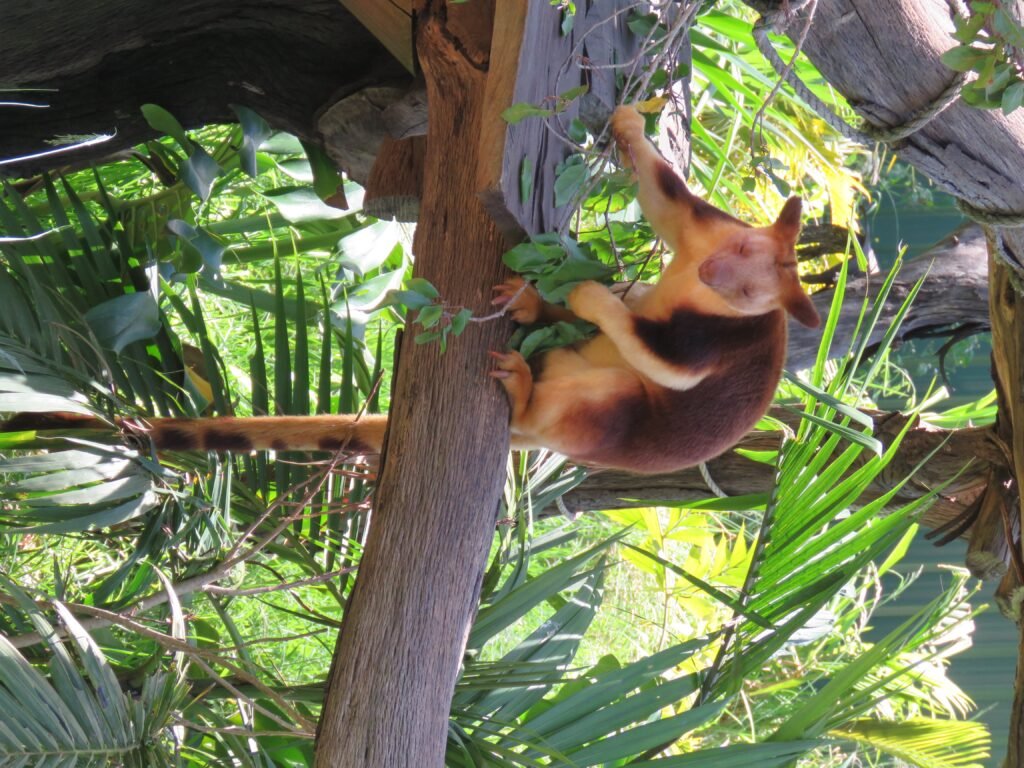

Imagine a kangaroo, but instead of bounding across sunburnt plains, it’s leaping through the treetops, defying gravity with every move. That’s the tree-kangaroo—a bizarre, cuddly enigma of the Australian rainforests. With its teddy bear face, powerful limbs, and astonishing acrobatics, this marsupial seems more like a character from a fantasy novel than a real-life animal. It’s the sort of creature that makes you pause and wonder: How on earth did evolution come up with this? Against all odds, the tree-kangaroo flourishes in the leafy heights, rewriting the rules of what a kangaroo can be. If you think you know Australia’s wildlife, think again: the tree-kangaroo is about to surprise you at every turn.
The Unexpected Evolution of a Marsupial Acrobat
Tree-kangaroos didn’t always soar among the branches. Their ancestors walked the earth millions of years ago, sticking to the ground like regular kangaroos. Over time, some of these ground-dwelling kangaroos wandered into dense rainforests. Facing new challenges—predators, food scarcity, and thick undergrowth—they adapted in remarkable ways. Evolution equipped them with longer forelimbs, stronger claws, and a flexible spine, perfect for climbing. Still, it’s almost unthinkable: kangaroos, famous for hopping on open ground, suddenly mastering a three-dimensional world up in the trees. Nature, it seems, loves a good plot twist.
Home Among the Canopy: Where Tree-Kangaroos Live
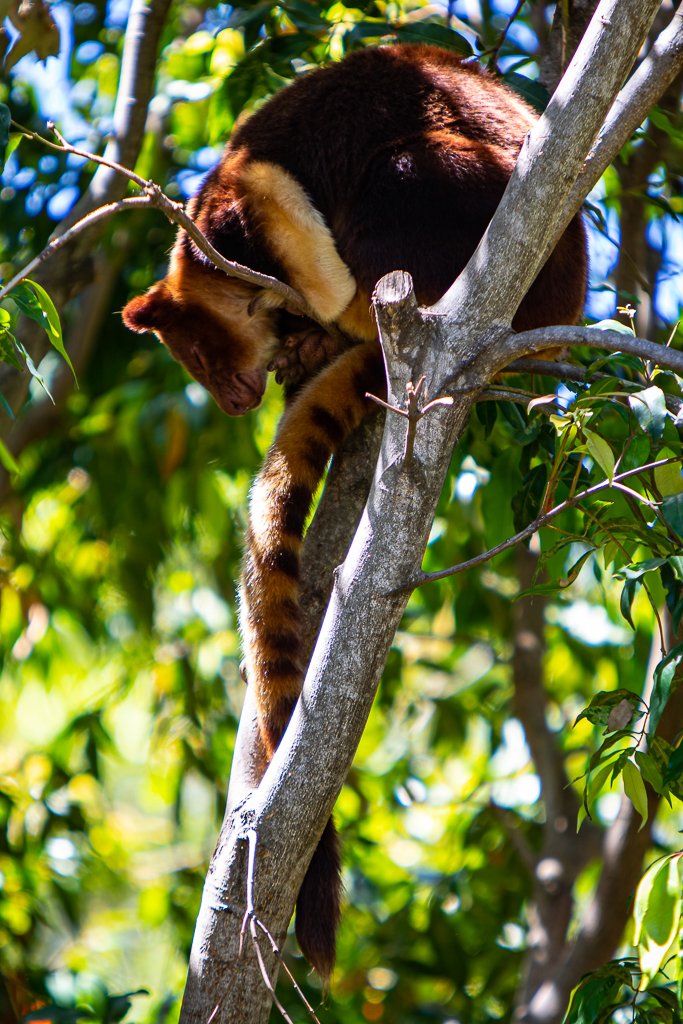
If you’re searching for a tree-kangaroo, don’t bother looking on the ground. These elusive creatures make their homes in the thick canopies of tropical rainforests, mostly in northern Australia and Papua New Guinea. The forests are lush, damp, and packed with life—perfect for a shy animal that needs plenty of cover. The heights protect them from ground predators and offer a buffet of leaves, fruits, and flowers. But the rainforest isn’t just their home; it’s their playground, gym, and pantry rolled into one. Every leap and climb is a reminder of how perfectly these animals are tuned to their leafy world.
Gravity-Defying Leaps: The Tree-Kangaroo’s Signature Move
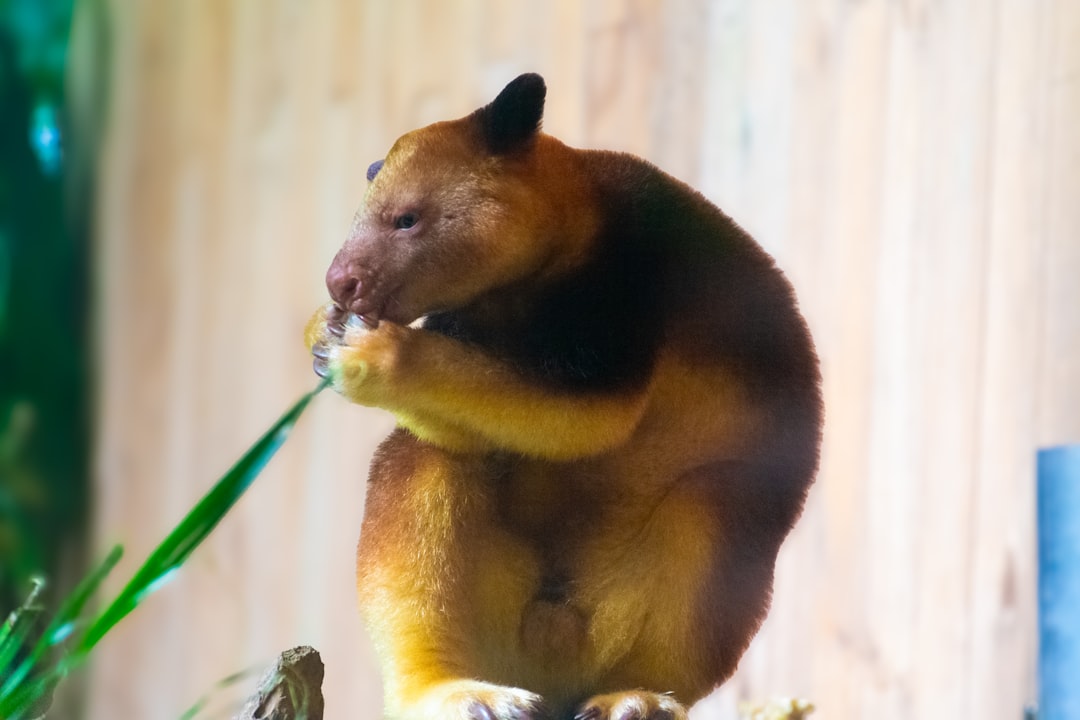
Most kangaroos are famous for their hopping, but tree-kangaroos have taken leaping to a new level. They can jump up to 9 meters (almost 30 feet) from one tree to another—imagine standing on your roof and landing cleanly on your neighbor’s. Their strong hind legs act like coiled springs, launching them into the air. But what’s truly amazing is how they control their landings. With a heavy tail for balance and flexible limbs, they stick those landings like Olympic gymnasts. Watching one in action is like seeing gravity get cheated, if only for a moment.
Physical Marvels: Built for Tree Life
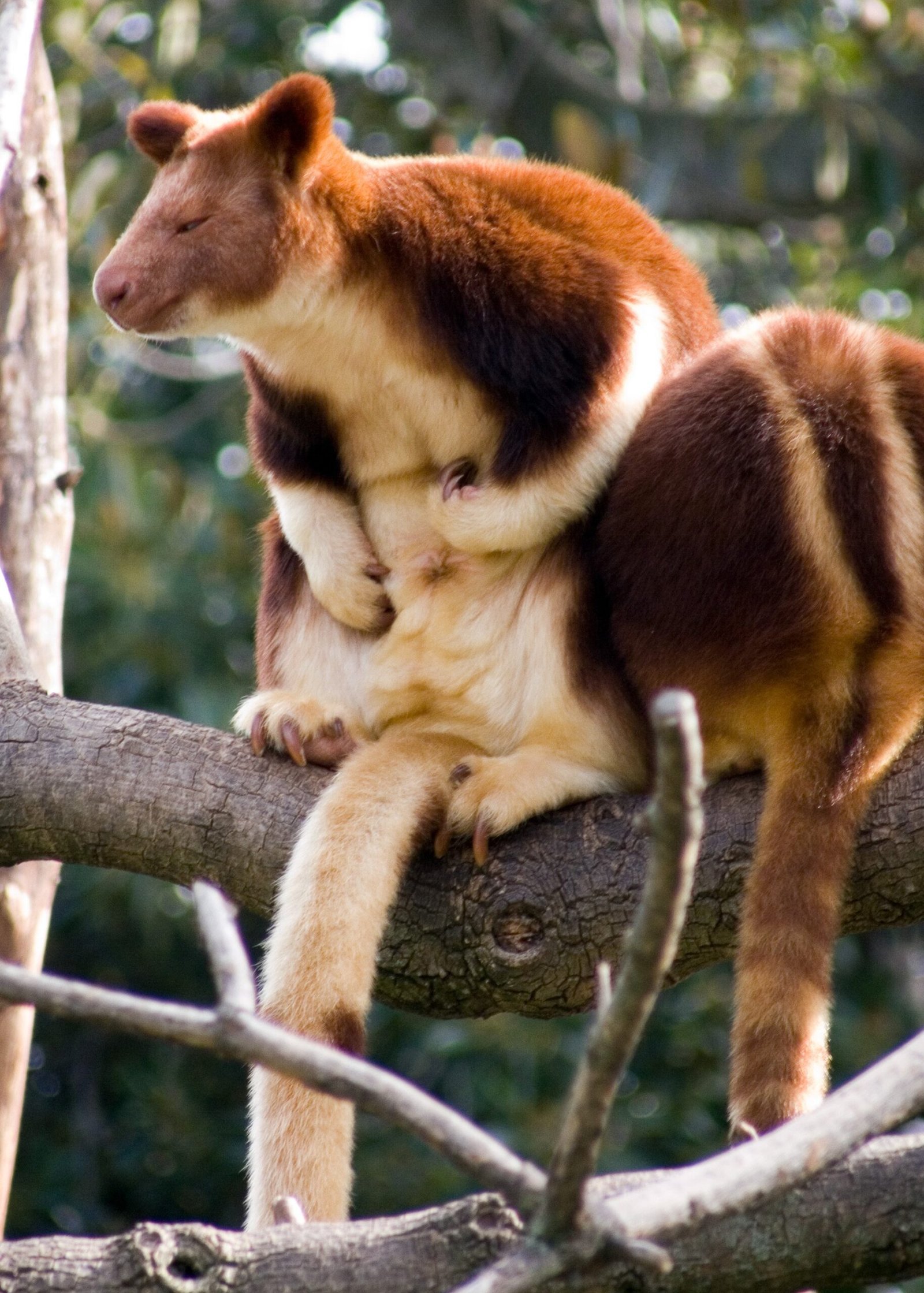
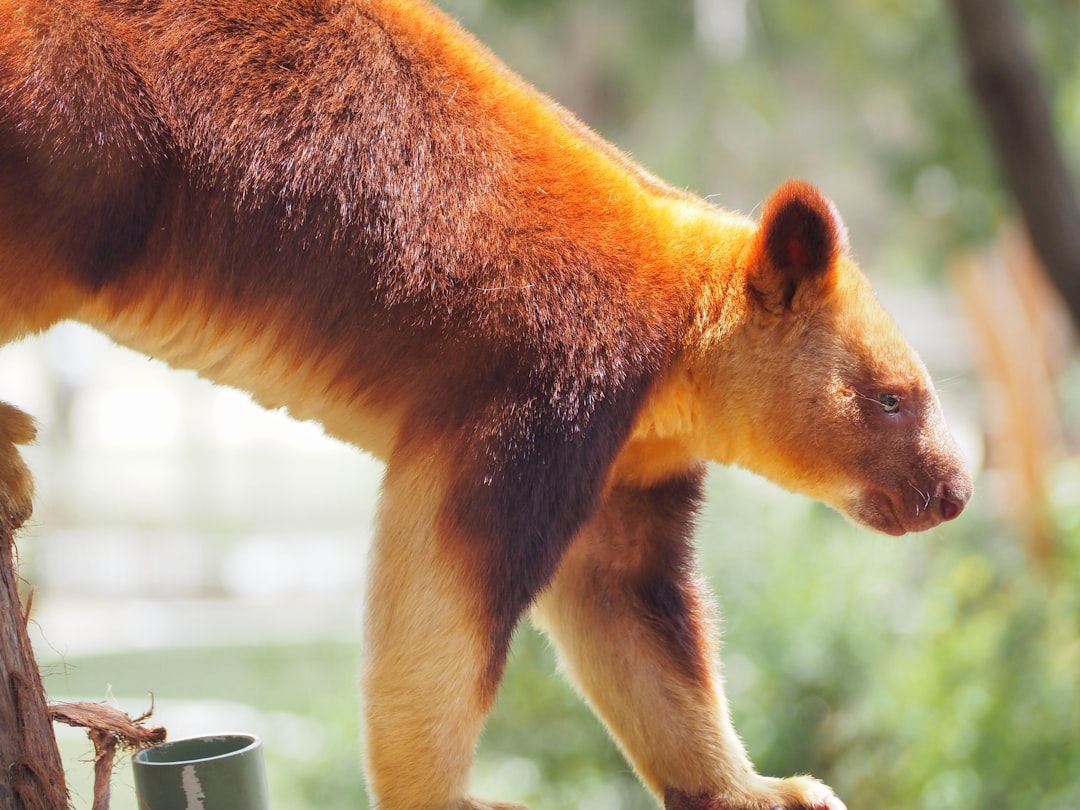
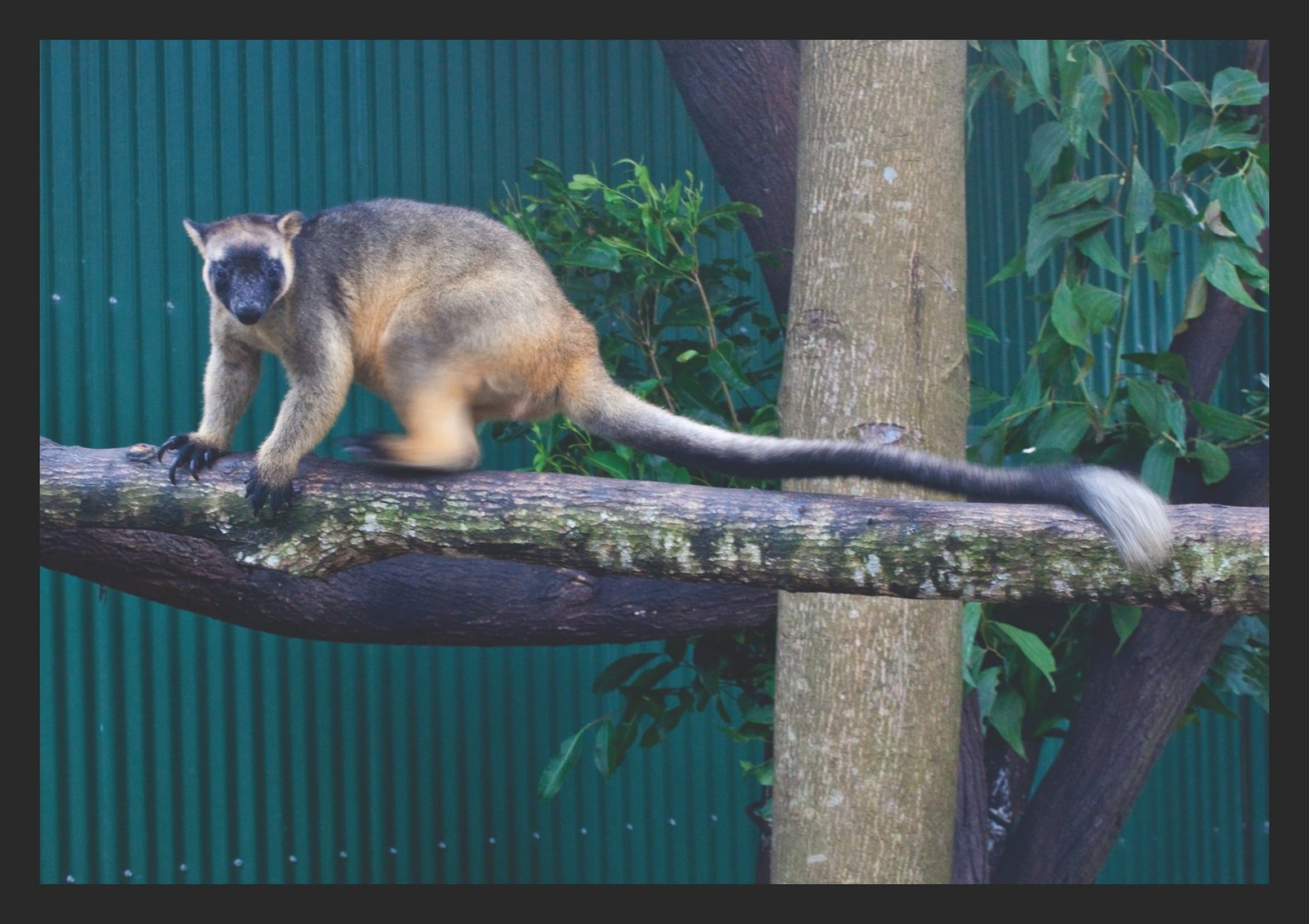
Tree-kangaroos don’t just look adorable—they’re built for survival. Their arms are longer than those of their land-dwelling cousins, and their hands are equipped with curved claws perfect for gripping bark. Their tails, thick and muscular, act like counterweights as they move. Even their feet have adapted, with rough pads and a bigger toe spread to help them cling to slippery branches. When you see one up close, it’s obvious: every inch of their body is designed for climbing, balancing, and leaping through the treetops.
Unusual Diet: What’s On the Tree-Kangaroo Menu?
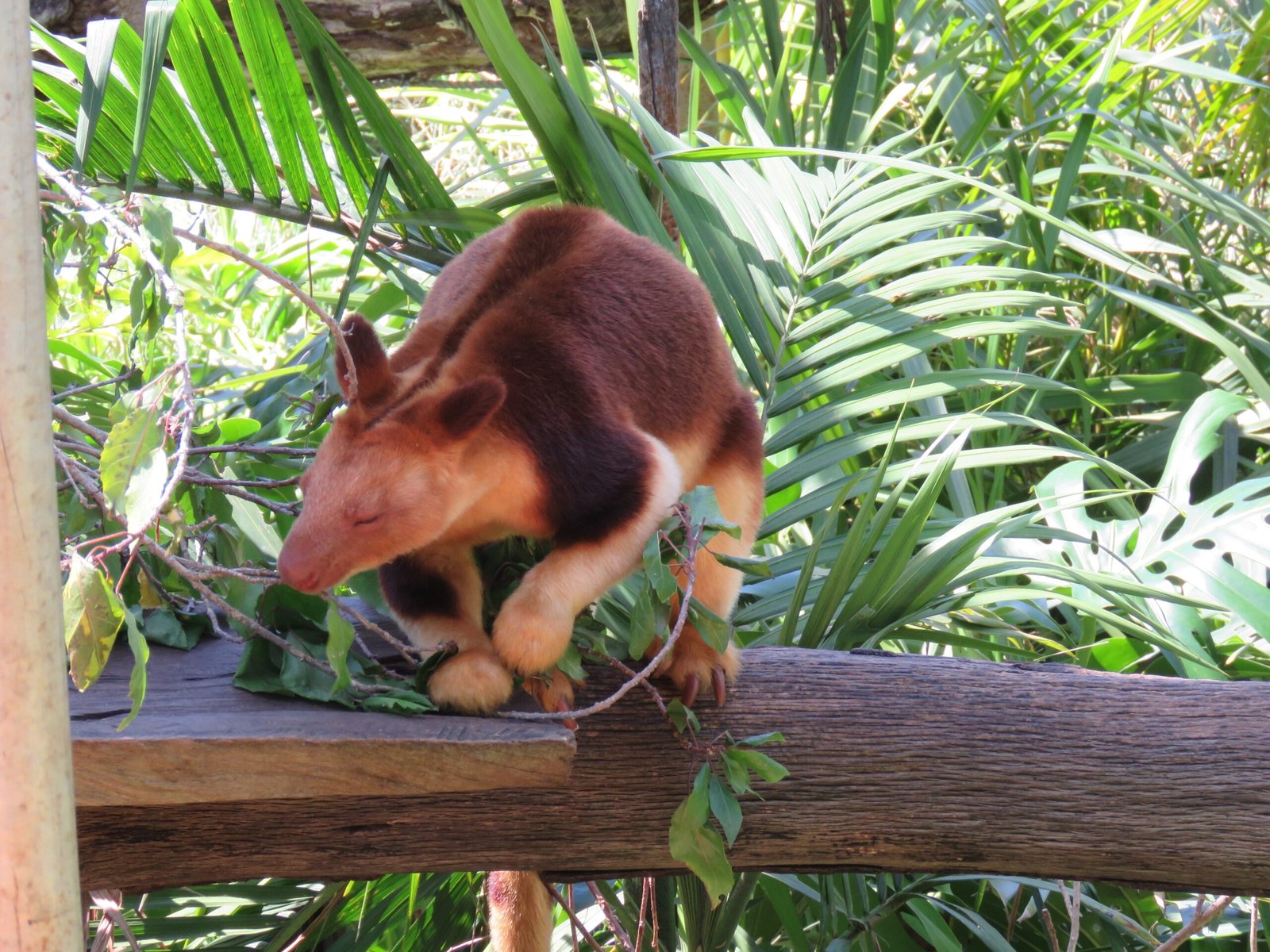
Forget grass and shrubs—tree-kangaroos are connoisseurs of the canopy. Their diet is a smorgasbord of leaves, flowers, fruits, and the occasional bark or moss. They’re picky eaters, often searching for the most tender new leaves or ripe fruits. Sometimes, they’ll even eat ferns or fungi if food is scarce. Unlike ground kangaroos, tree-kangaroos take their time chewing, savoring every bite. It’s a slow, deliberate process, but it gives them the energy to keep leaping and climbing all day long.
Unique Reproduction: Raising Joeys in the Treetops
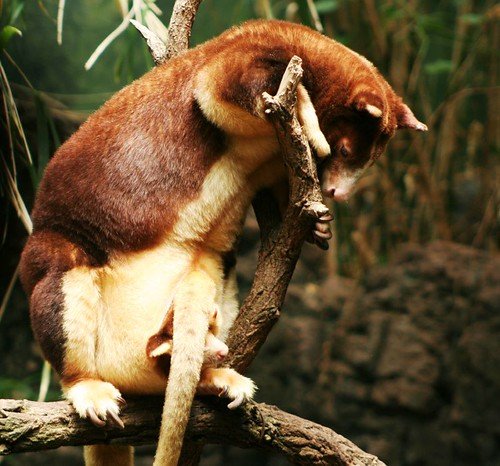
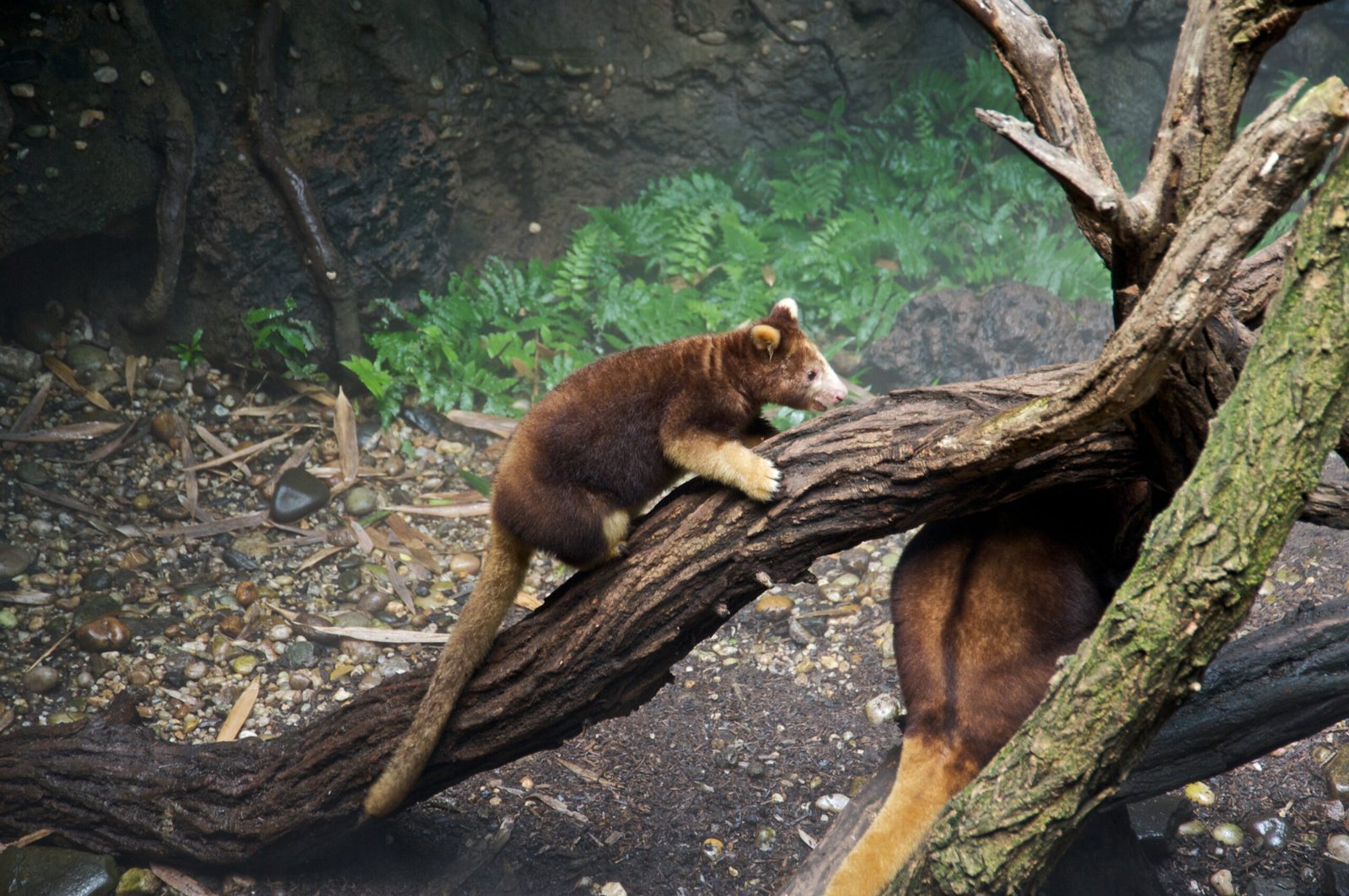
Marsupials are famous for their pouches, but raising a joey high in the trees adds another layer of challenge. After a short pregnancy, a tiny, jellybean-sized joey crawls into its mother’s pouch, where it spends several months growing. As it gets bigger, it peeks out, learning about the world from the safety of its leafy perch. Eventually, it ventures out, clinging to its mother’s back as she climbs and leaps. Every joey’s journey is a miniature adventure, and survival depends on its mother’s surefootedness high above the ground.
Species Spotlight: Meet the Lumholtz’s and Goodfellow’s Tree-Kangaroos
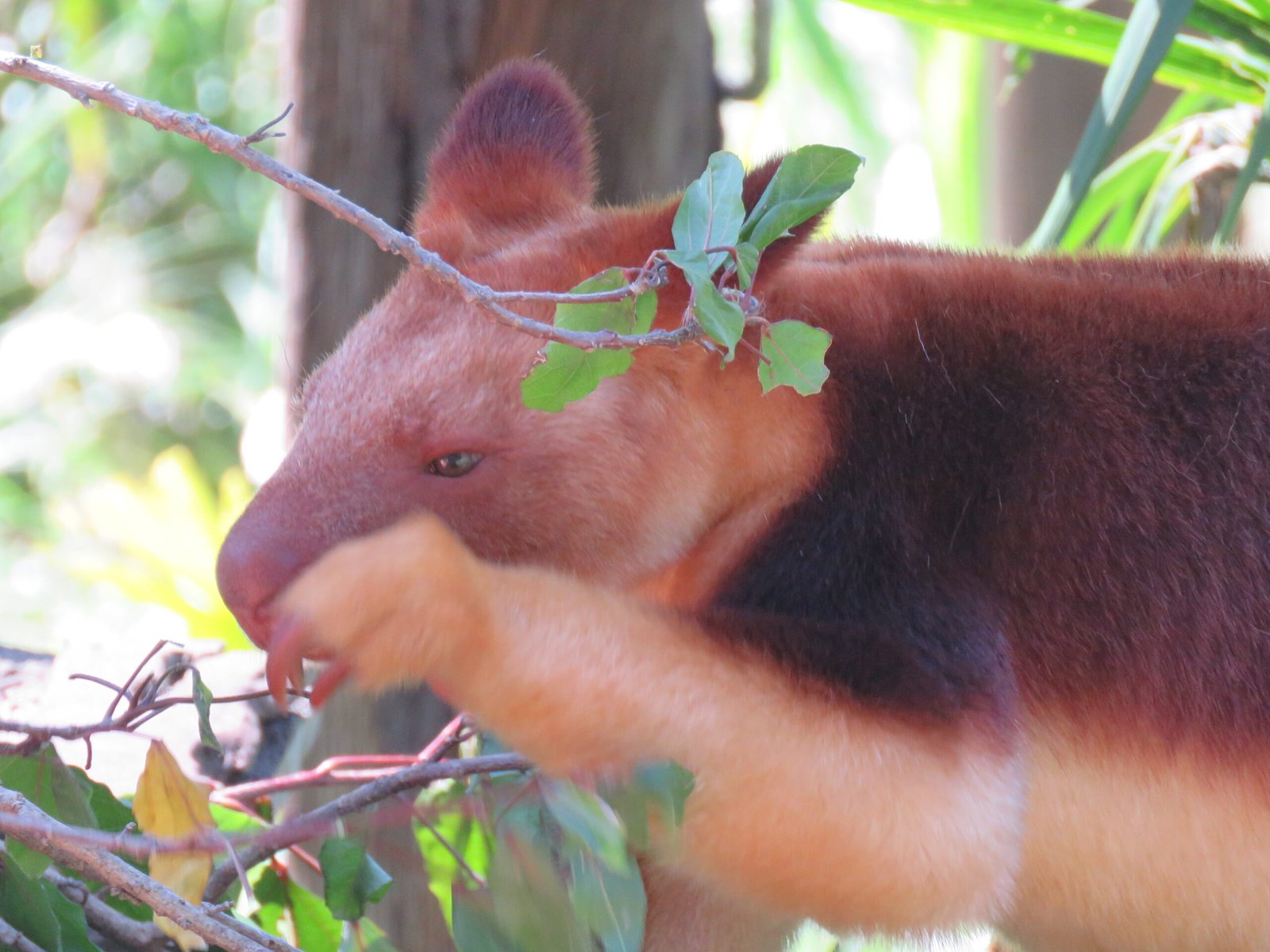
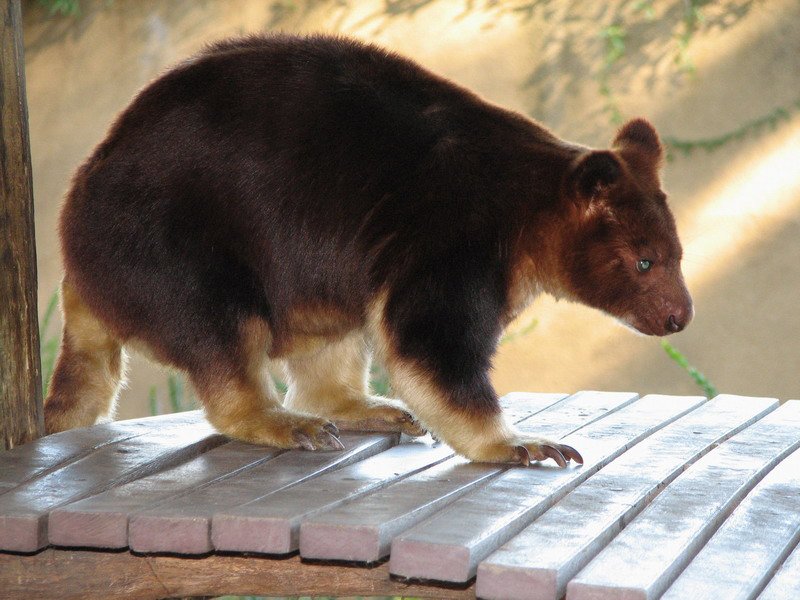
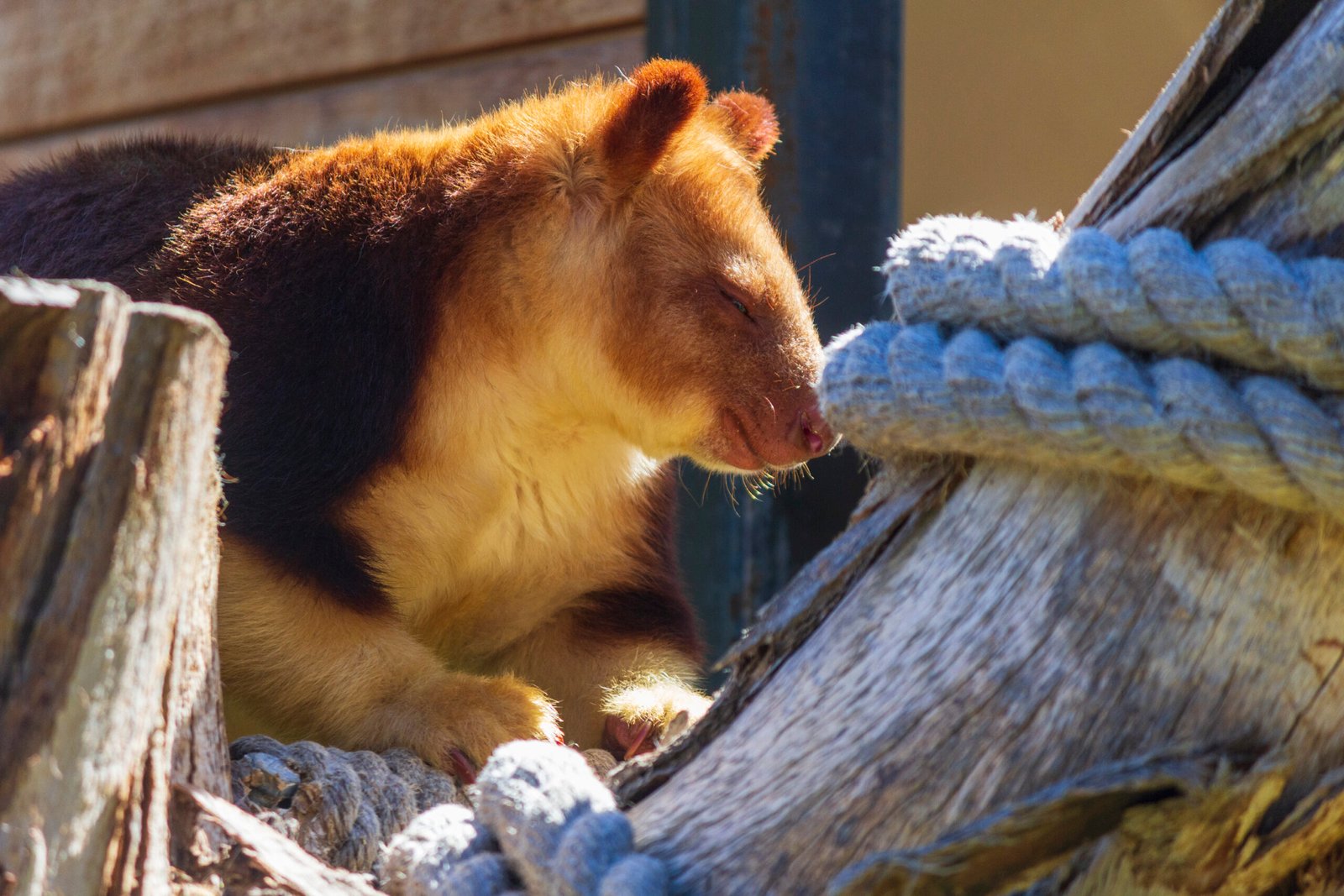
Not all tree-kangaroos are the same. In Australia, the most famous are Lumholtz’s and Goodfellow’s tree-kangaroos. Lumholtz’s, found in Queensland’s rainforests, are stocky and dark, with a teddy bear face that melts hearts. Goodfellow’s, which also roam Papua New Guinea, sport striking stripes and a reddish coat. Each species has its own quirks—some prefer certain trees, others are more solitary or social. These differences remind us that evolution isn’t one-size-fits-all; even in the same family, variety is the spice of life.
Surviving Predators: Danger Lurks Below and Above
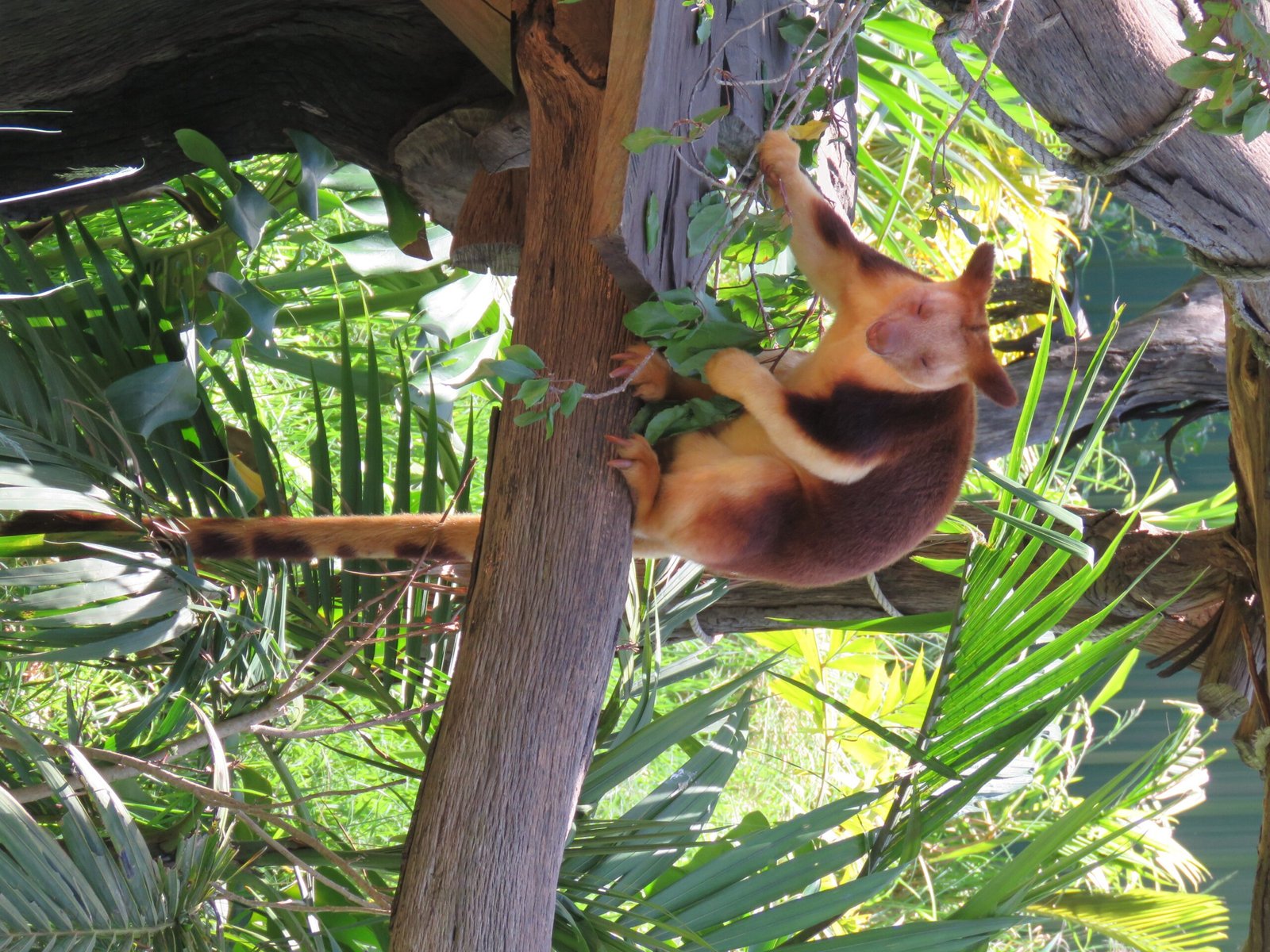
Up in the trees, you might think tree-kangaroos are safe, but danger still finds them. Pythons, birds of prey, and even humans have all posed threats over the years. Their best defense? Stealth and agility. Tree-kangaroos are masters at freezing in place, their fur blending with the mottled light of the canopy. When threatened, they can vanish in a blur, leaping to safety before a predator even blinks. It’s a constant game of hide-and-seek, played out in the leafy shadows.
Communication: How Tree-Kangaroos Talk Without Words
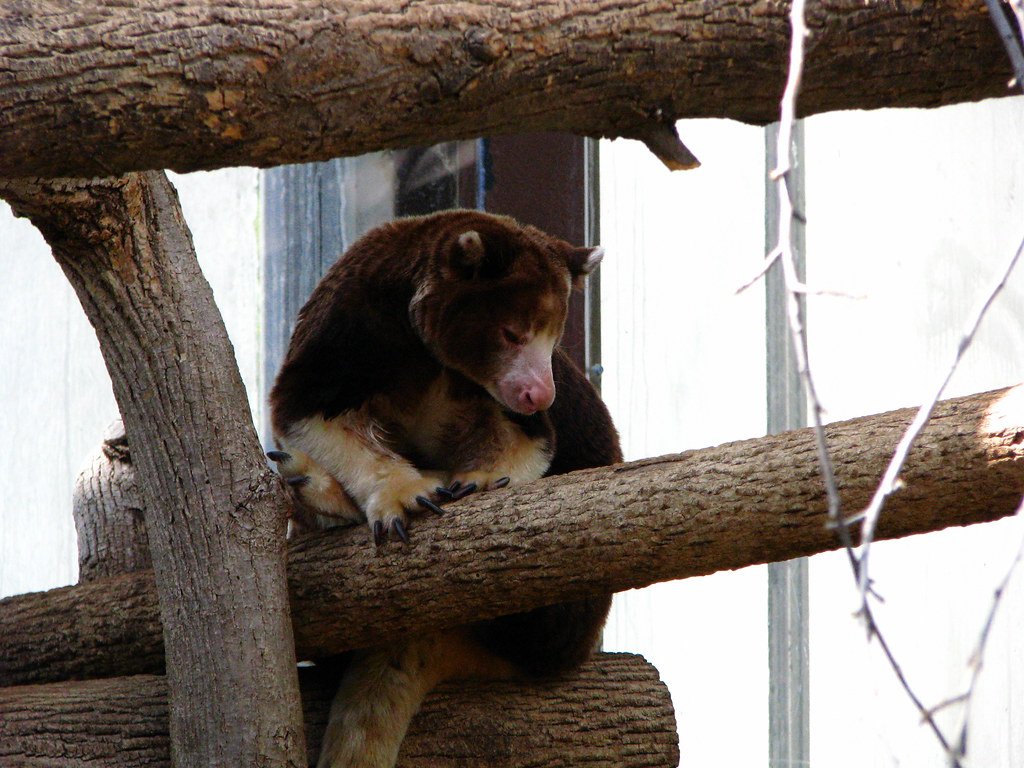
Tree-kangaroos aren’t loud animals, but they still find ways to communicate. They use soft grunts, clicks, and barks to warn each other of danger or call to their joeys. Scent is another vital tool—they mark their territory with glands on their chest, leaving invisible messages for others to read. Body language also plays a part: a stiff tail, an arched back, or a sudden freeze can say more than words ever could. In the quiet world of the rainforest, subtlety is key.
Nocturnal Secrets: Life in the Shadows
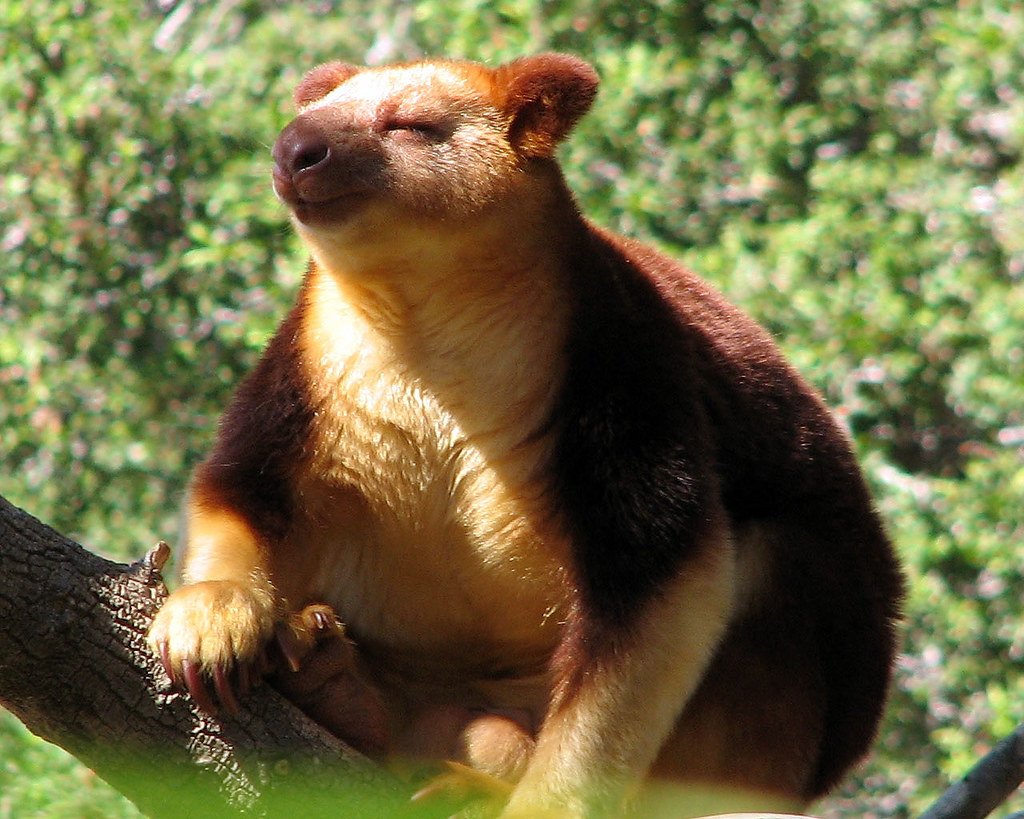
While many Australian animals are active during the day, tree-kangaroos are mostly nocturnal. When the sun sets, they become lively, foraging for food and exploring their territory under cover of darkness. The cool, damp night air is perfect for moving around without overheating. Their keen senses help them navigate the forest, avoiding predators and finding the best snacks. Nighttime is when the rainforest truly comes alive, and the tree-kangaroo is right at the heart of that secret world.
Slow and Steady: The Surprising Pace of Life Above the Ground
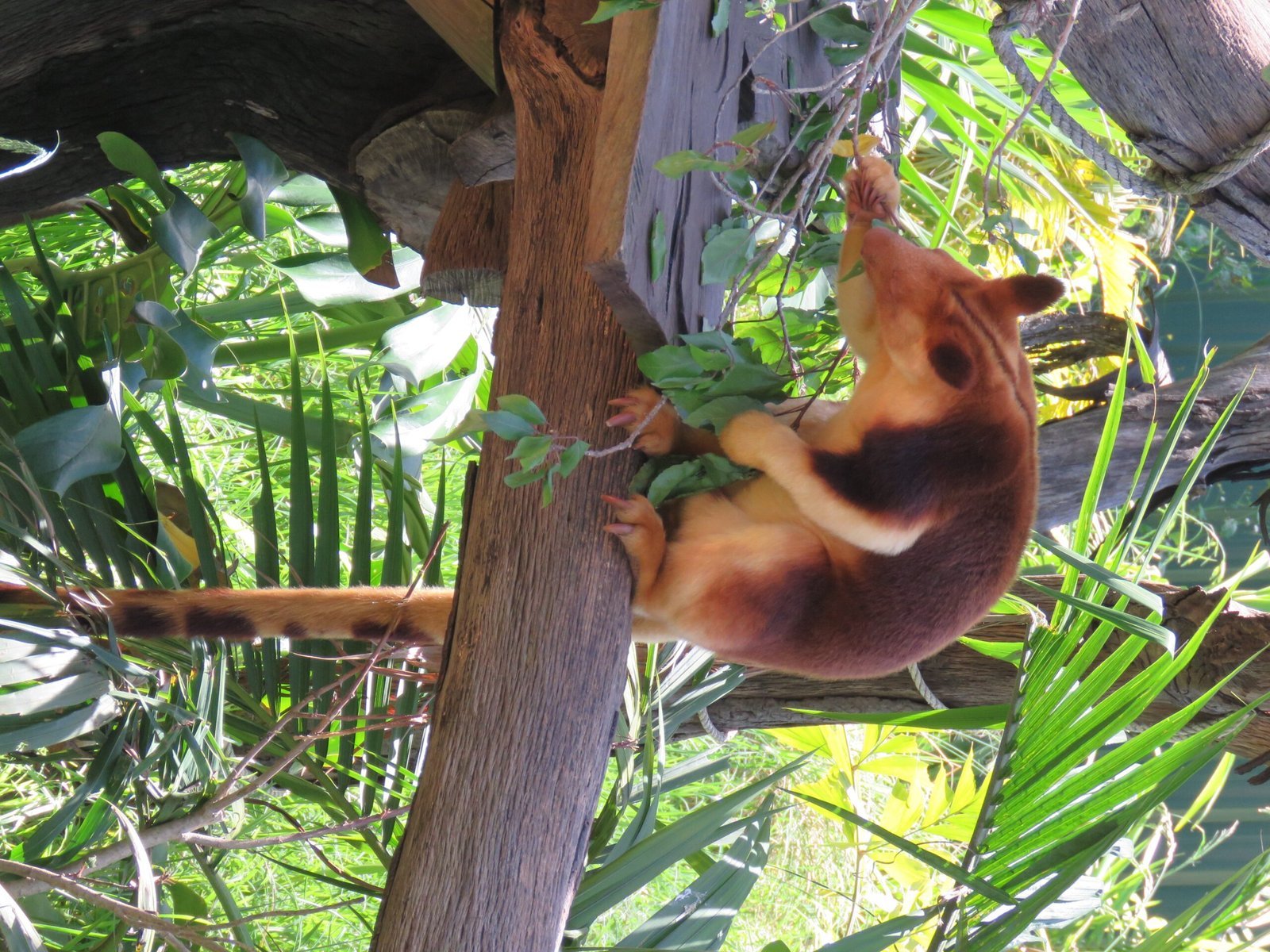
Despite their athletic abilities, tree-kangaroos often move with surprising slowness. Climbing requires careful planning—one wrong move can mean a deadly fall. So, they take their time, testing branches and pausing to listen for danger. Their deliberate pace helps them conserve energy and avoid injuries. It’s a reminder that life in the trees isn’t just about speed; sometimes, it’s about patience and caution.
Camouflage Champions: Hiding in Plain Sight
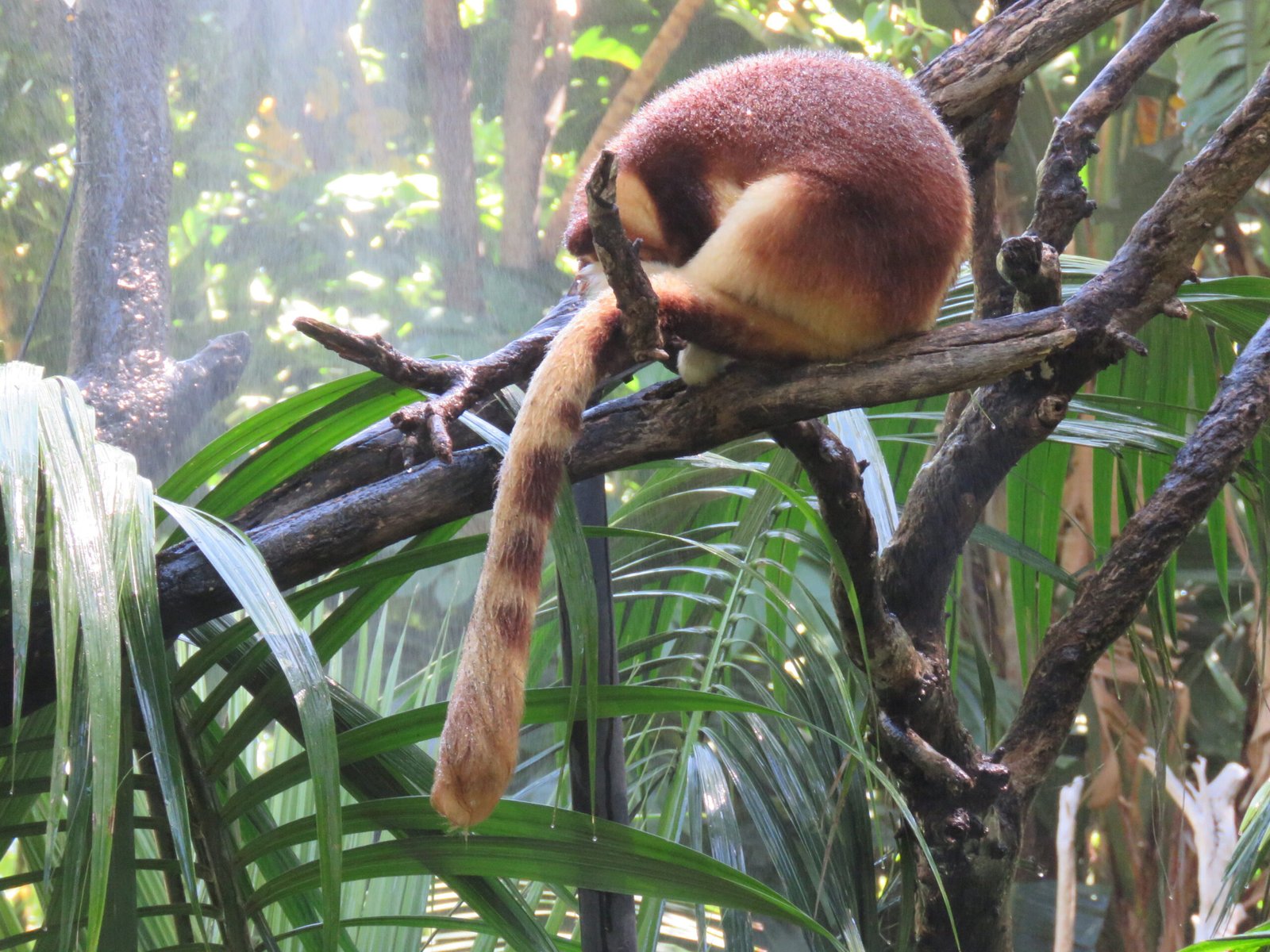
Tree-kangaroos are experts at disappearing into the foliage. Their fur patterns mimic the dappled sunlight and shadows of the canopy, making them nearly invisible to predators and human observers alike. This natural camouflage is so effective that even experienced wildlife trackers can walk right past a tree-kangaroo without noticing it. If you ever get lucky enough to spot one, count yourself as part of an exclusive club.
Ecological Importance: More Than Just a Cute Face
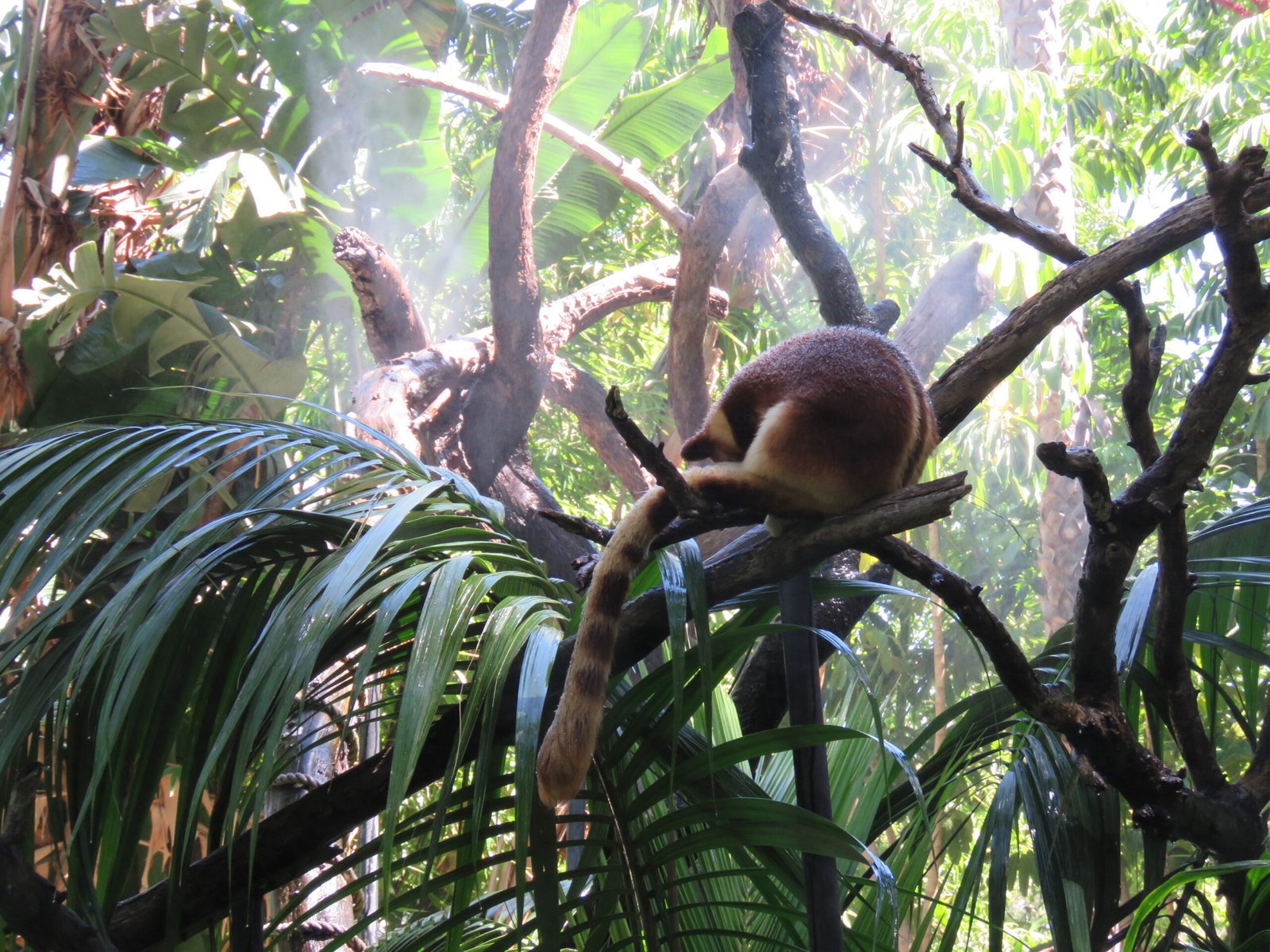
Tree-kangaroos aren’t just adorable—they play a vital role in their ecosystem. As they move and feed, they help spread seeds and fungi, supporting the health of the rainforest. Their droppings fertilize the soil, nourishing the plants they depend on. In a way, they’re gardeners of the treetops, quietly shaping the forest with every leap and meal. Without them, the delicate balance of the rainforest could tip in unexpected ways.
Threats to Survival: A Race Against Time
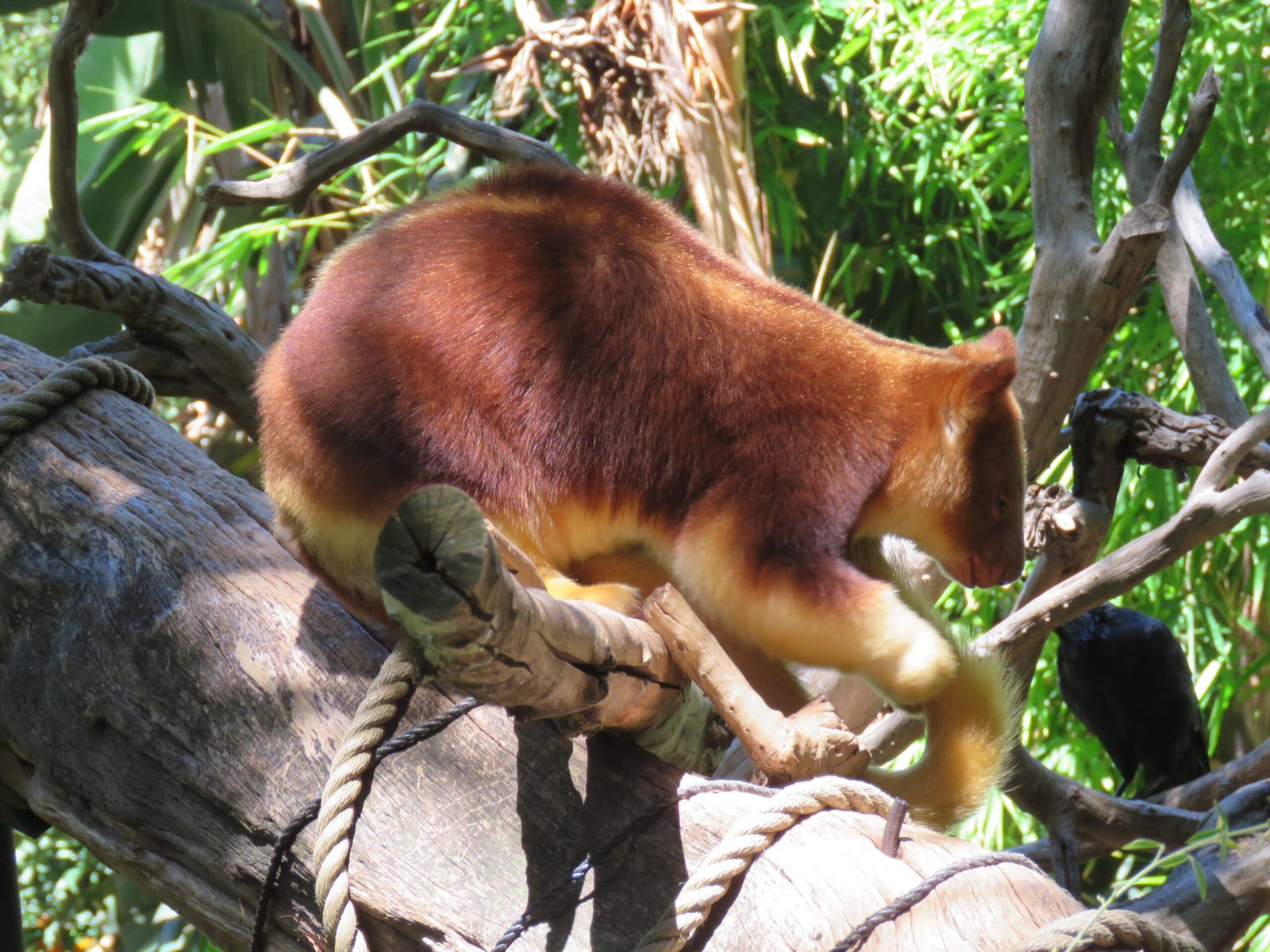
Despite their resilience, tree-kangaroos face serious threats. Habitat loss from logging, farming, and development is shrinking their home every year. Introduced predators like dogs and cats add to the danger. Climate change is making their rainforest world hotter and drier, pushing them to the brink. Conservationists are racing to protect what’s left, but time is running out. Every tree felled brings the tree-kangaroo closer to vanishing.
Conservation Efforts: Hope in the Canopy
There’s still hope for these gravity-defying marsupials. Protected areas and wildlife reserves offer safe havens. Local communities are getting involved, planting trees and monitoring populations. Scientists are working to better understand tree-kangaroo behavior, genetics, and health. Some zoos even run breeding programs to keep the species alive. It’s an uphill battle, but with enough passion and effort, the tree-kangaroo’s story doesn’t have to end in tragedy.
Tree-Kangaroos in Indigenous Culture: Ancient Connections
For thousands of years, Australia’s Indigenous peoples have known the tree-kangaroo well. These animals appear in traditional stories, art, and ceremonies, symbolizing agility, mystery, and resilience. Indigenous knowledge about their habits and habitats has helped guide modern conservation efforts. By respecting and learning from these ancient connections, we gain richer insight into the tree-kangaroo’s place in the world.
Tree-Kangaroos in Captivity: Ambassadors for the Wild
Seeing a tree-kangaroo in a zoo is a rare treat, but it’s more than just entertainment. These animals act as ambassadors, raising awareness about the struggles their wild cousins face. Zoo breeding programs also serve as insurance, ensuring that if wild populations collapse, the species can be saved. Watching a tree-kangaroo leap or climb in person is unforgettable—it sparks curiosity and caring in people of all ages.
Scientific Mysteries: What We Still Don’t Know
Despite decades of research, tree-kangaroos remain shrouded in mystery. Scientists are still unlocking secrets about their genetics, social behavior, and even their evolutionary history. Why did only some kangaroos take to the trees? How do they navigate such complex habitats? Every new discovery adds another piece to the puzzle. The more we learn, the more we realize how much we have yet to understand.
Personal Encounters: Stories from the Field
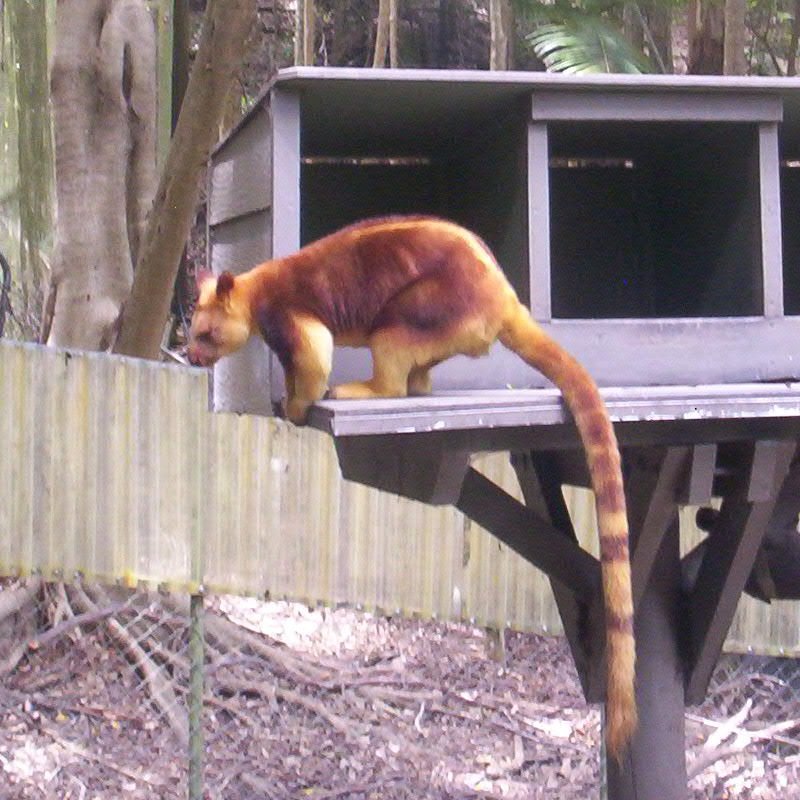
Ask anyone who’s seen a tree-kangaroo in the wild, and they’ll tell you it feels almost magical. One field biologist described the moment as “seeing a stuffed animal come to life, moving with impossible grace.” For hikers and local guides, spotting a tree-kangaroo is a badge of honor, a story to tell for years. These encounters remind us that the world is still full of surprises, waiting just above our heads.
Why the Tree-Kangaroo Matters: A Symbol of Survival
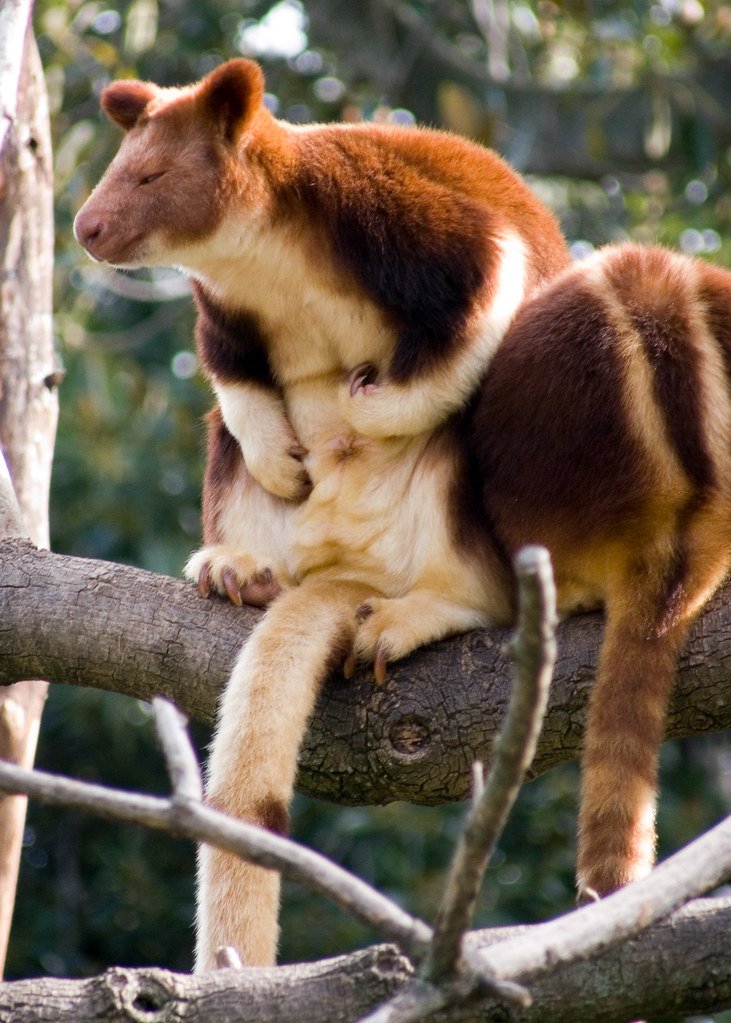
The tree-kangaroo stands as a symbol of nature’s creativity and resilience. Against all odds, it took a form that no one would have predicted—a kangaroo that climbs trees, leaps through the air, and thrives in a vertical world. Its survival is tied to the health of the rainforest, and by protecting one, we protect the other. In a world that often feels predictable, the tree-kangaroo is a reminder to expect the unexpected, to marvel at nature, and to fight for what we love.