
Few things in science hit quite like the moment a spacecraft returns from deep space carrying actual pieces of an asteroid. Not images. Not data readings. Real, physical material that formed billions of years ago, long before Earth existed. That alone should make your jaw drop.
The samples brought back from asteroid Ryugu by Japan’s Hayabusa2 mission have been sitting in laboratories, and scientists are pulling out discoveries that are genuinely reshaping our understanding of how the solar system came to be. What they’ve found is surprising, even to the experts. Let’s dive in.
Ryugu Is More Primitive Than Scientists Expected
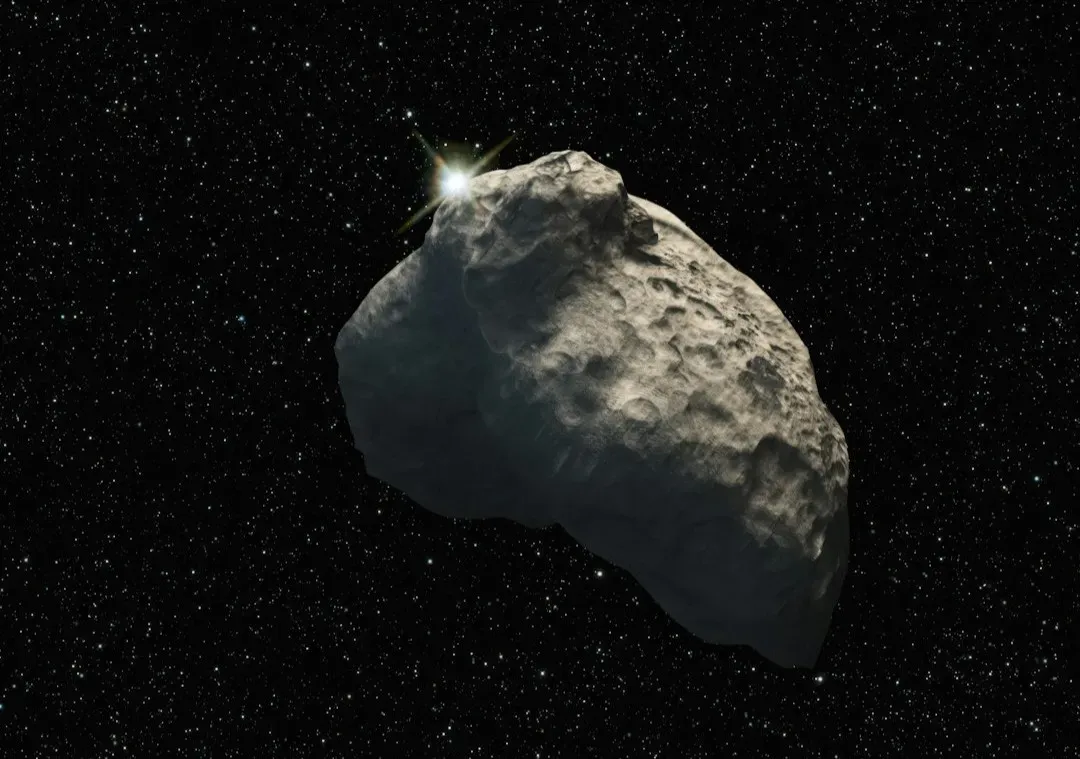
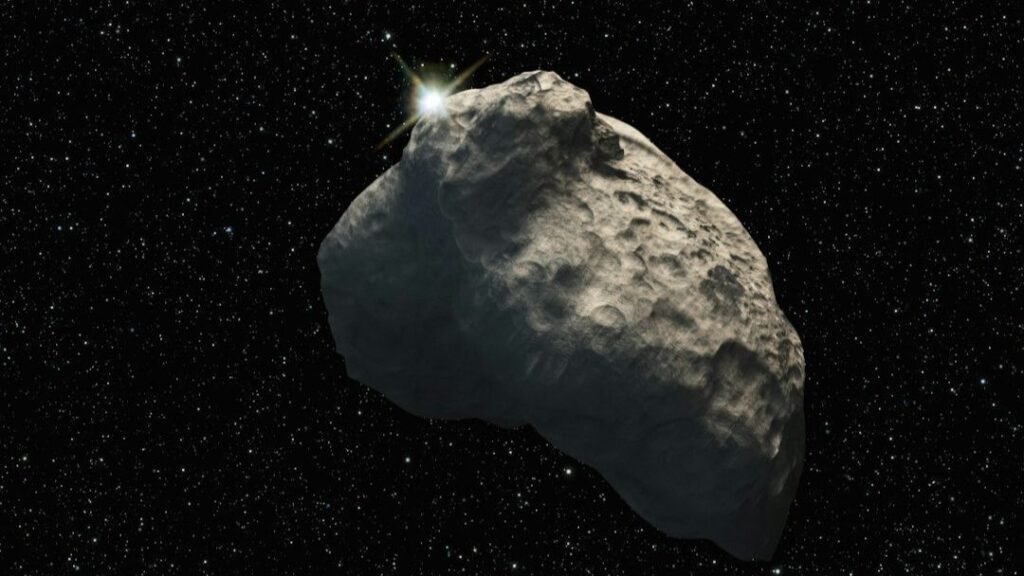
Here’s the thing about Ryugu: researchers already suspected it was old. Very old. Carbon-rich, dark as coal, and roughly 900 meters wide, this near-Earth asteroid was always considered a scientifically valuable target. What nobody fully anticipated was just how pristine and chemically primitive the material would turn out to be.
The Ryugu samples appear to represent some of the most unaltered material in the entire solar system. We’re talking about matter that hasn’t changed significantly since the earliest days of planetary formation, roughly four and a half billion years ago. That’s older than anything you could dig up on Earth, and the implications are enormous for understanding what conditions were like when our solar system was just getting started.
Water and Organic Molecules Found Locked Inside the Samples
One of the most exciting revelations from the Ryugu samples is the presence of water-bearing minerals and a rich variety of organic compounds. These aren’t simple molecules either. Researchers have identified amino acids and other complex organics that are considered the building blocks of life as we know it.
I think this is the part that genuinely gives scientists pause, in the best possible way. The idea that an asteroid could carry water-related chemistry and organic material in such quantities raises deeply interesting questions about how life-friendly ingredients were delivered to early Earth. It’s like finding a cosmic delivery package, sealed for billions of years, and finally opening it to see what’s inside.
Clues About the Role of Asteroids in Delivering Life’s Ingredients to Earth
The presence of these organic compounds directly feeds into one of the longest-standing debates in planetary science: did asteroids and comets seed early Earth with the raw ingredients needed for life to emerge? The Ryugu findings are giving that hypothesis some serious new weight.
Honestly, it’s hard not to get a little philosophical here. If the same types of molecules found in Ryugu were raining down on early Earth during a period called the Late Heavy Bombardment, then asteroids weren’t just cosmic debris. They were essentially couriers. The Ryugu samples don’t prove life came from space, but they do make the delivery mechanism far more plausible than it was before.
Isotopic Signatures Reveal Where Ryugu’s Material Came From
Scientists have been analyzing the isotopic composition of the Ryugu samples with extraordinary precision, and what they’ve found tells a surprisingly detailed story about the origins of this material. Some isotopic ratios suggest the ingredients formed in different regions of the early solar system before being mixed together.
This kind of chemical fingerprinting is almost like reading a passport. The material in Ryugu didn’t all come from the same neighborhood. Some components appear to have formed far out in the outer solar system, perhaps beyond Jupiter, before migrating inward and eventually becoming part of what we now call Ryugu. That level of mixing and travel across the early solar system is something researchers are still trying to fully understand.
The Samples Shed Light on How Carbon-Rich Asteroids Form and Evolve
Ryugu belongs to a class called C-type asteroids, and these are considered some of the most chemically representative objects of the early solar system. The samples are helping scientists refine their models of how these dark, carbon-rich bodies form, change over time, and what happens to them under the influence of space weathering.
Let’s be real, studying an asteroid from the ground using telescopes is like trying to understand a painting through a foggy window. Having actual material changes everything. The Ryugu samples are revealing that even relatively small amounts of heat and water interaction within asteroid bodies can significantly alter the chemistry, which tells us something important about the internal processes that shaped these ancient objects over billions of years.
Comparisons With Meteorites Are Turning Some Assumptions Upside Down
For decades, scientists relied heavily on meteorites that fell to Earth to study asteroid composition. The problem is that meteorites go through a fiery atmospheric entry and often sit on Earth’s surface for extended periods, both of which contaminate and alter their chemistry. Ryugu samples, collected cleanly and returned in sealed containers, are finally offering a comparison point that cuts through all that noise.
The differences are striking. In some cases, the Ryugu material tells a noticeably different chemical story than the meteorites scientists had previously assumed were similar. It’s a bit like comparing a freshly baked loaf of bread to one that sat out for a week. Technically the same origin, but meaningfully different in composition. This is forcing researchers to revisit some long-held conclusions drawn from meteorite studies.
What This All Means for Future Asteroid Missions and Planetary Science
The Ryugu findings are not just a scientific win for Japan’s space agency. They’re reshaping the entire roadmap for future asteroid exploration. NASA’s OSIRIS-REx mission returned samples from asteroid Bennu, and researchers are now eager to run parallel comparisons between Ryugu and Bennu material to build a richer picture of early solar system chemistry.
The broader message is clear: physical sample return missions are irreplaceable. No remote sensing technology, no matter how advanced, can substitute for holding a piece of the ancient solar system in your hands and running it through a mass spectrometer. As space agencies around the world plan future missions, the Ryugu results make an incredibly compelling argument for prioritizing sample return over flyby observations. The universe, it seems, rewards those who go and actually pick things up.
Conclusion: A Four-Billion-Year-Old Story Is Still Being Written
The Ryugu samples represent one of the most significant contributions to planetary science in recent memory. From water-bearing minerals to complex organics, from isotopic surprises to revelations about asteroid evolution, this tiny collection of material is punching well above its weight scientifically.
It’s a reminder that some of the biggest questions about where we come from and how life got started on Earth might be answered not by digging deeper into our planet, but by reaching farther out into space. The solar system, it turns out, kept receipts. We’re finally learning how to read them.
What does it mean to you that the ingredients potentially linked to life were floating around in space for billions of years before Earth ever existed? Tell us what you think in the comments.