Imagine a world where the very roads we traverse are built from the remnants of yesterday’s refuse. It might sound like a scene from a futuristic novel, but it’s an astonishing reality today. Our highways and streets are increasingly being paved with materials that once were considered waste. This innovative approach not only addresses environmental concerns but also revolutionizes the way we build infrastructure. Let’s delve into this fascinating transformation from ash to asphalt.
The Birth of Asphalt
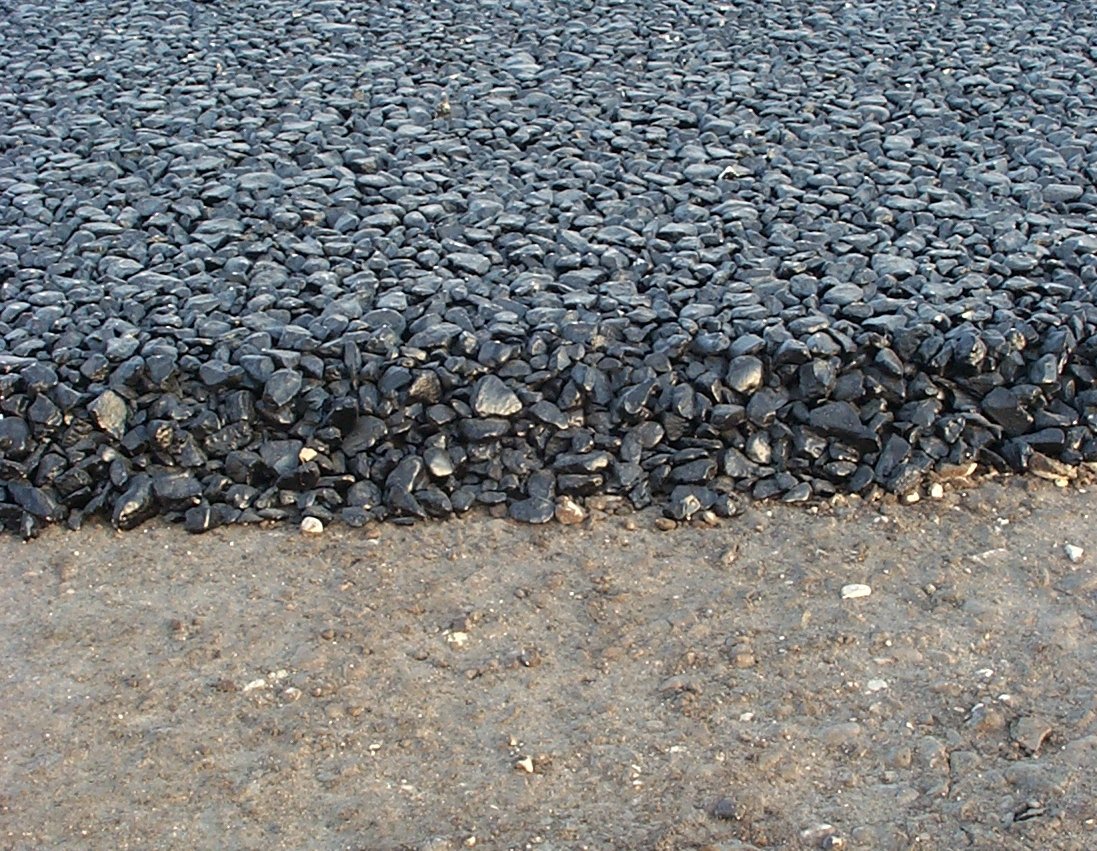
Asphalt, often referred to as bitumen, is a sticky, black, and highly viscous liquid or semi-solid form of petroleum. It’s been used for thousands of years, dating back to ancient Babylon. However, its modern incarnation is much more sophisticated. Today, asphalt is a blend of aggregates, binder, and filler, which together form a durable road surface. The key to its strength lies in its ability to bind particles together, creating a hard-wearing surface that withstands traffic and weather conditions.
Coal Ash: From Power Plants to Pavements

Coal ash is a byproduct of coal-fired power plants, often seen as an environmental headache. But recent innovations have turned this waste into a valuable resource. When mixed with asphalt, coal ash enhances the pavement’s durability and longevity. This not only reduces the environmental impact of coal ash disposal but also improves the quality of our roads. It’s a win-win situation where waste management meets infrastructure development.
Tires: The Rubber Road Revolution
Old tires, once a massive landfill burden, are now a crucial component in modern road construction. The process involves shredding used tires into small pieces and blending them with asphalt. This rubberized asphalt offers increased flexibility, reducing road noise and extending the lifespan of the pavement. It’s an ingenious solution to a longstanding waste problem, turning rubber refuse into road gold.
Recycling Trash: A New Frontier

Beyond coal ash and tires, everyday trash is finding its way into our roads. Plastic waste, in particular, has shown great promise in asphalt production. By incorporating shredded plastic into the asphalt mix, roads become more resilient to wear and tear. This not only helps tackle the plastic waste crisis but also results in roads that are less prone to potholes and cracks.
Environmental Benefits of Waste-Based Roads

The environmental benefits of using waste materials in road construction are significant. By repurposing materials like coal ash, tires, and plastic, we reduce landfill use and lower greenhouse gas emissions. Moreover, these waste-integrated roads often require less maintenance, further decreasing the carbon footprint associated with road repairs and replacements. It’s a sustainable approach that aligns with global efforts to combat climate change.
Economic Advantages of Repurposing Waste
Building roads with recycled materials is not just environmentally friendly; it’s also economically savvy. The cost of producing asphalt can be reduced by incorporating waste products, leading to significant savings for municipalities and taxpayers. Additionally, the durability of these roads means fewer repairs and maintenance, translating to long-term financial benefits.
Challenges and Considerations
Despite the numerous benefits, using waste materials in road construction is not without challenges. Ensuring consistent quality and performance of the materials is paramount. There are also regulatory hurdles and public perceptions to address. However, with ongoing research and technological advancements, these challenges are being steadily overcome, paving the way for broader adoption.
Global Examples of Waste-Based Roads

Countries around the world are embracing this innovative approach to road construction. In India, plastic roads have become a common sight, while in the United States, rubberized asphalt is gaining popularity. Australia, too, has been a pioneer in using recycled materials for infrastructure. These global examples highlight the versatility and effectiveness of waste-based roads.
The Future of Road Construction
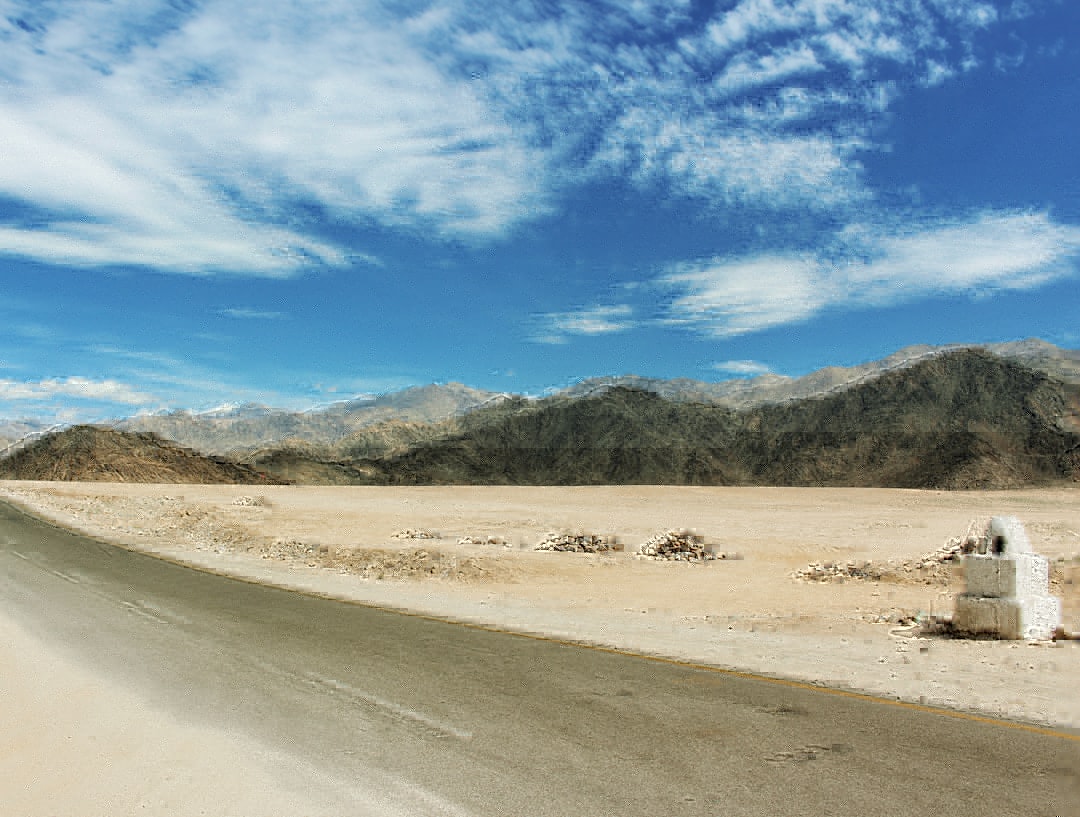
The future of road construction lies in sustainable practices and innovative materials. As technology advances, the potential for using a wider variety of waste products increases. This could lead to even more resilient and environmentally friendly roads, setting a new standard for infrastructure development worldwide.
Paving the Path Forward

The transition from ash, tires, and trash to asphalt represents a monumental shift in how we view waste and infrastructure. By turning yesterday’s refuse into today’s roads, we’re not only addressing environmental challenges but also paving the way for a more sustainable future. As we continue to innovate and adapt, the roads we drive on will become a testament to human ingenuity and our commitment to preserving the planet. What other waste could be repurposed for the roads of tomorrow?