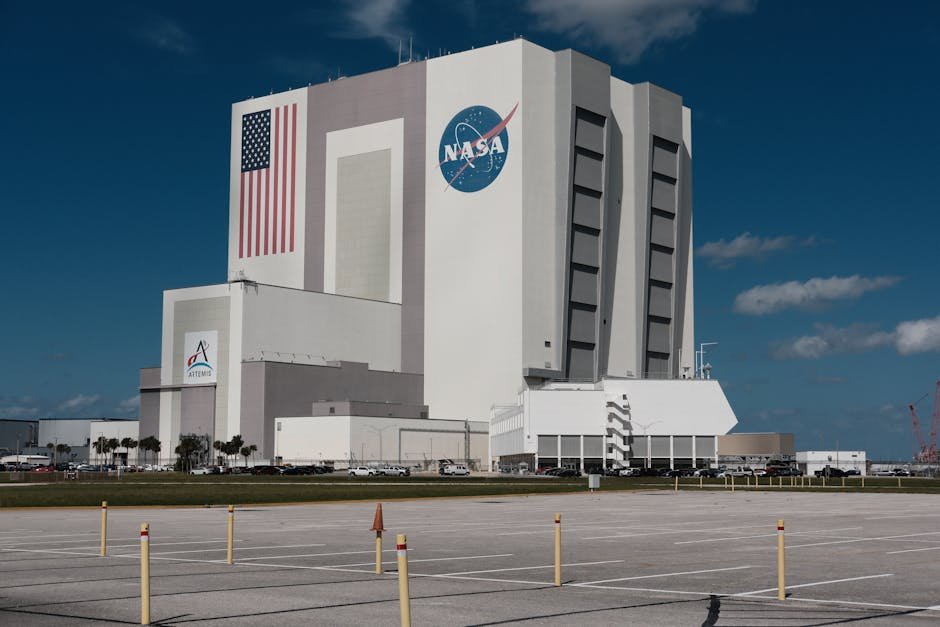
Artemis 2 Sets the Stage (Image Credits: Pexels)
NASA stands on the cusp of its next major milestone in lunar exploration as teams finalize preparations for Artemis 2. The agency recently announced a comprehensive revision to its Artemis program architecture, shifting focus toward greater reliability and sustainability. Officials emphasized incremental progress to mitigate risks and establish a steady cadence of missions.[1][2]
Artemis 2 Sets the Stage
The Artemis 2 mission marks NASA’s return to crewed deep-space flight after more than five decades. Four astronauts – Reid Wiseman as commander, Victor Glover as pilot, Christina Koch, and Jeremy Hansen – will embark on a 10-day journey that loops around the moon’s far side. This flight will surpass the distance record set by Apollo 13 and test critical systems for Orion and the Space Launch System rocket.[2]
Crew members plan extensive observations of lunar surface features during up to six hours of dedicated time. They will use cameras, sketches, verbal descriptions, and digital tablets guided by an interactive lunar atlas. Training draws from Apollo-era geology methods to capture subtle variations in terrain and lighting. Launch preparations faced setbacks, including a recent rollback for helium system repairs, but teams target early April for liftoff.[3]
Major Revisions to Mission Sequence
NASA inserted an additional mission into the lineup to build capabilities methodically. Artemis 3, now slated for 2027, transitions from a planned lunar landing to a low-Earth orbit demonstration. Astronauts will rendezvous and dock with commercial landers from SpaceX and Blue Origin, verifying navigation, propulsion, life support, and new spacesuits.[1]
The first crewed surface landing moves to Artemis 4 in 2028, targeting the moon’s south pole for its water ice resources. This adjustment allows flexible mission designs and orbits to match available hardware. Robotic precursors will begin monthly landings near the pole starting in 2027 to map terrain challenges like steep slopes and extreme temperatures.[2]
| Mission | Original Plan | Revised Plan |
|---|---|---|
| Artemis 3 | Lunar landing (2027) | LEO docking tests (2027) |
| Artemis 4 | Follow-on landing | First lunar landing (2028) |
| Artemis 5+ | Variable | Annual landings thereafter |
Roots of the Strategic Pivot
Persistent technical hurdles prompted the overhaul. The SLS rocket encountered hydrogen leaks, helium pressurization failures, and flow interruptions, delaying Artemis 2 and exposing risks in rare launches. SpaceX’s Starship lander also lagged in milestones like in-orbit refueling.[4]
NASA’s Aerospace Safety Advisory Panel warned against stacking too many untested elements in early flights. Administrators drew parallels to Apollo’s phased testing, such as low-orbit rehearsals before lunar ventures. Standardization of SLS and Orion to Block 1 configurations minimizes production changes and preserves lessons learned.[5]
- Helium system repairs on the Interim Cryogenic Propulsion Stage after wet dress rehearsal.
- Workforce skill erosion from three-year launch gaps.
- Need for closer collaboration with industry partners like Boeing and Lockheed Martin.
- Geopolitical pressures to outpace international competitors.
Sustainability at the Core
The revised architecture prioritizes an annual launch cadence to rebuild expertise and public momentum. NASA plans to expand its civil servant workforce and align partners on streamlined hardware. Boeing affirmed readiness to ramp up SLS production at facilities in New Orleans and Florida.[1]
Blue Origin accelerated its Blue Moon lander after pausing tourism flights, while SpaceX committed to frequent Starship operations. This setup enables rotation of landers and supports a enduring presence at the south pole. Officials stressed realistic base-building over futuristic visions, focusing on resource utilization like water ice.[2]
- Artemis 2 launches soon, paving way for orbital tests in 2027.
- Lunar landing targets 2028 with enhanced safety measures.
- Annual missions aim for sustainable exploration cadence.
These changes position NASA to deliver on promises of lunar return with measured steps. The program now balances ambition with achievability, echoing Apollo’s success through reliability. What steps would you prioritize for humanity’s next lunar era? Share your thoughts in the comments.