
Space exploration has always carried a hidden cost. Beyond the headlines about rocket launches and lunar landings lies a quieter, more complicated story about what prolonged space travel does to the people inside those vehicles.
As NASA pushes forward with its Artemis program, preparing for crewed missions to the Moon and eventually beyond, researchers have been working to understand the physiological toll of deep space environments on astronaut health. The findings emerging from this work are reshaping how missions are planned, how crews are selected, and how medicine might need to evolve to support humans far from Earth.
The Challenge of Radiation Beyond Earth’s Protective Shield
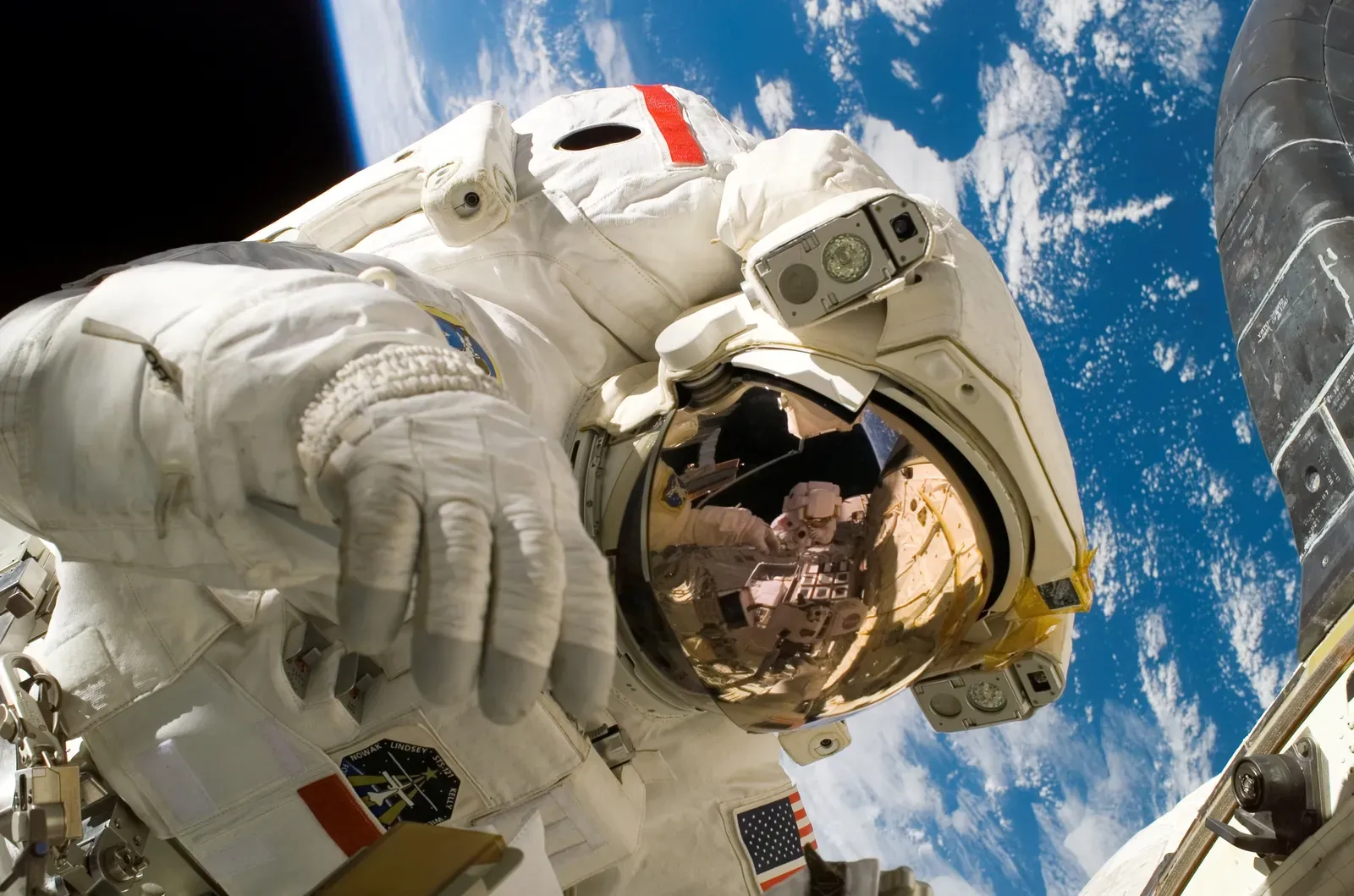
One of the most significant threats astronauts face beyond low Earth orbit is radiation exposure. Earth’s magnetic field provides a natural buffer against much of the cosmic and solar radiation that pervades space, but once a spacecraft travels beyond that shield, exposure levels increase substantially.
On the International Space Station, astronauts already absorb radiation doses far higher than people on Earth. In deep space, those levels climb even further. Prolonged exposure raises the risk of cellular damage, increased cancer probability, and potential effects on the central nervous system.
Researchers tied to the Artemis health studies have been developing better tools to model cumulative radiation exposure over the course of a mission, helping mission planners make more informed decisions about crew protection protocols and mission duration.
How Microgravity Reshapes the Body Over Time
Spending months in microgravity is not simply a matter of floating weightlessly. The absence of gravitational load causes the body to adapt in ways that can have lasting consequences, many of which become most apparent after a return to Earth.
Bone density loss is one of the best-documented effects, with astronauts losing bone mass at rates significantly higher than people experiencing osteoporosis on the ground. Muscle atrophy follows a similar pattern, with the body effectively unloading systems it no longer perceives as necessary.
Fluid redistribution is another concern. Without gravity pulling fluids downward, bodily fluids shift toward the upper body, which can create pressure changes in the skull and has been linked to vision impairment in some long-duration astronauts. This condition, known as spaceflight-associated neuro-ocular syndrome, remains an active area of investigation.
Mental Health and Cognitive Performance in Isolation
The psychological dimensions of deep space travel are sometimes underestimated compared to the more visible physical risks. Yet confinement, communication delays, isolation from family, and the sheer distance from Earth create a psychological environment unlike almost anything experienced on the ground.
Research connected to the Artemis health initiative has been exploring how cognitive performance shifts over time in isolated and confined conditions. Reaction times, decision-making accuracy, and emotional regulation all show measurable changes in long-duration scenarios.
For missions to Mars, communication delays could stretch to over twenty minutes each way, effectively cutting astronauts off from real-time support from mission control. This means crews will need to be psychologically equipped to operate with a level of autonomy that goes well beyond anything currently required of ISS crews.
Sleep Disruption and Circadian Rhythm Challenges
Sleep is a surprisingly persistent problem in spaceflight. The absence of a natural day-night cycle, combined with noise, stress, and the physical effects of microgravity, makes restful sleep difficult to achieve consistently.
Studies involving astronauts on long-duration missions have shown that many crew members sleep fewer hours than recommended and report lower sleep quality over time. The effects compound: poor sleep degrades cognitive performance, emotional stability, and immune function.
Artemis mission health researchers are paying close attention to this dimension, looking at lighting design inside spacecraft, scheduling practices, and potential pharmaceutical or behavioral interventions that could help maintain healthy sleep patterns across months-long missions.
The Immune System in Space
There is growing evidence that the immune system behaves differently in space. Some viruses that lie dormant in the body, including certain herpes viruses, have been observed reactivating in astronauts during and after spaceflight, suggesting that immune surveillance is compromised under space conditions.
The exact mechanisms remain under study. Stress hormones, radiation exposure, sleep disruption, and microgravity itself have all been proposed as contributing factors, and the reality is likely a combination of several at once.
For Artemis missions, this has practical implications. A weakened immune system far from medical infrastructure is a serious operational concern, not just a research curiosity. Health monitoring systems and preventive care protocols need to account for these immune shifts in mission planning.
Developing Countermeasures for Artemis and Beyond
Much of the health research connected to Artemis is not purely observational. A significant portion is focused on developing and testing practical countermeasures that could reduce health risks on future long-duration missions.
Exercise regimens, nutritional protocols, pharmacological interventions, and improved monitoring technologies are all part of this effort. Researchers are also exploring wearable health sensors that allow continuous, passive monitoring of key physiological markers without placing additional burden on crew time.
The longer the mission, the more critical these countermeasures become. A two-week Moon visit carries a different risk profile than a two-year journey to Mars, and the health infrastructure required for each is correspondingly different. The groundwork being laid now through Artemis research is essentially the medical foundation for deep space exploration.
What This Research Means for the Future of Human Spaceflight
The health challenges identified through Artemis research are not insurmountable, but they do demand genuine investment in solutions before crews are placed in situations where failure is not recoverable. Understanding the risks more precisely is itself a form of progress, even when the answers are incomplete.
Some findings may also have applications on Earth. Research into bone density loss, cognitive performance under stress, immune function, and sleep science has direct relevance to aging populations, intensive care medicine, and long-duration remote deployments in various fields.
What this body of research ultimately illustrates is that sending humans to the Moon, or farther, requires more than powerful rockets and navigation systems. The human body is both the most important instrument on any crewed mission and, in many respects, the most fragile one.
Conclusion
The work being done through Artemis health research deserves more public attention than it typically receives. While the engineering feats of spaceflight capture the imagination, the medical science operating quietly in the background is just as consequential.
It’s easy to romanticize deep space exploration. The harder, more honest work is ensuring that the people who undertake it return home in reasonably good health. Right now, researchers are doing that work, and the findings are genuinely important, both for the future of human spaceflight and for what they reveal about the remarkable adaptability and limitations of the human body. That seems worth paying close attention to.