

For decades, insects have been largely underestimated when it comes to their intelligence. These diminutive creatures are often dismissed as simple machines driven purely by instinct. But recent research is beginning to challenge this assumption, suggesting that insects might be far more sophisticated than most people give them credit for. Could it be that in overlooking these tiny minds, we are missing a deeper understanding of intelligence itself?
The Historical View of Insect Intelligence

Historically, the study of insect behavior reduced these small creatures to mere automatons. Early entomologists and philosophers posited that insects operated on fixed action patterns governed by instinct alone. This view was largely due to a lack of advanced research tools and techniques. As a result, insects were often excluded from discussions about intelligence, which were primarily focused on mammals and birds.
Complex Social Structures

One of the most compelling arguments for insect intelligence is their complex social structures, especially in species like ants, bees, and termites. These insects exhibit highly organized societies with division of labor, communication, and cooperation. For example, honeybees perform intricate “waggle dances” to communicate the location of food sources to their hive mates, showcasing a form of symbolic communication that was once thought to be exclusive to higher animals.
Problem-Solving Abilities

Recent studies have demonstrated that certain insects possess impressive problem-solving skills. Ants, for example, are known to use tools and create strategies to overcome obstacles. Some studies have shown them using debris to create bridges or rafts, allowing colonies to navigate challenging environments efficiently.
Memory and Learning
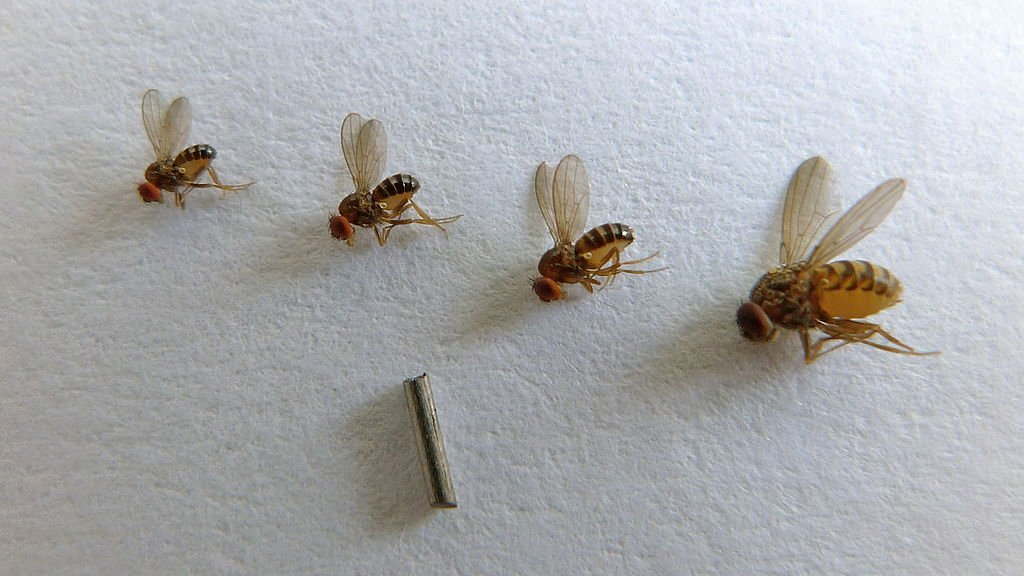
Insects have been observed displaying learning capabilities that indicate memory retention and adaptability. Research shows that fruit flies can learn from experience and modify their behavior based on past encounters. These findings suggest that despite their small brain size, insects possess the basic neural machinery for memory formation.
Sensory and Perceptual Processing

Insects possess highly developed sensory systems, enabling them to perceive their environment in remarkably nuanced ways. The compound eyes of many insects, such as dragonflies, provide them with a wide field of vision and motion detection capabilities superior to many vertebrates. This advanced sensory input supports complex decision-making processes.
Emotional Responses

While attributing emotions to insects remains controversial, recent studies suggest they might experience rudimentary emotional states. For instance, bees have been shown to exhibit optimistic or pessimistic behaviors in response to positive or negative stimuli, hinting at an emotional processing capacity that influences decision-making.
Communication Beyond Instinct

Beyond simple signals, insects like ants use chemical pheromones to convey a wide range of messages that regulate colony function, foraging, and defense mechanisms. This form of chemical communication illustrates a complex language system that hints at cognitive processing beyond mere instinctual behavior.
Environmental Impact Awareness

Insects often adjust their behavior to changing environmental conditions. For example, locusts undergo a dramatic transformation in response to population density, leading to swarming behavior. This adaptation requires the integration of environmental cues and social context, indicating a level of awareness and decision-making capability.
Tool Use and Material Manipulation

Some insects are capable of using tools and manipulating materials in ways that suggest foresight and planning. Wasps, for instance, construct intricate nests by selectively chewing wood pulp into paper, a process that demonstrates remarkable construction skills and material understanding.
The Cognitive Limitations of Size
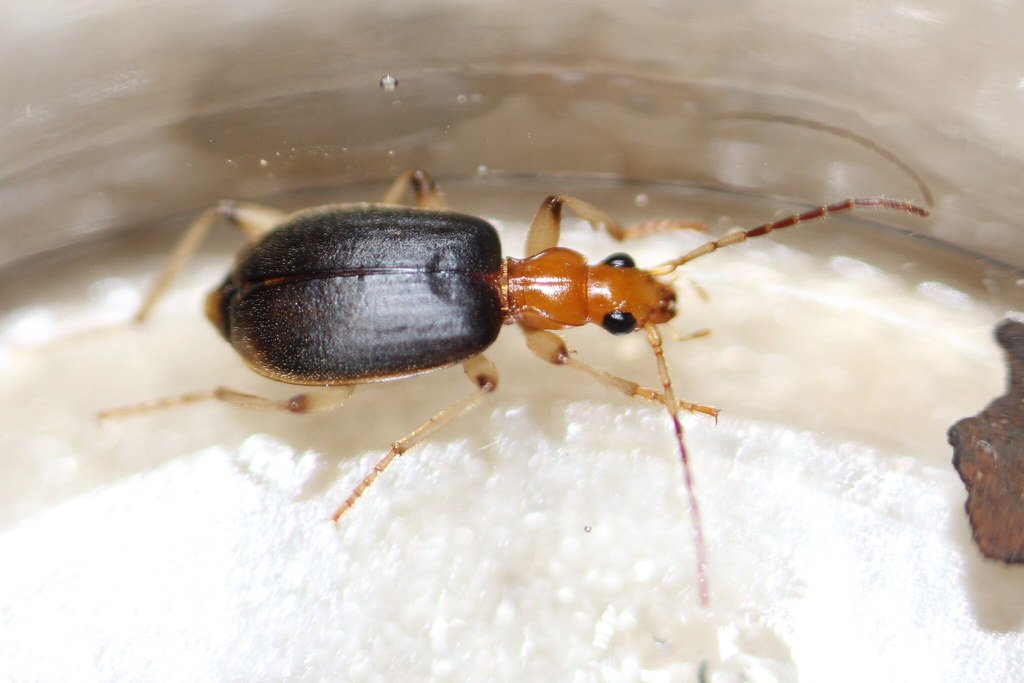
While insects possess fascinating cognitive abilities, their small brain size does pose certain limitations. However, their neural architectures are highly efficient, allowing for behaviors that maximize survival with minimal energy consumption. This efficiency in processing capabilities prompts reconsideration of what defines intelligence.
Implications for Artificial Intelligence Research
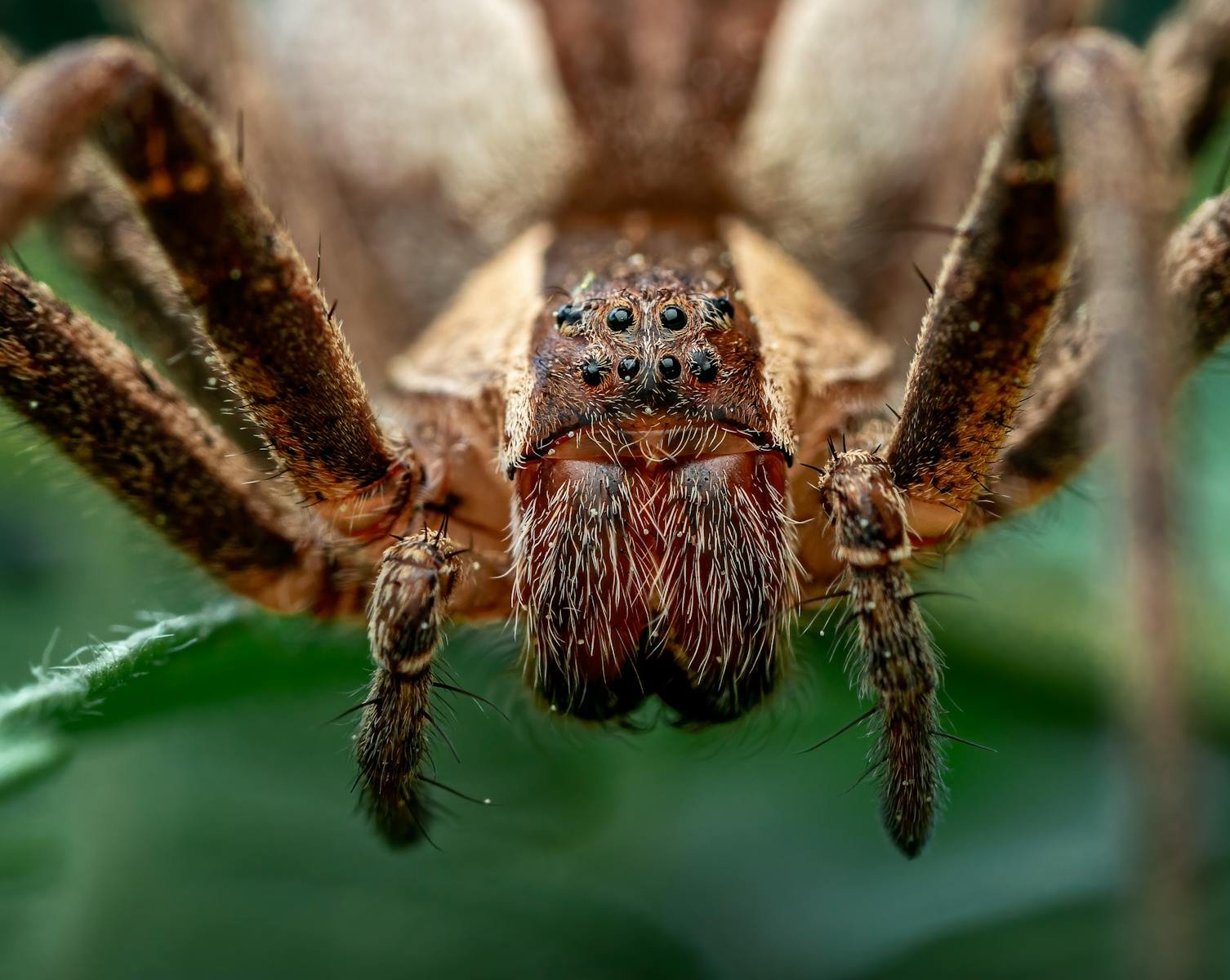
Studying insect intelligence offers valuable insights for the development of artificial intelligence. The efficient neural networks of insects inspire robotics and AI design, aiming to create systems with low computational power but high effectiveness in task execution, much like their insect counterparts.
Re-Evaluating the Definition of Intelligence

The exploration of insect intelligence challenges the traditional definition of intelligence, which often prioritizes features like abstract reasoning and language. Recognizing the cognitive capabilities of insects invites broader consideration of varied manifestations of intelligence across species.
Conclusion: A Broader Appreciation of Insect Intelligence

The study of insect intelligence is expanding our understanding of cognition by challenging human-centric notions of what it means to be intelligent. As we deepen our knowledge of insect behavior and capabilities, we may discover new dimensions of intelligence that reshape our perception of the natural world. Ultimately, acknowledging the cognitive complexities of insects not only enriches our scientific knowledge but compels us to appreciate the intricate tapestry of life in which these small but remarkable creatures play a pivotal role.