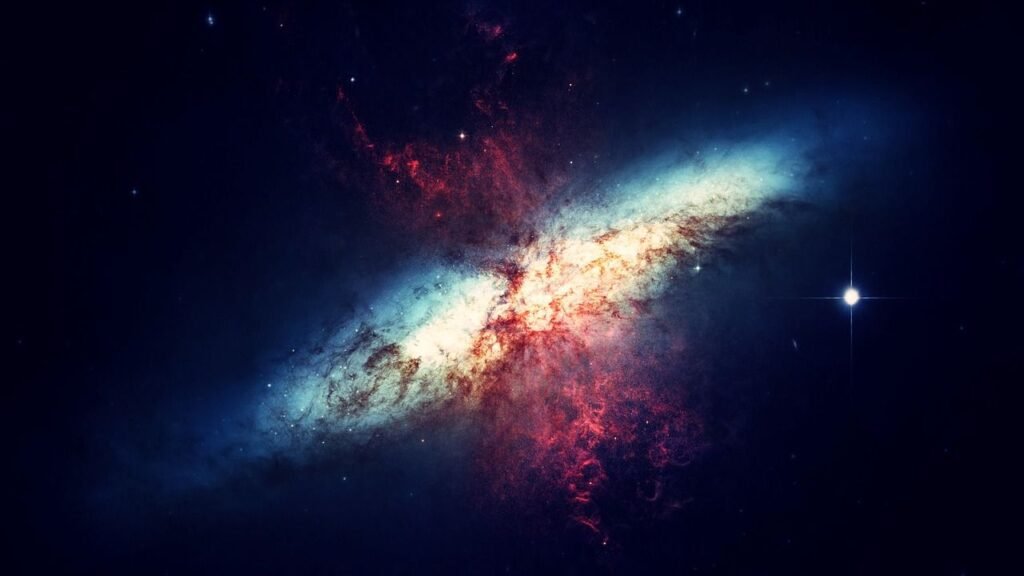

Every once in a while, a question sneaks up on you that feels almost too big for a human brain to handle: what if we’re not alone? Not in a movie, not in a conspiracy theory, but for real. The night sky looks calm and silent, yet behind that curtain of darkness are hundreds of billions of stars in our galaxy alone, and countless more galaxies beyond that. It’s almost unsettling to think all of that exists just for us.
At the same time, there’s something strangely comforting about imagining other minds out there looking up at their own alien skies, wondering the same thing. I still remember lying on a rooftop as a teenager, staring at Orion, and feeling both tiny and weirdly connected to everything. That mix of awe, fear, and curiosity might be the closest thing we have to a compass for this question. So let’s follow it and see where the evidence actually points.
The Sheer Scale of the Cosmos Changes the Question
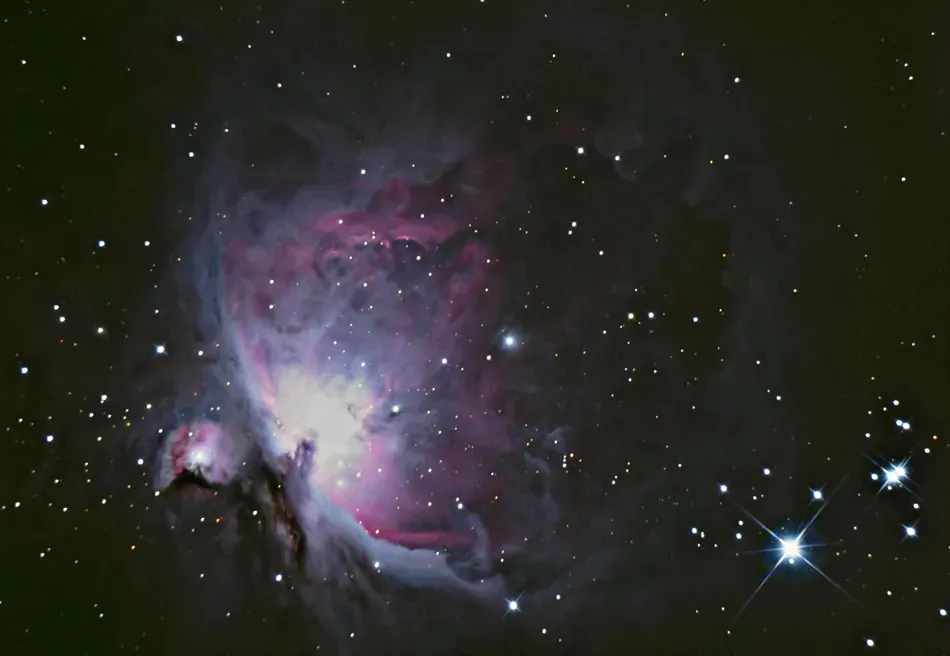
Here’s the first shocking twist: once you really understand how big the universe is, the question stops being “Is there life out there?” and starts sounding more like “How could there not be?” Our Milky Way probably holds hundreds of billions of stars, and the observable universe likely contains at least a few hundred billion galaxies. If you tried to count all the stars, even saying one number per second without sleeping, you’d never finish in your lifetime, or in many lifetimes.
A rough, widely discussed estimate suggests there might be more stars in the universe than grains of sand on all the beaches on Earth. If even a small fraction of those stars have planets, and an even smaller fraction of those planets are somewhat like Earth, you still end up with an almost absurd number of potentially habitable worlds. The scale doesn’t prove life exists elsewhere, but it makes the idea of us being the only living things in all of that feel, at the very least, suspiciously unlikely.
Exoplanets: From Rare Oddities to Cosmic Commonplace
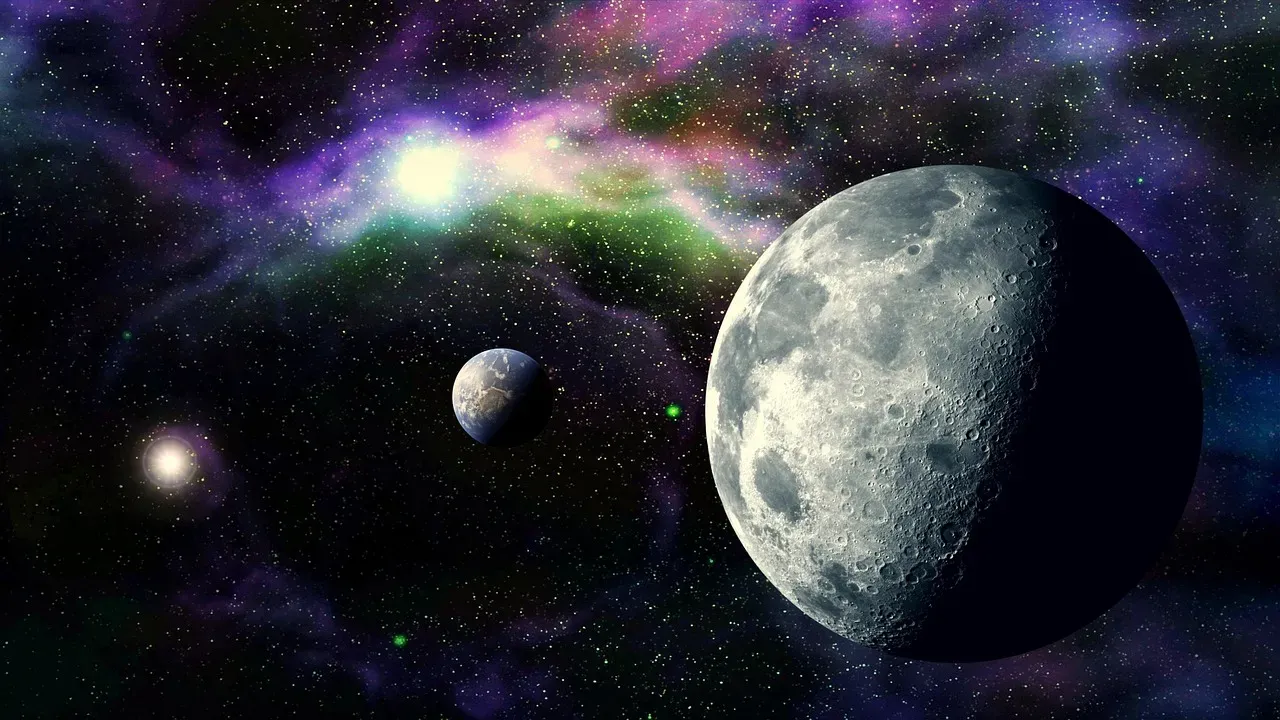
Not that long ago, nobody had confirmed a single planet outside our solar system. Today, thanks to missions like Kepler and TESS, we’ve confirmed thousands of exoplanets, and discovered many more candidates. What started as a trickle has turned into a flood, and the message is clear: planets are not rare cosmic accidents; they’re normal by-products of star formation.
We’ve found gas giants hugging their stars, rocky planets in tight orbits, and worlds in the so-called “habitable zone” where liquid water could exist on the surface. Astronomers have even identified multiple Earth-sized planets in the habitable zones of nearby stars, some only a few dozen light-years away. When you realize that our telescopes can only detect a tiny slice of what’s actually out there, it begins to feel like habitable planets are not exotic at all – they may be as common as neighborhood coffee shops in a big city.
Life’s Surprising Toughness on Earth
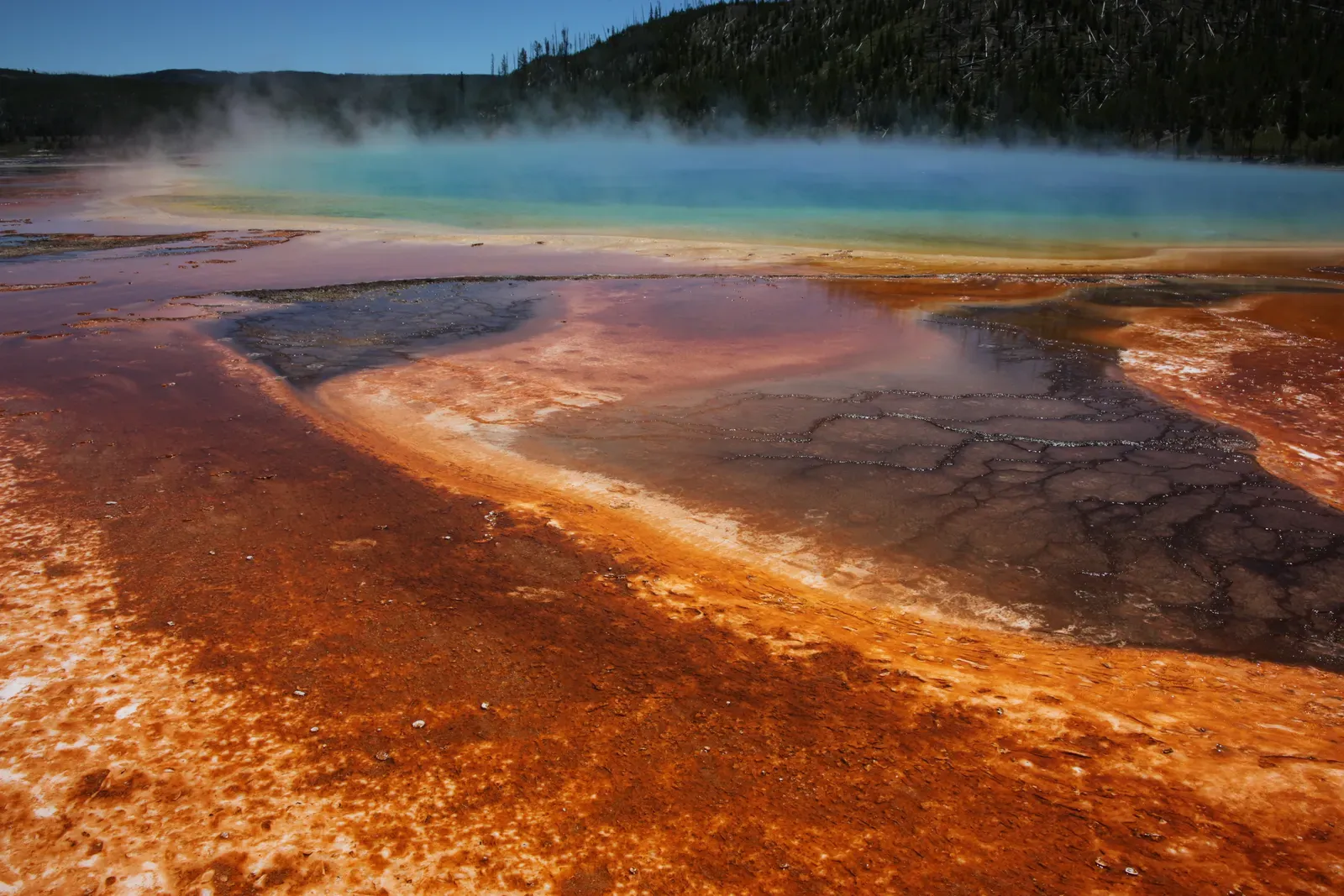
If you want a hint about whether life might appear elsewhere, it helps to look at how stubborn it is here. On Earth, we’ve found microscopic life thriving in places that seem almost hostile to existence: deep under Antarctic ice, inside nuclear reactors, in boiling acidic hot springs, and at crushing pressures near deep-sea vents. Wherever we look hard enough, life tends to show up, as if the universe forgot to tell it when to quit.
This resilience suggests something important: life may not need a perfect Earth-clone to get started. It might just need a few key ingredients, some energy, and a bit of time. That shifts the mood from “life is a rare miracle” toward “life is a tenacious opportunist.” If tiny organisms can handle boiling acid or near-freezing brine on our planet, then strange, hardy lifeforms might be right at home in environments we’d initially write off as dead elsewhere in the cosmos.
Clues From Mars, Icy Moons, and Strange Worlds Close to Home
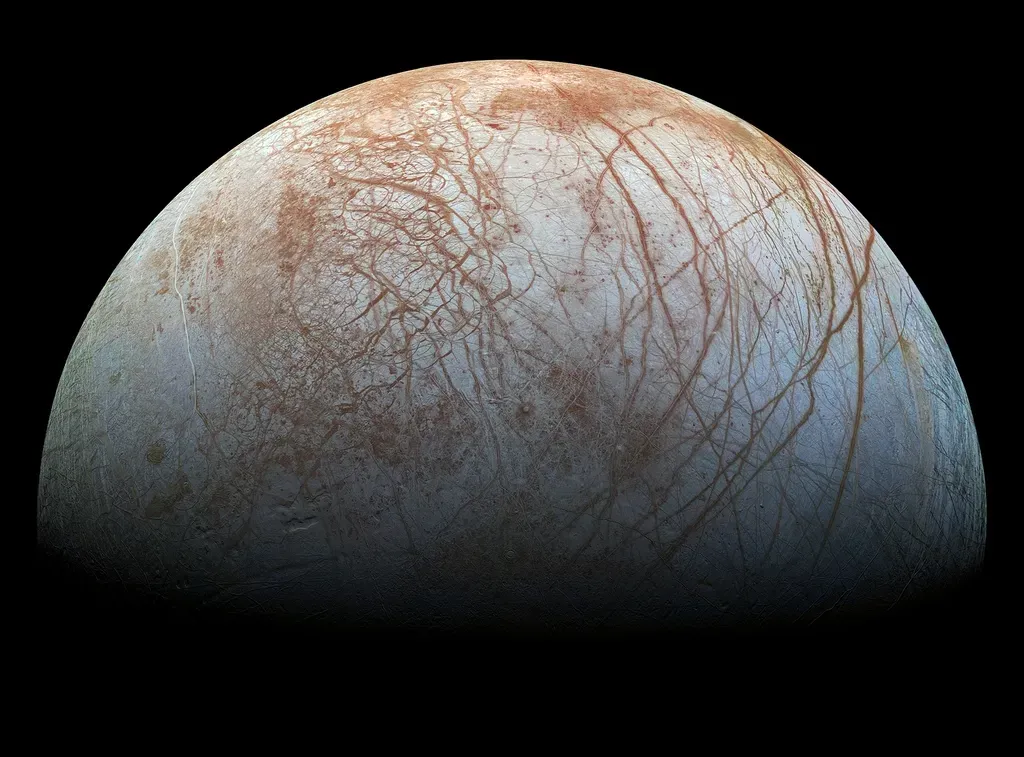
We don’t even have to leave our own solar system to find intriguing hints. Mars once had rivers, lakes, and perhaps even oceans, and it still has polar ice and signs of seasonal changes in methane in its thin atmosphere. Robotic missions are currently probing its rocks and soil for traces of past or present life, because if life ever arose independently on Mars, that would be a huge argument that life is not a one-time event in the universe.
Then there are the icy moons: Europa and Enceladus are especially fascinating. Beneath their frozen crusts lie deep oceans kept warm by tidal heating, and in Enceladus’s case, plumes of water vapor and organic molecules have been seen erupting into space. These dark, hidden oceans may have heat, water, and chemistry – three big items on the “life shopping list.” If life exists in any of these nearby places, even as microbes, it would strongly hint that the universe is more biologically active than we ever dreamed.
The Great Silence: If Life Is Common, Where Is Everybody?
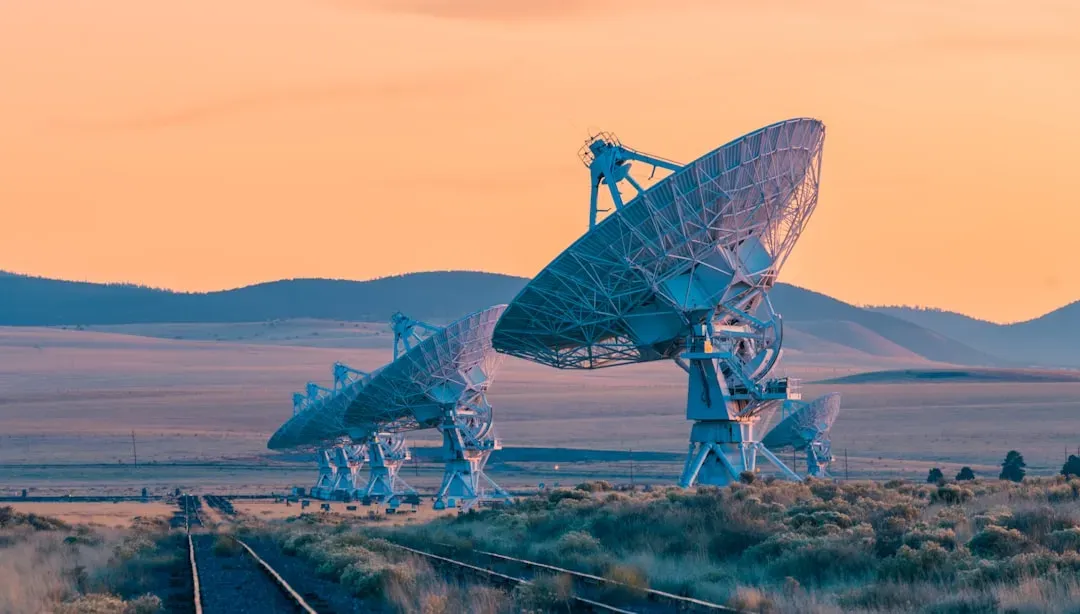
And then we hit the uncomfortable contradiction known as the Fermi paradox. If planets are common, if life is tough and adaptable, and if the universe is old enough for advanced civilizations to arise and spread, why don’t we see any clear evidence? Our searches for alien radio signals have turned up only static so far, aside from interference from our own technology and natural cosmic noise. Space looks vast, silent, and indifferent.
There are many possible answers, none fully satisfying. Perhaps intelligent life is incredibly rare, or self-destructs before it can reach the stars. Maybe advanced civilizations communicate in ways our current technology can’t detect, or they choose to stay quiet for reasons we can only guess at. It might also be that we’ve barely started listening, like showing up at a concert five minutes before the end and assuming no music was ever played.
From Microbes to Minds: Is Intelligence Inevitable?

Another deep question hides behind the search for aliens: even if life is common, does it usually stay simple? On Earth, microbes ruled for billions of years before complex animals and intelligent beings appeared. That long delay suggests that going from single cells to technological civilizations might be more like winning the lottery than following a predictable script. Maybe planets teeming with bacteria are fairly common, but planets with beings who build telescopes and send radio signals are incredibly rare.
On the other hand, you can argue that intelligence offers such a big survival advantage – planning, cooperation, technology – that it might emerge again and again under the right conditions. Evolution has produced complex brains multiple times on Earth in different lineages: birds, cephalopods, mammals. Whether intelligence like ours is a cosmic fluke or a fairly standard outcome is still an open question, but it sits right at the heart of whether the universe is full of silent, single-celled worlds or buzzing with curious minds.
What the Search Really Says About Us
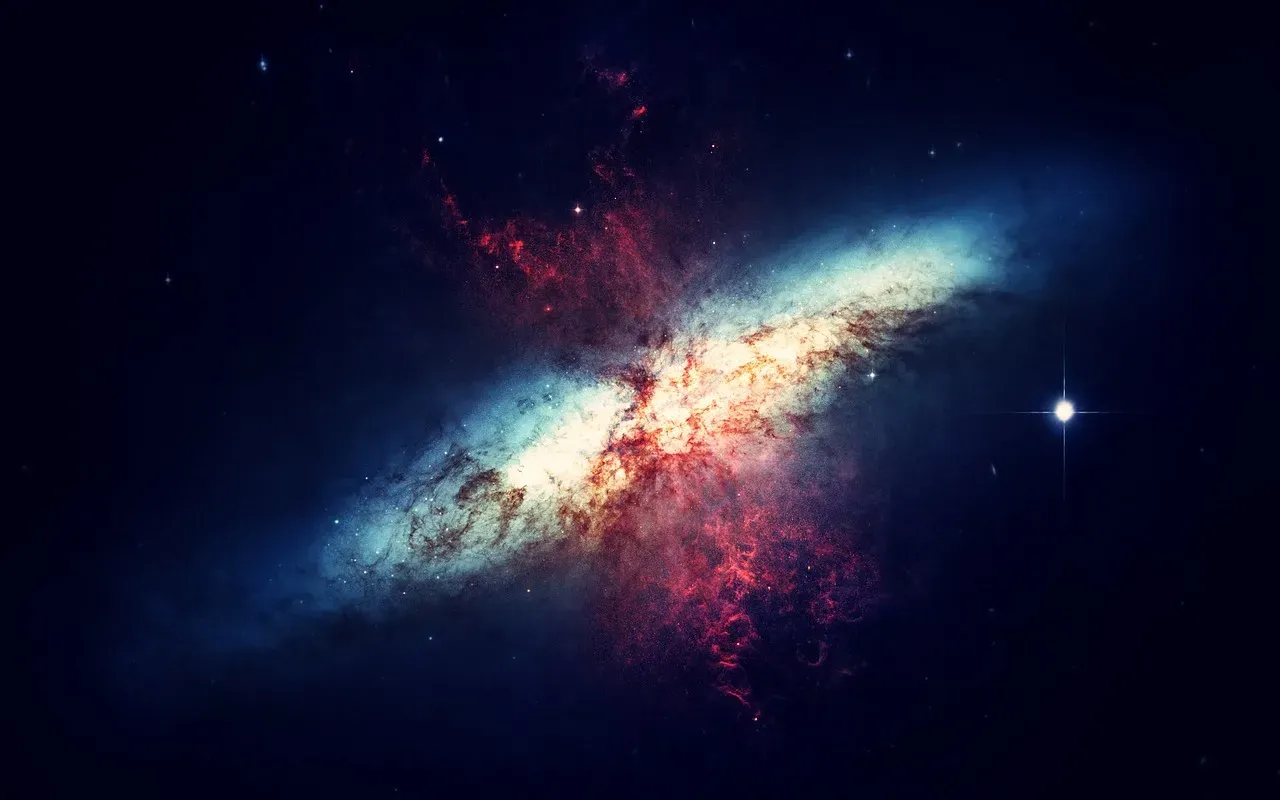
In a way, our efforts to find life elsewhere are also a mirror pointed back at ourselves. Every new exoplanet discovered, every faint biosignature searched for in an alien atmosphere, is really part of a deeper attempt to figure out what we are and where we fit in the story of the cosmos. Are we the first flicker of consciousness in a quiet universe, or just one voice in a vast cosmic choir we haven’t learned to hear yet?
For now, we live in a strange tension: the numbers and discoveries suggest life could be widespread, yet the evidence for others is still missing. Maybe future telescopes will finally spot clear signs of biology on a distant world, or a probe will find microbes in a hidden ocean close to home. Until then, we exist in this beautiful, unsettling in-between space, staring up at the stars and wondering: are we really that special, or just very early to the party?