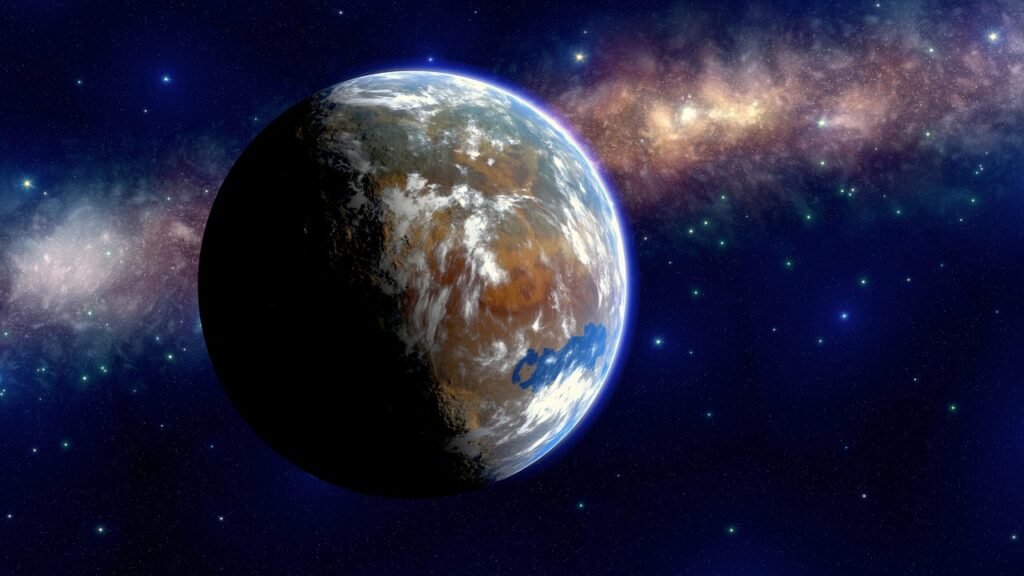

There is a question that has haunted human beings since they first looked up at a star-filled sky and felt something pull at their chest. Not fear, not wonder exactly, though both are close. It is more like a suspicion, a half-remembered dream that the universe is too enormous, too impossibly old and rich, to have produced life only once, only here, only us.
For centuries, this question lived mostly in philosophy and science fiction. Now, remarkably, it lives in peer-reviewed journals, in the data streams of orbiting telescopes, and in the careful soil of Martian craters. The science of searching for life beyond Earth has never been more serious, more well-funded, or more tantalizing. Hold on. What scientists have recently found will genuinely surprise you. Let’s dive in.
6,000 Worlds and Counting: The Exoplanet Revolution You Should Know About
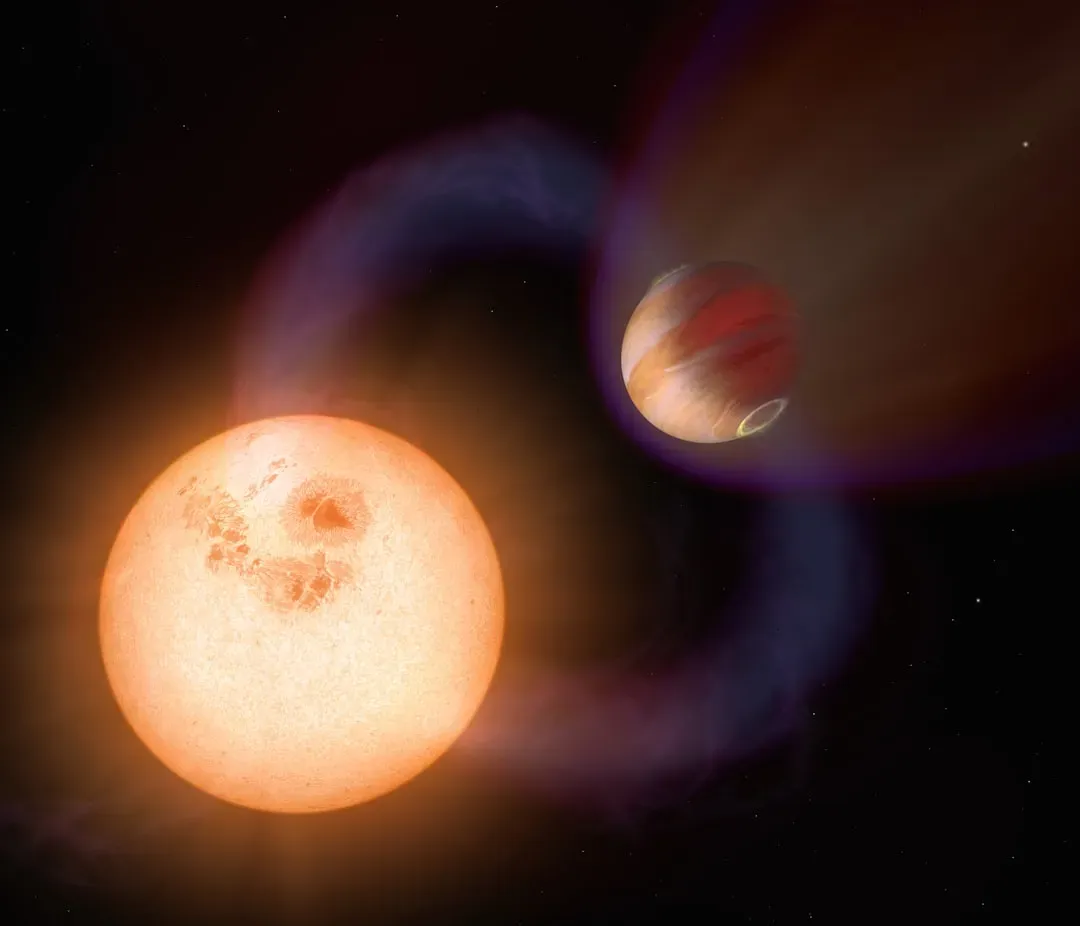
You might think finding a planet outside our solar system would be rare, exceptional, front-page news every time. Honestly, it used to be. The year 2025 marked 30 years of exoplanet discoveries, with the first planet found orbiting a Sun-like star, known as 51 Pegasi b, confirmed back in October 1995. In the three decades since then, scientists have confirmed more than 6,000 worlds, out of the billions believed to exist. That is not a typo. Billions.
The search for and study of exoplanets has grown rapidly thanks to new detection methods and increased scrutiny from tools ranging from advanced spacecraft like the James Webb Space Telescope to ground-based observatories worldwide, and even citizen scientists using backyard telescopes. Think about that. Regular people with amateur telescopes are contributing to a search that could change everything we know about our place in the cosmos. NASA’s Target Star Catalog is now a guide to intriguing nearby stars that astronomers want to study with future missions, including the Habitable Worlds Observatory, which will be built specifically to find and observe Earth-like exoplanets and search for signs of life.
The Super-Earth Next Door: A Target That Has Scientists Buzzing
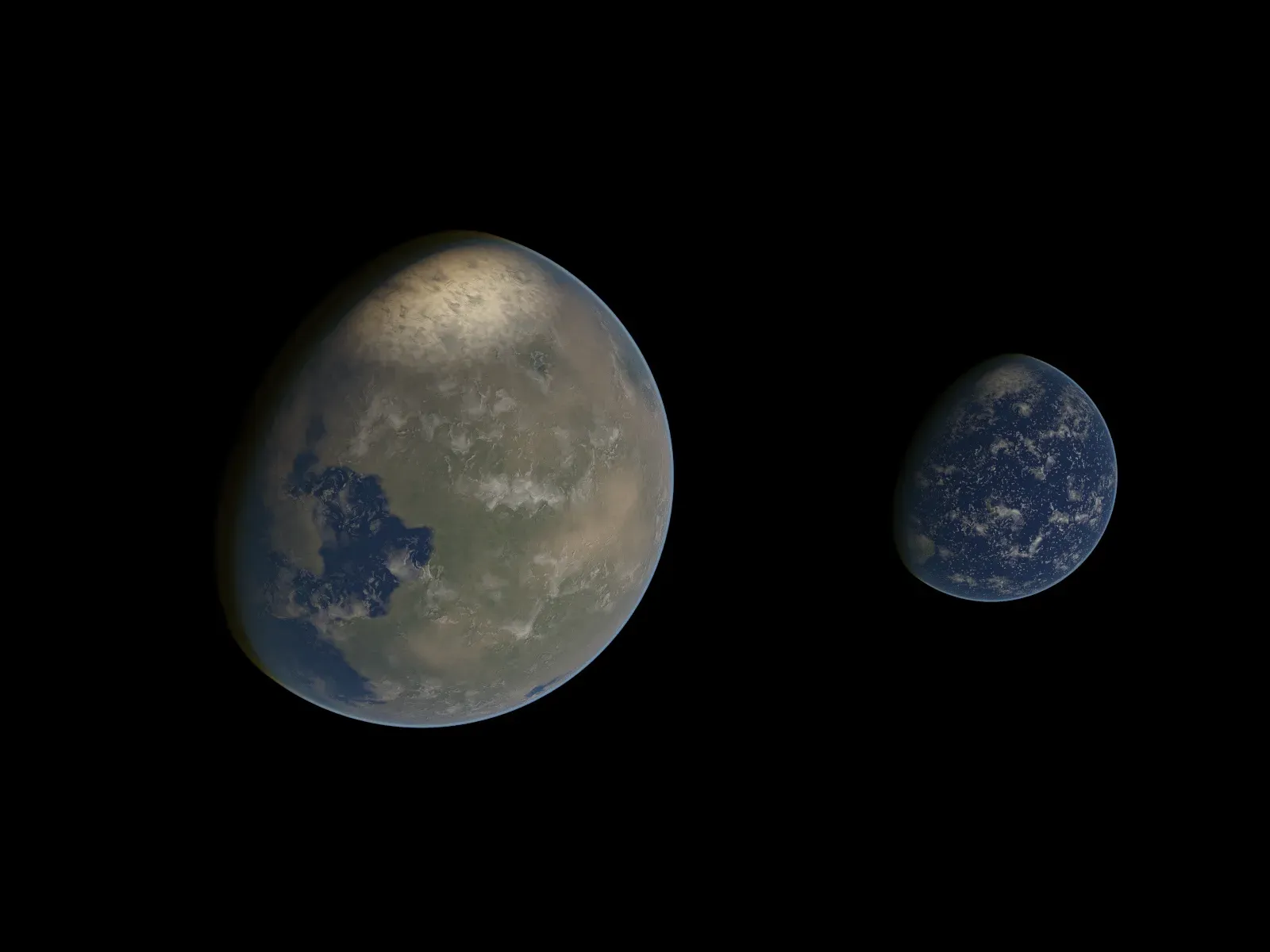
Here’s the thing. When scientists talk about “nearby” in space terms, they usually mean thousands of light-years away. So when a potentially habitable world turns up practically on our cosmic doorstep, people pay attention. In late 2025, researchers pinpointed a super-Earth in the habitable zone of a nearby M-dwarf star just 18 light-years away. Eighteen. That is practically a neighbor by interstellar standards.
The discovery of this possible super-Earth less than 20 light-years from our own planet is offering scientists new hope in the hunt for other worlds that could harbor life. Discovering exoplanets like this one requires advanced instruments and complex data analysis, involving collaborations across multiple institutions and expertise throughout the world, and most importantly, a sustained commitment from the countries funding the research, which can often take decades to yield actionable results. It is slow, painstaking work. Yet when it pays off, it really pays off.
K2-18b: The Exoplanet That Sent the Internet Into a Frenzy
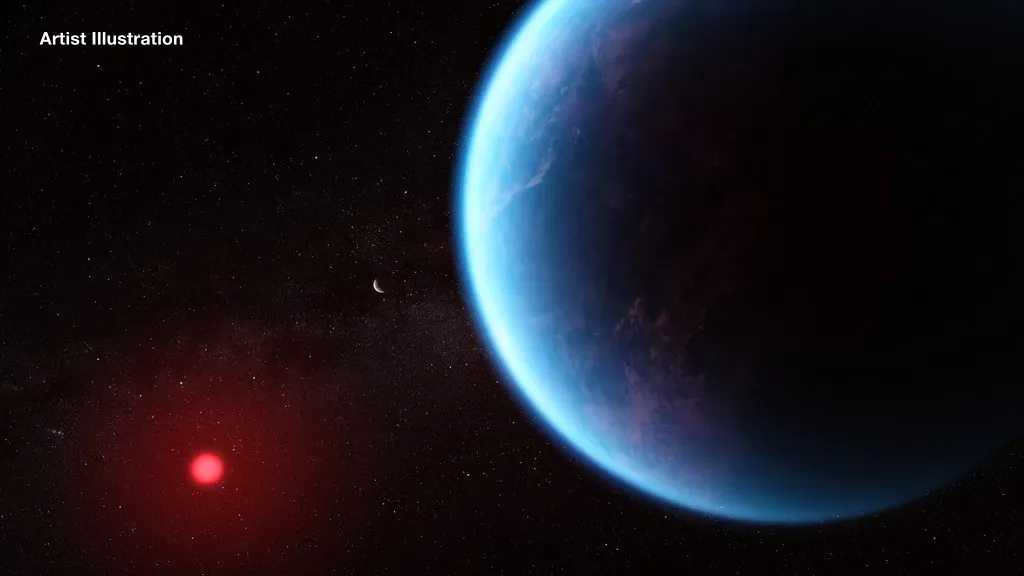
If you followed space news in April 2025, you know exactly which moment this section is about. Scientists on the hunt for extraterrestrial life got a new lead, when on a faraway planet, the James Webb Space Telescope picked up signs of molecules that on Earth are produced only by living organisms. The global reaction was, to put it mildly, intense. Some headlines went full science fiction. Others urged extreme caution.
Astronomers detected the most promising signs yet of a possible biosignature outside the solar system, using data from JWST, led by the University of Cambridge, who found the chemical fingerprints of dimethyl sulfide and dimethyl disulfide in the atmosphere of the exoplanet K2-18b, which orbits its star in the habitable zone. On Earth, these molecules are only produced by life, primarily microbial life such as marine phytoplankton, and while an unknown chemical process may be the source on K2-18b, the results represent the strongest evidence yet that life may exist on a planet outside our solar system. I think it is worth sitting with that for a moment.
Hold On, Scientists Say: The Battle Over K2-18b’s Data
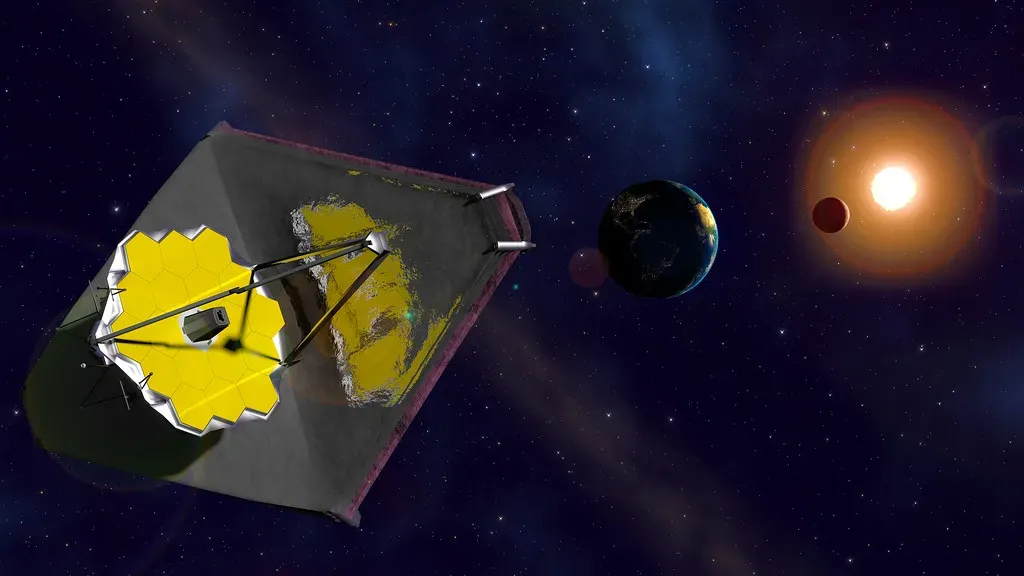
Let’s be real. Science is not a single announcement followed by a celebration. The K2-18b story did not end with a press release. Researchers using JWST data announced they had detected biosignature gases on planet K2-18b, but a new analysis of the same data then cast doubt on the earlier findings. Two research groups, working with the same telescope data, reached dramatically different conclusions. That is both unsettling and, honestly, how real science works.
Finding biosignatures is challenging for Webb, requiring potentially hundreds of hours of observing time for a single planet, and even then, results may not be conclusive due to the evolution of the star and planet atmosphere over time. Scientific publishing and commissioning new telescopes all happen at a slow pace, and it is unlikely humanity will wake up to an alien discovery announced in the newspapers overnight. Instead, the realization will be gradual, built on a plethora of evidence suggesting that life exists beyond Earth. A slow burn. Possibly the most important slow burn in human history.
Red Planet, Ancient Clues: What Mars Is Whispering to Perseverance
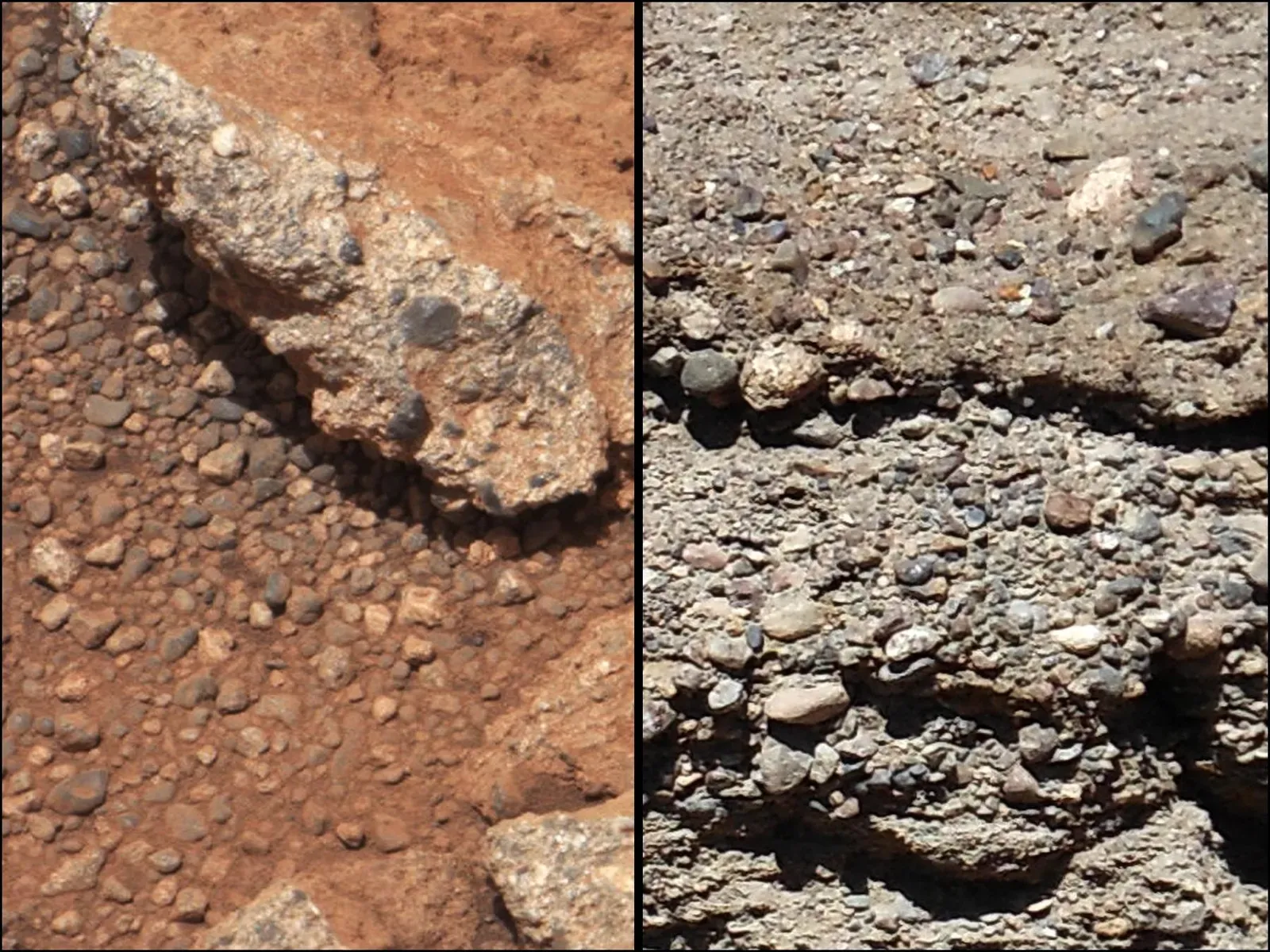
Mars has been teasing scientists for decades. But in 2025, it gave them something genuinely worth talking about. NASA’s Perseverance Mars rover investigated what one mission scientist called its “most puzzling, complex, and potentially important rock yet,” which showed signs of past water, organic material, and clues suggesting chemical reactions by microbial life. That rock has a name, actually.
A sample collected by NASA’s Perseverance Mars rover from an ancient dry riverbed in Jezero Crater could preserve evidence of ancient microbial life. Taken from a rock named “Cheyava Falls,” the sample called “Sapphire Canyon” contains potential biosignatures, according to a paper published in the journal Nature. This finding suggests that Mars could have been habitable for a longer period or later in the planet’s history than previously thought, and that older rocks may also hold signs of life that are simply harder to detect. A planet that was alive, perhaps, for longer than anyone expected.
Digging Deeper: Why Subsurface Life May Be the Key to Everything
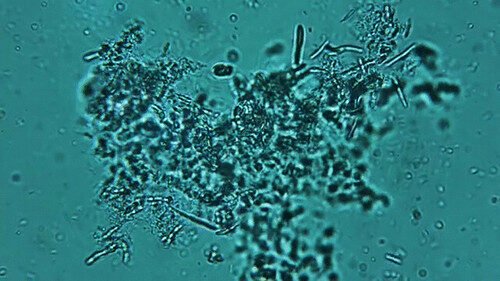
Here is where astrobiologists get philosophical, and honestly, it is worth following them down that path. Based on our current understanding of the origin of life, it is likely that the first life forms on any extraterrestrial world would also be microbial, and due to the extreme temperatures, radiation, or aridity on most planetary surfaces, such extraterrestrial microbes would most likely dwell in subsurface environments. Life hiding underground. Not in the open sky, but deep in the rock.
Earth’s subsurface features a wide range of environments, including deep marine sediments, crustal aquifers, rock fracture fluids, hydrocarbon reservoirs, caves, and permafrost soils, all of which are known to host an immense diversity of life forms, predominantly microbes that survive or even thrive under extreme conditions and energy scarcity. Life’s ability to endure and possibly evolve in Earth’s subsurface lends credence to the possible existence of life beyond our planet, and provides a blueprint for the extraterrestrial life forms and biosignatures we might expect. Think of it as life finding a way, even in the darkest, coldest corners imaginable.
The Fermi Paradox: Why the Silence of the Universe Is Deafening
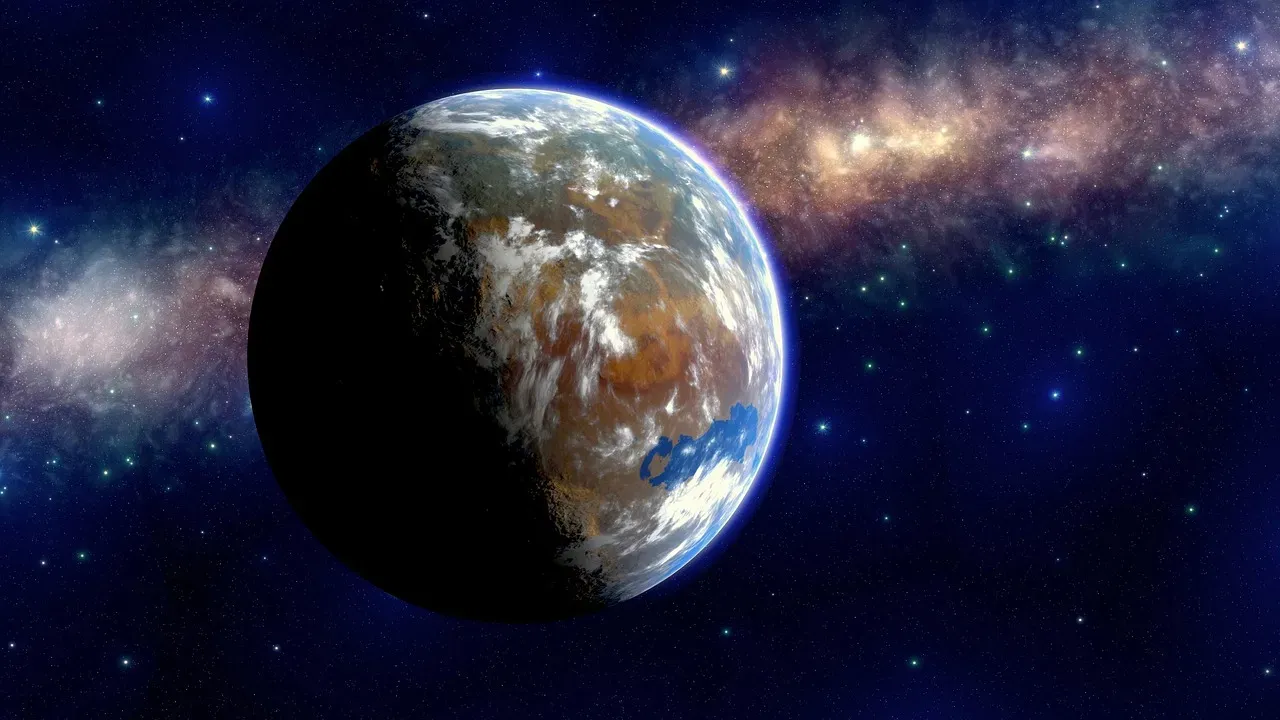
Okay, so here is the maddening flip side to all this hope. If the universe is teeming with habitable worlds, why has no one ever called? The Fermi Paradox is the contradiction between the seemingly high likelihood for the emergence of extraterrestrial intelligence and the complete lack of evidence for its existence, raising two broad questions: Why has Earth not already been visited, and why is there no evidence for extraterrestrial intelligence at all?
The Milky Way is around 10 billion years old and is home to more than 100 billion stars, which suggests there is likely a mind-boggling number of potentially habitable planets in our home galaxy alone. Yet despite decades of searching, the cosmos remains eerily silent. A survey published in Nature Astronomy found that the vast majority of over a thousand scientists in relevant fields agreed there is at least a basic form of extraterrestrial life out there, and more than two thirds agreed that intelligent aliens exist. Confident scientists, silent skies. The paradox endures.
AI, SETI, and the Future of Listening to the Stars

It turns out that one of humanity’s most ambitious cosmic questions is now being tackled with some of its most cutting-edge technology. Today’s SETI is a multi-stage data processing challenge, with artificial intelligence acting as the primary scout in a vast ocean of cosmic data. The sheer volume of radio signals, light spectra, and atmospheric data pouring in from telescopes around the world and in orbit is simply too enormous for human researchers alone.
Using generative AI and simulation-based inference, researchers are creating vast synthetic datasets of every conceivable type of signal from natural and technological sources, with machine learning models trained on this universe of simulations designed to be hyper-sensitive to any real signal that matches any technological hypothesis. Scientists at the SETI Institute have been spanning everything from hands-on planetary defense with citizen scientists to careful examinations of interstellar visitors and the signals that reach us across the galaxy. The search, in other words, has never been more organized, more systematic, or more hopeful.
Conclusion: The Question That Defines Our Generation
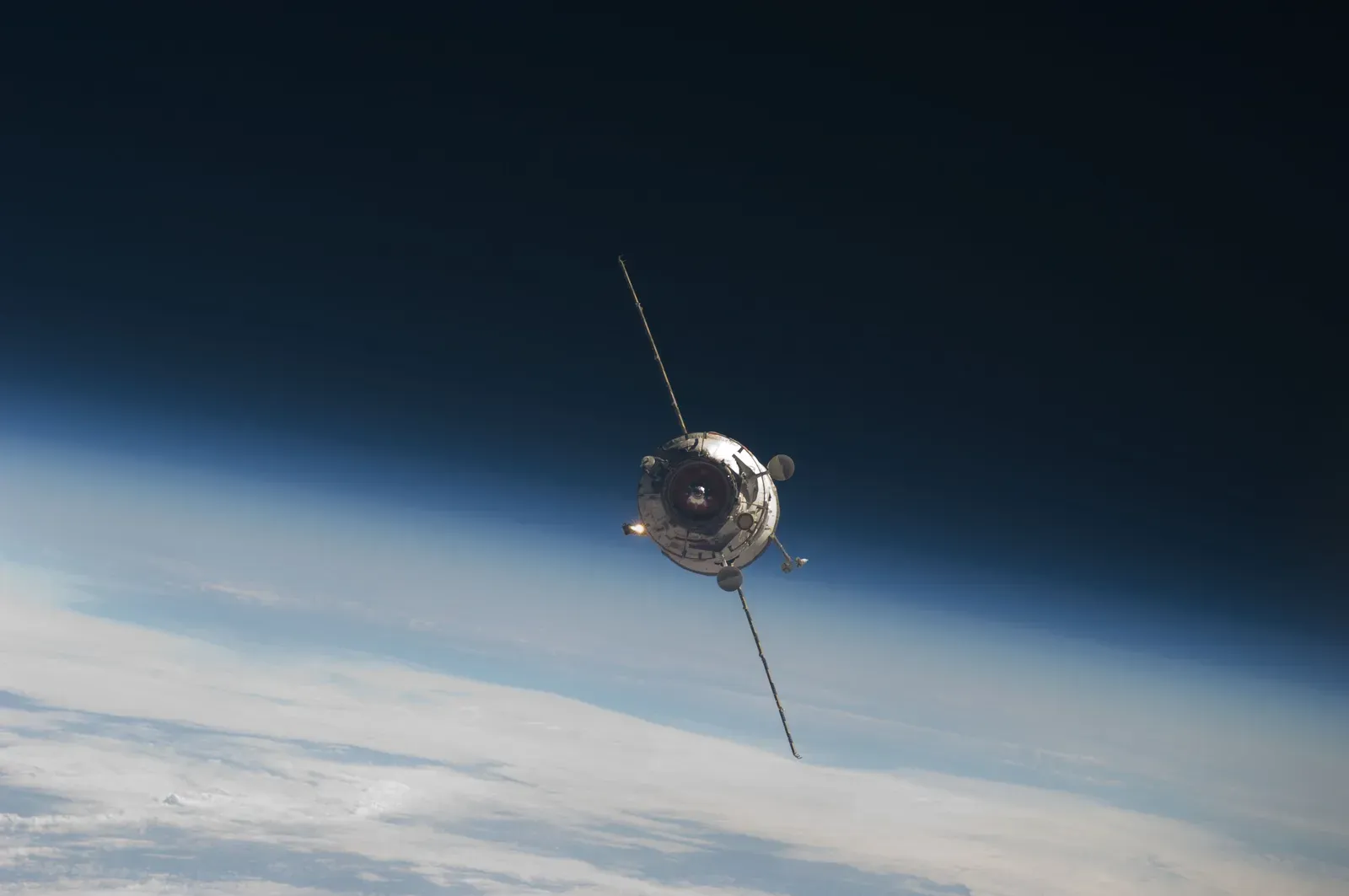
There is something almost spiritual about the scale of this search. Humans, these brief, fragile creatures on a pale blue dot, pointing their best instruments at the sky and asking: is anyone out there? The answer, whatever it turns out to be, will change us. Whether life exists beyond Earth is one of the most profound questions of all time, and the answer, whatever it is, will change us forever.
From the chemical whispers detected in the atmosphere of K2-18b, to the leopard-spotted rock named Cheyava Falls sitting in a Martian crater, to the super-Earth only 18 light-years away, the evidence is fragmentary but undeniably building. It is hard to say for sure how soon a definitive answer will arrive. Scientists insist that continuing the search for extraterrestrial intelligence is essential, for either outcome reshapes our understanding of life itself.
If we find life, even just ancient microbial fossils on Mars, everything shifts. Our sense of loneliness, our religious frameworks, our understanding of what is ordinary about the universe all transform in an instant. If we find nothing, that answer is equally profound. Either way, you are living through the era when humanity comes closest to solving the oldest mystery ever posed under a night sky. What do you think we’ll find first? Tell us in the comments.
Hi, I’m Andrew, and I come from India. Experienced content specialist with a passion for writing. My forte includes health and wellness, Travel, Animals, and Nature. A nature nomad, I am obsessed with mountains and love high-altitude trekking. I have been on several Himalayan treks in India including the Everest Base Camp in Nepal, a profound experience.