
Every time scientists think they have a solid handle on life on Earth, nature throws a curveball: a neon-blue tarantula in Thailand, a tiny shark that glows in the dark, a tree taller than a skyscraper suddenly noticed in a forest people have walked through for decades. It almost feels like the planet is playing hide and seek with us, and we’re still “it.” For all our satellites, supercomputers, and deep-sea robots, we keep finding creatures nobody had officially recorded before.
That’s not just cute trivia. It raises a surprisingly serious question: if we’re still discovering new species in 2026, how much are we missing – and what might vanish before we ever know it existed? I still remember reading about a new whale species identified from a skull washed up on a beach, and thinking: if something that massive can slip under our radar, what else is hiding in the parts of Earth we barely touch? Let’s dig into where, how, and why undiscovered species are almost certainly still out there.
The Numbers: How Many Species Do We Think Exist?
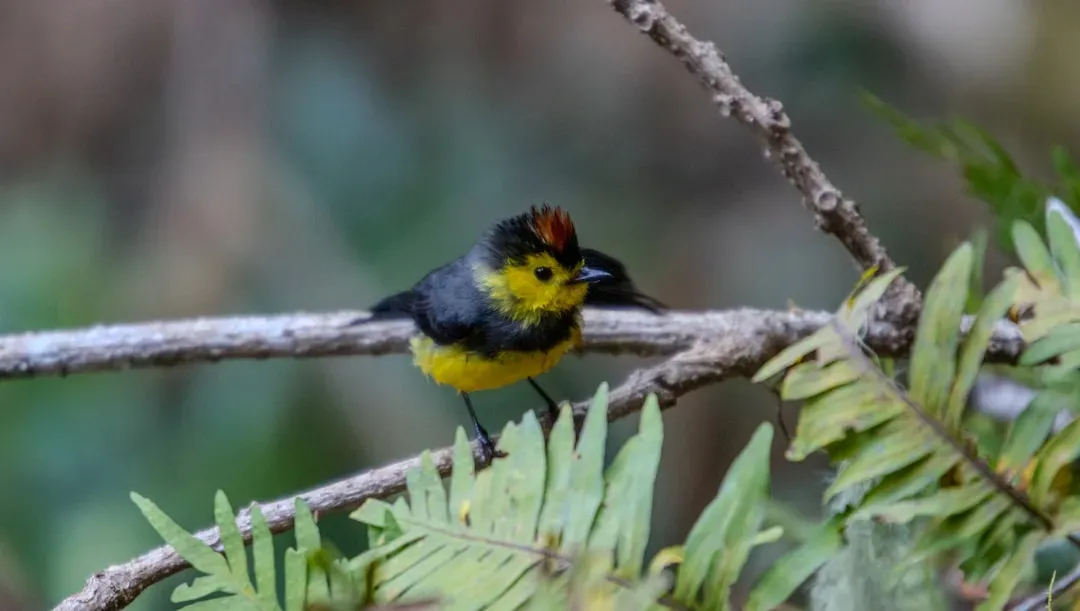
It’s a bit shocking, but scientists don’t even agree on how many species might be on Earth in total. Estimates often range from several million to tens of millions, while only a fraction of that has been formally described. Right now, the number of species recorded and named by science is in the low millions, and every year thousands of new ones are added to the list, especially in groups like insects, fungi, and microorganisms.
Some researchers suspect that tiny creatures, especially in the soil, oceans, and even inside other animals, may account for the bulk of undiscovered diversity. Think of it like walking into a crowded stadium and only counting the people near the entrance; that’s more or less where we are with known species. We’ve catalogued the obvious and the charismatic – big mammals, birds, many trees – but the microscopic, the deep-dwelling, and the remote-living life forms are still largely uncounted. The uncomfortable reality is that we’re trying to estimate a library’s worth of books while only having seen a few shelves.
Rainforests: Biological Gold Mines Still Full of Secrets
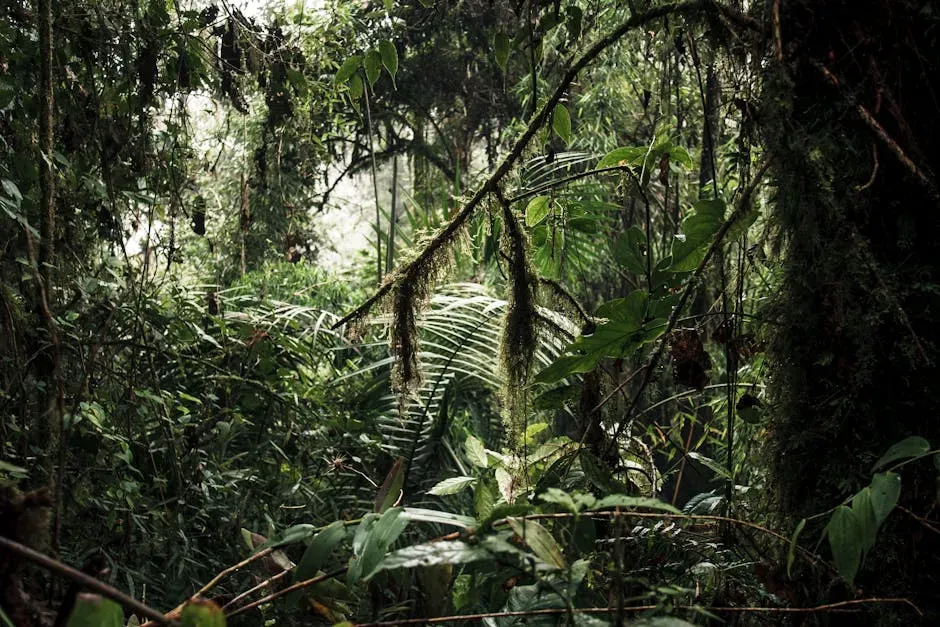
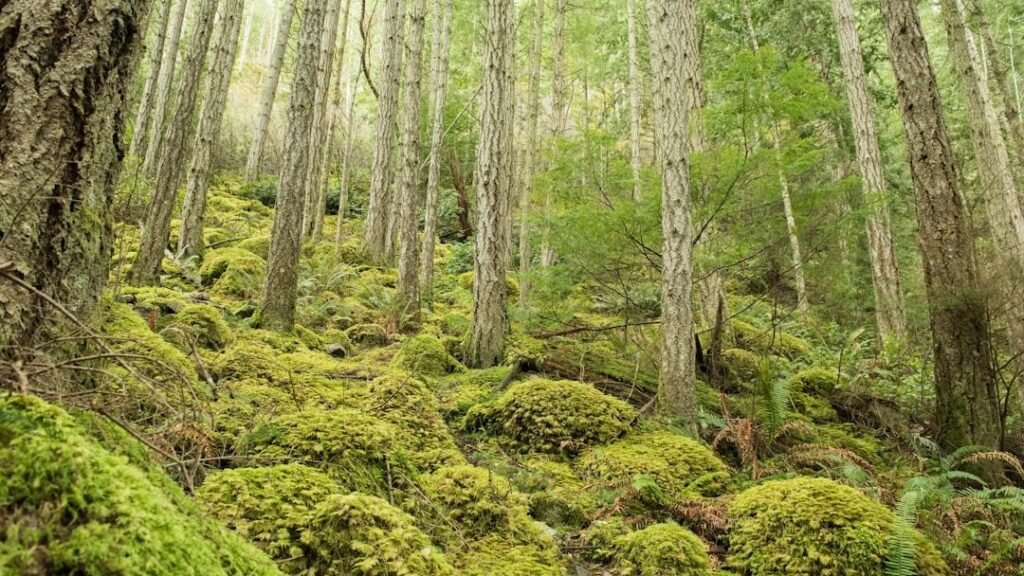
Tropical rainforests are the classic image of hidden life, and honestly, they’ve earned that reputation. In some rainforest regions, scientists have found dozens of different tree species in an area the size of a small house. Insects, frogs, fungi, orchids, and tiny mammals often turn out to be entirely new species, even in areas people have walked through for years. Each time a focused survey is done in a poorly studied forest patch, new names get added to the books.
The obstacle is that these forests are vanishing at a brutal pace due to logging, agriculture, and mining. In some parts of the Amazon, Southeast Asia, and Central Africa, habitats disappear faster than scientists can get permits, funding, or basic access. It’s like trying to read pages of a book while the pages are being ripped out and burned in front of you. When conservationists say we might be losing species we never even met, they’re not being dramatic; they’re being painfully realistic.
The Deep Sea: Earth’s Final Frontier for New Life
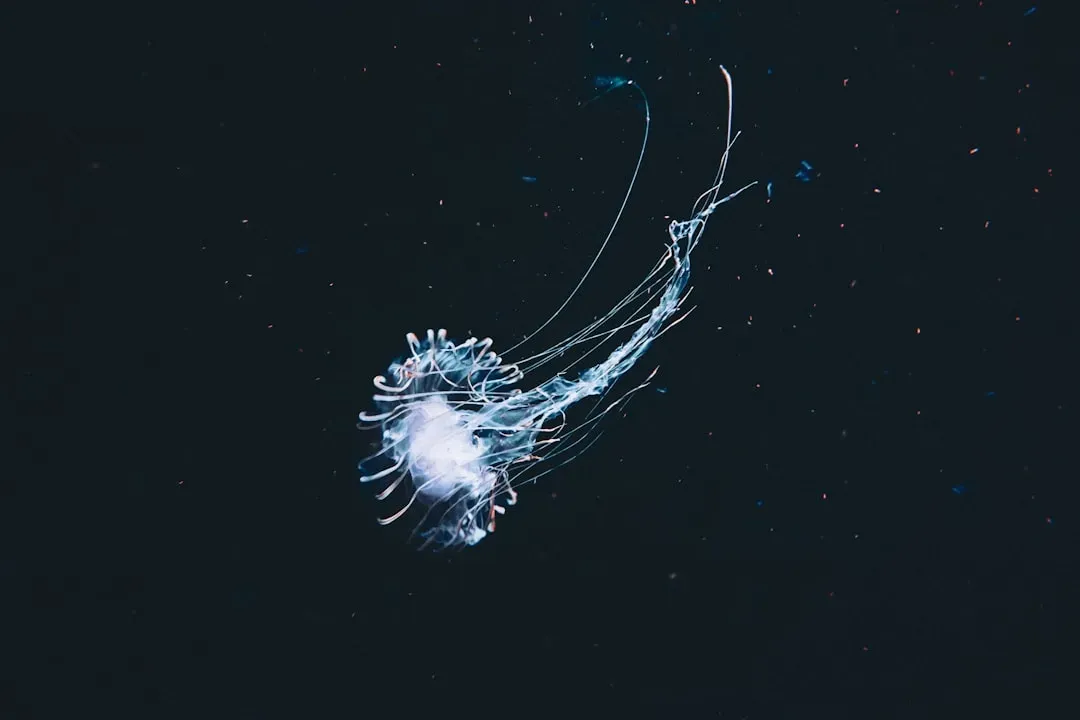
Every time a submersible or deep-sea rover drops into a trench or cruises along a hydrothermal vent, strange creatures show up on camera. Many of them look like they belong in a science-fiction film: transparent fish, spidery crabs, bioluminescent jelly-like blobs. A lot of those are new to science or relatives of known species that turn out to be different enough to get their own names. Because very little of the deep ocean floor has been systematically explored, the deep sea is often called the largest wilderness on Earth.
What’s wild is that the deep ocean covers most of our planet’s surface, yet we know more about the surface of Mars than the seafloor several kilometers below us. The darkness, pressure, and remoteness make exploration technically challenging and expensive, so expeditions happen in short bursts. Meanwhile, industries like deep-sea mining are ramping up interest in exactly those remote areas. We’re arguably on the verge of heavily disturbing ecosystems we barely understand, filled with species that might still be nameless.
Microbial Worlds: Invisible Majority of Undiscovered Life
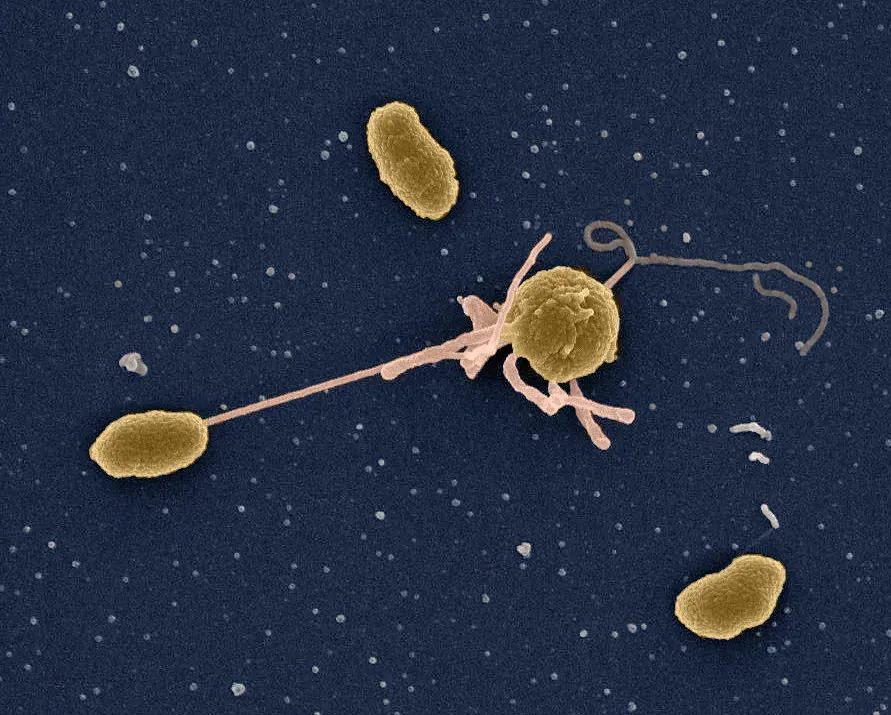
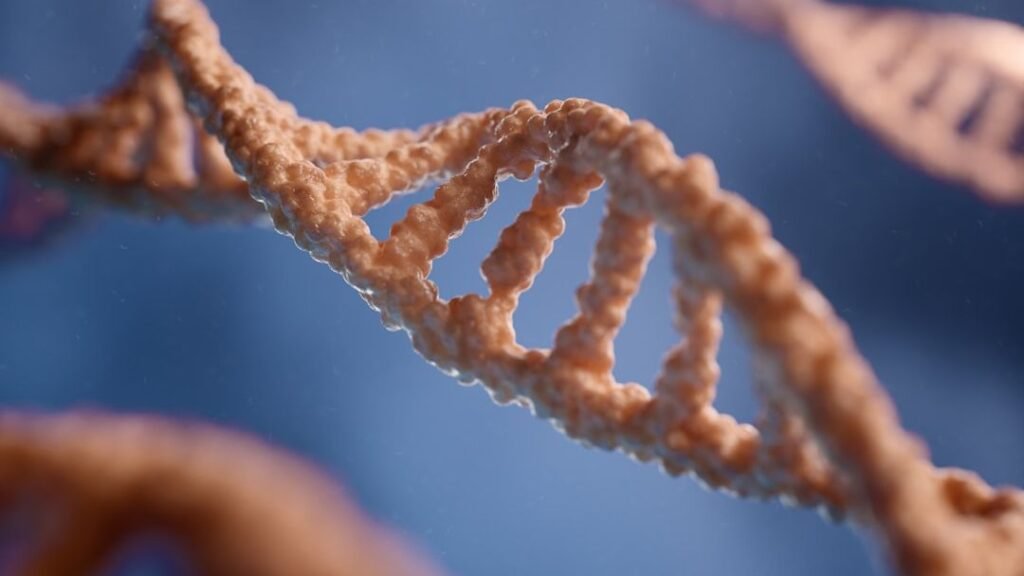
If you think of “species” and picture tigers, parrots, or oak trees, you’re missing the biggest part of the story. Microbes – bacteria, archaea, and microscopic eukaryotes – are likely where the overwhelming majority of undiscovered species are hiding. Advances in DNA sequencing have revealed entire communities of microorganisms in soil, oceans, glaciers, hot springs, and even the human body that don’t match any known species in existing databases. In effect, we’re constantly detecting “ghosts” of unknown life forms through their genetic fingerprints.
What’s especially mind-bending is that many of these microbes may never be seen under a microscope in the traditional way because we can’t easily grow them in the lab. Yet they control processes that keep the planet running, like nutrient cycling, carbon storage, and even cloud formation. When scientists talk about the “microbial dark matter” of life, they’re acknowledging that we’re just scratching the surface. It’s a bit like discovering a hidden city beneath your feet and realizing most of what shapes your world has been invisible all along.
Urban Jungles: New Species in Our Own Backyards
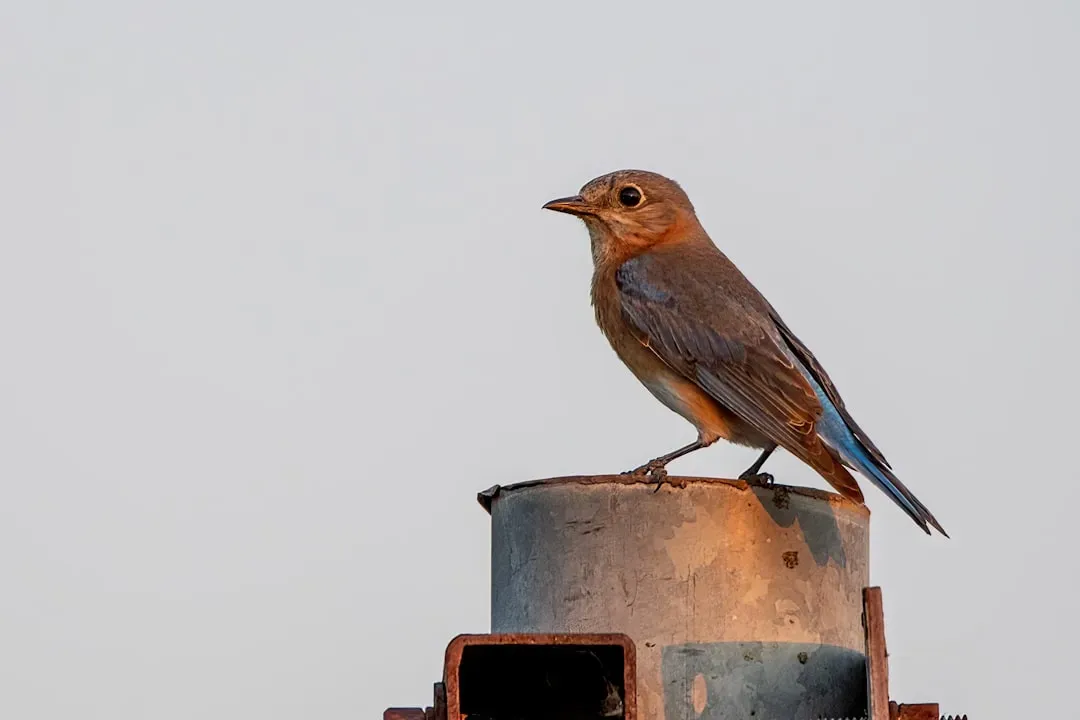
It sounds almost ridiculous, but new species are still being found in places crisscrossed by highways and coffee shops. Biologists and keen amateur naturalists have described new insects, spiders, plants, and even small vertebrates in city parks, abandoned lots, and suburban gardens. Sometimes, these species quietly adapted to urban life while we were too busy rushing to work to notice. Other times, genetic analysis reveals that a “common” city species is actually a cluster of distinct, previously unrecognized species.
I remember walking in a city park and hearing that a particular wasp nesting in a playground had only recently been described as a new species. It was jarring to realize that something literally hanging above a swing set had been invisible to science until some curious person decided to look more closely. Cities may not be the first place that comes to mind when you imagine undiscovered biodiversity, but they’re increasingly recognized as surprisingly rich laboratories of evolution and adaptation, especially for small, fast-reproducing organisms.
Cryptic Species: Hidden in Plain Sight
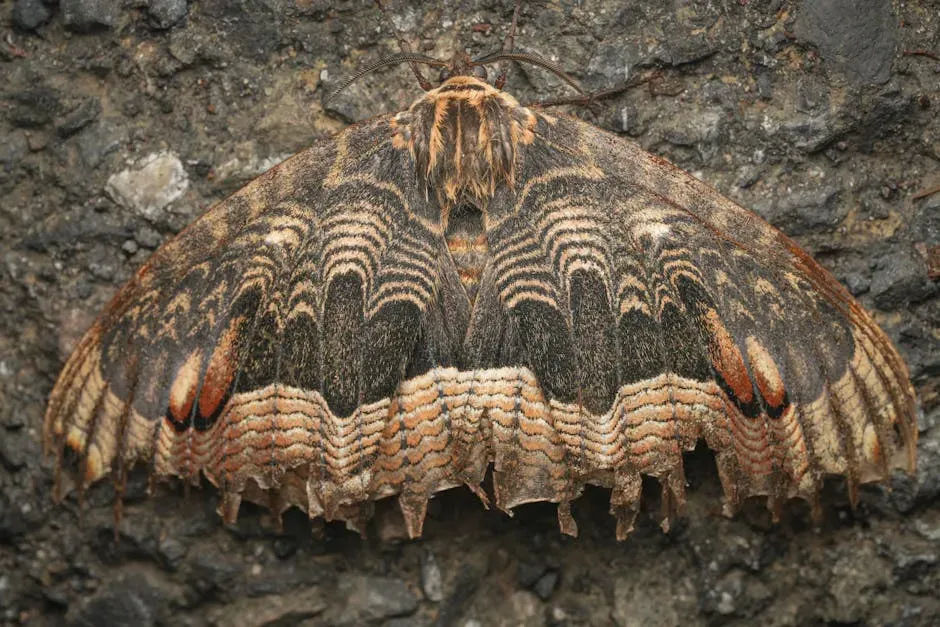
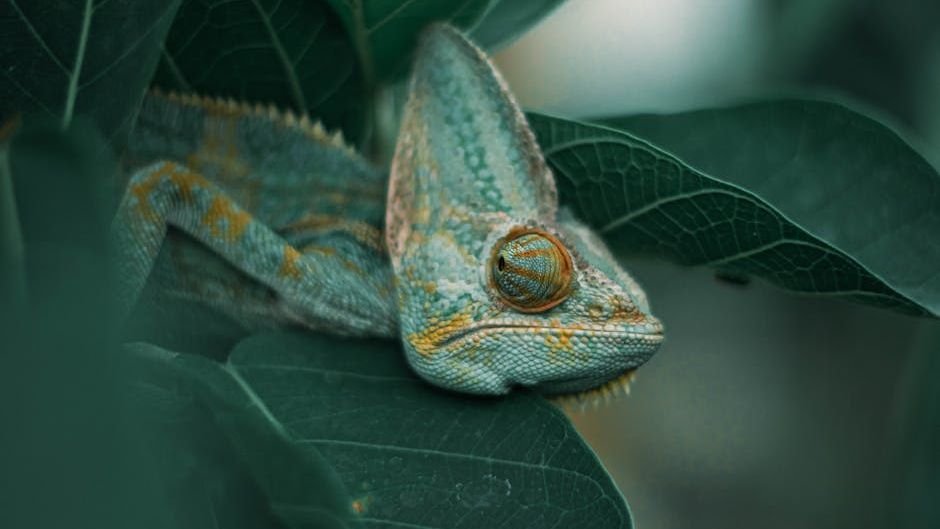
Not all undiscovered species look exotic or unusual. Cryptic species are groups of organisms that look almost identical to each other but are genetically distinct and don’t interbreed in nature. For years, scientists lumped them into single species because, to the naked eye, they seemed the same. Only when DNA analysis or careful behavioral studies are done does it become clear that what we thought was one species is actually several.
This has been discovered in frogs, bats, birds, lizards, insects, and even marine mammals. In some cases, animals living on opposite sides of a mountain range or a river turn out to be more different than we’d guessed, with unique calls, mating behaviors, or ecological roles. From a conservation standpoint, this is huge: what looked like one widespread, safe species might actually be multiple smaller species, some of them already at risk. It’s a reminder that nature doesn’t always respect the neat categories we draw on paper.
How Technology Is Supercharging Species Discovery

In the past, discovering a new species was mostly about boots-on-the-ground collecting and sharp eyes. That still matters, but technology has basically put rocket boosters on the process. Tools like DNA barcoding, high-throughput sequencing, environmental DNA (eDNA), and automated camera traps allow scientists to detect species from tiny traces of genetic material, motion-triggered images, or sound recordings. Whole surveys can now be done using water samples from rivers or air samples from forests, picking up what has passed through an area.
Artificial intelligence is also joining the party, helping to sort through millions of photos and sounds captured by field devices and smartphone apps. Amateur observers, using simple apps to upload photos of plants, insects, and birds from their neighborhoods, have directly contributed to formal species descriptions. In a way, the world’s biodiversity is being mapped by a mix of experts, algorithms, and curious people with phones. That doesn’t mean we’re close to finding everything, but it does mean the pace of discovery is picking up in ways that would have sounded like science fiction a few decades ago.
The Race Against Extinction
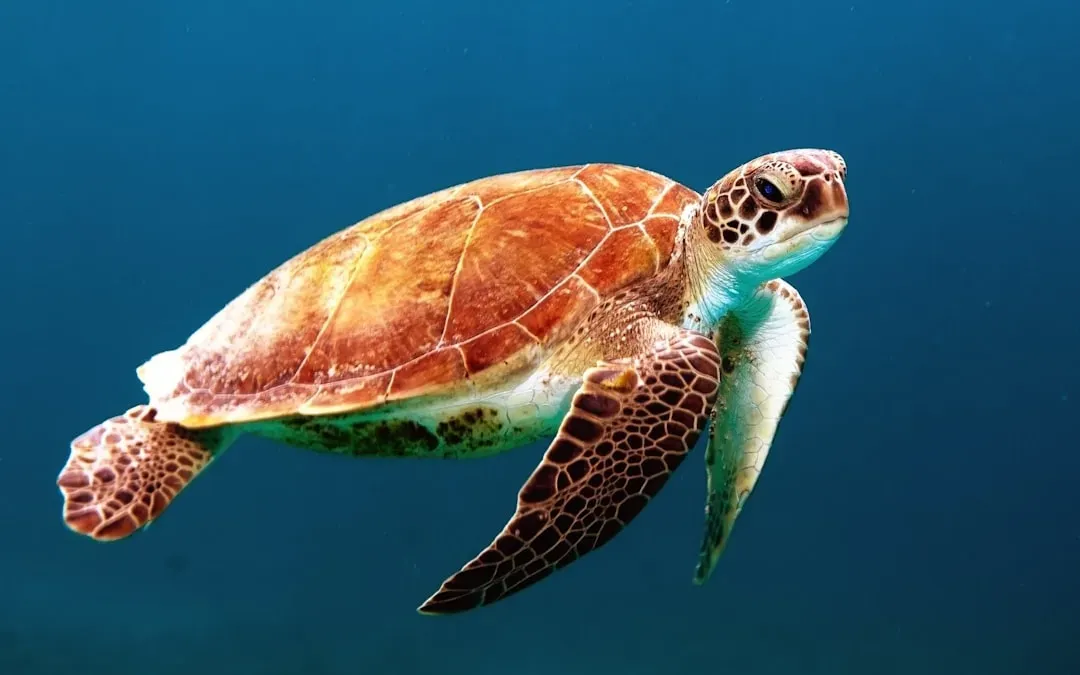
There’s a bitter twist to all this: we are discovering new species and losing unknown ones at the same time. Habitat destruction, climate change, pollution, overfishing, and invasive species are shrinking and reshaping ecosystems at a staggering pace. When an isolated forest patch is cleared, or a coral reef bleaches and collapses, any unique species confined there may simply vanish without ever being recorded. It’s like deleting files from a computer you never had the chance to open.
Some scientists argue that we’re in the middle of a human-driven mass extinction event, and undiscovered species are among the most vulnerable. The less we know about what’s out there, the easier it is to underestimate what we’re losing. On the flip side, each newly described species can become a powerful symbol for protecting its habitat, especially when people connect with its story. The uncomfortable but motivating truth is that the question isn’t just whether undiscovered species are hiding on Earth – it’s whether we’ll choose to find and protect them in time.
Conclusion: What Else Is Out There?
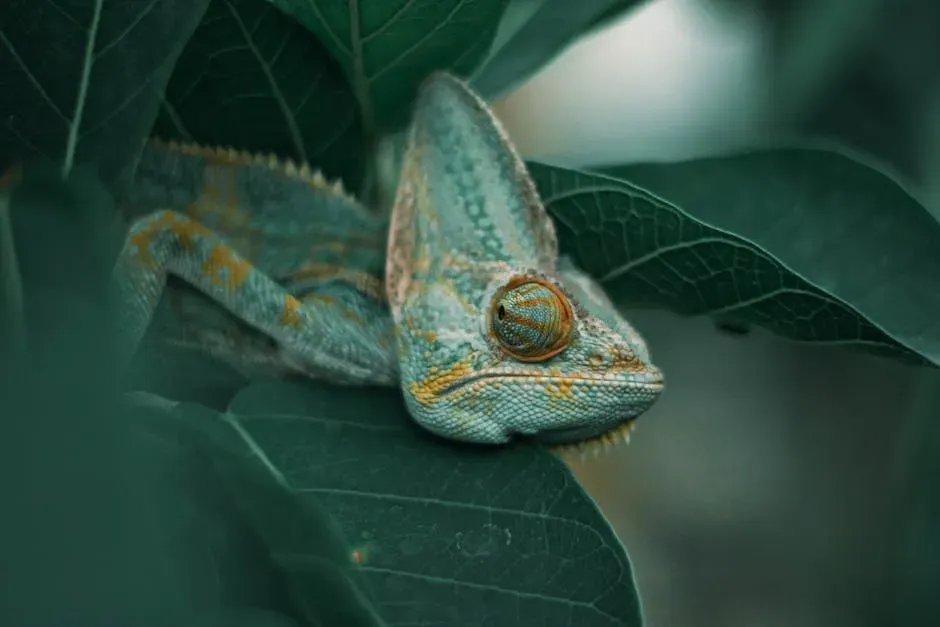
Undiscovered species are almost certainly hiding all around us: in deep-sea trenches and canopy tops, in city cracks and backyard soil, in rainforest shadows and even inside the bodies of other organisms. The more closely we look with new tools and open minds, the more we see that life on Earth is far stranger, richer, and more intricate than our current checklists suggest. At the same time, the window to explore is narrowing in many places due to human-driven change.
In the end, the idea of undiscovered species isn’t just a fun curiosity; it’s a test of how seriously we take our role as part of this planet, not just owners of it. Every hidden species is a reminder that Earth is still bigger and more mysterious than our maps, databases, and assumptions. Knowing that, the real question becomes: if another astonishing life form is out there waiting to be found, will we care enough to go looking before it’s gone?