Kangaroos, those iconic marsupials bounding across Australia’s diverse landscapes, are not just remarkable for their powerful legs and distinctive pouches. As the climate shifts in unprecedented ways, these creatures are also exhibiting fascinating adaptations, revealing an incredible story of resilience and evolution. In a world where the environment is undergoing rapid transformation, understanding how kangaroos are evolving offers a glimpse into nature’s incredible ability to adapt and survive.
The Changing Climate: A New Reality for Kangaroos
Climate change is not just a distant concern; it’s a present-day reality that impacts ecosystems across the globe. For kangaroos, this means adapting to hotter temperatures, shifting rainfall patterns, and altered food resources. In Australia, where the climate is already harsh, these changes can spell disaster for wildlife. However, kangaroos are showing signs of adjusting to these new conditions. This adaptation is crucial for their survival, as it allows them to cope with the changing availability of water and food, ensuring their continued presence on the continent.
Behavioral Shifts: Adapting Daily Routines

One of the most noticeable changes in kangaroo behavior is their daily activity patterns. Traditionally, kangaroos are crepuscular, meaning they are most active during dawn and dusk. However, with rising temperatures, many kangaroos are shifting their activities to cooler parts of the day, such as early morning or late evening. This behavioral shift reduces their exposure to extreme heat, helping them conserve energy and avoid dehydration. Such changes in routine highlight the kangaroos’ ability to modify their behavior in response to environmental stressors.
Dietary Changes: A Shift in Palate
Kangaroos are predominantly grazers, feeding on grasses and shrubs. But as climate change alters the vegetation landscape, these marsupials are adjusting their diet. In areas where traditional food sources are dwindling, kangaroos have been observed consuming more diverse plant species. This dietary flexibility is vital for their survival, allowing them to thrive even when preferred food sources are scarce. By broadening their diet, kangaroos demonstrate remarkable adaptability, ensuring they meet their nutritional needs despite environmental changes.
Physical Adaptations: Evolving Over Generations
Over generations, kangaroos may undergo physical changes to better suit their changing environment. This could involve alterations in size, body shape, or even fur density. For instance, kangaroos in hotter regions might develop lighter fur to better reflect sunlight and manage body temperature. These potential physical adaptations are evidence of evolutionary processes at work, highlighting how species can change over time to better survive in their habitats. While these changes occur over long periods, they underscore the dynamic nature of evolution.
Reproductive Strategies: Ensuring Future Generations
Kangaroos have also been observed adjusting their reproductive strategies in response to climate change. During periods of extreme drought, female kangaroos may delay reproduction or produce fewer offspring. This strategy, known as reproductive suppression, ensures that the available resources are sufficient to support the mother and any existing young. By controlling reproduction, kangaroos optimize their chances of survival, ensuring that future generations are born into environments where they can thrive. This reproductive adaptation is a testament to their resilience and strategic planning.
Social Dynamics: Strengthening Group Bonds
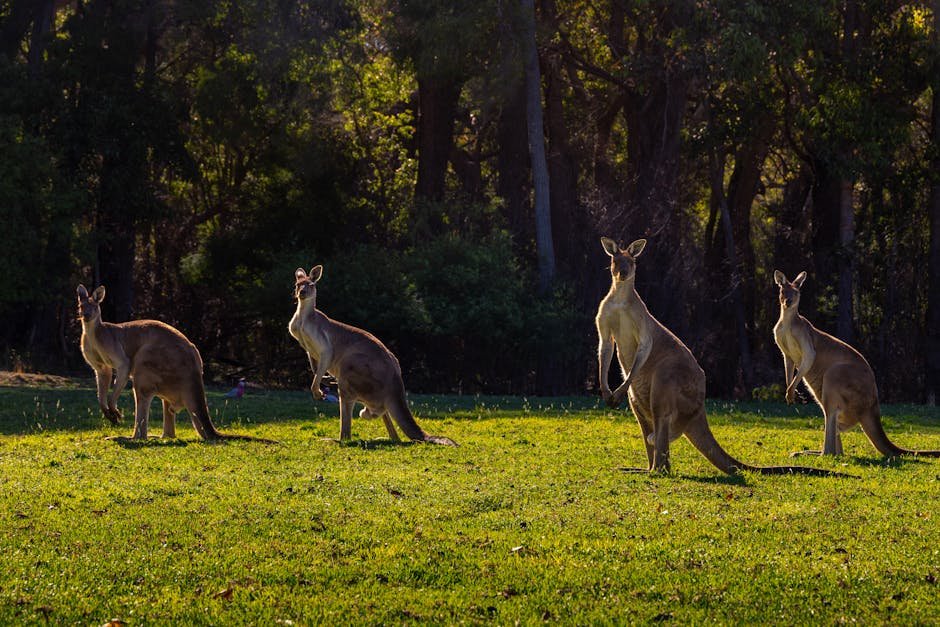
Kangaroos are social animals, often seen in groups known as mobs. As the environment changes, these social structures may become more important. Mobs provide protection and increase foraging efficiency, as individuals can share information about food and water sources. In times of scarcity, strong social bonds can enhance survival rates, as kangaroos collaborate to find and share resources. This social adaptability not only strengthens the group but also enhances the overall resilience of the species.
Environmental Indicators: Kangaroos as Climate Barometers
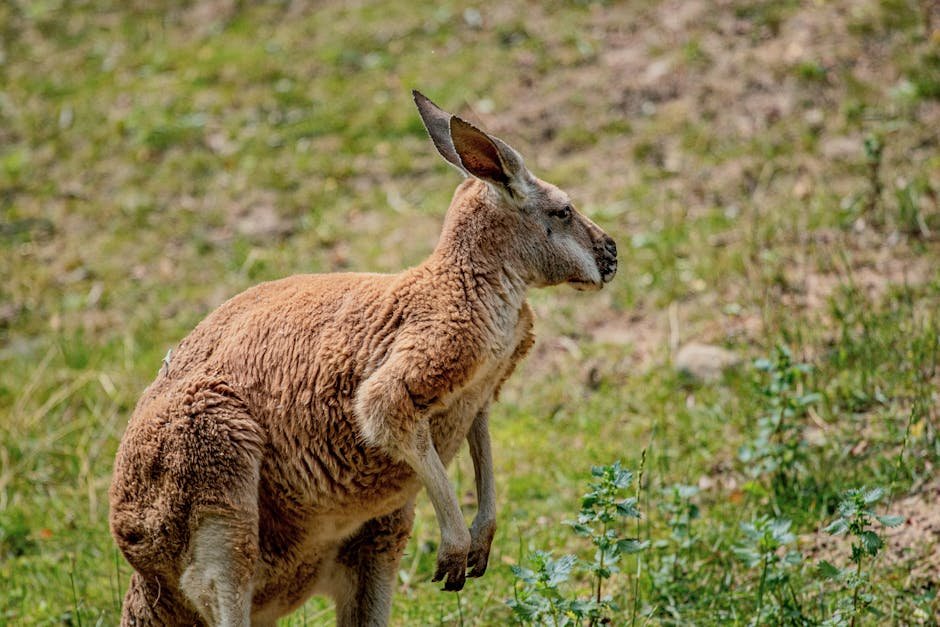
Kangaroos serve as important indicators of environmental health. Their responses to climate change can provide valuable insights into broader ecological shifts. By studying kangaroo populations, scientists can gain a better understanding of how ecosystems are adapting to changing conditions. This knowledge is crucial for conservation efforts, as it helps identify which areas and species are most vulnerable. Kangaroos, in their adaptability, act as living barometers, signaling the health of their environment.
Conservation Efforts: Protecting a National Icon
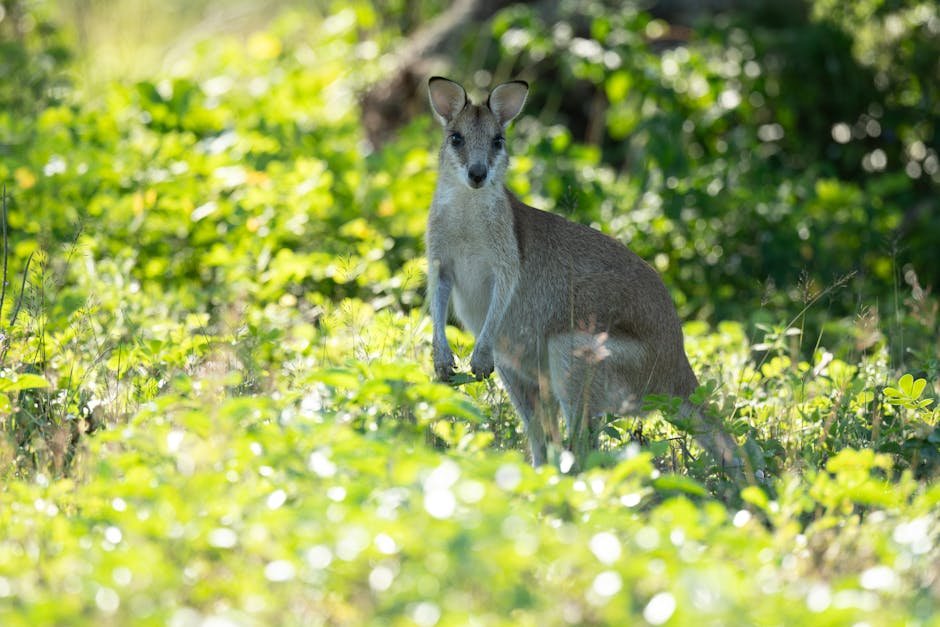
As kangaroos face the challenges of climate change, conservation efforts become increasingly vital. Protecting their habitats, ensuring sustainable land use, and mitigating climate change impacts are essential steps in preserving these iconic marsupials. Conservation initiatives focus on maintaining biodiversity, protecting natural habitats, and supporting research into kangaroo ecology. By prioritizing these efforts, we can help ensure that kangaroos continue to thrive in their natural environment, securing their place in Australia’s rich tapestry of wildlife.
Human Interaction: A Double-Edged Sword
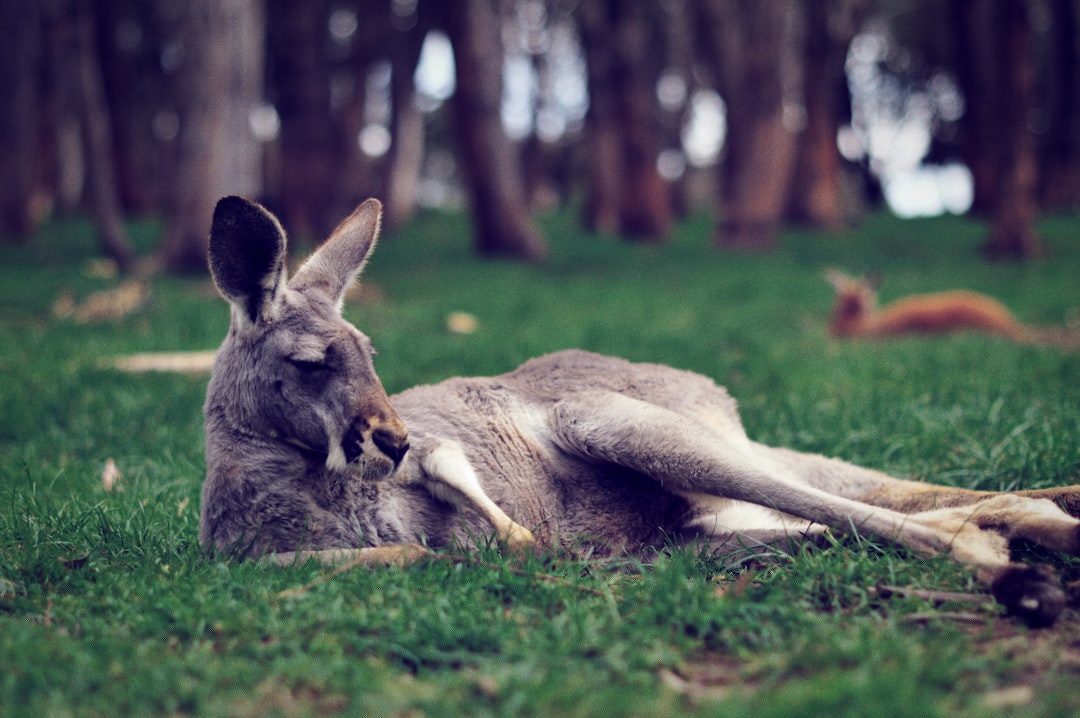
Human activities have both positive and negative impacts on kangaroo populations. Urban expansion, agriculture, and road networks can threaten their habitats, leading to conflict and population declines. However, humans also play a crucial role in conservation and research efforts. Education and awareness campaigns can foster coexistence and promote sustainable practices. By understanding the delicate balance between human activity and kangaroo survival, we can work towards solutions that benefit both wildlife and communities.
The Future of Kangaroos: A Tale of Resilience
The story of kangaroos and climate change is one of resilience and adaptation. As these marsupials navigate a rapidly changing world, they exemplify nature’s ability to evolve in the face of adversity. Their journey offers hope and inspiration, reminding us of the importance of preserving our natural world. By learning from kangaroos and supporting conservation efforts, we can contribute to a future where these iconic creatures continue to roam the landscapes they call home.