Somewhere right now, a crow is solving a puzzle with bits of wire, an octopus is deciding which shell to hide in, and a dog is waiting by the door long before its human’s car appears in the driveway. If you’ve ever looked into an animal’s eyes and felt, even for a second, that someone was looking back, not just something, you’ve touched the heart of one of the biggest questions in science and philosophy: are we really alone in being conscious?
For centuries, humans acted like the answer was obvious: yes, we’re special, everything else is just instinct and reflex. But over the last few decades, data from neuroscience, animal behavior, and evolutionary biology has quietly chipped away at that certainty. The story is far more complicated, and honestly, far more interesting. Let’s walk through what we actually know, where the evidence is strongest, and why this question is nowhere near as simple as “humans vs animals.”
The Big Question: What Do We Even Mean by “Consciousness”?
Before we ask whether other species are conscious, we have to wrestle with a brutal truth: we don’t even have a perfect definition of consciousness for ourselves. Most scientists and philosophers circle around something like “subjective experience” – the fact that there is a feeling of being you, an inner movie of sights, sounds, thoughts, and emotions. You don’t just process information; you feel something when you touch a hot stove or hear your favorite song.
The core problem is that consciousness is private. We can’t open a brain like a laptop and see the “screen” it’s experiencing. All we get are indirect clues: behavior, brain activity, communication. Because of that, arguments about animal consciousness often turn into arguments about where we’re willing to draw the line. If you demand language like humans have, almost no species qualify. If you focus on pain responses, suddenly a huge range of animals start to look uncomfortably similar to us.
Animal Brains: Smaller, Stranger… or Just “Less”?
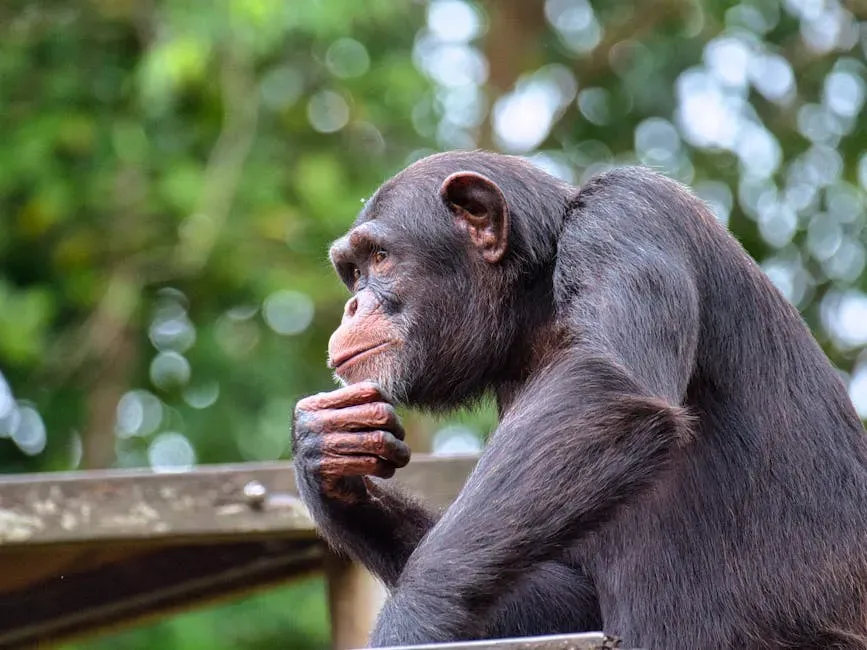
It’s tempting to think consciousness is all about brain size, and in one sense, bigger brains with more complex structures do tend to support more flexible behavior. Human brains have a massively developed cortex, especially areas tied to planning, language, and self-reflection. That gives us a kind of mental Swiss Army knife that can simulate futures, imagine alternatives, and build symbolic worlds like mathematics and law.
But when you zoom out, brain size alone doesn’t tell the whole story. Crows and ravens have brains much smaller than ours, yet their neuron density in key regions rivals or exceeds that of many primates. Octopuses have a totally different layout entirely, with large parts of their nervous system spread through their arms, yet they show problem-solving and apparent curiosity. So the real question becomes less “who has the biggest brain?” and more “what kinds of neural circuits and complexity are actually needed for some form of experience?”
Pain, Pleasure, and the Hard Problem of Animal Suffering
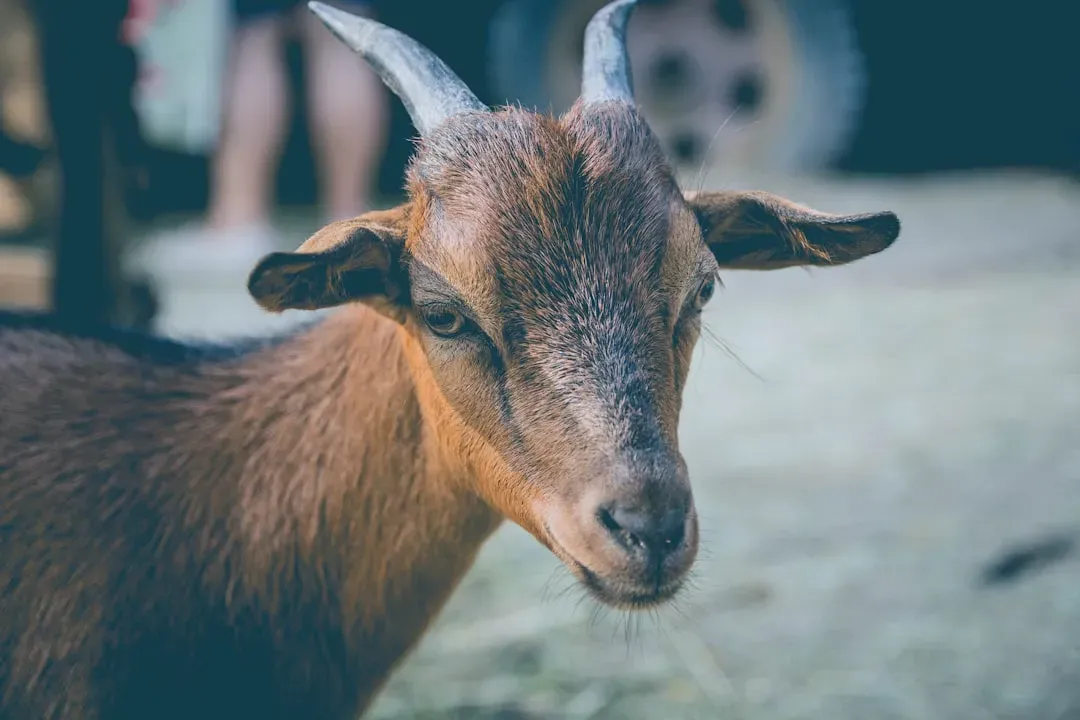
One of the most emotionally charged areas is pain. When a dog yelps, a fish thrashes on a hook, or a pig squeals in a slaughterhouse, are they just reacting like complicated machines? The vast majority of animal scientists don’t think so anymore. Many vertebrates share core pain pathways with us: similar nerve receptors, similar brain regions active during injury, and similar long-term behavior changes like avoidance, anxiety, or depression-like states.
Some people argue that without human-like self-awareness, these experiences “don’t really count,” but that’s a pretty brutal standard. A newborn human infant likely doesn’t think about pain the way an adult does, yet we still treat that pain as deeply morally important. If you accept that a dog can anticipate a vet visit with dread or relax with relief when pain meds kick in, you’re already admitting something like conscious feeling. It may not be human-level narrative suffering, but it does look like a real inner experience, not just a reflex.
Self-Awareness: The Mirror Test and Its Limits
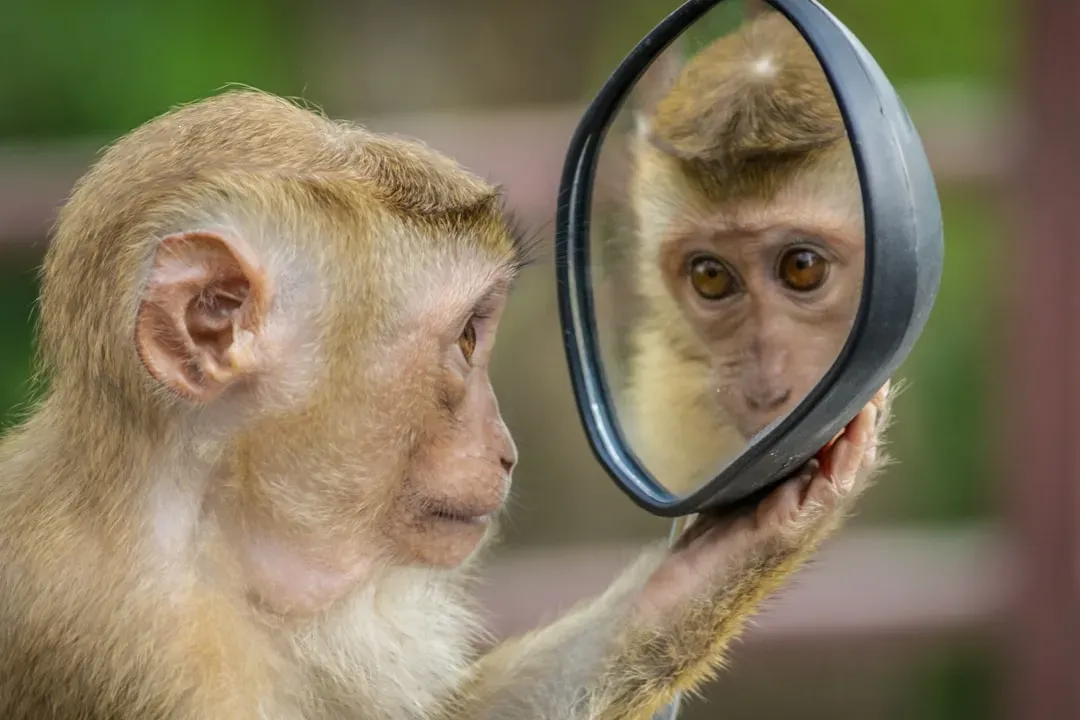
A famous line in the sand for consciousness is self-recognition: can an animal understand “that reflection is me”? The classic mirror test paints a mark on the animal in a place it can’t see directly. If the animal uses the mirror to investigate the mark on its own body, that’s taken as a sign of self-awareness. Great apes, dolphins, elephants, and some birds like magpies have passed versions of this test, which is astonishing when you remember how evolutionarily distant some of these species are from us.
But here’s where it gets tricky: failing the mirror test doesn’t mean an animal has no sense of self; it might just not care about mirrors, or rely more on smell or sound than vision. Dogs, for instance, often fail the visual mirror test but show interesting results with “smell versions” that suggest a sense of their own odor versus others. So the mirror test is useful, but it’s not the final verdict on whether a creature has any kind of inner “me.” It mainly tells us about a specific kind of visual self-representation that we humans happen to be obsessed with.
Language and Thought: Are Words Required to Be Aware?
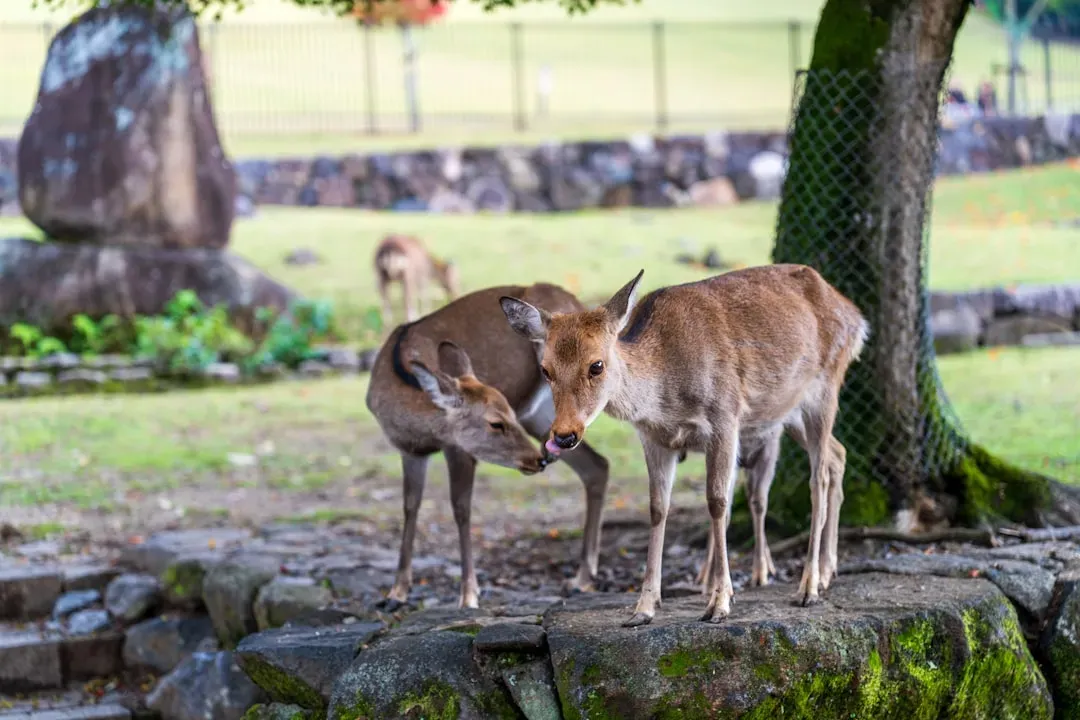
Humans are so wrapped in language that it’s hard for us to imagine rich thought without words. Some philosophers argue that without language you can’t have true reflective consciousness, because language lets you label your experiences, think about your thinking, and build complex stories about who you are. There’s probably some truth to the idea that language supercharges what consciousness can do. It gives us a way to pin down fuzzy feelings and share them with others in a precise, structured way.
But if you’ve ever had a powerful emotion you couldn’t quite put into words, you already know that experience is not the same thing as description. People who lose language due to brain injury can still feel pain, joy, fear, and awareness of their surroundings. Babies and toddlers clearly have vivid experiences before full speech. So insisting that animals must have human-style language to have any consciousness at all seems like moving the goalposts. More realistically, language is one way consciousness becomes more complex and self-reflective, not the switch that turns it on in the first place.
Social Minds: Empathy, Grief, and Animal Relationships
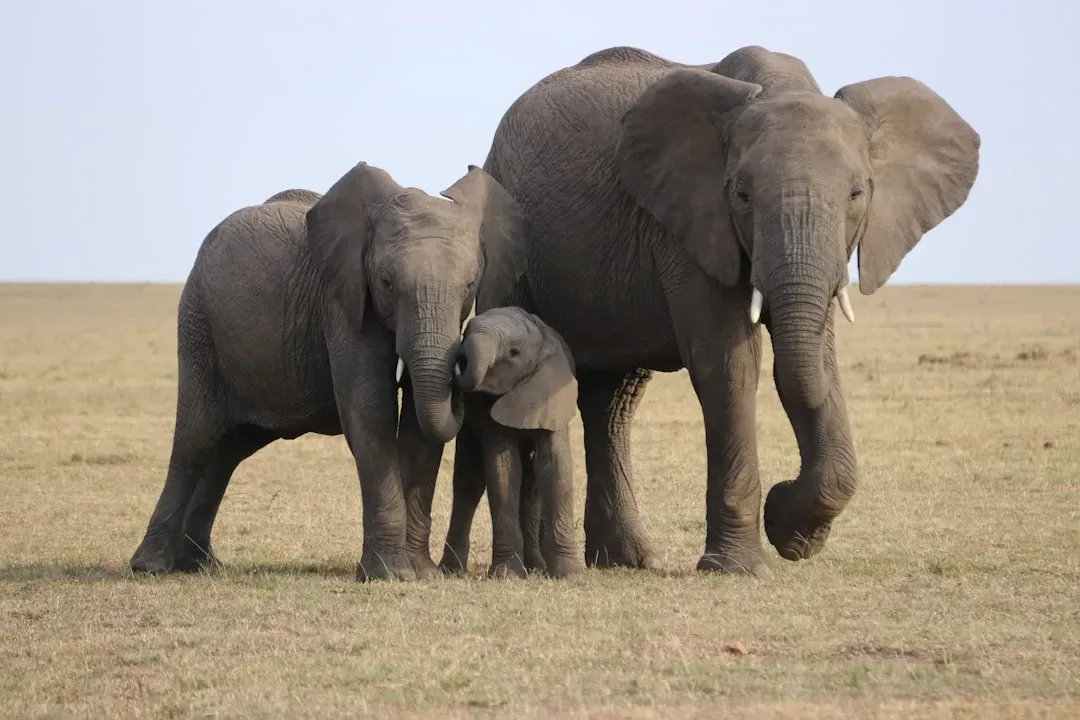
One of the strongest clues that other species have inner lives comes from social behavior. Many mammals and birds form long-term bonds, protect their young at great personal risk, and show distress when companions are injured or die. Elephants have been observed lingering around bones of dead herd members, touching and gently manipulating them in ways that look hauntingly like mourning. Some primates appear to comfort distressed group mates, and even rodents have shown behavior that looks a lot like empathy, such as freeing trapped cage-mates.
We do have to be careful not to project human emotions onto everything we see, but at some point the simpler explanation is that at least some of these animals feel something when others suffer or disappear. If your dog whines at your tears and presses against you, or a parrot grows listless when its companion dies, it’s hard to pretend there is no inner landscape there at all. Social animals live and die by understanding others; it would be surprising if evolution managed all that using only mindless reflexes.
Invertebrate Minds: Octopuses, Bees, and Consciousness in Strange Bodies
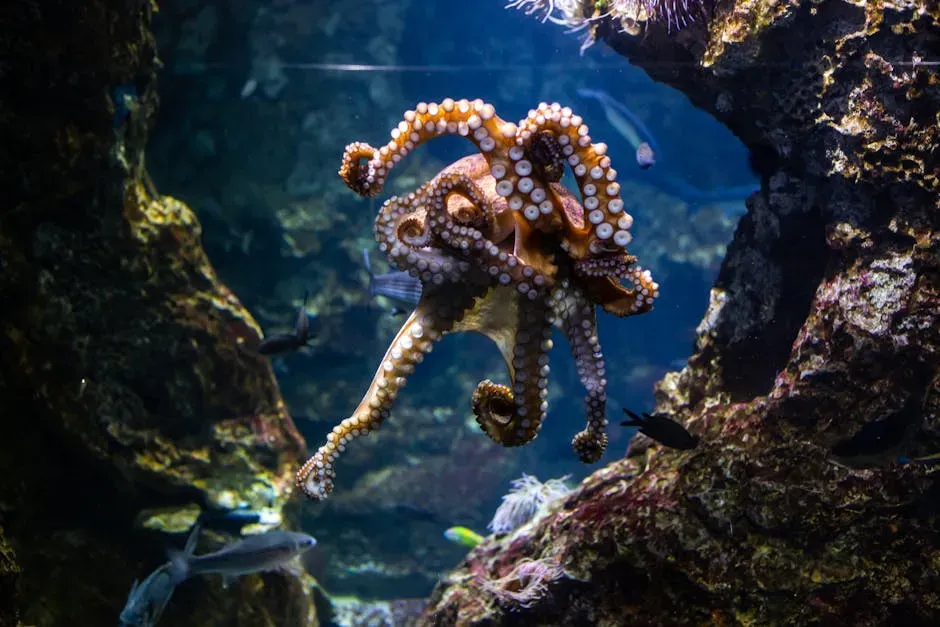
If you want to feel your human-centered assumptions crumble, spend time reading about octopuses. These animals solve puzzles, open jars, escape enclosures, and interact with humans in ways that look suspiciously like curiosity and even mischief. Their nervous systems are wildly different from ours, with significant processing power in their arms. Yet they still show sleep-like states, learning, and what looks like exploratory play. Many scientists now see octopuses as very strong candidates for some form of consciousness, even if it’s likely very alien to our own.
Even insects are starting to raise eyebrows. Bees can learn complex tasks, remember routes, and show patterns of behavior that look a bit like mood, including pessimism after stressful events. There is active debate about whether insect brains support anything like feeling, or if they are just high-speed information processors. But over the last decade, the trend has been a cautious shift toward considering that at least some invertebrates might have tiny, simple “sparks” of experience rather than being pure automatons. Consciousness may come in far more shapes and sizes than we ever expected.
The Human Edge: What Might Actually Be Unique About Us?

None of this means humans aren’t special. We clearly are, but probably not in the way the old story told it. Our uniqueness may lie less in having consciousness at all, and more in what our particular brand of consciousness can do. We build shared fictions like nations, money, religious systems, and legal codes that exist largely in our collective imagination, yet shape the physical world. We write novels that let us live inside someone else’s mind, or develop scientific theories that stretch imagination across billions of years and light-years.
Our ability to reflect on our own thinking, to tell long, coherent stories about ourselves, and to coordinate in huge groups based on those stories might be the real outlier. That doesn’t mean animals lack selfhood or thought; it means their selfhood and thought may be more immediate, less tangled in abstract narratives. In a way, you could say many animals are deeply present in the moment, while humans are constantly haunted by the past and pulled toward imagined futures. Whether that’s a gift or a curse probably depends on the day.
Ethics and Responsibility: If Animals Are Conscious, What Then?
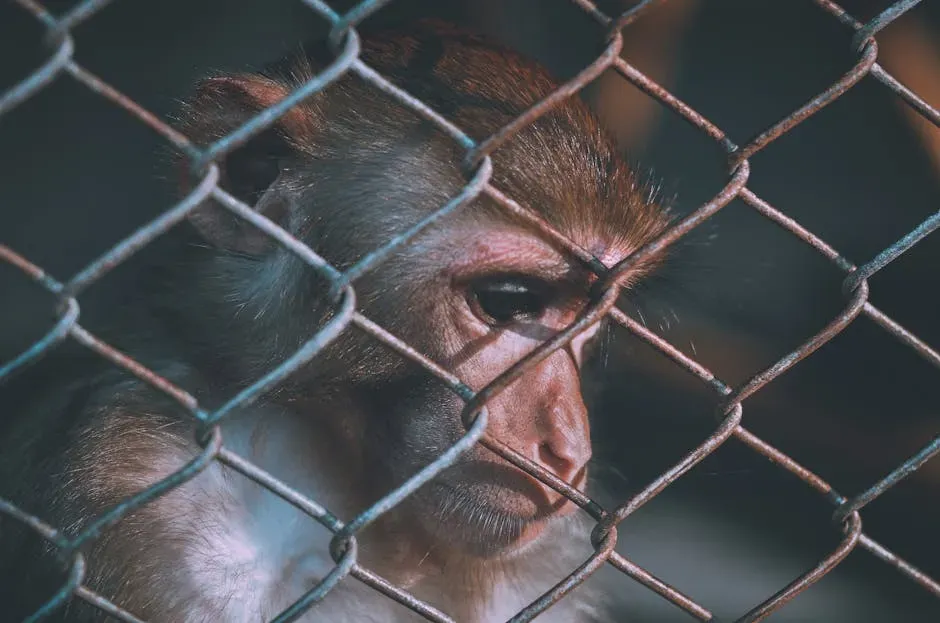
Once you take seriously the idea that many animals have some form of conscious experience, it stops being a purely academic conversation. Our entire relationship with the living world starts to look morally loaded. Factory farming, animal testing, entertainment industries, and even pet ownership all raise harder questions. If pigs can feel boredom and fear, or if fish can experience pain in a meaningful way, then how we treat them isn’t just a matter of efficiency or taste. It becomes a matter of justice and compassion.
Many countries have begun updating their laws to reflect this, recognizing certain animals as sentient beings rather than mere property. That shift is slow and uneven, but it shows how science about consciousness seeps into the real world. Personally, the more I’ve learned, the harder it is to shrug off the idea that our choices echo in other minds besides our own. You don’t have to stop eating meat or keeping pets to feel that weight; you just have to admit that we’re not surrounded by objects, but by other experiences.
The Open Mystery: What We Still Don’t Know
For all the progress, there’s still a huge, humbling gap in our understanding. We don’t yet have a fully accepted theory that explains how brain activity, of any kind, turns into the feeling of being someone rather than something. Different scientific theories compete: some focus on information integration, others on global broadcasting within the brain, others on particular kinds of feedback loops. Each has strengths, but none has closed the case. As long as we can’t fully explain our own consciousness, every claim about exactly where it begins and ends in other species has to stay a bit tentative.
What we do have is a mounting pile of behavioral and neurological evidence that pushes in one direction: consciousness is probably not an all-or-nothing switch that flips on only in humans. It looks more like a spectrum, shaped by evolution, brain structure, and life history. On that spectrum, humans probably sit at one extreme, with unusually rich, self-reflective inner lives. But we are almost certainly not alone in having an inner world at all. In the end, the question might not be “Are humans truly unique?” but “How many different ways has the universe found to wake up inside its own creations?”