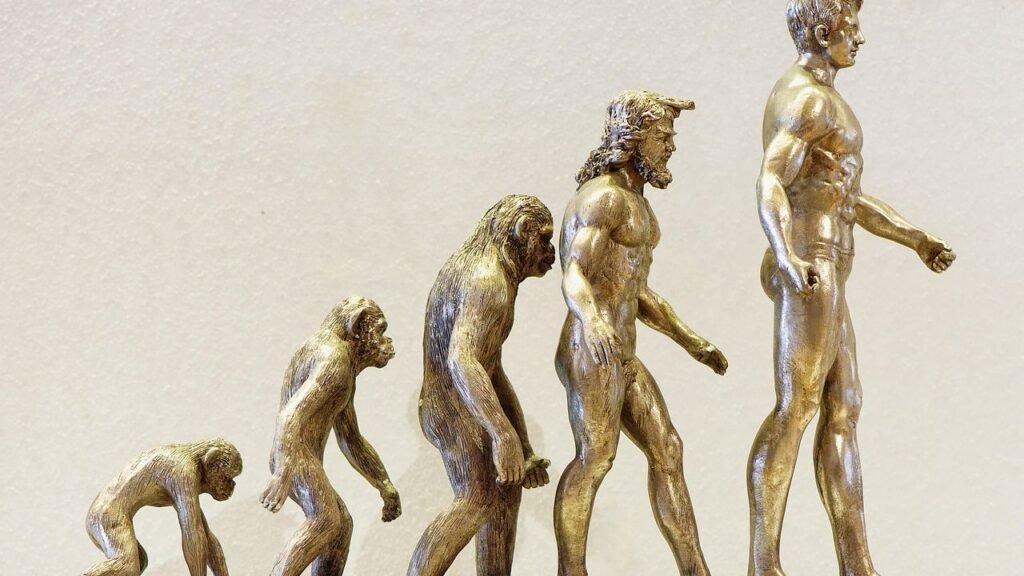

If you grew up with the idea that human evolution is something that happened “long ago,” you’re not alone. A lot of people picture evolution as a dusty museum exhibit: fossils, stone tools, and a vague sense that we “finished” turning into modern humans ages back. But that comforting story is wrong. Evolution never pressed pause on us.
Right now, as you read this, your genes are part of an ongoing experiment shaped by food, cities, climate, disease, and even the people you choose to date. Anthropologists and geneticists have spent the past two decades digging into our DNA and our bones, and what they’re finding is both surprising and strangely personal. Human evolution isn’t a closed chapter – it’s something we’re all helping write, whether we realize it or not.
How Evolution Really Works Today
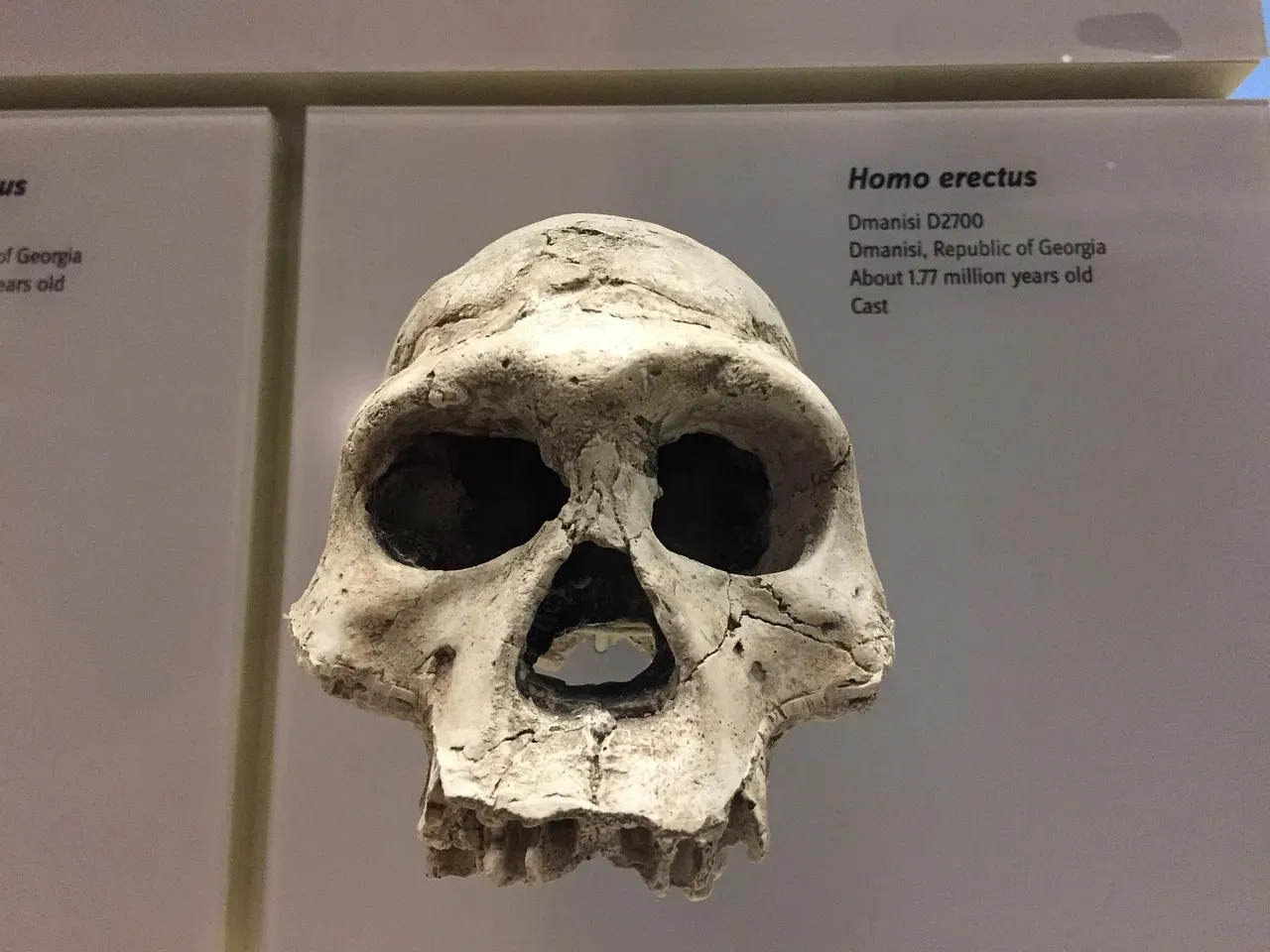
It’s tempting to assume that modern medicine and technology have “stopped” evolution, but that’s not how natural selection works. Evolution is simply gene frequencies changing over generations, driven by who survives, who reproduces, and under what conditions. Those conditions have not disappeared; they’ve just shifted from lions and famine to pollution, stress, pandemics, and digital lifestyles.
Think of it like this: a few centuries ago, surviving childhood infections was a big evolutionary filter; today, it might be things like heart disease in middle age, fertility patterns, or even mental health. We’ve changed the game, but not the rules. Some researchers argue the rate of genetic change in the past few thousand years is actually faster than in much of our earlier history, because human populations exploded and created more opportunities for new mutations and selection to act on them.
Recent DNA Evidence That Humans Are Still Changing
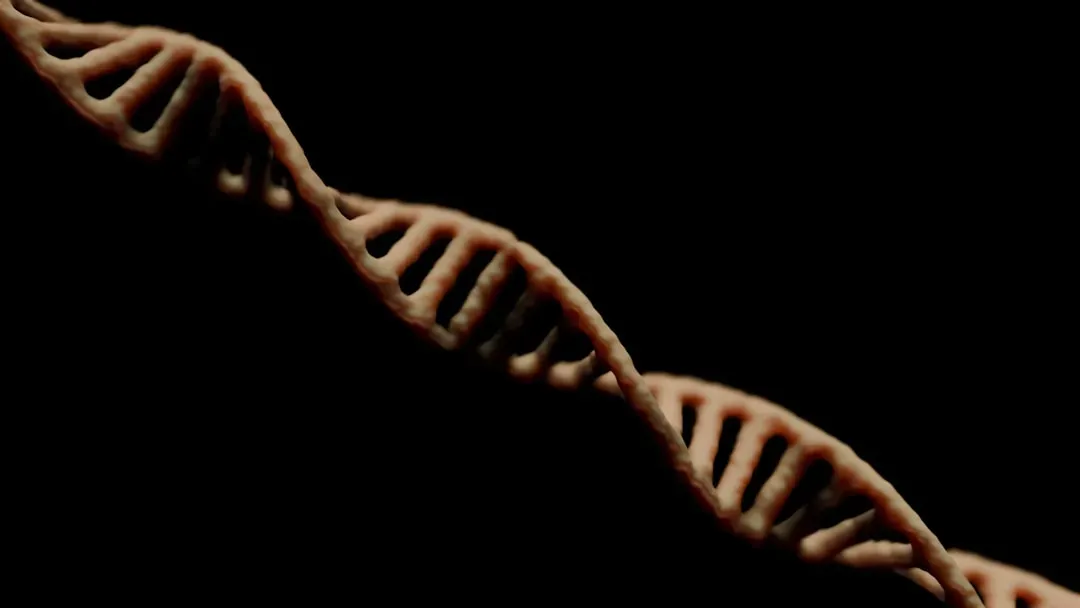
Genomics has been the real game-changer. Once scientists could compare thousands of human genomes from around the world, patterns started jumping out – regions of DNA that show signs of recent, strong natural selection. These patterns are like fingerprints of evolution that happened not millions of years ago, but sometimes within the past few hundred generations.
Examples include genes related to diet, immunity, and even brain function that differ in frequency depending on local environments and histories. When researchers compare ancient DNA from skeletons with DNA from living people, they can sometimes see a clear shift in certain genes over just a couple of thousand years. It’s similar to watching a “before and after” time-lapse of evolution, except the subject is us.
Evolution in the Age of Food: Diet, Lactose, and Starch

One of the clearest modern examples of evolution is how our bodies handle food. The ability to digest lactose, the sugar in milk, into adulthood is a textbook case. For most of human history, adults lost the ability to digest milk after weaning. But in populations that domesticated cattle and relied heavily on milk, genetic variants that kept the lactase enzyme active into adulthood spread rapidly.
In some regions of Europe and parts of Africa, this trait became common in just a few thousand years – a blink in evolutionary time. There are similar stories with genes involved in digesting starch, which appear more often in farming populations that relied on grains or root crops. Our food environments changed drastically, and our genes raced to keep up, with different solutions emerging in different places.
High-Altitude Superpowers: Adapting to Thin Air

If you’ve ever struggled to catch your breath on a mountain hike, you’ve had a tiny glimpse of what high-altitude environments do to the body. People who have lived for many generations at extreme altitudes, like Tibetans, certain Andean groups, and Ethiopian highlanders, show genetic adaptations that help them thrive where oxygen is scarce. These aren’t just about “being used to it”; they are biological differences written into their DNA.
For example, some high-altitude populations have gene variants that affect how red blood cells and hemoglobin respond to low oxygen, preventing the dangerous thickening of blood that lowlanders often experience. What’s striking is how fast these changes likely occurred – over a timescale of a few thousand years, which is incredibly rapid for evolution. It’s as if the environment pushed so hard that only those with certain genetic setups could truly flourish and raise families there.
Modern Diseases, Immunity, and the Legacy of Past Plagues
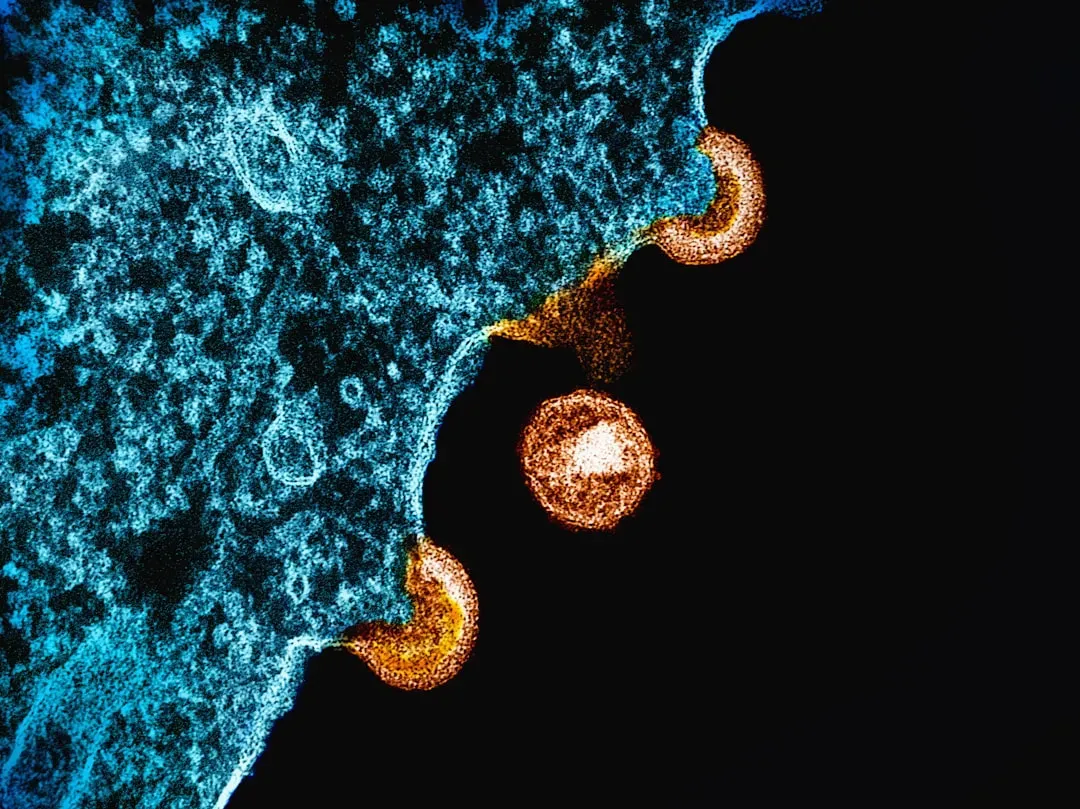
Our immune systems are evolutionary battlegrounds. Pathogens like viruses, bacteria, and parasites have been shaping human genes for as long as we’ve existed. Some of the most heavily selected genes in our genome are involved in immune responses, and many of those changes are recent enough to still leave strong signatures. Past epidemics did not just scar societies; they shaped who survived to pass on their genes.
There’s evidence that certain genetic variants offering resistance to particular infections became more common in populations hit hard by specific diseases. But there’s a catch: traits that once helped fight infections may now increase susceptibility to autoimmune diseases or inflammatory conditions in modern environments. It’s as if our immune system, tuned for a battlefield full of deadly pathogens, is now firing at the wrong targets in cleaner, more controlled surroundings.
Brains, Behavior, and the Social Side of Evolution
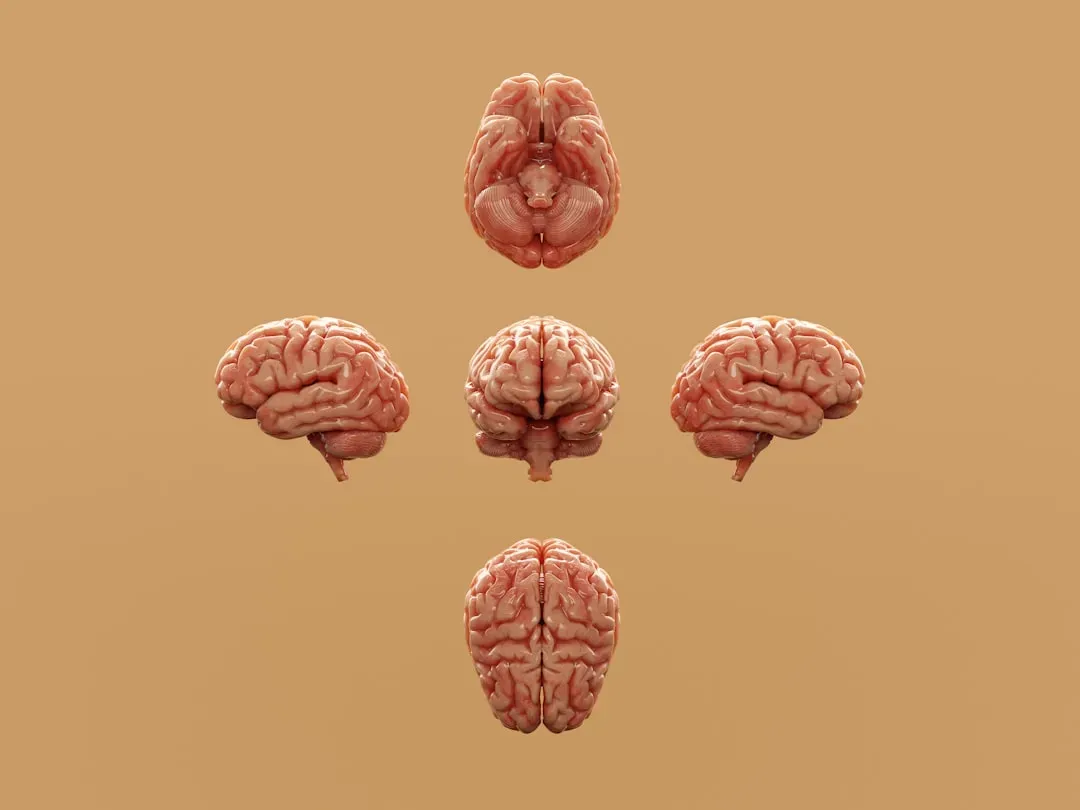
Talking about evolution and the human brain is tricky territory, and responsible scientists are careful not to make wild claims. That said, there’s growing interest in how social structures, culture, and environment might subtly steer which psychological traits become more common over time. We’re not talking about a “smart gene” or simple cause-and-effect, but a complex web of influences where behavior, culture, and biology interact.
For instance, changes in social norms around family size, marriage, education, and mobility all feed into who has children and when. Those patterns might, over many generations, nudge the frequencies of certain temperament traits, cognitive styles, or even risk preferences. It’s a slow, messy, deeply entangled process, but it underlines a powerful idea: culture does not replace evolution; it often becomes the environment in which evolution happens.
Technology, Medicine, and How We’re Steering Our Own Evolution
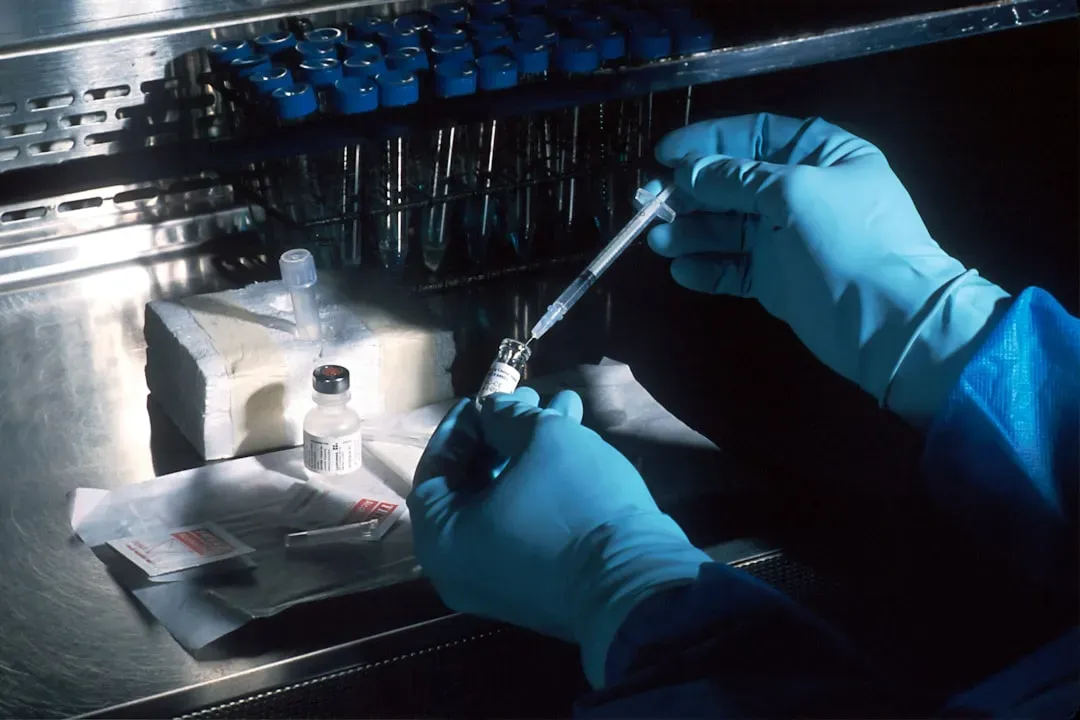
Here’s where things get really uncomfortable and fascinating: humans are starting to consciously tweak the very process that shaped us. Modern medicine changes survival odds for conditions that once would have been deadly young. Reproductive technologies, from IVF to genetic screening for specific conditions, influence which genes are more or less likely to be passed on. We’ve gone from passengers on evolution’s train to, at least partly, engineers of the track.
At the same time, everyday technologies are reshaping the environments our genes have to work in – constant screen exposure, artificial light, sedentary lifestyles, processed foods, and global travel. These aren’t just “lifestyle choices”; they are selection pressures, whether we like it or not. Some scientists even argue that the biggest driver of our future evolution will be our own decisions about what kinds of lives we build and which technologies we embrace or reject.
What Comes Next for Human Evolution?
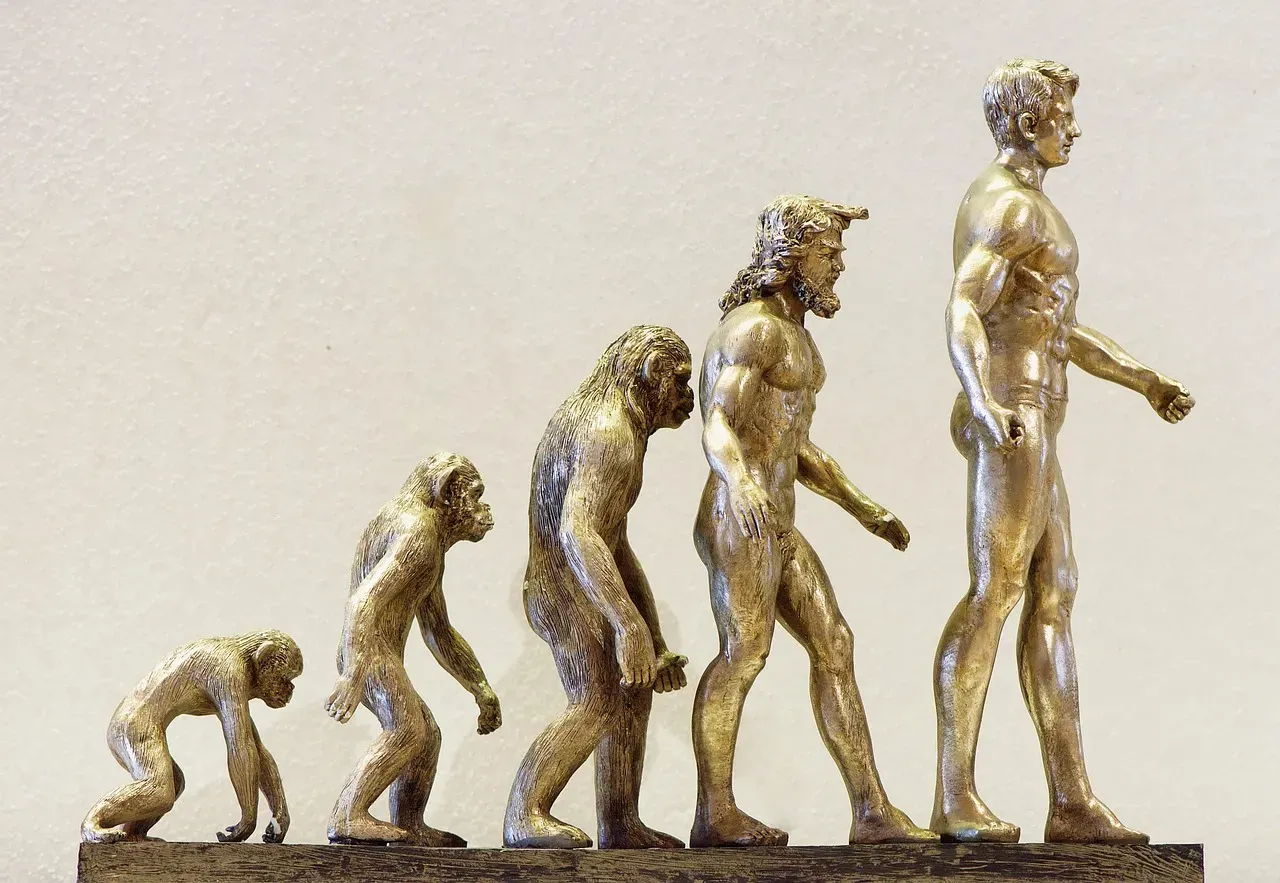
When people ask whether humans are still evolving, they’re often really asking a deeper question: where is this all heading? The honest answer is that evolution doesn’t have a goal or final form; it just responds to whatever environment and pressures exist at the time. That environment now includes climate change, shifting disease patterns, demographic changes, and rapidly advancing biotech, all interacting in ways we can’t fully predict.
Some researchers think genetic change will continue mostly in subtle ways, spread out over huge populations and many generations. Others suspect we’re on the edge of a new era where deliberate genetic modification, gene therapies, and reproductive choices will push human evolution into a more directed, and ethically complex, phase. Either way, the story is still being written, and every generation is a new paragraph. If you had to guess, what kind of humans do you think the future will bring?