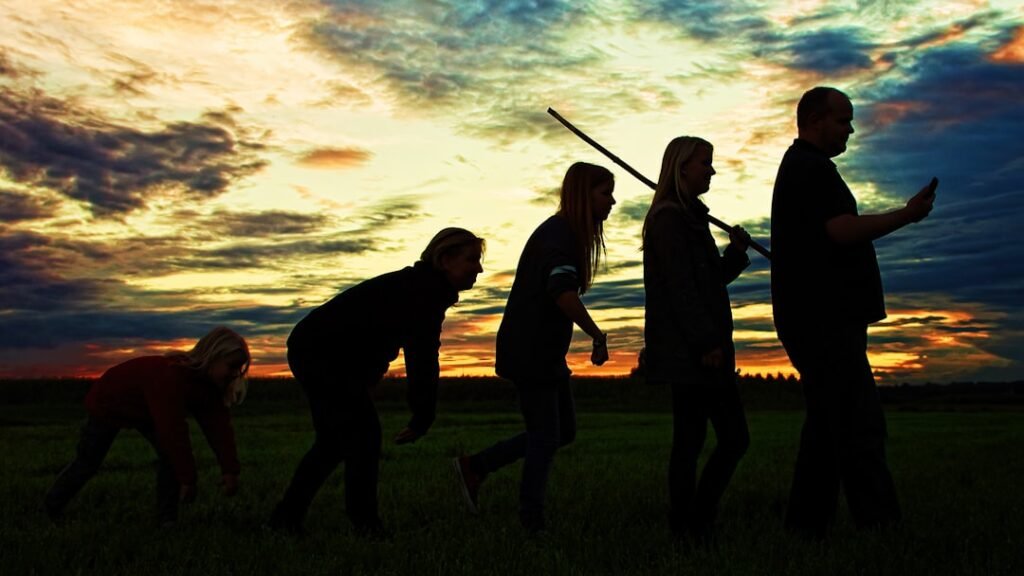

Most people imagine evolution as a slow, ancient process, something that happened to creatures roaming prehistoric landscapes millions of years ago. You picture woolly mammoths, early hominids, and dramatic geological shifts. But what if evolution is happening right now, in your own body, in ways that science is only just beginning to understand? That idea might feel unsettling, or maybe thrilling. Either way, it changes everything you thought you knew.
The truth is, our bodies are not frozen in time. Recent scientific studies suggest that humans are still evolving at a surprisingly rapid pace, from the gradual disappearance of wisdom teeth to structural changes in our skeletons. The science of human evolution has exploded in recent years, with discoveries so strange and fascinating that even researchers are left shaking their heads. Let’s dive in.
The Big Question: Has Evolution Actually Stopped for Humans?
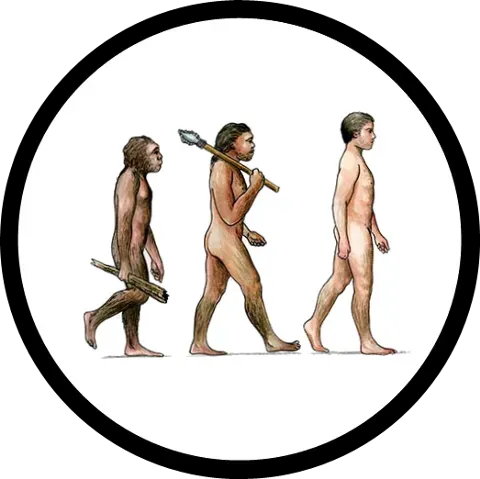
For years, a popular idea circulated in both academic circles and casual conversation: that human evolution had essentially stalled. Reports in the media and the popular writings of academics commonly claimed that evolution was no longer relevant to humans, and that, as a species, we now depend on culture and technology for survival rather than the random mechanisms of variation and selection. It’s a seductive argument, honestly. We have hospitals, vaccines, and central heating. Why would nature still need to tinker with us?
Here’s the thing, though. That argument falls apart pretty quickly when you look at the evidence. Yes, humans are still evolving today, and genetic science shows this in action. There are several good reasons to believe that our species has not stopped evolving biologically and will face natural selective pressures in the future. The forces at work are subtler than they once were, but they are absolutely real. Evolution has simply changed its clothes, not gone home.
Your DNA Is More Complex and Ancient Than You Think
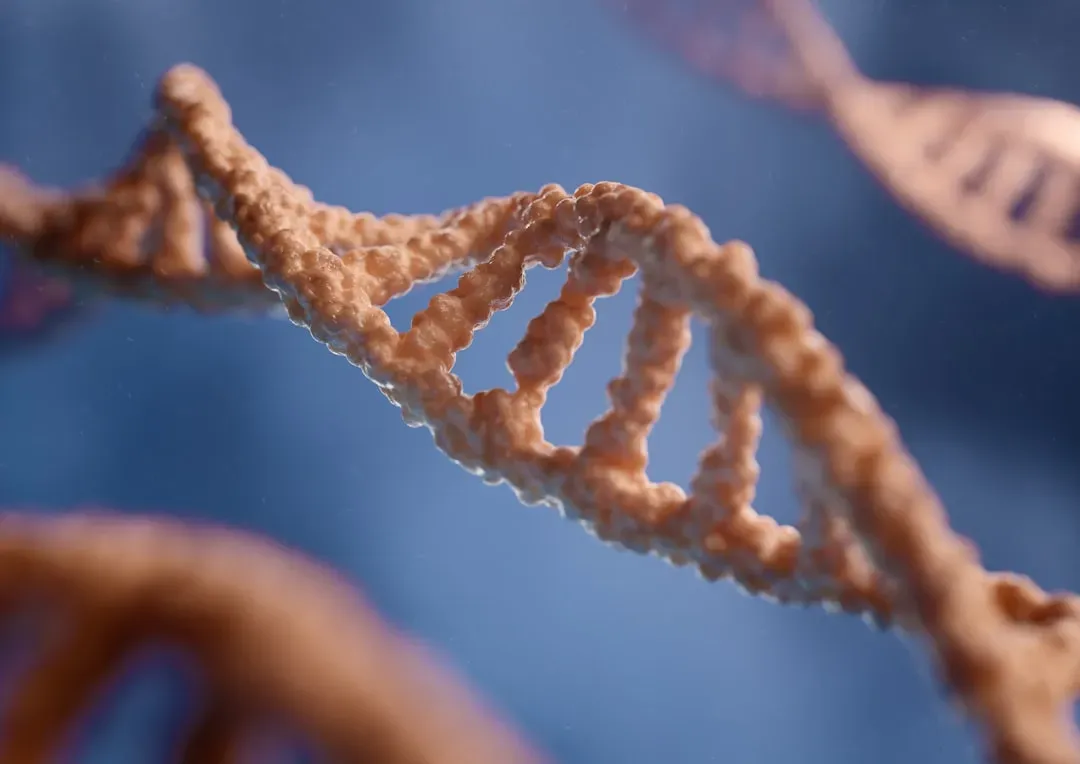
One of the most jaw-dropping findings of recent years is just how tangled and layered your genetic ancestry truly is. Research shows clear signs that our evolutionary origins are more complex, involving different groups that developed separately for more than a million years, then came back together to form the modern human species. Think of it less like a straight staircase and more like a dense, twisted jungle vine. These discoveries paint a vivid picture of a “bushy tree” of evolution where multiple human species coexisted, interbred, and ultimately contributed to the rich genetic tapestry that defines us today.
Our evolutionary origins are more complex, involving different groups that developed separately for more than a million years. Meanwhile, earlier research had already shown that Neanderthals and Denisovans interbred with Homo sapiens around 50,000 years ago. Yet this newer research suggests that long before those interactions, around 300,000 years ago, a much more substantial genetic mixing took place. So when you look at yourself in the mirror, you are actually gazing at the product of several ancient human experiments, all merged into one. That is genuinely extraordinary.
The Ancient Genes Still Running in Your Body Today
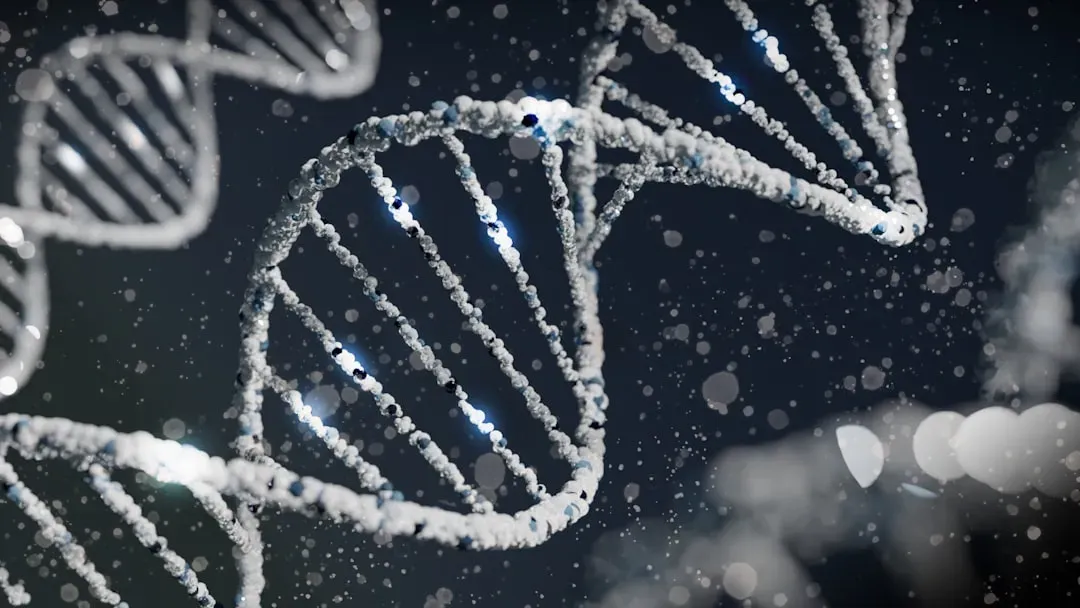
Here is something that I think gets far too little attention in everyday conversation. You may carry actual Denisovan DNA right now, passed down through tens of thousands of years of interbreeding, and it could be actively helping you survive. Multiple interbreeding events with distinct Denisovan populations helped shape traits like high-altitude survival in Tibetans, cold-weather adaptation in Inuits, and enhanced immunity. This is not a footnote in a textbook. This is living biology, operating in real people today.
A notable example is the EPAS1 gene. Inherited from Denisovans, it helps regulate the body’s response to low oxygen levels, giving Tibetans a physiological advantage in the high altitudes of the Tibetan plateau. In looking at a protein-coding gene called MUC19, scientists discovered that roughly one in three Mexicans alive today has a version of the gene similar to Denisovans’, and that it likely “hitched a ride” from Neanderthals. Essentially, Neanderthals got the gene from mating with Denisovans and then passed it along when they mated with humans. This is the first time scientists have found a Denisovan gene in humans that came via Neanderthals. It is a kind of genetic relay race stretching across deep time, and you might be holding the baton.
Disappearing Wisdom Teeth: Evolution Happening Right Before Your Eyes
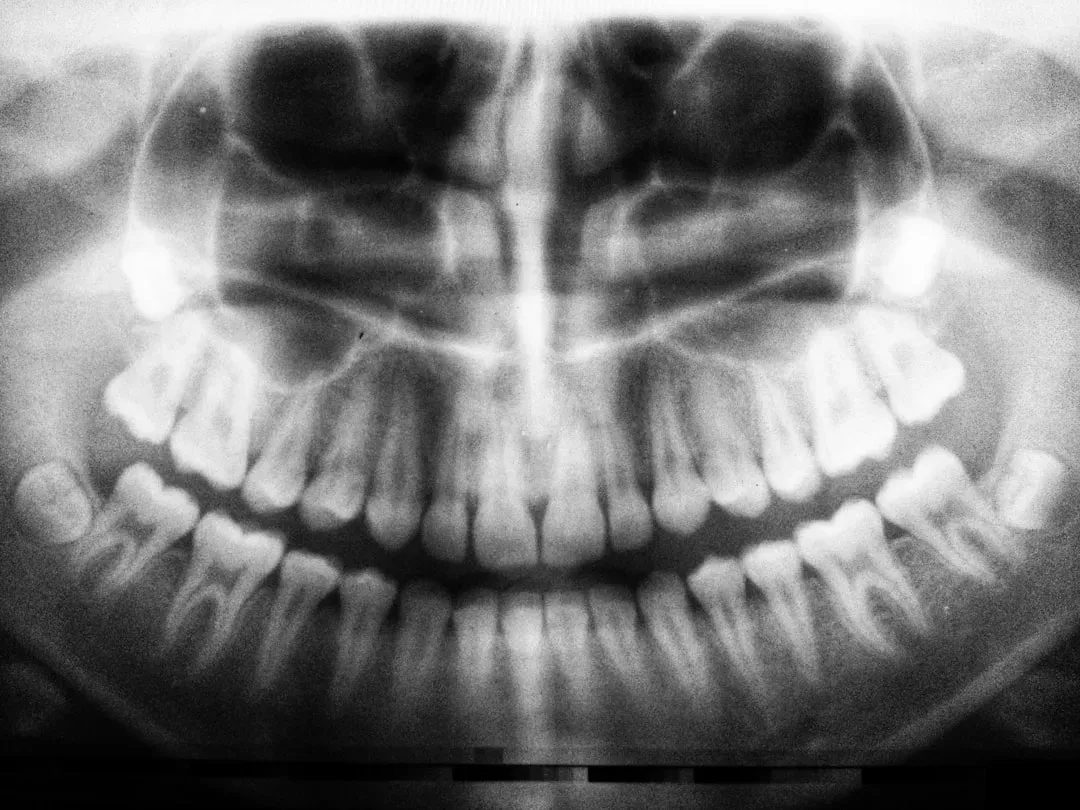
If you want a visible, tangible example of human evolution in real time, look no further than wisdom teeth. Or rather, look at the growing number of people who simply do not have them anymore. Wisdom teeth, or third molars, were once essential for survival. Early humans had larger jaws to accommodate an extra set of molars needed to chew coarse, raw foods like roots, nuts, and leaves. However, as humans began cooking food and processing it for easier consumption, the need for these extra teeth diminished.
Studies suggest that more babies are being born without wisdom teeth altogether. This indicates a genetic shift, with natural selection favoring individuals who do not have the complications associated with wisdom teeth. Genetic research indicates that the genes responsible for wisdom teeth development are becoming less dominant in some populations, suggesting that over many more generations, wisdom teeth might become increasingly rare or even disappear entirely from human anatomy. It sounds almost too simple to be true. Yet your jaw is literally shrinking, generation by generation, and your dentist is quietly witnessing evolution unfold on the X-ray screen.
Culture Is Reshaping Evolution Faster Than Nature Can

Let’s be real for a moment. Something genuinely strange is happening to the relationship between human culture and human biology. According to multiple teams of scientists, human culture, including technology, medicine, and our remarkable collaborative problem-solving skills, may now be shaping human evolution more than environmental pressures and the limitations of our bodies. This is because the solutions we invent to make our lives easier, from central heating to contact lenses, can solve biological challenges far faster than evolution can, reducing the pressure for genetic adaptation.
In ages past, mothers may have died in childbirth in cases where the baby was too large for the birth canal. Now, cesarean sections allow such mothers to survive and perhaps even go on to have additional large babies in future. There are now cures for diseases such as plague, but the pandemic that ravaged 14th-century Europe left a mark still discernible on the genomes of descendants of survivors. If technology continues to shield humans from natural selection, it may also alter how evolution operates over the long term. According to a paper published in June 2025, humans have been so successful at reducing external selection pressures that we may have weakened our own evolutionary trajectory. That is a thought that should stop you in your tracks.
Your Skeleton Is Changing in Ways You Would Never Expect
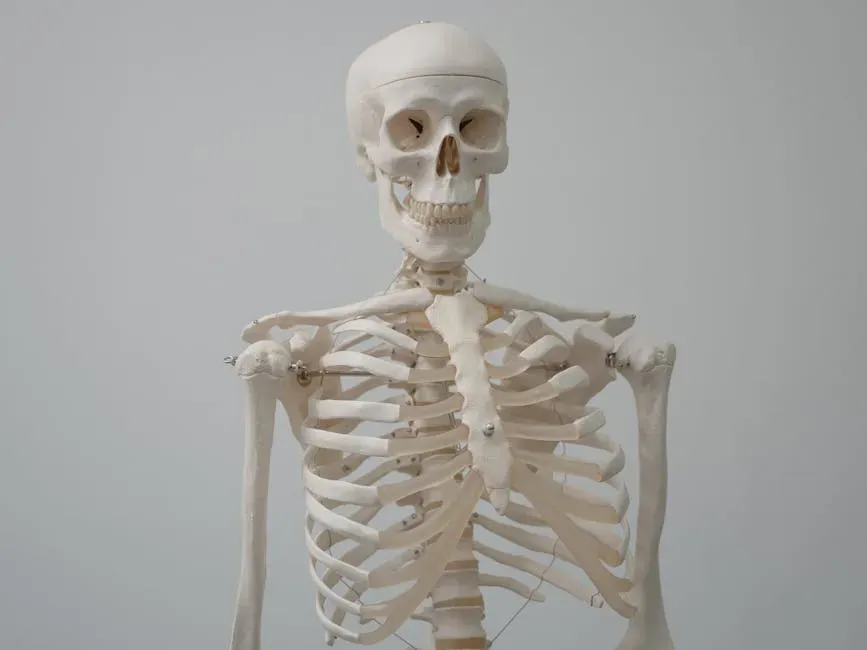
Evolution does not only operate through genes. Your skeleton itself carries a running record of how modern life is reshaping the human body. In recent years, a spike-like growth at the base of the skull, known as the external occipital protuberance, has emerged in many individuals. It is thought this latest change in skeletal structure is due to the increased use of modern smartphones and tablets. Yes, you read that correctly. Spending hours looking down at your phone may be physically altering the bones in your skull. It sounds crazy, but the evidence is there.
The genes allowing adults to break down lactose only emerged about 7,500 years ago in Hungary, where the ability to consume high energy dairy products offered an advantage for surviving cold winters. In places like East Africa, this change occurred even later, as recently as 3,000 years ago, as cattle farming became more integral to the population’s lives. Human jaws and teeth have been shrinking in proportion with the decrease in body size over the last 30,000 years as a result of new diets and technology. There are many individuals today who do not have enough space in their mouths for their third molars due to reduced jaw sizes. Your body is not a fixed design. It is more like a living blueprint that keeps getting revised.
The Genetic Revolution That Is Rewriting Human History
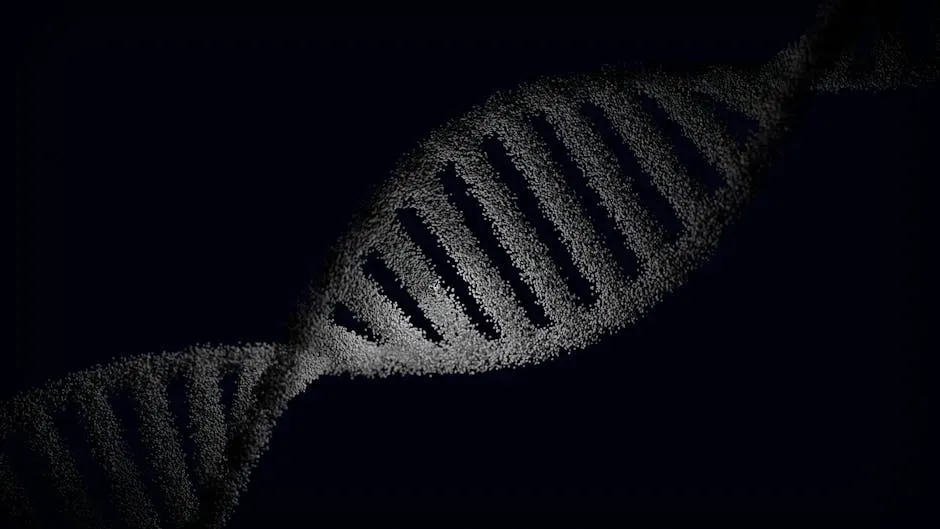
Perhaps the most thrilling development in evolutionary science right now is what modern genetic technology is revealing about us. In previewing findings from a major study, researcher David Reich described striking shifts in genetic variants over the past 10 millennia: many hundreds of places in the genome where there have been very strong changes in frequency over time, with many thousands more leaving detectable traces. According to his description, “The whole genome is seething with these changes in this period.”
Early farming populations underwent strong selection to abandon the “thrifty genes” that promote body-fat storage. These gene variants had been advantageous for hunter-gatherers who endured times of scarcity, but they became liabilities in the more abundant age of agriculture. Recent DNA studies confirm that genetic traits have changed or adapted to new environments during this time. In fact, the rate of change of DNA, and thus the rate of evolution, has actually accelerated in the last 40,000 years. Not slowed down. Accelerated. That fact alone deserves a moment of quiet amazement.
Conclusion: You Are the Latest Draft of an Unfinished Story
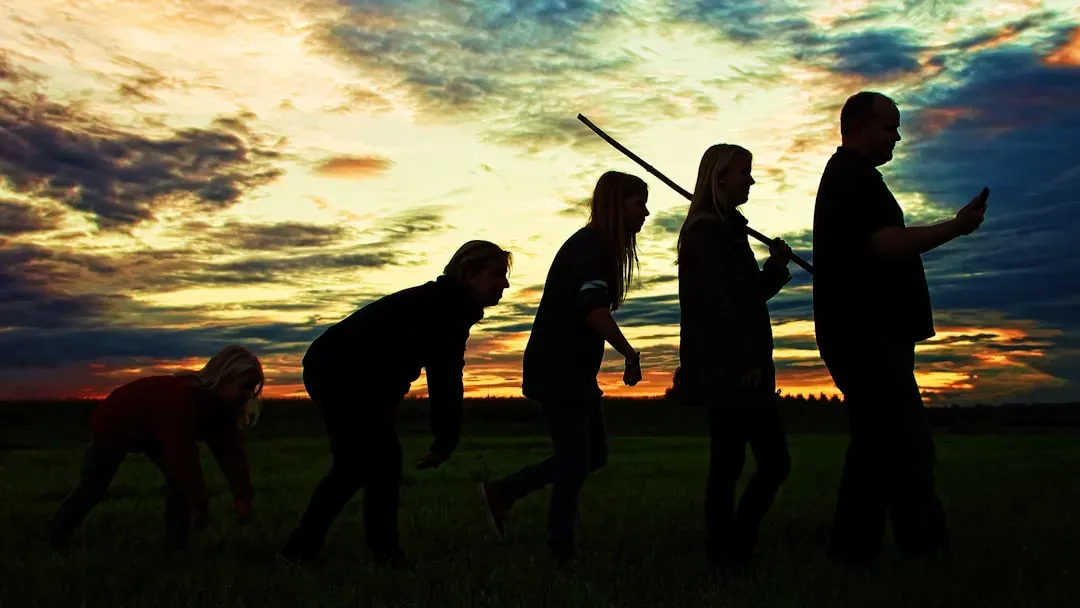
So, are humans still evolving? Absolutely and unmistakably, yes. The evidence is in your shrinking jaw, your genes borrowed from ancient relatives you never knew existed, and the quiet but relentless march of natural selection reshaping populations in every corner of the world. Evolution is not something that happened to us. It is something that is happening to us, right now, in ways both visible and invisible.
What makes this era so remarkable is that science finally has the tools to see it all clearly. The recent years have delivered extraordinary revelations about our ancient past, fundamentally reshaping our understanding of human evolution and challenging long-held assumptions about how modern humans emerged. From revolutionary fossil discoveries spanning multiple continents to groundbreaking genetic studies revealing hidden chapters in our ancestry, these findings demonstrate that the story of humanity is far more complex than the simple linear progression scientists once envisioned. You are not the endpoint of evolution. You are the current chapter in a story that is still very much being written.
What part of your own body do you think might look completely different in 10,000 years? Tell us in the comments below.