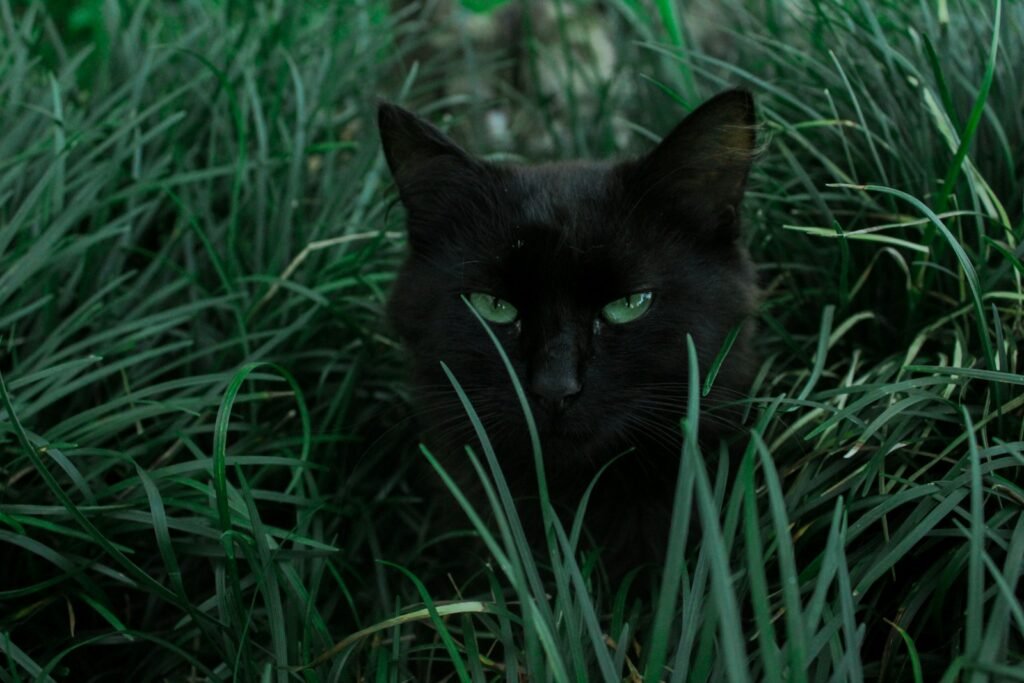

Picture this: you’re working from home, stressed about deadlines, when your cat strolls into the room, yawns dramatically, and proceeds to knock your coffee mug off the desk. Then it has the audacity to stare at you like you’re the one who messed up. Welcome to life with nature’s most successful con artists – domestic cats. But here’s the kicker: what if I told you that this seemingly lazy, entitled behavior is actually one of the most brilliant evolutionary strategies ever executed?
The Great Domestication Deception

While humans like to think they domesticated cats around 9,000 years ago, the truth is far more shocking. Cats essentially domesticated themselves, choosing to live alongside humans not out of loyalty or affection, but because we provided the perfect setup for their ultimate freeloading lifestyle. Unlike dogs, who were actively bred and trained by humans for specific tasks, cats simply showed up at our grain stores, ate the mice, and decided to stick around. They turned our agricultural revolution into their personal buffet service, and we were none the wiser. It’s like having a roommate who never pays rent but occasionally takes out the trash – except the trash is rodents, and somehow we’re grateful for it. The most mind-blowing part? We still think we’re in charge of this relationship.
Masters of Energy Conservation

Cats sleep an average of 12-16 hours per day, making them look like the ultimate couch potatoes of the animal kingdom. But this isn’t laziness – it’s pure evolutionary genius. By conserving energy through extensive rest periods, cats maintain their explosive hunting capabilities while minimizing caloric expenditure. Think of it like having a sports car that only burns fuel when you actually need to go fast. Wild cats hunt in short, intense bursts that require tremendous energy, so all that lounging around is actually strategic preparation. Domestic cats have perfected this system even further by convincing humans to provide regular meals, essentially eliminating the need for energy-intensive hunting while maintaining all the biological advantages of being a apex predator.
The Purr-fect Manipulation Machine

That adorable purr isn’t just a sign of contentment – it’s a sophisticated psychological weapon. Cats have evolved a purr frequency that triggers nurturing responses in humans, essentially hacking our parental instincts to ensure better care and resources. The frequency of a cat’s purr (around 20-25 Hz) has been shown to promote bone healing and reduce stress in humans, making us literally healthier while simultaneously making us more devoted servants. It’s like having a built-in massage therapist who also happens to be manipulating you into opening more cans of tuna. Some researchers believe cats may have evolved this specific frequency precisely because it benefits their human caretakers, creating a mutually beneficial relationship that ensures their continued pampered lifestyle.
Selective Hearing Champions

Ever notice how your cat can hear a can opener from three rooms away but somehow can’t hear you calling their name? This isn’t coincidence – it’s strategic selective attention at its finest. Cats have developed an incredible ability to filter information based on personal benefit, essentially choosing when to engage with their environment. They can detect frequencies up to 64,000 Hz (compared to humans’ 20,000 Hz), meaning they’re aware of far more than they let on. This selective hearing allows them to appear aloof and independent while actually being hyperaware of opportunities for food, attention, or entertainment. It’s the ultimate “I’ll pretend I didn’t hear that unless it benefits me” strategy, perfected over thousands of years of evolution.
The Art of Emotional Blackmail

Cats have mastered the art of making humans feel guilty without saying a word. That slow blink, the head tilt, the strategic positioning by empty food bowls – these aren’t random behaviors but calculated emotional manipulations. The famous “cat eyes” technique, where cats make direct eye contact and slowly close their eyes, triggers trust and affection responses in humans similar to a human smile. They’ve essentially learned to speak our emotional language without us realizing we’re being played. When your cat brings you a dead mouse as a “gift,” it’s not actually a present – it’s more like a mobster leaving a horse head in your bed, a subtle reminder of what they’re capable of. The fact that we interpret this as affection shows just how effectively they’ve reprogrammed our responses to their benefit.
Territory Acquisition Specialists

Cats don’t just live in your home – they systematically acquire it through strategic territorial expansion. Starting with a single favorite spot, they gradually expand their domain until they’ve essentially claimed every surface, box, and sunny patch in your house. This isn’t random wandering; it’s deliberate real estate acquisition using scent marking, strategic positioning, and psychological intimidation. They’ll claim your keyboard when you’re trying to work, your book when you’re trying to read, and your side of the bed when you’re trying to sleep. It’s like having a tiny, furry real estate mogul who specializes in hostile takeovers. The genius is that they make this expansion seem cute and endearing, so we actively facilitate their territorial conquest by buying them more beds, perches, and hiding spots.
Professional Boredom Alleviation Service

While appearing to contribute nothing to human society, cats have actually evolved to become highly specialized entertainment providers. Their unpredictable behavior, acrobatic failures, and dramatic reactions to everyday objects create endless amusement for their human companions. This isn’t accidental – cats have learned that being entertaining ensures continued care and resources. The internet’s obsession with cat videos proves this strategy works on a global scale. They’ve essentially monetized their own weirdness, turning simple behaviors like attacking invisible enemies or fitting into impossibly small boxes into viral content. By being simultaneously graceful and clumsy, aloof and affectionate, they’ve created the perfect recipe for human fascination and devotion.
The Meow Frequency Advantage

Adult cats rarely meow at each other – they’ve developed this vocalization specifically for communicating with humans. Each cat actually develops a unique “meow dialect” tailored to their specific human’s responses, essentially creating a personalized manipulation language. They study our reactions and adjust their vocalizations accordingly, developing different meows for food, attention, door opening, and general demands. It’s like having a tiny linguist who’s constantly refining their communication strategy based on your behavioral patterns. Some cats even develop different meows for different family members, proving they understand and adapt to individual human personalities.
Predator Skills Without the Responsibility

Domestic cats retain all the hunting instincts and physical capabilities of their wild ancestors but have cleverly avoided the actual work of hunting for survival. They can still leap six times their body length, rotate their ears 180 degrees, and detect the tiniest movements, but they use these abilities primarily for play and occasional pest control. It’s like being a Navy SEAL who only uses their training for paintball games and impressing friends at parties. They’ve maintained their position as apex predators while delegating the actual food procurement to humans. This allows them to enjoy all the biological advantages of being a hunter without any of the risks or energy expenditure associated with actually hunting for survival.
The Litter Box Luxury Revolution

Cats have convinced humans to provide them with personal, indoor bathrooms that are regularly cleaned and maintained by their human servants. This seemingly simple arrangement is actually revolutionary in the animal kingdom – no other species has successfully negotiated such favorable sanitation arrangements. Wild cats bury their waste to hide scent trails from predators and competitors, but domestic cats have turned this instinct into a demand for premium bathroom facilities. They’ve essentially upgraded from outdoor restrooms to private suites with daily maid service. The fact that humans willingly scoop, clean, and maintain these facilities shows just how completely cats have reversed the typical pet-owner dynamic.
Weather Resistance Without the Exposure

Cats have evolved to be highly adaptable to different climates and weather conditions, but they’ve cleverly avoided actually having to endure them. Instead, they’ve trained humans to provide climate-controlled environments while maintaining their ability to appreciate brief outdoor excursions on their own terms. They can withstand temperature extremes and harsh conditions if necessary, but they prefer to observe weather from the comfort of a warm windowsill. It’s like having all the gear for mountain climbing but choosing to watch documentaries about Everest from your couch instead. This strategy allows them to maintain their physical adaptations while enjoying the luxury of never actually needing to use them.
The Multiple Backup Plan Strategy

Many cats have developed sophisticated backup systems by charming multiple households in their neighborhood. They’ll maintain secondary feeding stations, alternative sleeping spots, and backup humans who believe they’re caring for a “stray” cat. This isn’t promiscuity – it’s risk management at its finest. By diversifying their resource portfolio, cats ensure they’ll never be left without food, shelter, or attention. Some cats are so successful at this strategy that they essentially maintain multiple part-time homes, rotating between them based on which offers the best amenities at any given time. It’s like having several different hotel memberships and choosing where to stay based on which one offers the best breakfast buffet.
Professional Stress Testing Services

Cats have evolved to become highly effective stress-testing systems for their human companions. By knocking things off counters, hiding in impossible places, and creating minor chaos at inconvenient times, they force humans to develop patience, problem-solving skills, and adaptability. This isn’t malicious behavior – it’s quality control for human emotional development. They’re essentially providing exposure therapy for anxiety, teaching humans to expect the unexpected and remain calm under pressure. The fact that cat owners often report being more patient and flexible than non-cat owners suggests this stress-testing service actually improves human psychological resilience.
The Cardboard Box Preference Paradox

Despite having access to expensive beds, elaborate cat furniture, and luxurious accommodations, cats consistently prefer cardboard boxes and simple hiding spots. This isn’t a rejection of human generosity – it’s a masterful demonstration of their ability to find luxury in simplicity while maintaining their mysterious appeal. By choosing humble cardboard over expensive cat condos, they keep humans guessing about their preferences and ensure continued efforts to please them. It’s like a billionaire who insists on eating at food trucks – it maintains their relatability while simultaneously highlighting their unique perspective. This behavior also ensures humans will continue buying them gifts, hoping to finally find something that impresses their discerning feline critic.
Social Hierarchy Infiltration Experts

Cats have successfully infiltrated human social structures without formally acknowledging human authority. They participate in household routines, respond to family dynamics, and even mediate conflicts between humans, all while maintaining their independence and autonomy. Unlike dogs, who clearly acknowledge human leadership, cats operate as self-appointed consultants who offer their services when it suits them. They’ve essentially become non-voting members of human families with full benefits and no responsibilities. This allows them to enjoy all the advantages of pack living while avoiding the obligations and hierarchies that typically come with social structures.
The Catnip Advantage Discovery

Cats are among the few animals that have evolved to enjoy a natural high from catnip, essentially discovering recreational drugs in the wild long before humans figured out agriculture. This sensitivity to nepetalactone gives them access to natural euphoria that costs them nothing but provides significant pleasure and stress relief. It’s like having a built-in pharmacy that grows wild in many environments. About 70% of cats have this genetic sensitivity, making it a widespread evolutionary advantage that enhances their quality of life without any negative consequences. They’ve essentially evolved to get high off plants, turning them into nature’s original recreational drug users with perfect moderation and no addiction issues.
Heat Seeking Missile Precision

Cats have developed an uncanny ability to locate the warmest spot in any environment, whether it’s a patch of sunlight, a recently used laptop, or a human’s freshly made bed. This heat-seeking behavior isn’t just comfort-seeking – it’s energy conservation at its most efficient. By maintaining optimal body temperature through external heat sources, cats reduce the metabolic energy required for thermoregulation. They’ve essentially turned the entire world into their personal heating system, using solar power, electronics, and human body heat to maintain perfect comfort levels. This ability to find and monopolize heat sources ensures they remain comfortable while expending minimal energy on temperature regulation.
The Zoomies Phenomenon Mastery

Those sudden bursts of frenetic energy that send cats racing around the house at 3 AM aren’t random – they’re strategic energy expenditure designed to maintain physical fitness while providing entertainment. These “zoomies” sessions allow cats to exercise their hunting instincts, maintain muscle tone, and satisfy their need for physical activity in short, intense bursts. It’s incredibly efficient exercise that requires no equipment, no planning, and no human assistance. The timing is often strategic too – late-night sessions ensure they maintain their nocturnal instincts while also training humans to be more flexible with sleep schedules. By compressing their exercise needs into brief, intense sessions, cats maintain peak physical condition while maximizing their leisure time.
Evolutionary Narcissism as a Survival Tool

Cats have evolved what appears to be narcissistic behavior that actually serves crucial survival functions. Their constant grooming, territorial marking, and demand for attention aren’t vanity – they’re sophisticated self-care and resource management strategies. By maintaining impeccable hygiene, cats reduce disease risk and maintain their predatory effectiveness. Their apparent self-obsession ensures they prioritize their own needs, which in turn makes them more effective survivors and companions. The confidence and self-assurance that reads as arrogance is actually a finely tuned survival mechanism that helps them navigate complex social and environmental challenges. This “me-first” attitude ensures they maintain the physical and psychological health necessary to thrive in any environment.
From sleeping 16 hours a day to manipulating us with strategically timed purrs, cats haven’t just adapted to life with humans – they’ve completely flipped the script on domestication. They’ve transformed from wild hunters into professional lifestyle coaches, teaching us patience while simultaneously reducing our stress levels. The real question isn’t whether cats are evolutionary freeloaders, but whether they’re actually the most successful species on the planet. They’ve achieved the ultimate dream: maximum comfort, minimum responsibility, and complete job security. Next time your cat knocks something off your desk and gives you that look, remember – you’re not just dealing with a pet, you’re witnessing millions of years of evolutionary genius in action. What do you think your cat is really plotting while they’re staring at you from across the room?