
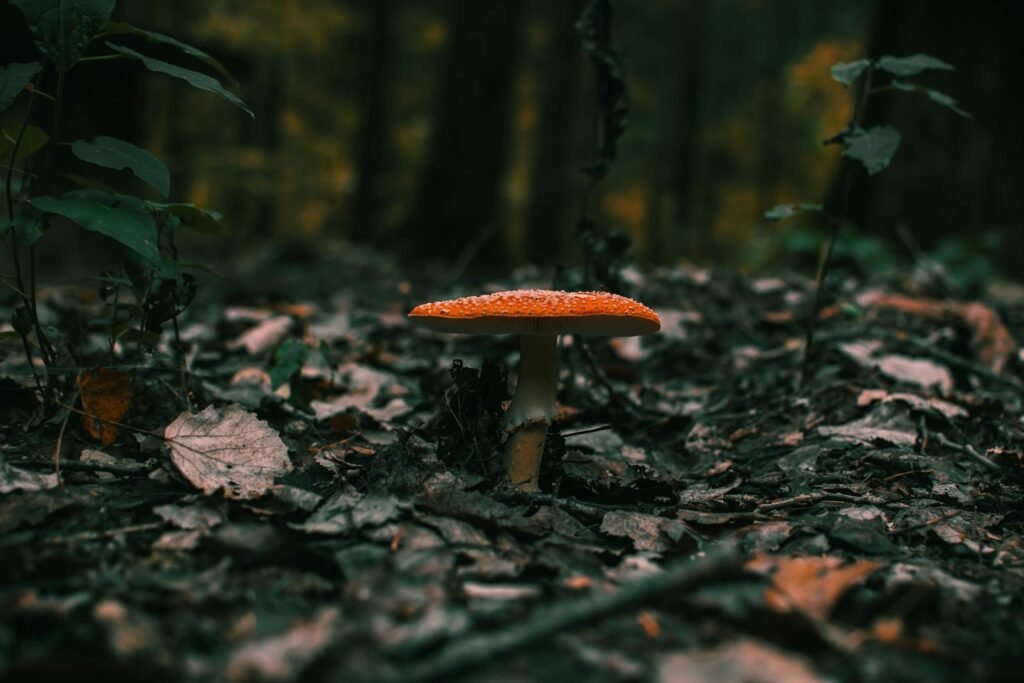

Picture this: beneath every footstep you take through the ancient Appalachian Mountains, millions of microscopic workers are bustling about their business. They’re not visible to the naked eye, yet they’re orchestrating one of nature’s most spectacular underground symphonies. These fungal communities have been quietly shaping the landscape for millions of years, long before humans ever set foot on these weathered peaks. While most people marvel at the towering oaks and maples above ground, the real magic happens in the dark, nutrient-rich soil below where fungi reign supreme.
The Ancient Underground Network

The Appalachian soil harbors fungal networks that stretch back over 480 million years, making them some of the oldest biological communities on Earth. These microscopic organisms have witnessed the rise and fall of countless species, adapting and evolving through ice ages, volcanic eruptions, and dramatic climate shifts. What’s truly mind-blowing is that a single teaspoon of Appalachian forest soil contains more fungal species than there are plant species in an entire acre of rainforest. These fungi form intricate webs that connect trees across vast distances, creating what scientists call the “wood wide web.” Their resilience and adaptability have made them the backbone of these ancient mountains’ ecosystem.
Mycorrhizal Partnerships That Changed Everything

Deep within the Appalachian soil, fungi and plant roots have formed one of nature’s most successful business partnerships. Mycorrhizal fungi wrap around or penetrate plant roots, creating a mutually beneficial relationship that’s been perfected over millions of years. The fungi provide plants with essential nutrients like phosphorus and nitrogen, while the plants supply the fungi with sugars produced through photosynthesis. This partnership is so crucial that over 90% of Appalachian plant species depend on these fungal allies for survival. Without these microscopic partners, the lush forests we see today would simply cease to exist.
The Decomposer Champions

When autumn arrives in the Appalachians and leaves carpet the forest floor, an army of saprophytic fungi springs into action. These decomposer champions break down organic matter with remarkable efficiency, recycling nutrients that would otherwise be locked away forever. They secrete powerful enzymes that can dissolve lignin, the tough compound that gives wood its strength, something that bacteria struggle to accomplish. A single fungal colony can process tons of organic material each year, transforming fallen logs, dead leaves, and even animal remains into rich humus. This process releases carbon, nitrogen, and other essential elements back into the soil, keeping the mountain ecosystem thriving.
Soil Architecture Masters
Fungi are the unsung architects of Appalachian soil structure, creating the very foundation that supports all life above ground. Their thread-like hyphae weave through soil particles like microscopic rebar, binding loose earth into stable aggregates. This fungal construction work creates millions of tiny air pockets and channels that allow water and oxygen to flow freely through the soil. The result is a sponge-like structure that can absorb and hold tremendous amounts of rainwater, preventing erosion even on steep mountain slopes. Without these fungal architects, the ancient Appalachian peaks would have washed away eons ago.
Carbon Storage Specialists

Hidden beneath the Appalachian forests lies one of North America’s largest carbon storage facilities, operated entirely by fungi. These microorganisms capture and store massive amounts of carbon in the soil, playing a crucial role in regulating Earth’s climate. Fungal hyphae can sequester carbon for decades or even centuries, effectively removing it from the atmosphere where it would otherwise contribute to global warming. Recent studies suggest that Appalachian soils store more carbon per acre than many tropical rainforests, thanks largely to these microscopic carbon specialists. Their work represents a natural climate solution that’s been operating long before humans understood the importance of carbon sequestration.
The Antibiotic Factories

The competitive world of Appalachian soil has turned fungi into natural pharmaceutical companies, producing an arsenal of antibiotics and bioactive compounds. These chemical weapons help fungi defend their territory against bacterial invaders and competing microorganisms. Many of the life-saving antibiotics we use today, including penicillin, were originally discovered in soil fungi from temperate forests like the Appalachians. Scientists continue to find new fungal compounds with potential medical applications, from cancer-fighting agents to novel antibiotics that could combat drug-resistant bacteria. The soil beneath our feet might hold the key to future medical breakthroughs we haven’t even imagined yet.
Nutrient Highway Engineers
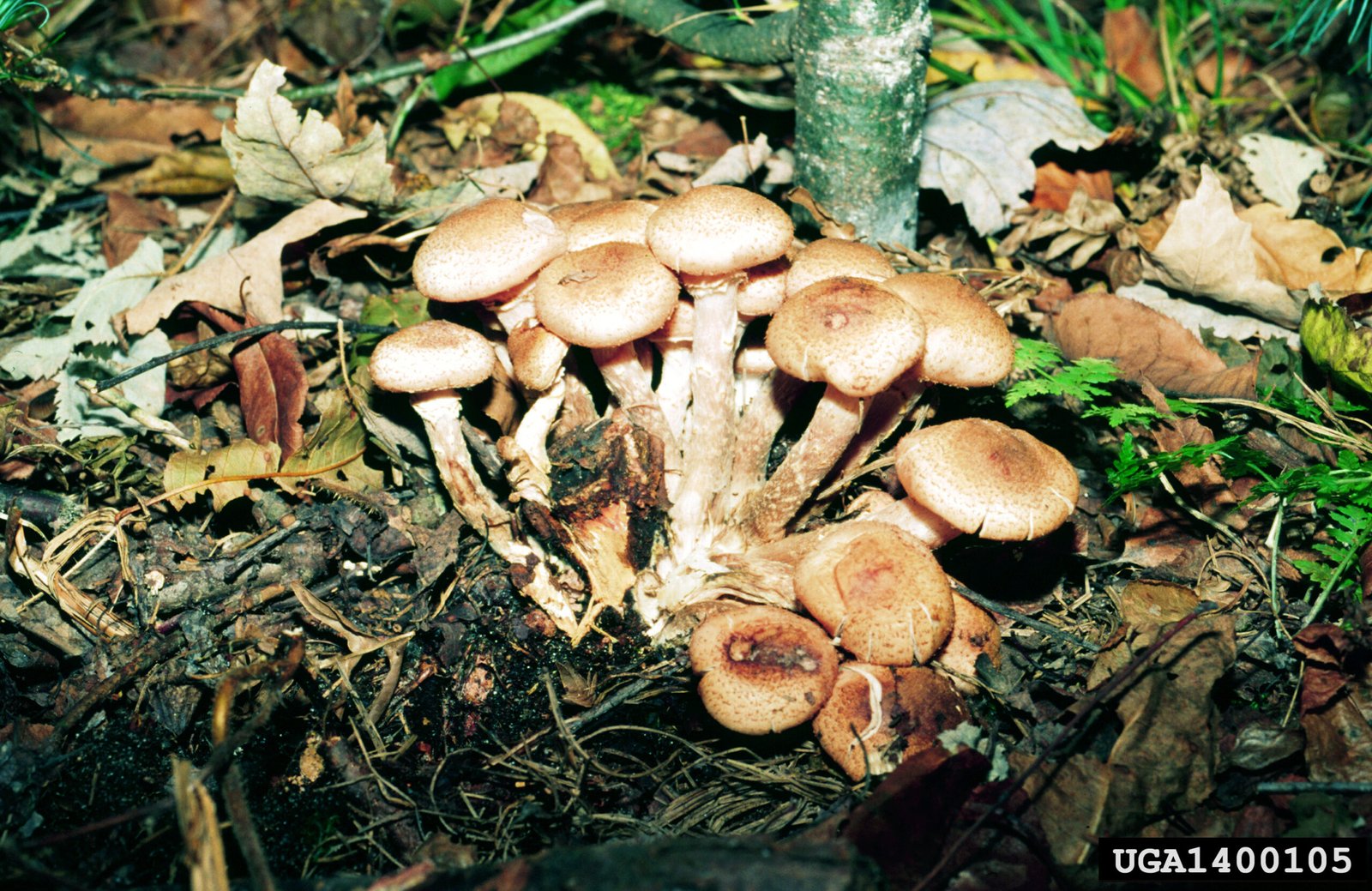
Fungal networks in Appalachian soil function like sophisticated highway systems, transporting nutrients across vast distances with remarkable precision. These hyphal networks can extend for miles underground, connecting individual trees and even entire forest communities. When one plant is struggling with nutrient deficiency, fungi can redirect resources from healthier plants in the network, essentially sharing wealth across the forest community. This nutrient sharing system helps explain why Appalachian forests are so resilient during droughts, diseases, and other environmental stresses. The fungi act like underground logistics coordinators, ensuring that essential resources reach where they’re needed most.
pH Balance Controllers

The naturally acidic conditions of Appalachian soils would be toxic to many plants without the pH-buffering services provided by specialized fungi. These microorganisms release organic acids and bases that help neutralize extreme pH levels, creating more hospitable conditions for plant growth. Some fungi can actually alter the chemistry of surrounding soil to favor their plant partners, while simultaneously making conditions less favorable for competing species. This chemical manipulation allows diverse plant communities to thrive in what would otherwise be harsh, acidic environments. The fungi essentially act as soil chemists, fine-tuning conditions for optimal ecosystem health.
Disease Defense Networks
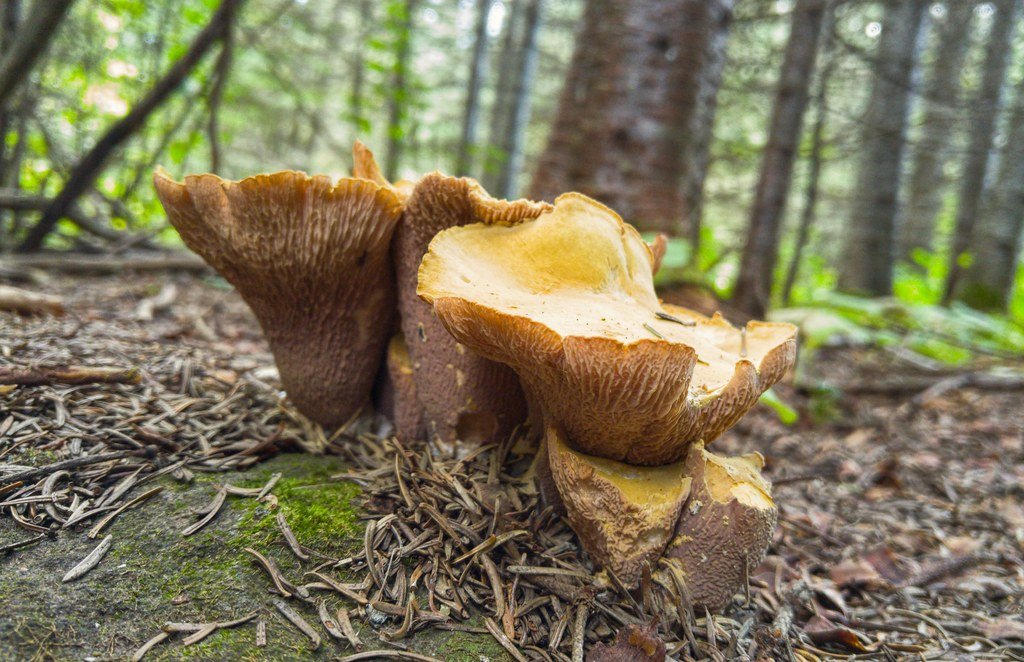
Appalachian fungi serve as the immune system of the forest, protecting plants from pathogenic invaders through multiple defense mechanisms. Beneficial fungi can outcompete harmful pathogens for resources and growing space, effectively crowding out disease-causing organisms. Some species produce antifungal compounds that directly attack plant pathogens, while others trigger the plant’s own immune responses to better defend against threats. This biological pest control system has been protecting Appalachian forests for millions of years, long before humans developed synthetic pesticides. The diverse fungal communities create layers of defense that make it extremely difficult for any single pathogen to devastate entire forest ecosystems.
Water Management Experts
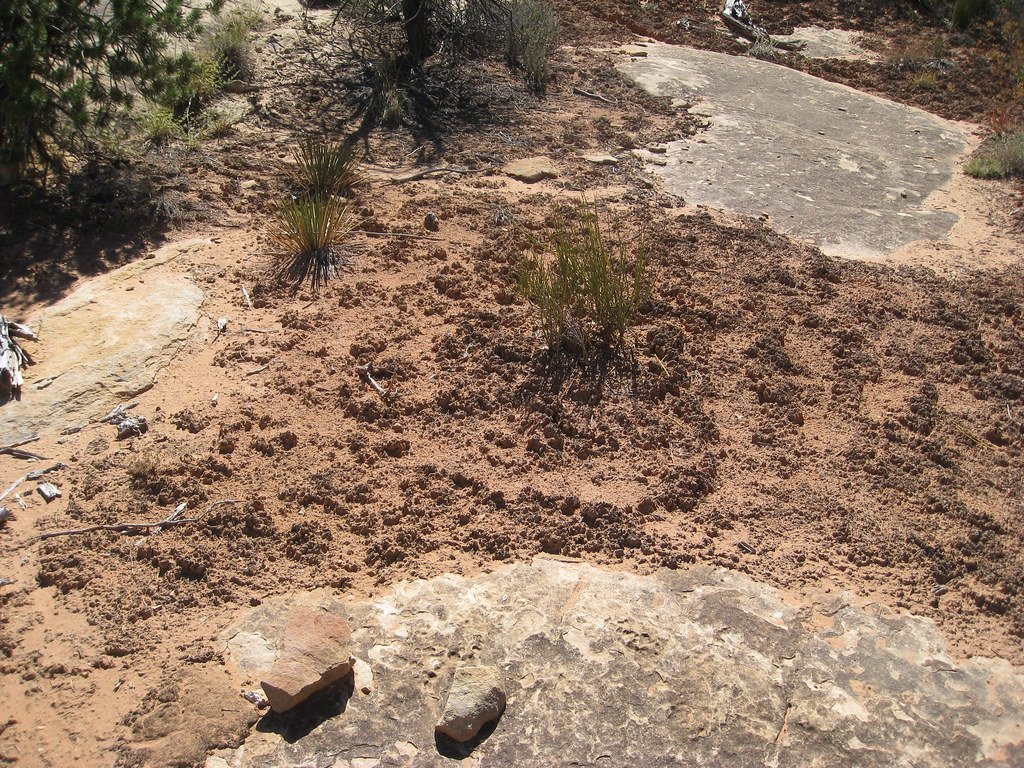
In the steep terrain of the Appalachian Mountains, water management is crucial for preventing erosion and maintaining ecosystem stability. Fungi excel at this challenge, creating intricate networks that capture, store, and distribute water throughout the soil profile. Their hyphal networks act like microscopic sponges and pipelines, absorbing rainwater during storms and gradually releasing it during dry periods. This fungal water management system helps maintain consistent soil moisture levels even during seasonal droughts. The result is a natural irrigation system that keeps mountain forests green and healthy while preventing the catastrophic flooding that could occur on bare slopes.
Heavy Metal Detoxifiers
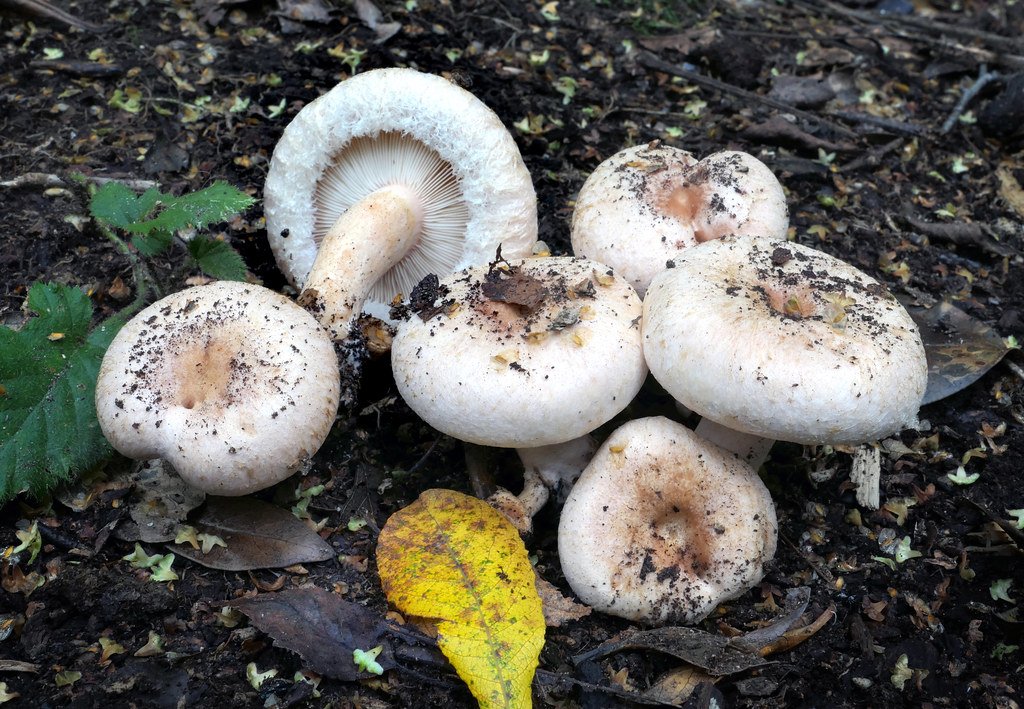
The long history of mining in the Appalachian region has left many soils contaminated with heavy metals, but certain fungi have evolved remarkable abilities to clean up these toxic environments. Mycorrhizal fungi can bind heavy metals like lead, cadmium, and mercury, preventing them from being absorbed by plants or leaching into groundwater. Some species actually concentrate these metals in their tissues, effectively removing them from the soil ecosystem. This natural bioremediation process helps explain why vegetation can still thrive in areas that were once heavily impacted by mining operations. These fungal janitors continue working around the clock to detoxify contaminated soils throughout the region.
Seasonal Rhythm Keepers
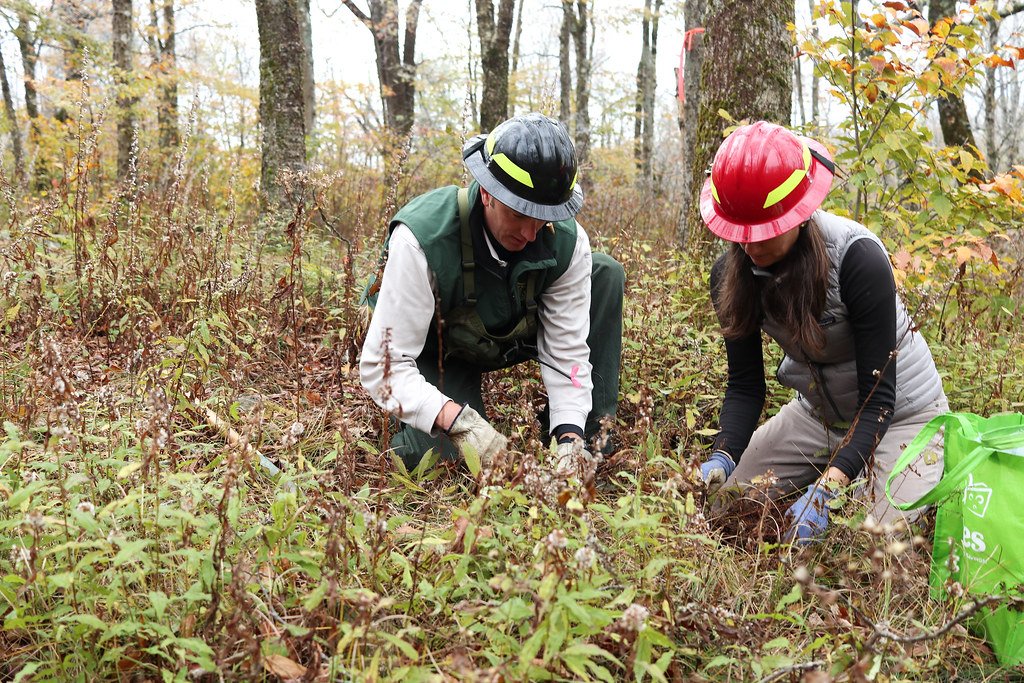
Appalachian fungi are finely tuned to the region’s distinct seasonal cycles, orchestrating the timing of nutrient release and plant growth throughout the year. During autumn, decomposer fungi ramp up their activity to process the massive influx of fallen leaves and woody debris. Winter brings a slowdown in fungal metabolism, conserving energy for the burst of activity that comes with spring warming. As temperatures rise, fungi begin mobilizing stored nutrients to support new plant growth, perfectly timing their services with the forest’s awakening. This seasonal synchronization has been refined over millions of years, creating one of nature’s most precisely timed ecological partnerships.
Biodiversity Guardians

The incredible diversity of Appalachian plant life owes much to the equally diverse community of soil fungi that support different species’ unique needs. Rare and endemic plants often depend on specific fungal partners that exist nowhere else on Earth, creating intricate webs of interdependence. This fungal diversity acts as a buffer against environmental changes, ensuring that at least some species will survive and adapt to new conditions. When fungal communities are healthy and diverse, they can support a wider range of plant species, contributing to the overall biodiversity that makes the Appalachians such a biological treasure. The loss of fungal diversity often precedes the decline of plant communities, making these microorganisms crucial guardians of mountain biodiversity.
Climate Change Responders

As global temperatures rise and precipitation patterns shift, Appalachian fungi are already adapting to new environmental conditions. Some species are expanding their ranges to higher elevations, while others are modifying their seasonal activity patterns to match changing weather cycles. These fungal adaptations directly influence how well forest ecosystems can cope with climate stress, as plants depend on their fungal partners for survival. Research suggests that forests with more diverse fungal communities are more resilient to climate change impacts, better able to maintain ecosystem functions under stress. The fungi are essentially helping the entire Appalachian ecosystem migrate and adapt to our changing planet.
Economic Value Creators
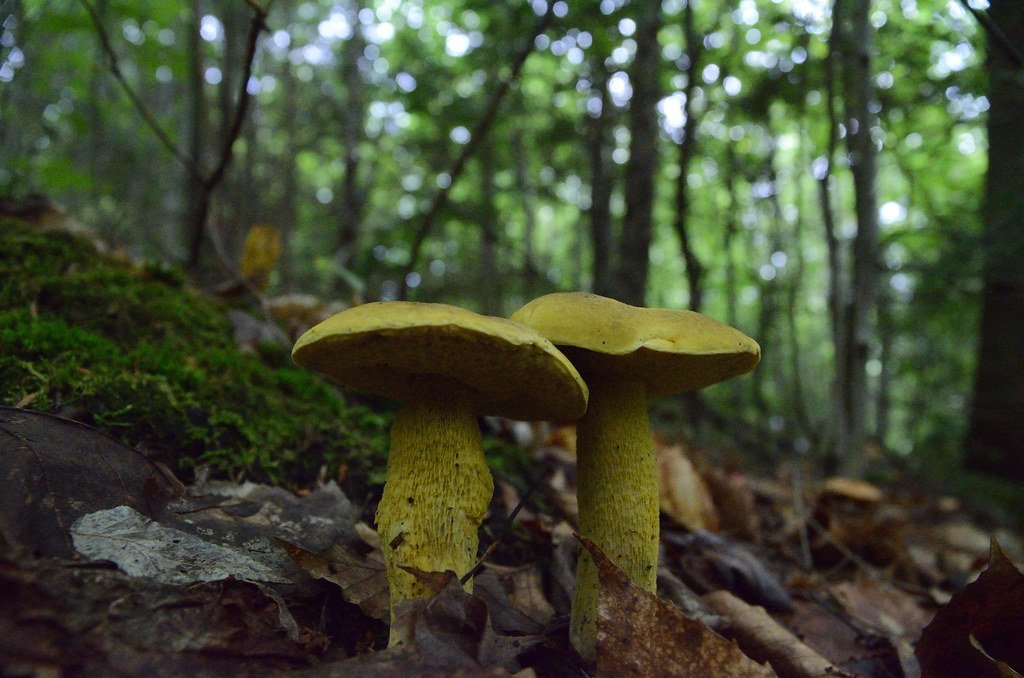
While often overlooked, Appalachian soil fungi provide enormous economic value through the ecosystem services they deliver free of charge. Their nutrient cycling services alone would cost billions of dollars to replace with synthetic fertilizers and soil amendments. The carbon storage provided by fungal networks represents millions of dollars in climate benefits, while their water management services prevent costly flood damage and erosion. The tourism industry that depends on healthy Appalachian forests ultimately relies on the unseen work of soil fungi to maintain the scenic beauty that draws millions of visitors each year. These microscopic workers are essentially running a massive, unpaid environmental services company that supports the entire regional economy.
Research Frontiers and Future Discoveries

Scientists are only beginning to understand the full complexity and importance of Appalachian soil fungi, with new species and capabilities being discovered regularly. Advanced DNA sequencing techniques are revealing fungal diversity that far exceeds previous estimates, suggesting that millions of species remain undiscovered in these ancient soils. Researchers are exploring how fungal networks might be harnessed for environmental restoration, sustainable agriculture, and even biotechnology applications. The potential for medical discoveries from Appalachian soil fungi remains largely untapped, with many compounds yet to be identified and tested. As our understanding grows, these microscopic organisms may hold keys to addressing some of humanity’s greatest challenges, from climate change to food security.
Conservation Challenges and Opportunities
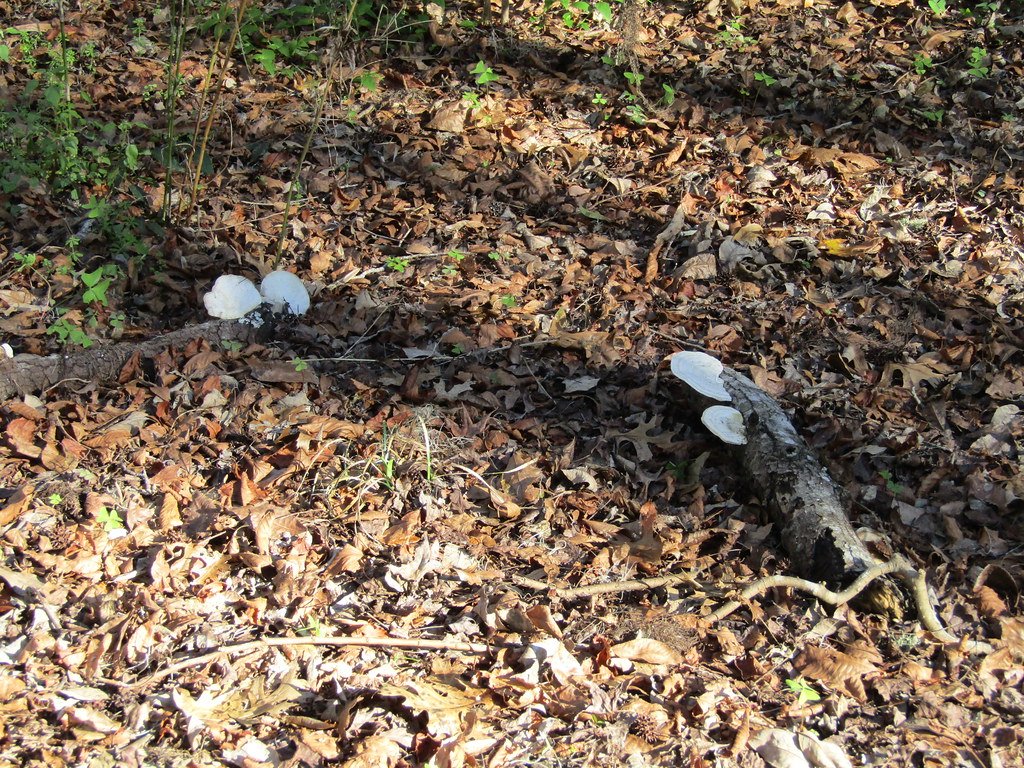
Despite their crucial importance, Appalachian soil fungi face increasing threats from development, pollution, and climate change. Surface mining operations can destroy fungal communities that took centuries to establish, with recovery times measured in decades or longer. Air pollution and acid rain continue to alter soil chemistry in ways that can harm sensitive fungal species. However, growing awareness of fungal importance is leading to new conservation strategies that prioritize soil health alongside more visible conservation targets. Protecting these microscopic communities requires a shift in how we think about conservation, recognizing that the health of entire ecosystems depends on organisms we can’t even see.
The Hidden Foundation of Mountain Life

Every breath of fresh mountain air, every clear stream, and every towering tree in the Appalachians exists because of the tireless work happening in the soil below. These fungal communities represent one of Earth’s most successful and enduring partnerships, having sustained life through countless environmental changes over hundreds of millions of years. Their story reminds us that the most important work often happens behind the scenes, performed by unsung heroes who ask for nothing in return. As we face unprecedented environmental challenges, perhaps it’s time to pay more attention to these microscopic allies who have been quietly keeping our world running all along. What other secrets might be waiting to be discovered in a handful of Appalachian soil?


