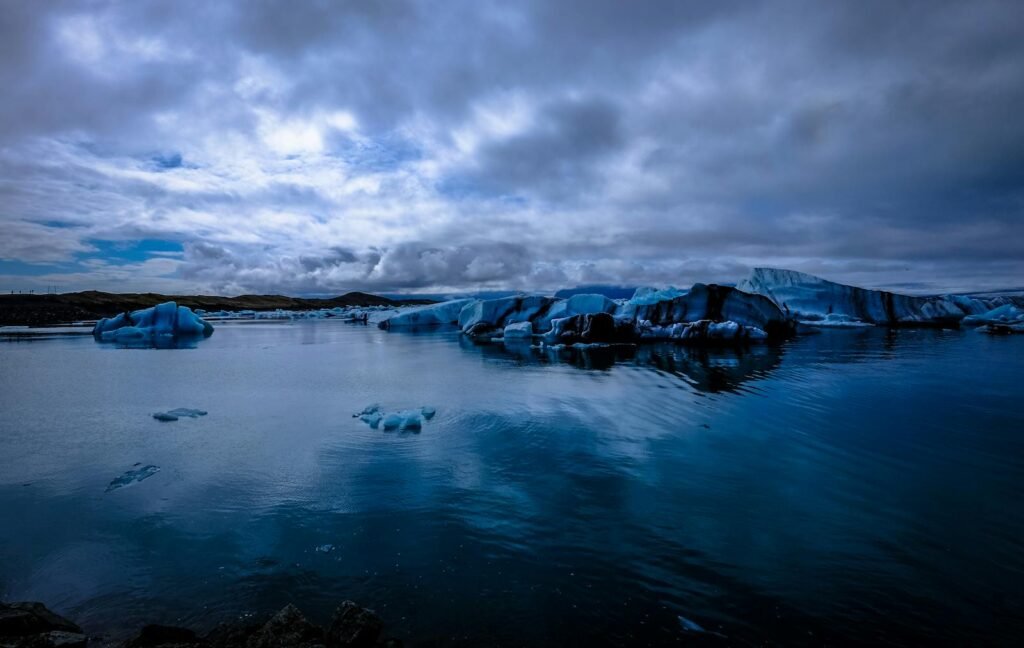

Beneath the frozen silence of Antarctica lies a secret world as mysterious as it is breathtaking. Imagine an entire network of lakes, sealed off from the sun for millions of years, hidden beneath nearly two miles of solid ice. These subglacial lakes are not just frozen relics—they are dynamic, living laboratories. Scientists believe they may be home to forms of life that have never seen the light of day, ancient organisms adapted to survive in the harshest conditions on Earth. The possibility that these lakes harbor undiscovered life is both thrilling and haunting, challenging everything we know about biology and the limits of survival.
The Discovery of a Secret World Below the Ice
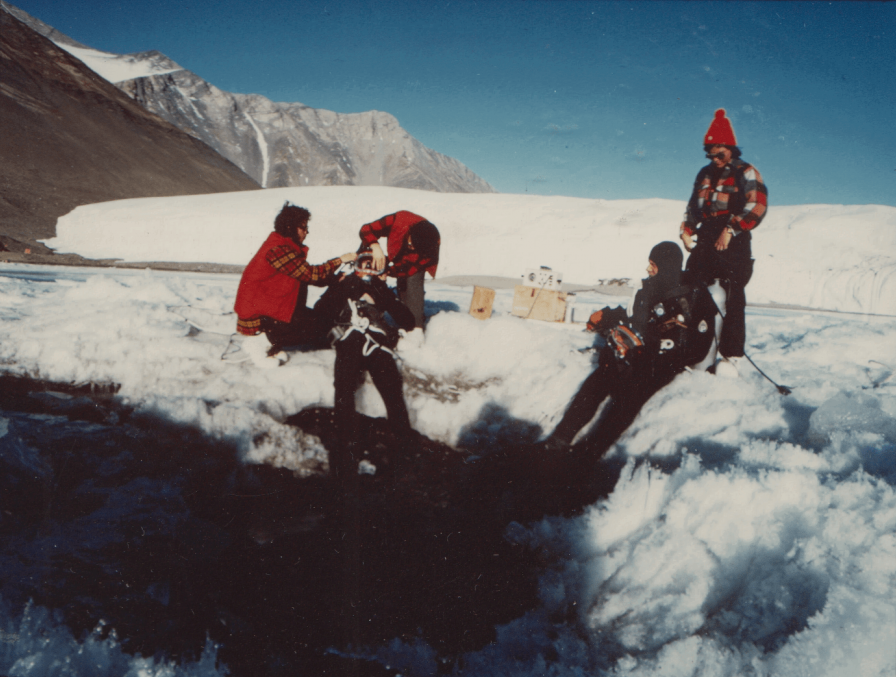
It was only in the late twentieth century that researchers realized Antarctica’s icy blanket concealed more than just ancient rock. Early satellite imaging revealed curious flat spots and anomalies in the ice sheet, sparking intense curiosity. Eventually, radar and seismic technologies confirmed what few dared to believe: vast, liquid lakes trapped below the surface. The first identified, Lake Vostok, is larger than Lake Ontario and remains one of the most enigmatic bodies of water on Earth. The realization that water, not just ice, existed beneath such unimaginable pressure and cold was nothing short of astonishing, upending assumptions about Antarctica’s lifelessness.
How Subglacial Lakes Form and Thrive
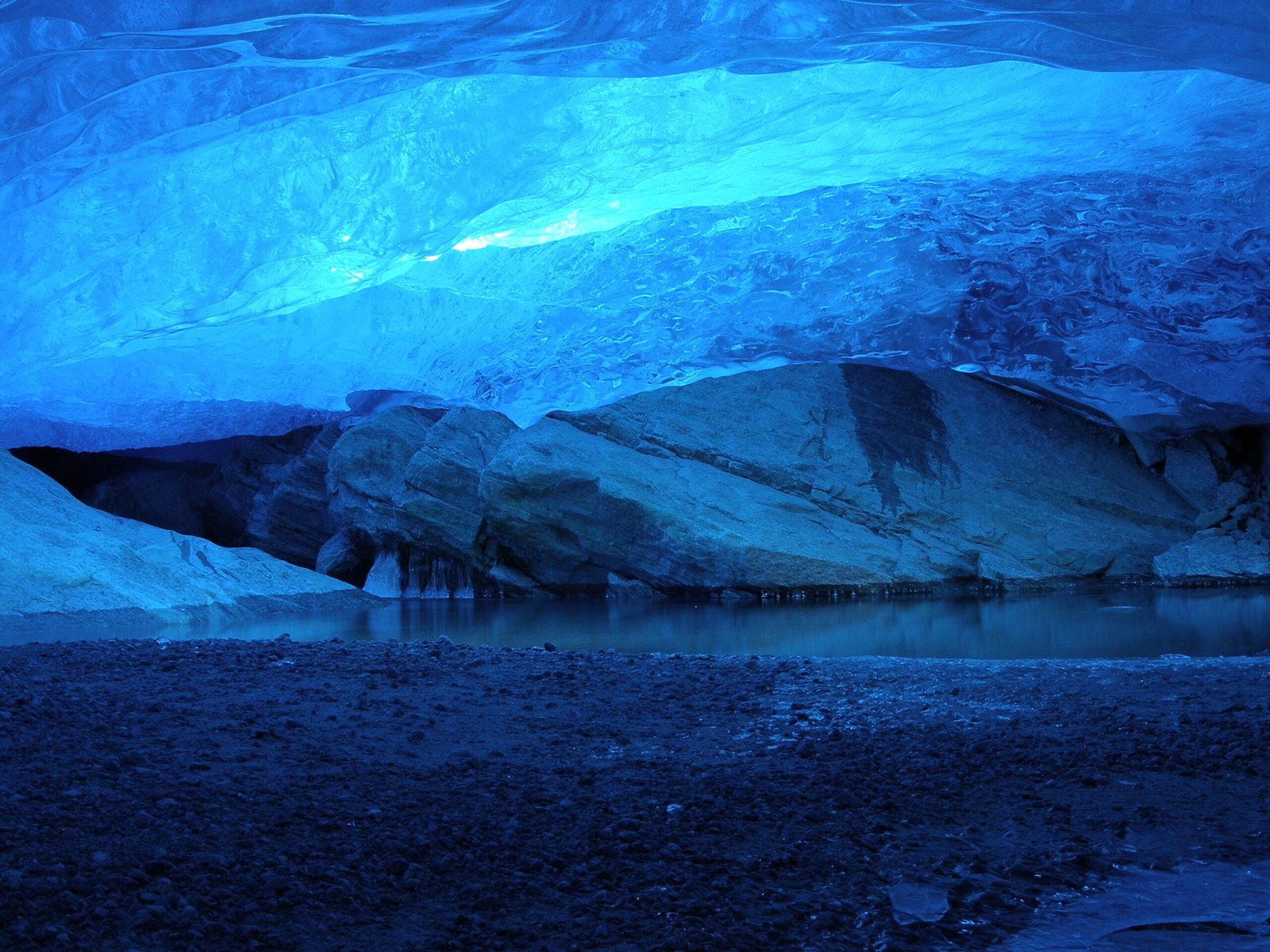
Despite the continent’s brutal cold, the immense pressure from the overlying ice and geothermal heat from the Earth’s interior keep these lakes liquid. This is a delicate balance—too little heat, and the lakes would freeze solid; too much, and they would not exist at all. Glacial movement also plays a role, grinding the rock below and providing nutrients that can be dissolved in the water. Some lakes are connected by hidden rivers, allowing water to flow beneath the ice in a slow, mysterious cycle. This dynamic environment means that the lakes are constantly changing, sometimes gaining or losing water by the billions of gallons in a single year.
Lake Vostok: The Crown Jewel of Subglacial Lakes
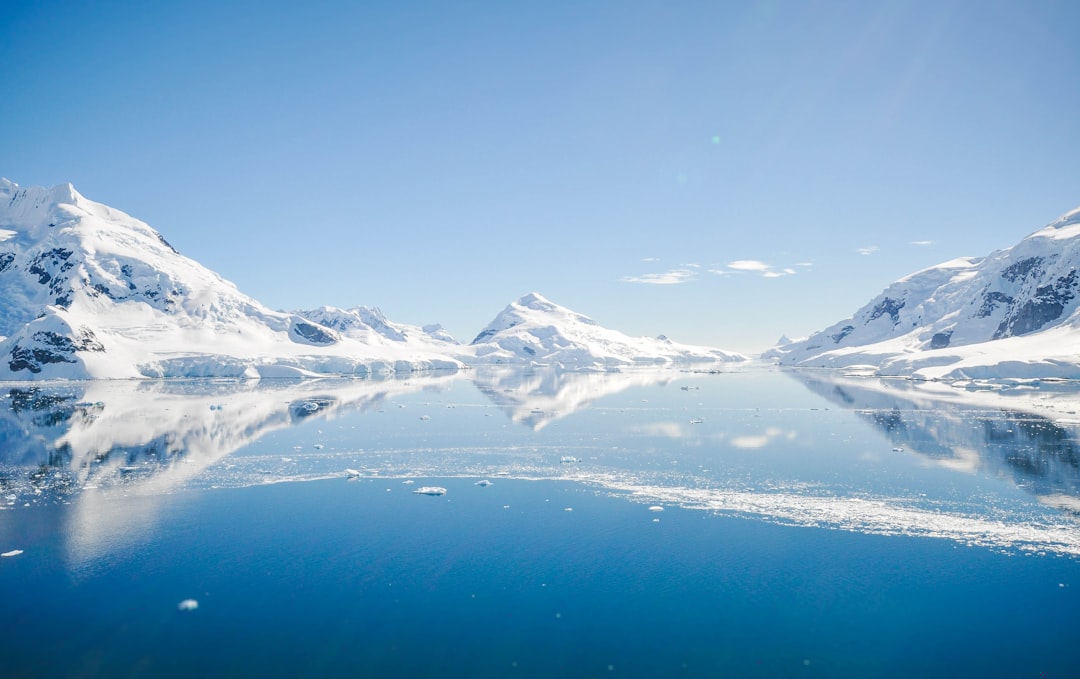
Lake Vostok is the most famous and the largest of Antarctica’s hidden lakes, stretching over 250 kilometers in length and buried beneath four kilometers of ice. Its waters have been isolated from the outside world for at least 15 million years, creating conditions unlike anywhere else on the planet. Scientists have drilled down to collect samples, but the process is fraught with risk—contaminating such a pristine environment is a constant concern. The samples that have been retrieved suggest the presence of microbial life, hinting at a thriving, self-contained ecosystem. The lake’s isolation makes it a natural time capsule, preserving secrets from a prehistoric Earth.
Life in the Darkness: Microbial Survivors
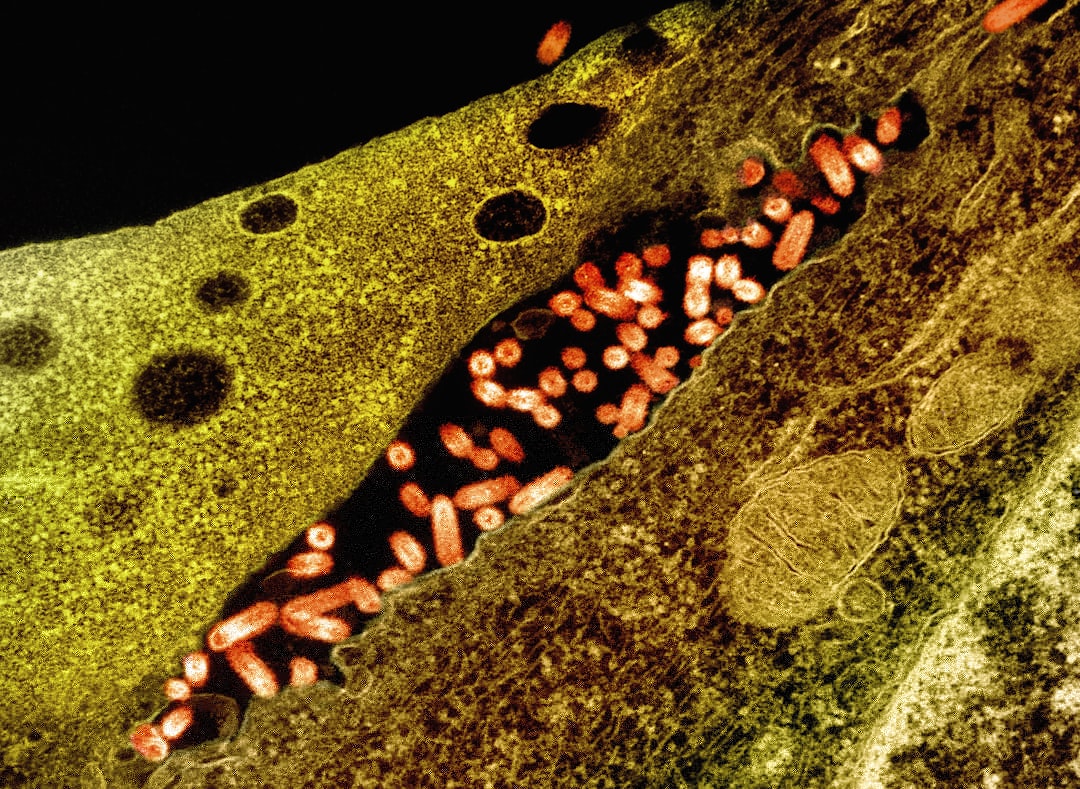
If life exists in Antarctica’s subglacial lakes, it must be extraordinarily resilient. These organisms would survive without sunlight, relying instead on chemical energy from minerals and gases dissolved in the water. Such life forms are called extremophiles—creatures that thrive in extreme conditions where most others would perish. Discoveries of similar microbes in other harsh environments, like deep ocean vents and underground caves, have prepared scientists for what they might find here. The possibility that life can persist in these conditions offers hope that similar forms might exist on other icy worlds, like Jupiter’s moon Europa.
The Race for Clean Exploration
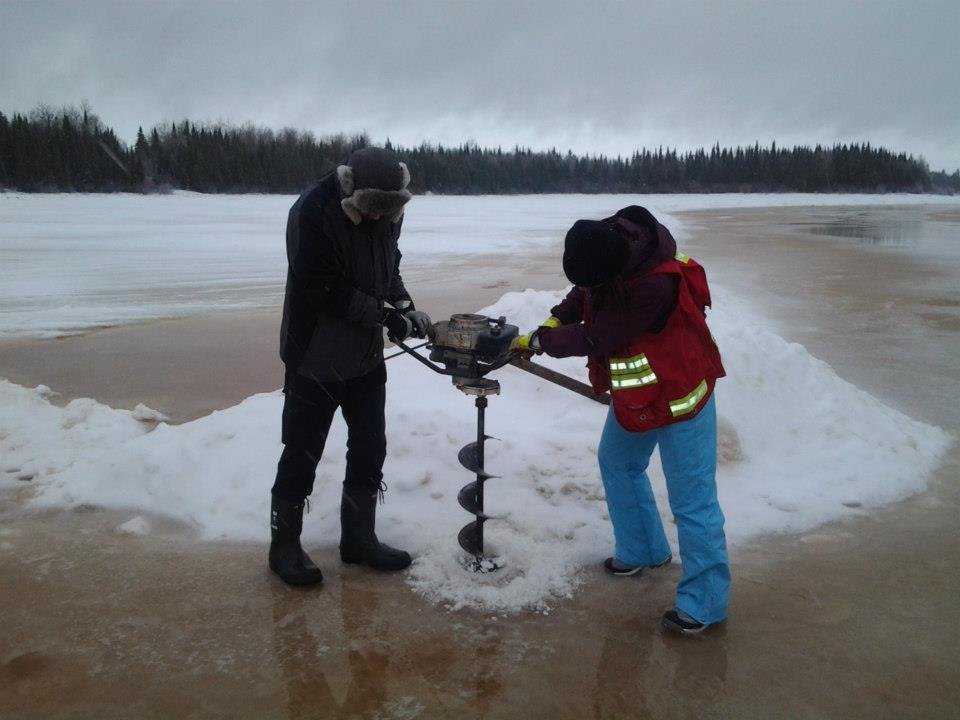
Exploring these lakes is a technological and ethical challenge. Drilling through kilometers of ice without contaminating the ancient water demands meticulous planning. Scientists use sterile, heated drill bits and carefully monitor every step of the process. The stakes are high—a single drop of modern bacteria could forever alter these untouched ecosystems. International cooperation and strict protocols are essential, as the world watches to ensure that humanity’s curiosity does not come at the expense of destroying what it hopes to discover.
What We’ve Learned So Far
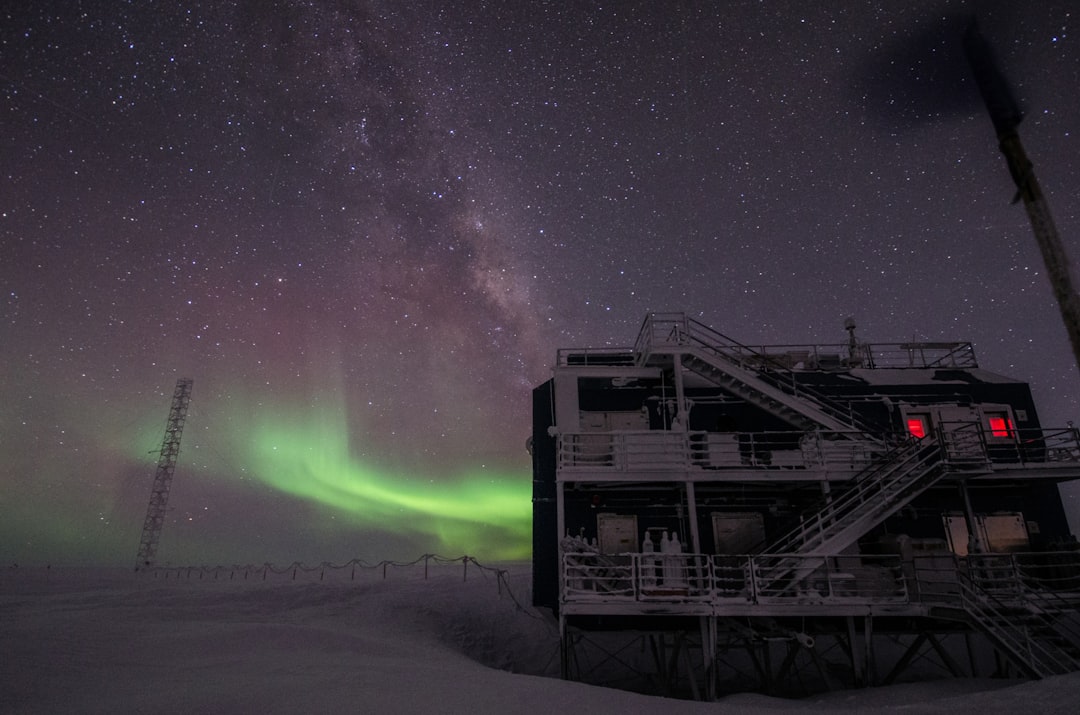
Research in Antarctica’s subglacial lakes has already yielded surprising findings. Chemical analyses reveal a rich mix of nutrients, and in some places, evidence of organic molecules. While no complex life has been found yet, the detection of DNA fragments points to thriving microbial communities. These discoveries challenge our assumptions about where life can survive and force scientists to rethink the limits of biology. Every new sample, every data point, adds a piece to the puzzle, helping researchers understand not just Antarctica, but the very nature of life itself.
The Global Importance of Subglacial Lakes
These hidden lakes are not just local wonders—they have global significance. Studying them can reveal how ice sheets behave and how climate change might affect the world’s oceans. The flow of water beneath Antarctica can influence sea levels and weather patterns far beyond the frozen continent. Understanding subglacial lakes is crucial for predicting the future of Earth’s climate. They are also a reminder of the interconnectedness of all life and environments on our planet.
Windows to Other Worlds
Antarctica’s subglacial lakes serve as analogs for extraterrestrial environments. Planets and moons in our solar system, like Mars and Europa, have ice-covered oceans that may harbor life. By studying how organisms survive in Antarctica’s hidden lakes, scientists gain insight into what might be possible elsewhere. These lakes are, in a sense, a practice ground for future space missions, teaching us how to search for life in otherworldly places. The prospect that we might not be alone in the universe is both humbling and exhilarating.
The Role of Technology in Unlocking the Ice

Cutting-edge technologies are at the heart of every breakthrough in Antarctic exploration. From autonomous underwater vehicles that map the lake floors to advanced sensors that monitor temperature and chemistry, modern science is pushing the boundaries of the possible. Robotics, artificial intelligence, and remote sensing allow researchers to gather data without ever setting foot on the ice. Each new tool opens up possibilities for discovery, offering glimpses into a world otherwise out of reach.
What the Future Holds for Antarctic Exploration
The story of Antarctica’s hidden lakes is still being written. New lakes are discovered every year, and each one may hold surprises. As climate change alters the continent, the urgency to study these environments grows. International teams are now planning more ambitious missions, hoping to retrieve uncontaminated samples and even deploy small submersibles beneath the ice. The dream of uncovering completely new forms of life drives scientists forward, promising revelations that could change our understanding of biology and the history of our planet.
Why These Lakes Matter to All of Us
Antarctica’s subglacial lakes are more than scientific curiosities—they are windows into Earth’s past, present, and possibly its future. They challenge us to imagine life in places we once thought impossible, and they demand that we protect the fragile environments we are only just beginning to understand. Their existence is a powerful reminder of nature’s enduring mysteries and our responsibility to explore with care and humility. How many more secrets does our planet hold, waiting for the right moment to be revealed?