
Imagine crossing an entire ocean in the dark, with no map, no GPS, no stars to guide you – and still landing exactly where you need to be. That’s what countless animals manage every year, using something we can’t even see: the Earth’s magnetic field. To them, the planet’s invisible magnetic lines are like a global subway map, always there, quietly pointing the way.
Scientists have known for a while that animals can sense magnetism, but in the last couple of decades, the scale and precision of that ability has turned out to be almost shocking. Birds, turtles, whales, even tiny insects appear to read the magnetic field like a built-in compass and GPS combined. The more we learn, the more it feels like we’re only scratching the surface of one of nature’s most surreal superpowers.
The Planet’s Invisible GPS: How Magnetic Fields Work
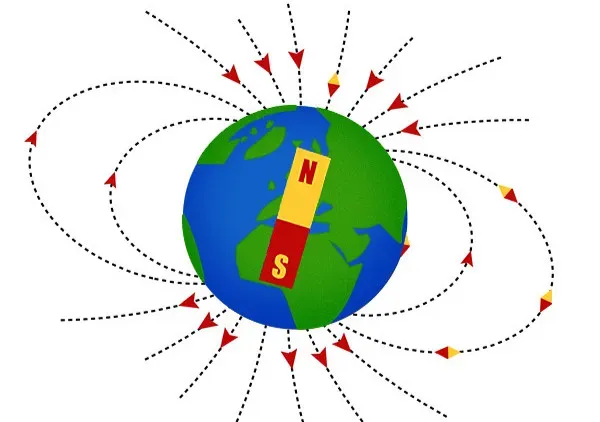
The Earth acts like a gigantic magnet, with magnetic poles roughly near the geographic North and South Poles, creating a vast magnetic field that surrounds the planet. This field has two key features that matter for navigation: direction (which way a magnetic compass points) and intensity (how strong the field is at different places on Earth). As you move from equator to pole, both the angle of the field lines and the strength of the field gradually change.
For animals, this gradient creates a sort of invisible coordinate system. In simple terms, the direction of the magnetic field can give them a “north–south” reading, while its inclination and strength help with “where am I on the globe.” It’s not a perfect map, but combined with other cues like stars, the sun, smells, or coastline shapes, it forms an astonishingly reliable guidance system that works even on cloudy nights, underwater, or thousands of kilometers from land.
Migratory Birds: Masters of the Magnetic Compass

When people think of animal migration, birds are usually the first that come to mind – and for good reason. Many songbirds that weigh less than a smartphone travel from Europe to Africa or from North America to South America and back every year, often flying at night. Experiments over the years have shown that when you gently disrupt the magnetic field in controlled conditions, these birds change their orientation, which strongly suggests they’re using the Earth’s magnetism as a compass.
What’s even more mind-blowing is that these magnetic skills seem to be built in from birth for many species. Young birds that have never migrated before will still head in the generally correct direction at the right time of year, following an inherited migratory program that includes magnetic information. Researchers have also found that birds switch between different cues depending on conditions: they might rely more on stars and sun when they can see the sky, and fall back on magnetic cues when it’s cloudy or when other landmarks are missing.
Sea Turtles: Returning Home Across Entire Oceans
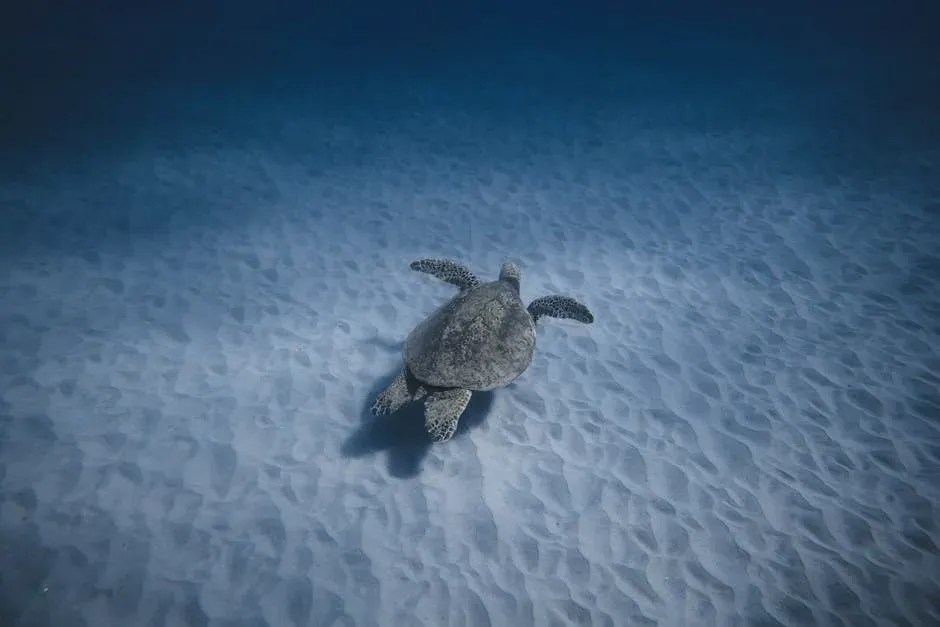
Few animal stories are as emotionally powerful as that of sea turtles. Hatchlings crawl out of sandy nests, sprint to the ocean while dodging predators, then disappear into the open sea for years. Yet, as adults, many of them somehow return to the same region – sometimes even the same stretch of coastline – where they were born. For a long time, this felt like a kind of myth or miracle, until experiments started showing a magnetic explanation.
Researchers have discovered that young sea turtles can detect subtle differences in the Earth’s magnetic field that correspond to different parts of the ocean. It appears that they imprint on the magnetic “signature” of their natal beach, a combination of field intensity and inclination that is relatively unique. Later in life, they use this memorized magnetic pattern to home in on the right region, adjusting their swimming direction when they detect they’ve drifted away from their target magnetic profile. It’s like remembering the smell and feel of your childhood neighborhood, except the smell is invisible magnetism.
Whales and Other Marine Giants: Navigating the Blue Desert
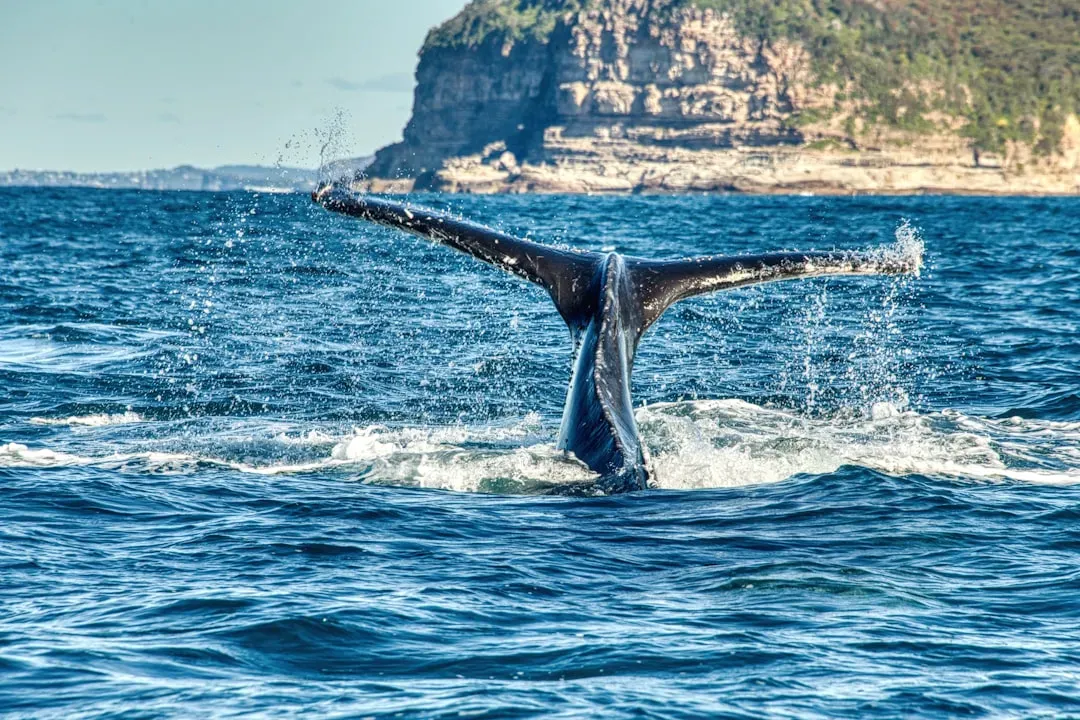
The open ocean is often described as a blue desert: no roads, no fixed landmarks, just water in every direction. Yet whales, sharks, and other marine giants manage incredible long-distance journeys, sometimes spanning entire ocean basins. While sound, water temperature, and currents clearly play roles, multiple studies have suggested that magnetism is also in the mix. Patterns of whale strandings have even been linked, in some analyses, to shifts or anomalies in the local magnetic field.
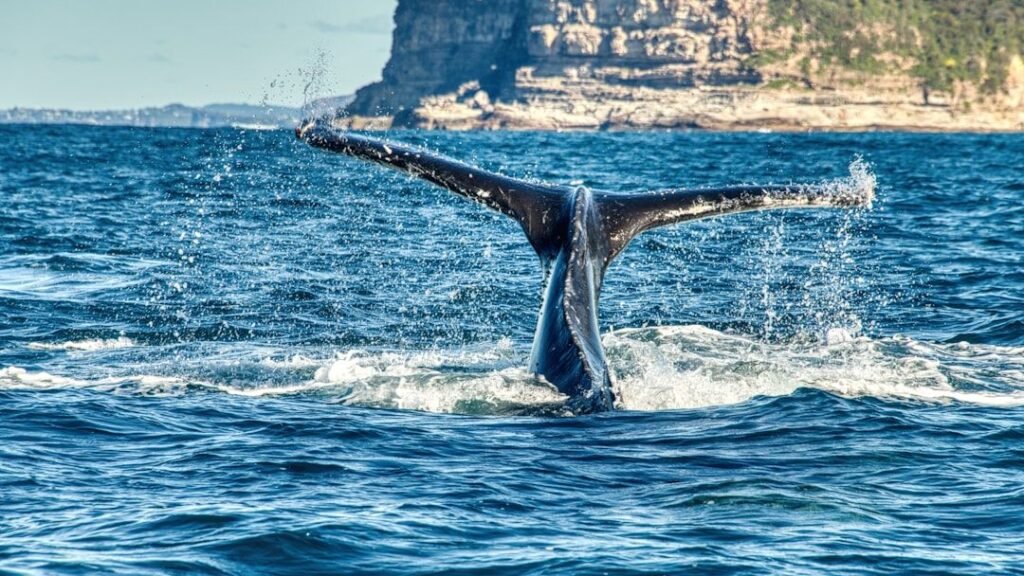
Large marine animals may combine magnetoreception with memory of underwater seascapes, currents, and even social learning from older individuals. For instance, humpback whales follow fairly precise migratory routes year after year, from feeding grounds in cold waters to breeding grounds in the tropics. A magnetic sense would give them a stable reference frame that doesn’t disappear at night or in murky water, acting like a silent, always-on background guide as they weave through a complex ocean full of competing signals.
How Do Animals Actually Sense Magnetism?

This is where things get wonderfully weird. Scientists think there are at least two main biological mechanisms that might explain magnetoreception, and different animals may use one or both. One idea involves tiny crystals of magnetic minerals, such as magnetite, embedded in an animal’s body, possibly in tissues like the beak of birds or certain nerves. These miniature magnets could physically tug on sensory cells when they align with the Earth’s magnetic field, a bit like a microscopic compass needle.
Another leading theory involves special light-sensitive molecules in the eyes, where the magnetic field subtly affects chemical reactions triggered by light. This could create a kind of visual overlay, where the animal literally “sees” patterns linked to magnetic directions. Evidence suggests that some birds need a certain type of light to use their magnetic compass properly, which fits with this idea. The real kicker is that both mechanisms might operate together, giving animals a richer, more robust magnetic sense than any simple science-fair compass.
Magnetic Maps, Not Just Magnetic Compasses
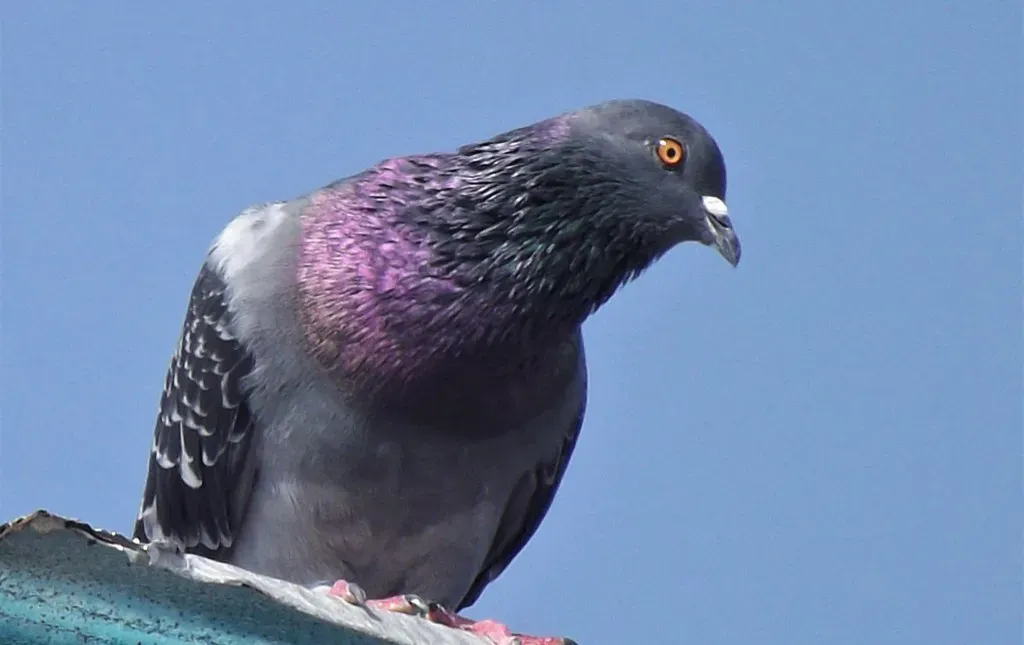
A basic compass only tells you which way is north or south, but many animals seem to have more than that – they appear to have something closer to a magnetic map. This means they can use variations in field strength and inclination to figure out approximately where they are on the planet, not just which direction they’re facing. Sea turtles in particular are a strong example: when placed in a tank with magnetic fields that mimic faraway ocean regions, they often swim in the direction that would take them back to their normal route.
Some migratory birds show similarly sophisticated behavior, adjusting their direction differently depending on which simulated magnetic “latitude and longitude” they experience. This suggests that their brains can interpret complex magnetic information and integrate it with internal clocks, star maps, and perhaps even smells and landscape memories. It’s as if their nervous systems are constantly running a silent navigation app in the background, updating their internal position estimate as they move across the globe.
When the Magnetic Field Changes: Risks in a Shifting World
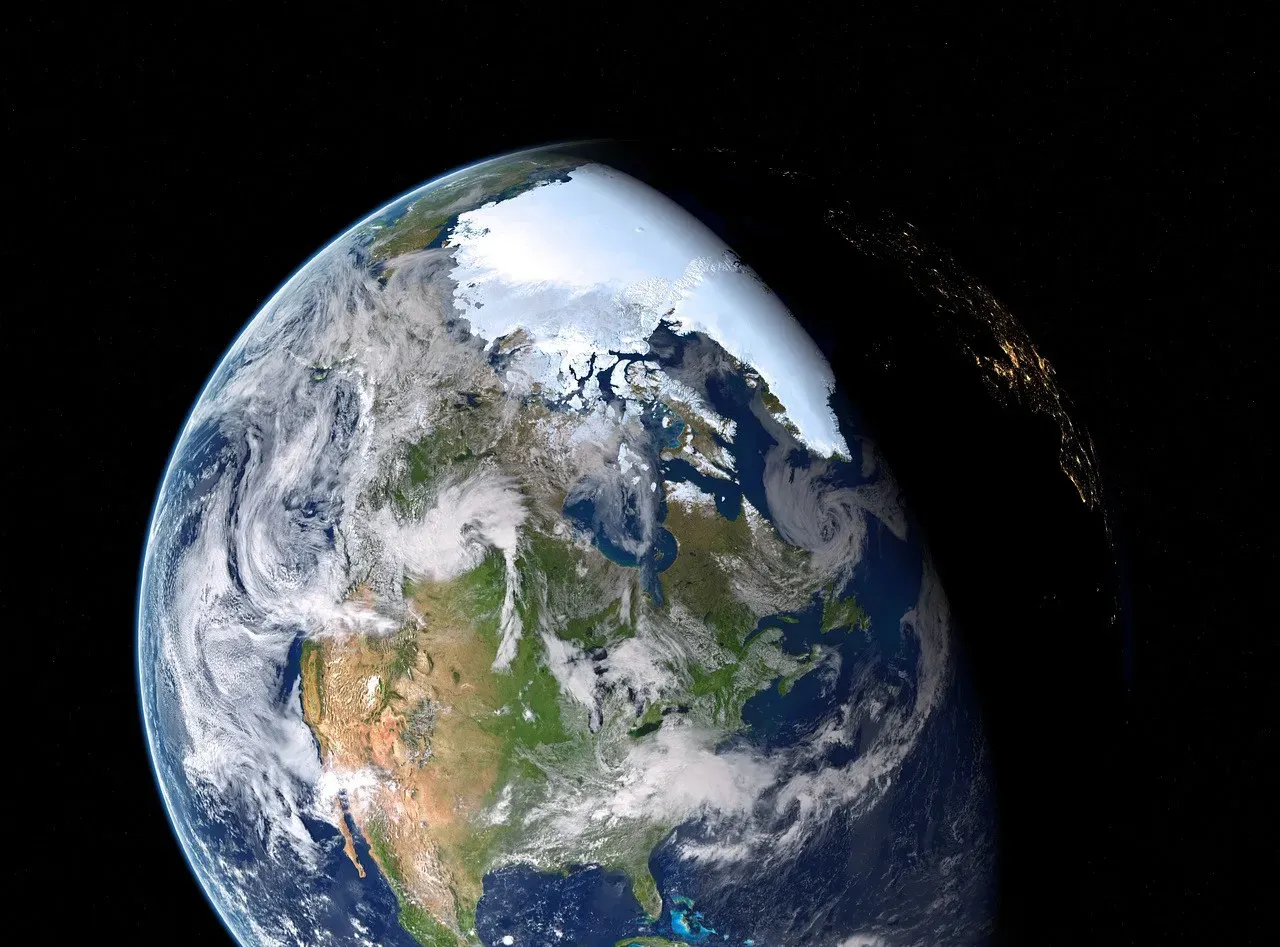
The Earth’s magnetic field isn’t static. It drifts, wobbles, and occasionally undergoes more dramatic changes over long timescales. Even over decades, small shifts in the field can alter the magnetic signatures of coastlines and migration corridors. For animals that rely heavily on precise magnetic cues, these changes could, in theory, cause confusion or force them to gradually adapt. There have been studies suggesting that some animals can update their magnetic maps over generations as the field slowly evolves.
On top of natural variation, human-made interference adds another layer of challenge. Power lines, undersea cables, and other infrastructure can create local magnetic anomalies, especially in coastal areas and busy shipping routes where many animals travel. While the full impact is still being worked out, the possibility that our technology might scramble or distort the invisible navigation systems of turtles, whales, and birds raises serious concerns. It’s a reminder that not all pollution is visible; some of it lives in the fields and signals we barely notice but that other species depend on.
What Magnet-Navigating Animals Reveal About Our Planet
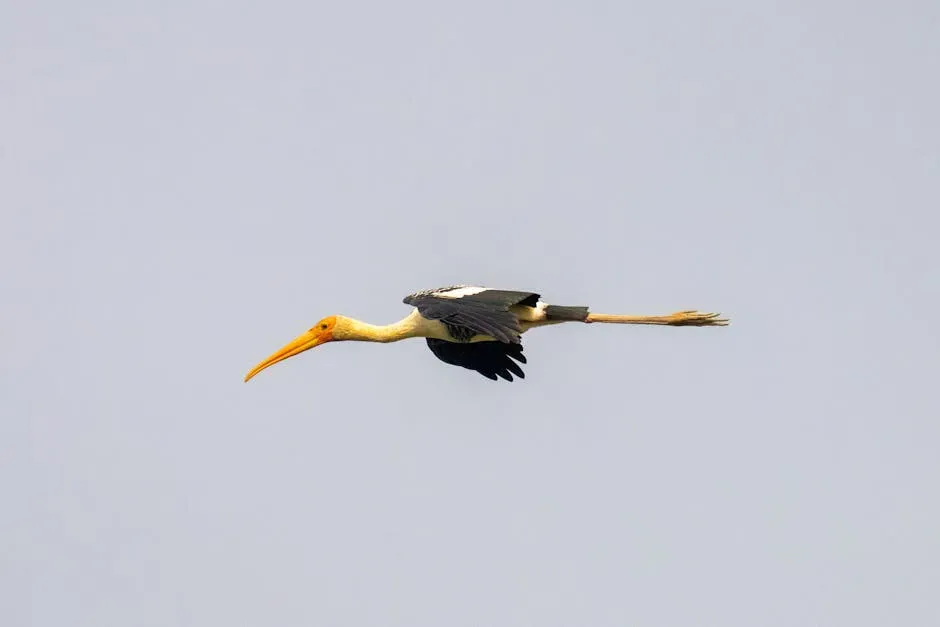
Once you realize that birds, turtles, whales, and even tiny insects are quietly reading the Earth’s magnetic field, the planet itself starts to feel different. It’s no longer just a rock with weather and landscapes; it’s an active, living reference frame, sending out signals that guide billions of journeys every year. In a strange way, these animals are constantly “communicating” with the Earth, listening to background whispers of magnetism that we mostly ignore.
For me, the most striking part is that humans, with all our technology, are only just beginning to understand something that other species have used successfully for millions of years. It’s humbling and a bit inspiring, like realizing your neighbors have been navigating by a secret star map you never knew existed. And it raises a quiet, lingering question: in a world where so many creatures can feel the shape of the planet itself, what else might be happening all around us that we’re still blind to?