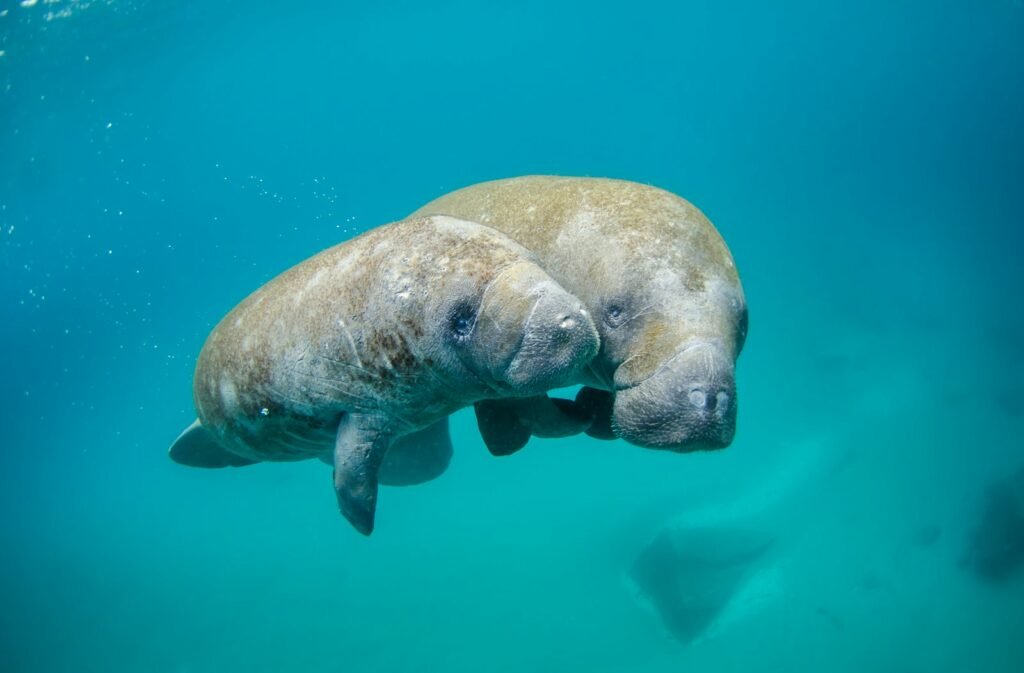

At first glance, Florida’s looks like a calm, flat slash of water wedged between barrier islands and the Atlantic. Look closer, though, and it becomes something far stranger and more dramatic: a liquid crossroads where tropical and temperate species collide, where manatees graze alongside seagrass meadows, and where microscopic plankton quietly shape the fate of dolphins, fish, and even local economies. In recent years, this estuary has become both a scientific gold mine and an ecological warning signal. As algal blooms, seagrass losses, and warming waters reshape the lagoon, a key question has emerged: which animals will survive, adapt, or disappear? Researchers are racing to read the lagoon’s living clues, and the answers are redefining what it means to “thrive” in a changing coastal world.
The Hidden Clues Beneath a Glassy Surface
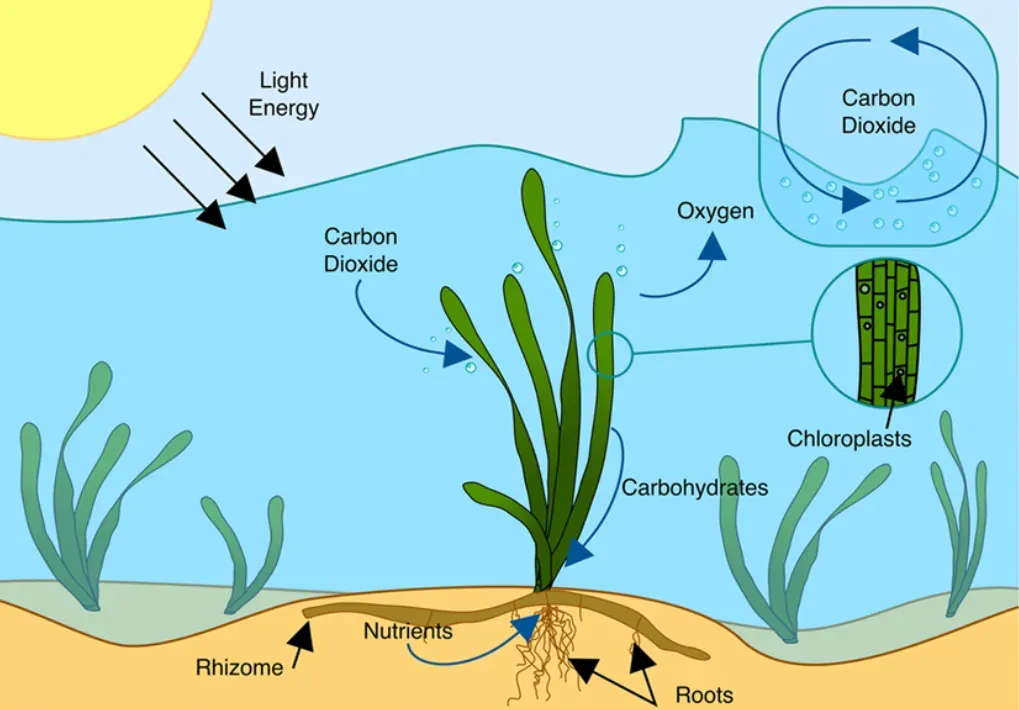
On a still winter morning, the can seem almost empty, its surface broken only by the distant ripple of a pelican diving for fish. Yet beneath that glassy sheet, life is packed in at densities that rival coral reefs, especially in the remaining pockets of healthy seagrass. Tiny invertebrates such as amphipods, polychaete worms, and small crustaceans weave through the blades, feeding on algae and detritus and in turn becoming prey for juvenile fish. These overlooked animals are the engine that powers much of the lagoon’s food web, even though most visitors never notice them. Biologists often describe this realm as a kind of submerged city, humming with commuters that move energy from one level of the ecosystem to the next.
In this microscopic metropolis, resilience and vulnerability exist side by side. Many of these small animals can rebound quickly after disturbances, taking advantage of new algal growth or colonizing fresh sediment. Others depend tightly on seagrass beds, so when those grasses die off during prolonged algal blooms, entire communities collapse almost overnight. The contrast is stark: some species boom in murky, nutrient-rich conditions, while others vanish as their habitat disappears. Reading which animals dominate the sediments at any moment gives researchers an early-warning system for the lagoon’s overall health, a biological seismograph recording invisible ecological tremors.
Manatees, Dolphins, and the Charismatic Survivors
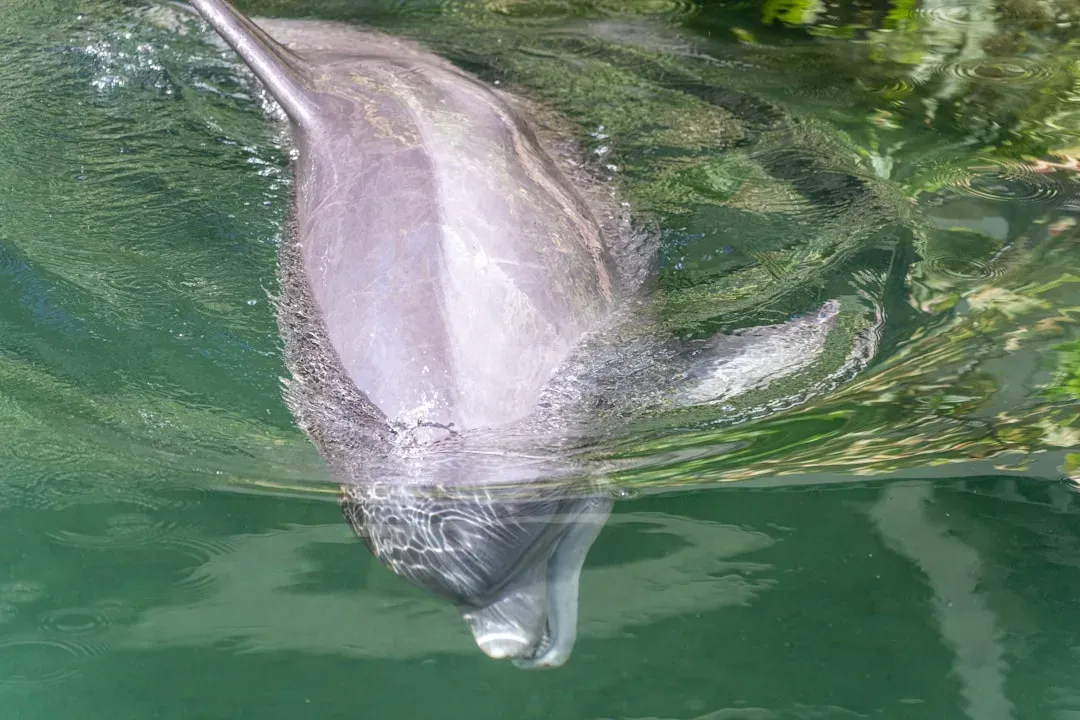
When locals talk about the , two animals usually dominate the conversation: manatees and bottlenose dolphins. Manatees have long treated the lagoon’s sheltered waters as a winter haven, crowding into warm pockets and grazing heavily on seagrass beds like slow-moving underwater cows. As those seagrass meadows have shrunk in recent years, many manatees have struggled to find enough food, turning this gentle giant into a symbol of both the lagoon’s richness and its fragility. Dolphins, by contrast, can seem almost invincible, slicing through channels, tossing fish, and socializing in complex pods that fascinate researchers. They too, however, are absorbing the stresses of pollution, disease outbreaks, and fluctuating prey.
Despite these pressures, some individuals and groups are adapting in surprising ways. Dolphins appear to be altering where and when they hunt as fish distributions shift, and some manatees are experimenting with new food sources such as macroalgae when seagrass is scarce. These adaptations are risky, sometimes exposing the animals to toxins or unfamiliar habitats, but they also reveal a capacity for behavioral flexibility that scientists are still trying to map. To understand who is thriving, researchers now track body condition, reproductive success, and movement patterns over many years. The results tell a nuanced story: survival in the lagoon is increasingly a test of flexibility, not just toughness.
Fish on the Edge: Between Ocean and River
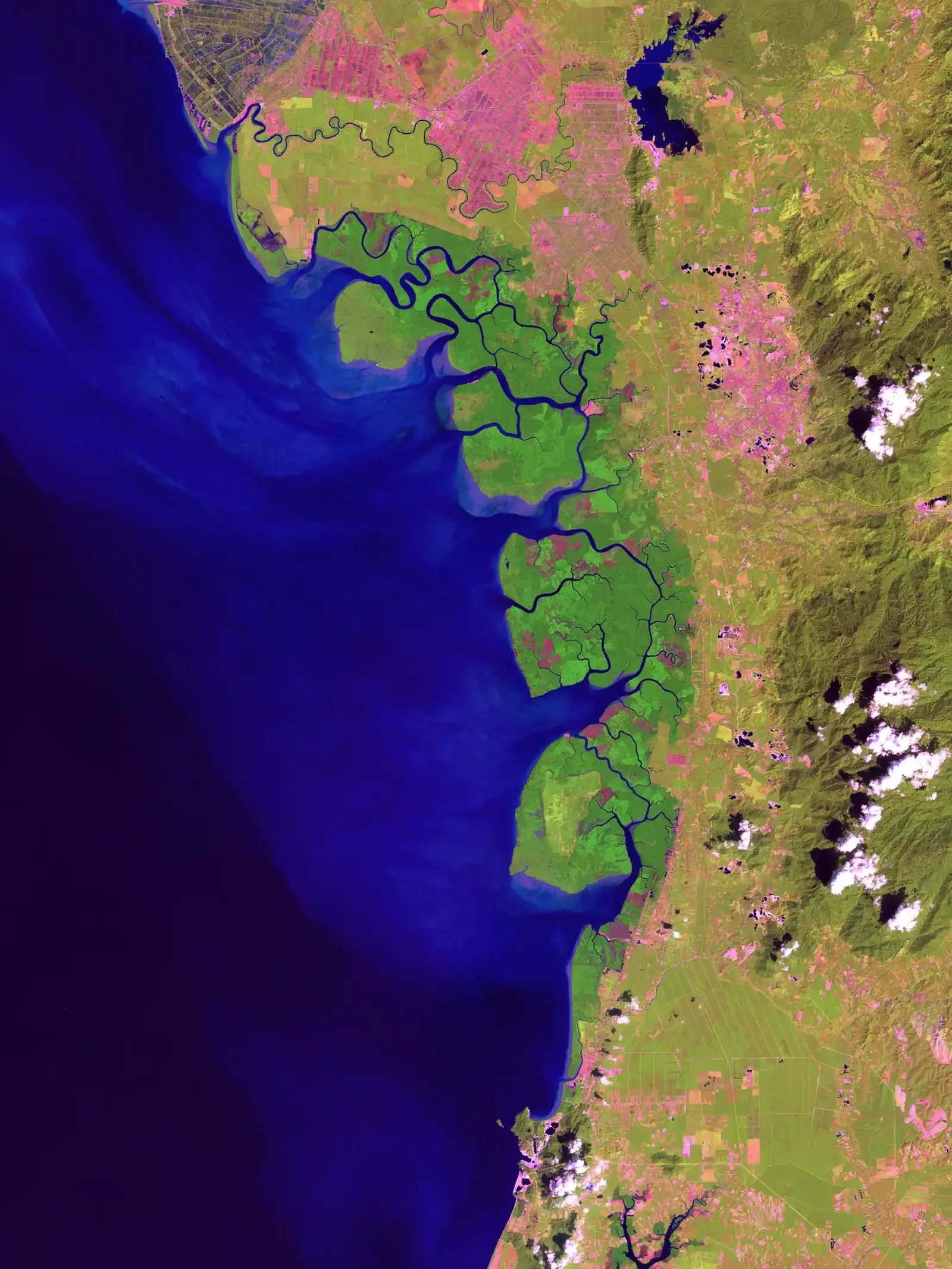
The stretches along Florida’s east coast like a long, narrow mixing zone where freshwater trickles from the land and salty ocean water seeps in through inlets. That gradient creates a vast menu of habitats for fish, from nearly fresh backwaters to brackish shallows and almost marine channels near the passes. Species like red drum, spotted seatrout, snook, and tarpon use different parts of this mosaic at different life stages, turning the lagoon into an enormous nursery. Juveniles shelter among mangrove roots or over oyster reefs, then move into deeper waters as they grow. The lagoon’s ability to support such complex life cycles is a major reason recreational fishing has flourished here for decades.
But thriving, for these fish, increasingly means navigating human-made obstacles as much as natural ones. Nutrient pollution promotes algal blooms that reduce visibility and oxygen, making it tougher for visual predators like seatrout to hunt efficiently. Sudden temperature swings and low-oxygen “dead zones” can cause fish kills that wipe out localized populations in a single night. At the same time, a handful of hardy species, such as mullet and certain small baitfish, seem to tolerate murky, low-oxygen waters better than most and sometimes even multiply under degraded conditions. The emerging pattern is unsettling: the lagoon may favor generalists and opportunists over specialized, iconic sport species if current trends continue.
Shell-Builders, Filter-Feeders, and the Quiet Engineers
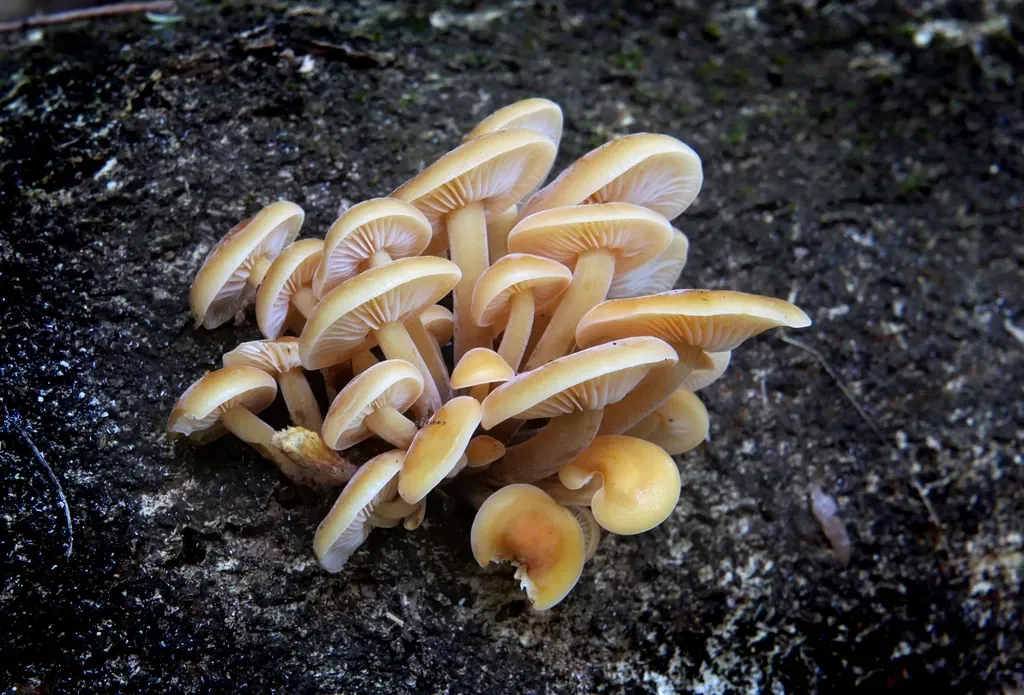
Some of the most important animals in the build homes out of minerals they pull from the water, then quietly remake the landscape around them. Oysters, for example, grow in clumped reefs that buffer shorelines, filter vast volumes of water, and create hard surfaces for other creatures to live on. A healthy reef can host a busy community of crabs, small fish, snails, and sponges, turning what would otherwise be flat mud into a tiered apartment complex. Clams and other bivalves also siphon water almost constantly, removing particles and helping to keep the lagoon clearer during calm periods. These shell-builders are not flashy, but they act as natural infrastructure, stabilizing an ecosystem that would otherwise be more prone to extreme swings.
Yet these engineers are under quiet assault from multiple directions. Excessive nutrients encourage algal growth that can smother young oysters or clog their feeding structures, while disease and overharvesting chip away at population resilience. Warmer waters and widening salinity swings add more stress, nudging conditions beyond what some species have historically tolerated. Still, there are encouraging stories: targeted restoration projects that seed new oyster reefs or protect key clam beds have seen promising survival and growth. When these animals thrive, water quality tends to improve, which in turn supports everything from seagrass to dolphins. In a sense, rebuilding oyster and clam populations is like repairing the lagoon’s plumbing before the entire system backs up.
Why It Matters: An Estuary as a Life-Support System
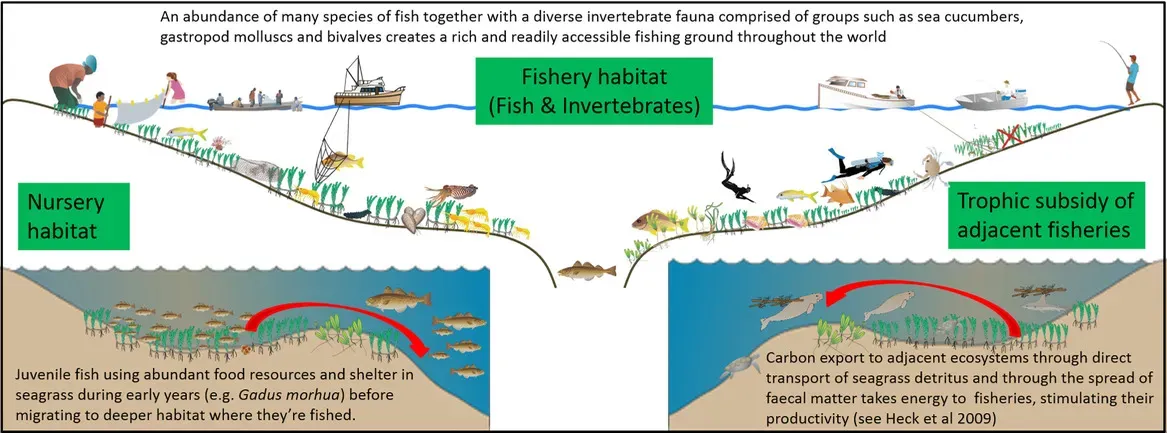
The fate of the animals in the is not just a niche concern for biologists or birdwatchers; it is a test case for how coastal communities will live with a changing planet. Estuaries like this one function as biological life-support systems, buffering storms, nurturing fisheries, and storing carbon in seagrass beds and mangrove soils. When manatees starve or dolphins suffer from recurring disease, those events are signals that the underlying machinery of water quality and food webs is faltering. The lagoon’s animals are, in effect, early-warning indicators flashing red for problems that will eventually ripple out to tourism, property values, and public health. Ignoring those signals because they appear “only” ecological is a costly gamble.
Viewed in a broader scientific context, the offers a living laboratory for understanding resilience and tipping points. Researchers can watch how different species respond to similar stressors and ask which traits – such as flexible diets, high mobility, or rapid reproduction – most reliably predict success. That knowledge feeds into models used worldwide to forecast how other estuaries might change under similar pressures. The answers are teaching scientists that thriving is not a simple return to some pristine past but an evolving balance among winners, losers, and the functions they collectively provide. In that sense, what happens in this Florida waterway is a preview of countless coastal stories still unfolding.
A Global Lens on a Local Waterway
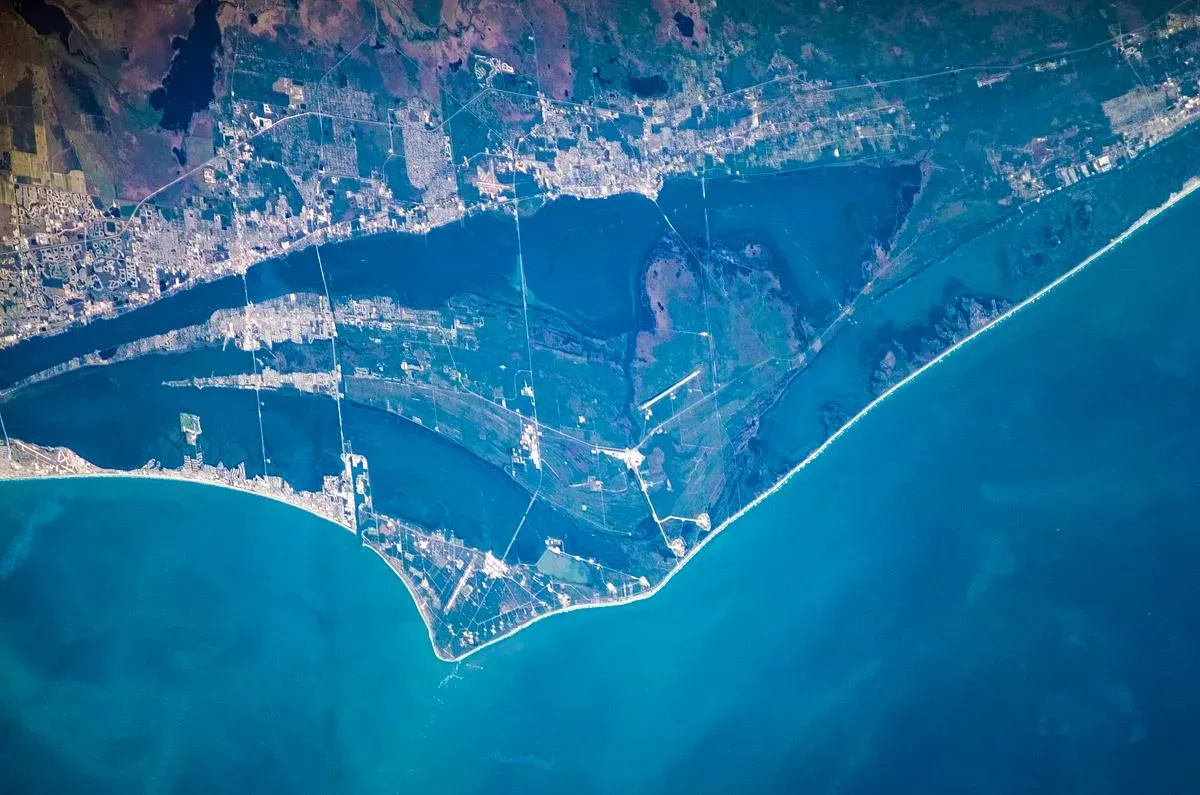
Although the feels distinctly Floridian, its struggles and successes echo estuaries from Chesapeake Bay to the Mekong Delta. Many of the same patterns repeat: nutrient-driven algal blooms, seagrass losses, declines in sensitive species, and surges in tolerant generalists. At the same time, global comparisons highlight what makes this lagoon unusual, especially its mix of subtropical and temperate species crammed into a relatively narrow corridor. Few other estuaries host such a blend of mangrove forests, salt marshes, seagrass meadows, and urbanized shorelines in such close proximity. That complexity means the lagoon can, in theory, support remarkable biodiversity if key stressors are kept in check.
For scientists, these similarities and differences are not just trivia; they are data points in a rapidly changing planetary experiment. By comparing trends in fish, shellfish, and marine mammal health across regions, researchers can separate local quirks from global patterns. For example, if seagrass decline tracks closely with warming and nutrient inputs in multiple estuaries, managers can be more confident about which levers to pull. Conversely, if some lagoons maintain robust seagrass and manatee populations under similar pressures, they may hold lessons about effective protection or restoration strategies. In this way, animals that thrive – or fail – in Florida’s lagoon are helping to write a field guide for managing coastal ecosystems worldwide.
The Future Landscape: Technology, Uncertainties, and Animal Adaptations

Peering into the lagoon’s future is a bit like trying to forecast the evolution of a crowded city under the twin pressures of climate change and rapid development. Emerging tools, from high-resolution satellite imagery to environmental DNA sampling, are giving scientists a far more detailed view of which species are present and how their numbers fluctuate. Drones skim low over the water to count manatees and map seagrass, while underwater sensors track temperature, oxygen, and salinity in real time. These technologies reveal subtle shifts that once went unnoticed, such as gradual changes in spawning grounds for fish or creeping expansions of algae-tolerant species. The more precisely researchers can track these transitions, the better they can predict which animals are poised to thrive.
Yet even with better data, the lagoon’s path is anything but guaranteed. Sea-level rise will alter salinity patterns, pushing some species out of former strongholds while opening new niches for others. Stronger, more frequent storms can rip up seagrass, damage oyster reefs, and reshuffle entire communities overnight. At the same time, targeted restoration – replanting seagrass, rebuilding oyster reefs, reducing nutrient runoff – can tilt the odds back toward species that support clean water and rich food webs. The outcome will depend on whether management keeps pace with change or simply reacts to crises as they arise. Animals that can adapt quickly, shift their ranges, or exploit new habitats will likely define the lagoon’s next chapter.
Living With Uncertainty: Human Choices and Animal Fortunes
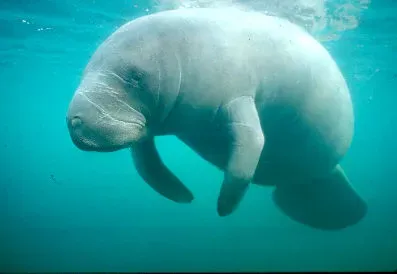
Anyone who has watched a manatee surface beside a kayak or seen a school of mullet erupt under the strike of a dolphin knows that this lagoon is not an abstract policy problem; it is a place crowded with lives that intersect with our own. Our choices about fertilizer use, lawn care, septic systems, boating routes, and coastal development translate directly into nutrient levels, water clarity, and habitat availability. Those, in turn, shape which animals find the lagoon welcoming and which are slowly pushed out. It can feel overwhelming, but it also means the story is not yet fixed in stone. Every improvement in water management or habitat protection nudges the lagoon’s trajectory toward a richer, more stable community of species.
From a scientific perspective, that interplay between human action and animal response transforms the lagoon into a kind of shared experiment. Managers test strategies such as creating manatee-safe zones, restoring oyster reefs, or upgrading wastewater systems, while biologists monitor how fish, dolphins, and invertebrates respond. Some interventions yield rapid payoffs; others take years to show results or reveal unintended side effects. What is clear, though, is that inaction carries its own risks, often in the form of sudden collapses that are much harder and more expensive to reverse. In a very real sense, thriving animals and thriving communities are two sides of the same estuarine coin.
How You Can Help: Small Actions, Big Ripples
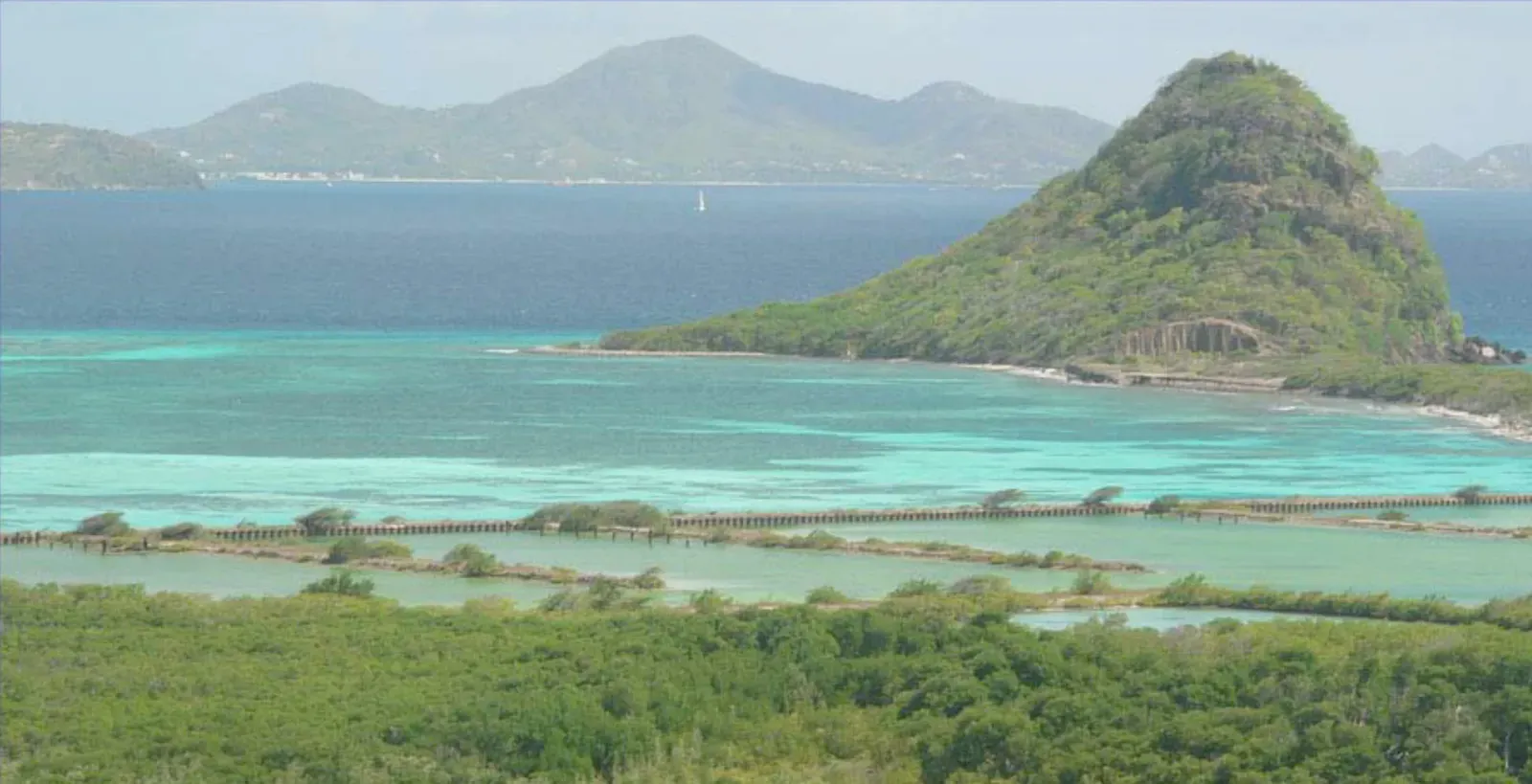
For residents and visitors, supporting the animals of the starts with how they treat the land and water around them. Simple choices – using fewer lawn chemicals, maintaining septic systems, planting native vegetation, and supporting local conservation groups – reduce the nutrient loads that fuel harmful blooms. Boaters can slow down in manatee zones, avoid tearing up seagrass beds with propellers, and properly dispose of fishing line that might entangle birds, turtles, or dolphins. Even small behavioral shifts, multiplied across thousands of people, can change the baseline conditions that determine whether sensitive species have a fighting chance. The lagoon does not need perfection; it needs a critical mass of better habits.
Engagement can also be as direct as joining a shoreline cleanup, volunteering in a seagrass or oyster restoration project, or participating in community science programs that track wildlife sightings and water quality. These activities not only generate useful data but also deepen personal connections to the lagoon’s living residents, from tiny crabs to hulking manatees. For those farther afield, supporting policy efforts that prioritize clean water, habitat conservation, and climate resilience helps reinforce the broader systems that estuaries depend on. Whether you live on its banks or only visit through stories and photographs, the choices you make send ripples that reach this embattled yet still astonishing waterway. The question is not whether the lagoon’s animals can adapt at all, but whether we will give them enough room to do so.
Suhail Ahmed is a passionate digital professional and nature enthusiast with over 8 years of experience in content strategy, SEO, web development, and digital operations. Alongside his freelance journey, Suhail actively contributes to nature and wildlife platforms like Discover Wildlife, where he channels his curiosity for the planet into engaging, educational storytelling.
With a strong background in managing digital ecosystems — from ecommerce stores and WordPress websites to social media and automation — Suhail merges technical precision with creative insight. His content reflects a rare balance: SEO-friendly yet deeply human, data-informed yet emotionally resonant.
Driven by a love for discovery and storytelling, Suhail believes in using digital platforms to amplify causes that matter — especially those protecting Earth’s biodiversity and inspiring sustainable living. Whether he’s managing online projects or crafting wildlife content, his goal remains the same: to inform, inspire, and leave a positive digital footprint.