
Imagine standing at the edge of a beach, completely unaware that a wall of water is racing toward you from miles offshore. Now imagine that the elephants nearby already knew. They started walking inland hours ago. The birds vanished from the trees at dawn. The dogs refused to leave the house. There’s something happening in the animal world that most of us have barely begun to understand, and it challenges everything we think we know about how nature communicates danger.
For centuries, humans have noticed these patterns, dismissed them as coincidence, and moved on. Yet the stories keep piling up across cultures, continents, and centuries. Honestly, at some point you have to stop calling it folklore and start asking the harder question: what if animals really do know something we don’t? Let’s dive in.
A History Written in Animal Behavior
The earliest recorded observations of unusual animal behavior before earthquakes date back to 373 BC in Greece, when rats, weasels, snakes, and centipedes reportedly abandoned their homes days before a destructive earthquake. That’s not a modern tale. That’s nearly 2,400 years of humans noticing the same pattern, and yet only in recent decades has science begun taking it seriously.
Chinese records from 780 BCE mention unusual animal behaviors before earthquakes, leading to the establishment of an official animal monitoring system for earthquake prediction during the Han dynasty. Think about that. An official government system, thousands of years ago, built entirely around watching animals. Turns out our ancestors weren’t as superstitious as we assumed.
The 2004 Tsunami: Nature’s Most Documented Warning
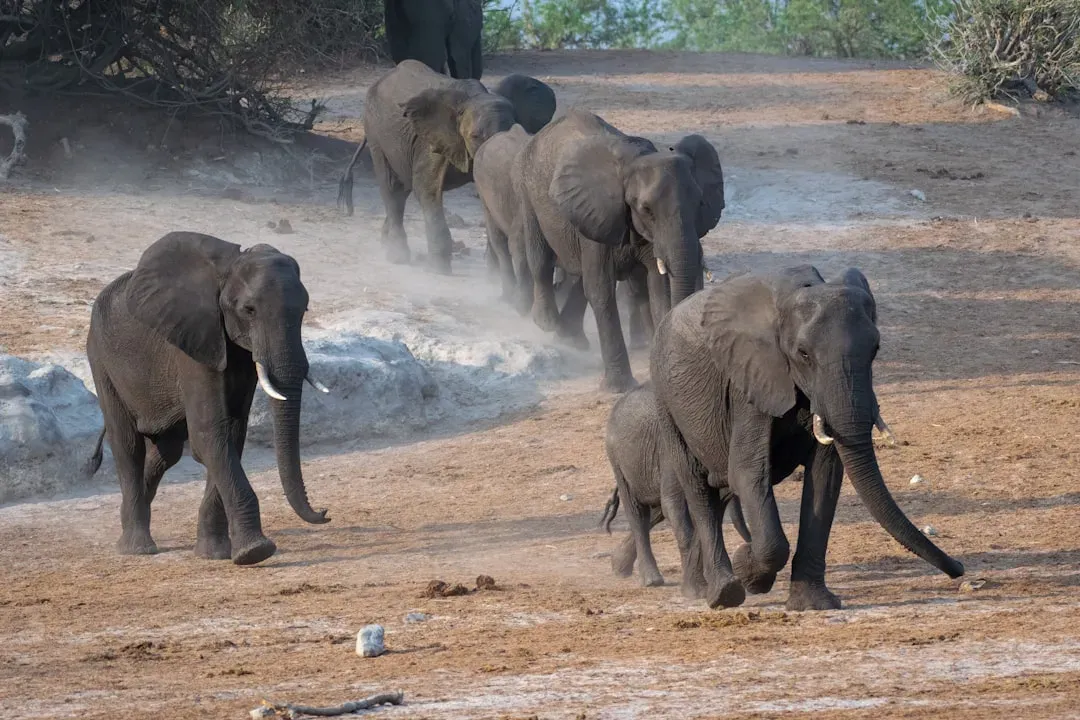
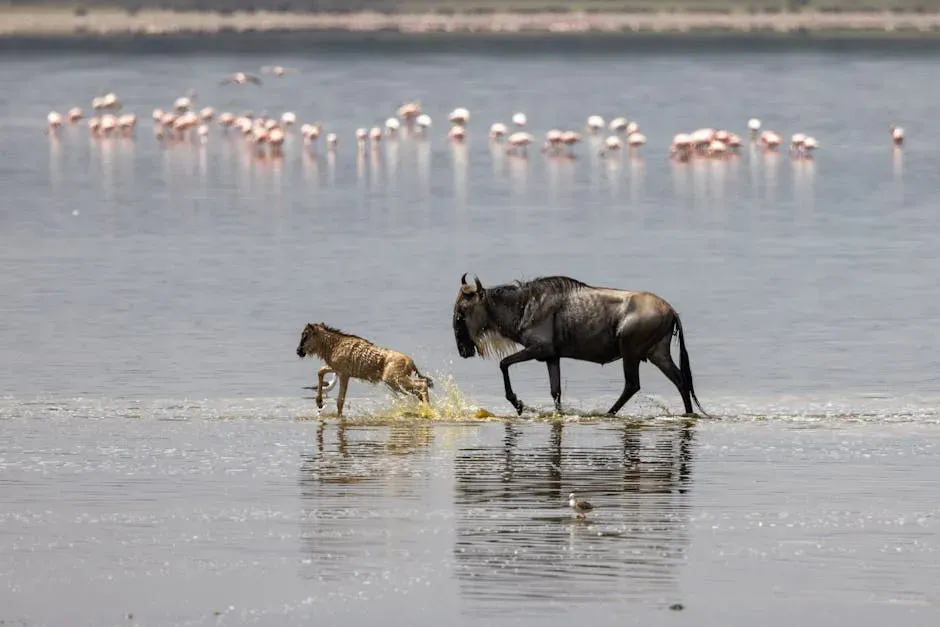
Before the 2004 Indian Ocean tsunami that killed over 230,000 people, numerous accounts emerged of elephants screaming and running to higher ground, flamingos abandoning their low-lying breeding areas, and zoo animals refusing to come outdoors despite feeding times, all before humans had any warning of the approaching disaster. That is a staggering list of species, all reacting independently, all pointing in the same direction.
In Yala National Park, Sri Lanka, numerous visitors observed elephants fleeing to higher ground, and their actions took place about an hour before the tsunami hit, suggesting they sensed the danger. An hour. That’s not a coincidence. That’s enough time to save a life, and in some cases, it actually did.
How Animals Actually “Hear” What Humans Cannot
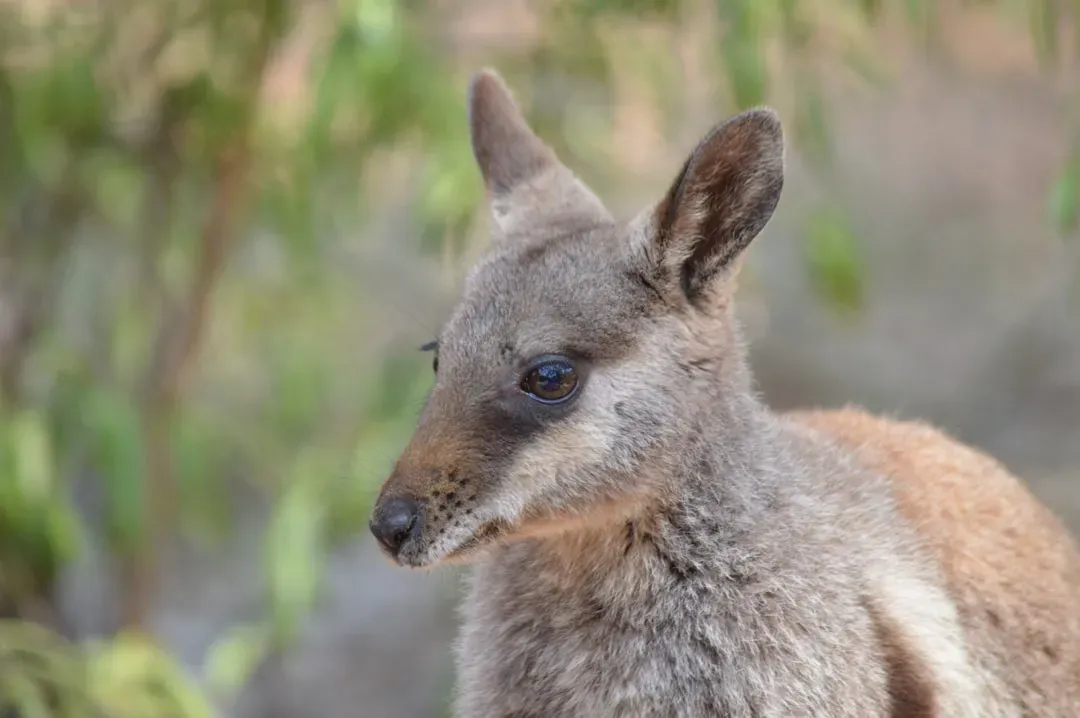
Humans are able to hear sounds in the range of 20 hertz to 20,000 kilohertz, but certain animals like dogs, elephants, bats, and deer transcend the boundaries of this range when it comes to hearing, which is why they appear to have this sixth sense. It’s less about magic and more about biology. Think of it like a radio that can pick up frequencies yours simply isn’t built to receive.
Hearing plays a major role in wildlife behavior before storms, eruptions, and tsunamis, and some animals pick up infrasound, very low-frequency sound waves generated by distant thunder, ocean waves, or volcanic activity, that humans cannot hear. Elephants detect these through pads in their feet, while dogs perceive them with their ultrasensitive hearing. You are essentially surrounded by living seismographs at all times, and you probably never even noticed.
The Science of Seismic Waves and Animal Sensitivity
Animals can detect Primary waves, or P-waves, which are the first seismic waves emitted from an earthquake that travel at several miles per second, arriving before the stronger Secondary waves, or S-waves, that cause the rolling motion humans feel. While this explains reactions seconds before an earthquake, some researchers believe animals may sense even earlier warning signs. So there are actually two layers of animal detection at play here, the immediate seismic response, and something that may reach much further back in time.
Very few humans notice the vibration of the P wave, but animals can often sense it, and it’s unknown exactly how animals may detect P waves, but it could be through their sense of smell, touch, or hearing. It’s hard to say for sure which sense dominates, and in reality, it’s probably a combination working together. Evolution has essentially built a multi-channel early warning system into these creatures.
Chemicals, Gases, and the Earth’s Hidden Language

Animals may sense the ionization of the air caused by the large rock pressures in earthquake zones with their fur. It is also conceivable that animals can smell gases released from quartz crystals before an earthquake. That is genuinely remarkable. The Earth is chemically whispering its intentions before it moves, and animals with sensitive enough noses are tuned in.
Pressure changes in the Earth’s crust can release gases like radon into groundwater and the atmosphere, and animals with acute senses of smell might detect these chemical shifts. Before major storms and some seismic events, air pressure fluctuates in ways animals may perceive but humans cannot. Your dog rushing back indoors before a rainstorm isn’t being dramatic. It’s reading a chemical and pressure newspaper you never had access to.
Remarkable Studies That Changed the Conversation

Researchers from the Max Planck Institute of Animal Behavior investigated whether cows, sheep, and dogs can actually detect early signs of earthquakes. They attached sensors to the animals in an earthquake-prone area in Northern Italy and recorded their movements over several months. The movement data showed that the animals were unusually restless in the hours before the earthquakes, and the closer the animals were to the epicentre of the impending quake, the earlier they started behaving unusually. That last detail is critical. The proximity effect turns this from coincidence into a measurable, directional signal.
Researchers attached transmitters to goats living around Mount Etna, recorded the animals’ movements over several years, and retrospectively compared the animals’ movement profiles with volcanic activity. On 4 January 2012, Mount Etna began to spew large amounts of lava and ash six hours after the researchers had recorded unusual activity among the goats. Over the course of the two-year study, scientists were able to retrospectively predict a total of seven major eruptions based on their data. Seven eruptions. That is not a statistical fluke.
Toads, Birds, and the Unexpected Messengers
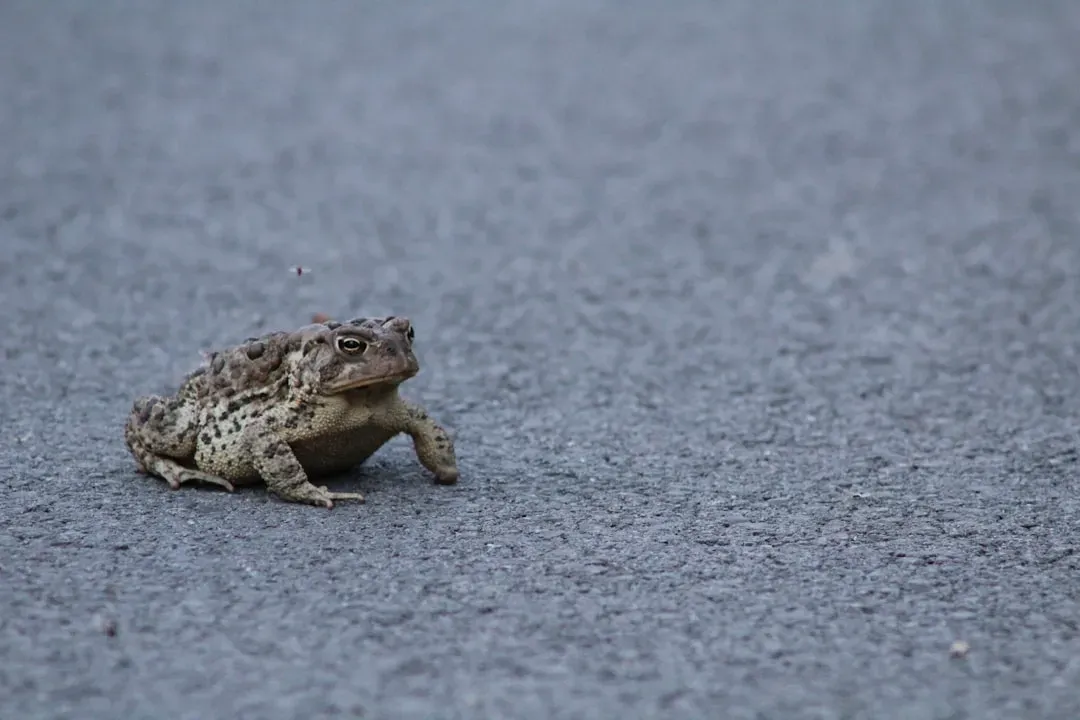
Researchers analyzed the behavior of common toads near the Italian city of L’Aquila, which in April 2009 was the scene of a major earthquake. The analyses show that the amphibians were already behaving unusually five days before the earthquake and had ceased their spawning activity. Five days. These small, overlooked creatures gave a warning nearly a week before disaster struck, and almost no one was listening.
Veery birds seemed to sense tropical storms months before they formed, and in some years, the veeries ended their breeding season and prepared for migration earlier than in other years. Analysis revealed a correlation between this behavior and the severity of the following hurricane season, and researchers theorized that starting their migration earlier may give the birds extra time to wait out storms before crossing the open water. Months in advance. Let that sink in. A bird the size of your fist may be a more reliable hurricane forecaster than some computer models.
What Japan and China Taught the World

In Japan, after the devastating 2011 earthquake, researchers conducted a large-scale survey where 1,259 dog owners and 703 cat owners reported unusual pet behavior such as anxiety, trembling, and hiding the day before the disaster. In addition, dairy farms located up to 340 km from the epicenter recorded a significant drop in milk yields in the week leading up to the event. Drop in milk yields. That’s a biological stress response rippling out from an impending geological event. The body knows before the ground moves.
In February 1975, the Chinese city of Haicheng was severely damaged by a magnitude 7.3 earthquake, but a massive evacuation carried out before the main shock saved thousands of lives. At that time, unusual animal behavior drew special attention: snakes appeared to emerge when they should have stayed in their burrows, and livestock, birds, geese, and even cows displayed signs of anxiety and restlessness. China became the first nation to take animal observation seriously as disaster policy. In areas near active fault lines, monitoring unusual reptile movements has become part of some early warning protocols, and the Chinese seismological bureau has even experimented with snake behavior observation stations as part of their earthquake prediction efforts.
Can We Build a Warning System Around Animal Behavior?
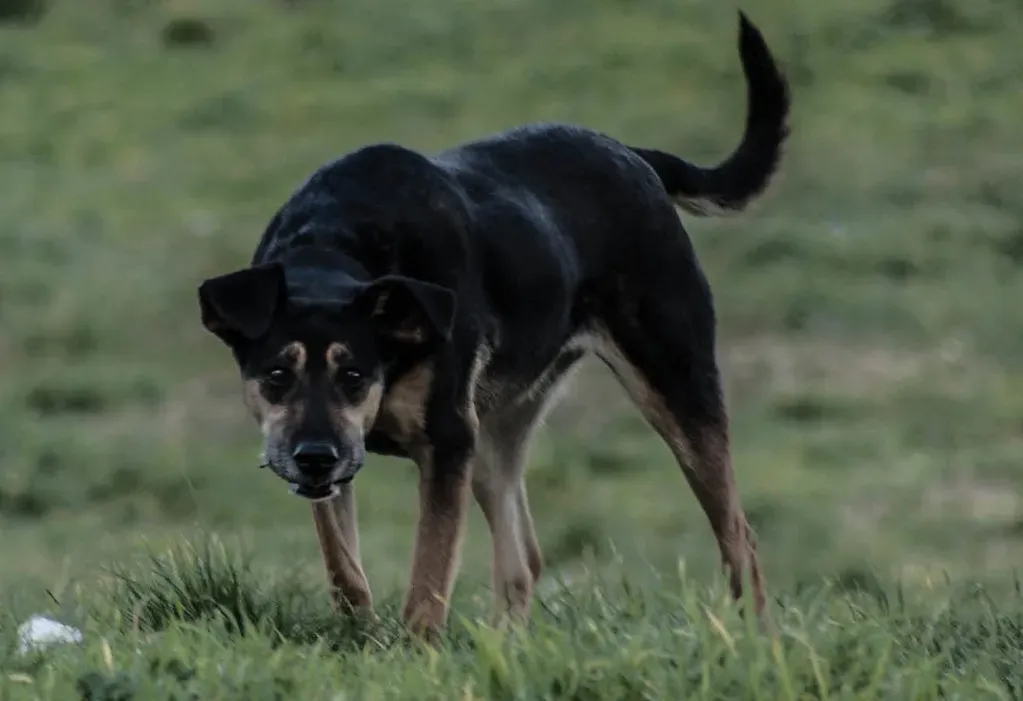
Evidence is mounting that animals perceive impending disasters earlier than humans with their measuring equipment, and they communicate this information through their behavior, forming a type of animal early warning system for natural disasters. The knowledge that animals have could save thousands of human lives, as for every extra minute of advance warning time, more people can be brought to safety, buildings at risk of collapse can be cleared, and dangerous areas can be evacuated. That’s not a small claim. That’s a paradigm shift in how we approach disaster preparedness.
Integrating animal behavior observations with technological methods such as seismic monitoring, weather forecasting, and satellite imagery can create a more reliable and effective early warning system. The available data is still too incomplete for such a warning system, as more catastrophic events, more individuals, and more species must be analyzed to find out which animals respond to which events and how reliable they are in their response, and ICARUS is working to create the conditions for such an animal early warning system, with the vast amount of information recorded by modern mini-transmitters set to tell us whether animal sensors are suitable elements of early warning. The science is young, but it is accelerating.
Conclusion: Nature Has Been Warning Us All Along
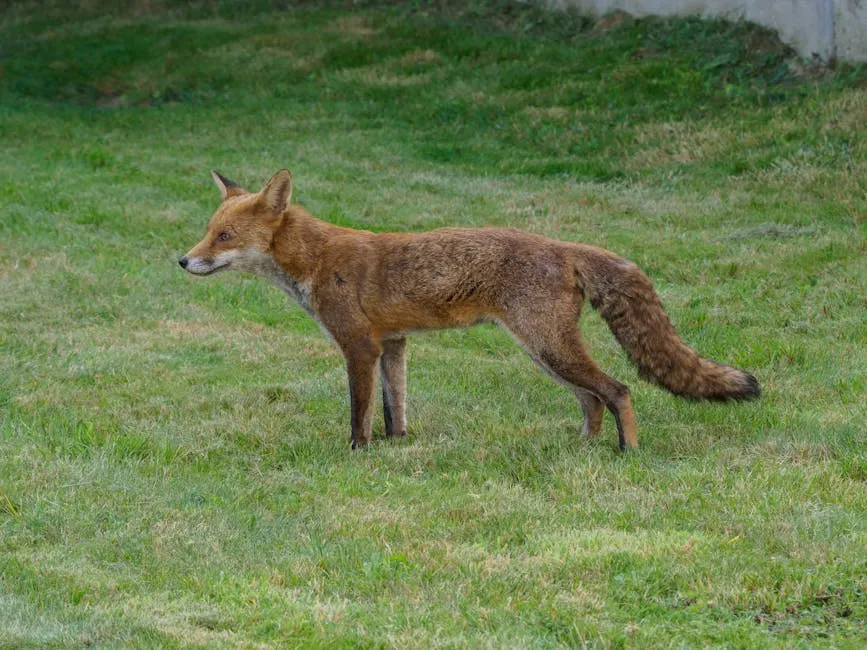
Here’s the thing: the idea that animals possess some form of advanced environmental sensing isn’t mystical. It isn’t folklore dressed up in scientific language. It is a real, documented, increasingly well-researched phenomenon rooted in millions of years of evolutionary refinement. These creatures didn’t develop their sensory abilities to impress us. They developed them to survive. We just happen to benefit from paying attention.
If animals react to changes in the atmosphere, water, or soil, this is a signal for us as well, and the ability to read such signs of nature makes humans more resilient to risks, whether disasters or climate shifts. The real question isn’t whether animals can sense what we cannot. The real question is whether we are humble enough to watch, listen, and learn from them before the ground shakes again.
What do you think: could watching your pets and local wildlife one day be as important as checking a weather app? Tell us in the comments.