
There was a time not so long ago when scientists who suggested that animals could feel joy, grieve, or fall into depression were laughed out of their fields. Emotions, many argued, were strictly a human privilege. Yet, as research tools grew more sophisticated and more researchers dared to ask uncomfortable questions, something remarkable happened – the evidence began to overwhelm the skepticism.
What you are about to read isn’t a feel-good story about adorable animals. It’s a deeper, more surprising journey into what science now knows about the inner worlds of creatures we share this planet with. You might be startled by just how much they feel. Let’s dive in.
The Scientific Shift That Changed Everything
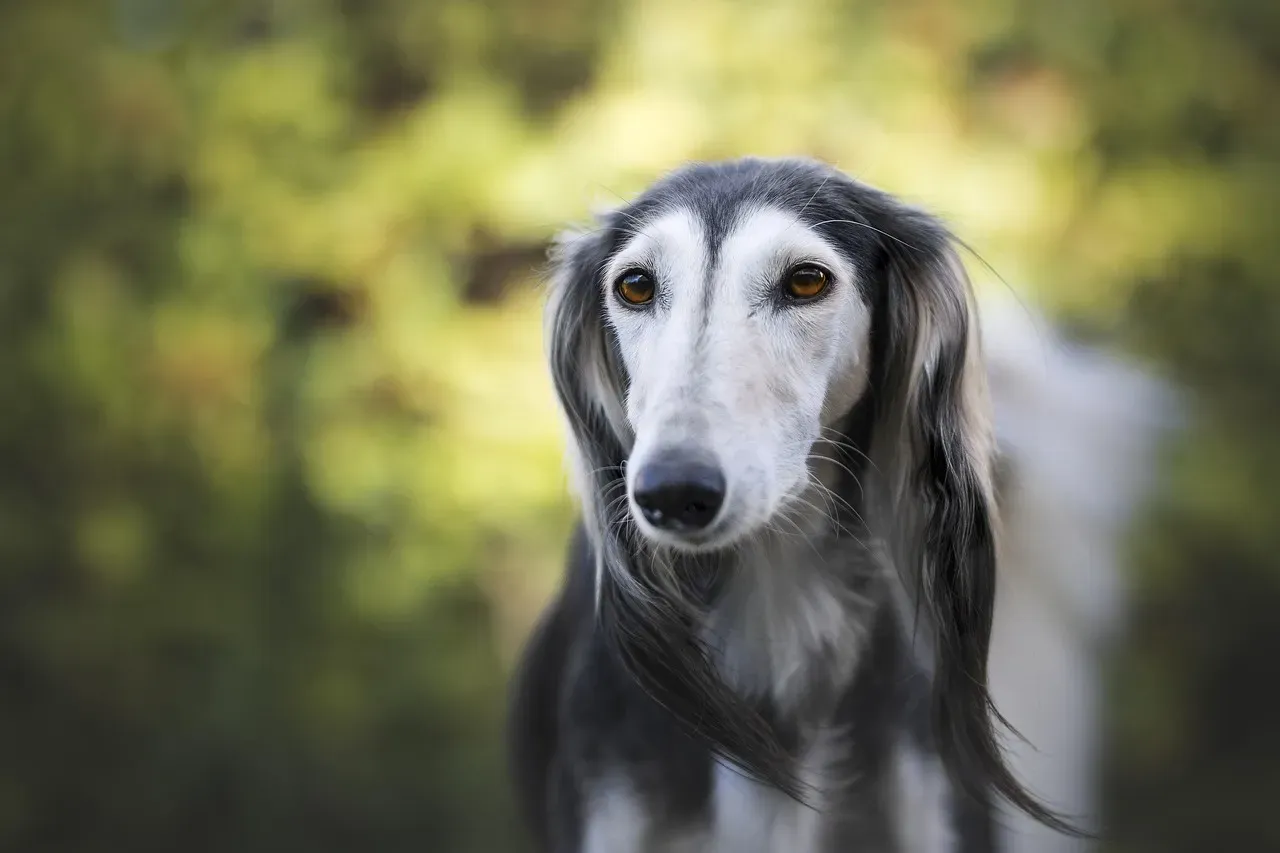
For most of the twentieth century, the idea that animals possessed genuine emotional lives was dismissed as sentimental thinking. A majority of professional animal behavior researchers now openly ascribe emotions and consciousness to a wide range of animals – a stark contrast from attitudes of the twentieth century, when the importance of emotions in animals’ lives was at best ignored, and more often completely denied. That is not a small turn of opinion. That is a revolution in scientific thinking.
In recent years, the scientific community has become increasingly supportive of the idea of emotions in animals, with research providing insight into similarities of physiological changes between humans and animals when experiencing emotion. Think about that for a moment. When you feel fear, your heart races and your muscles tense. When animals experience fear, the same chain of biological events unfolds. That’s not coincidence – that’s shared biology telling a shared story.
Darwin Was Right Before the Rest of Science Caught Up
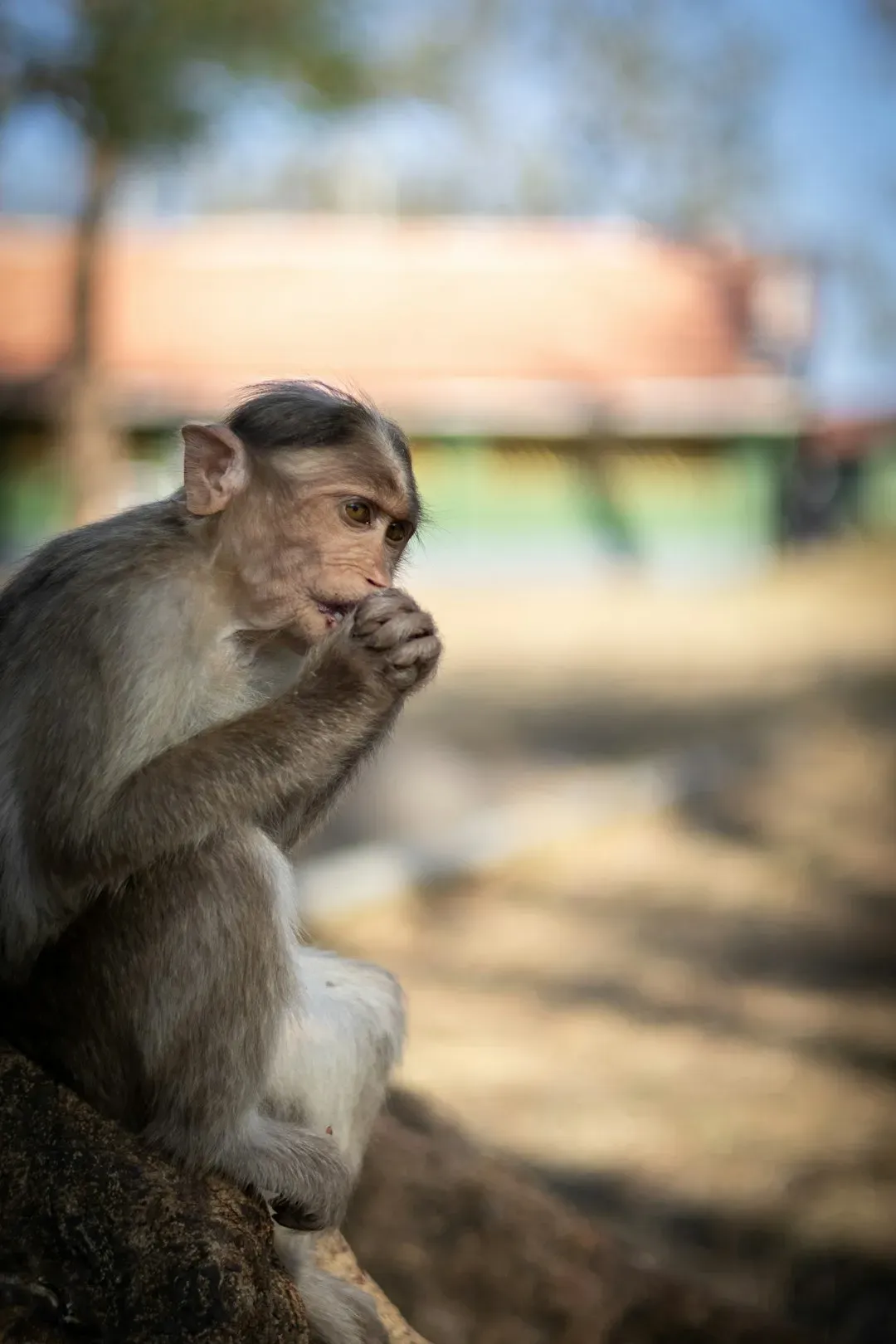
In his 1872 book “The Expression of the Emotions in Man and Animals,” Charles Darwin argued that animals experience emotions similar to those of humans, because of a shared evolutionary history between humans and other animals. Darwin had the intuition. The tools to prove it just didn’t exist yet. It took roughly another century and a half for science to actually build the framework needed to confirm what he had already suspected.
Current research provides compelling evidence that at least some animals likely feel a full range of emotions, including fear, joy, happiness, shame, embarrassment, resentment, jealousy, rage, anger, love, pleasure, compassion, respect, relief, disgust, sadness, despair, and grief. That’s not a short list. Honestly, it covers nearly the entire spectrum of what most humans would call their emotional experience. So where, exactly, does the human-animal divide really begin?
The New York Declaration: A Landmark Moment for Animal Consciousness
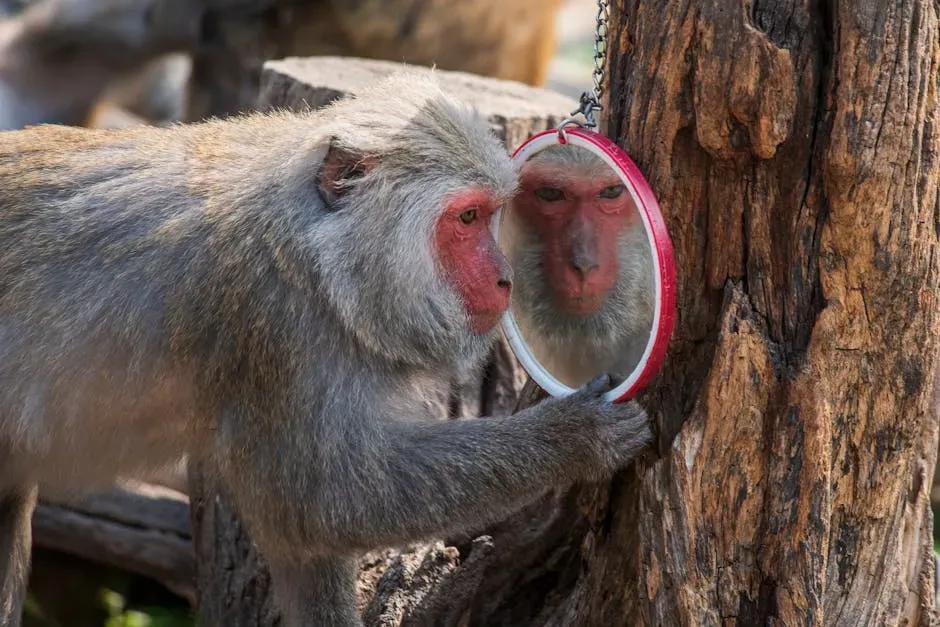
Nearly 40 researchers signed “The New York Declaration on Animal Consciousness,” which was first presented at a conference at New York University, marking a pivotal moment as a flood of research on animal cognition collides with debates over how various species ought to be treated. This is the kind of declaration that doesn’t just belong in a scientific journal. It belongs in courtrooms, in policy rooms, and in public conversation.
The last ten years have been an exciting time for the science of animal cognition and behavior, with striking new results hinting at surprisingly rich inner lives in a very wide range of other animals, including many invertebrates, driving renewed debate about animal consciousness. Invertebrates. Let that sink in. We’re no longer just talking about dogs and dolphins – scientists are now seriously investigating whether crabs feel pain and whether bees might have something resembling curiosity.
Elephants: Masters of Mourning and Memory
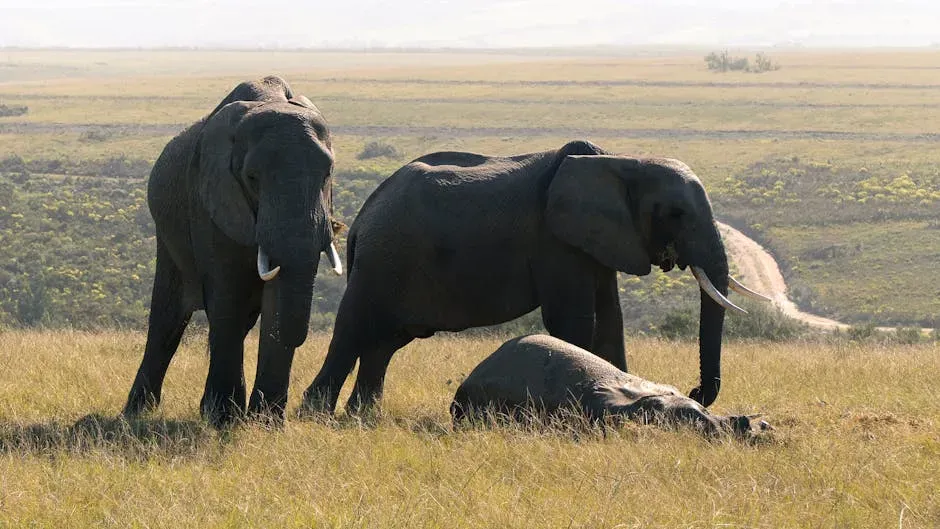
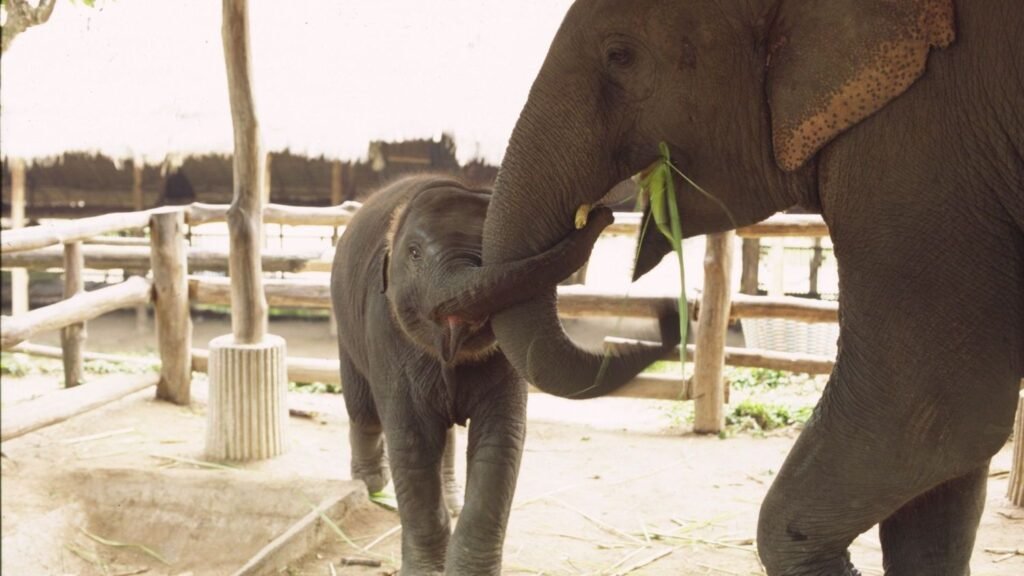
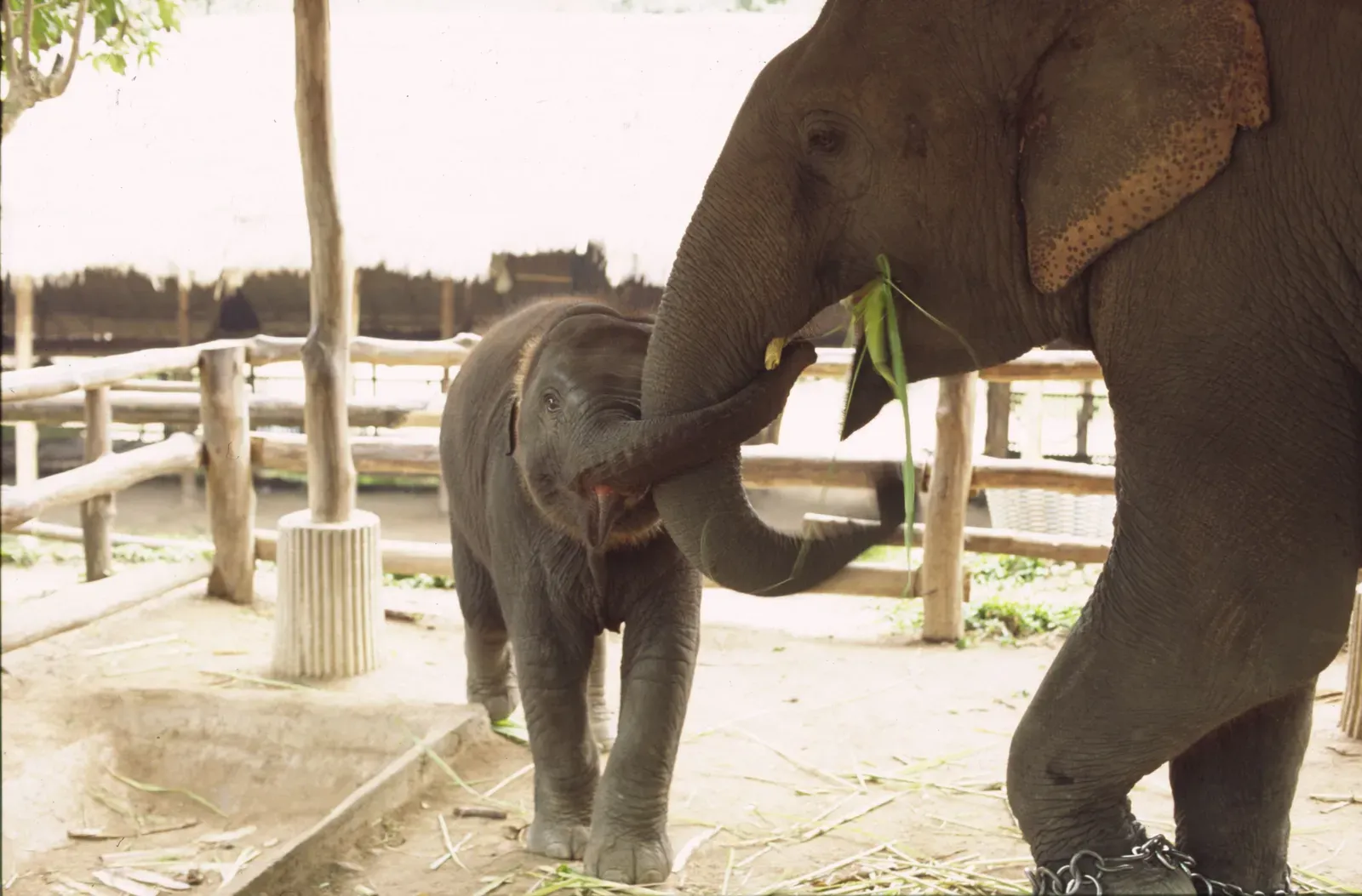
Several studies have documented elephants grieving in complex ways, including burying young calves, guarding dead bodies, and even crying. Not surprisingly, elephants have demonstrated notable cognitive abilities, extensive memory and highly sophisticated olfaction. Their memories stretch across decades, their social bonds run deep, and their response to death reveals something that is achingly familiar to anyone who has ever stood at a graveside.
In September 2018, near the Indian city of Tumkur, villagers recorded a beleaguered Asian elephant trying to nudge the limp body of her dead calf back to life. As her ears fluttered in distress, she used her trunk and feet to jostle the lifeless carcass for more than 24 hours. Eventually, twelve more adults gathered around the deceased calf, as if to comfort the mother. There is no behavioral script that could explain that behavior purely through survival mechanics. Something else was happening there. Something that looks, unmistakably, like grief.
Dogs and the Science of Emotional Mirroring

In studies, dogs exhibited brain activity similar to humans when exposed to emotional stimuli. Using MRI scans, researchers found that dogs’ brains are activated in a manner akin to ours when they hear happy sounds. I think this is one of the most quietly astonishing findings in animal emotion research. You don’t need to speculate whether your dog is happy to see you – you can actually see it happening in the brain, in real time.
A 2019 study found that some dog-human pairs had synchronised cardiac patterns during stressful times, with their heartbeats mirroring each other. This emotional contagion doesn’t require complex reasoning – it’s more of an automatic empathy arising from close bonding. Your dog’s heart literally syncs with yours when you’re stressed. If that isn’t emotional connection, it’s hard to know what else to call it. Thousands of years living as our companions have fine-tuned brain pathways for reading human social signals in dogs.
Chimpanzees: Grief, Friendship, and Complex Social Pain
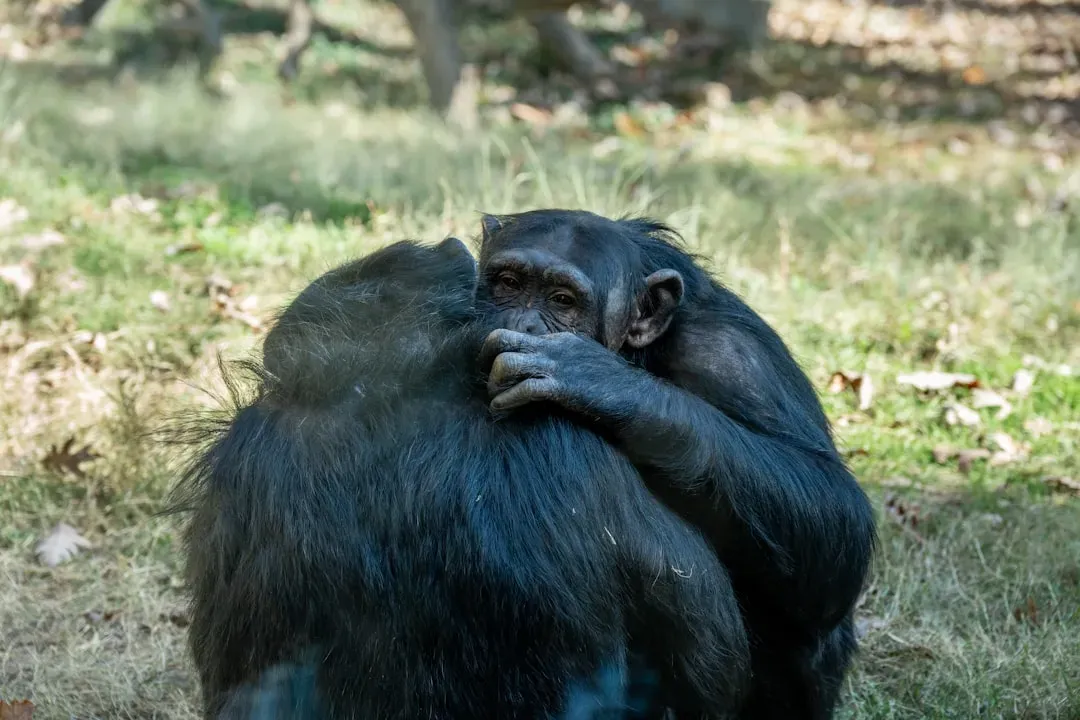
Two male chimpanzees in Uganda had for years been inseparable allies. When one died, the other, who’d been sociable and high-ranking, “just didn’t want to be with anybody for several weeks,” said researcher John Mitani. “He seemed to go into mourning.” That description could have been lifted from any story of human bereavement. The withdrawal, the isolation, the changed personality – it maps onto human grief with uncomfortable precision.
Famed chimpanzee researcher and advocate Jane Goodall watched as Flint, a young male chimp, died just four weeks after his mother Flo passed away – he was unable to eat or spend time with others. A young chimpanzee, apparently dying of grief. It is hard to read that and maintain any comfortable certainty that animals are emotionally hollow. A 2020 study of chacma baboons in Namibia attributed a similar death response to a combination of the “grief-management hypothesis” and the “social-bonds hypothesis.”
Insects, Crabs, and the Expanding Frontier of Sentience
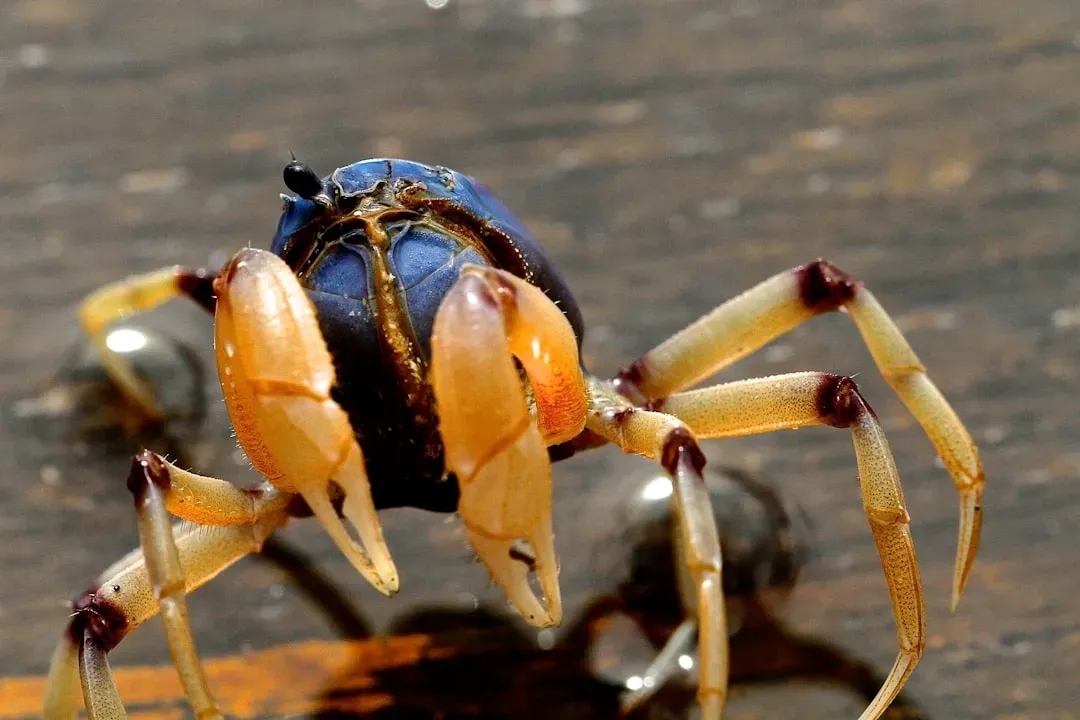
Far more animals than previously thought likely have consciousness, top scientists say in a new declaration – including fish, lobsters and octopus. Here’s the thing: most people can accept that an elephant grieves. But a crab? That requires a real stretch of imagination for most of us. Yet the research is beginning to push in that direction with surprising persistence.
A 2024 study looked at how shore crabs balance their aversion to bright light against their aversion to electric shock. The crabs normally enter a shelter to escape bright light but may choose the bright light over the shelter if they experienced a shock in that shelter in the past – and their decision depends on how intense the shock was and how bright the light is. That is not robotic behavior. That is memory-dependent, pain-aware decision-making. These trade-offs suggest the animal has a “common currency” for weighing needs of very different kinds, a currency that does for them what pleasure and pain do for us.
The Bias Problem: Why Science Took So Long to See What Was There
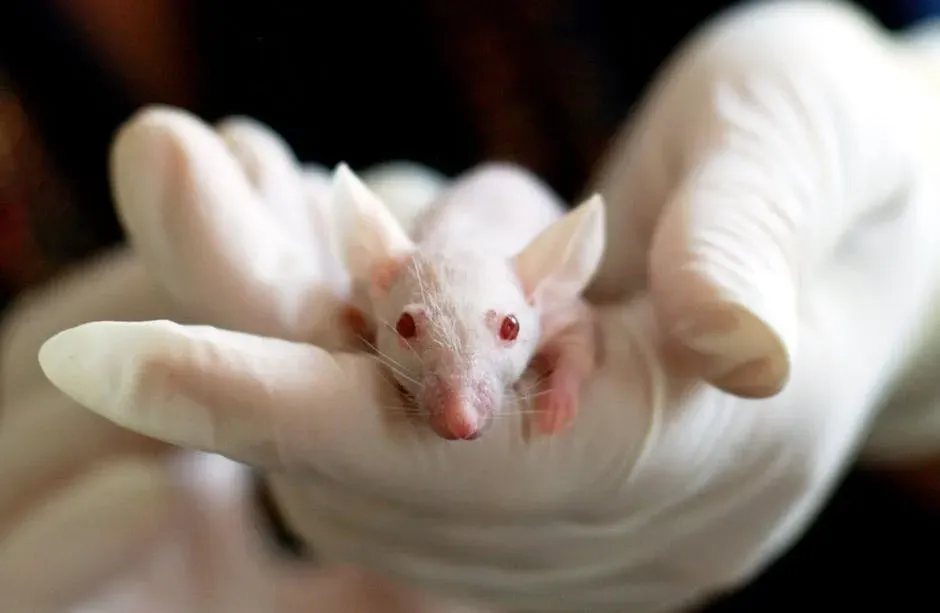
Many biases in animal emotion research appear to result from the same subconscious heuristic: researchers are most likely to identify animals as showing emotions and consciousness if they share characteristics with humans – including facial expressions, language, advanced cognitive abilities, and group living. So the species that looked most like us got the most emotional credit. Everything else was dismissed. It’s not a flattering portrait of scientific objectivity, but it is an honest one.
A survey found that nearly half of respondents thought the risks of anthropomorphism (inaccurately projecting human experience onto animals) was a problem, while the vast majority thought that anthropodenial (willful blindness to any human characteristics of animals) posed a risk. That’s a telling imbalance. The scientific community has historically been more afraid of seeing too much emotion in animals than of seeing too little. One of the biases that may have the greatest impact on the overall discourse regarding animal emotions and consciousness is a conservative bias in the absence of evidence.
What This Means for How You Treat Animals

Animal sentience – the capacity to consciously experience affective states – is widely recognized in ethics and law as underpinning our animal welfare obligations. A better understanding of sentience in other species will therefore have significant implications for how we should treat animals in our care. This isn’t abstract philosophy. It has consequences for farms, labs, zoos, and the pets sitting in your home right now. When science confirms that an animal suffers, it calls on us to act differently.
In 1997, the European Union gave legal recognition to the sentience of animals and updated and elevated this recognition in the Treaty of Lisbon, with other countries and states as well as the World Organization for Animal Health following suit. Multiple countries, including France, the Netherlands, New Zealand, Sweden, and Tanzania, have explicitly recognized animal sentience in their federal laws. Law is catching up to the science, slowly but surely. The question now is whether society’s everyday choices will follow.
Conclusion: We Were Never as Alone in Our Feelings as We Thought
It turns out the emotional world we thought was uniquely ours has been shared all along. From the elephant mother who refuses to leave her deceased calf, to the dog whose heartbeat syncs with yours during a panic attack, to the shore crab who remembers exactly which shelter caused it pain – the evidence is growing louder and harder to ignore.
From all this research, it seems that the similarities between human and animal emotions might be closer than we would have expected a few decades ago. Animals react to their environments much as humans do. They respond emotionally to others and evaluate situations in a similar way, becoming stressed and anxious in times of danger. The real revelation here is not just about what animals feel. It’s about what that feeling demands from us in return.
The next time you look into the eyes of an animal – a dog, a crow, or even an octopus – you might want to consider that something is looking back at you. Something that feels. That, I think, changes everything. What do you believe we owe them? Share your thoughts in the comments.