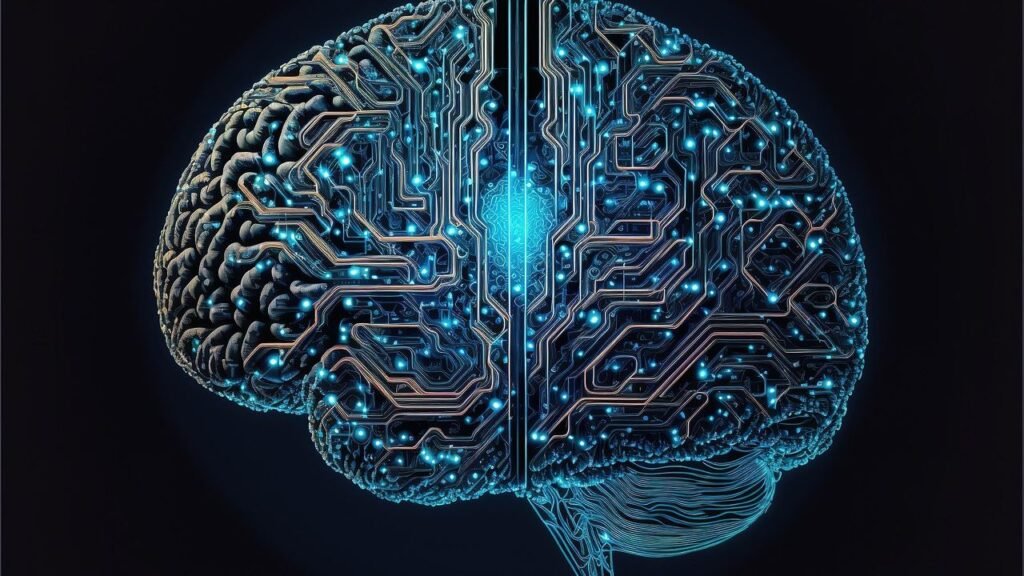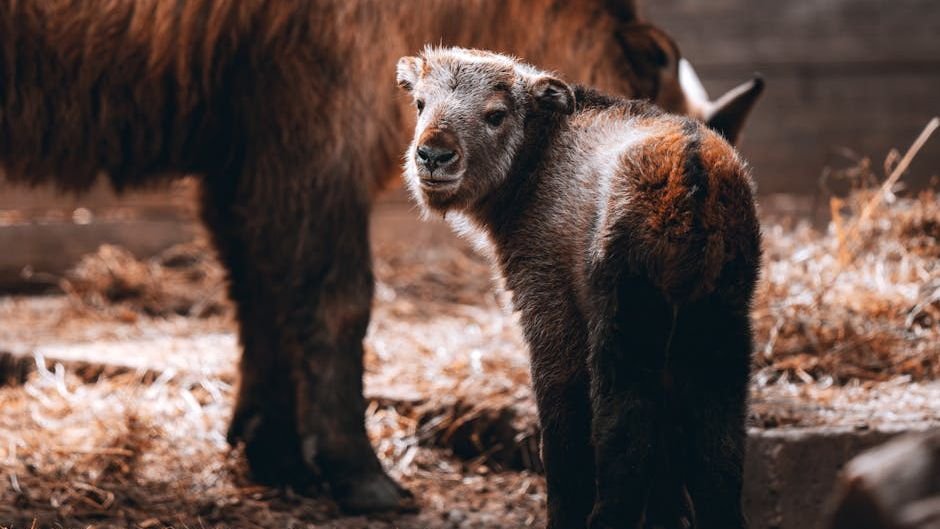

For a long time, people told themselves a comforting story: humans feel deeply, think about themselves, and care about others, while animals mostly run on instinct. That story is starting to fall apart. From elephants that seem to mourn their dead to rats that will free a trapped companion instead of eating a treat, the line between “us” and “them” is looking thinner than many scientists once believed.
I still remember watching a video of a magpie gently nudging pebbles and leaves over another magpie’s body, like a tiny funeral. It was strangely hard to watch, almost intrusive, as if I was witnessing a private grief. Moments like that – captured in labs, reserves, and backyards around the world – are reshaping how we see animal minds, and, honestly, how we see our own place in nature.
The Mirror Test: When Animals Recognize Themselves
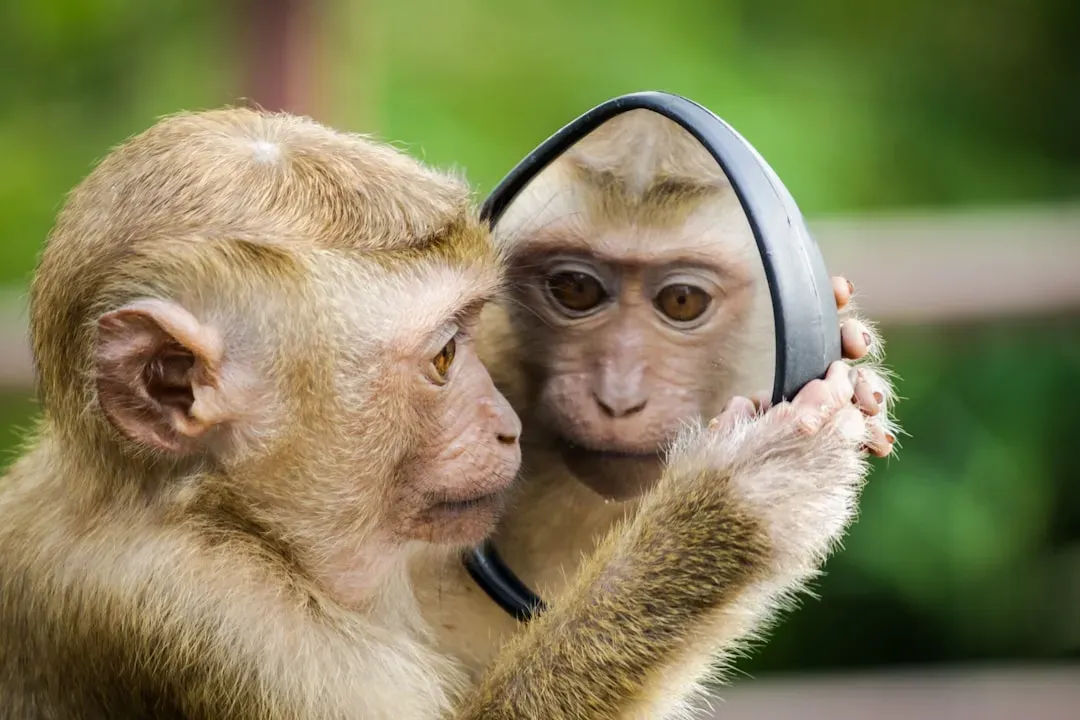
Imagine looking in a mirror and not realizing the person staring back is you. For decades, scientists used this idea as a kind of gatekeeper for self-awareness. The classic test is simple: a visible mark is placed on an animal’s body where it can only be seen in a mirror. If the animal uses the mirror to investigate or touch the mark on its own body, that’s taken as evidence that it recognizes itself.
Humans usually start passing this test as toddlers, but some animals join that club too: great apes like chimpanzees and orangutans, elephants, dolphins, and even a few birds such as magpies. When an elephant gently touches a painted mark on its head after noticing it in a mirror, it’s hard not to see a spark of self-recognition. Of course, the test has limits – some animals rely more on smell or sound than vision, so a mirror may not mean much to them – but it has still forced researchers to confront a basic fact: we’re not the only species with a sense of “me.”
From Instinct to Emotion: The Shift in Scientific Thinking
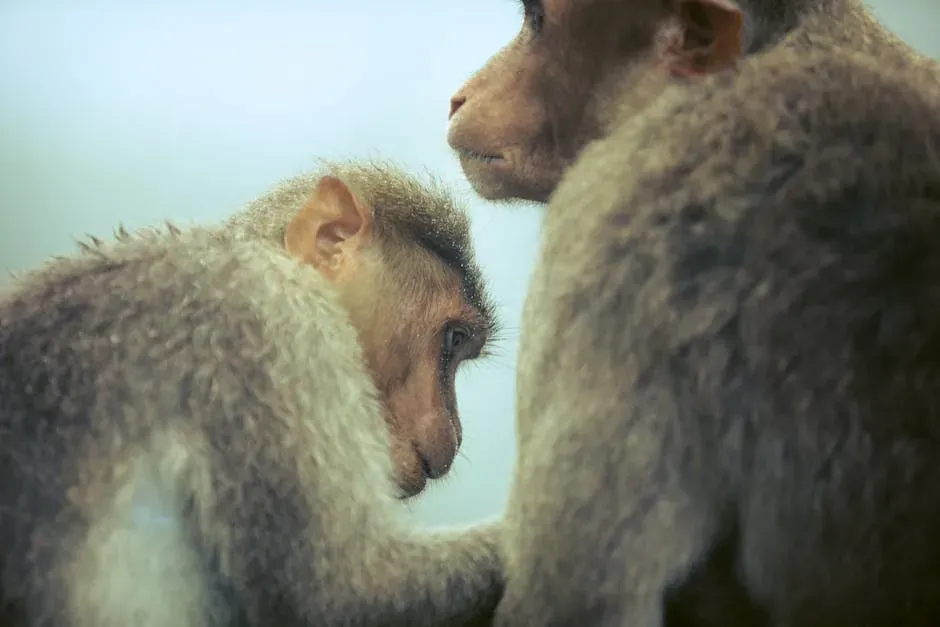
Not that long ago, many scientists avoided talking about animal emotions at all. Feelings were seen as messy and unmeasurable; “instinct” sounded cleaner and safer. If a dog looked ashamed, maybe it was just a learned response. If a monkey seemed jealous, maybe it was simply following a behavior pattern that got it more food or status. A lot of early research was built on the assumption that we shouldn’t project human experiences onto other species.
But as more careful, repeatable studies have piled up – showing grieving behavior in elephants, consolation in primates, and anxiety in laboratory animals – the old view has become harder to defend. It’s not about romanticizing nature or pretending animals are little humans in fur suits. It’s about acknowledging that emotions are an evolved tool, and there’s no reason to think nature handed them exclusively to us. Today, more researchers openly accept that many animals feel fear, pleasure, frustration, and maybe even rudimentary forms of hope and sorrow.
Empathy in the Lab: Rats, Monkeys, and Moral Choices
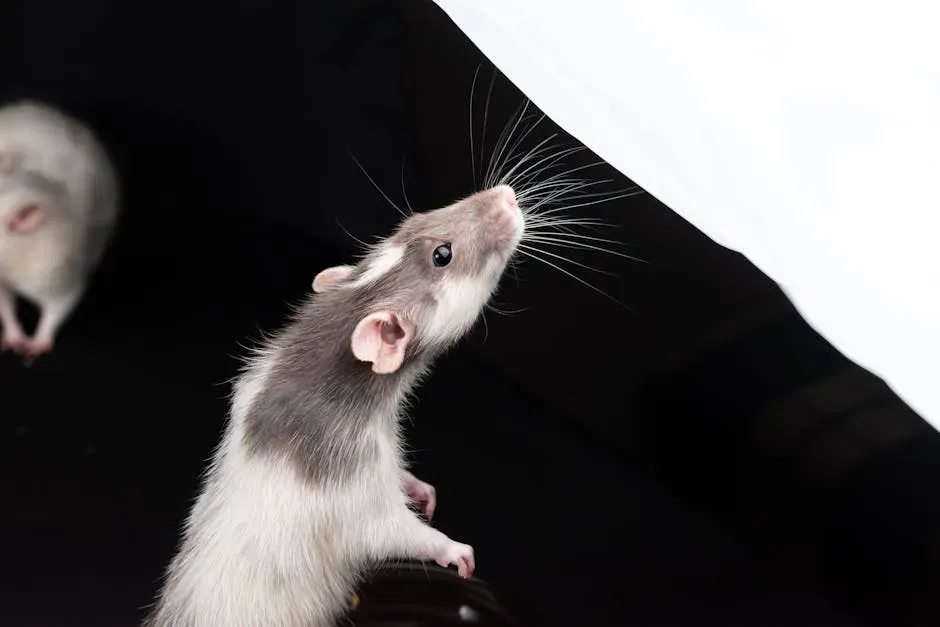
Some of the most unsettling evidence for animal empathy comes from sterile-looking labs rather than lush forests. In one well-known set of experiments, rats were given a choice: eat a delicious treat or free another rat trapped in a small tube. Over and over, many rats chose to free their companion, even when there was no obvious payoff. It’s hard not to see at least the beginnings of empathy in that kind of decision.
Similar patterns show up in primates. Some monkeys refuse to press a lever to get food if doing so shocks another monkey; their own hunger is apparently less urgent than avoiding hurting a peer. Chimpanzees have been observed consoling distressed group members, putting an arm around them or grooming them more when they’re upset. Are these animals thinking in words about fairness and kindness the way humans might? Probably not. But their actions suggest they can feel another’s distress and be motivated to reduce it, which is strikingly similar to the emotional core of empathy in humans.
Elephants, Grief, and the Weight of Loss
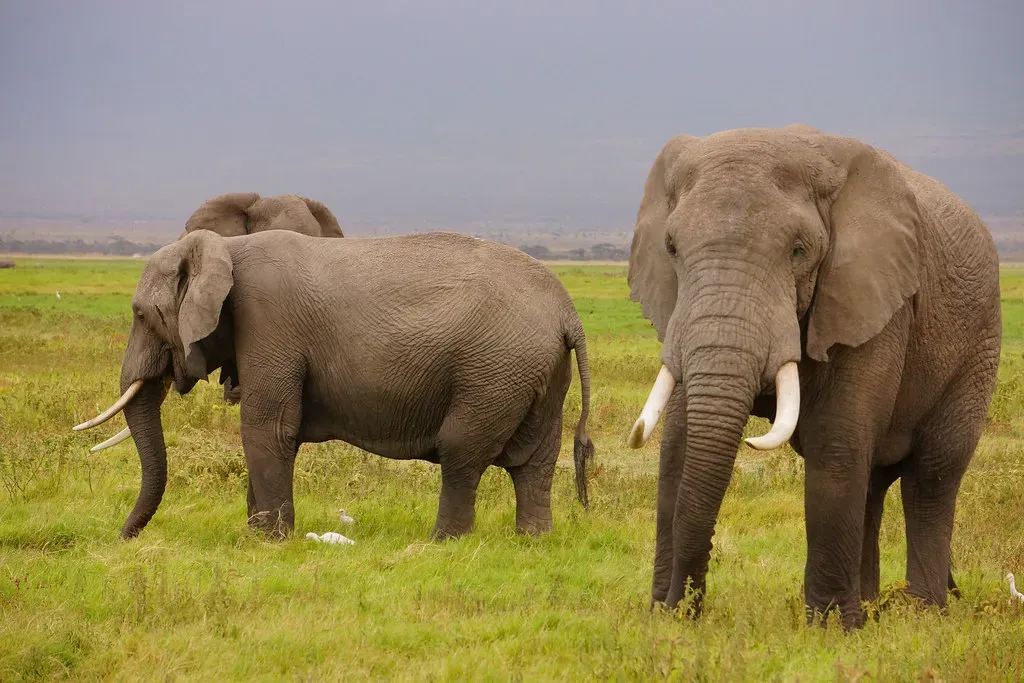
Elephants are often described as gentle giants, but that phrase doesn’t capture how emotionally complex they seem to be. Field researchers have repeatedly documented elephants touching and lingering around the bones or bodies of dead herd members. They’ve been seen using their trunks to carefully caress the skulls and tusks of fallen relatives and staying by the body for hours or even days. This isn’t just curiosity; it looks a lot like mourning.
There are stories of elephants returning year after year to the places where specific individuals died, pausing quietly as if in remembrance. While it’s hard to prove exactly what they’re thinking, the consistency of this behavior across different herds and locations is difficult to brush aside. Add to that the changes in behavior – loss of appetite, social withdrawal, agitation – after a close companion dies, and you get a picture that is chillingly familiar to human grief. Their massive bodies seem to carry equally massive emotions.
Bird Brains, Big Minds: Crows, Parrots, and Magpies
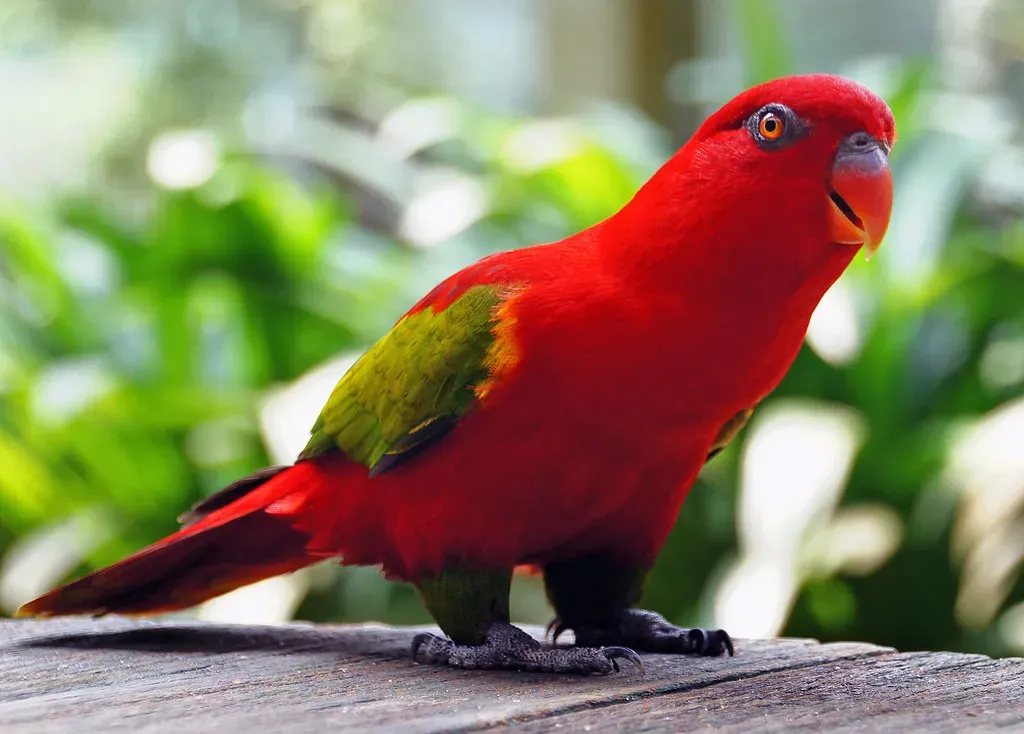
If you’ve ever watched a crow stash food and then come back later to retrieve it, you might already suspect that “bird-brained” is an insult way past its expiration date. Corvids – crows, ravens, and their relatives – show impressive planning skills, social awareness, and even tactical deception. They can recognize individual human faces, remember who threatened them, and warn other birds about particular people years later.
Then there are the parrot and magpie stories: birds that pass mirror self-recognition tests, that seem to react differently to dead flockmates, and that engage in what looks like play for its own sake. Some parrots have learned hundreds of human words and can combine them in surprisingly flexible ways. When you put all of that together – the planning, memory, social mapping, and possible self-recognition – you start to see not a simple reflex machine, but something much closer to a thoughtful, emotionally responsive mind packed inside a small skull.
Dolphins and Whales: Underwater Selves and Social Bonds
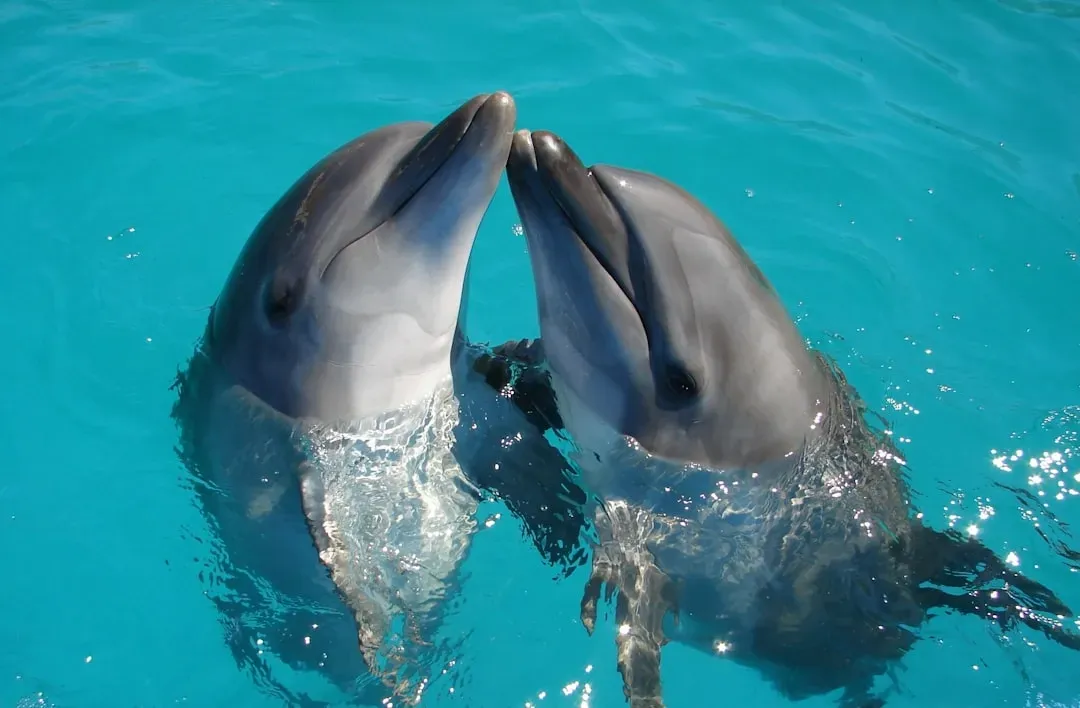
Marine mammals, especially dolphins and some whales, have long been suspected of having rich inner lives. Their brains are large and complex, and they live in tight social communities where cooperation and communication are essential. Dolphins have passed versions of the mirror test, inspecting marks on their bodies while gazing at their reflections. They also produce unique signature whistles that function almost like names, which suggests a sense of individual identity within the group.
Whales, particularly orcas and humpbacks, form close-knit family units with long-lasting bonds. They coordinate elaborate hunting strategies and appear deeply distressed when family members are captured or killed. There have been many documented cases of whales carrying dead calves for days, as if unable to let go. While we can’t climb inside their minds, their behavior strongly hints at emotional attachment, social memory, and some grasp of the difference between life and death.
Dogs, Cats, and the Everyday Empathy in Our Homes
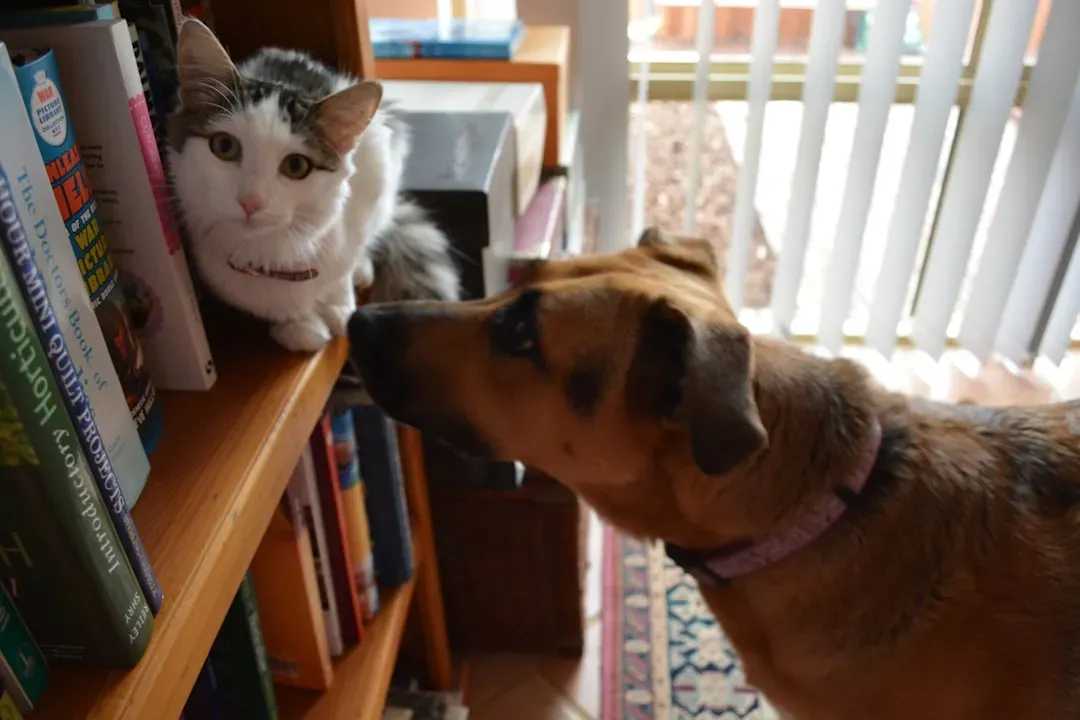
You don’t really need a lab to witness animal empathy; many people see it daily in their living rooms. Dogs often approach and lean on crying owners, lick their faces, or quietly lie close when someone is upset or sick. Studies have shown that dogs can pick up on human emotional cues from facial expressions, tone of voice, and even smell, and they adjust their behavior accordingly. That comforting nudge from a dog’s nose might not be a coincidence.
Cats get a reputation for being aloof, but anyone who has lived with a cat that curls up on their chest when they’re ill or anxiously follows them from room to room after a stressful day knows there’s more going on. These animals aren’t just reacting to food schedules or routines; they’re picking up on our moods and often changing their own actions in ways that look supportive. The fact that so many pet owners independently describe similar experiences makes it harder to argue that this is all wishful thinking.
What Empathy Means for Animal Welfare
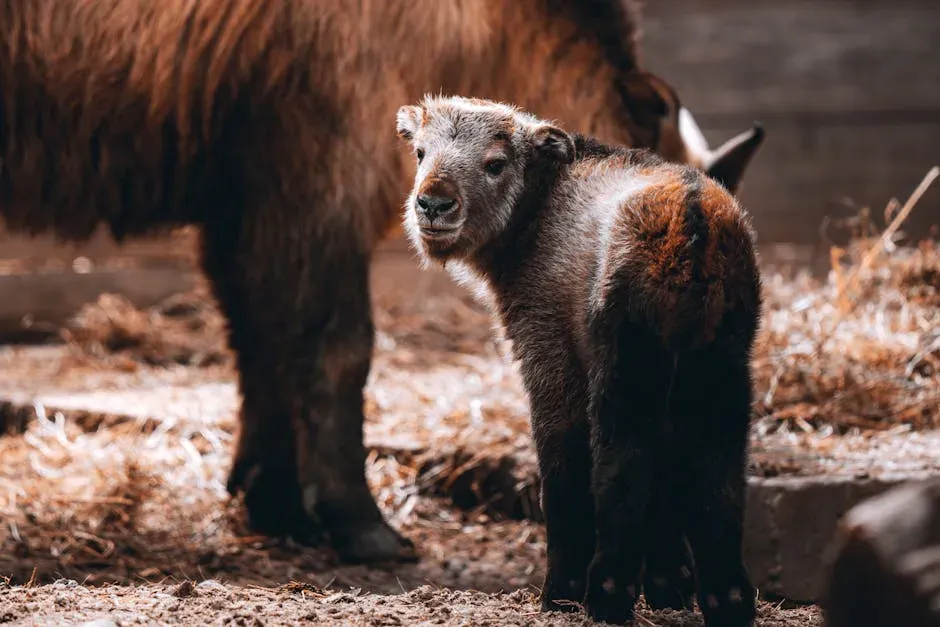
Once you accept that many animals are capable of feeling fear, stress, attachment, and maybe even forms of grief and empathy, it becomes very hard to justify treating them as disposable objects. Farm animals, for example, form friendships, experience pain, and show signs of anxiety and depression when socially isolated or confined. Recognizing their emotional lives raises uncomfortable questions about factory farming, long-distance transport, and cramped living conditions that prioritize efficiency over well-being.
Laboratory animals and captive wildlife fall under the same moral spotlight. If a rat can feel distress at another rat’s suffering, or a primate can experience loneliness and boredom, then enrichment, social contact, and humane handling stop being optional extras. Laws and standards are slowly shifting in some places, but there’s still a huge gap between what science now suggests animals experience and how many of them are actually treated in practice.
Rethinking Human Uniqueness Without Losing What Makes Us Special
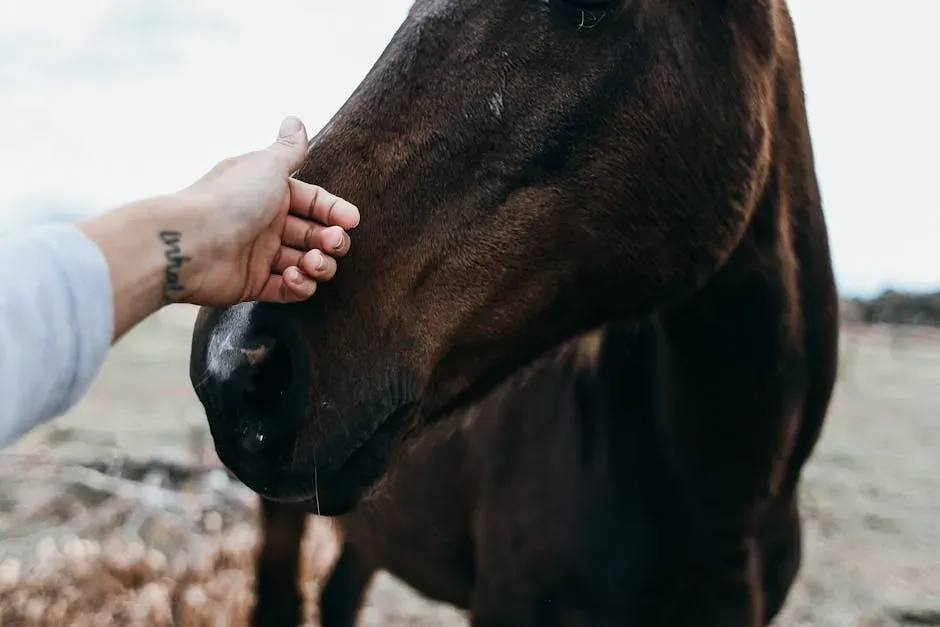
Realizing that animals can be self-aware and empathetic doesn’t mean humans are nothing special; it just means we are not alone in having minds that matter. Our language, culture, technology, and capacity for abstract thought are still extraordinary, but they sit on a broader spectrum of cognition rather than floating above it. Instead of a sharp line separating humans from “mere animals,” it looks more like a gradient, with different species having different strengths and forms of intelligence.
For me, this shift feels oddly freeing rather than threatening. It invites a kind of humility: we are impressive, yes, but we are also relatives, not rulers. When you see other animals as fellow travelers with their own experiences, values, and emotional worlds, the planet stops being a stage built just for us and starts feeling more like a shared home. That mindset can subtly change everything from what we eat to how we design cities and protect habitats.
The Future of Research on Animal Minds
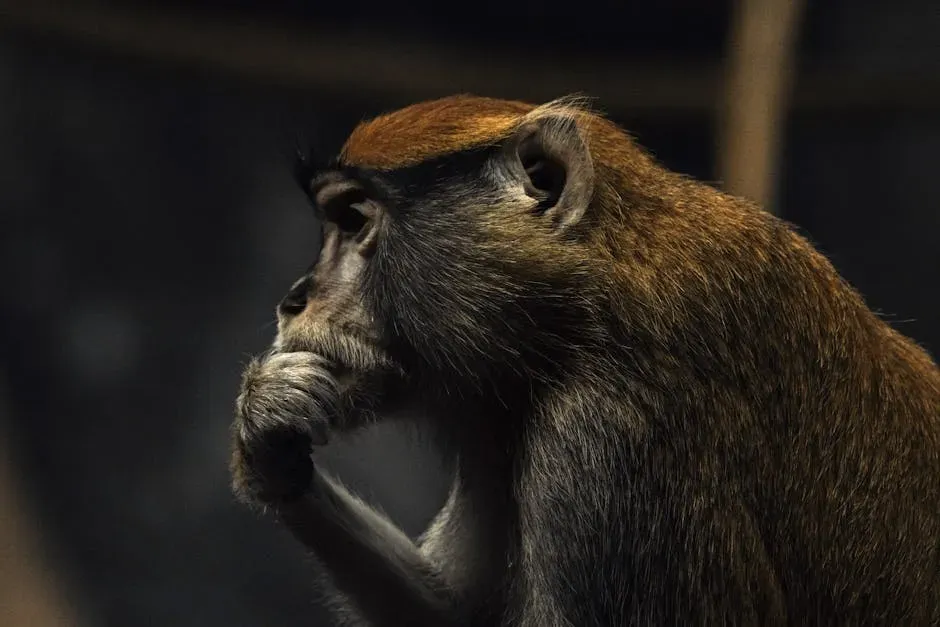
We’re still at the beginning of understanding how other species think and feel, and the tools are getting better fast. Advances in brain imaging, genetic analysis, and long-term behavioral tracking are giving researchers new ways to connect what animals do with what might be happening inside their nervous systems. Instead of relying only on one-off clever experiments, scientists are starting to build more complete pictures of individual animals’ personalities, relationships, and emotional development over time.
At the same time, there’s a growing effort to move beyond narrow tests like the mirror and to design experiments that match each species’ senses and lifestyle. A dog might be more likely to pass a “smell-based mirror test” than a visual one, for example. As this field grows, we’re likely to discover forms of self-awareness and empathy that don’t look exactly like ours but are just as real. The more we learn, the stronger the case becomes that minds worthy of moral concern are a lot more common on this planet than we used to think.