If you have ever walked into a room and found your dog just standing there, nose to the wall, completely still and eerily focused, you know how unsettling it feels. Your first thought might be that they spotted a bug, smelled something strange, or are just being a bit quirky. But when that wall-staring becomes prolonged or frequent, it can be a red flag that something deeper and more serious is going on inside your dog’s brain or body.
This kind of behavior is not just “weird dog stuff” you can ignore and hope goes away. In many cases, it is a physical sign that your dog is disoriented, anxious, or in pain, and it often shows up in conditions linked to cognitive decline, neurological issues, or disturbing sensory experiences you cannot detect. Once you know that, you can never really see it as harmless again – and that awareness is exactly what helps you step in early, protect your dog’s quality of life, and sometimes even slow down the progression of disease.
Why Your Dog May Seem “Stuck” Facing the Wall

When your dog plants themselves in front of a wall and just stays there, it can look almost like they are frozen in time. From the outside, it might seem like a simple habit or a quirky moment, but you are usually looking at a breakdown in how your dog’s brain processes space, movement, or sensory information. Instead of confidently navigating around objects like they normally do, they lose track of where they are, where they are going, or what they were trying to do in the first place.
You can think of it a bit like your internal GPS suddenly glitching out while you are driving – you know you are on a road, but your brain stops updating the map. For your dog, that glitch shows up as stopping and facing an unmoving surface. They are not “admiring the paint”; they may be stalled in a moment of confusion, unable to switch tasks or pull themselves out of that stuck position. When this happens repeatedly or for long stretches, it is your cue that something is not working properly under the surface.
Spatial Disorientation: When Your Dog’s Inner Compass Fails

Spatial disorientation is a fancy way of saying your dog has lost their sense of where their body is in the world. If your dog’s brain cannot accurately process where walls, furniture, and doorways are, they may walk into corners, get trapped behind objects, or stop and stare at a flat surface as if it were an obstacle they cannot figure out. That wall-facing can be the end result of a short, confused journey around your home where nothing quite made sense to them.
You might also notice your dog pacing aimlessly, getting stuck in tight spots, hesitating at doorways, or having trouble finding their bed or food bowl, even though they have known those spots for years. It is similar to you stepping into a room you have known your whole life and suddenly everything feeling slightly wrong or unfamiliar. When that inner map is distorted, pausing at a wall and not moving can feel to your dog like the safest thing to do, even if to you it just looks strange or purposeless.
Cognitive Decline and Canine Dementia: The Hidden Driver

Prolonged wall-fixation is often linked to cognitive decline, sometimes called canine cognitive dysfunction, which is basically the dog version of dementia. As your dog ages, the structures and chemical balance in their brain can change, and the circuits that handle memory, attention, and problem-solving can start to fail. One of the early outward signs you might see is your dog performing odd repetitive behaviors, like staring at walls, getting lost in familiar places, or standing in one spot with no clear goal.
You may also notice that your dog sleeps more during the day but wanders at night, forgets routines, seems less responsive to their name, or appears withdrawn and less engaged with you or toys. When cognitive decline is involved, the wall is not the point; it is just where your dog happens to stop when their brain cannot complete the next step in a sequence. Instead of smoothly transitioning from walking to lying down to relaxing, your dog’s brain blanks out, and what you see is that unsettling, motionless wall-stare.
High-Frequency Sounds You Cannot Hear (But Your Dog Can)
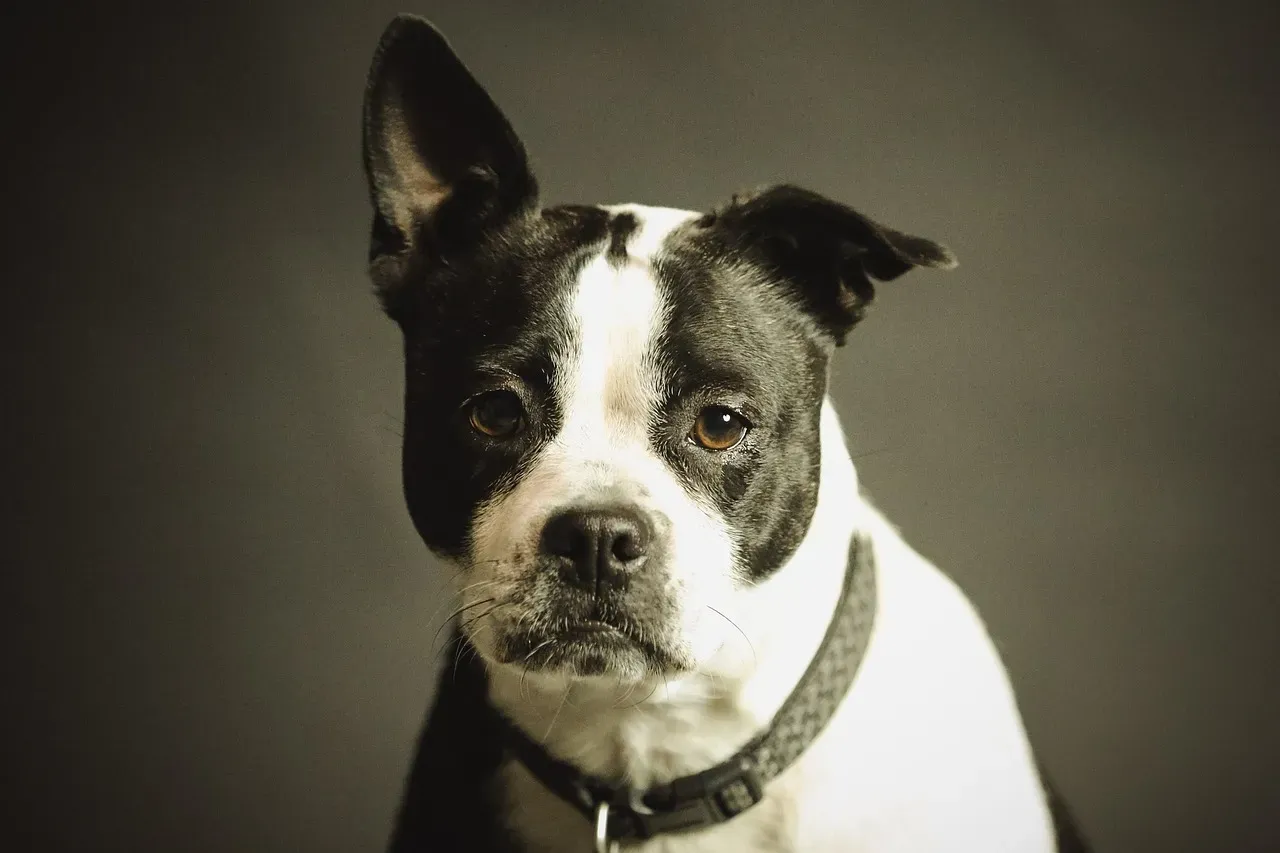
Sometimes your dog is not confused at all – they are hearing something that you simply do not notice. Dogs can detect much higher frequencies than you can, and many everyday devices emit faint, high-pitched noises that travel along walls or come from inside them. Things like wiring hums, appliances, electronic chargers, or pests inside walls can all create subtle sound cues that draw your dog’s attention and make them stare intensely at a specific spot.
To you, the room is quiet and still, but to your dog, that wall might be buzzing with noise, movement, or vibrations that feel worth investigating or worrying about. If the wall-fixation is focused on one particular area and your dog is alert, tilting their head, sniffing, or shifting their ears, you may be looking at an auditory or sensory issue rather than a cognitive one. In that case, you are not dealing with confusion – you are dealing with a sense that is working overtime in ways you cannot directly perceive.
Neurological Red Flags You Should Never Ignore
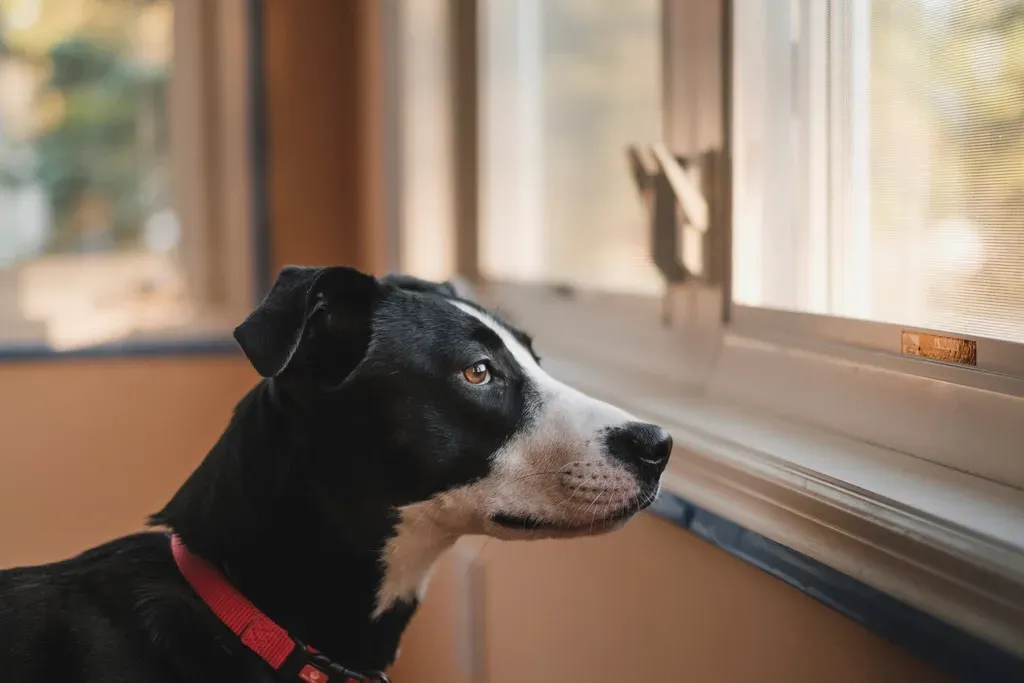
Wall-staring may be one part of a larger pattern of neurological trouble. When your dog’s brain is affected by conditions such as strokes, brain tumors, inflammatory diseases, or certain infections, you might see uneven walking, head tilts, circling in one direction, sudden changes in personality, or episodes where they seem “blank” or absent. In that context, standing and facing a wall for long periods becomes one of many worrying signs that the nervous system is struggling.
If you see your dog bumping into things, falling over, suddenly struggling with coordination, or having seizures along with that wall-fixation, you are no longer in the realm of odd but harmless behavior. You are watching a medical problem unfold in real time. It can be deeply upsetting, but catching those early warning signs gives your veterinarian a much better chance of identifying what is happening and offering treatments or management strategies that help your dog stay as comfortable and functional as possible.
How to Tell the Difference Between “Just Weird” and Truly Concerning
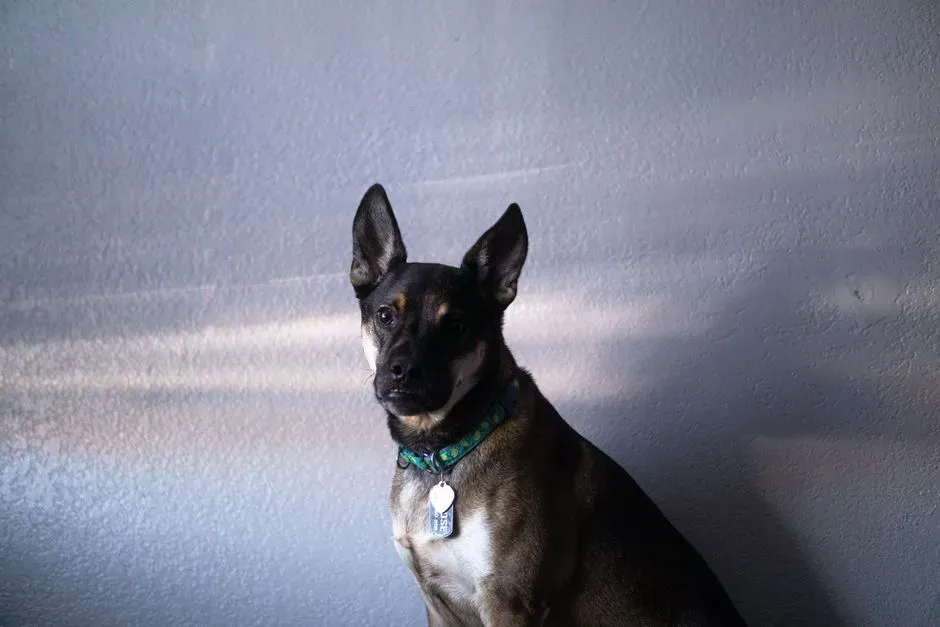
You know your dog’s normal quirks better than anyone, so your gut feeling matters here. A brief, occasional stare at a wall, especially if your dog quickly snaps out of it and goes back to normal play, exploring, or resting, is usually not a crisis. Dogs sometimes pause to sniff, listen, or simply space out for a moment, just like you might catch yourself staring at a spot on the floor while thinking about something else.
What you need to treat seriously is a pattern: long, frequent, or repetitive wall-fixation that seems disconnected from anything obvious, like a sound or smell. If your dog looks confused, gets disoriented in other ways, seems less responsive to you, or shows any change in energy, appetite, or mood, you should consider that behavior suspicious. When in doubt, it is safer to assume the wall-staring might be meaningful and get it checked than to chalk it up to weirdness and miss an early sign of decline.
What to Do Immediately If You Notice Prolonged Wall-Staring
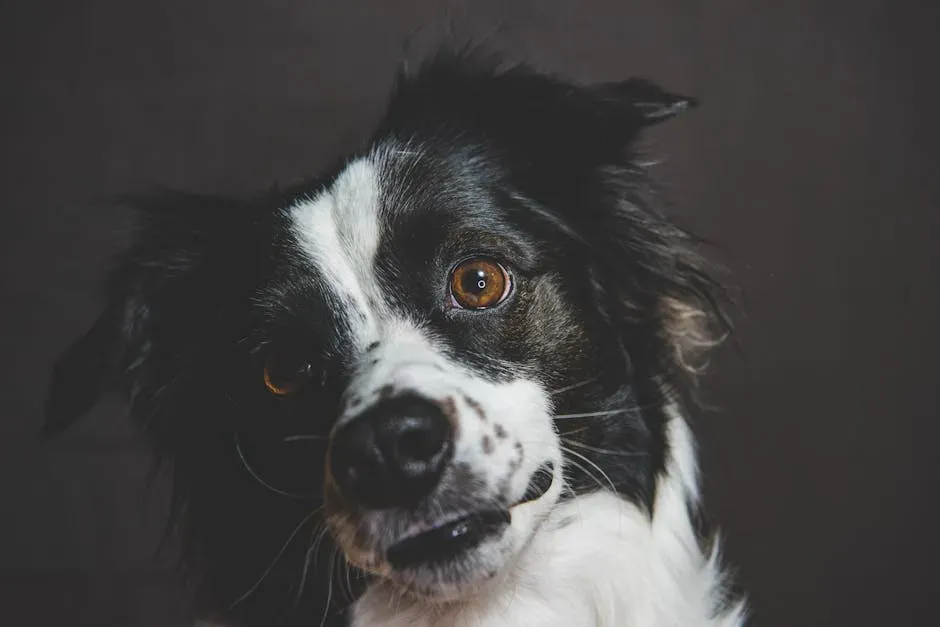
If you catch your dog in a long, unblinking wall-stare, your first move is to gently call their name and see how they respond. Do they turn around quickly and re-engage with you, or do they seem slow, confused, or reluctant to move? You can try lightly touching them, clapping once, or offering a favorite treat or toy to gauge whether they snap back into normal behavior or stay oddly distant and detached.
Next, take a mental snapshot of what else you are seeing: Is your dog walking normally afterward? Are they bumping into furniture, circling, wandering aimlessly, or acting unusually anxious or withdrawn? This is the kind of information your veterinarian will need. Calmly note how long the staring lasts, how often it happens, and what time of day you see it. That simple habit – documenting what you see instead of brushing it off – can be incredibly valuable when it is time to investigate further.
How Your Veterinarian Can Help Get to the Root Cause
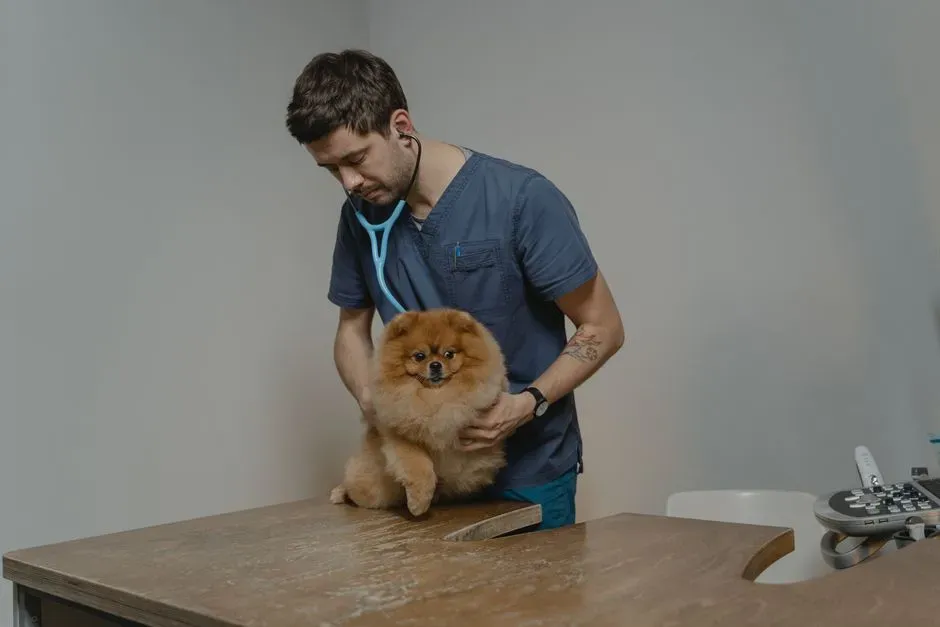
Once you bring this behavior to your veterinarian’s attention, you can expect them to take it seriously, especially if it is part of a larger pattern of changes. They will likely start with a detailed history and physical exam, then may move on to bloodwork, eye exams, neurological checks, or imaging such as scans, depending on what they suspect. The goal is to rule out things like metabolic problems, pain, sensory loss, or structural issues in the brain before settling on a diagnosis like cognitive dysfunction.
If the problem does point toward cognitive decline or neurological disease, your vet might recommend a mix of approaches: medications to support brain function, pain control, anxiety relief, diet changes, supplements, or environmental adjustments at home. You may be asked to make your dog’s world more predictable and easier to navigate with clear paths, consistent routines, and good lighting. It can feel overwhelming at first, but once you have a name for what is happening and a plan in place, you will usually feel more confident and less helpless when that wall-staring shows up again.
Supporting a Disoriented Dog at Home and Protecting Their Dignity

When your dog is confused or disoriented, they are not trying to be difficult or dramatic – they are simply lost in a way they cannot explain. You can make their life easier by simplifying their environment: keep furniture in familiar places, avoid cluttered pathways, and make sure food, water, and bedding are easy to find. Night lights, non-slip rugs, and baby gates around stairs can all make a big difference for a dog who sometimes forgets where they are or misjudges distances.
Most of all, your calm, patient presence matters. Instead of scolding or laughing when you see them staring at a wall, gently guide them away, speak softly, and redirect them to something soothing like a comfy bed or a quiet cuddle. I have seen older dogs who seem lost suddenly relax the moment their person sits beside them and touches them with steady, familiar hands. In those moments, you are not just managing a symptom – you are giving your dog a sense of safety and dignity they cannot create for themselves anymore.
Conclusion: When a Wall Is Not “Just a Wall”
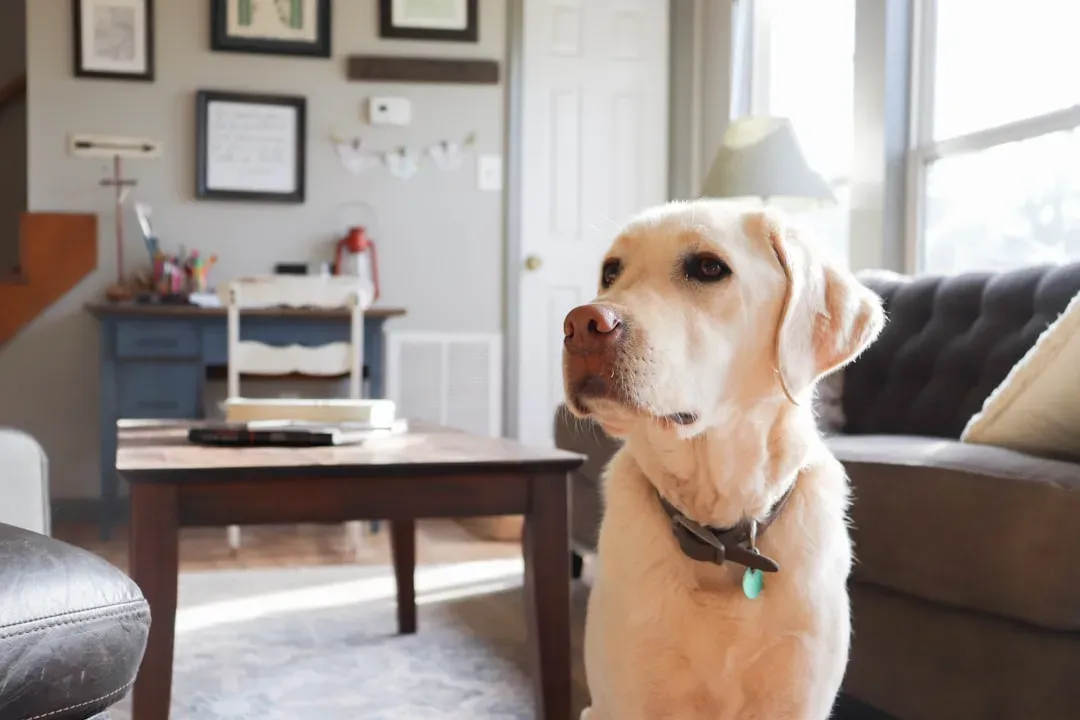
Once you understand what prolonged wall-fixation can mean, you can never really see it as a harmless quirk again – and that is actually a good thing. You now know that a dog quietly facing a wall might be disoriented, hearing sounds you cannot detect, or struggling with slow, silent changes in their brain. Instead of dismissing it, you are in a position to notice patterns, ask better questions, and bring meaningful information to your vet before the situation worsens.
If you ever walk into a room and find your dog locked in that motionless stare, try seeing it as a message rather than a mystery. Respond with curiosity, compassion, and action: observe, record what you see, seek veterinary guidance, and adapt your home to support your dog’s changing needs. Your dog cannot tell you they feel lost – but with this knowledge, you can hear what their behavior is trying to say. Now that you know what a wall-stare might really mean, what will you do the next time you see it?