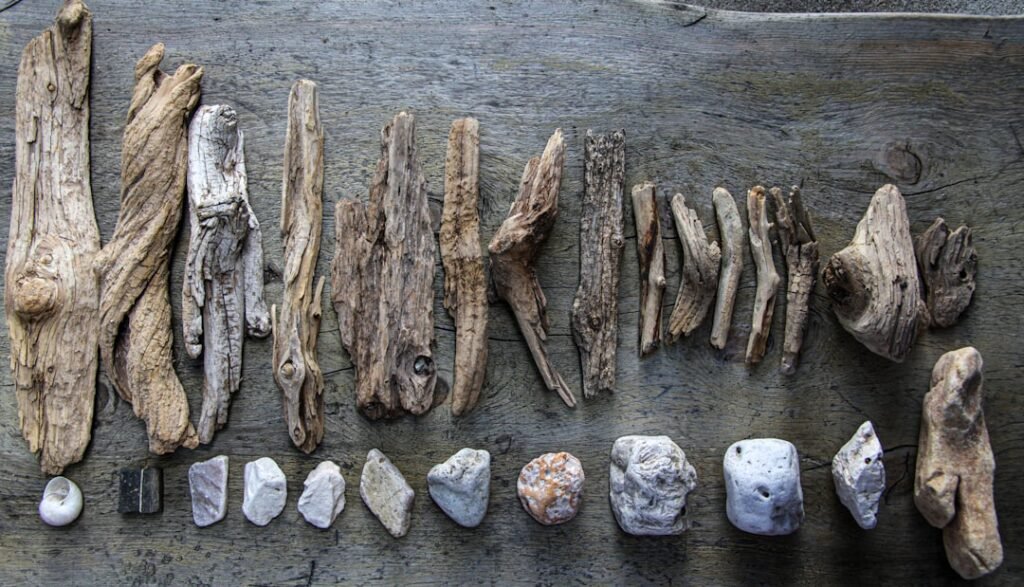

Imagine holding a weapon that hasn’t seen daylight for ten thousand years, its wooden shaft still bearing the personal marks of an ancient hunter. These aren’t just stories from dusty textbooks anymore. In the frozen depths of Colorado’s mountains, archaeologists are uncovering a treasure trove of ancient artifacts that are rewriting our understanding of early human migration across North America.
These remarkable discoveries aren’t just about old tools buried in ice. They’re revealing intimate details about how our ancestors lived, hunted, and survived during some of the most challenging periods in human history. Climate change has turned into an unexpected archaeological ally, as melting ice patches expose secrets that have been locked away for millennia. But there’s a race against time happening in these mountains, and the clock is ticking faster than anyone anticipated.
Revolutionary Discovery in Boulder’s Backyard
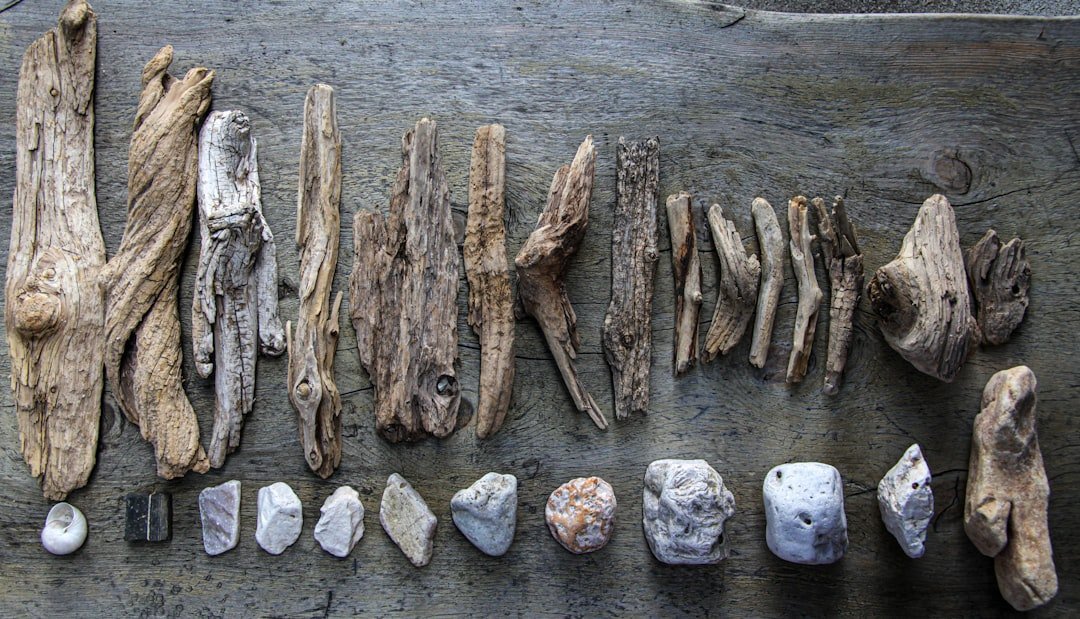
In May 2008, landscapers working in Patrick Mahaffy’s Boulder front yard heard an unusual “chink” while digging for a fish pond and discovered a collection of 83 ancient stone tools buried just two feet underground. The homeowner initially thought these implements were only a few hundred years old, but evidence suggests the cache has been undisturbed since the items were placed there for storage about 13,000 years ago.
The discovery proved especially significant when protein residue analysis revealed camel and horse proteins on the tools, making it the first study to identify extinct camel protein on North American stone tools and only the second to identify horse protein on Clovis-age implements. This cache represents one of only a handful of Clovis-age artifact collections discovered in North America.
Ice Patch Archaeology Emerges as New Frontier
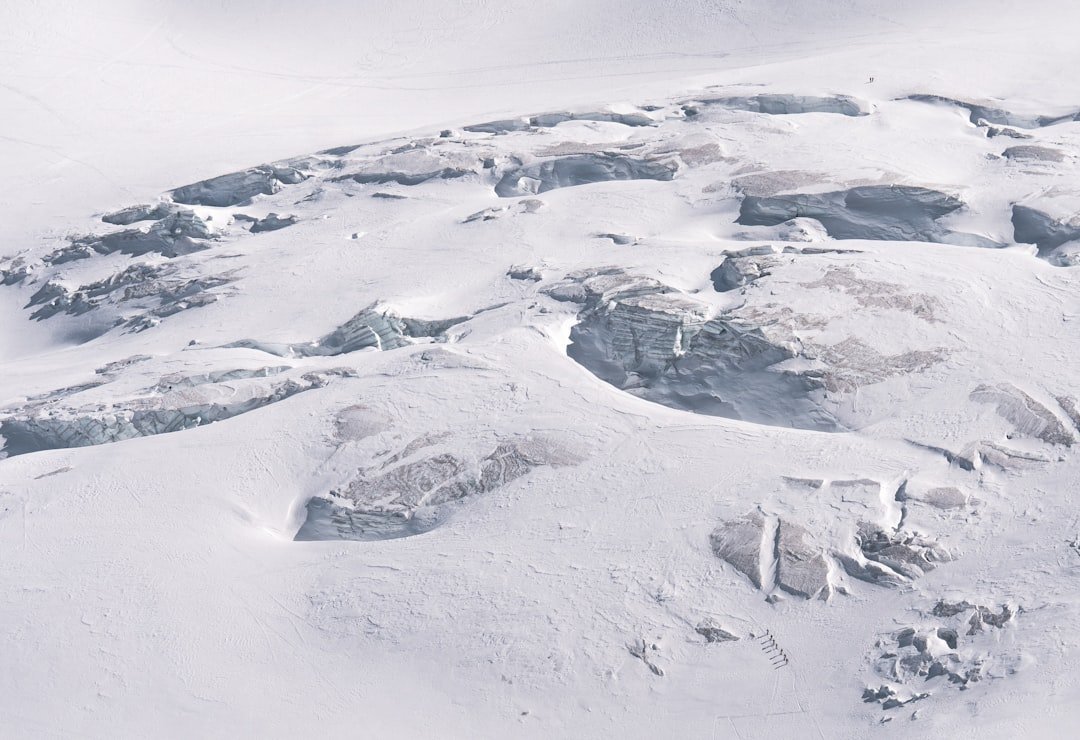
University of Colorado researcher Craig Lee discovered a 10,000-year-old wooden hunting weapon melting out of an ice patch high in the Rocky Mountains close to Yellowstone National Park, representing a spear-like atlatl dart that had been frozen for ten millennia. Climate change has accelerated melting of permanent ice fields, exposing organic materials that scientists didn’t realize could be found in association with melting snow and ice until the early 2000s.
Researchers are now systematically searching southeast Alaska’s rapidly melting glaciers and ice fields to locate prehistoric human artifacts before exposure triggers their decomposition, as global warming continues to release tools frozen in glaciers. Quick retrieval is essential because once organic artifacts thaw and become exposed to the elements, they decompose quickly and could be lost forever.
Ancient Hunting Grounds Revealed Through Melting Ice
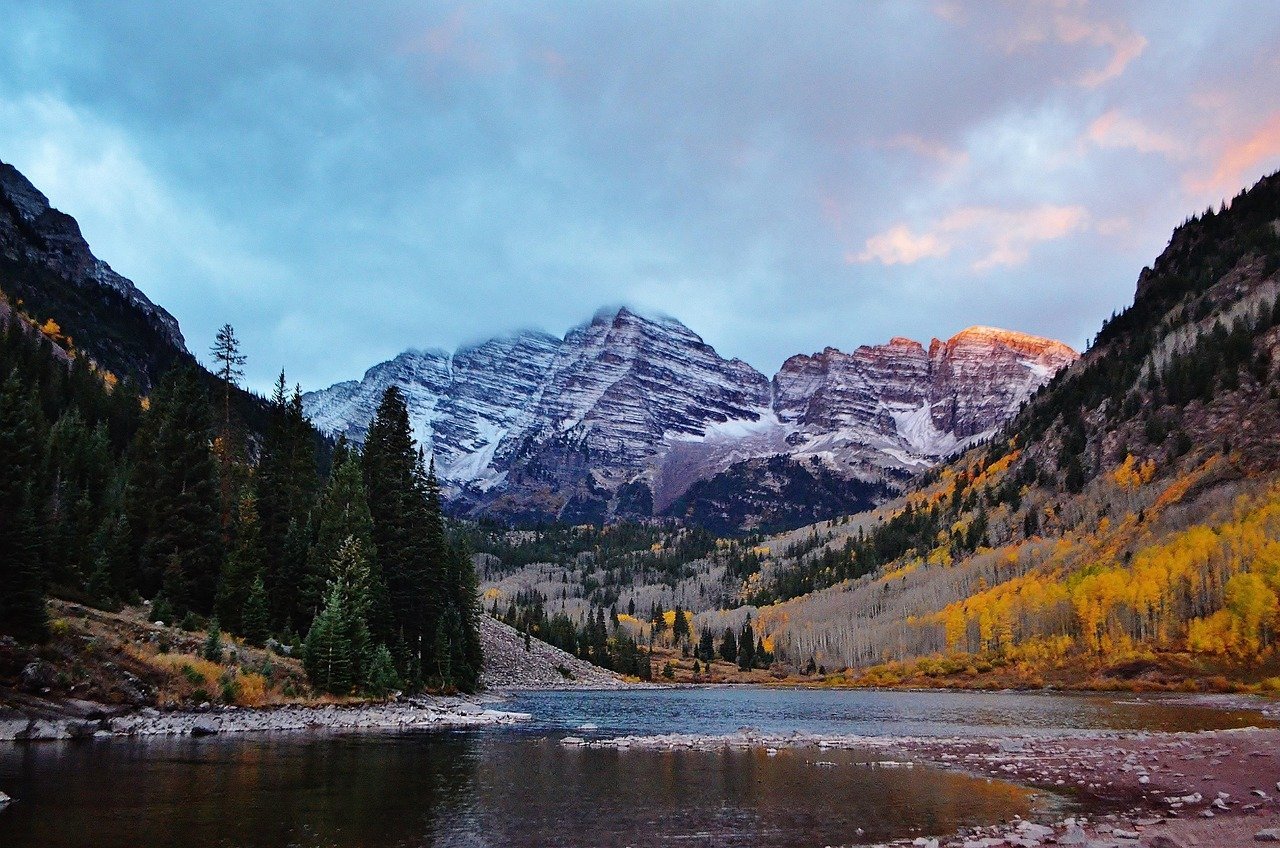
For thousands of years, humans hunted on glaciers and ice fields in what is now Wrangell-St. Elias National Park, where ancient ice fields attracted caribou and other animals seeking refuge from summer insect swarms, drawing human hunters hoping to feed their families. Unfortunately for ancient hunters, they sometimes dropped tools or missed when shooting arrows or spears, and over time those weapons became encased in ice.
Among the most significant recent finds are wooden arrow shafts with red ochre paint and stone points still lashed to wooden shafts, plus birch bark containers recently thawed from ice. These organic materials can be radiocarbon dated, unlike stone artifacts whose age can only be estimated.
Climate Change Accelerates Archaeological Discoveries
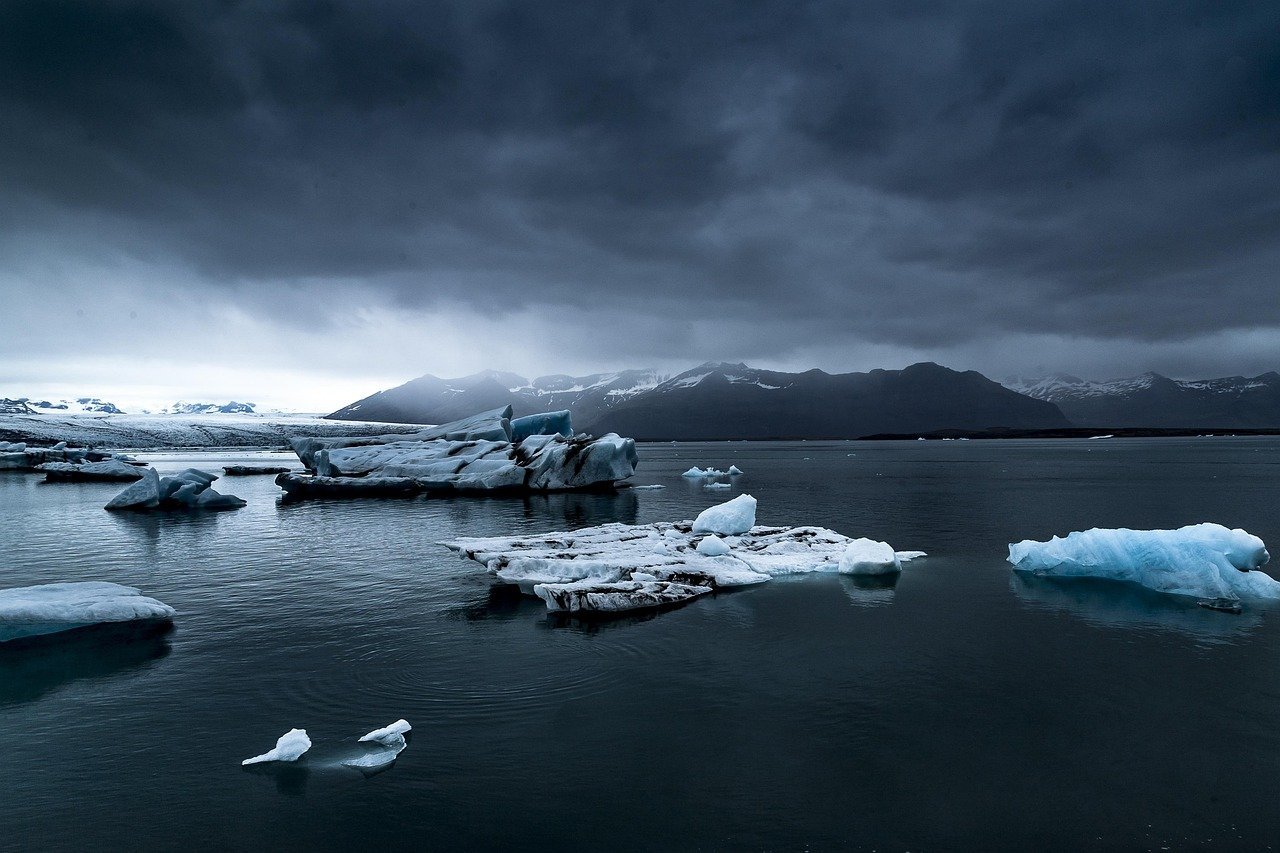
Climate change-related warming is occurring in Alaska two to three times faster than the global average, with temperatures just a few degrees warmer making a difference by changing snow to rain or causing ice to melt. As a result, many ice patches in the state are shrinking.
Due to climate change, ice patches have slowly melted, revealing hundreds of ancient artifacts including organic materials such as wooden tools, hunting weapons, and animal remains preserved in the stable frozen environment. Finding and saving artifacts exposed by melt in the mountains is becoming critical as cultural resources across Alaska’s parklands face threats from flooding, erosion, and heavy snow.
Linking Ice Layers to Human Migration Patterns
Fossil footprints at White Sands National Park show humans were present in North America between 23,000 and 21,000 years ago during the Last Glacial Maximum, indicating human presence for approximately two millennia south of the ice sheet migration barrier. Studies on glacial history and sea-level changes show that a coastal route was available for migration at least two thousand years earlier than the ice-free inland corridor.
The period immediately preceding first human occupation of Colorado was the Ice Age Summer starting about 16,000 years ago, when receding and melting glaciers created waterways and unburied the Rocky Mountains over the next five thousand years. During Ice Age summer, humans walked into present-day Colorado following and hunting large animals, with these ancient hunters evolving into modern Native American nations.
Preservation Power of Frozen Environments
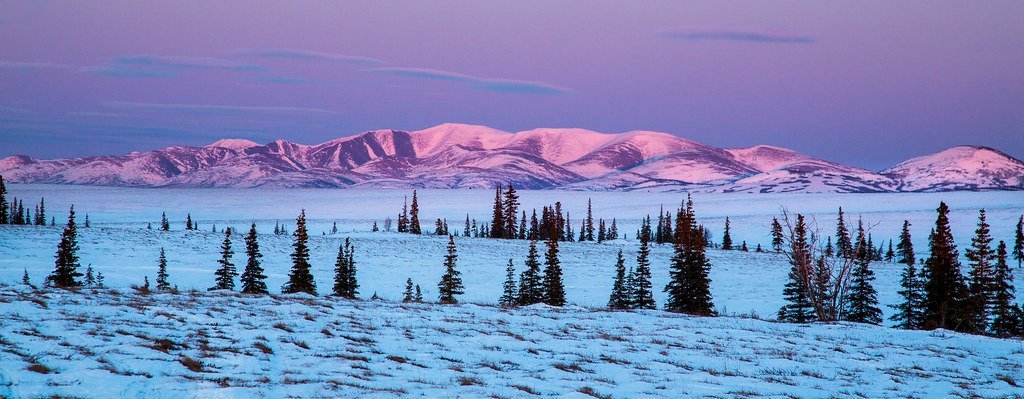
Wood, fibers, paper, and bones decompose when exposed to elements, but if buried and frozen in ice and snow patches, these organic artifacts can be preserved for ages, making ice patches some of the few places where archaeologists can find well-preserved organic artifacts. Ice patches react quickly to climate changes, and even objects originally lost in snow often melted out and were recovered by subsequent snow and ice layers.
Artifacts only melt out of their original ice matrix when old ice melts, making such finds quite rare. Meltwater and wind move objects, with parts of the same item sometimes found several hundred meters apart, making distribution patterns difficult to interpret.
Ancient Tool Technology Reveals Survival Strategies
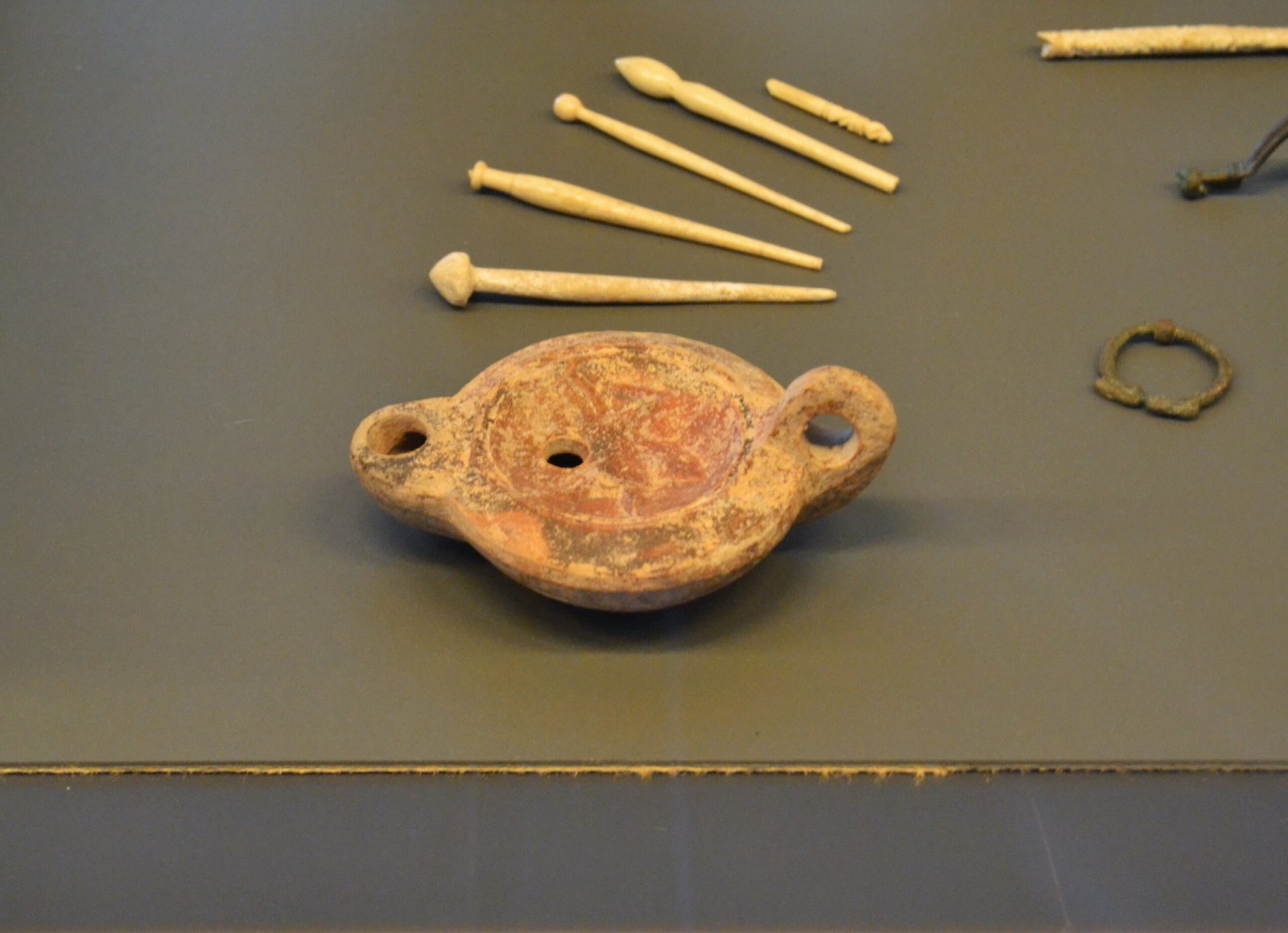
Archaeologists found 32 needle fragments made from animal bone buried almost 15 feet underground at Wyoming’s La Prele site, representing the first time scientists could identify needle materials through protein analysis of bone collagen. Rather than being made from expected bison or mammoth bone, these needles were created from bones of red foxes, bobcats, mountain lions, lynx, extinct American cheetahs, and hares or rabbits.
To survive extremely low temperatures, humans likely created tailored garments with closely stitched seams, probably incorporating fur fringes around sleeves and hoods, which explains why people were trapping small carnivores and hares. These needles are similar to the world’s oldest needles used in Siberia 40,000 years ago and northern China 35,000 to 30,000 years ago, and tailored clothes offer better protection from wind chill than loose garments.
Racing Against Time to Save Archaeological Heritage
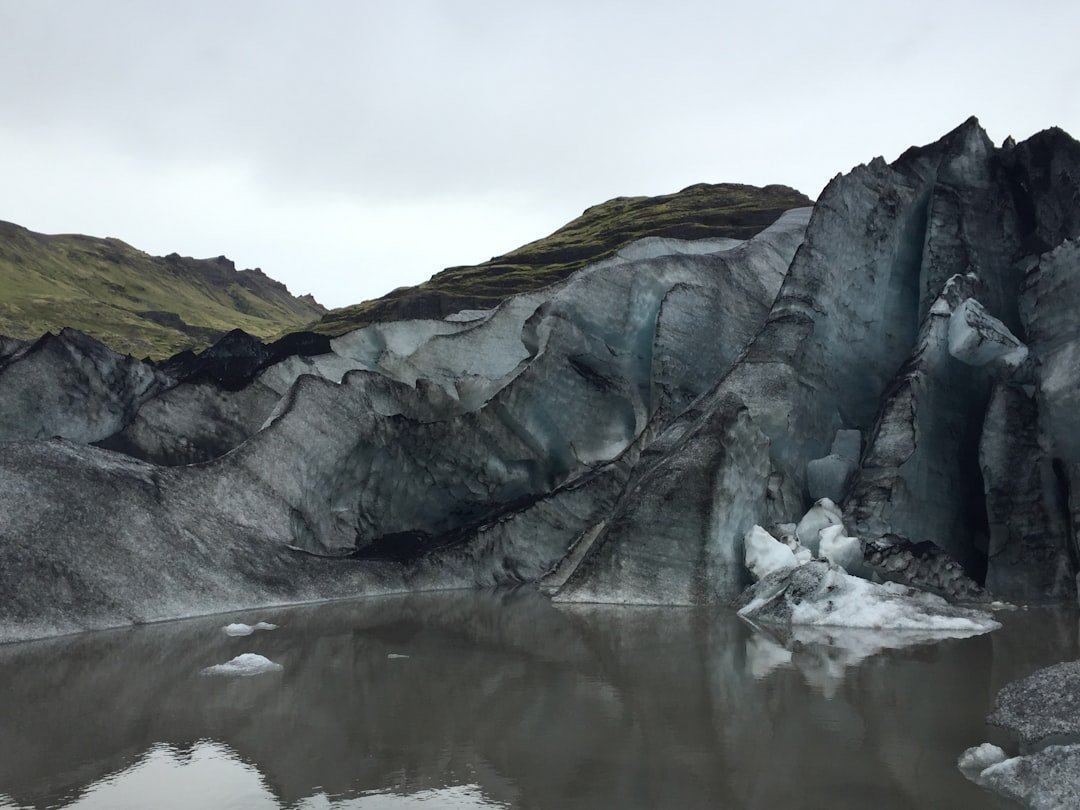
Archaeologists in Alaska national parks have been surveying high priority mountain areas for years, but with funding boosts through the Inflation Reduction Act, they can now expand their search for melting ice and snow patches. Rare organic archaeological materials discovered in association with melting snow and ice in northwestern North America result directly from global warming and offer important new insights into alpine paleoecology and human use of high elevation environments.
Once exposed to sun, wind and rain, previously arrested decay processes resume and artifacts can quickly deteriorate, requiring immediate documentation and reporting to appropriate archaeologists. Cultural resources from 10,000-year-old artifacts to historical buildings provide insight into national park stories and are pieces of collective world heritage, but losing anything impacts our ability to see the full picture.
Conclusion
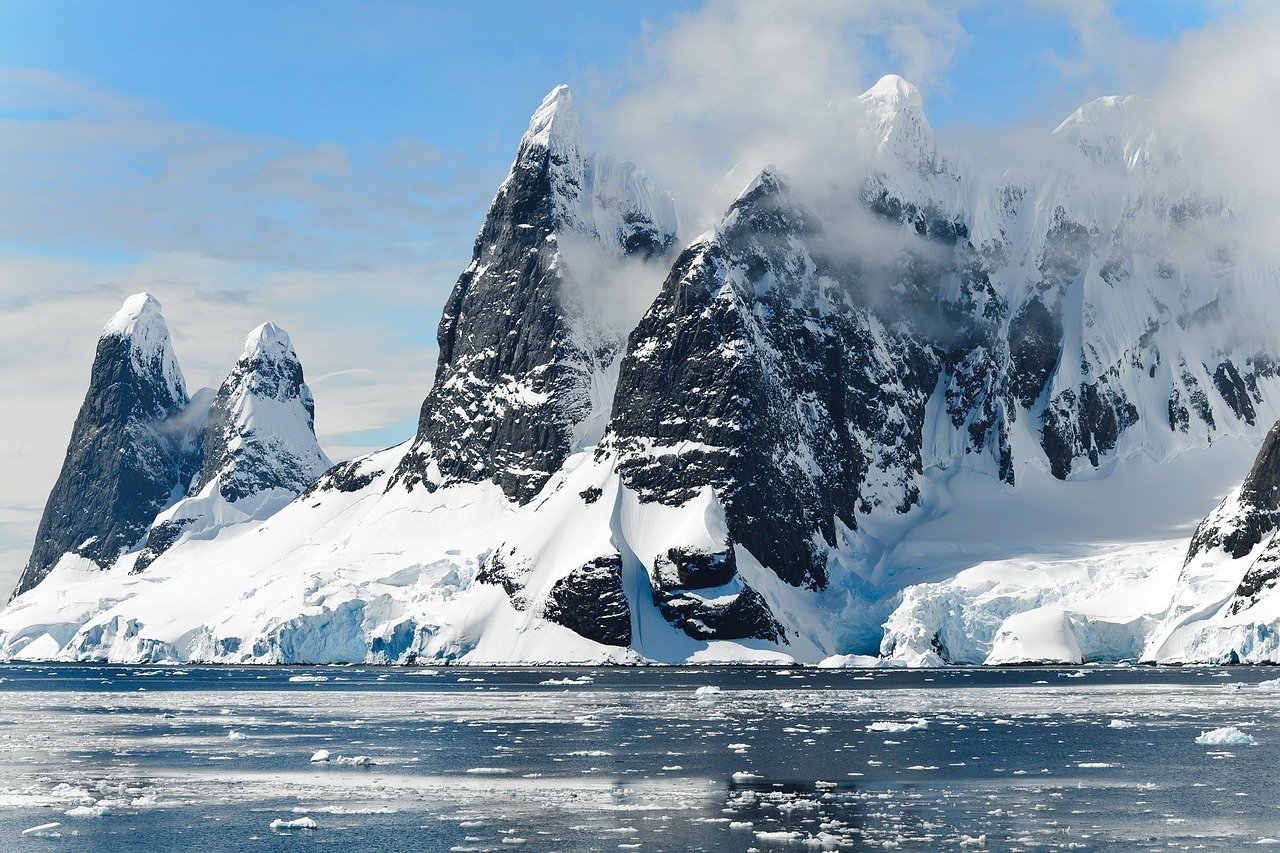
The melting ice of Colorado’s mountains is revealing an incredible archaeological treasure trove that connects us directly to our ancient ancestors. These discoveries are fundamentally changing how we understand early human migration patterns and survival strategies during the Ice Age. From sophisticated stone tool caches buried in Boulder backyards to perfectly preserved wooden weapons emerging from high-altitude ice patches, each artifact tells a story of human ingenuity and adaptation.
The race against time to recover these artifacts before they’re lost forever highlights both the opportunities and challenges created by our changing climate. While global warming threatens to destroy invaluable archaeological evidence, it’s also providing unprecedented access to organic materials that have been preserved for millennia. These discoveries remind us that human history is far more complex and fascinating than we ever imagined.
What do you think about these incredible discoveries emerging from Colorado’s melting ice? Tell us in the comments.