
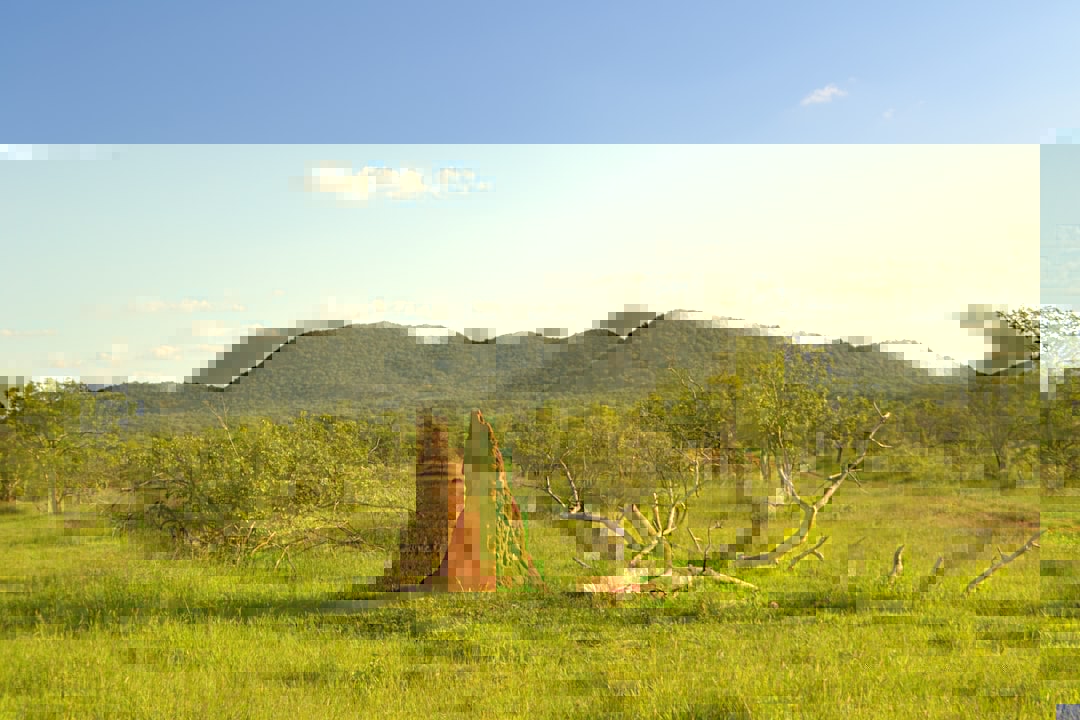
Imagine stumbling across a vast African savanna, the golden grass shimmering under the sun, and in the distance, a forest of towering, mud-brick sculptures dotting the horizon. These are not the works of ancient humans, but the creation of some of the planet’s tiniest architects—termites. For centuries, these silent engineers have been quietly shaping the earth beneath our feet, leaving behind clues that are now overturning everything we thought we knew about soil health. Their legacy runs deeper than the tunnels they carve: it stretches into the very fabric of ecosystems, influencing fertility, life, and even the fight against climate change. Could it be that the secrets to healthier soils and more resilient landscapes are hidden within the intricate catacombs of ancient termite mounds?
The Hidden World Inside a Termite Mound
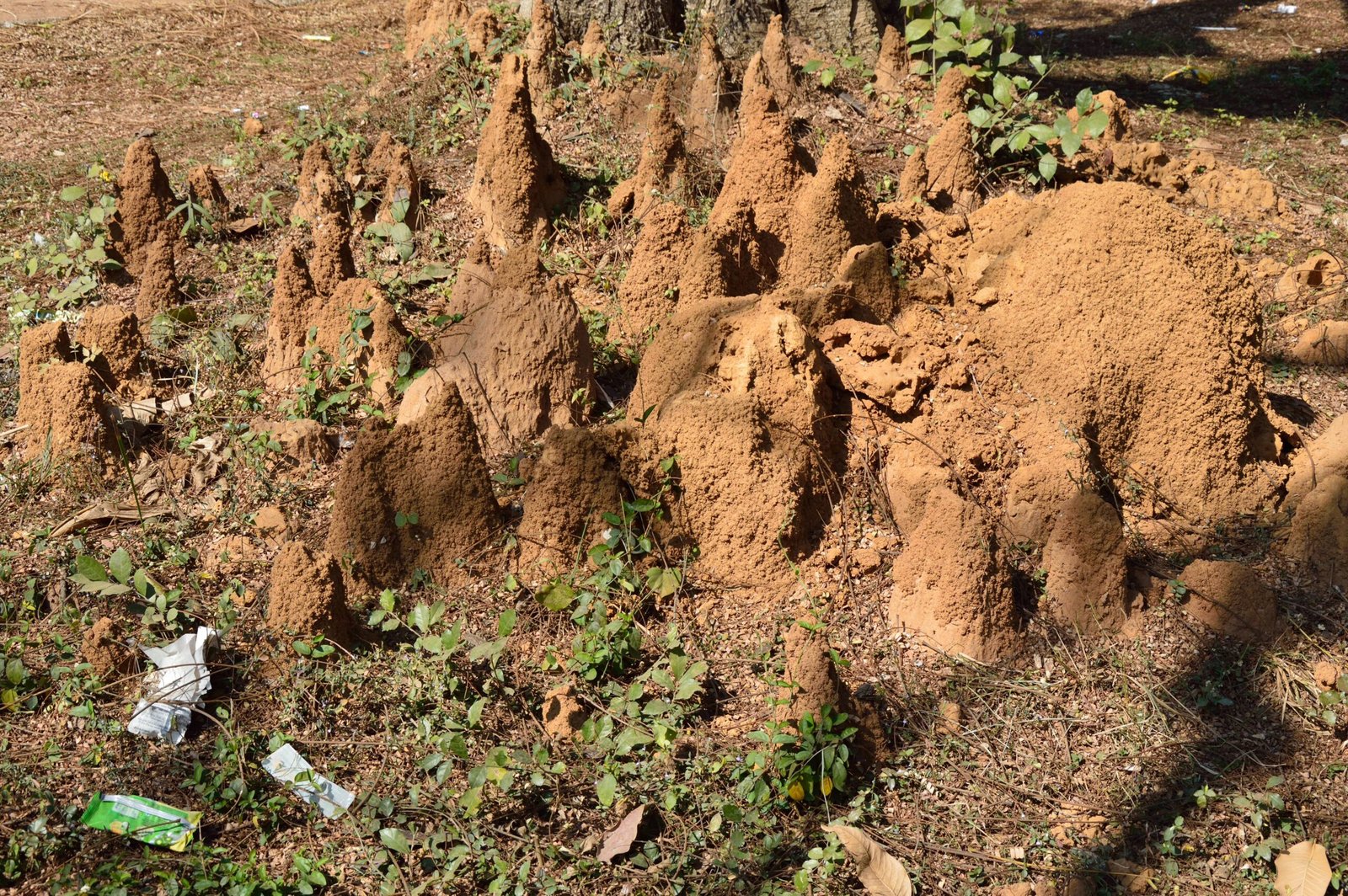
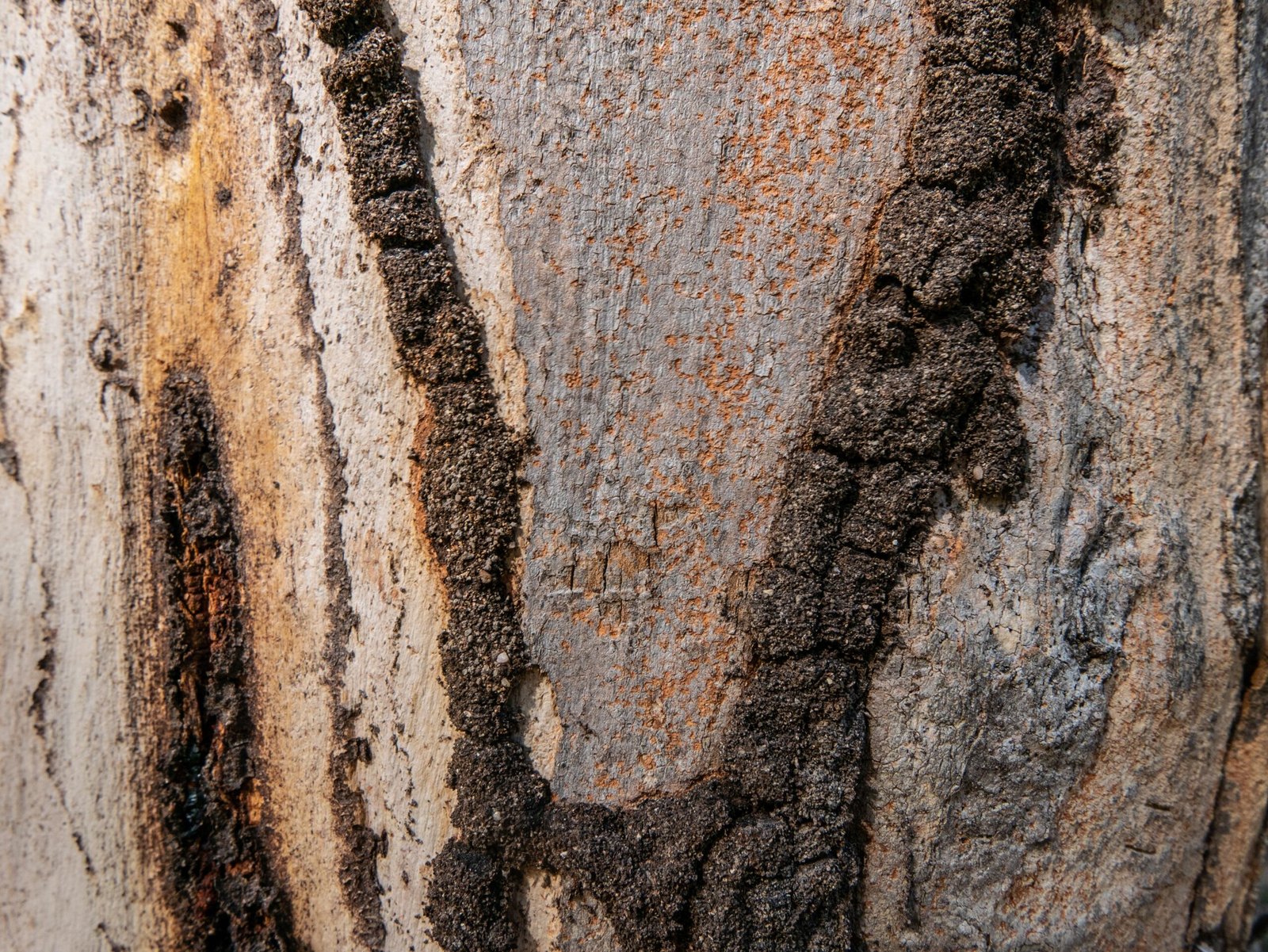
Step inside a termite mound, and you enter a bustling metropolis humming with life. These structures can reach several meters high and extend just as deep underground. Within their walls, millions of termites work in perfect harmony, constantly moving soil, digesting plant matter, and recycling nutrients. The mound’s architecture is astonishing: complex ventilation shafts regulate temperature and moisture, creating a stable environment that protects the colony from the harsh world outside. While the outside appears motionless, inside, it’s a world of ceaseless activity, transformation, and engineering marvels.
Termites: Nature’s Master Soil Engineers
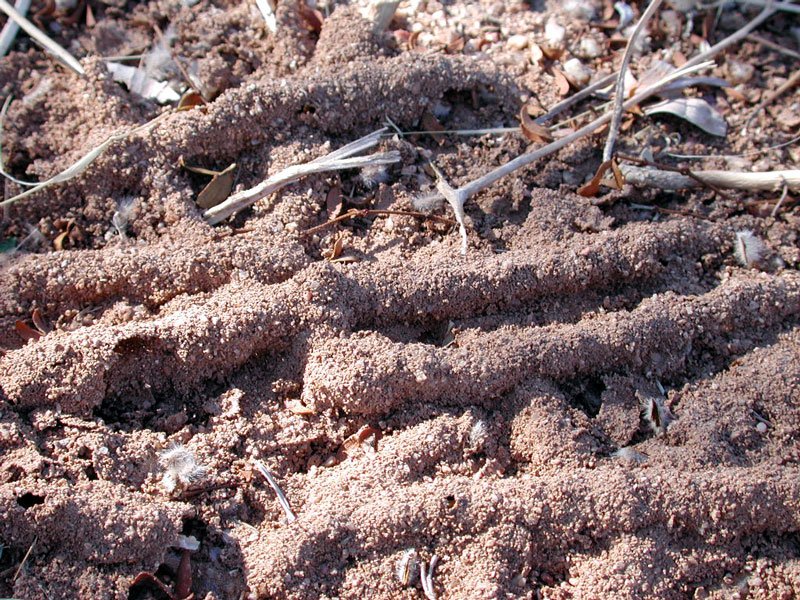
Termites are not just destructive pests—they are, in fact, nature’s original soil engineers. By constantly burrowing and mixing the earth, they reshape the ground layer by layer. Their tunnels aerate the soil, allowing air and water to penetrate deeper than roots could ever reach on their own. The grains they bring to the surface are sorted, cleaned, and enriched, dramatically changing the soil’s texture and composition. In ecosystems where termites thrive, the landscape becomes a living mosaic, each patch subtly different from the next thanks to their tireless efforts.
Ancient Termite Mounds: Time Capsules of Ecology
Some termite mounds have stood for centuries, even millennia, acting as ecological time capsules. Layers of soil and organic matter accumulate within and around the mound, preserving a record of past climates, vegetation, and animal life. Scientists can read these layers much like the rings of a tree, uncovering the history of entire landscapes. These ancient mounds are more than just monuments—they are living libraries that help researchers unlock the mysteries of environmental change over time.
Boosting Nutrient Availability

One of the most eye-opening discoveries about termite mounds is their power to enhance soil fertility. As termites break down tough plant material, they release nutrients that would otherwise remain trapped. Their digestive processes convert dead wood, grasses, and leaves into rich, organic matter. Soils sampled from termite mounds are often packed with nitrogen, phosphorus, and other crucial elements that are vital for plant growth. In regions with poor or depleted soils, these nutrient hotspots become lifelines for surrounding vegetation.
Creating Oases in Harsh Landscapes
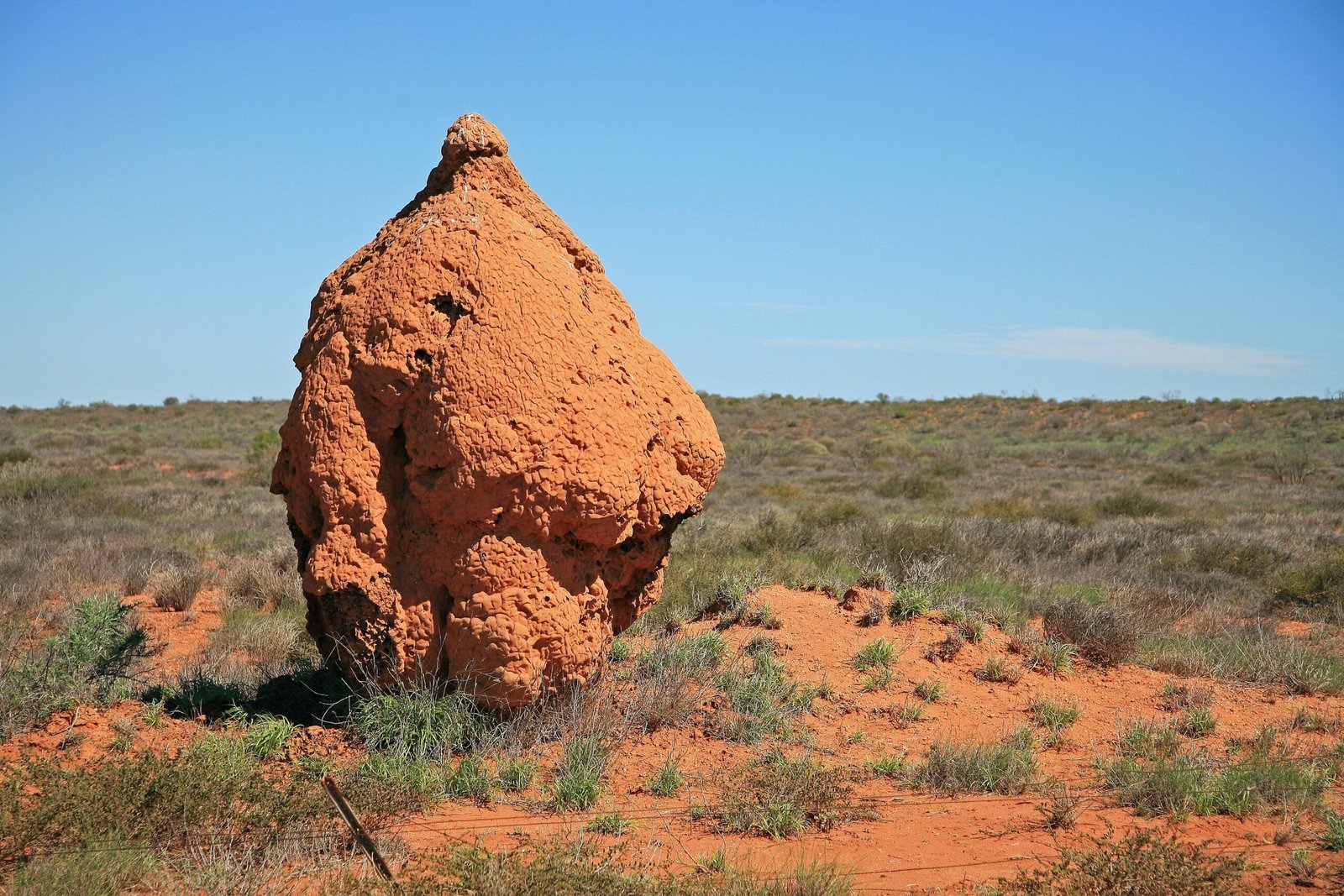
In the heart of dry, unforgiving landscapes, termite mounds stand out as islands of abundance. Studies in Africa, South America, and Australia have found that the vegetation around mounds is often lusher, greener, and more diverse than elsewhere. These structures act like natural fertilizer factories, pumping life into barren ground. Even during droughts, the soil near mounds retains more moisture, supporting trees and shrubs when everything else withers. It’s as if termites are quietly gardening the land, one mound at a time.
Termite Tunnels and Water Flow

The intricate tunnel systems within and around termite mounds have a surprising impact on water dynamics. As termites dig, they create tiny channels that allow rainwater to seep deeper into the soil rather than just running off the surface. This boosts groundwater recharge and reduces erosion, which is essential in regions prone to drought or heavy rains. The effect is so pronounced that you can sometimes see greener, healthier vegetation radiating outward from large mounds—nature’s own pattern of irrigation, engineered by insects.
Fighting Desertification, One Mound at a Time
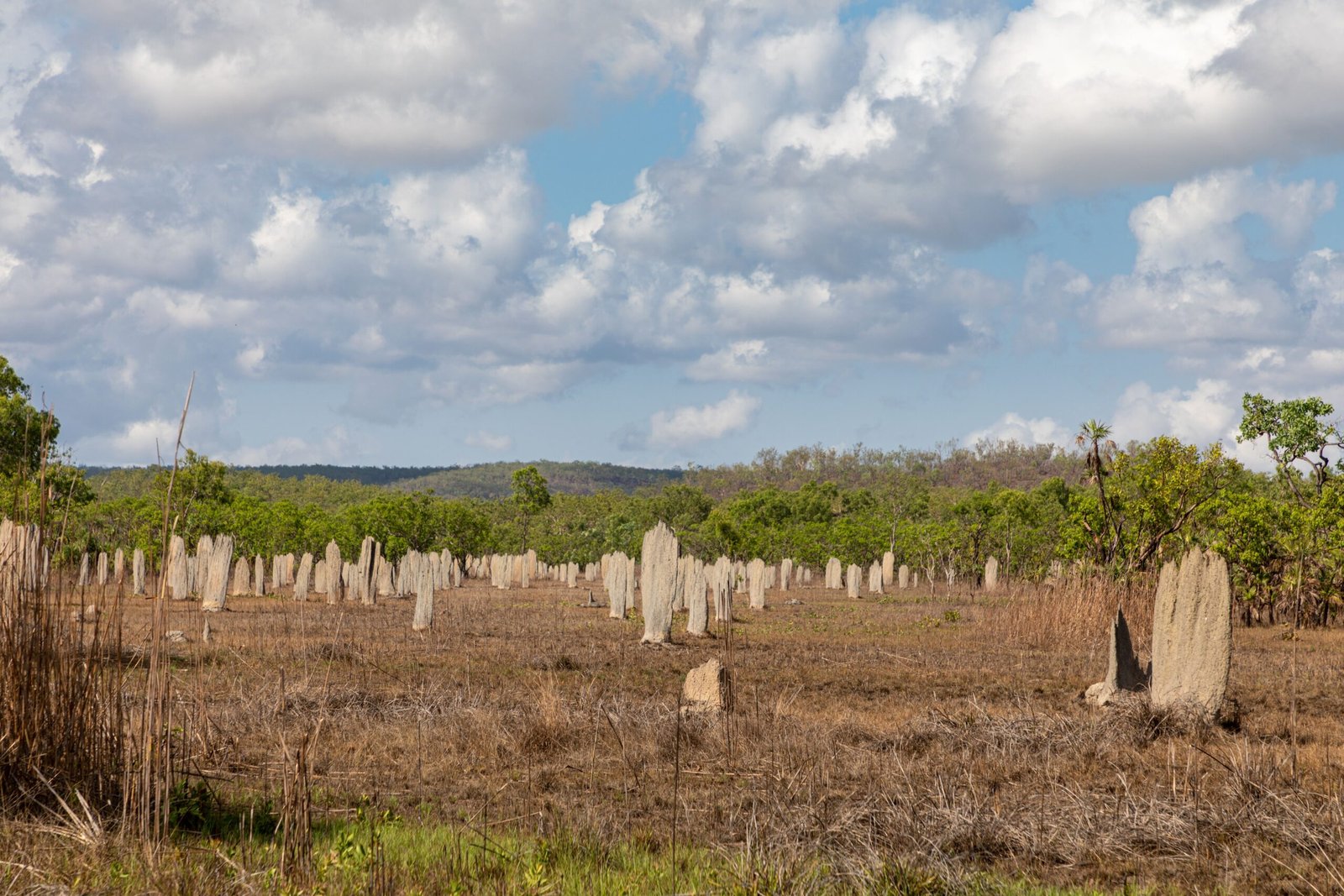
Desertification is one of the greatest threats facing many regions today, as once-productive land turns to dust. Termite mounds, however, are bucking this trend. Their ability to enrich soil and retain water makes them natural bulwarks against spreading deserts. In places like the Sahel, where the encroaching desert is a constant menace, patches of green around termite mounds offer hope. These micro-ecosystems can slowly expand, helping to reclaim lost ground and restore degraded landscapes.
Supporting Biodiversity in Surprising Ways
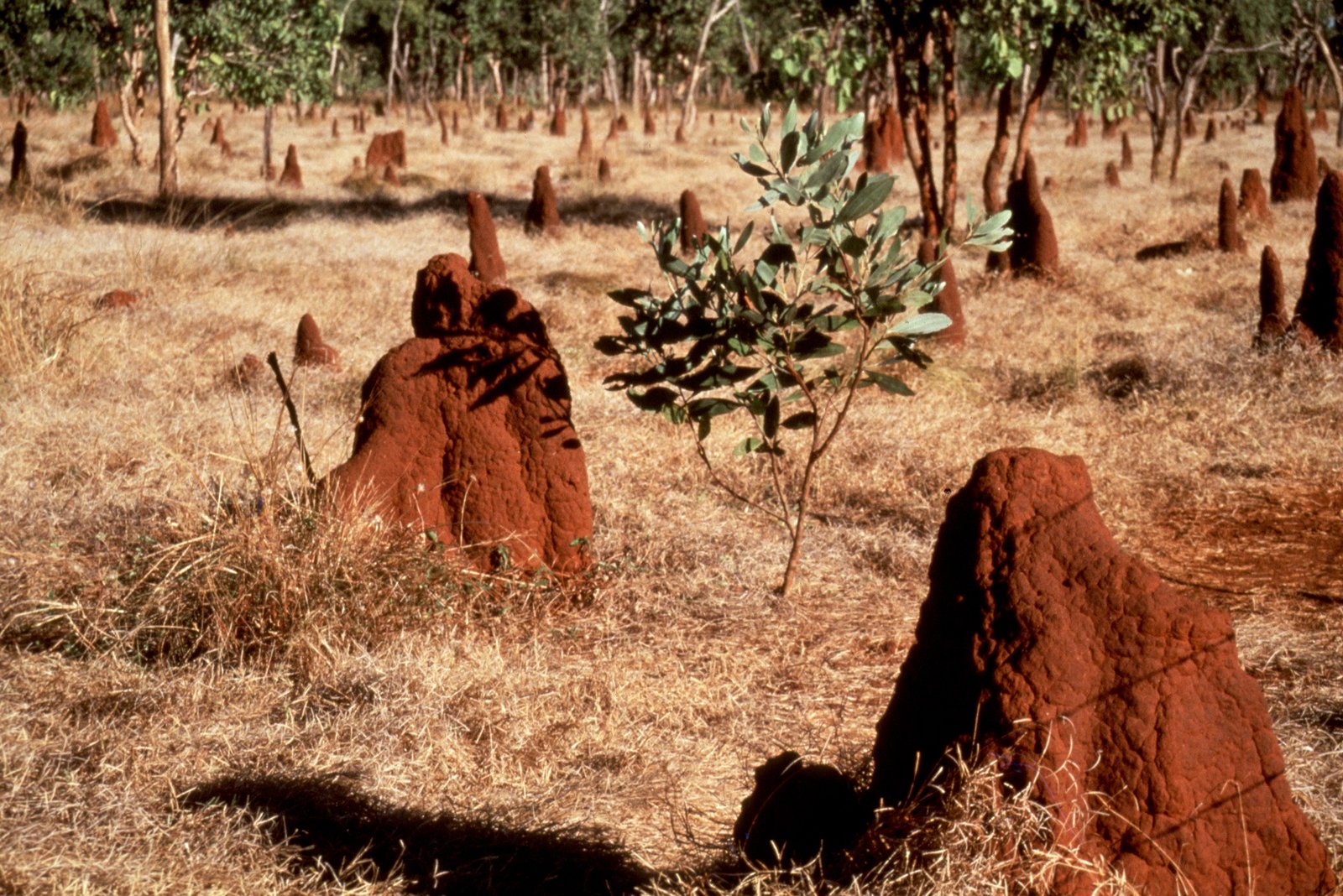
It’s not just plants that benefit from termite mounds. These structures become hubs of biodiversity, attracting all sorts of life. Birds use them as lookout posts, while reptiles bask in their warmth. Small mammals burrow into their bases, and insects of every kind swarm around their walls. The nutrient-rich soil supports a wider variety of plant species, which in turn attract more animals. In many ecosystems, termite mounds are the beating heart that keeps the web of life pulsating.
Clues for Sustainable Farming

Modern agriculture faces a crisis: how to grow enough food without destroying the very soil it depends on. Here, ancient termite mounds might offer a blueprint for the future. By mimicking termite strategies—such as improving soil structure, enhancing organic matter, and boosting microbial activity—farmers can restore fertility naturally. Techniques like no-till farming, composting, and cover cropping all echo what termites have been doing for millions of years. The lesson is simple: let nature show the way.
Termite Mounds and Carbon Storage
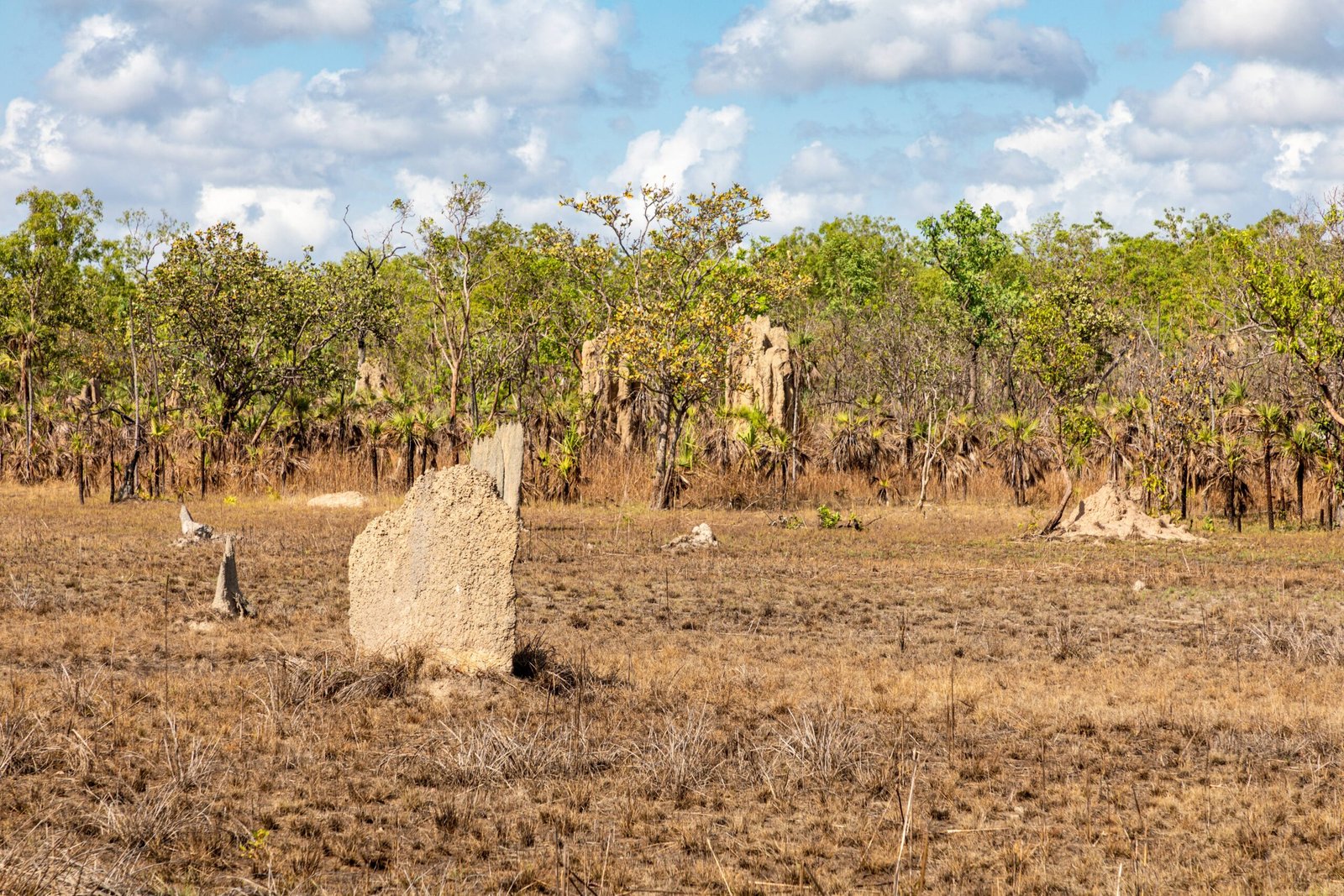
As the planet grapples with climate change, the ability of soils to lock away carbon has come under the spotlight. Termite mounds play an unexpected role here as well. The organic matter termites add to the soil doesn’t just feed plants—it also sequesters carbon, keeping it out of the atmosphere. Over centuries, these mounds can store significant amounts of carbon, acting as tiny but important buffers in the global carbon cycle. Their impact, multiplied across millions of mounds, is far from trivial.
Lessons from the Oldest Mounds
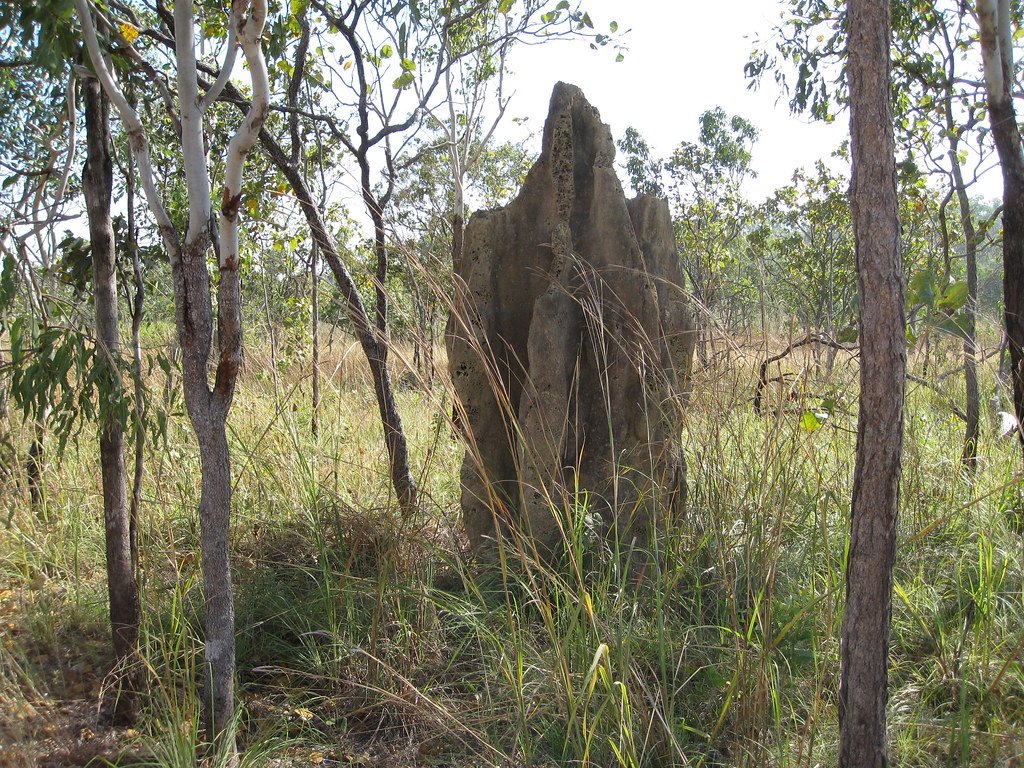
Some termite mounds are so ancient that they predate human civilizations. In Australia, for example, scientists have found mounds that may be over 4,000 years old. These remarkable structures have survived fires, floods, droughts, and even grazing by wild animals. Their resilience is a testament to the power of working with, rather than against, nature’s rhythms. By studying their longevity, we gain insight into how ecosystems can persist and thrive through centuries of change.
Termite Mounds as Climate Change Barometers
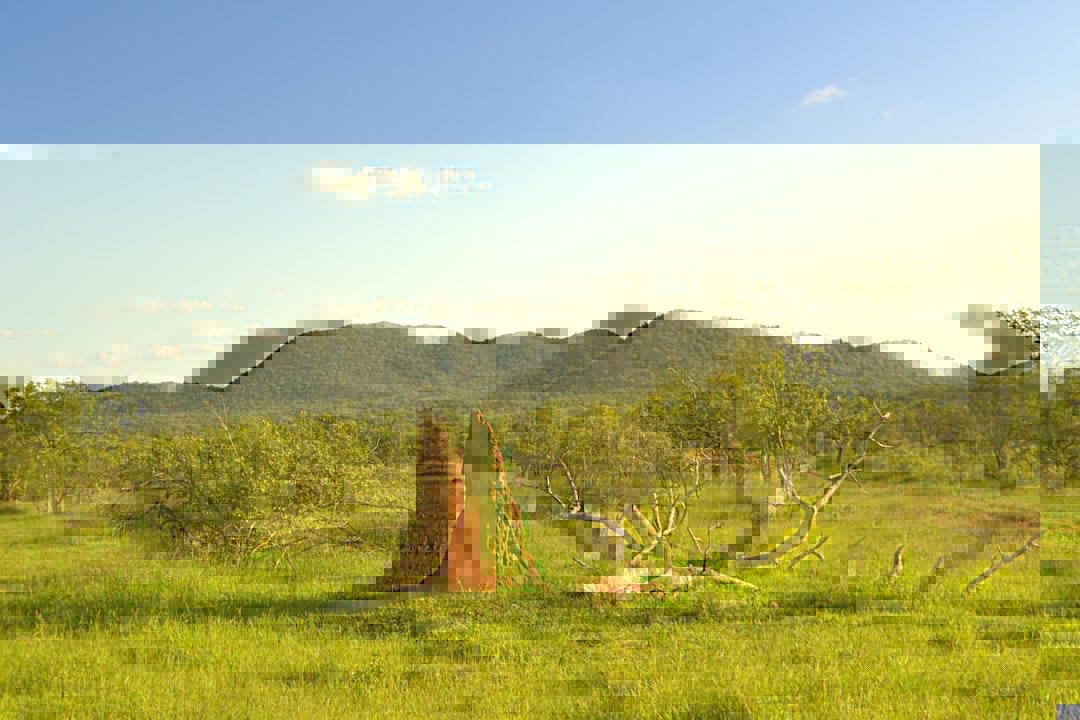
Because termite mounds record changes in climate and vegetation over time, they offer a unique window into how environments respond to stress. By analyzing the chemical makeup of mound soils, scientists can track shifts in rainfall, temperature, and plant life. This data is invaluable for predicting how current climate change might impact ecosystems in the future. In a way, termite mounds are like nature’s own weather stations, silently documenting the world’s shifting moods.
Microbial Marvels: Life Beneath the Mound

The soil within and around termite mounds isn’t just richer in nutrients—it’s also teeming with microbial life. Bacteria and fungi thrive where termites have worked, breaking down organic matter and releasing even more nutrients. Some microbes in termite mounds even help fix nitrogen from the air, further boosting fertility. This vibrant, invisible community is a key reason why soils touched by termites are so resilient and productive.
Termite Mounds and Human History

Humans have long noticed the peculiar fertility around termite mounds. In some African cultures, these mounds are considered sacred, while in others, farmers seek them out to plant crops. Ancient peoples may have even used mound soil for building and pottery, recognizing its unique properties. Modern science is only now catching up to this traditional knowledge, revealing just how intertwined our fate is with these humble insects.
Modern Technology Meets Ancient Mounds
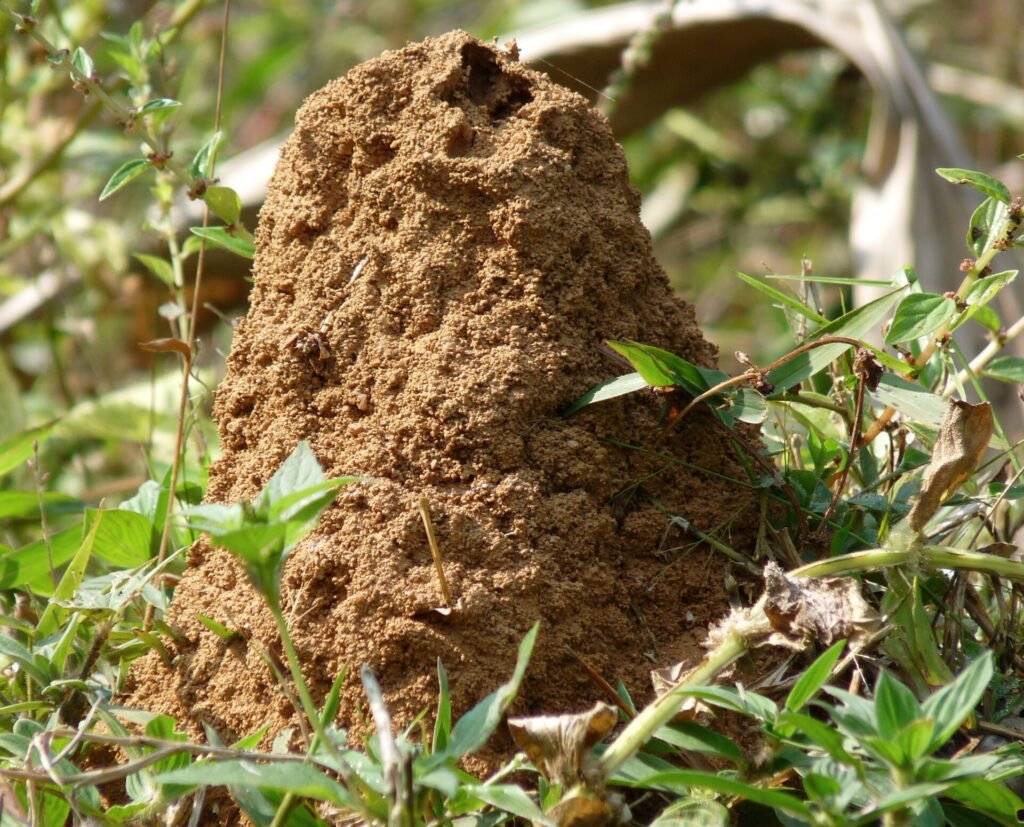
Today, new technologies like ground-penetrating radar and drone mapping are unlocking secrets hidden within termite mounds. Scientists can now visualize the vast underground networks that once seemed invisible. These tools are helping researchers understand how termite activity shapes entire landscapes, and how their influence persists long after a colony dies out. The fusion of ancient biology and modern tech is opening new frontiers in soil science.
Termites as Unlikely Heroes in Restoration Projects

In areas damaged by mining, deforestation, or overgrazing, reintroducing termites has become a surprising but effective strategy for land restoration. By encouraging termite activity, degraded soils are slowly rebuilt from the ground up. Plants begin to return, followed by animals, and over time, the ecosystem bounces back. It’s a powerful reminder that sometimes, the smallest creatures can drive the biggest changes.
The Global Reach of Termite Mounds
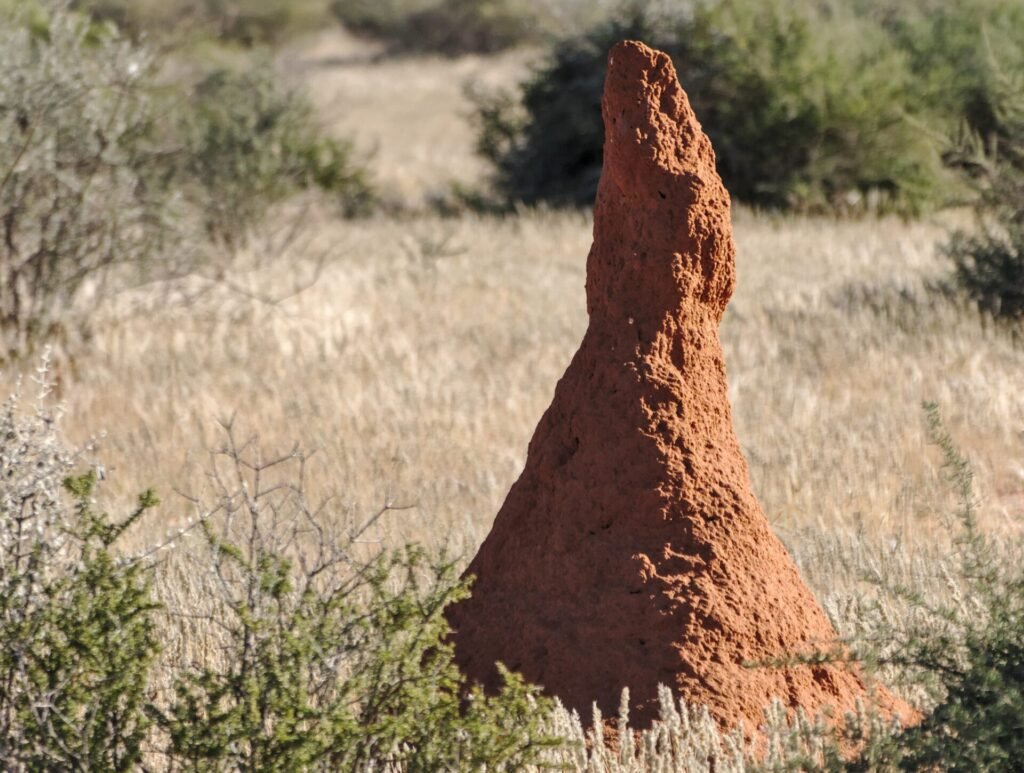
Although most famously associated with Africa and Australia, termite mounds are found across tropical and subtropical regions worldwide. In South America, the “murundus” of Brazil, for example, support unique grassland communities. In Asia, mound-building termites help maintain rice paddies and forests. This global presence means that the lessons learned from one corner of the world can inspire solutions everywhere, from savannas to rainforests.
Misconceptions About Termites and Soil Health
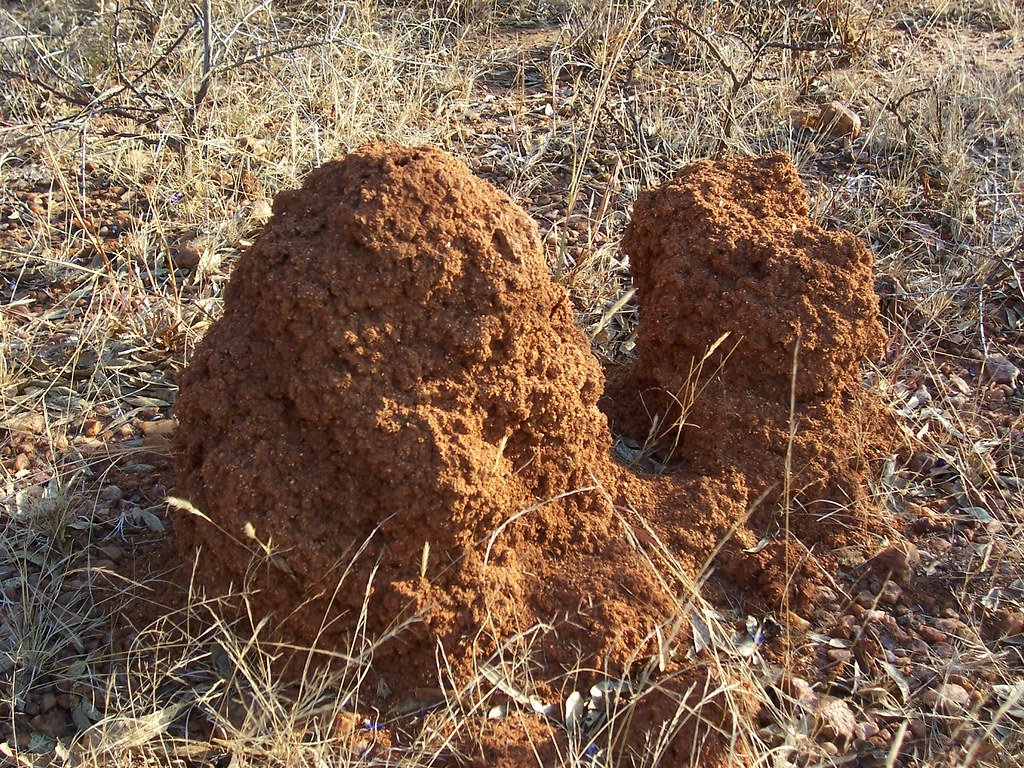
Despite their many benefits, termites are often misunderstood and maligned as pests. While some species do cause damage to crops or buildings, the vast majority are harmless—or even beneficial. Seeing termites simply as destroyers misses the bigger picture: without their constant soil engineering, many landscapes would lose their fertility, diversity, and resilience. It’s time to replace fear with respect for these unsung heroes.
What Ancient Mounds Teach Us About Resilience
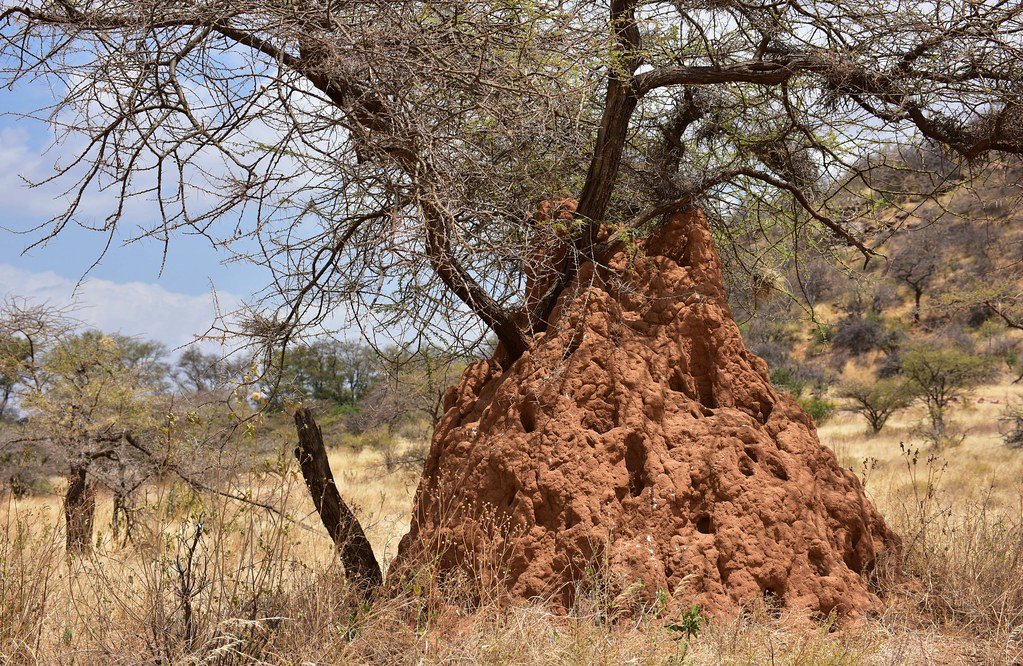
Perhaps the greatest lesson from ancient termite mounds is resilience. These structures have weathered countless storms, adapted to changing climates, and supported life through the harshest conditions. In a world facing environmental uncertainty, their story is both humbling and inspiring. It shows that, by working with nature’s architects, we can build soils—and futures—that stand the test of time.