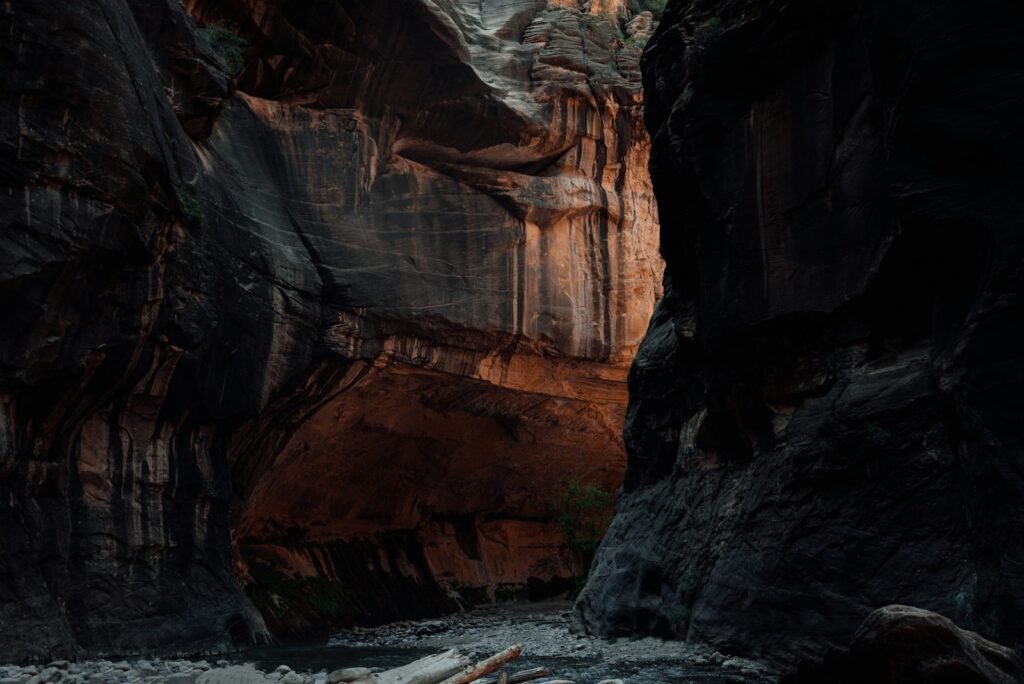
Every generation thinks it stands at the peak of ingenuity – until history taps us on the shoulder. Across museums, seabeds, and mountain fortresses lie inventions that shrug off modern reverse engineering. We can model them, simulate them, even improvise near-misses, yet the originals still keep a crucial step offstage. This isn’t about romance for the past; it’s a report on puzzles that resist lab lights and laser scanners. The gaps they expose aren’t just technical – they’re cultural, reminding us how human knowledge can be both durable and heartbreakingly fragile.
Greek Fire: The Sea Weapon That Ignites Doubt as Readily as Water
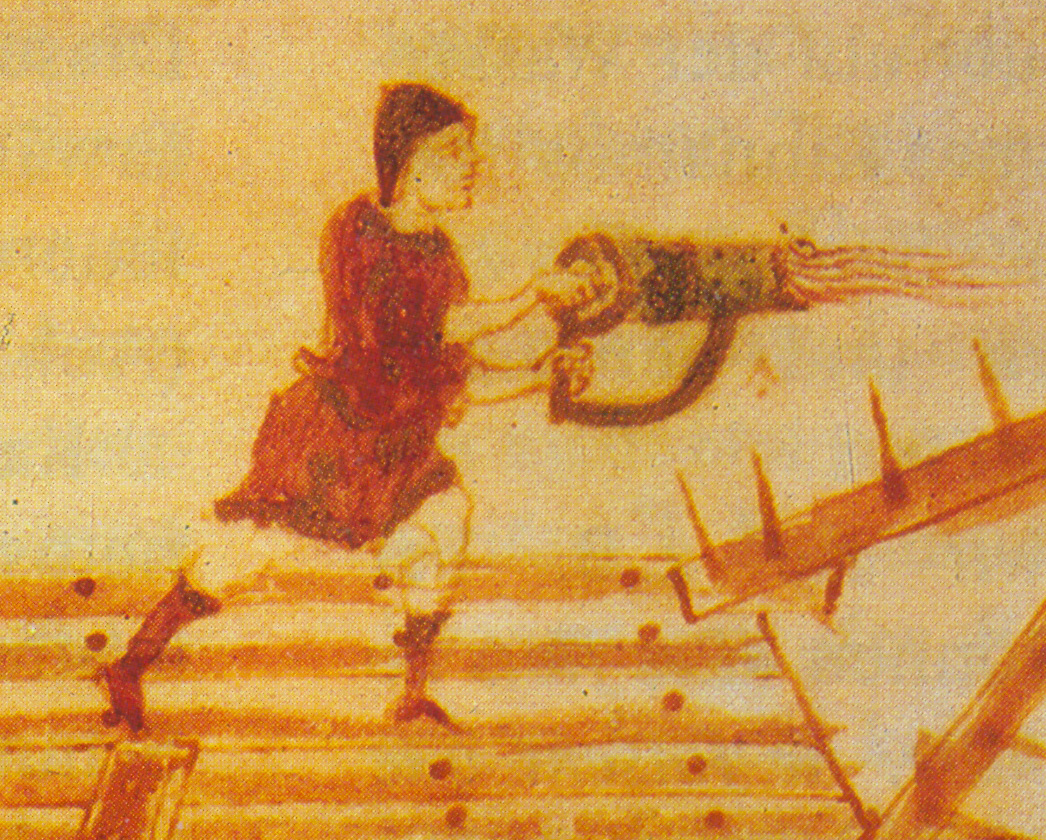
Imagine a weapon that burned on water and panicked entire fleets, yet left behind no definitive recipe. Byzantine engineers reportedly pumped Greek fire through bronze siphons, a sticky inferno that clung to hulls and oars and kept burning in waves. Modern chemists can mix fierce brews – naphtha, resin, sulfur, quicklime – but the exact cocktail and delivery system that worked reliably at sea remain uncertain. Reconstructions hint that the secret may have been less a single formula than a tightly guarded package: the mixture, the pressure vessel, the nozzle geometry, and crew training acting together. The harsh truth is we can approximate the flames, but we can’t prove we’ve recreated the weapon that terrified the medieval Mediterranean.
Wootz Damascus Steel: A Blade Whose Microstructure Vanished with Its Makers
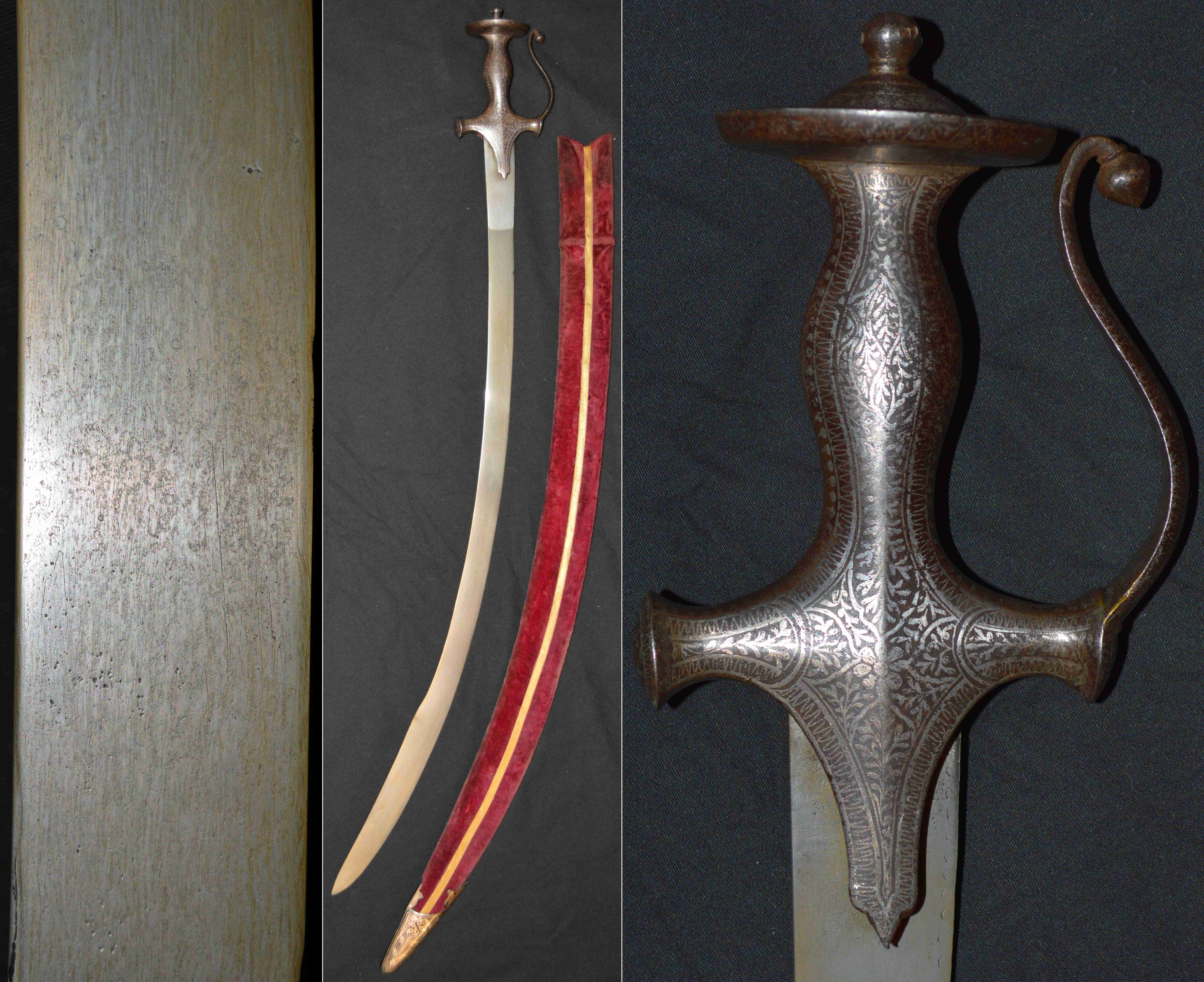
Those rippling water-like patterns on legendary blades are more than ornament; they hint at a vanished metallurgical choreography. Historical wootz steel, smelted in crucibles in South Asia and forged into Damascus blades, developed a distinctive banding of carbides that balanced sharpness with resilience. Today’s smiths can echo the pattern and produce stunning performance, yet the original microstructure appears only sporadically and rarely with the same consistency. The missing ingredients may include trace elements from specific ores, the exact thermal rhythm, and the long, patient pacing of ancient workshops. We can craft superb modern knives, but we still lack a repeatable, peer-reviewed method that recreates the old blades’ structure on demand under historical constraints.
The Antikythera Mechanism: Clockwork Cosmos with Missing Gears
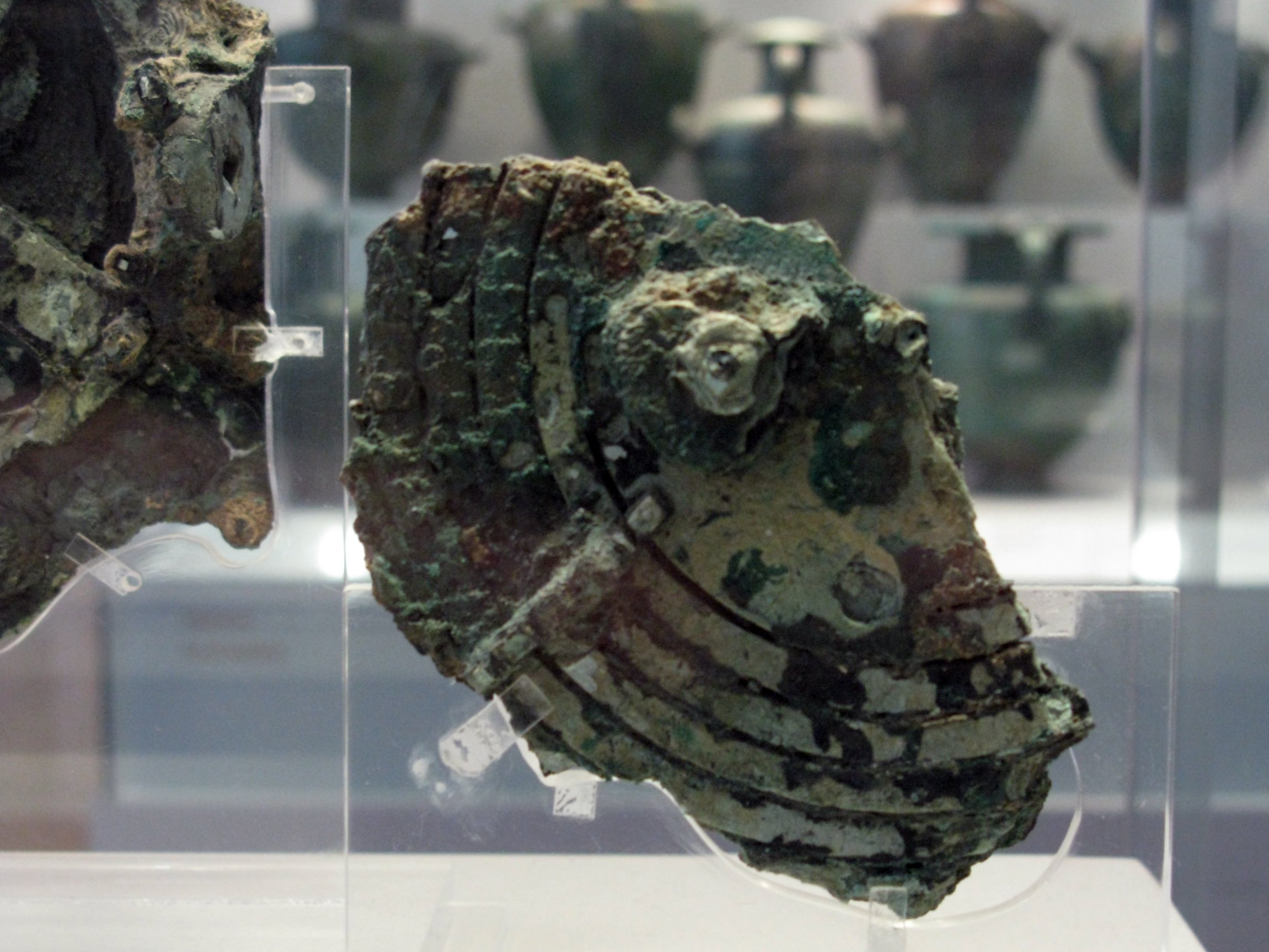
Fished from a shipwreck off a Greek island, this corroded lump turned out to be a hand-cranked computer that modeled the sky. X‑ray and surface scans revealed a cathedral of bronze gearing that tracked the Sun, Moon, eclipses, and possibly the wandering planets. Teams have built working replicas based on the scans, but critical ambiguities persist: inscriptions are incomplete, plates are shattered, and portions of the gearing are inferred rather than observed. Competing reconstructions differ on dial layouts and planetary trains, leaving the original architect’s full intent unresolved. We can build a faithful homage; we cannot certify we’ve rebuilt the exact machine that once predicted the heavens.
Vitrified Hillforts: Stone Walls Melted into Glass, Method Unknown
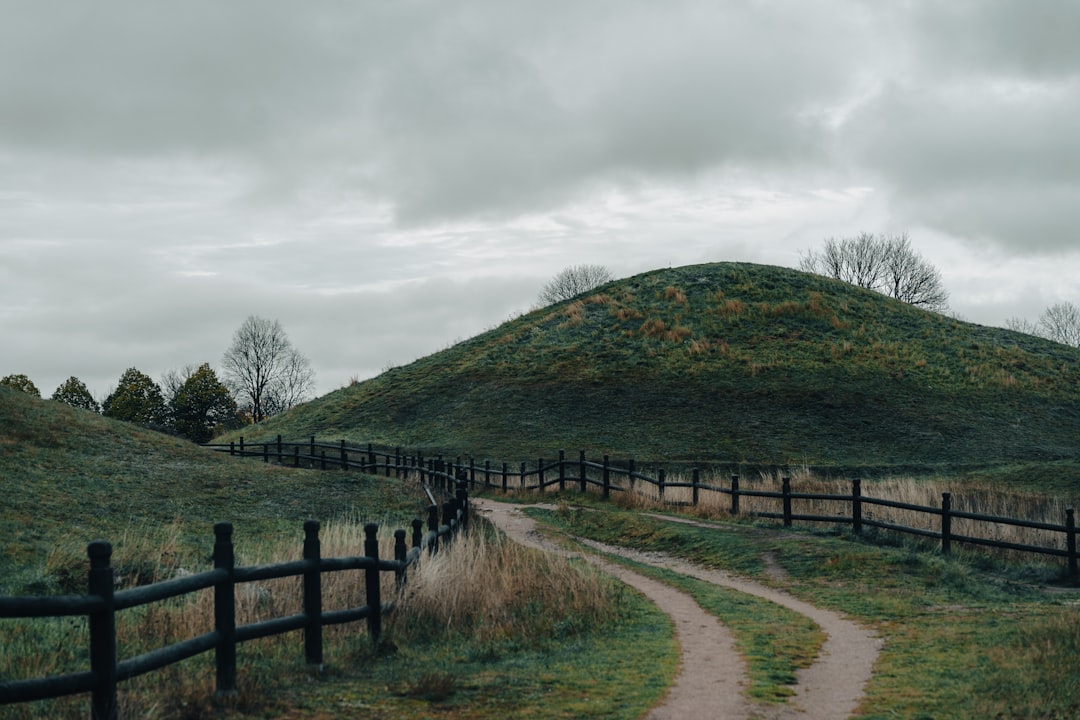
Across parts of Scotland and Europe, ancient fort walls show a startling transformation – stone fused into a glassy matrix, as if a lightning bolt lingered for hours. Achieving that degree of vitrification requires furnace-level heat sustained over large surfaces in the open air, a logistical nightmare with prehistoric fuels. Experimental archaeology has melted small sections, but scaling up to entire ramparts without collapsing the structure remains elusive. Scholars debate whether vitrification was intentional for strength, accidental during siege fires, or ritual, and each hypothesis runs into practical snags. Until someone demonstrates a credible, full-scale method, these glassy battlements remain a thermal engineering mystery carved into the landscape.
The Iron Pillar of Delhi: A Patina That Outlasts Empires
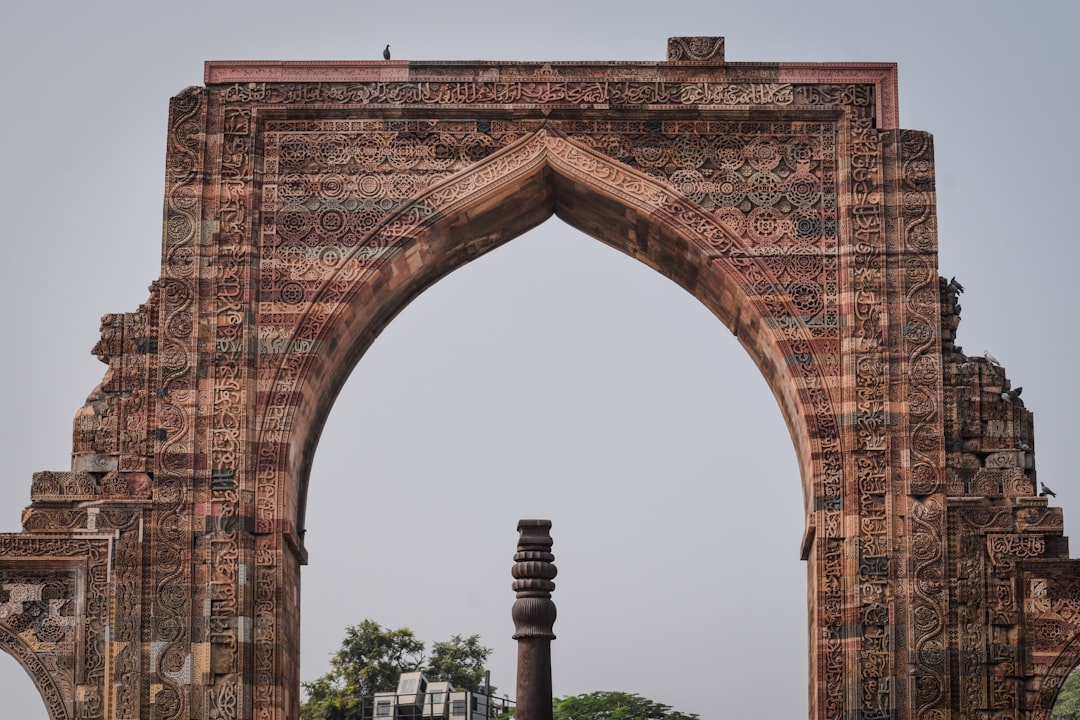
This towering column, forged roughly sixteen centuries ago, has shrugged off deep corrosion through monsoon and heat that would chew ordinary iron. Analyses point to high phosphorus content, slag entrainment, and a slow-growing protective film that stabilizes against rust in that specific environment. We can make modern weathering steels that resist the elements, yet the pillar’s path to durability – achieved with bloomery iron and ancient forge-welding – has not been reproduced under comparable methods and timescales. The effect seems to be a confluence of material, process, and climate that modern industry typically avoids rather than replicates. In practice, we can explain parts of the story, but we can’t yet recreate the whole performance by following the same ancient playbook.
Inca Ashlar Masonry: Earthquake-Ready Jigsaw Built without Mortar
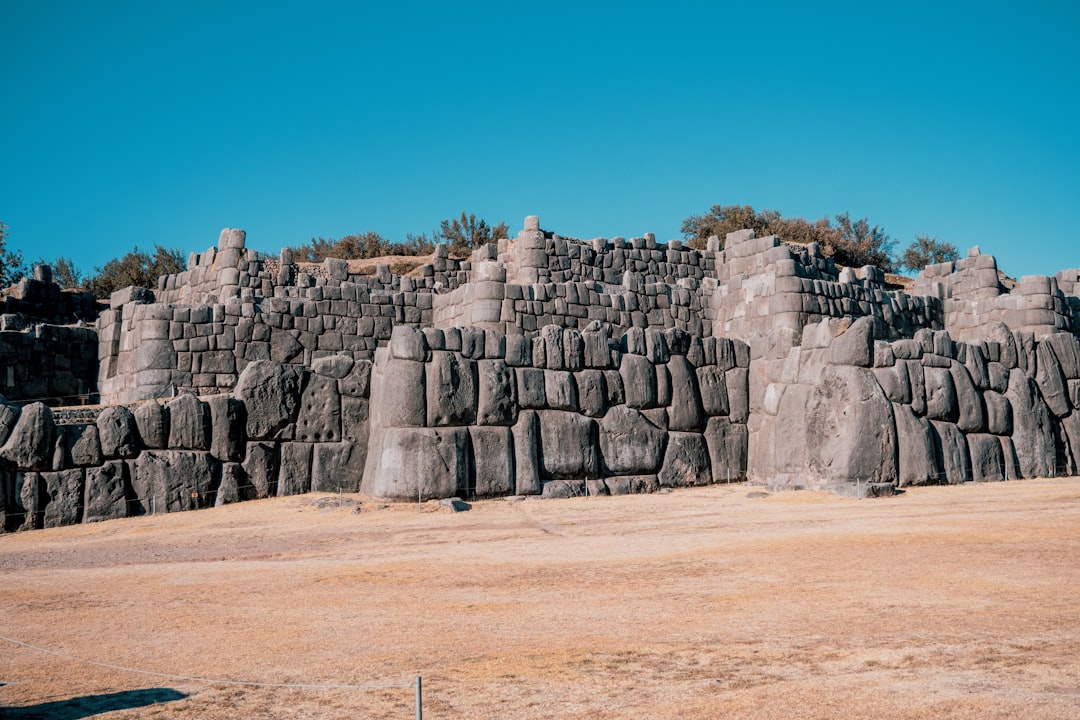
In the high Andes, Inca builders knitted cyclopean blocks so closely that a knife blade struggles to find daylight between them. The walls flex and settle through quakes instead of shattering, a resilience born of geometry, mass, and friction rather than mortar. Archaeologists can list plausible steps – pecking, sanding with abrasives, levering with ramps and ropes – but no field test has matched the speed, scale, and precision achieved across entire complexes. When modern teams try under similar tool constraints, results are impressive yet slow and inconsistent, suggesting lost choreography and craft timing. The outcome can be imitated with power tools; the original method, as a repeatable workflow, remains out of reach.
Why It Matters
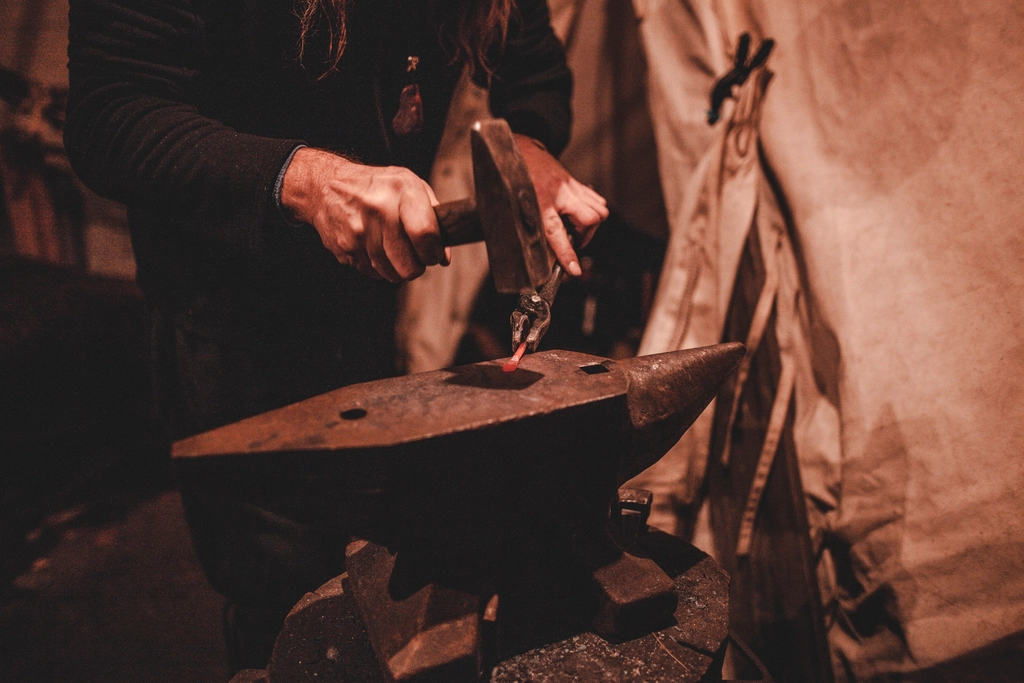
These puzzles aren’t romantic trivia; they expose how technology is more than formulas and parts lists. Craft knowledge lives in hands, workshops, and routines that rarely make it into manuscripts, which means a disrupted tradition can shutter a whole field overnight. Studying these outliers pressures modern science to think holistically, combining materials analysis with ergonomics, logistics, and even military doctrine. It also challenges our metrics for progress, reminding us that durability, maintainability, and reproducibility are as vital as peak performance numbers. When a rustproof pillar or an earthquake-dancing wall beats our best shortcuts, it forces a hard but healthy recalibration of what counts as advanced.
The Future Landscape
The next breakthroughs will likely come from instruments and collaborations our predecessors couldn’t dream of. Multimodal imaging – combining micro‑CT, neutron diffraction, and chemical mapping – can pry open corroded artifacts without touching them, while machine‑learning models sift patterns that escape the naked eye. At the same time, reviving extinct workflows means funding long, patient experiments in living-history labs, where trial, error, and craft memory can accumulate. Ethical access to heritage objects, climate threats to open sites, and the risk of sensational claims will remain stubborn roadblocks. If we balance rigor with curiosity, the line between plausible reconstruction and genuine recreation may finally begin to sharpen.
Call to Action
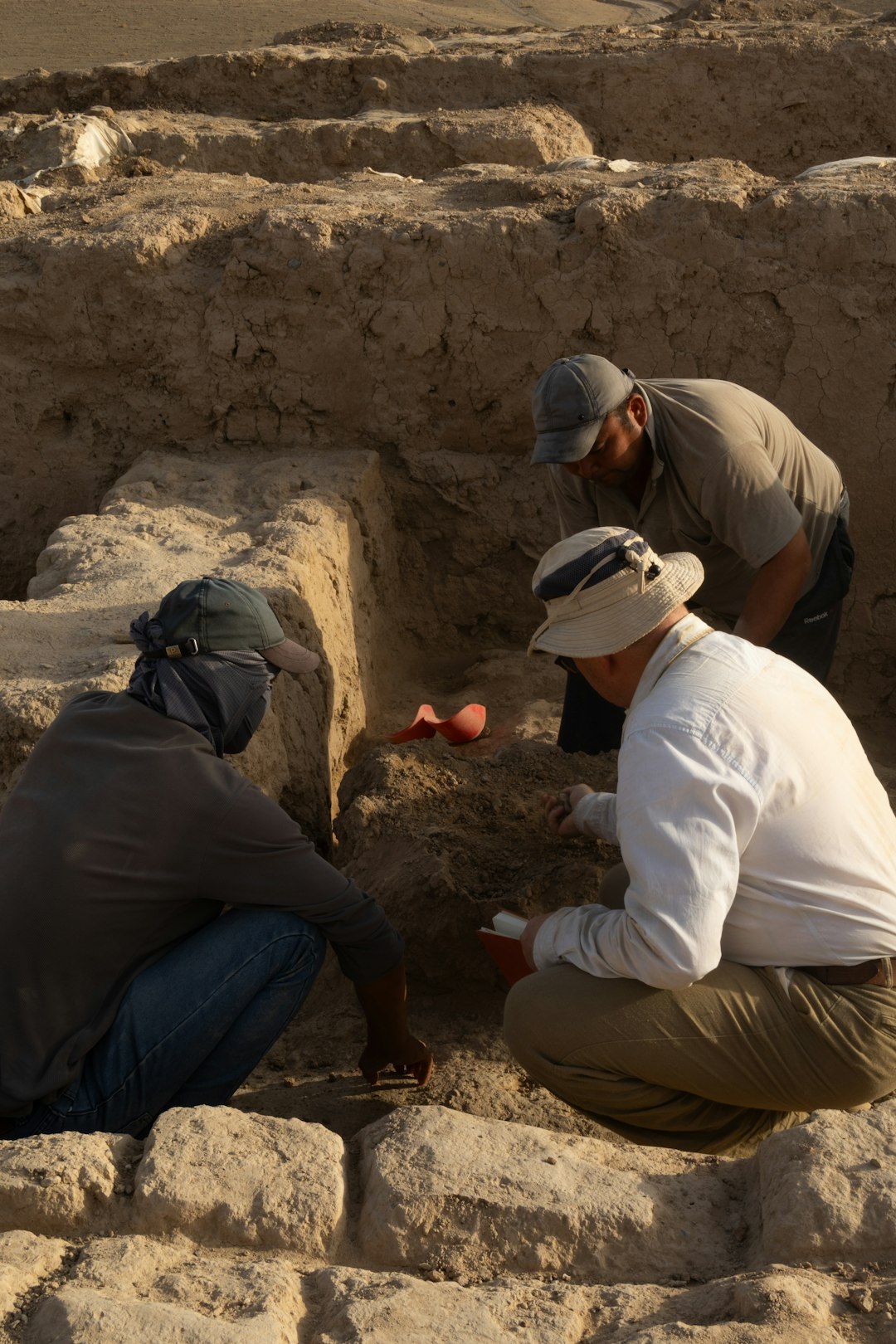
Curiosity only matters if it moves. Support local museums and archaeological field schools that let students and craftspeople test hypotheses with real materials, not just simulations. Encourage journals and funders to back slow-burn replication studies, the kind that document failed batches and hard-won tweaks rather than only home runs. If you visit heritage sites, follow preservation guidance so future researchers can measure what time, not tourists, has changed. The past leaves us clues; we decide whether they fade or finally click – so which will you choose?
Sources: Nature; Journal of Archaeological Science.
Suhail Ahmed is a passionate digital professional and nature enthusiast with over 8 years of experience in content strategy, SEO, web development, and digital operations. Alongside his freelance journey, Suhail actively contributes to nature and wildlife platforms like Discover Wildlife, where he channels his curiosity for the planet into engaging, educational storytelling.
With a strong background in managing digital ecosystems — from ecommerce stores and WordPress websites to social media and automation — Suhail merges technical precision with creative insight. His content reflects a rare balance: SEO-friendly yet deeply human, data-informed yet emotionally resonant.
Driven by a love for discovery and storytelling, Suhail believes in using digital platforms to amplify causes that matter — especially those protecting Earth’s biodiversity and inspiring sustainable living. Whether he’s managing online projects or crafting wildlife content, his goal remains the same: to inform, inspire, and leave a positive digital footprint.