
Stand at the base of a pyramid in Egypt, a stone circle in Britain, or a temple in Mesoamerica, and the same thought sneaks in: how on earth did people, with no internet, no planes, and no satellites, build with such precision? Even more unsettling, why do so many of these structures, separated by oceans and millennia, echo each other in form, function, and sometimes even in alignment with the sky?
This strange familiarity across continents has led many researchers, architects, and curious travelers to the same haunting idea: maybe ancient cultures knew more, and shared more, than we’ve been taught. While we have no confirmed proof of a single “global civilization,” the patterns hidden in stone, geometry, and starlight are hard to ignore. Once you start seeing them, you can’t unsee them.
Shared Obsession With the Sky: Alignments That Defy Chance
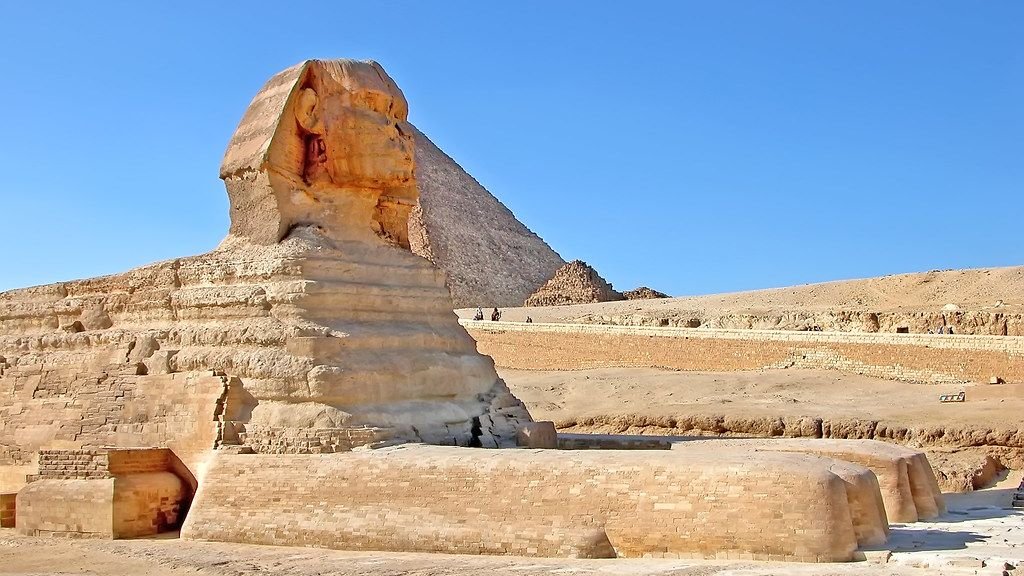
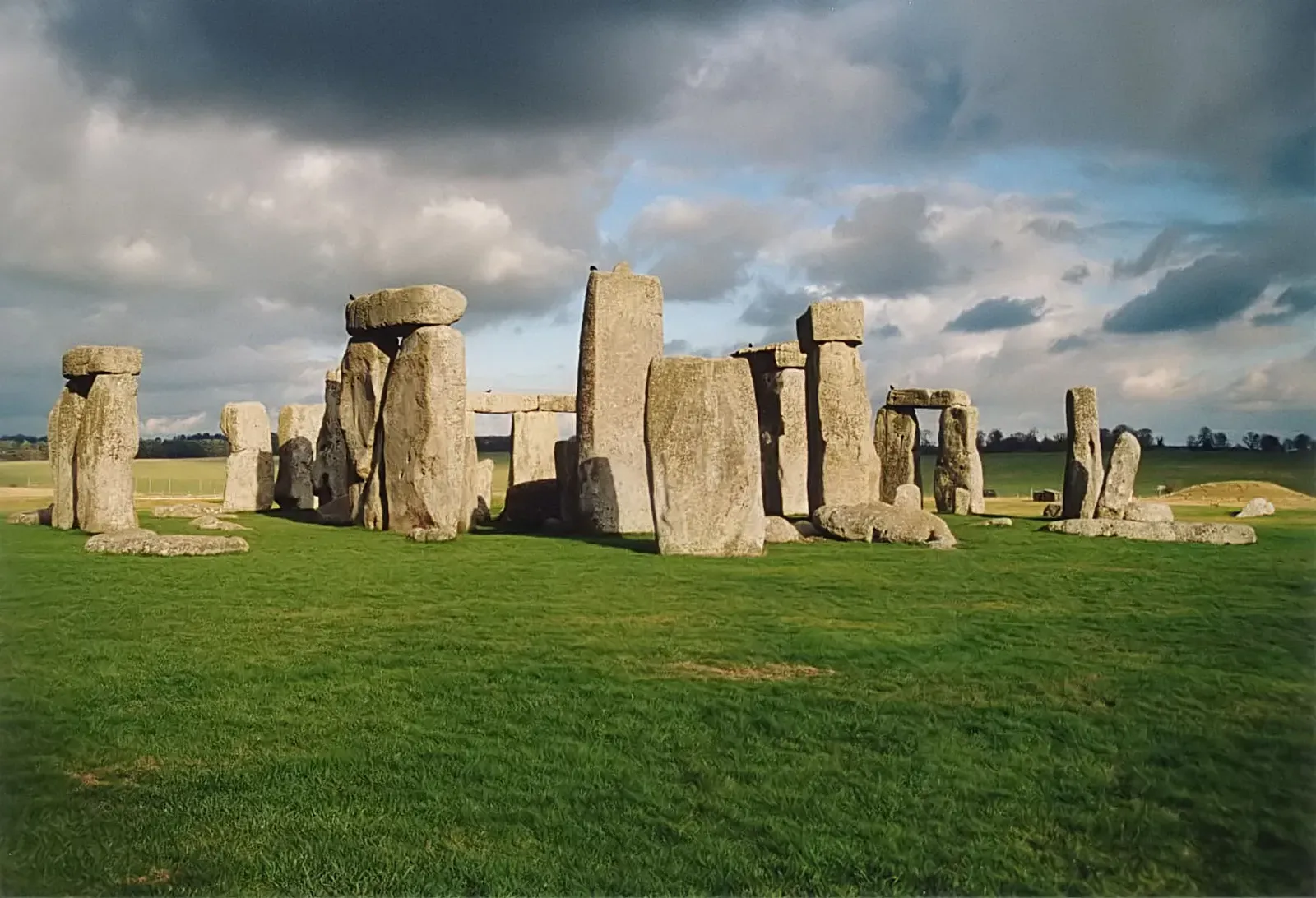
One of the most striking patterns is how many ancient structures around the world are locked onto the movements of the sun, moon, and stars with incredible accuracy. At Giza, the Great Pyramid is aligned almost perfectly to the cardinal directions, deviating by only a tiny fraction of a degree, something that still impresses modern surveyors. Stonehenge lines up with the sunrise of the summer solstice and the sunset of the winter solstice, turning the entire stone circle into a kind of live cosmic calendar each year.
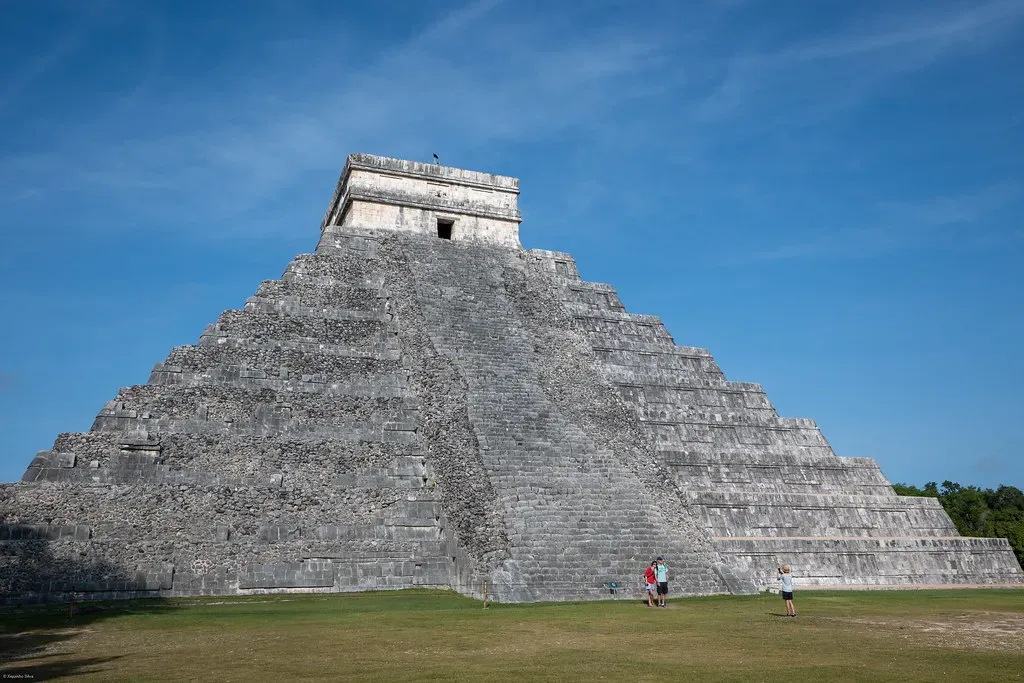
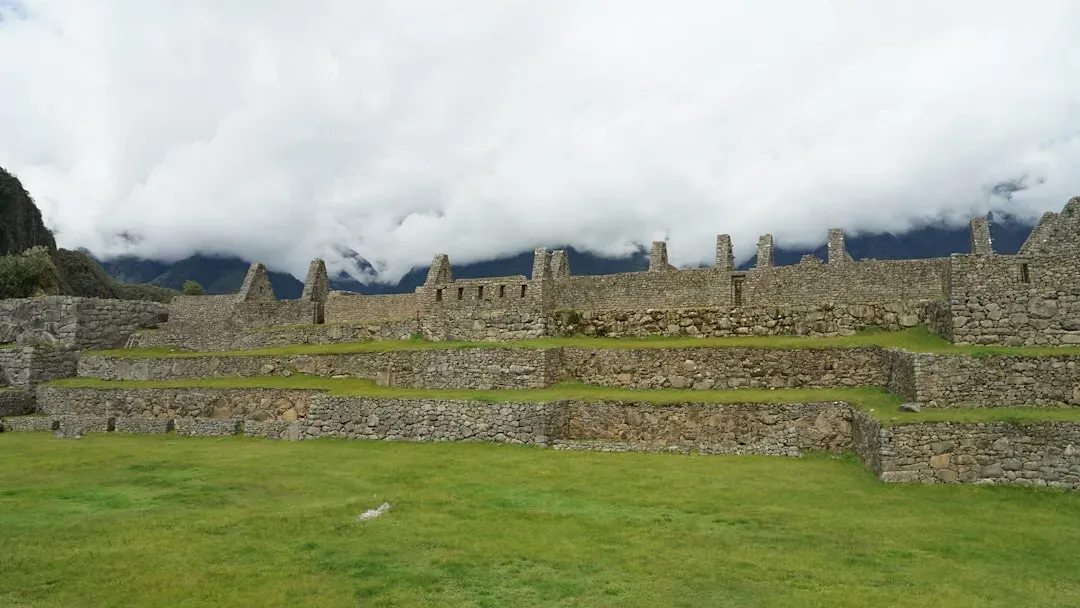
Travel across the ocean to Mesoamerica, and you’ll see the same obsession written in stone. At Chichén Itzá in Mexico, the Pyramid of Kukulkán casts a serpent-like shadow slithering down its staircase during the equinoxes, as if the building itself is performing a ritual in sync with the sun. In Peru, at Machu Picchu and other Inca sites, windows and stone pillars frame solstice sunrises with precision that suggests careful observation over generations. When cultures separated by thousands of miles build in ways that track the same celestial events, you start to wonder whether we’re staring at fragments of a shared scientific language.
Echoes in Stone: Pyramids, Mounds, and Stepped Monuments
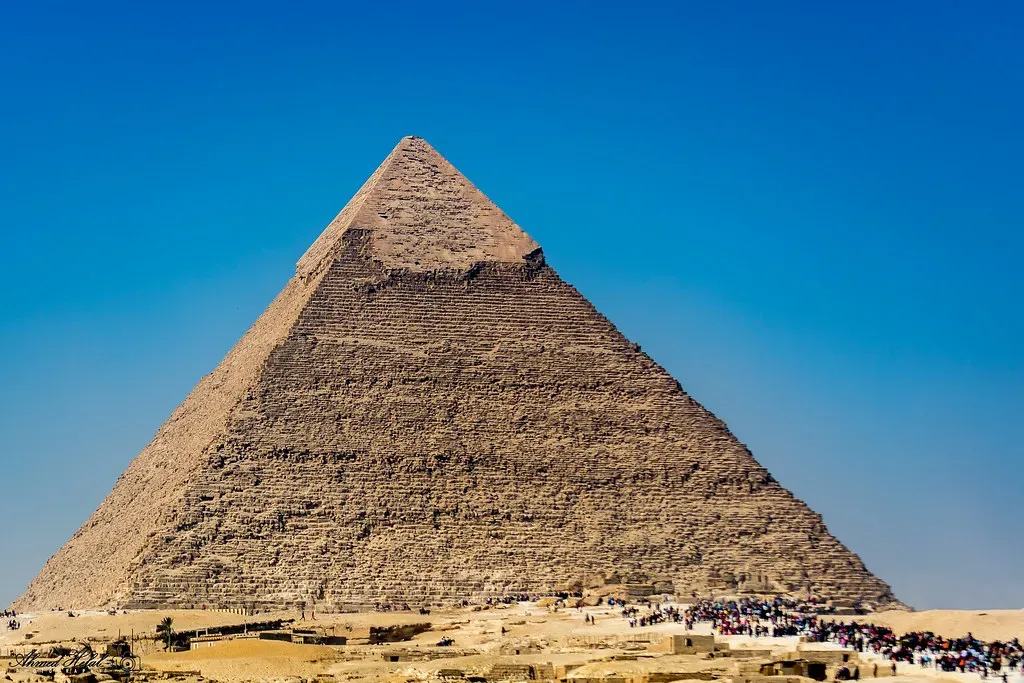
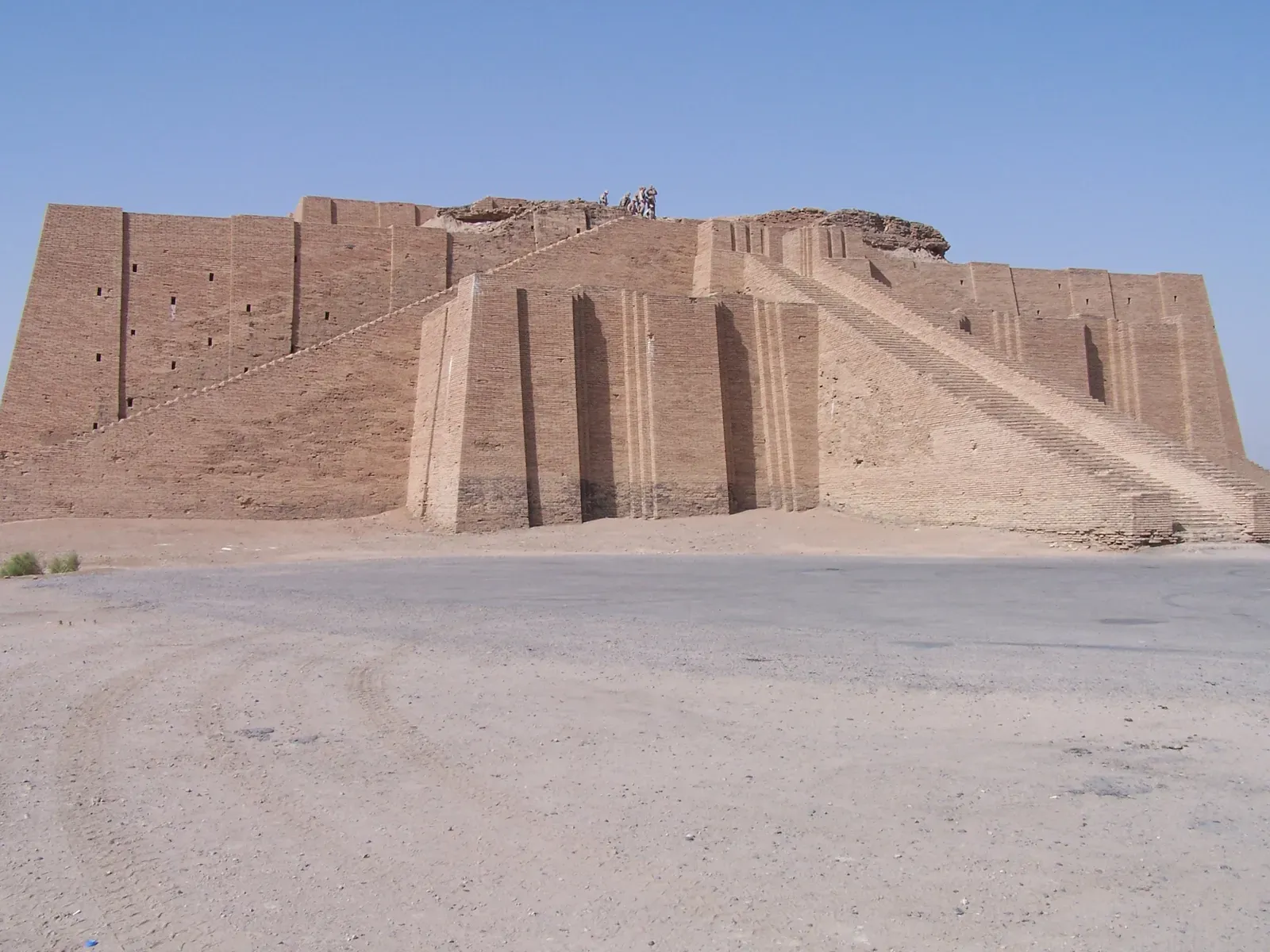
It’s hard to shrug off the fact that pyramid-like forms appear almost everywhere: Egypt, Sudan, Mexico, Guatemala, Peru, China, and even buried under vegetation in places like Indonesia. The shapes vary – smooth-sided pyramids, step pyramids, terraced mounds – but the core idea is the same: huge, artificial mountains reaching toward the sky. In Egypt, they guard tombs and sacred spaces; in Mesoamerica, they stage rituals, sacrifices, and royal ceremonies; in China, they hide imperial burials beneath grassy slopes.
Some archaeologists argue that the pyramid is just a structurally efficient way to stack stones without sophisticated materials, and there’s truth in that. But the recurring combination of height, sacred purpose, and often astronomical alignment makes the pattern harder to dismiss as coincidence. Even in North America, earthwork mounds like those built by the Mississippian culture at Cahokia rise as layered platforms, echoing stepped pyramids elsewhere. Different continents, different materials, but the same fundamental instinct: shape the land upward into a cosmic bridge.
Advanced Engineering Without Modern Tools
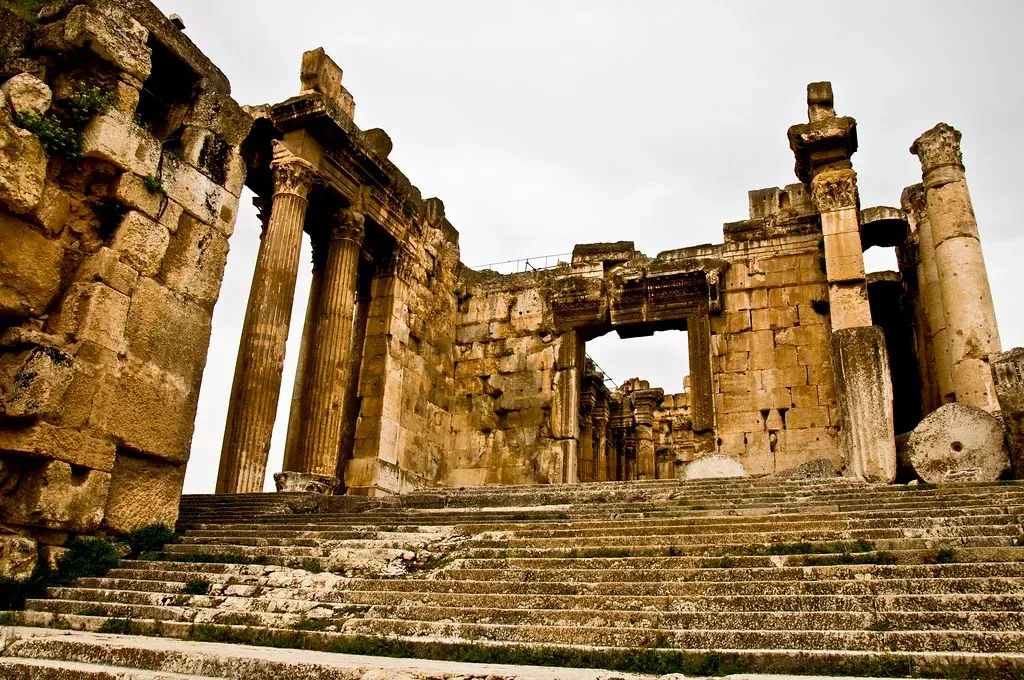
If you’ve ever tried to move a heavy couch up a staircase, you’ve tasted about one percent of the frustration ancient builders would’ve faced – except they were hauling multi-ton stones, not furniture. Sites like Baalbek in Lebanon include megaliths weighing hundreds of tons, carved and placed with such precision that modern cranes would struggle with the job. In Egypt, stone blocks in pyramids and temples are set together so tightly that it’s famously difficult to slip even a knife blade between them.
In Peru, the stonework at Sacsayhuamán and other Inca sites features interlocking blocks with irregular shapes that fit together like a 3D jigsaw puzzle, without mortar, surviving earthquakes that toppled later colonial buildings. In India, temples such as those at Ellora and Mahabalipuram were carved directly into rock faces or out of single massive stones, like sculpting a cathedral from a mountain. None of this proves lasers or lost machines, but it does point to shared engineering principles, ingenious low-tech methods, and a seriousness about precision that crosses borders and eras.
Universal Numbers: Geometry and the Language of Proportion
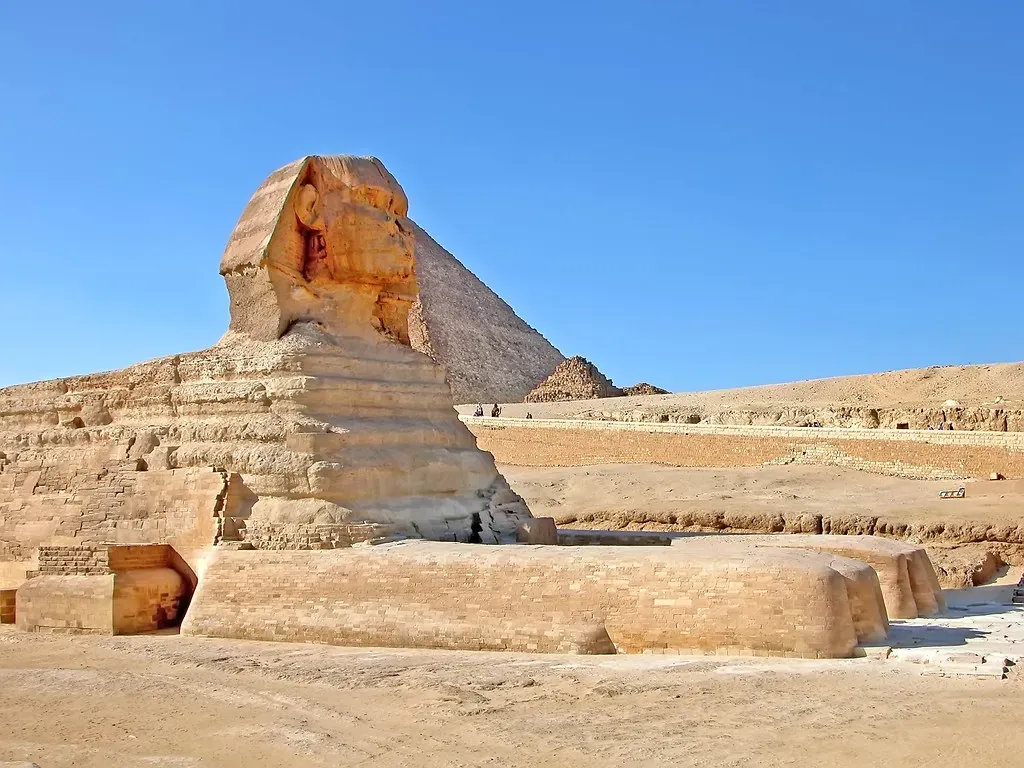
When you strip away decoration and myths, what remains in many ancient structures is math – cold, stubborn, repeatable. Ratios like one to two, two to three, and other simple harmonics show up in the dimensions of temples, pyramids, and sacred precincts across Eurasia and the Americas. In Egypt, the Great Pyramid’s proportions appear to encode relationships between the circle and the square, while classical Greek temples lean heavily on specific proportions to evoke balance and beauty.
In India and Southeast Asia, temple blueprints were often based on sacred geometric grids, meant to mirror a cosmic order on the ground. Mesoamerican cities, from Teotihuacan to Mayan centers, display regular urban layouts with repeated ratios and standardized orientation. Even if these cultures never exchanged a single word, they were clearly tapping into the same mental toolkit: using geometry and proportion to link the human world with something larger, more abstract, and enduring. It feels a bit like discovering that everyone, everywhere, was independently speaking dialects of the same mathematical language.
Myths of Visitors and Teachers: Symbolic or Memory of Contact?
Ancient stories from different corners of the world often tell eerily similar tales: culture-bringers arriving from far away, teaching people how to build, farm, track the stars, or organize society. In Mesoamerica, feathered serpent deities tied to learning and civilization appear again and again. In Mesopotamia and Egypt, wise beings or gods are credited with passing down measurements, writing systems, and architectural know-how. In Polynesia, navigators and culture heroes are remembered as bringers of knowledge across vast oceans.
Most historians see these figures as symbolic – mythic ways of packaging the slow accumulation of local knowledge. But it’s hard to ignore how frequently the theme appears: knowledge does not just sprout; it is gifted, transmitted, or carried. Whether these stories dimly echo early long-distance contacts between cultures or simply reflect a shared human tendency to personify discovery, they hint at an important truth. People have always understood that knowledge moves, spreads, and links communities, even when separated by mountains, deserts, or seas.
Hidden Paths: Trade Routes, Sea Travel, and Knowledge Flow
If there was ever anything like a global network of knowledge in ancient times, it probably didn’t look like some secret world government. It would have looked like traders, sailors, caravan leaders, and wandering scholars, moving ideas as casually as they moved goods. We know that the Silk Road connected China, Central Asia, the Middle East, and Europe, passing technologies and architectural ideas alongside silk and spices. Indian Ocean trade tied East Africa, Arabia, India, and Southeast Asia into a vast maritime web long before modern ships existed.
There is evidence that people crossed huge distances earlier than once believed – like ancient seafaring in the Pacific and Indian Oceans, or the spread of crops and building techniques across continents. When a stone arch style pops up in one region soon after it appears elsewhere, or when new building materials spread along trade corridors, you can almost see the invisible threads of conversation behind them. In that sense, stone structures are like frozen messages, capturing how ideas traveled, morphed, and nested into local traditions as they went.
A Global Mindset in Stone: What These Patterns Really Suggest
When you step back and look at the whole picture – shared cosmic alignments, recurring monumental shapes, similar uses of geometry, echoes in myth, and known trade networks – it starts to feel less like isolated flashes of brilliance and more like a patchwork, global experiment in understanding reality. Each culture tuned the experiment to its own landscape, resources, and beliefs, but many were wrestling with the same questions: Where do we stand in the universe? How do we measure and predict what the heavens will do? How can we anchor meaning in something that will outlast us?
To me, that’s the most powerful “network” on display. Not necessarily a single lost civilization, but a shared human drive to watch the sky, shape the earth, and carve our questions into stone. The more we study these ancient structures side by side, the more they feel like chapters of one long, unfinished story about how people learned, connected, and remembered. Maybe the real challenge now is not just to decode what they knew, but to ask ourselves what kind of knowledge we’re leaving behind for whoever walks among our ruins one day.