
When you think of ancient civilizations, your mind probably wanders to the pyramids of Egypt or the sprawling cities of Rome. It’s hard to say for sure, but there’s a real chance you’ve never considered what was happening in North America before European contact. Long before Columbus set foot in the Americas, sophisticated urban centers thrived across the continent, complete with thousands of residents, intricate governance, and stunning architectural achievements.
The Mississippian culture, flourishing between roughly 800 and 1600 CE, created some of the most impressive pre-Columbian settlements north of Mexico. These weren’t simple villages or scattered farming communities. They were genuine cities, bustling with activity, trade, religious ceremonies, and social complexity that rivaled contemporary European centers. The story of these ancient metropolises challenges everything we thought we knew about indigenous North American societies.
The Rise of Cahokia: North America’s Ancient Megacity
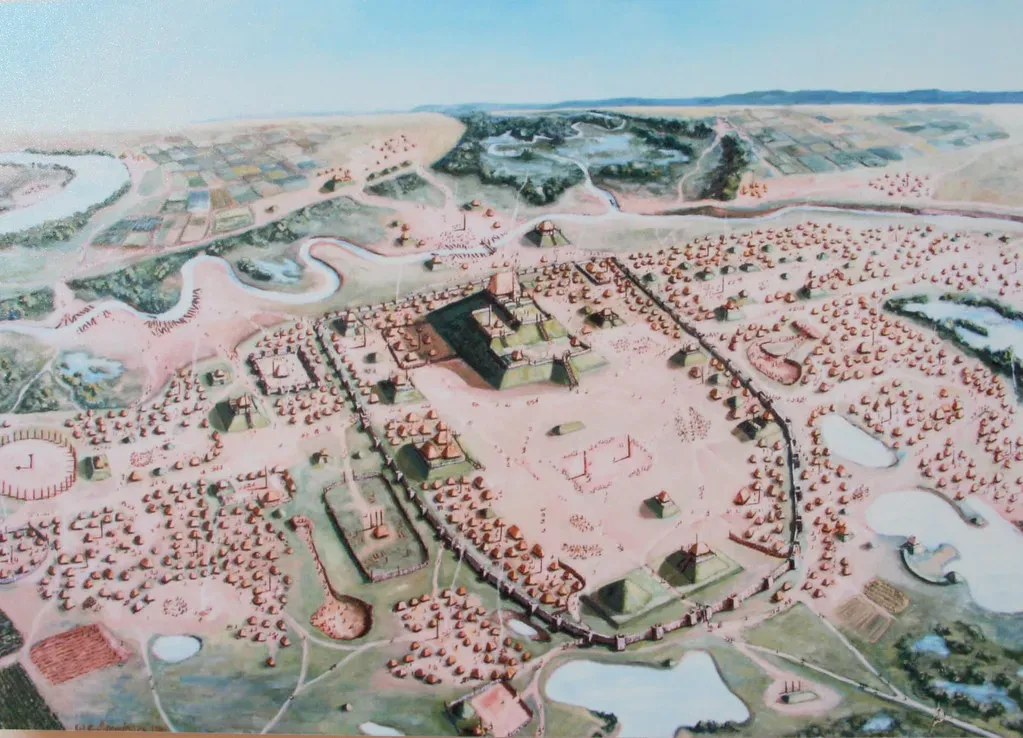
Picture a city covering about six square miles with a population between 15,000 and 20,000 people around 1100 CE. That would have made it larger than London in 1250 CE. This was Cahokia, positioned near present-day St. Louis, Missouri, and it was absolutely massive for its time.
Around 1050 CE, something remarkable happened – what scholars call the “Big Bang” – when three urban precincts were constructed simultaneously and an ordered city grid was imposed on earlier settlements. This constellation of rapid changes transformed Cahokia from an important village to a planned metropolis, with its population growing perhaps tenfold. Honestly, it’s hard to imagine coordinating such a massive undertaking without sophisticated planning and considerable political authority.
Monumental Architecture That Still Impresses Today
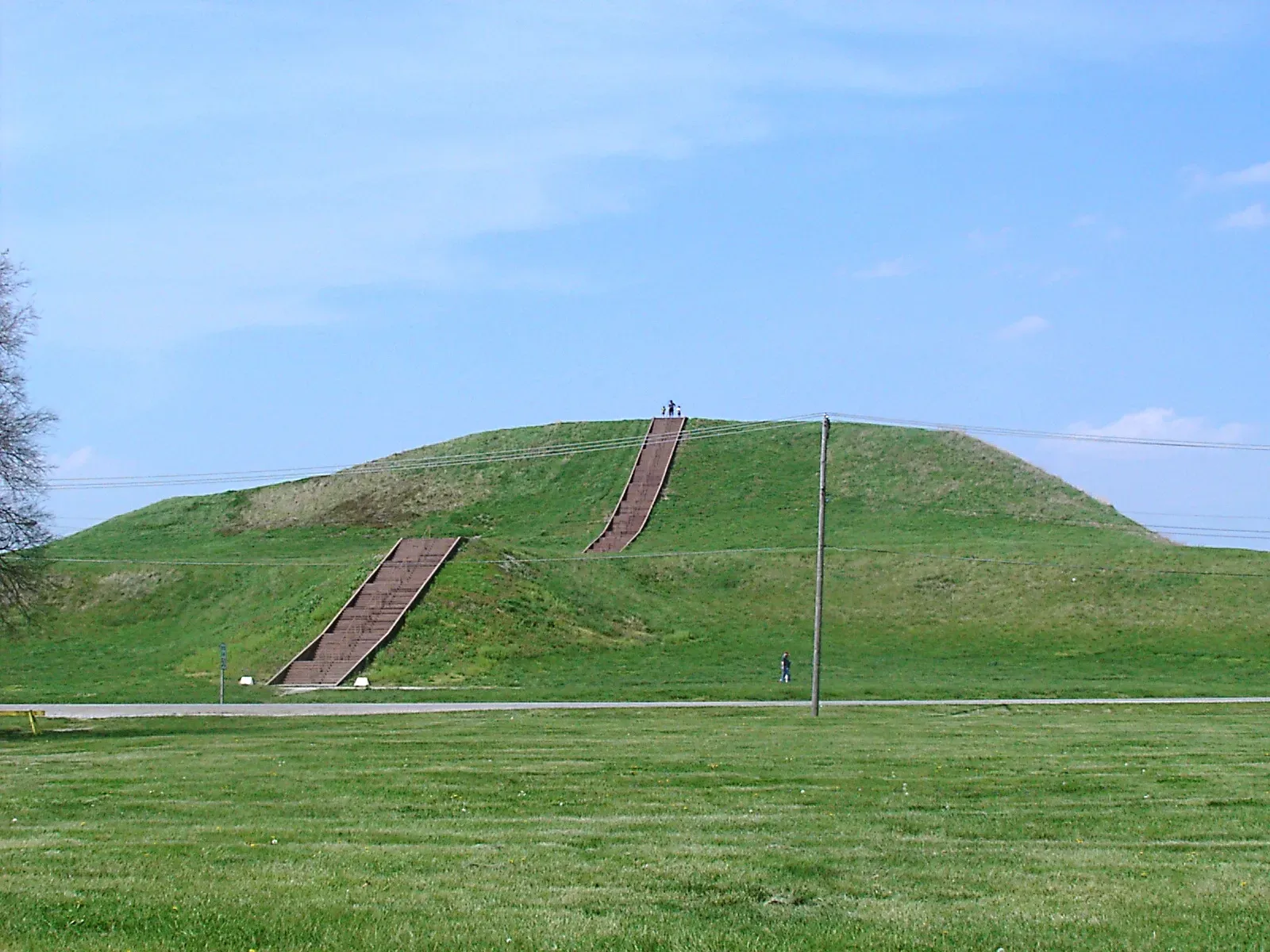
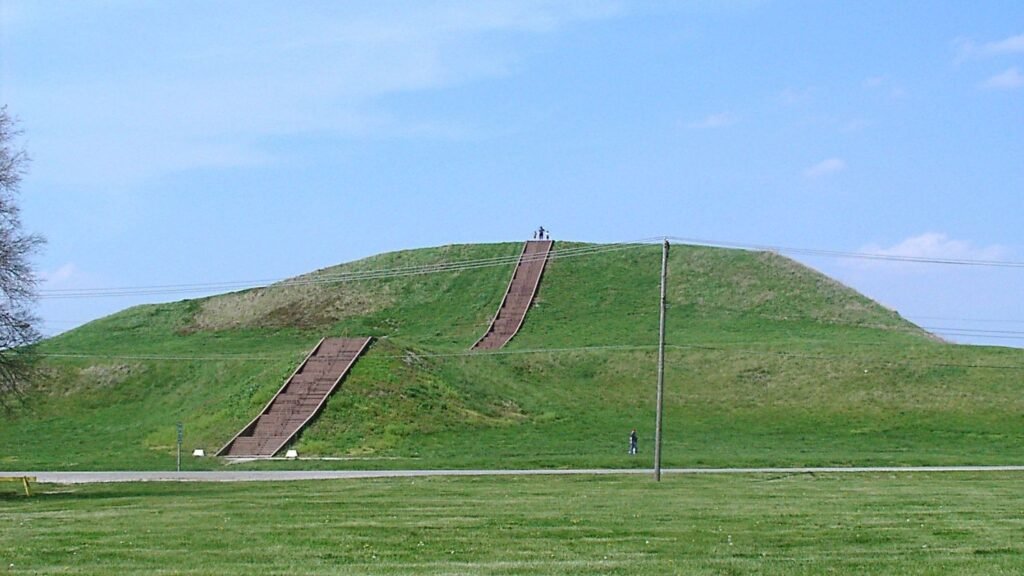
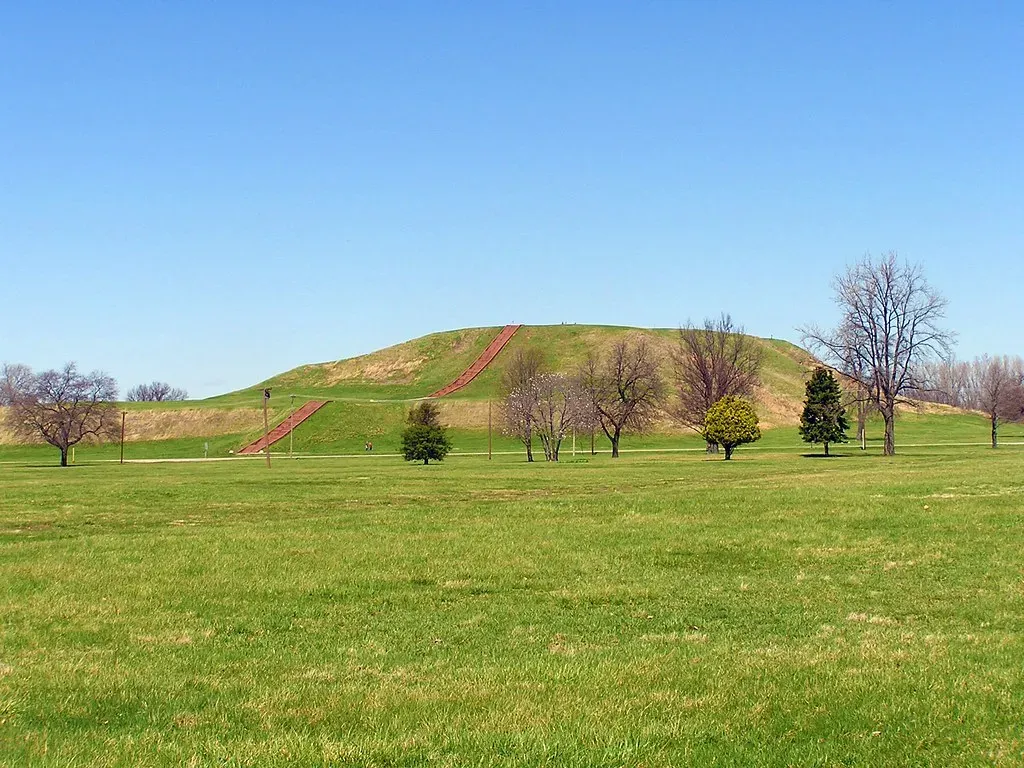
The scale of Cahokia’s earthworks is staggering – Monks Mound measures approximately 1,000 feet long, 700 feet wide, and 100 feet high. Think about that for a moment. This single mound required moving more than 22 million cubic feet of earth, all accomplished without metal tools, draft animals, or wheeled vehicles.
Construction at Cahokia made use of 55 million cubic feet of earth, with much of the work accomplished over decades. Large, truncated earthwork pyramid mounds, usually square or rectangular, had structures like houses, temples, and burial buildings constructed atop them. The dedication required to build these monuments speaks volumes about the organizational capabilities of Mississippian society.
Hierarchical Social Organization and Chiefdoms
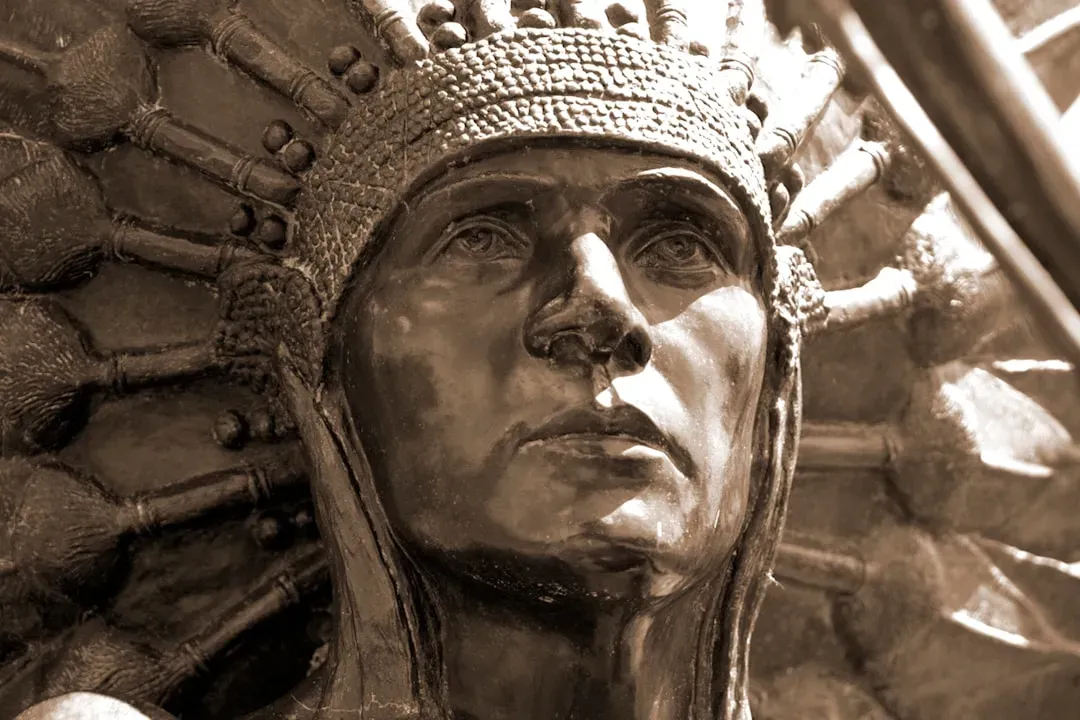
Let’s be real: these weren’t egalitarian societies where everyone had equal say. Mississippian people were organized as chiefdoms with social ranking as a fundamental part of their structure, divided into elites and commoners, with elites making up a small percentage but holding higher social standing.
Power was concentrated in the hands of a single chief, often believed to have divine or semi-divine status, who made key decisions, organized communal labor, and maintained religious rituals, with the chief and his family at the top, followed by nobles, then common people. This difference between elites and commoners rested more on ideological and religious beliefs than on wealth or military power. The whole system was built on spiritual authority as much as political control.
Urban Planning With Religious and Astronomical Precision
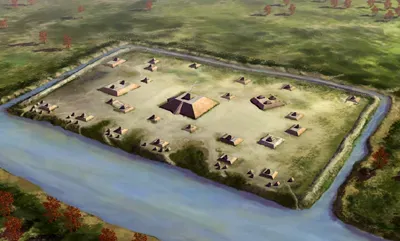
The plaza and mounds were carefully arranged to align with cardinal directions and solar alignments, with the entire complex surrounded by a palisade wall with bastions and gateways. This wasn’t random construction. Every element had meaning and purpose.
Highly planned large, smoothed-flat ceremonial plazas, sited around the mounds, with homes for thousands connected by laid out pathways and courtyards, suggest the location served as a central religious pilgrimage city. Builders laid out an observation area with wooden poles placed in a circle, a structure known as Woodhenge, probably used to track the movements of the sun and other heavenly bodies. It’s fascinating how they combined practical city planning with cosmological significance.
Agriculture, Trade Networks, and Economic Complexity
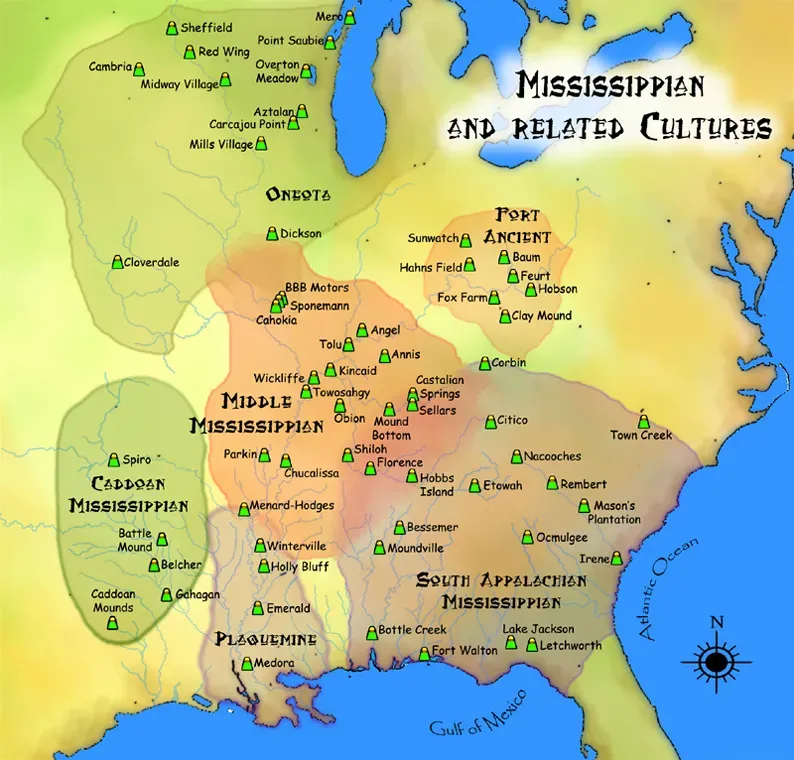
The development of Mississippian culture coincided with the adoption of comparatively large-scale, intensive maize agriculture, which supported larger populations and craft specialization. Agriculture was revolutionary, allowing permanent settlements and freeing some people to become artisans, priests, or administrators.
Widespread trade networks extended as far west as the Rocky Mountains, north to the Great Lakes, south to the Gulf of Mexico, and east to the Atlantic Ocean. Cahokia’s location near the Mississippi River and its junctures with major tributary river systems made it a great commercial hub, with craftspeople obtaining obsidian from the American West, copper from the Great Lakes, mica from the Appalachians, seashells from the Gulf coast, quartz from Arkansas, and silver from southern Canada. The sheer reach of these networks is mind-boggling.
Warfare, Defense, and Political Tensions
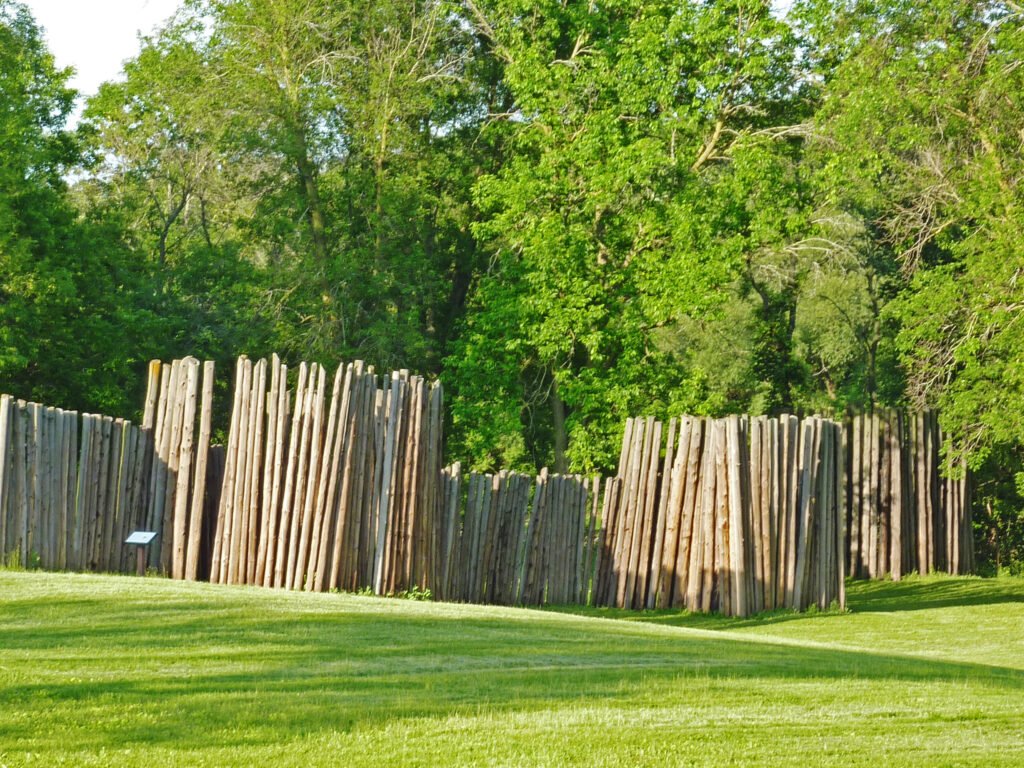
Warfare was a large part of Mississippian society, evidenced by many images depicting warriors with war clubs holding severed heads of victims, and the large fortified stockades that surrounded both Cahokia and Aztalan. These weren’t peaceful utopias – competition and conflict were real threats.
Evidence of warfare includes defensive wooden stockades and watchtowers that enclosed Cahokia’s main ceremonial precinct, while multiple associated 13th-century burned villages in the Illinois River Valley speak to rising tensions at the time. Warfare, apparently frequent, produced larger alliances and even confederacies. The political landscape was dynamic and sometimes violent.
Religion, Ritual, and the Power of Belief
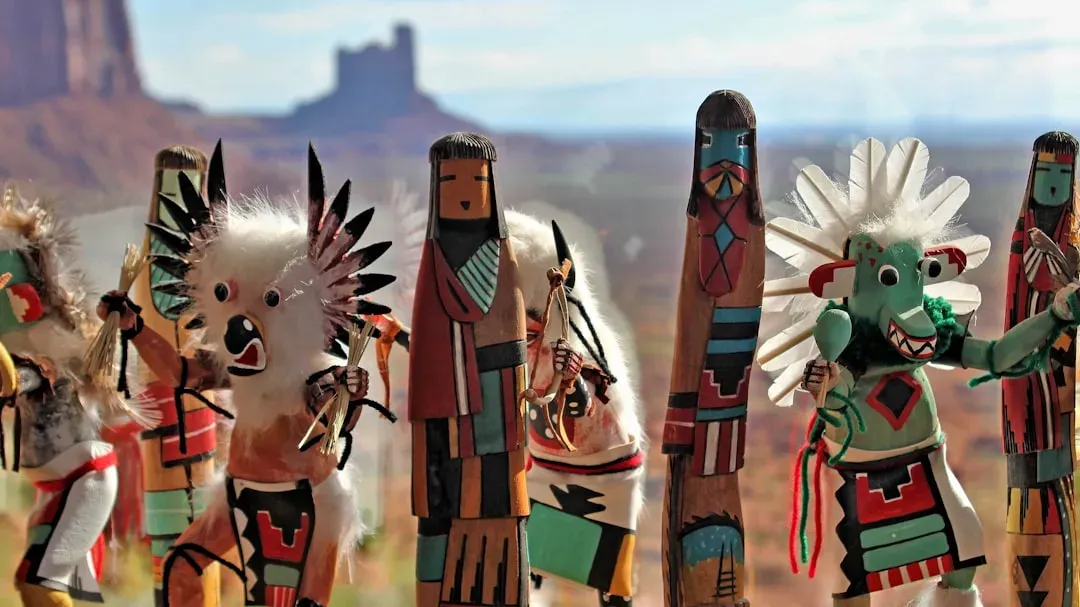
The Mississippians did not have a written language, but representations of their beliefs were preserved in engravings on stone figurines, shells, ceramic designs, effigy smoking pipes, and stone tablets, with their belief system expressing concepts that have great antiquity in North America and are still shared by many Native American people today, including a dualistic structure dividing the real and supernatural worlds into upper and lower levels with earth and humans in between.
The Natchez of Louisiana, still organized as a chiefdom during the early 1700s, believed their chief and his immediate family were descended from the sun, an important god, and it was believed the Natchez chief could influence the supernatural world to ensure important events like the rising of the sun, spring rains, and the fall harvest came on time. Religion wasn’t separate from daily life – it was woven into every aspect of existence. The spiritual authority of leaders was what held these complex societies together.
The Mystery of Decline and Abandonment
The population of Cahokia dispersed early around 1350 to 1400, with the Little Ice Age leading to cold-season-like conditions which reduced effective moisture from 1200 to 1800, consistent with the population decline of Cahokia from 1200 and its abandonment from 1350 to 1400. The Mississippian culture began to decline around 1350, influenced by factors such as power struggles, environmental changes, and the arrival of Europeans, which led to significant demographic decline due to disease.
What caused such impressive cities to empty out remains partly mysterious. Experts suspect internal socio-political conflict and a strain on local resources. European introductions of infectious diseases like measles and smallpox, to which natives lacked immunity, caused epidemics with so many fatalities that they undermined the social order of many chiefdoms. The collapse was likely a perfect storm of environmental stress, political instability, and later, devastating epidemics.
The legacy of ancient Mississippian cities challenges the narrative that North America was an untouched wilderness before European arrival. These were sophisticated urban societies with advanced architecture, complex governance, extensive trade networks, and rich spiritual traditions. They built monuments that still stand today, testifying to their engineering prowess and cultural achievements. What do you think it would have been like to walk through the bustling plazas of Cahokia at its peak? The mounds remain, silent witnesses to a vibrant civilization that deserves recognition alongside the great ancient cities of the world.
Hi, I’m Andrew, and I come from India. Experienced content specialist with a passion for writing. My forte includes health and wellness, Travel, Animals, and Nature. A nature nomad, I am obsessed with mountains and love high-altitude trekking. I have been on several Himalayan treks in India including the Everest Base Camp in Nepal, a profound experience.