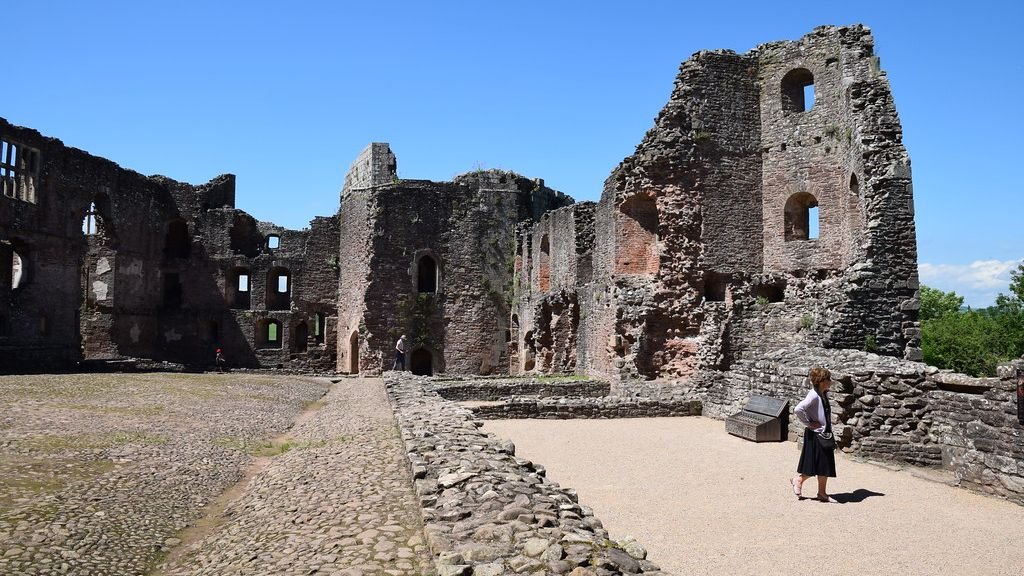

Have you ever stood before something so impossibly ancient, so meticulously crafted, that your brain simply refuses to accept it as real? You’re looking at massive stones fitted together with microscopic precision, towering monuments built thousands of years before modern machinery existed, and you can’t help but wonder: how on earth did they do that?
Here’s the thing. We like to think we’re clever in 2026, with our computers and cranes and laser-guided everything. Yet scattered across the planet are structures that leave our best engineers scratching their heads. These aren’t just old buildings. They’re puzzles carved in stone, silent testaments to knowledge that somehow vanished into the mists of time. Let’s dive in.
The Great Pyramid of Giza: Egypt’s Monumental Enigma
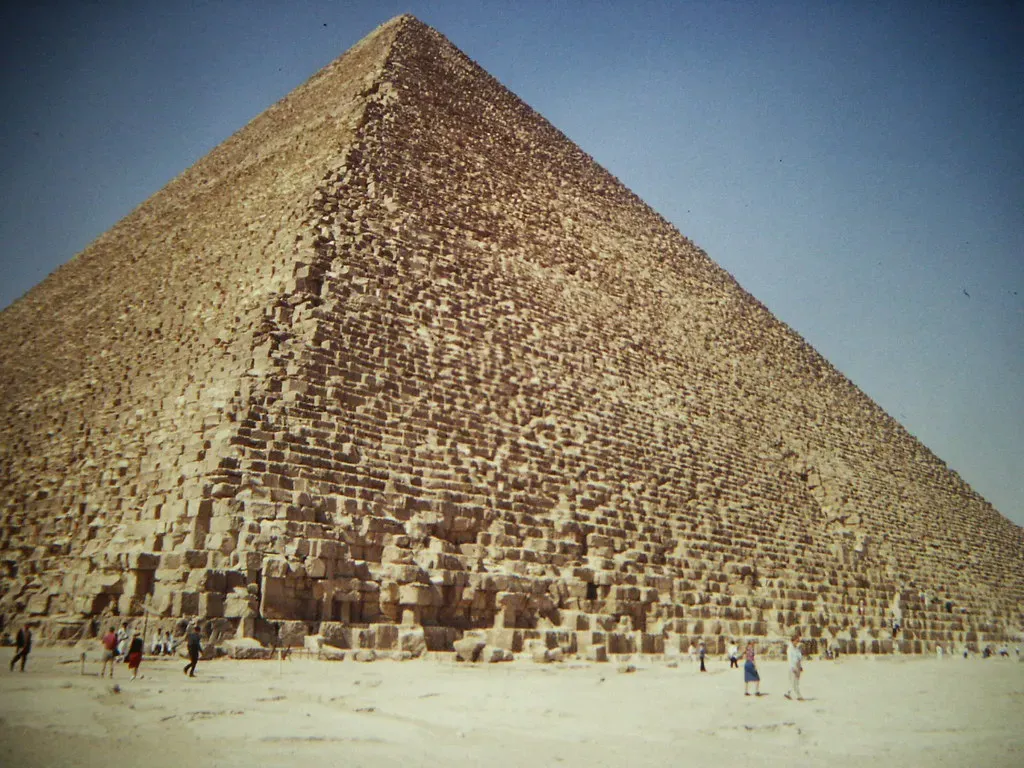
Standing for more than 4,500 years, the Great Pyramid of Giza was the world’s tallest human-made structure for over 3,800 years. Think about that for a moment. When it was completed around 2560 BC, it reached roughly 481 feet into the sky. The pyramid consists of about 2.3 million stone blocks, each weighing between 2.5 and 15 tonnes.
Despite extensive research and archaeological discoveries, there’s still no consensus on the exact methods and tools employed by ancient Egyptians, and moving and precisely placing millions of massive stones must have taken sophisticated techniques that haven’t been fully documented. Sure, we’ve got theories. Ramps, internal passageways, wooden sledges lubricated with water or oil. Archaeologists now believe that the Great Pyramid was built by tens of thousands of skilled workers who camped near the pyramids and worked for a salary or as a form of tax payment. Still, the sheer logistics boggle the mind. How do you coordinate that many people? How do you maintain such incredible precision over decades?
Stonehenge: Britain’s Prehistoric Puzzle
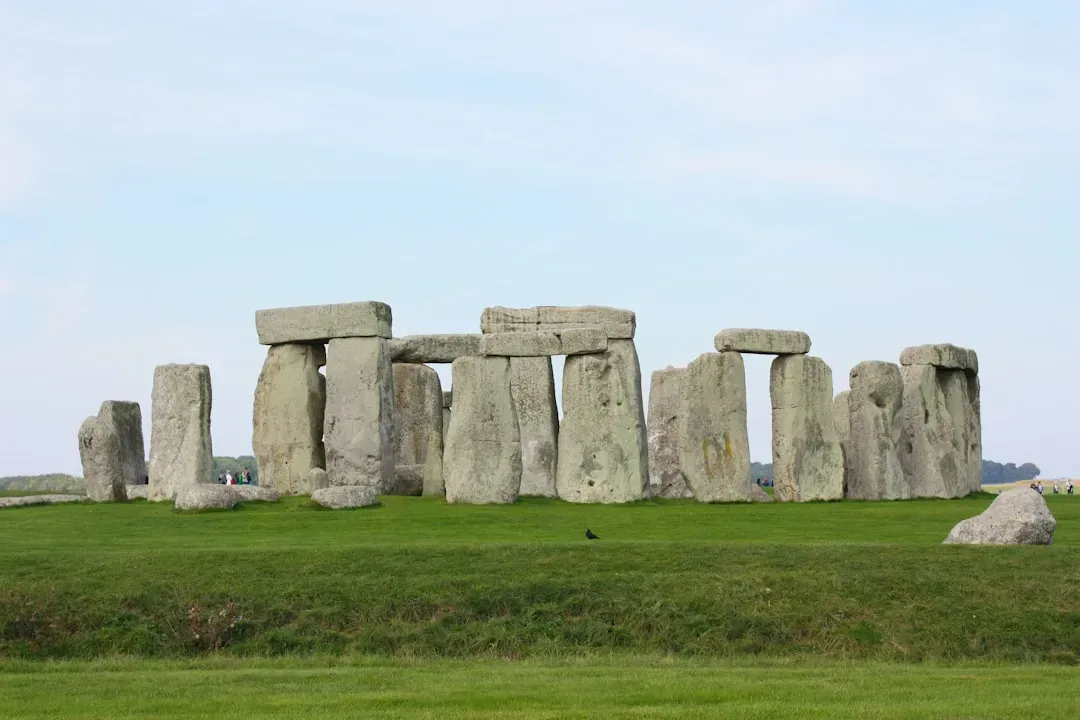
Let’s be real, Stonehenge looks deceptively simple. It’s just some rocks standing in a circle, right? Except those rocks weigh around 25 tons each for the sarsen stones, and they came from quarries miles away. The inner ring is made up of smaller bluestones that scientists have traced to the Preseli Hills in Wales, some 200 miles from where Stonehenge sits on England’s Salisbury Plain.
There is little or no direct evidence revealing the construction techniques used by the Stonehenge builders, and over the years various authors have suggested supernatural or anachronistic methods, often asserting that stones couldn’t have been moved otherwise due to their massive size. Building Stonehenge took huge effort from hundreds of well-organised people. The stones feature mortise and tenon joints, woodworking techniques carved into rock. It’s hard to say for sure, but experimental archaeology has shown that people with Stone Age tools could theoretically have done this. Whether they actually did remains uncertain.
Machu Picchu: The Inca Masterpiece in the Clouds
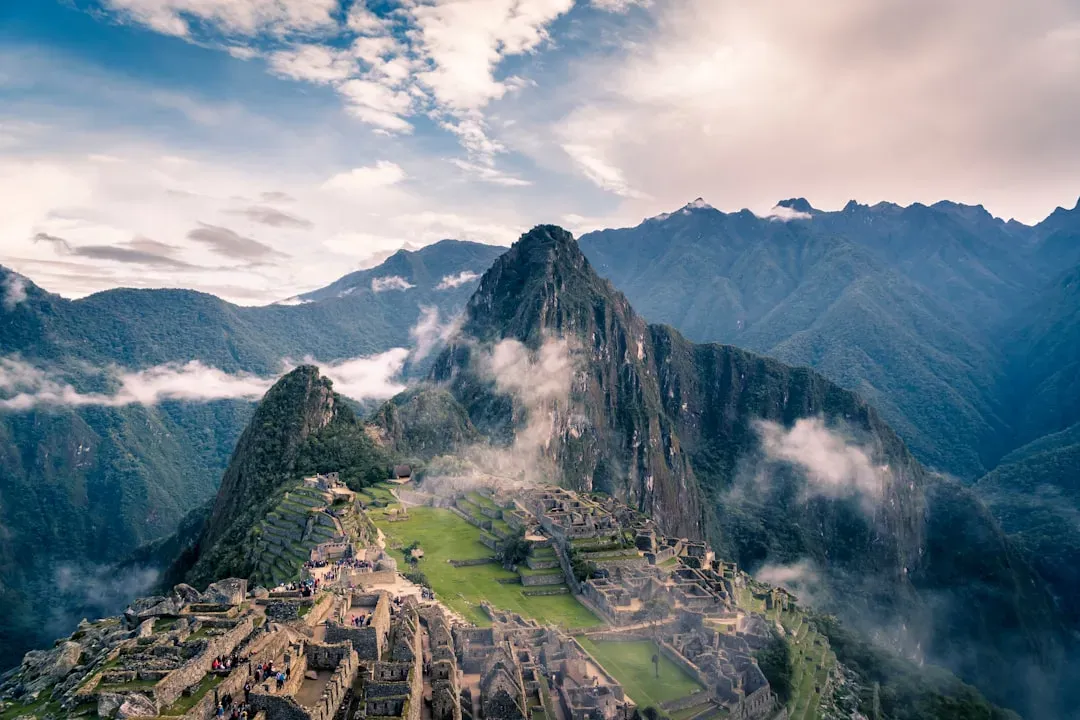
High in the Peruvian Andes, roughly 8,000 feet above sea level, sits a city that shouldn’t exist. Built around 1450 AD without iron tools, wheeled vehicles, or written blueprints, Machu Picchu demonstrates engineering sophistication that continues to baffle modern architects and engineers.
The most striking feature is the precision of its ashlar masonry, where massive stone blocks fit together so perfectly that not even a knife blade can slide between them. Honestly, it’s breathtaking. Recent studies suggest the Incas used copper tools and harder stones like hematite to shape the rocks through a long and laborious process, achieving perfectly smooth stones with precise edges capable of fitting together seamlessly without mortar. The structures have withstood centuries of earthquakes because of this flexible, interlocking construction. Modern engineers attempting to replicate this precision struggle to match what the Incas achieved with bronze chisels and patience.
Baalbek: Lebanon’s Impossible Foundations
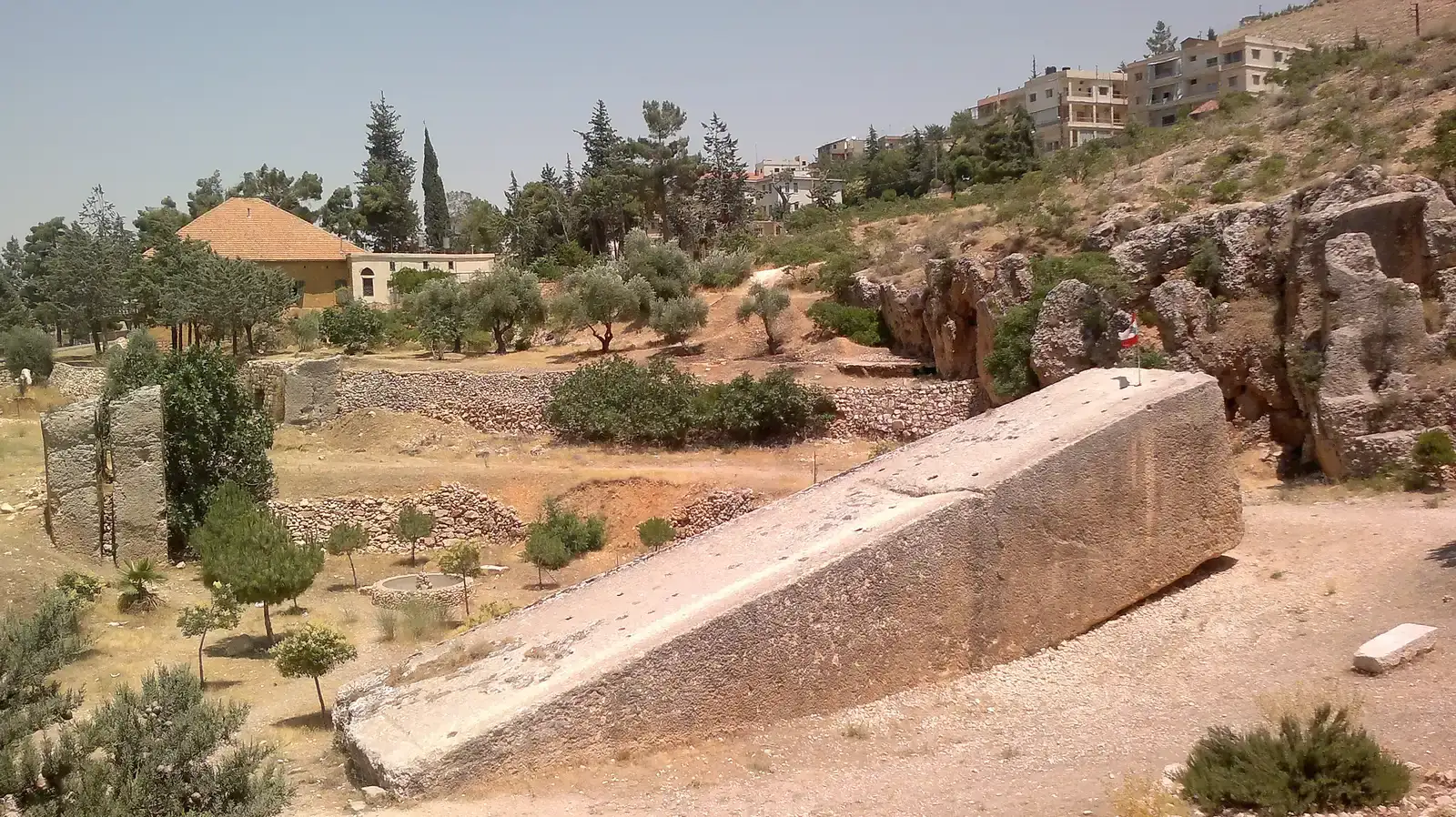
Now we’re getting into truly mind-bending territory. In the Bekaa Valley of Lebanon stands Baalbek, home to what may be the largest stones ever moved by human hands. The Trilithon consists of three horizontally lying giant stones that form part of the Temple of Jupiter’s podium, each one 19 metres long, 4.2 metres high, and 3.6 metres thick, weighing around 750 to 800 tonnes.
The Stone of the Pregnant Woman still lies in the ancient quarry 900 metres from the temple complex, and according to calculations, this block weighs approximately 1,000 tonnes. In 2014, a third monolith called the Forgotten Stone was discovered, with its weight estimated at around 1,500 tonnes. How do you move something that heavy? With the building techniques mainstream science has attributed to the platform’s creators, it would take 40,000 men to move a single block, which is logistically impossible as a 68-foot-long block doesn’t offer sufficient handholds for 40,000 men. It makes you wonder what we’re missing.
Sacsayhuamán: Cusco’s Seismic Marvel
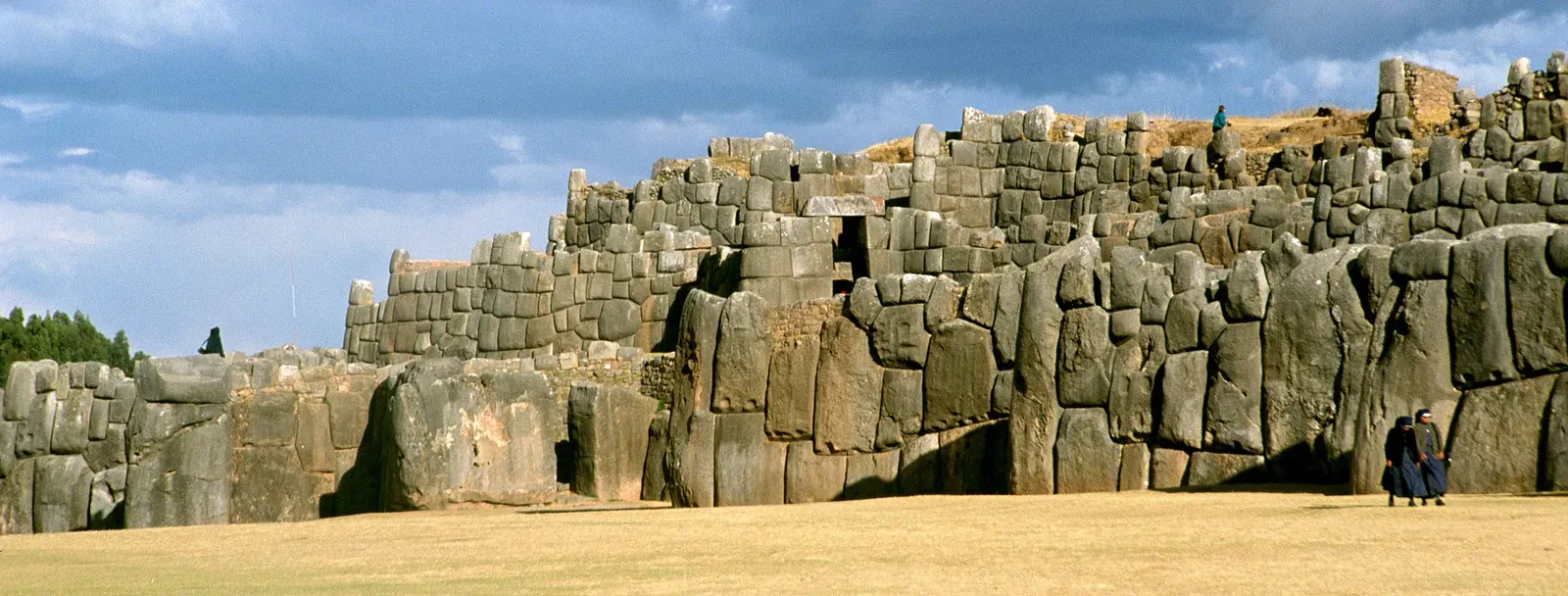
Overlooking the ancient Inca capital of Cusco, Sacsayhuamán showcases construction that defies easy explanation. Its massive walls are built from irregular stones weighing up to 200 tons, fitted so tightly that no mortar was required, and the structure has withstood earthquakes for centuries, demonstrating an advanced understanding of load distribution and seismic resilience.
Spanish chroniclers documented some Inca stone-working techniques, including the use of stone tools and rock pecking, however questions remain about how such massive stones were transported uphill and shaped with such consistency. The walls feature polygonal masonry where each stone has multiple precisely angled sides interlocking with its neighbors. It’s like a three-dimensional jigsaw puzzle carved from multi-ton boulders. Experimental reconstructions suggest immense manpower and coordination, pointing to a level of social organisation that remains poorly understood.
Puma Punku: Bolivia’s Precision Stonework
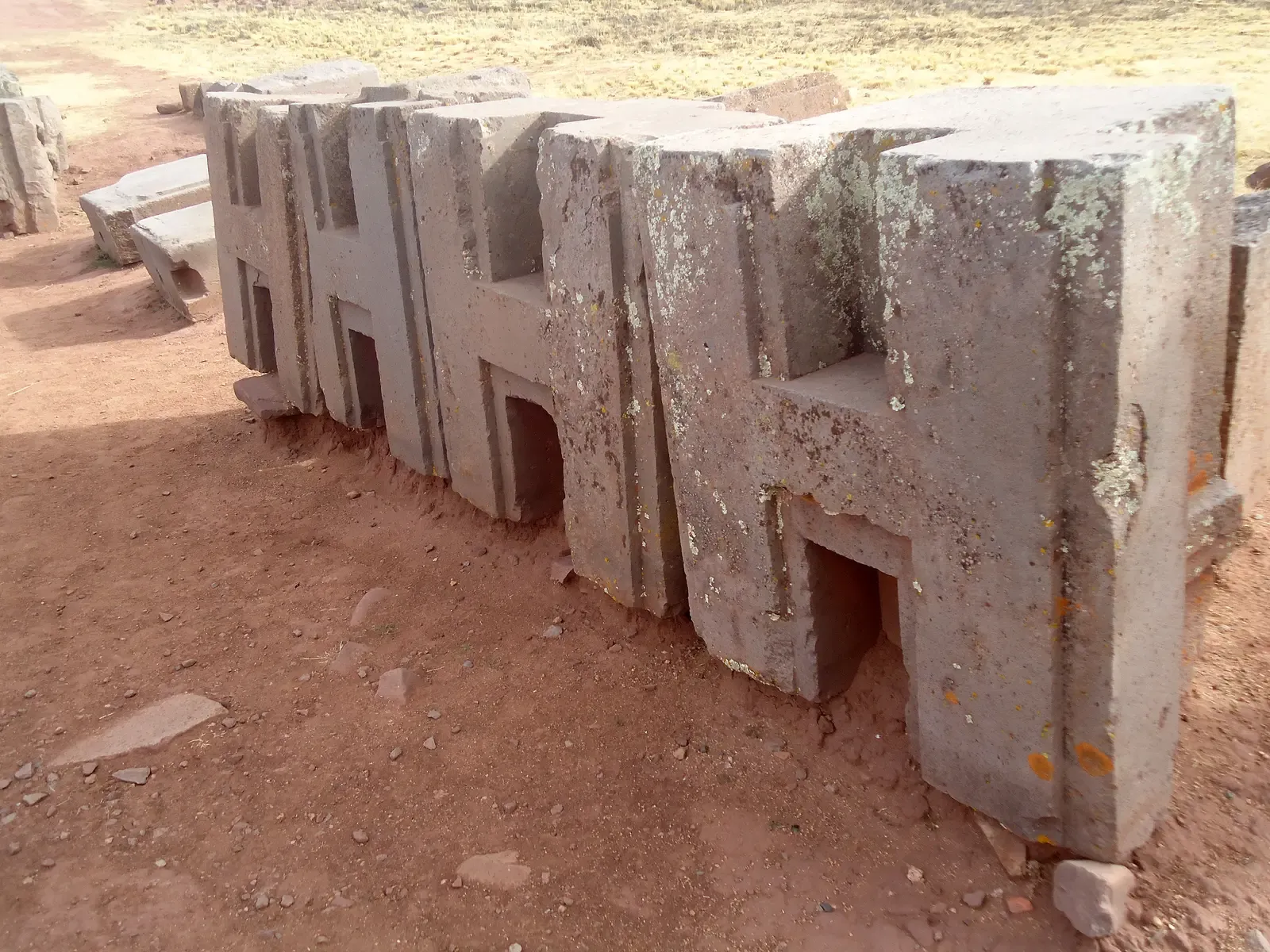
Puma Punku is part of the Tiwanaku temple complex dating to 536 CE and lies near Illimani mountain, a sacred peak the Tiwanaku believed to be home to the spirits of their dead. The site is a testament to ancient engineering methods, with large stone slabs weighing as much as 130 tons cut with such precision that they fitted together perfectly without mortar, with no visible seams.
The mystery here is how the builders of Puma Punku calculated and cut such precise stonework, working only with stone tools. The stones feature H-shaped blocks and standardized modular designs that look almost industrial. These stones were modular in design, many were H-shaped and standardised, allowing flexible construction and rapid assembly. Some surfaces are so flat and smooth they appear machine-polished. I know it sounds crazy, but the evidence is right there, carved into andesite and sandstone that ranks among the hardest stones to work with.
Göbekli Tepe: The World’s Oldest Temple
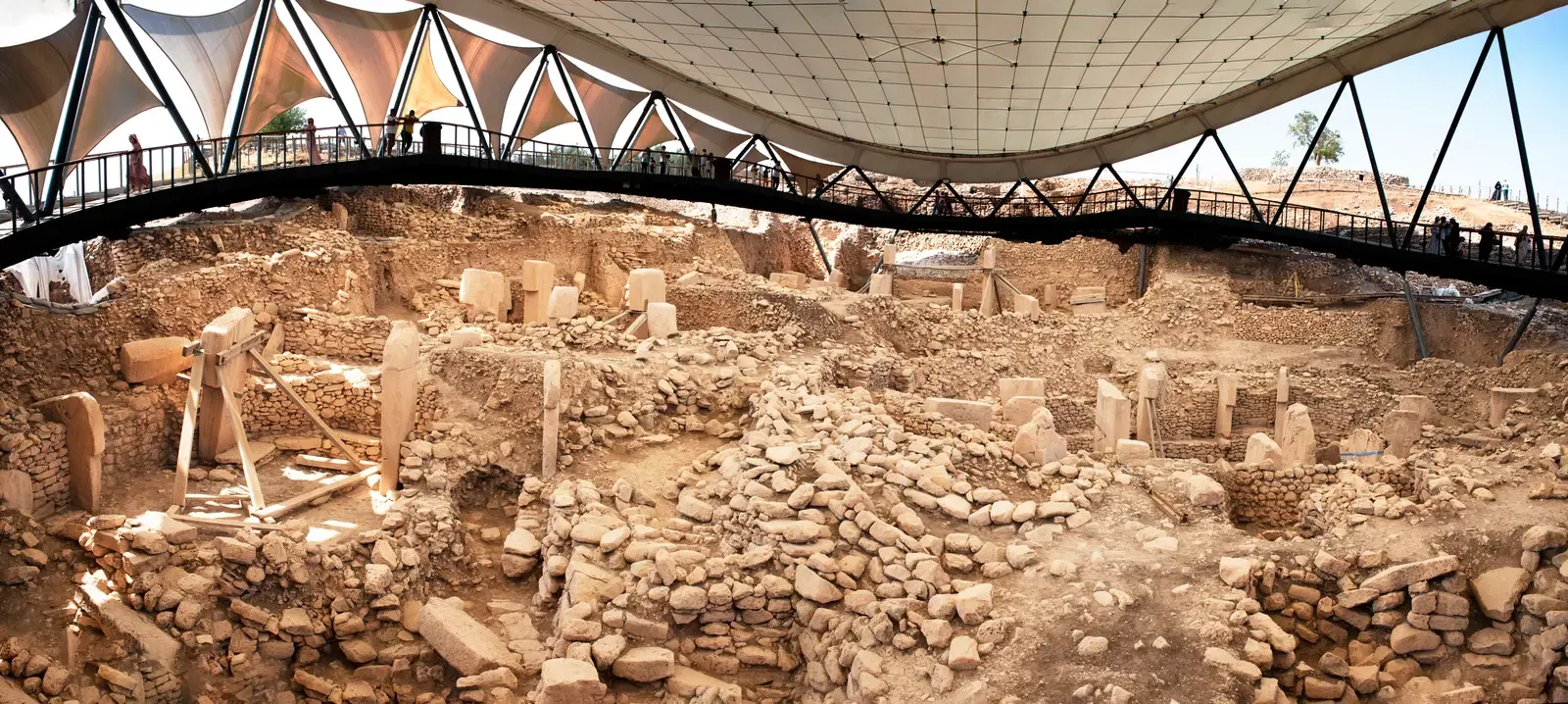
Here’s where things get really interesting. Constructed between 9,600 and 8,200 BC, Göbekli Tepe is the oldest place of worship, located on top of a hill featuring limestone pillars, some 16 to 18 feet tall, decorated with reliefs of various creatures including lions, snakes, and gazelles.
Researchers conducted detailed stratigraphy tests revealing the site is at least 11,000 years old, and oddly enough, despite this early Neolithic date when humans had still not developed major tools for such gargantuan projects, the advanced ancient structures were built by mere manpower in a site with no proximate water source. This predates agriculture. Let that sink in. Hunter-gatherers, people without permanent settlements or metal tools, somehow organized to carve, transport, and erect massive T-shaped pillars weighing up to ten tons. The carving and transportation of these heavy stones are a great mystery because the temple is from an era before writing, metal, pottery, and the widespread practice of worship and sacrifice.
Unraveling the Past, One Stone at a Time
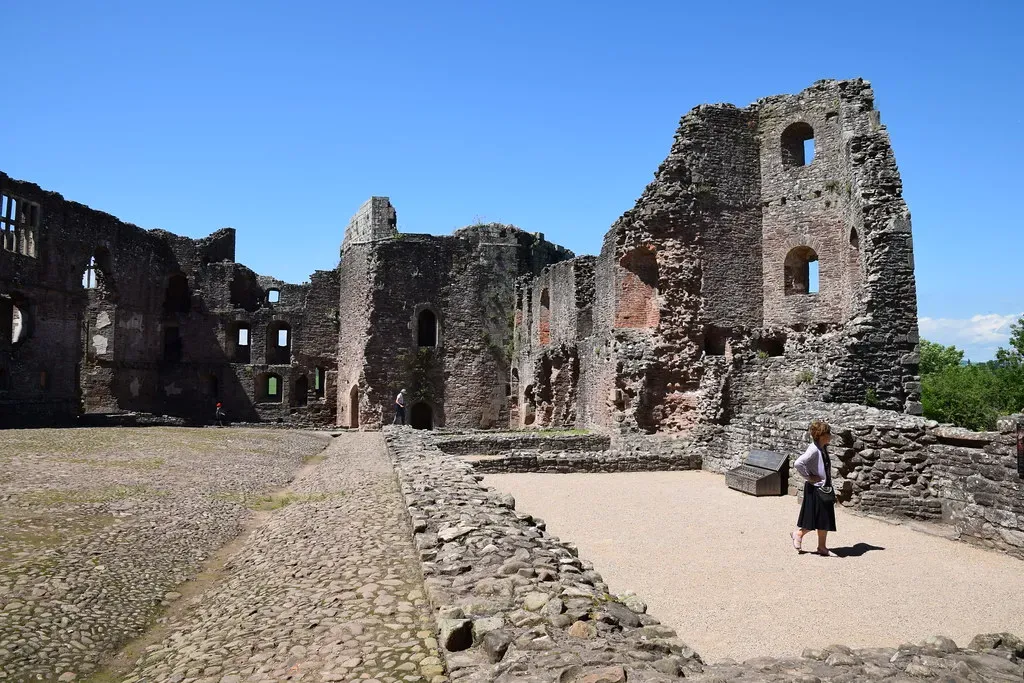
So where does that leave us? Standing in the shadow of achievements we can barely comprehend, that’s where. These seven structures represent just a fraction of the ancient world’s architectural mysteries, yet they share common threads. Massive stones moved impossible distances. Precision that rivals modern machining. Construction knowledge that somehow vanished without a trace.
Were the ancients smarter than we give them credit for? Absolutely. Did they possess techniques we’ve lost or never discovered? Probably. The truth is, these structures challenge our assumptions about technological progress. We imagine history as a steady upward climb, but maybe it’s more complicated than that. Maybe knowledge ebbs and flows like tides, and we’re still rediscovering what our ancestors once knew.
What’s your take on these ancient marvels? Do you think we’ll ever truly understand how they were built, or will some mysteries remain forever locked in stone? One thing’s certain: the ancient engineers who created these wonders deserve far more credit than history has given them.