
Every time someone calls themselves a “lion” for being brave or a “fox” for being clever, they’re echoing something far older and deeper than they probably realize. Long before personality tests and zodiac apps, Indigenous peoples around the world were reading character, destiny, and spiritual lessons in the wings, paws, scales, and antlers of the animals around them. Animal totems weren’t cute spirit mascots; they were living bridges between the human world and the great mystery beneath everything.
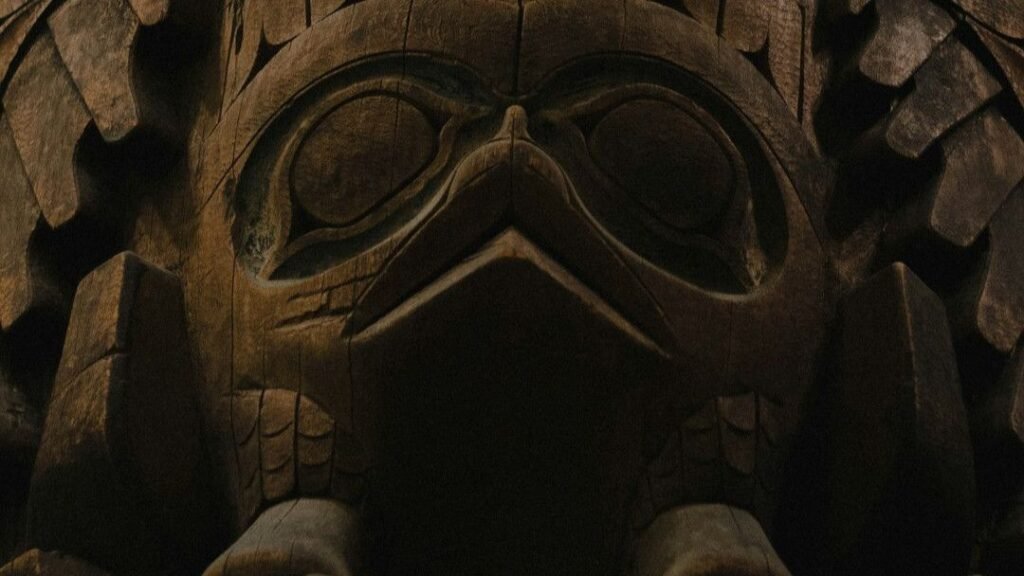
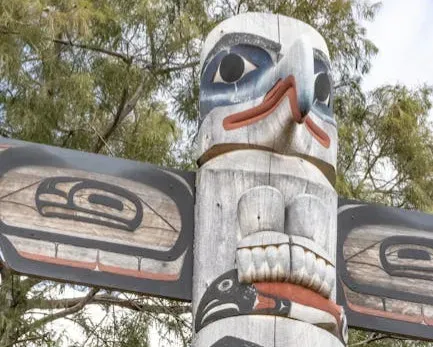
I still remember the first time I stood in front of a carved wooden raven pole at a coastal museum and felt, weirdly, like I was being watched back. It was unsettling and sacred at the same time, like walking into a room and realizing the conversation has been going on for thousands of years without you. This article traces the deep roots of those conversations: how different Indigenous cultures came to see animals as teachers, protectors, and family, and why those old relationships still tug at something inside us today.
Whispers from the Hunt: How Early Humans Met the Animal World
Imagine waking up in a world where your survival depends entirely on how well you read the land and the creatures moving through it. For early hunter-gatherer societies, animals weren’t background scenery; they were neighbors, rivals, guides, and sometimes dinner. Over time, patterns emerged: the deer that always appeared at the edge of the forest before winter, the raven that seemed to follow a group for days, the wolf pack whose hunting strategy mirrored the people’s own. When you live that close to the edge, you start to feel like someone – or something – is in conversation with you.
From that constant, high-stakes contact, it wasn’t a big leap to see animals as more than just physical beings. They became symbols and messengers, each carrying a different kind of power or lesson. The persistence of a salmon, the sharp sight of an eagle, the stubborn courage of a badger – those qualities became almost like spiritual fingerprints. Instead of abstract philosophies, people learned through fur and feather, through watching who survived the winter and how. Out of this dense web of observation and awe, the first animal totems began to take shape.
Totemism and Kinship: Animals as Family, Not Metaphor
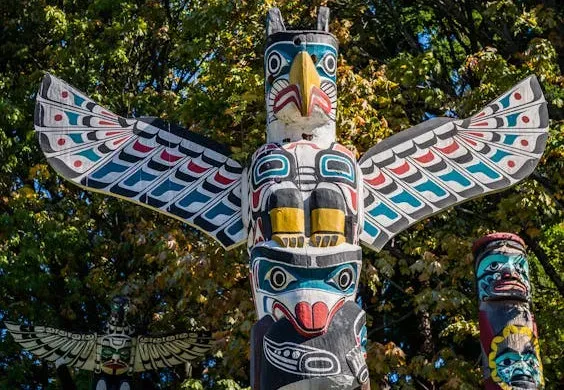
In many Indigenous cultures, totems are not random spirit animals you pick from a list; they’re bonds you are born into. A totem might mark your clan, your lineage, or a relationship passed down through generations, almost like a spiritual last name. Among several First Nations along the Pacific Northwest Coast, for example, clan identities are tied to animals such as Raven, Eagle, Wolf, or Killer Whale, shaping marriage rules, responsibilities, and ceremonial roles. To say you belong to an animal clan is to say that your people and that being share history, gifts, and obligations.
This kind of totemism turns the idea of “humans on top, animals below” totally upside down. Instead of a hierarchy, you get a family tree where people, animals, and even elements like thunder or wind share the same roots. The animal isn’t just a symbol for bravery or cleverness; it’s a relative with its own will and viewpoint, one you’re meant to respect. When people hunt, harvest, or call on their totem in ritual, they’re not dealing with an object but with kin. That sense of shared identity is a far cry from modern personality quizzes, and honestly, it’s a much more demanding kind of relationship.
Stories That Remember: Myth, Origin Tales, and Animal Teachers
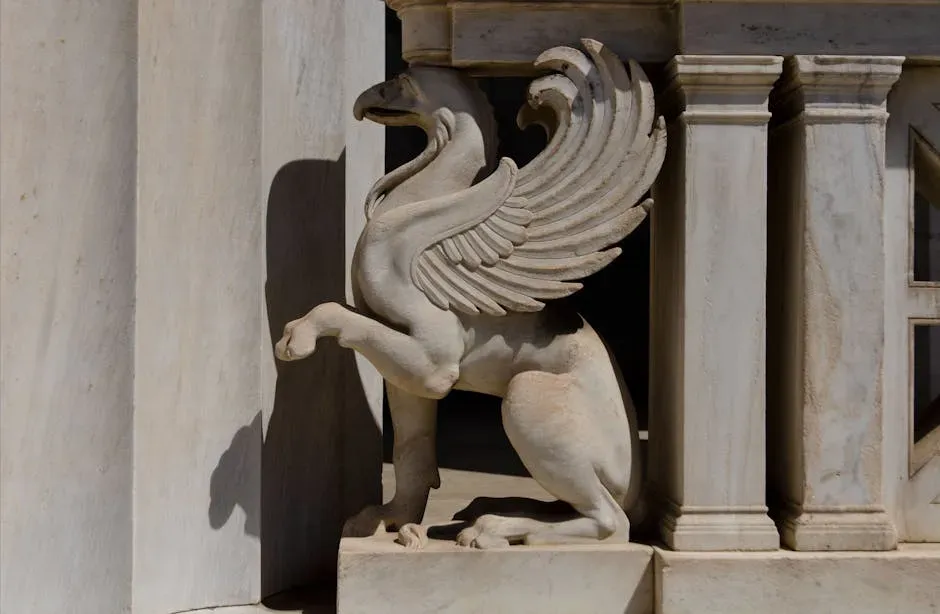
If science is our way of explaining the world now, myth was the early human version of a search engine – except it came with heart, memory, and a moral spine. Around the fire, stories about animals weren’t just entertainment; they were maps. In many Indigenous traditions, animals walked as people in distant times, shaping the land, setting taboos, and teaching right from wrong. A trickster coyote or raven might steal the sun or bring fire, but the point wasn’t just the plot twist, it was the lesson about cleverness, arrogance, generosity, or community.
These myths often preserve incredibly precise ecological knowledge. A story about a bear spirit teaching humans when to retreat to caves might echo real seasonal rhythms or weather patterns. Tales of a turtle holding the land on its back carry ideas of stability, patience, and responsibility for the earth. By rooting spiritual truths in animal bodies and behaviors, cultures gave people something vivid and unforgettable to hold onto. You’re not just told to respect balance; you see what happens when someone mocks the wolf or ignores the salmon’s journey, and that sticks with you in a way a dry rule never could.
Shamans, Vision Quests, and the Search for a Spirit Ally
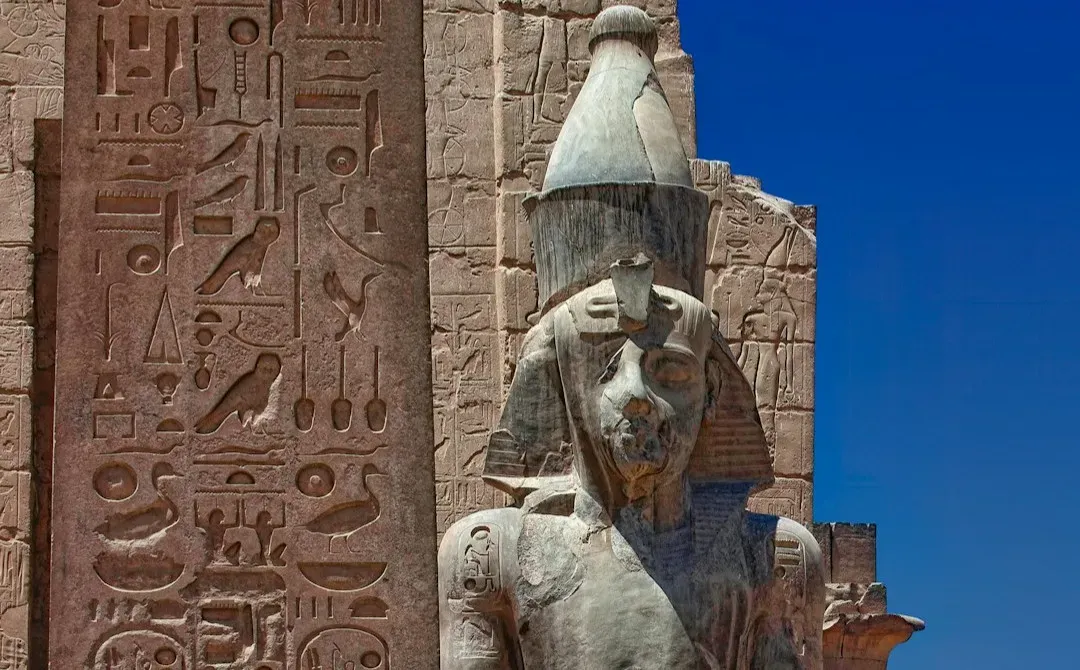
In many Indigenous traditions, certain people act as go-betweens, moving between the human world and the spirit world to heal, guide, and protect the community. These figures – whether we call them shamans, medicine people, or by specific cultural titles – often develop intense relationships with animal spirits. During fasts, trances, or vision quests, a particular animal might appear again and again, offering protection, knowledge, or a warning. That animal can become a personal totem or spirit ally, not as a fun label, but as a serious, lifelong bond.
The experiences tied to this are often physically and emotionally grueling: days without food, isolation, ritual music, or movement that pushes someone past their ordinary limits. In those liminal states, people report encounters with beings that have animal bodies but carry a kind of heightened, almost overwhelming presence. When they come back, they bring not only stories but specific songs, rituals, or healing practices said to be taught by that animal. Whether someone explains this in spiritual or psychological terms, the result is the same: a deep sense that wisdom can arrive in the shape of wings, claws, or antlers, and that humans are not the only ones holding knowledge.
Across Continents: Different Cultures, Strikingly Similar Animal Bonds
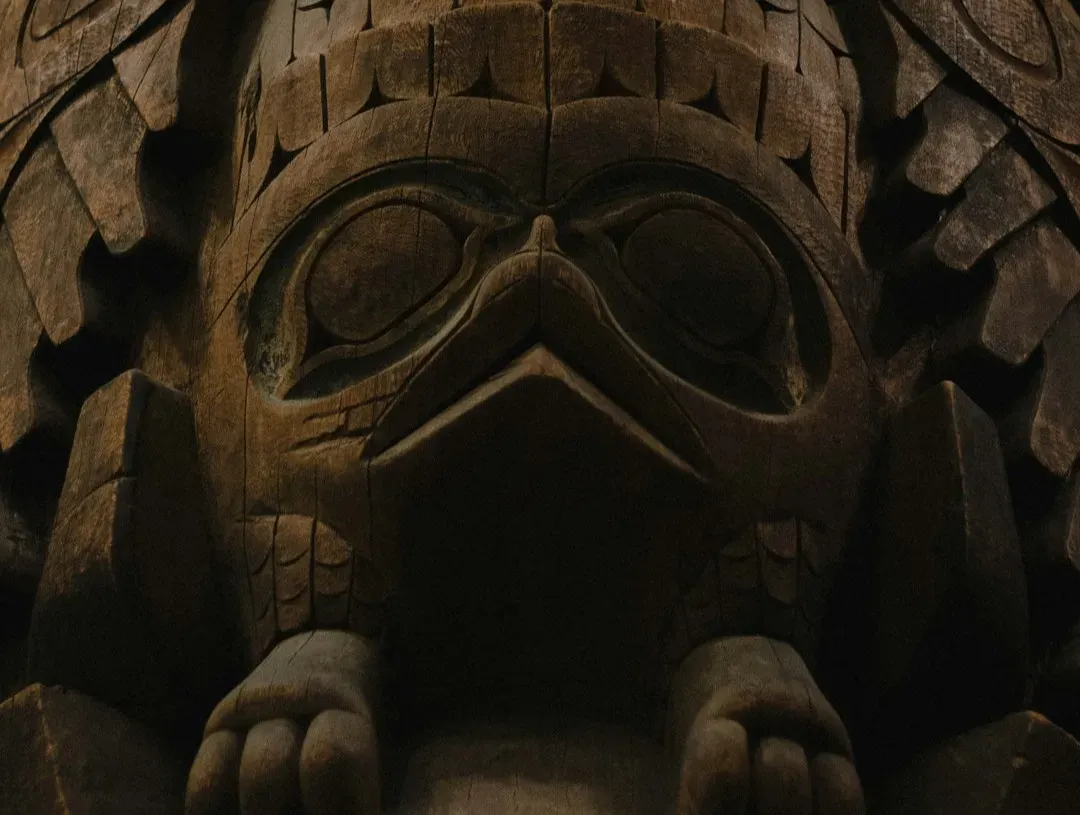
What’s stunning is how many common threads appear in animal totem traditions across the world, even in cultures that never met. In parts of sub-Saharan Africa, some ethnic groups hold strong taboos around harming specific species, treating them as clan protectors or ancestral forms. In Australia, many Aboriginal communities describe ancestral beings known as totemic spirits linked to animals, plants, or natural forces, shaping landscapes and continued responsibilities. In Siberia and parts of Central Asia, reindeer, bears, and birds of prey show up again and again as spiritual kin and guides.
At the same time, the details are richly specific to each place. Arctic peoples developed intricate relationships with seals, whales, and polar bears, while rainforest cultures turned to jaguars, monkeys, and powerful snakes. Plains groups on the North American continent placed profound importance on bison, horses, and certain birds, weaving them into ceremonies and regalia. The shared pattern is this: wherever people lived, they formed their deepest spiritual link with the animals they depended on, feared, or admired most. The result is a planetary mosaic of animal totems, each shaped by very local realities yet echoing a global instinct to find teachers in other beings.
Beyond Symbolism: Rituals, Art, and Everyday Life with Totems
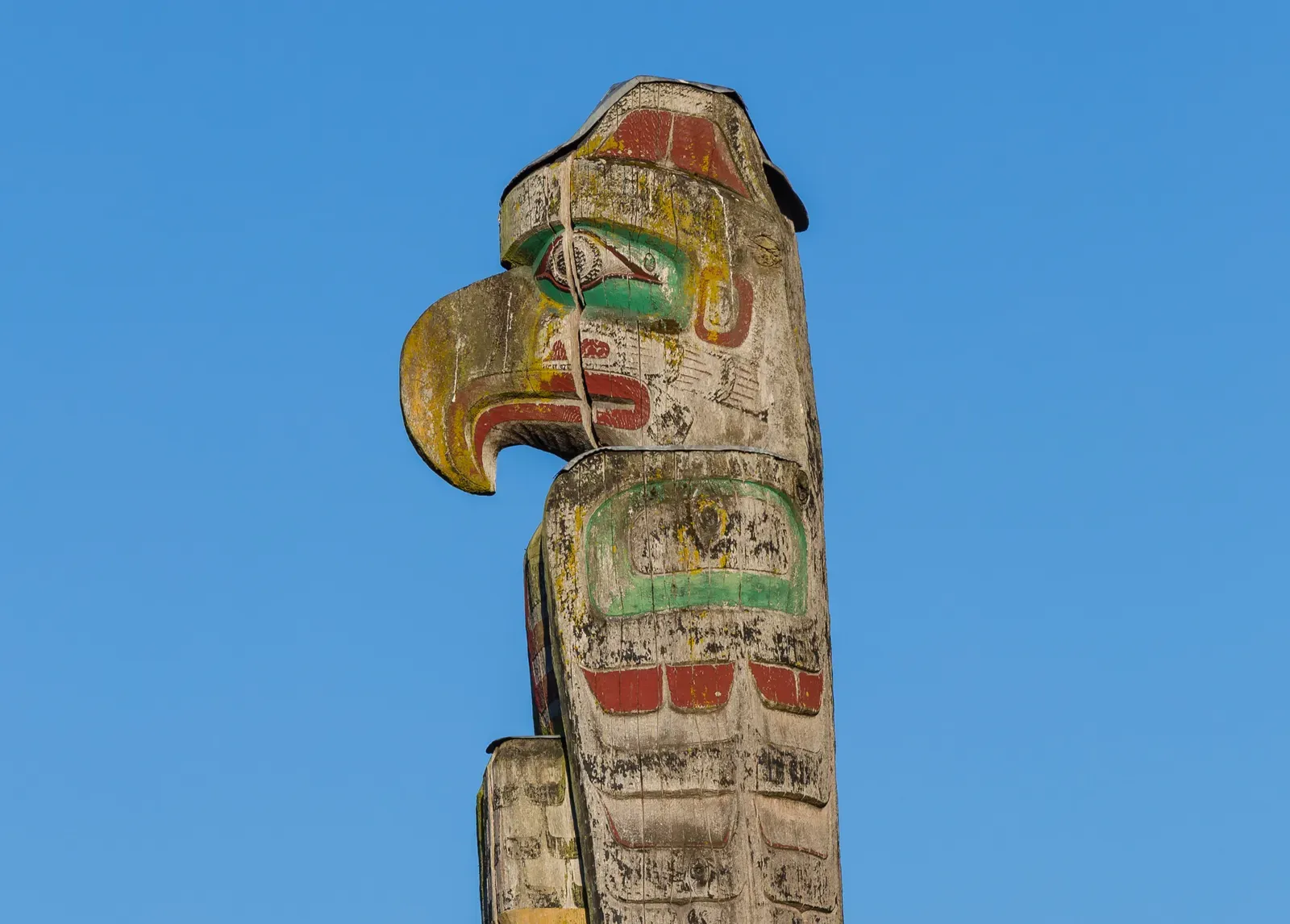
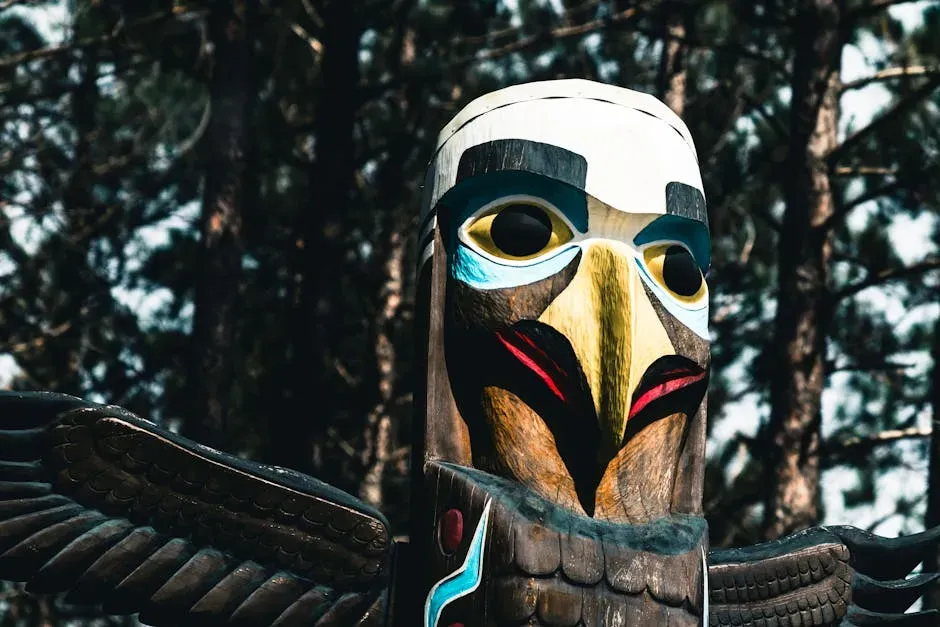
Totems didn’t live only in stories and ceremonies; they were carved into house posts, painted on shields, stitched into clothing, and danced into life at seasonal gatherings. A carved eagle on a pole or a stylized snake on a drum wasn’t decorative flair; it was a declaration of identity and responsibility. In some cultures, certain masks were worn only by members of a specific animal clan or during specific rites, turning the wearer into a temporary vessel for that being’s presence. Songs, drum patterns, and dance steps often mimicked the movements or calls of the totem animal to invite its power into the moment.
Everyday practices could also be governed by totem relationships. A person whose clan is linked to a particular fish might be forbidden to eat it, out of respect for that bond. Others might be required to speak, sing, or offer tobacco or other gifts before hunting their totem animal, acknowledging its sacrifice and asking consent. Even the way a house was oriented or a path was walked could tie back to a totemic story. When you look at it this way, animal totems weren’t an occasional spiritual accessory; they were woven into diet, architecture, art, etiquette, and law.
Survival, Misuse, and the Modern Pull of “Spirit Animals”
Colonization, forced religious conversion, and land theft all hit Indigenous spiritual systems hard, and totem traditions were no exception. Ceremonies were banned, sacred objects were stolen into museums, and entire worldviews were labeled as superstition or worse. Yet many communities continued these practices quietly, or adapted them, teaching younger generations under the radar. Efforts to reclaim languages, ceremonies, and sacred sites in recent decades have brought new strength to totem-based identities, even if they now exist in a very different world.
At the same time, popular culture grabbed bits and pieces of the idea and flattened them into something quick and consumable. The casual use of the phrase “spirit animal” for coffee, celebrities, or moods strips away the depth and responsibility built into true totem relationships. For many Indigenous people, that feels not just superficial but disrespectful, especially when the original traditions are still struggling to survive. Yet the fact that so many people feel drawn to the idea of an animal guide also says something: underneath the jokes and memes, there’s a quiet hunger for connection, for a sense that we’re not alone on this planet, even inside our own minds.
Why These Ancient Echoes Still Matter
At a time when species are disappearing and ecosystems are collapsing, animal totems offer a radically different way of seeing who we are in the world. If you genuinely believe a bear or a salmon can be an ancestor, a teacher, or a clan relative, it becomes much harder to treat that being as a disposable resource. These old systems embed responsibility and gratitude into every interaction with the non-human world, and that might be exactly the kind of moral muscle our era is missing. It’s not about romanticizing the past, but about recognizing there were other ways of organizing human life that didn’t put us at the center of everything.
There’s also a personal dimension that’s hard to ignore. Many people feel restless, spiritually unmoored, or cut off from anything bigger than their phones and routines. Learning about Indigenous understandings of animal totems – respectfully, and without trying to copy or claim them – can shake loose the idea that we’re separate from nature. It can invite questions like: if you really listened, what would the animals around you be trying to say about how you’re living? That question, uncomfortable as it is, might be one of the most important ones we can ask right now.