
They live in shadows cast by satellite constellations, hunting with bows beneath skies streaked by jet contrails, and yet they know almost nothing of the world that watches them. Scattered across dense forests, remote islands, and river labyrinths, uncontacted tribes represent some of the last living windows into lifeways that resemble those of our earliest human ancestors. Their existence poses a haunting question: can modern civilization truly understand humanity’s deep past without destroying the last people who still live it? As anthropologists race to study ancient tools, DNA, and language patterns from a distance, governments and companies are closing in on the forests and rivers that shelter these communities. In that shrinking space between curiosity and exploitation lies one of the most urgent scientific and ethical dilemmas of our time.
The Sentinelese: A Fortress of Stone, Wood, and Silence
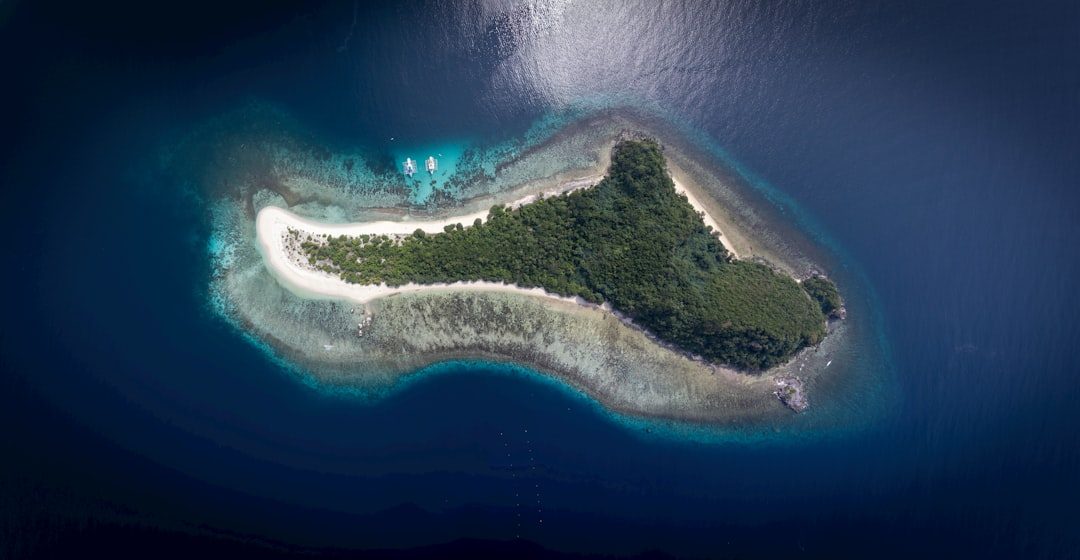
The Sentinelese of North Sentinel Island in the Bay of Bengal might be the most fiercely uncontacted tribe on Earth, and their isolated existence has become a symbol of humanity’s stubborn independence. From a distance, satellite images show a tiny island of dense green, ringed by reefs, where narrow beaches have repeatedly repelled boats and helicopters. Indian authorities have banned visitors within 3 nautical miles, after multiple deadly encounters made it brutally clear the Sentinelese want to be left alone. Their survival, despite tsunamis, storms, and centuries of passing ships, hints at a deep well of environmental knowledge passed down through generations without writing, electricity, or metal tools. To anthropologists, they represent not just a people, but an intact system of adaptation that mirrors how early coastal hunter‑gatherers may once have navigated changing seas and storms.
Almost everything we know about the Sentinelese comes from watching from afar, not from interviews or field notes. Observers have documented small outrigger canoes, wooden bows, and simple dwellings tucked behind the tree line, all echoing technologies that resemble those of early Holocene communities. Their resistance to contact is not some romantic mystery; it is likely a rational defense against disease and violence that historically accompanied outsiders. Epidemiologists warn that even a minor respiratory virus could be catastrophic to such a genetically and immunologically isolated group. In this way, the Sentinelese stand at a crossroads of science and ethics, reminding researchers that sometimes the best data point is the decision not to approach.
The Flecheiros of the Amazon: The People of the Arrows
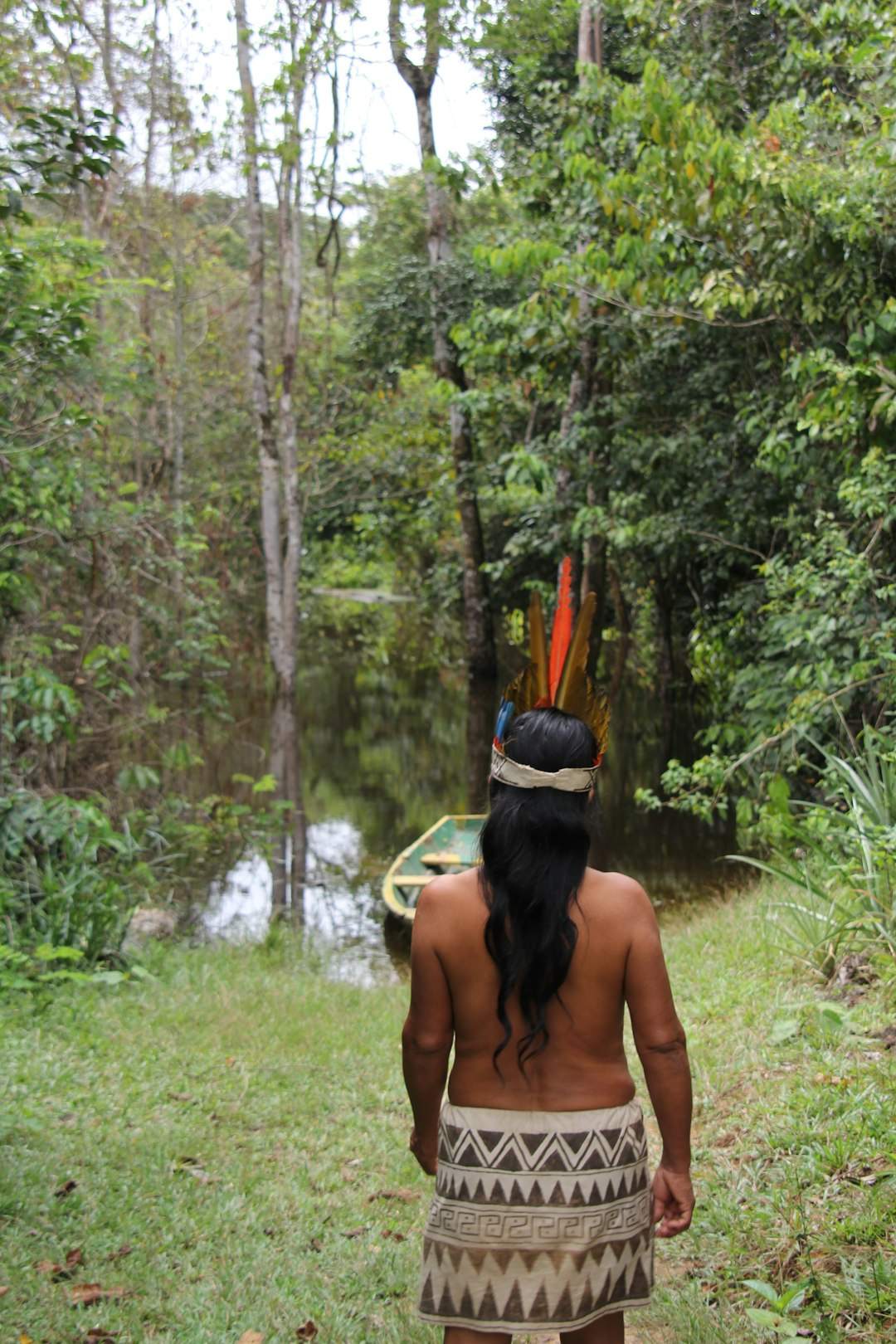
Deep inside the Brazilian Amazon, beyond rivers where even seasoned guides hesitate, live the Flecheiros, known in Portuguese as the “Arrow People.” Rangers and neighboring Indigenous groups report that their arrows can appear suddenly from the forest, long before a human figure is visible, an unsettling reminder of how tuned their senses are to their environment. The Flecheiros are likely one of several uncontacted groups in the Javari Valley, an area that holds one of the highest concentrations of isolated peoples on the planet. Researchers suspect they practice a mobile form of hunting and gathering, combined with small forest gardens, echoing the flexible foraging strategies that kept early humans alive through climate swings. Their invisibility is not accidental; it is a carefully honed survival strategy in a landscape increasingly crisscrossed by illegal miners, loggers, and drug traffickers.
For anthropology, the Flecheiros embody the kind of small, kin‑based bands that were probably the norm for most of human evolution. These are societies where social bonds are forged face‑to‑face, decisions are likely made by consensus, and children grow up learning to read animal tracks and river currents instead of letters and numbers. Forest guards have found temporary camps, broken arrows, and discarded baskets that reveal intricate weaving and craftsmanship without a single word exchanged. Each abandoned hearth and footprint is a fragment of a much bigger story about how humans learned to thrive in dense, biodiverse ecosystems. The tragedy is that the forces threatening the Flecheiros – deforestation, extraction, and violence – are also erasing the very ecological archives that could help modern societies understand and repair damaged forests.
The Korubo and the Shadow of the Unseen Neighbors
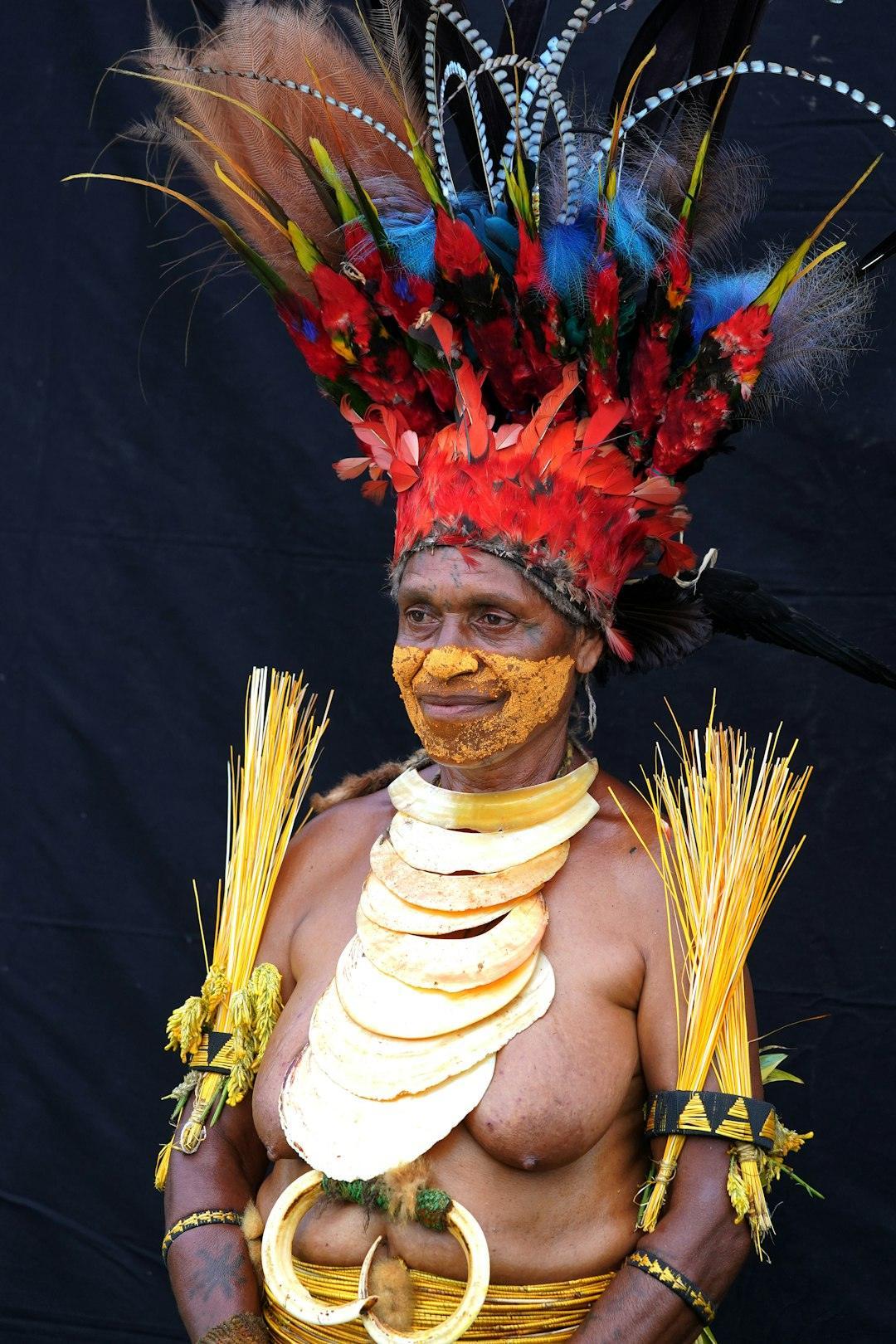
The Korubo of the Javari Valley, often called the “head‑bashers” in sensational headlines, occupy a strange middle ground between contact and isolation. Some Korubo groups have made limited contact with Brazilian authorities and neighboring Indigenous communities, while others remain completely uncontacted deeper in the forest. This fractured reality allows anthropologists a rare, unsettling comparison: related groups following similar traditions, split by differing levels of exposure to the outside world. Where partial contact has occurred, patterns emerge – disease outbreaks, resource shifts, changes in social structure – almost like a living experiment in what happens when a Stone Age-style community encounters a steel and digital world. The uncontacted Korubo, meanwhile, move farther from rivers and deeper into the jungle, echoing ancient human migrations away from danger.
Artifacts associated with Korubo life – massive war clubs, dugout canoes, and plant‑based body paints – are seen as modern expressions of tool and symbol use that likely go back tens of thousands of years in human history. Socially, small Korubo groups highlight how cooperation, conflict, and kinship can be managed without formal institutions or written law codes. Yet their story is also one of relentless external pressure: missionaries, evangelicals, and illegal economic interests encroach even when legal protections exist on paper. Anthropologists often argue that protecting Korubo territory is not just an act of human rights but also of cultural preservation on a global scale. Without these communities, our picture of how early humans organized themselves becomes flatter, more hypothetical, and easier to rewrite according to modern assumptions.
The Mashco Piro: River Nomads at the Edge of Peru’s Frontier
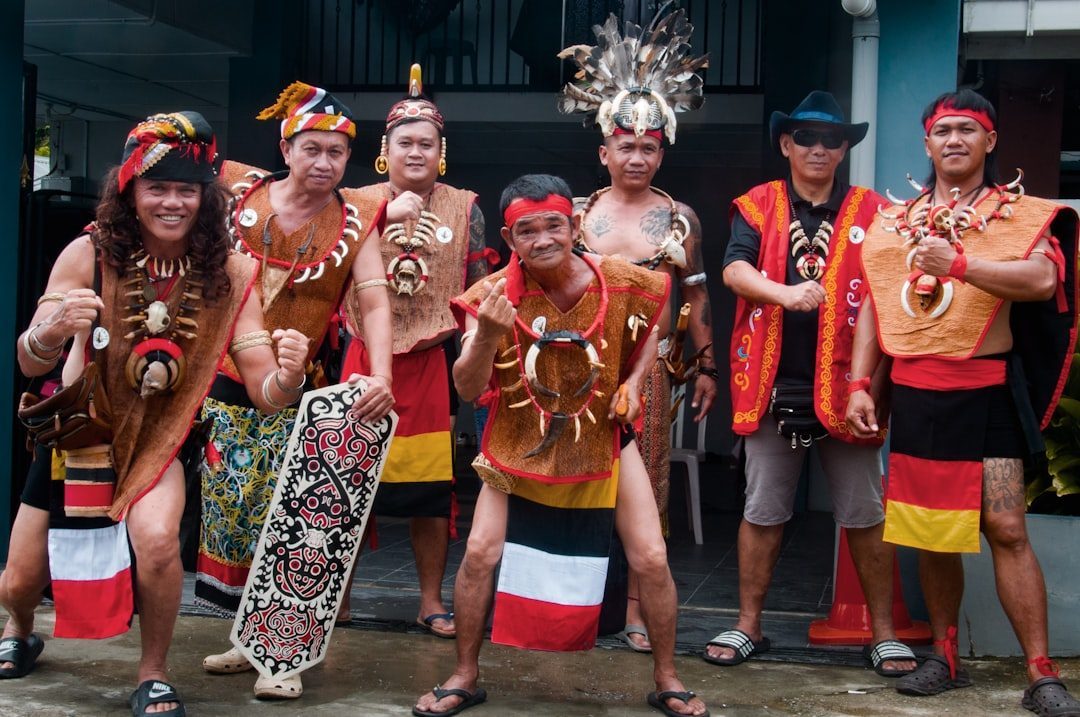
Along remote riverbanks in southeastern Peru, the Mashco Piro have become an unsettling sight for conservation workers and boat crews, appearing suddenly with bows, spears, and bright body paint before slipping back into the forest. Unlike some fully hidden groups, the Mashco Piro periodically approach shorelines or neighboring communities, yet they remain fundamentally uncontacted and deeply wary. Their movements track seasonal flood pulses and fruiting cycles, much like ancient riverine foragers who followed fish migrations and plant abundance rather than settled in one permanent location. Aerial surveys and distant observations show scattered longhouses and clearings carved out of otherwise dense canopy, suggesting a pattern of semi‑nomadic shifting rather than permanent villages. In many ways, they live in a moving boundary zone where the past and present literally see each other across the water.
Anthropologically, the Mashco Piro demonstrate the enduring power of mobility as a survival tactic, something early humans relied on long before farming and cities pinned us down. By moving frequently, they can avoid resource depletion, violence, and disease, trading stability for resilience. Conservation scientists point out that landscapes inhabited by uncontacted peoples like the Mashco Piro often have lower deforestation rates and higher wildlife diversity than surrounding regions. Their knowledge – of medicinal plants, animal migrations, and river behavior – forms a kind of living library modern science is only beginning to decode. Yet every new logging road or gas exploration block pushes this library closer to erasure, forcing difficult questions about whose knowledge and whose future counts.
The Vale do Javari: A Mosaic of Invisible Nations
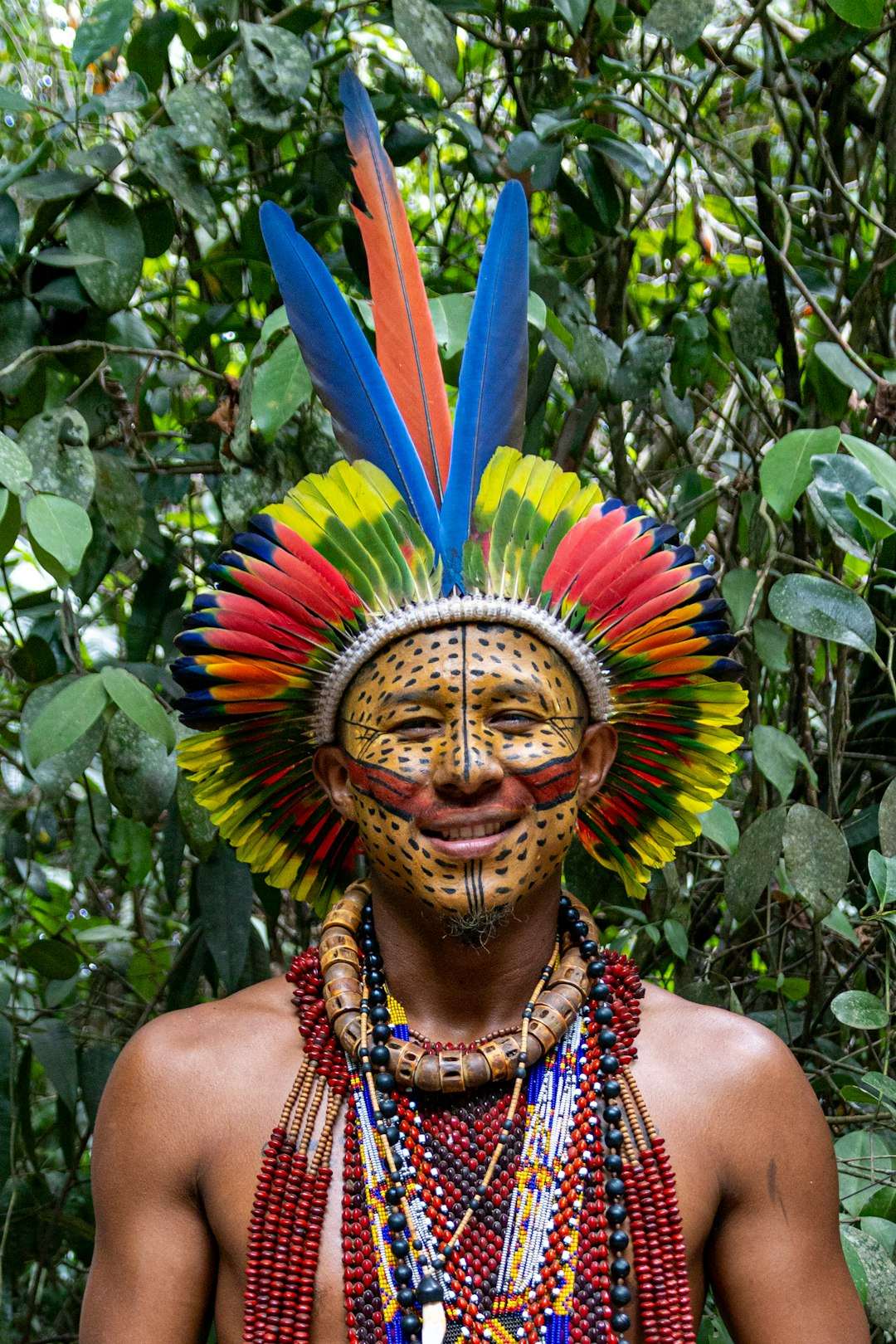
The Vale do Javari region itself, spanning parts of Brazil near the Peruvian border, is less a single story and more a mosaic of uncontacted nations layered atop each other. Reports from Indigenous organizations and government agencies suggest the presence of more than a dozen distinct uncontacted groups here, each with its own language, customs, and ancestral territories. This concentration rivals what the planet may have looked like thousands of years ago, when small bands and clans shared river basins without nation‑states or fixed borders. Anthropologists sometimes describe places like Javari as “time capsules,” but that metaphor hides a brutal truth: these people are not relics, they are contemporaries making real‑time decisions about survival in the face of modern threats. They just happen to be doing so without smartphones, written laws, or representative governments.
From a scientific perspective, regions like Javari offer insight into how cultural diversity itself functions as an evolutionary strategy. Multiple small groups with varying hunting techniques, plant uses, and social rules can create a kind of cultural ecosystem, where innovations spread or disappear depending on environmental success. This mirrors how early Homo sapiens may have experimented with different lifeways during migrations across Africa, Asia, and the Americas. Yet when a road or industrial project cuts through such a region, it often acts like a sudden extinction event, collapsing multiple distinct cultures in a single blow. Protecting Javari is therefore not only about individual tribes, but about preserving the conditions under which cultural experimentation – and human adaptability – can continue.
The Ghosts of the Gran Chaco: Ayoreo in Voluntary Isolation
In the dry forests of the Gran Chaco, spanning parts of Paraguay and Bolivia, live Ayoreo groups in what specialists call “voluntary isolation.” These people are relatives of Ayoreo who have already been contacted and often now live in missions or settlements, yet a few bands choose to remain hidden in the shrinking forest. As cattle ranching and industrial agriculture chew through the Chaco, satellite imagery shows some of the fastest deforestation rates on Earth, pushing uncontacted Ayoreo into ever narrower strips of habitat. Their continued choice to avoid outsiders echoes ancient human decisions to flee expanding empires, expanding farms, or violent neighbors. In a world obsessed with connectivity, their refusal to be reached reads almost like a quiet rebellion against history’s usual script.
The Ayoreo in isolation are especially important to anthropology because they demonstrate that “uncontacted” does not always mean “never contacted.” Many such groups are descendants of people who survived massacres, slave raids, epidemics, or forced conversions. Their isolation is often a protective response to trauma, not a naïve ignorance of the outside world. Studying this pattern, even indirectly, helps us understand that early human movements and separations were not just about climate or food, but also about fear, conflict, and the search for autonomy. Modern conservation efforts in the Chaco now face a painful trade‑off: without strict protection, the forest and its isolated residents may vanish; with it, economic and political interests push back fiercely.
Why It Matters: Uncontacted Tribes as Living Windows into Human Origins
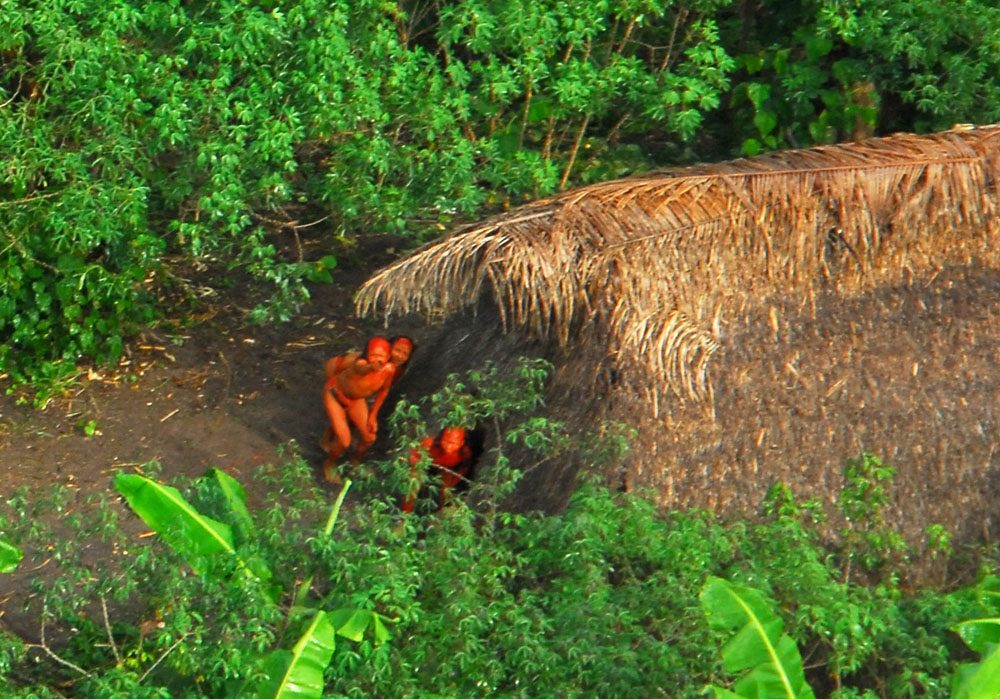
Uncontacted tribes matter far beyond their small population numbers because they test our assumptions about what humans need in order to live well. For most of our species’ history, people survived without writing, states, industrial agriculture, or fossil fuels, relying instead on intimate ecological knowledge, flexible social rules, and small‑scale cooperation. Uncontacted groups today show that such lifeways are not ancient myths but functioning realities, even if constantly under threat. Their languages, often unrecorded, may encode unique ways of classifying plants, animals, time, and relationships that broaden our understanding of how the human mind organizes the world. When these groups disappear, we lose ways of thinking that no laboratory or computer model can reconstruct from scratch.
From a scientific standpoint, uncontacted societies offer rare comparative data for fields like evolutionary anthropology, cognitive science, and human ecology – yet the ethical cost of acquiring that data is extremely high. Unlike fossils or stone tools, living people can be harmed, exploited, or killed by the very curiosity that drives research. This forces scientists and policymakers to confront hard questions about consent, benefit‑sharing, and the rights of communities who explicitly want to be left alone. At the same time, uncontacted tribes often act as unintentional guardians of biodiversity hotspots, keeping intact forests standing by simply living as their ancestors did. In an era of accelerating climate change and ecological instability, the survival strategies of these communities may hold insights as valuable as any gene sequence or satellite dataset.
From Ancient Tools to Modern Science: What We Can Learn Without Touching
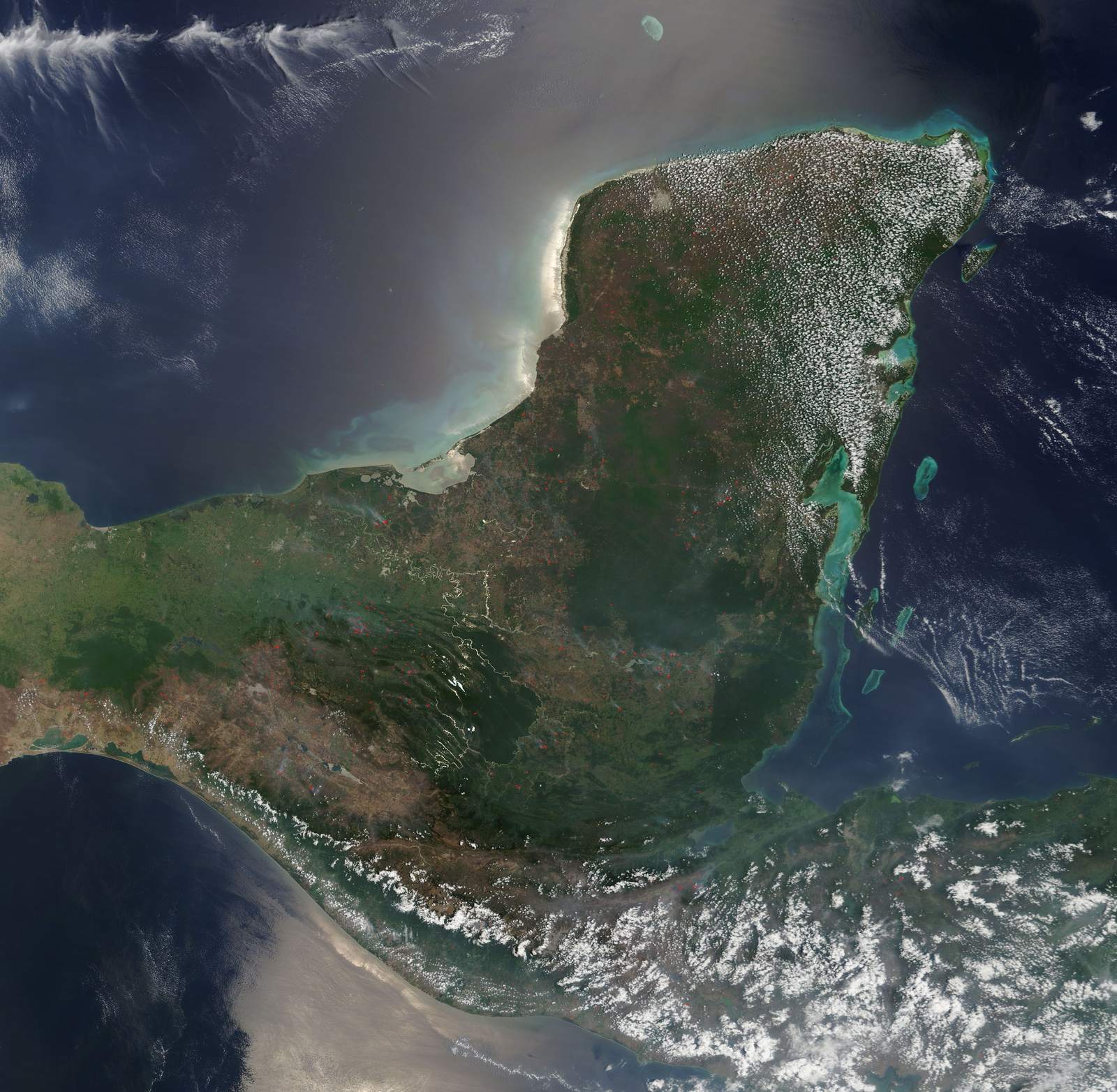
A key challenge of studying uncontacted tribes is figuring out what we can learn without direct contact or intrusion, and here modern science shows surprising creativity. High‑resolution satellite imagery can detect forest clearings, footpaths, and small gardens, revealing how communities shape their landscapes over time. Archaeologists compare these patterns with ancient archaeological sites, linking the layout of current camps or gardens to those of early farmers and foragers. Environmental DNA from soil and water samples can hint at what species people are interacting with, without anyone setting foot in a village. Even the position of houses relative to rivers, hills, or sacred groves can inform theories about how early humans balanced safety, resource access, and spiritual beliefs.
Anthropologists also collaborate with neighboring Indigenous communities who have historic or distant ties to uncontacted groups, using oral histories and shared vocabulary to reconstruct cultural lineages. This approach respects the autonomy of isolated bands while still allowing science to trace big patterns in human evolution and migration. Instead of the old model of intrusive expeditions, research now leans more on remote sensing, non‑invasive sampling, and Indigenous‑led fieldwork. The result is a growing body of knowledge that links the daily routines of uncontacted peoples – hunting strategies, mobility patterns, seasonal rituals – to major chapters in human history, from the first peopling of the Americas to the rise of complex societies. It is a slow, imperfect, but far more ethical way of listening to ancient echoes without shouting over them.
The Future Landscape: Technology, Threats, and Global Responsibility
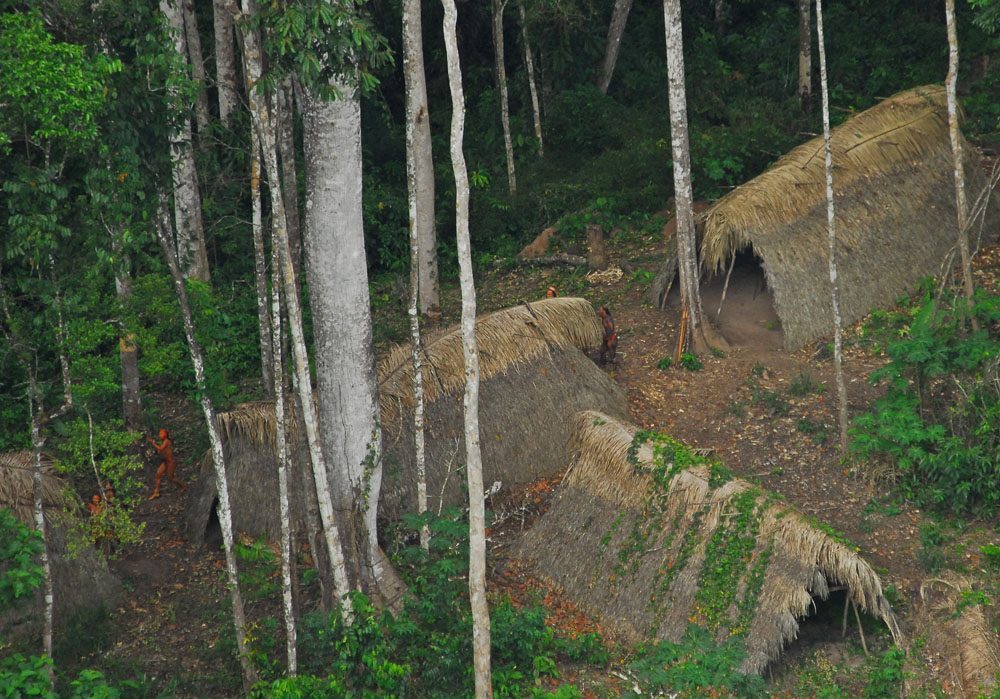
Looking ahead, the fate of uncontacted tribes will hinge on a race between expanding technology and shrinking wilderness. On one hand, the same satellites and drones that can locate hidden communities can also expose them to extractive industries, poachers, or curious adventurers. On the other, those tools are now being used by Indigenous organizations and advocacy groups to document invasions, map territories, and pressure governments into enforcement. Climate change adds another layer of risk, as shifting rainfall patterns, fires, and disease vectors can destabilize the ecosystems these communities depend on. For some tribes, staying uncontacted may become nearly impossible if rivers dry, game disappears, or outsiders flood in.
Global responsibility means recognizing that decisions made in distant capitals, boardrooms, and even living rooms can ripple into the forests and islands where uncontacted peoples live. Demand for beef, gold, timber, and fossil fuels often translates into new roads and clear‑cuts in precisely the regions where isolated groups shelter. At the same time, international human rights norms increasingly recognize the right of Indigenous peoples to remain in voluntary isolation if they choose. Future policy will need to weave together satellite monitoring, legal protections, Indigenous leadership, and strict limits on frontier development. Whether we succeed will shape not only the survival of specific tribes, but also the diversity of human ways of being that our species carries into the next century.
What You Can Do: Awareness, Pressure, and Respectful Distance
For most readers, the lives of uncontacted tribes feel impossibly far away, like distant stories from another age, but your choices still matter. Supporting organizations that defend Indigenous land rights helps create real buffers around territories where uncontacted peoples live, even if you never set foot there. Paying attention to where your food, wood products, and metals come from can reduce the economic pressure that drives roads and ranches into protected forests. Sharing accurate information – rather than exoticizing myths – about uncontacted tribes can shift public opinion toward respect and protection instead of voyeuristic curiosity. Even simple acts, like rejecting calls for “adventure tourism” to remote Indigenous areas, send a signal that some boundaries should not be crossed.
If you want to take a more active role, you can: follow Indigenous‑led organizations and amplify their campaigns, support science and journalism that prioritize ethics over sensational access, and push your representatives to back strong environmental and human rights policies. These steps may feel small compared to the vastness of the Amazon or the Indian Ocean, but collectively they shape the global context in which uncontacted tribes fight for survival. In the end, their story is also a test of ours: can a species that built rockets and data centers still make room for those who choose stone tools and oral memories? The answer will say a great deal about what kind of future we are really building.
Suhail Ahmed is a passionate digital professional and nature enthusiast with over 8 years of experience in content strategy, SEO, web development, and digital operations. Alongside his freelance journey, Suhail actively contributes to nature and wildlife platforms like Discover Wildlife, where he channels his curiosity for the planet into engaging, educational storytelling.
With a strong background in managing digital ecosystems — from ecommerce stores and WordPress websites to social media and automation — Suhail merges technical precision with creative insight. His content reflects a rare balance: SEO-friendly yet deeply human, data-informed yet emotionally resonant.
Driven by a love for discovery and storytelling, Suhail believes in using digital platforms to amplify causes that matter — especially those protecting Earth’s biodiversity and inspiring sustainable living. Whether he’s managing online projects or crafting wildlife content, his goal remains the same: to inform, inspire, and leave a positive digital footprint.