
Every few months, another study lands in my inbox that quietly rewrites a piece of human history. An old tablet turns out to hide trigonometry more advanced than what many of us learned in school, or a crumbling shrine suddenly reveals astronomical alignments precise enough to embarrass a modern smartphone app. These are not stories about mythical lost super-civilizations, but about real people, working with stone, clay, bone, and the naked eye, who somehow saw patterns we are only now learning to measure properly. This article explores some of the most striking cases where ancient knowledge went far beyond the stereotypes of “primitive” societies and echoes directly into modern science. In doing so, it asks us to take past intelligence seriously and to see progress not as a straight upward line, but as a conversation across thousands of years.
Stone Circles That Tracked the Sky With Surprising Precision
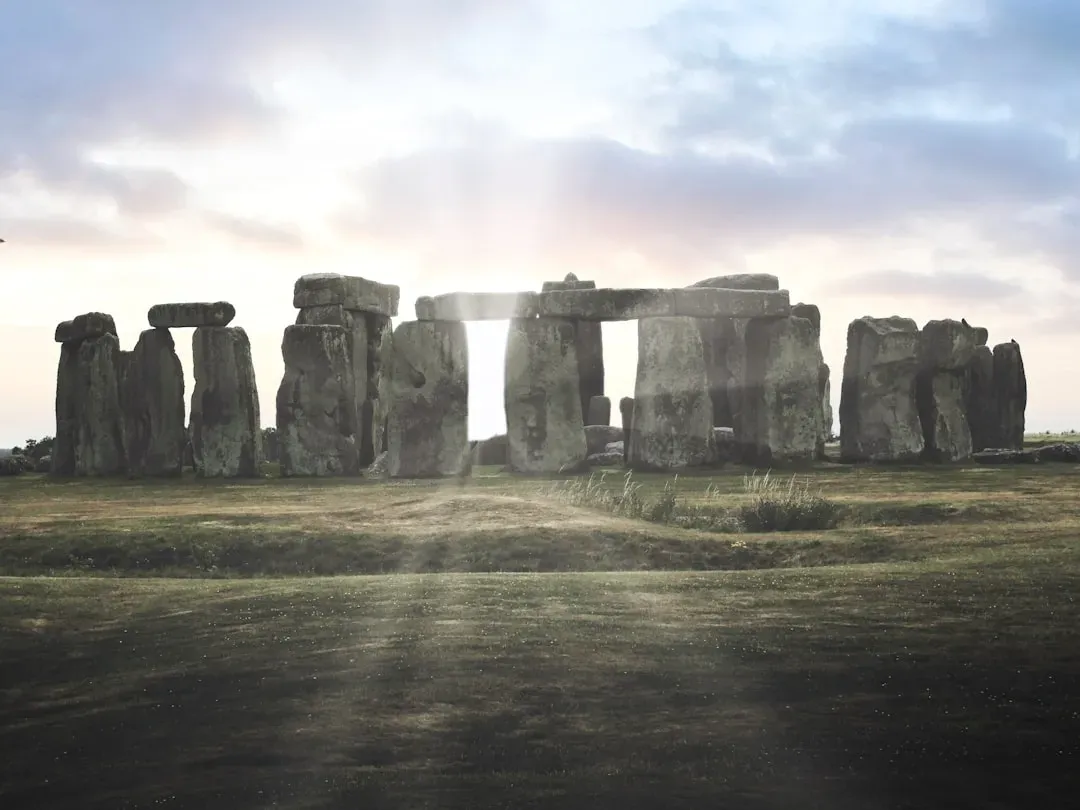
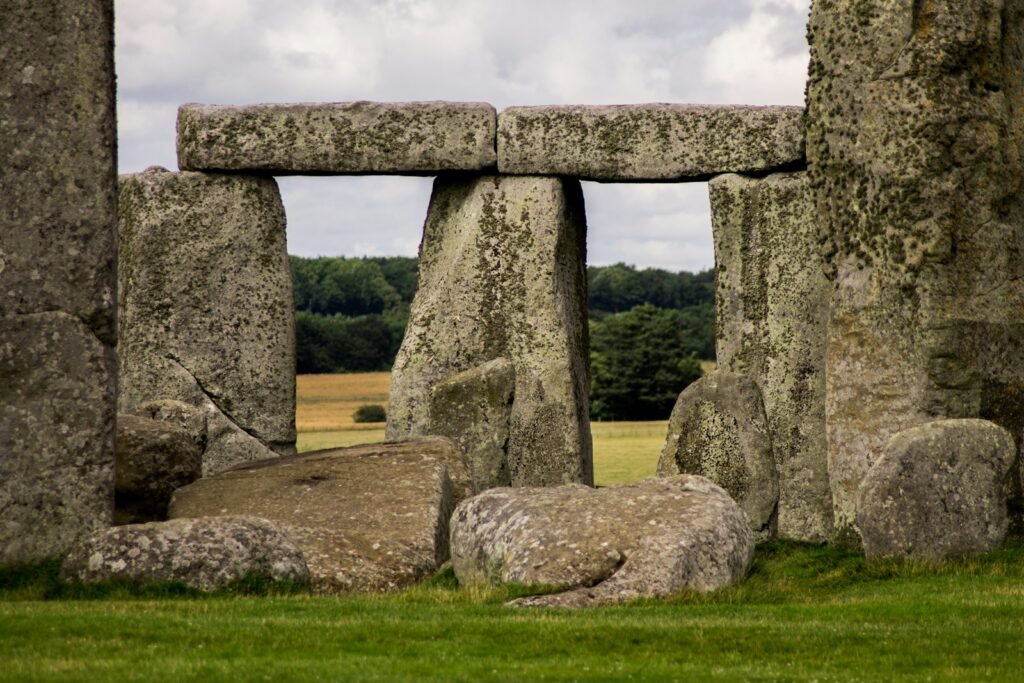
Stand inside Stonehenge at midsummer sunrise or at the Great Circle at Rujm el-Hiri in the Golan Heights, and it is hard to shake the feeling that you are inside a prehistoric observatory. Long before telescopes, builders in Britain, the Levant, and across the Americas were aligning stones, mounds, and causeways with the rising and setting points of the sun, moon, and key stars. At sites like Newgrange in Ireland, a narrow passageway floods with sunlight on the winter solstice, a timing trick that requires careful observation over many years. This is not trial and error; it is cumulative data gathering, shared and preserved in architecture instead of in notebooks.
When astronomers model these alignments with software that rewinds the sky back thousands of years, they routinely find that many structures line up within a small fraction of a degree of the relevant celestial event. That is an astonishing level of consistency for builders using only sightlines, pegs, and cord. Modern archaeoastronomy treats these sites almost like fossilized observatories, showing that careful sky-watching, long-term record keeping, and seasonal calibration were at the core of many ancient cultures. The knowledge encoded in stone outlasted the languages, myths, and even the people who built them.
Geometry on Clay Tablets: Babylonian Math Ahead of Its Time
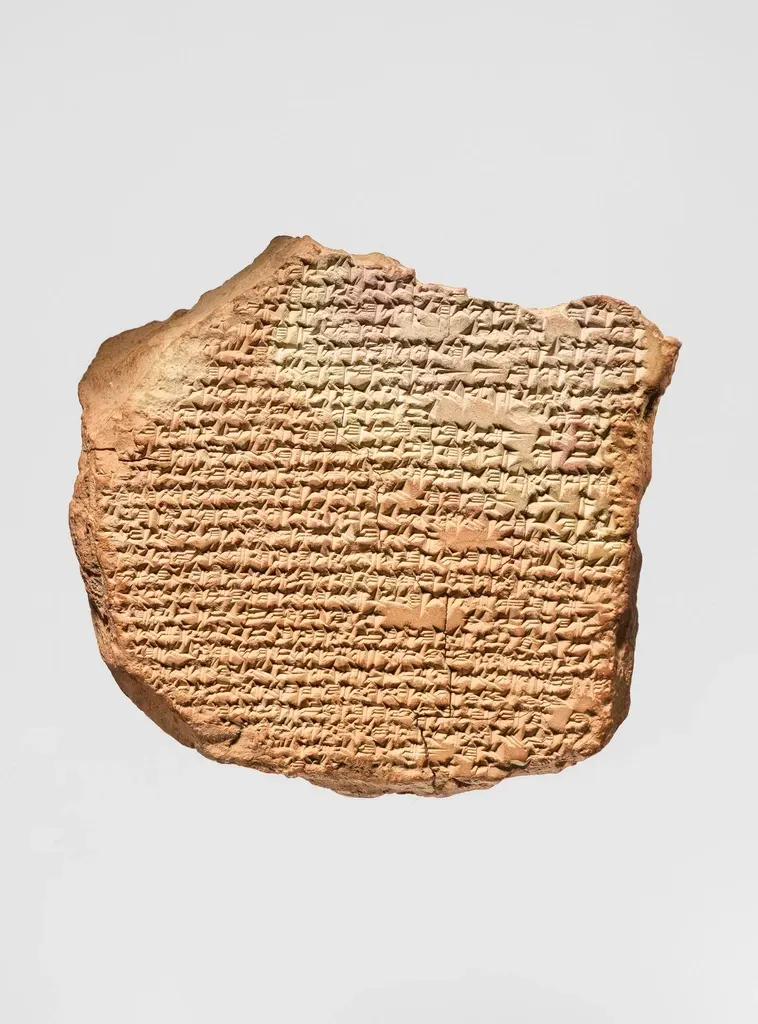
In the early twenty-first century, researchers re-examining cuneiform tablets from ancient Mesopotamia realized that some of them did not just list numbers or simple sums. A few, like the now-famous Plimpton 322 tablet from Babylonian times, describe relationships between the sides of right triangles in ways that look very much like trigonometry. Instead of using angles and sines as in modern math, these scribes worked with ratios of the sides themselves, encoded in a base-sixty number system. That approach can actually be more accurate for certain calculations, particularly for surveying and field division.
This means that nearly four thousand years ago, Babylonian scholars were solving geometric problems that most of us would associate with medieval or even Renaissance Europe. Their methods were different, but the goal was the same: to tame space with numbers so that land could be measured, boundaries defined, and structures planned. Modern mathematicians have compared these tablets with later Greek traditions and realized that knowledge did not simply flow one way. Instead, ideas about geometry and proportion seem to have moved back and forth across cultures and centuries, with some techniques getting lost and then re-invented under new names.
Harappan Urban Planning and the Science of Everyday Life
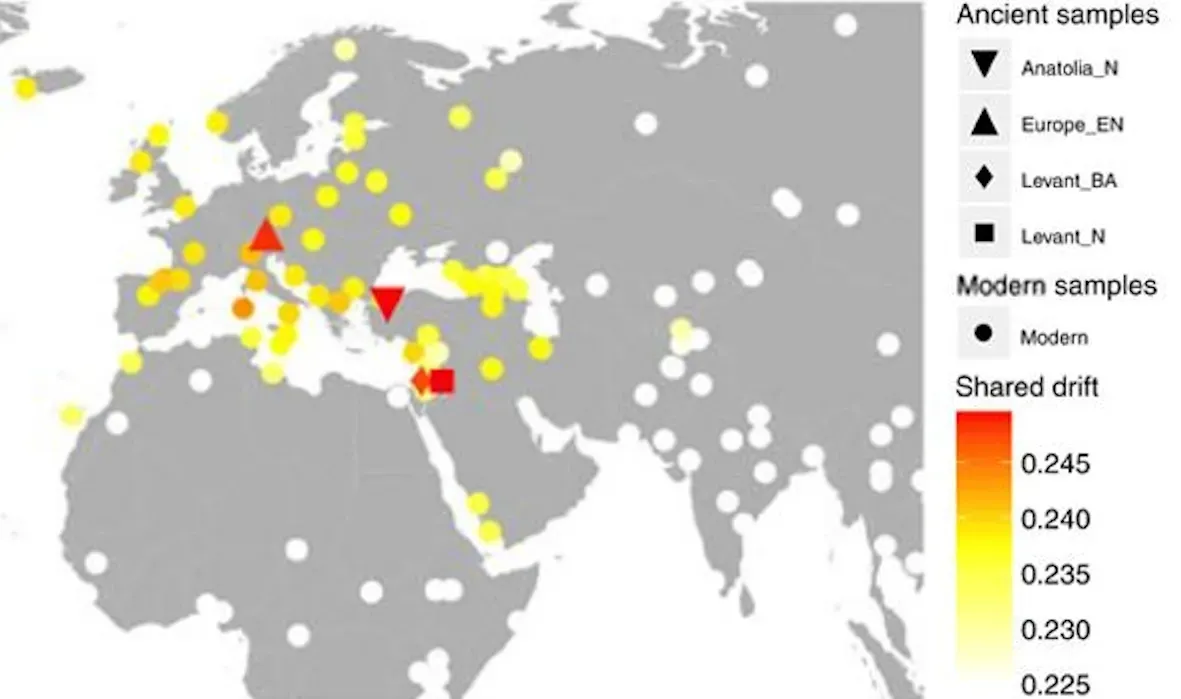
In the cities of the Indus Valley, such as Mohenjo-daro and Harappa, archaeologists have uncovered an urban logic that feels strikingly modern. Streets laid out in a grid, standardized brick sizes, and carefully designed drainage systems all point to a deep understanding of how water, waste, and human movement shape a city. The fact that many houses had access to individual bathing spaces and covered drains hints at a cultural value placed on cleanliness and public health long before germ theory. These are not grand monuments, but practical applications of engineering and social planning.
What makes this knowledge feel both advanced and oddly familiar is that it centers the lived experience of ordinary people. Standardized weights and measures in the Indus world suggest that trade and fairness were supported by a shared mathematical framework, not just by royal decree. In my own work visiting excavation reports, the consistency of these standards across distant sites is one of the most striking patterns: someone cared enough to coordinate it. Today, when urban planners talk about walkability, sanitation, and equitable access, they are unknowingly echoing concerns that were already being solved in baked brick several thousand years ago.
Ancient Medical Traditions That Anticipated Modern Insights
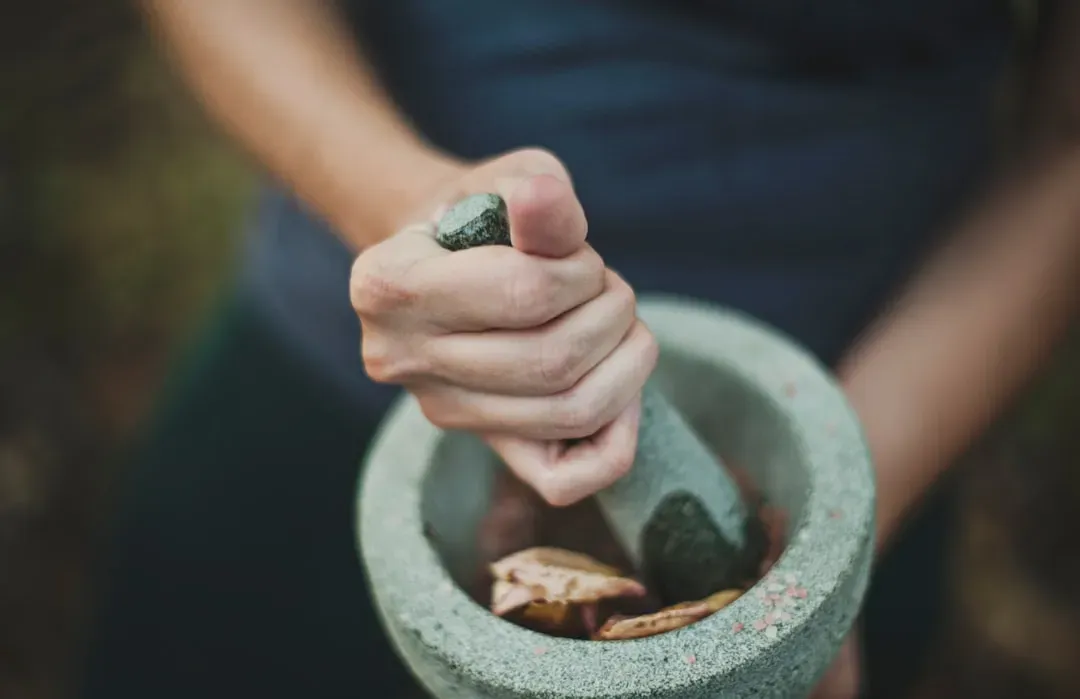
Open an ancient Egyptian medical papyrus or a classical Indian Ayurvedic text and you quickly see that they are not collections of random folk remedies. Instead, they lay out diagnostic categories, treatment protocols, and even ethical guidelines for practitioners. Egyptian physicians, for example, described the pulse as a vital sign linked to the heart and circulation, while texts from ancient China developed a systematic understanding of body networks that, although framed differently from modern anatomy, guided careful observation and documentation. These systems grew out of thousands of case histories, trial and error, and long-term institutional memory in temple schools and healing centers.
Of course, some treatments were harmful or ineffective by modern standards, but others have stood up surprisingly well when tested scientifically. Certain herbal preparations described in classical texts have turned out to contain active compounds with antibacterial, anti-inflammatory, or pain-relieving properties. What we sometimes dismiss as “traditional” medicine was, in many places, a proto-scientific enterprise, constrained by the tools of the time but driven by the same impulse to turn suffering into data and pattern. The rediscovery process today, where pharmacologists mine old treatises for leads, is in a sense a reunion of two branches of the same family tree.
Encoded in Myths: Environmental and Geological Knowledge in Story Form
For a long time, scholars treated myths about floods, fires, and shifting lands as purely symbolic. In the last few decades, geologists and anthropologists have started to notice something else: some oral traditions track real environmental events over astonishing timescales. Stories from Indigenous communities in Australia, for instance, appear to preserve memories of coastlines that existed before sea levels rose thousands of years ago, describing now-submerged features with striking geographic accuracy. Around the Pacific, tales of coastal villages swallowed by the sea line up with geological evidence of past tsunamis.
This suggests that ancient cultures used narrative as a robust information-storage technology, one that could handle complex data about hazards, migration routes, and resource locations while staying memorable across generations. Rather than writing in stone or clay, they wrote in ritual, song, and taboo. Modern hazard-mapping and disaster-preparedness programs are slowly learning to treat these stories as datasets rather than as curiosities. When local accounts and scientific models converge, it is often a sign that ancient observers noticed and preserved a pattern long before satellite imagery existed.
The Analytical Lens: Rethinking What Counts as “Advanced” Knowledge
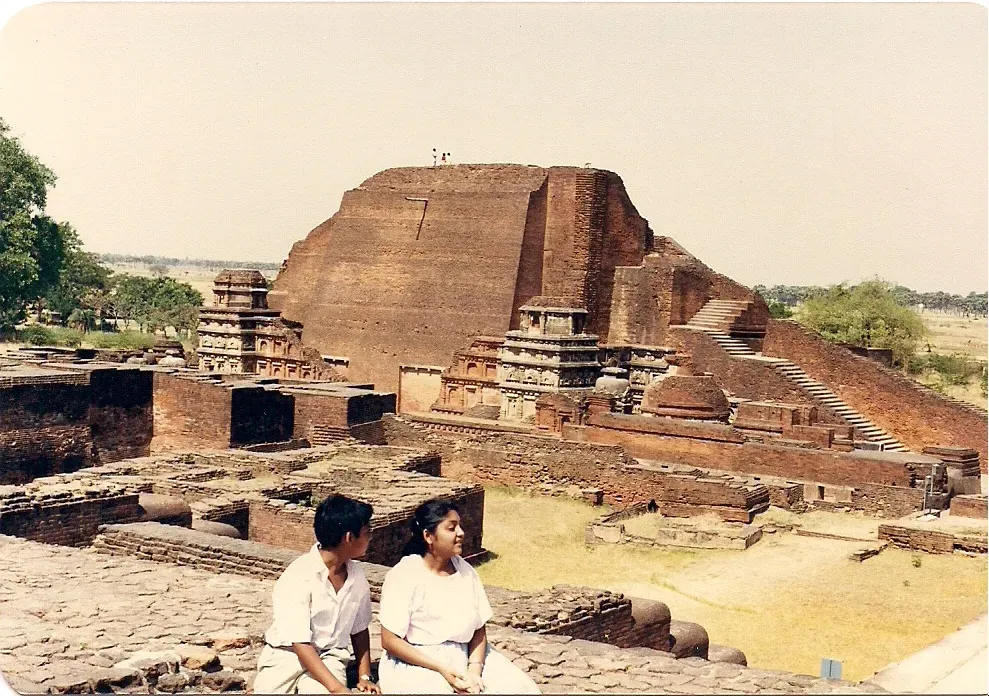
One of the quiet revolutions in archaeology and history over the last half-century has been an attitude shift about what it means for knowledge to be advanced. Older narratives often equated progress with abstraction and written formulas, so anything not expressed in familiar mathematical symbols looked primitive. Today, researchers are more likely to judge knowledge by how well it solved real-world problems: navigation across open ocean, building on unstable soils, preventing famine, or coordinating large communities without constant violence. By that measure, many ancient systems look impressively sophisticated, even if they used stars, shells, or verses instead of spreadsheets.
There is also a growing recognition that loss of knowledge is as important a theme as invention. Techniques for Roman concrete that resists seawater erosion, Maya water management strategies tailored to seasonal extremes, or pre-contact agroforestry methods in the Amazon were all partially forgotten or actively suppressed. When modern engineers and ecologists rediscover them, they tend to frame it as innovation, but it is often more like translation. Seen through this lens, history is not a staircase of constant improvement but a braided river, where ideas split, rejoin, and sometimes vanish underground for centuries before resurfacing under new names.
When Ancient Insights Meet Modern Tools
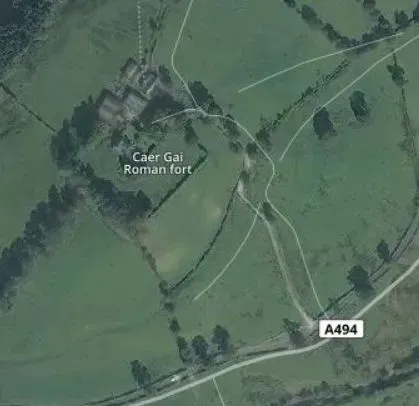
Some of the most exciting work today happens where ancient knowledge and modern instrumentation cross-check each other. High-resolution satellite imagery has revealed that geoglyphs, field systems, and road networks in places like Peru and the Middle East follow patterns that local traditions had long hinted at but that outsiders dismissed. Lidar mapping in dense tropical forests has uncovered terraced landscapes and engineered canals that match Indigenous accounts of managed, not untouched, wilderness. In both cases, stories and ground-level observations turned out to be ahead of what conventional surveys could see.
Similarly, laboratory analysis of ancient materials often confirms that craftspeople were expert experimenters. Microstructural studies of steel from South Asia, for instance, show controlled carbon content and layering techniques that rival some modern alloys. Stable isotope analysis of old crop remains reveals deliberate planting strategies designed to buffer against droughts and floods. In these moments, it becomes clear that our instruments are not replacing past knowledge but finally giving us the vocabulary to recognize just how careful and systematic it already was.
What We Still Do Not Understand – and Why That Is Healthy
There are, inevitably, gaps where we can see the outcome but do not yet fully grasp the method. The exact surveying techniques used to align vast structures over large distances, or how certain massive stones were moved with limited tools, remain under active study. It is tempting to fill these gaps with exotic explanations, but the more disciplined approach has actually been more impressive: researchers testing ropes, rollers, sledges, and coordinated human labor with painstaking experiments. The emerging picture is one of ingenuity amplified by social organization rather than by mysterious technologies.
The fact that some questions remain open is not a sign that ancient people must have had impossible powers; it is a reminder that understanding complex systems, whether in the past or present, takes time. Each new excavation season, each fresh scan of a landscape, and each re-reading of a neglected text brings another small piece into focus. Living with a degree of uncertainty while still insisting on evidence is precisely what modern science as a practice demands. Seeing that same spirit, in different forms, in ancient work is more humbling than any sensational claim about lost worlds.
How Readers Can Join the Rediscovery
You do not need a research grant to take part in this quiet reevaluation of the past. Visiting local museums, archaeological sites, or even well-curated online collections with an eye for the questions behind each artifact can be transformative. Instead of asking only how old something is, ask what problem it solved: a pot that managed heat, a tool that maximized leverage, a pattern that encoded a calendar. When I started doing this myself, wandering through small regional museums rather than only famous ones, it changed how I saw every seemingly ordinary object behind the glass.
Readers can also support projects that document and preserve Indigenous and local knowledge systems, whether through community archives, language revitalization, or collaborative science initiatives. Paying attention to who gets credited when an “innovation” is announced is another quiet but powerful habit: often there is a much longer story of observation and experimentation behind it. Ultimately, the most important step is to let go of the idea that intelligence and insight are modern inventions. The more we look closely, the clearer it becomes that we are not the first generation to map the stars, heal bodies, or reshape landscapes with care and creativity – and that realization might be the most valuable rediscovery of all.
Suhail Ahmed is a passionate digital professional and nature enthusiast with over 8 years of experience in content strategy, SEO, web development, and digital operations. Alongside his freelance journey, Suhail actively contributes to nature and wildlife platforms like Discover Wildlife, where he channels his curiosity for the planet into engaging, educational storytelling.
With a strong background in managing digital ecosystems — from ecommerce stores and WordPress websites to social media and automation — Suhail merges technical precision with creative insight. His content reflects a rare balance: SEO-friendly yet deeply human, data-informed yet emotionally resonant.
Driven by a love for discovery and storytelling, Suhail believes in using digital platforms to amplify causes that matter — especially those protecting Earth’s biodiversity and inspiring sustainable living. Whether he’s managing online projects or crafting wildlife content, his goal remains the same: to inform, inspire, and leave a positive digital footprint.