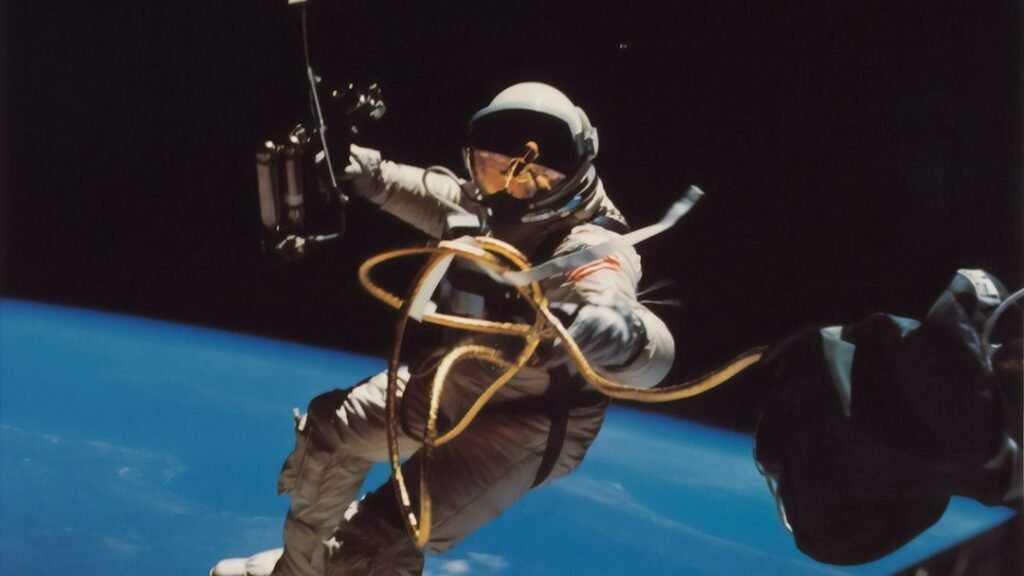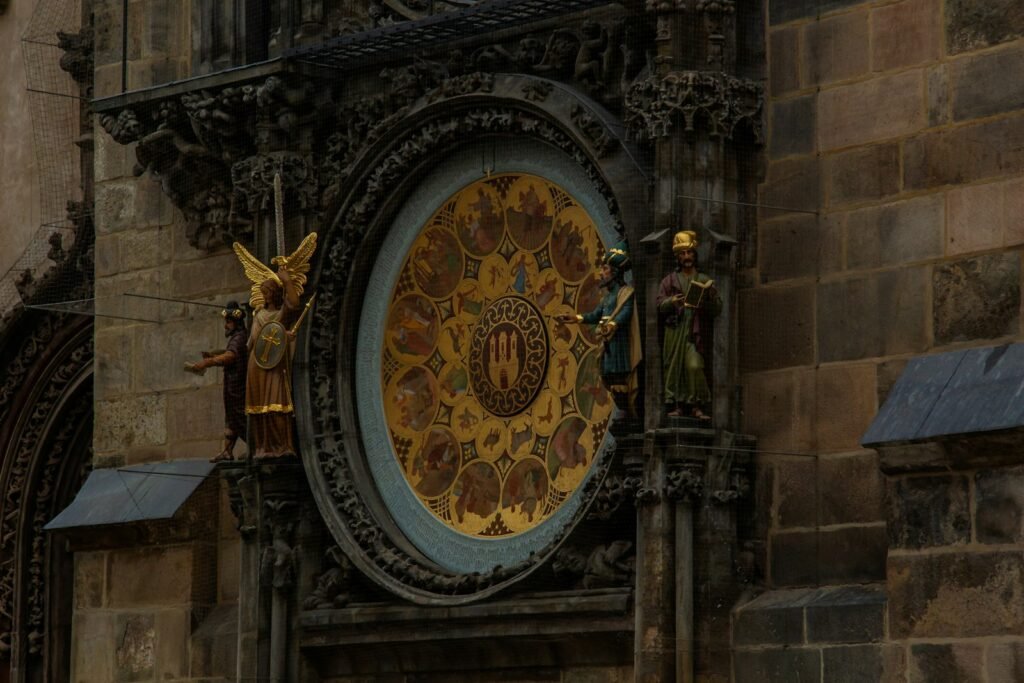

Long before algorithms and satellites claimed the job of forecasting, ancient sky-watchers were already treating the night as a data set written in stars. From Mesopotamian priests scanning the horizon to Maya astronomers tracking the slow crawl of Venus, people tried to read tomorrow in the movements of distant lights. The mystery is not that they looked up, but how astonishingly precise many of their predictions became without modern instruments. Today, archaeologists, historians, and astronomers are piecing together how these early scientists blended myth, measurement, and mathematics into powerful forecasting systems. In doing so, they’re forcing us to rethink what it means to be “advanced” and how much of our predictive science still rests on foundations poured thousands of years ago.
The Hidden Clues in the Night Sky
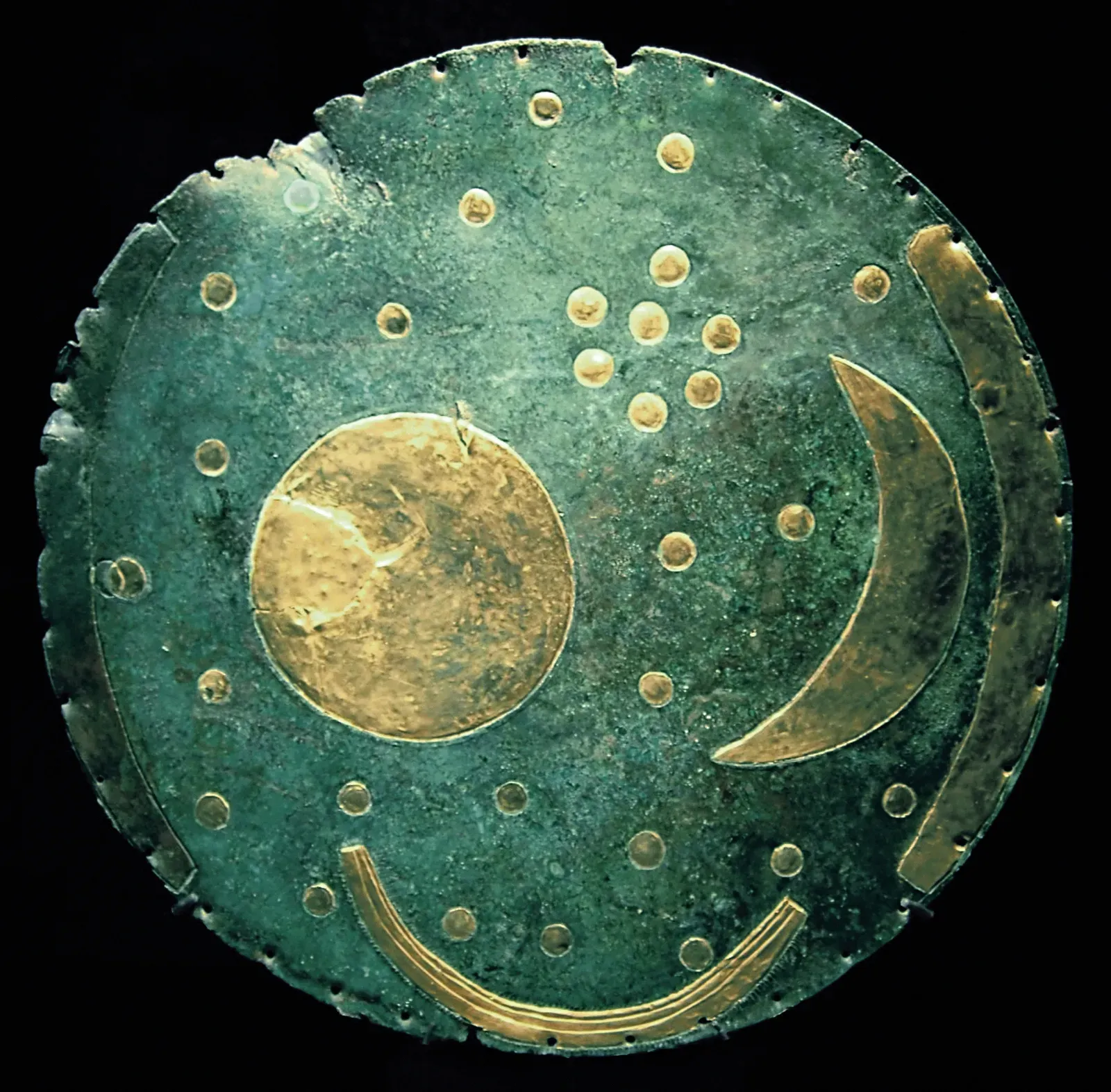
The first thing that surprises many people is how systematic ancient sky-watching really was. We often imagine priests or shamans improvising under the stars, but clay tablets, carved stones, and codices show the opposite: disciplined, repeatable observation over many generations. Mesopotamian astronomer-priests, for example, logged moonrise and planetary positions like a long-running experiment, carefully linking certain celestial configurations with events on Earth. To them, a blood-red lunar eclipse was not just an omen; it was a data point in a growing archive that connected cosmic patterns to earthly outcomes. Over centuries, those archives became a kind of proto-database used to “predict” royal successions, floods, and even the fate of empires.
These hidden clues were not only about drama and disaster; they were also about timing. Farmers used the first heliacal rising of specific stars – such as the appearance of Sirius before dawn in ancient Egypt – to anticipate seasonal flooding and planting windows. In the Andes, the visibility of the Pleiades cluster was correlated with rainfall and crop yields, allowing communities to make high-stakes decisions about sowing and storage. To modern eyes, some of this looks like superstition, but when cross-checked with modern climate and astronomical models, many of these correlations hold up remarkably well. The sky functioned as an enormous, recurring calendar and climate bulletin, and ancient cultures learned to read it with painstaking care.
From Omens to Algorithms: How Mesopotamia Turned Stars into Data
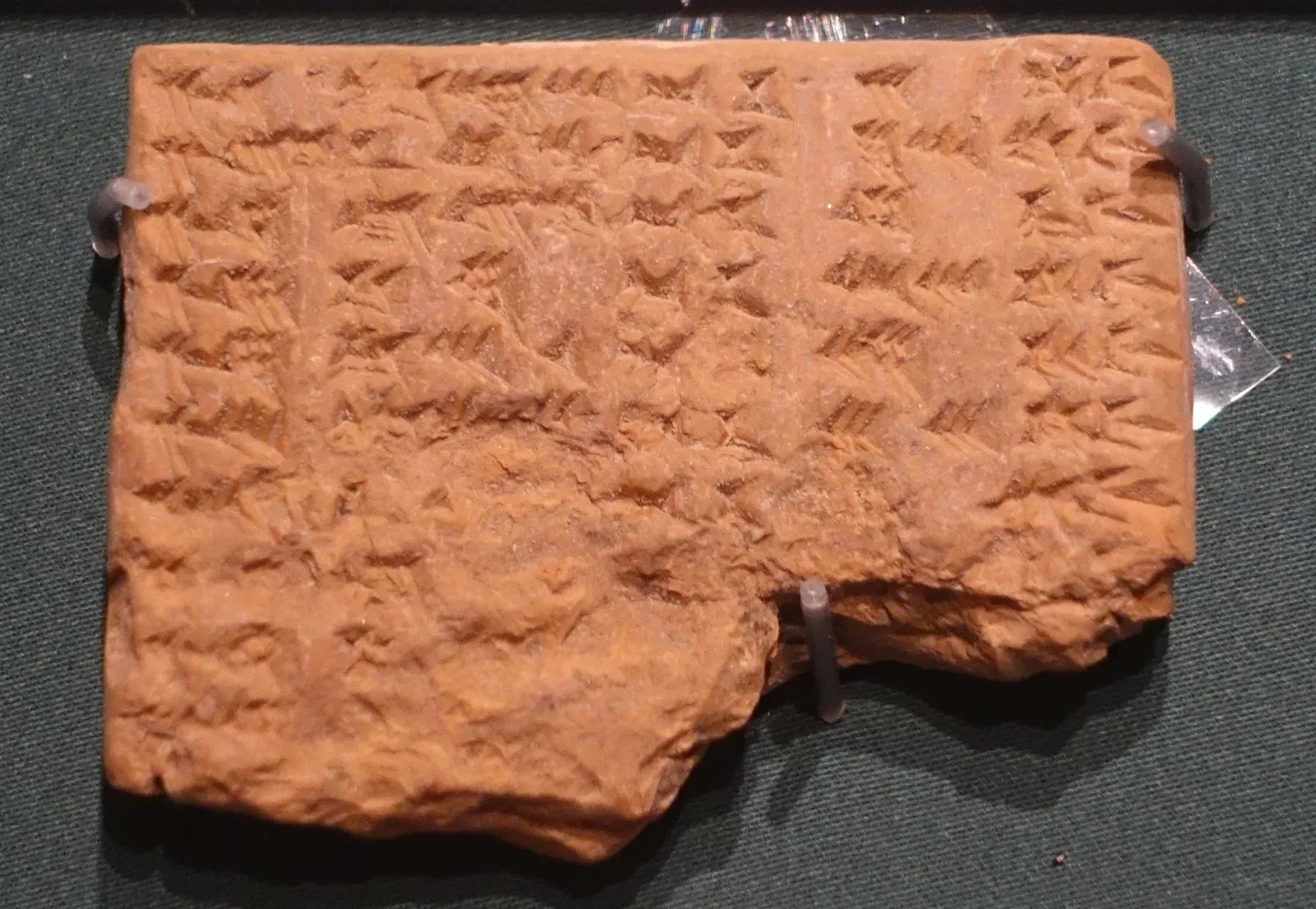
If any civilization treated the heavens like a predictive spreadsheet, it was ancient Mesopotamia. Starting more than three thousand years ago, Babylonian scholars compiled long lists of “if-then” statements connecting sky events to earthly consequences: if Jupiter is bright in this region, then the king will prosper; if an eclipse occurs in this month, then an enemy might invade. These omen catalogs were not random collections of fears but structured efforts to map patterns, compare outcomes, and refine interpretations over time. In an era without computers, these scholars essentially built a rule-based prediction engine using cuneiform tablets and human memory. Royal courts funded this work because it promised something everyone in power wants: an edge on the future.
What makes Mesopotamian astronomy especially striking is how it slowly shifted from symbolic to mathematical. By the first millennium BCE, Babylonian astronomers were using surprisingly sophisticated numerical schemes to forecast lunar and planetary positions. They could predict eclipses with enough lead time to stage elaborate rituals meant to “protect” the king from cosmic danger. To a modern scientist, the rituals may sound like noise, but the underlying calculations were signal: they required consistent measurements, geometric reasoning, and long-term record-keeping. In a sense, the omens were the user interface; beneath them lay one of the earliest forms of astronomical modeling.
Stone, Sun, and Shadow: Monumental Science in Egypt, Mesoamerica, and Beyond
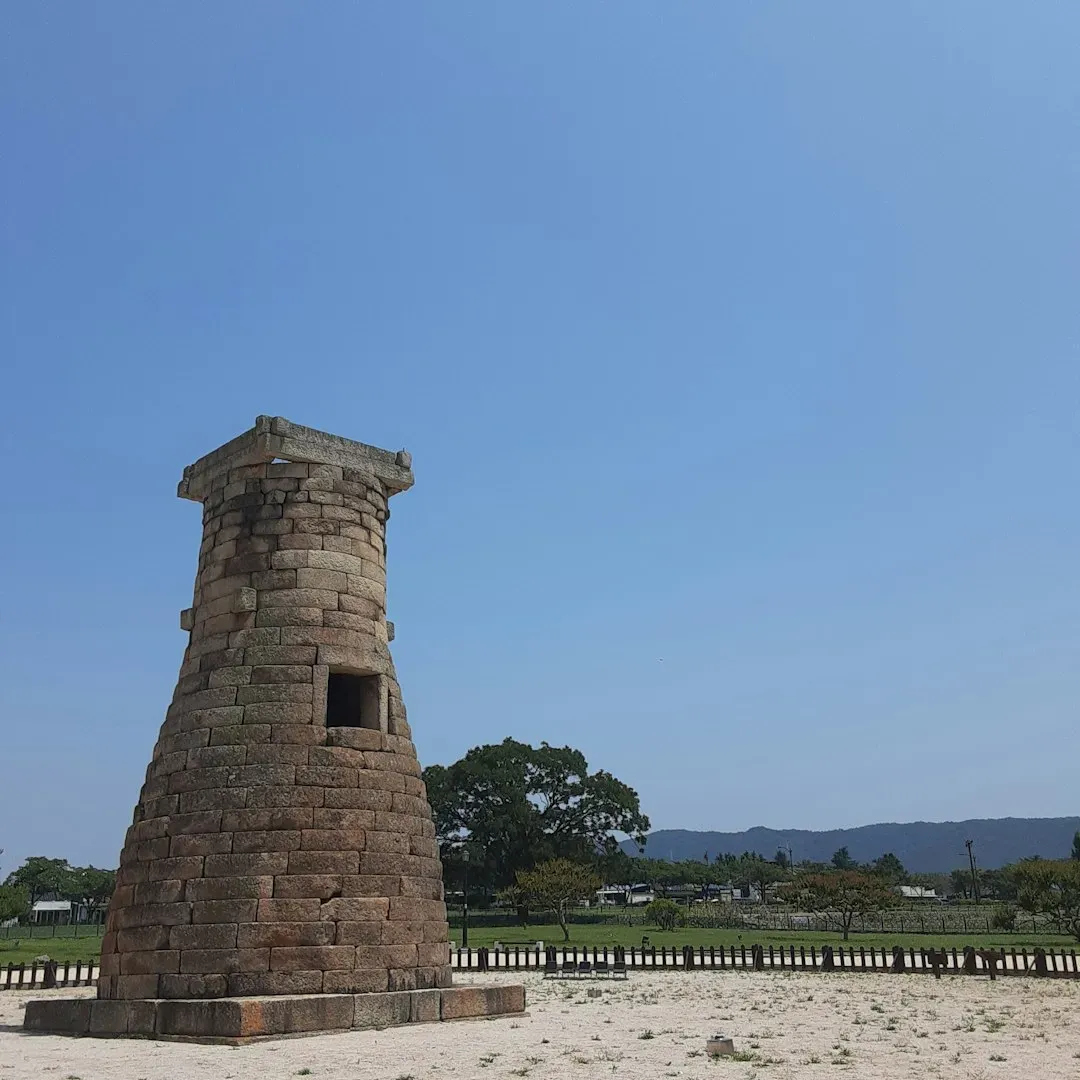
While Mesopotamians turned stars into text, other civilizations built their predictive systems into stone and shadow. In ancient Egypt, temple axes and pyramids were often aligned with solstices, cardinal directions, or key star risings, turning architecture into stable measuring devices. The annual reappearance of Sirius in the dawn sky coincided with the rising Nile, helping Egyptian planners anticipate floods that could make or break a harvest. These alignments were not accidents of aesthetics; they were the outcome of generations of trial-and-error observations checked against real environmental payoffs. The monuments doubled as scientific instruments, embedding astronomical timing into the built environment.
Across the Atlantic, Maya and other Mesoamerican cultures created observational complexes where sunlight and shadow traced out seasonal changes with remarkable precision. The Maya tracked the cycles of Venus so carefully that they could forecast its appearances and disappearances years in advance, linking these events to warfare and political decisions. In central Mexico, structures like the Caracol at Chichén Itzá or the circular observatory at Xochicalco appear tuned to specific solar and planetary events. These sites acted like open-air laboratories where priests and astronomers could verify patterns, test calendars, and refine long-count cycles. In many cases, the accuracy rivals or even surpasses what early European observers achieved centuries later.
Cosmic Calendars as Survival Tools
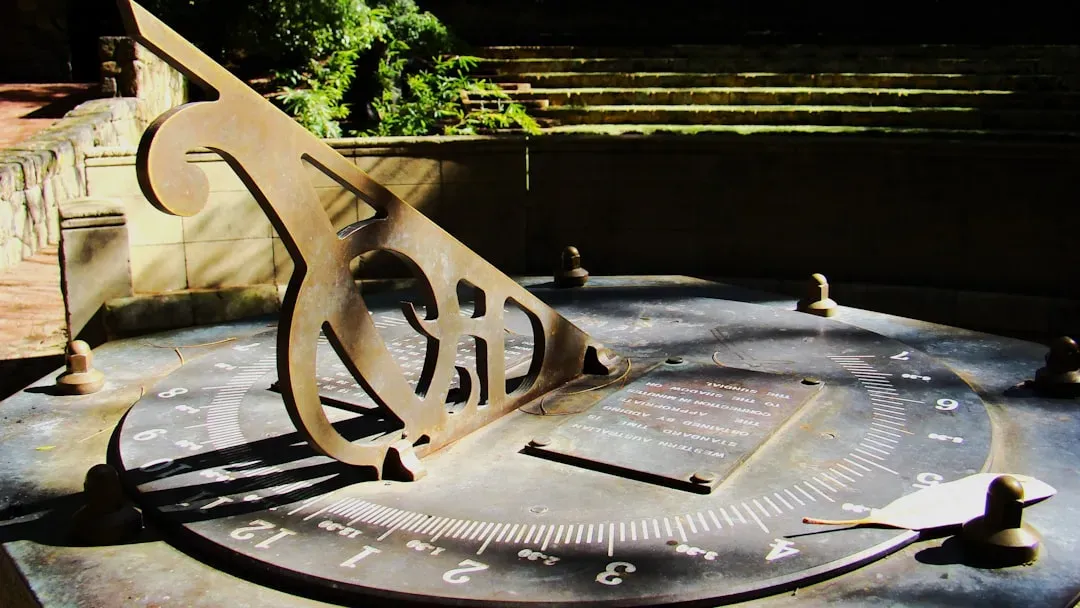
For most ancient communities, predicting the future was not an abstract intellectual game; it was about survival. If you planted too early or too late, you lost your crop and possibly your community’s entire food security for the year. By tying planting and harvesting to reliable seasonal markers in the sky, early farmers reduced uncertainty in a world with no weather apps and no written meteorological records. Stellar risings, lunar phases, and solar angles became cues in an agricultural choreography that had to stay in sync with climate cycles. These were not perfect predictions, but they were far better than guessing blindly.
There is growing evidence that some of these systems captured multi-year climate patterns as well. In the Andes, links between Pleiades visibility and future rainfall turn out to track changes in high-altitude cirrus clouds related to El Niño events. In practical terms, that meant communities could anticipate lean or generous years and adjust planting strategies or storage accordingly. A few key takeaways often cited by researchers include: star-based calendars that stabilized crop cycles, temple and monument alignments that encoded long-term solar rhythms, and ritual schedules that guided when to invest labor or conserve resources. In this way, astronomy functioned as both a practical toolkit and a cultural backbone, binding communities to shared expectations about the future.
Reading Fate: When Science and Divination Collided
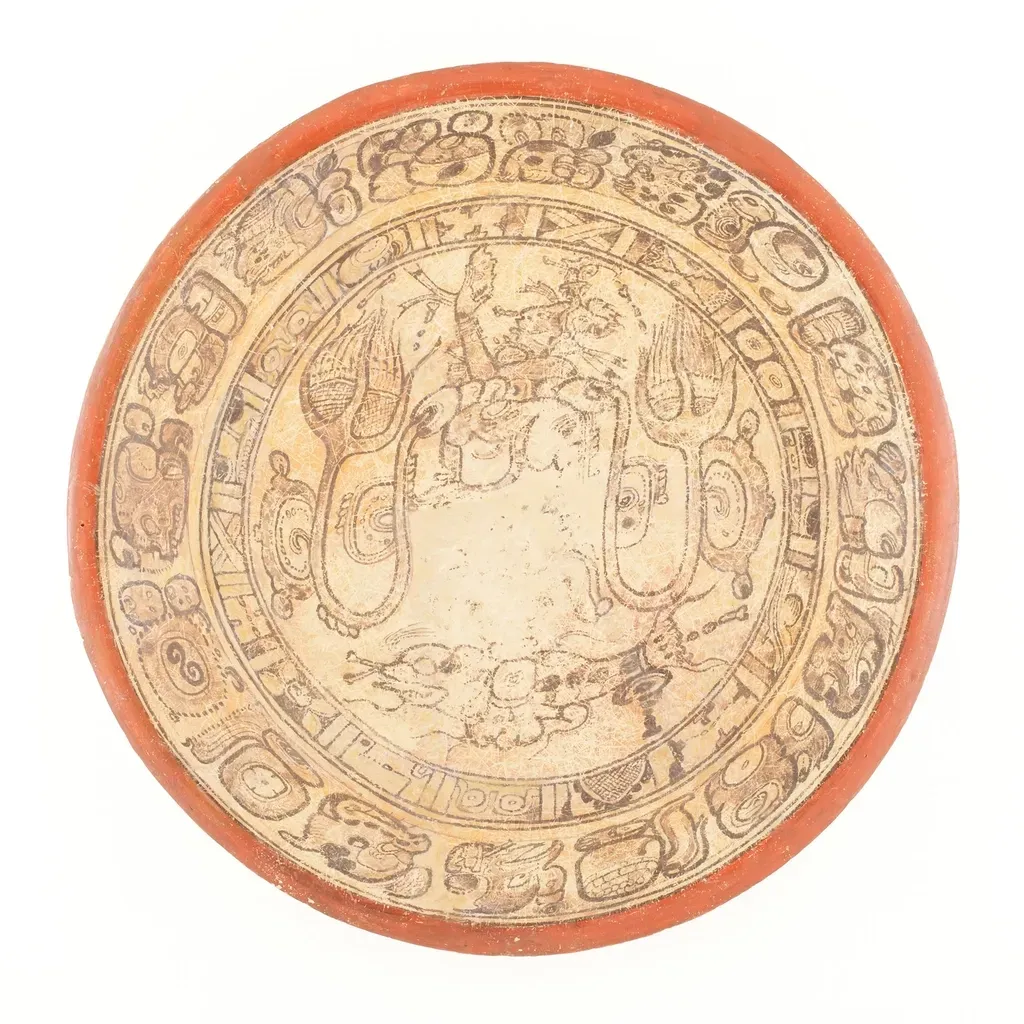
It is tempting to draw a clean line between “rational” prediction and “mystical” divination, but ancient cultures rarely saw such a divide. The same priest who computed an eclipse might also interpret it as a warning from the gods about a king’s conduct or an upcoming war. In their worldview, precise timing and sacred meaning were different layers of the same event, not competing explanations. When a comet appeared or a planet changed brightness, its physical behavior in the sky and its symbolic message to humans were both taken seriously. This blending of calculation and interpretation powered elaborate decision-making rituals at courts and in temples.
From a modern perspective, that fusion can feel contradictory, yet it reveals something important about how humans use prediction. Even today, sophisticated climate models and economic forecasts coexist with horoscopes and intuitive “gut feelings” in public life. The ancients simply expressed that coexistence more openly, wrapping their best empirical insights in stories and symbols that people could understand. Their sky-based forecasts guided treaties, construction projects, and religious reforms just as today’s models guide infrastructure planning or emergency preparedness. In other words, the emotional need to feel that the future is knowable has always traveled alongside more analytical approaches to forecasting.
Why It Matters: Ancient Methods, Modern Science
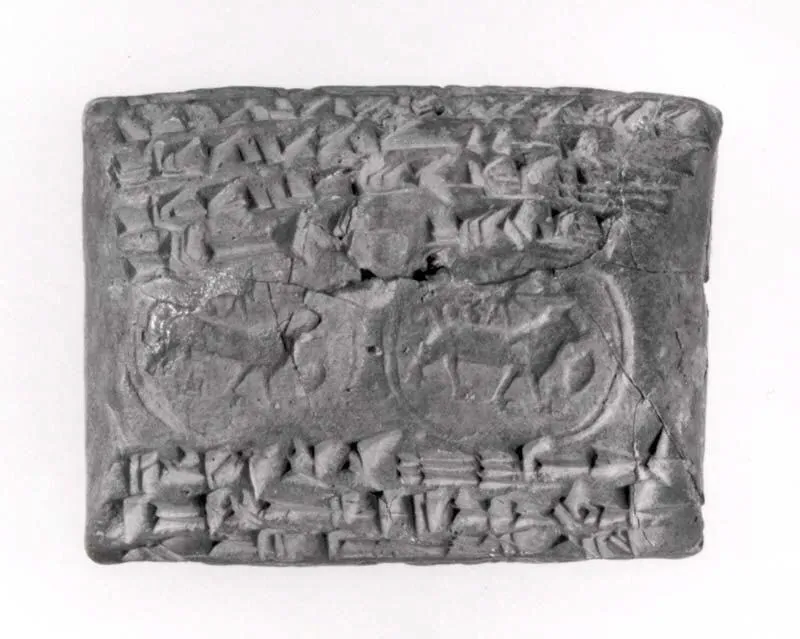
Understanding how is not just an exercise in romantic nostalgia; it directly challenges our assumptions about scientific progress. These societies lacked telescopes, calculus, and digital archives, yet they produced long-term data sets and practical models that worked well enough to underpin entire economies. When researchers decode Maya Venus tables or Babylonian eclipse cycles, they are not just reconstructing old beliefs; they are tracing the early emergence of ideas like periodicity, error correction, and model updating. These are the same concepts that underlie modern weather forecasting, orbital mechanics, and even machine learning.
Comparing ancient and modern approaches reveals telling similarities and differences. Ancient astronomers relied on naked-eye observations and often tied predictions to elite interests, such as the fate of a dynasty, whereas modern scientists use distributed sensors and aim for broader public benefit. Yet both face the same core challenge: finding patterns in noisy data and estimating what comes next. Modern physicists have even found that some Babylonian methods for tracking planetary motion resemble geometric approaches later formalized in Greek and European science. Recognizing this continuity reframes ancient sky-watchers not as curiosities, but as early colleagues in a very long-running project to understand and anticipate our world.
Global Perspectives: Many Skies, Many Sciences
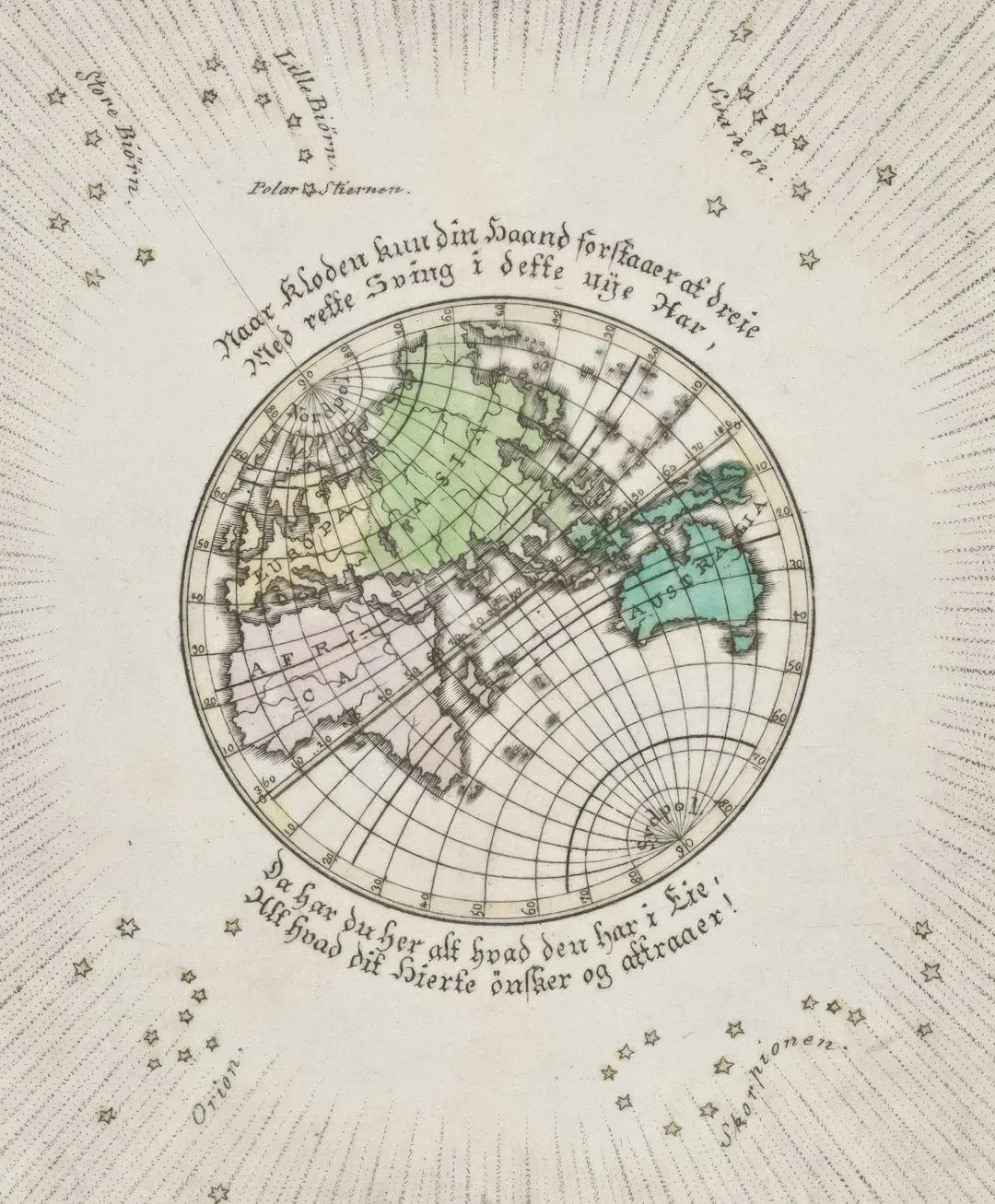
One of the most striking patterns in the archaeological record is how widespread sky-based prediction really was. In China, court astronomers developed detailed star catalogs and eclipse prediction methods that were crucial for imperial legitimacy and calendar reform. In Polynesia, navigators learned to read stellar patterns and swells so precisely they could cross vast ocean distances, essentially predicting landfall using an embodied form of astronomical knowledge. In India, complex lunar and planetary cycles were woven into calendrical systems that guided religious festivals, agriculture, and social life. The result is a patchwork of distinct but conceptually related sciences of the sky.
Despite their differences, these traditions show similar instincts: long-term record-keeping, attention to cycles, and an effort to turn repeated patterns into usable forecasts. They also demonstrate that scientific thinking does not belong to any one culture or era; it emerges wherever people have the patience to watch and the courage to draw conclusions. For modern researchers, comparing these systems side by side helps identify which astronomical patterns are most salient to humans and how cultural values shape what counts as a “successful” prediction. It also highlights how much knowledge was lost or sidelined during periods of colonization, religious upheaval, or rapid modernization. Recovering and respecting these global traditions adds missing chapters to the story of science itself.
Looking Ahead: New Technologies Meet Very Old Questions
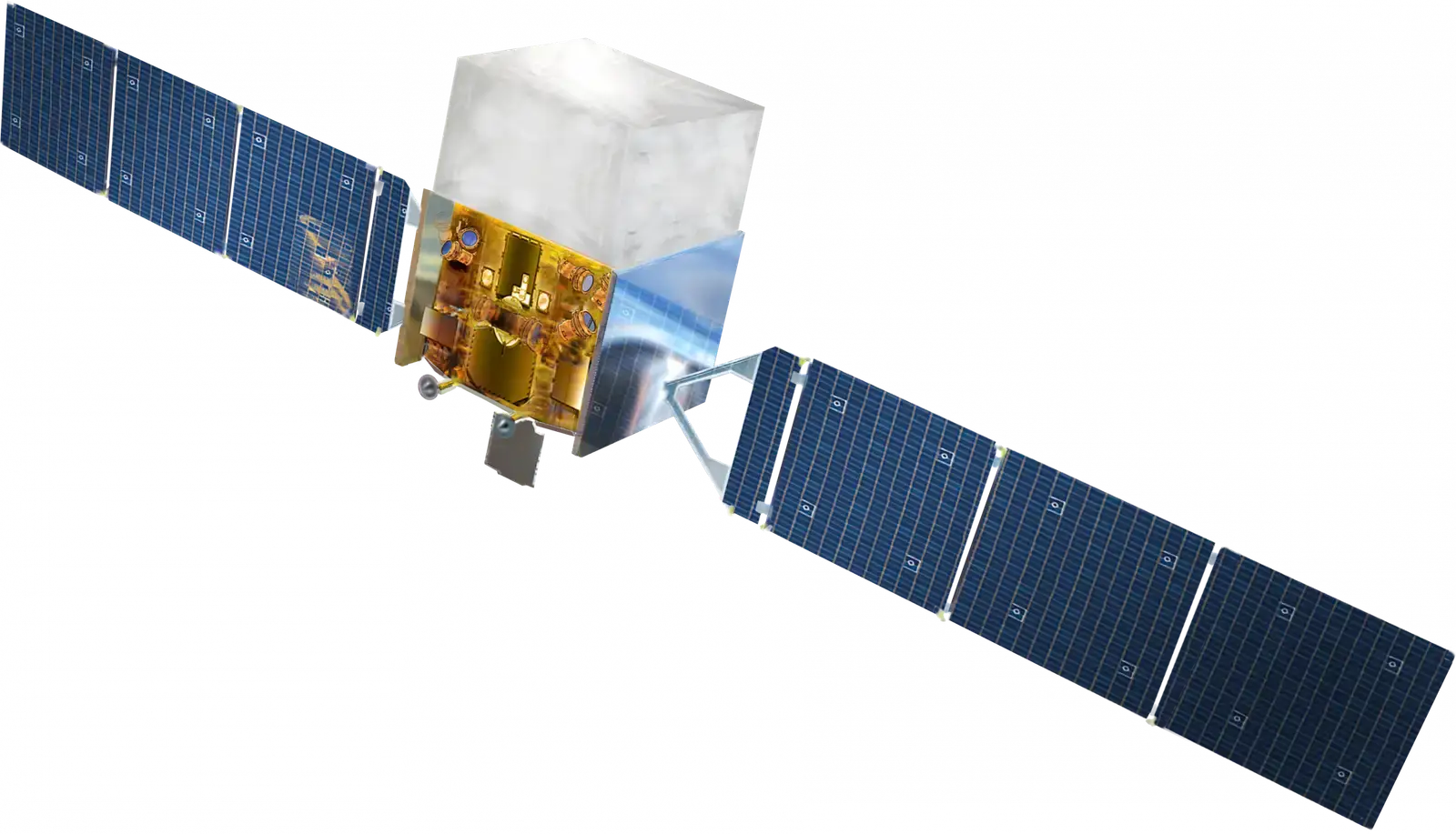
Even as we launch space telescopes and deploy artificial intelligence to scan the cosmos, the questions driving ancient sky-watchers have not really changed. We still want to know when the rains will come, whether our infrastructure can survive the next storm, and how stable our planetary home truly is. What has changed is the toolkit: satellite constellations, high-resolution climate models, and machine learning algorithms now make it possible to detect subtle patterns in atmospheric and orbital data that no naked eye could catch. In a sense, we are extending the same impulse that guided Babylonian and Maya observers, but at scales and speeds they could not have imagined.
Some researchers are even using modern data science to reinterpret ancient records themselves, cross-referencing old eclipse tablets or codices with precise orbital simulations. This work does more than tidy up the historical record; it tests the accuracy of early observations and sometimes refines our own solar system models. At the same time, there are real challenges: overreliance on complex algorithms can make predictions feel opaque, and climate change is disturbing some of the very seasonal patterns humans relied on for millennia. The global implications are immense, from food security to disaster preparedness and space weather forecasting that protects satellites and power grids. The future of prediction may be high-tech, but it is walking a path first marked out with simple sightlines and patient notes on clay and stone.
How You Can Engage with the Sky’s Long Memory
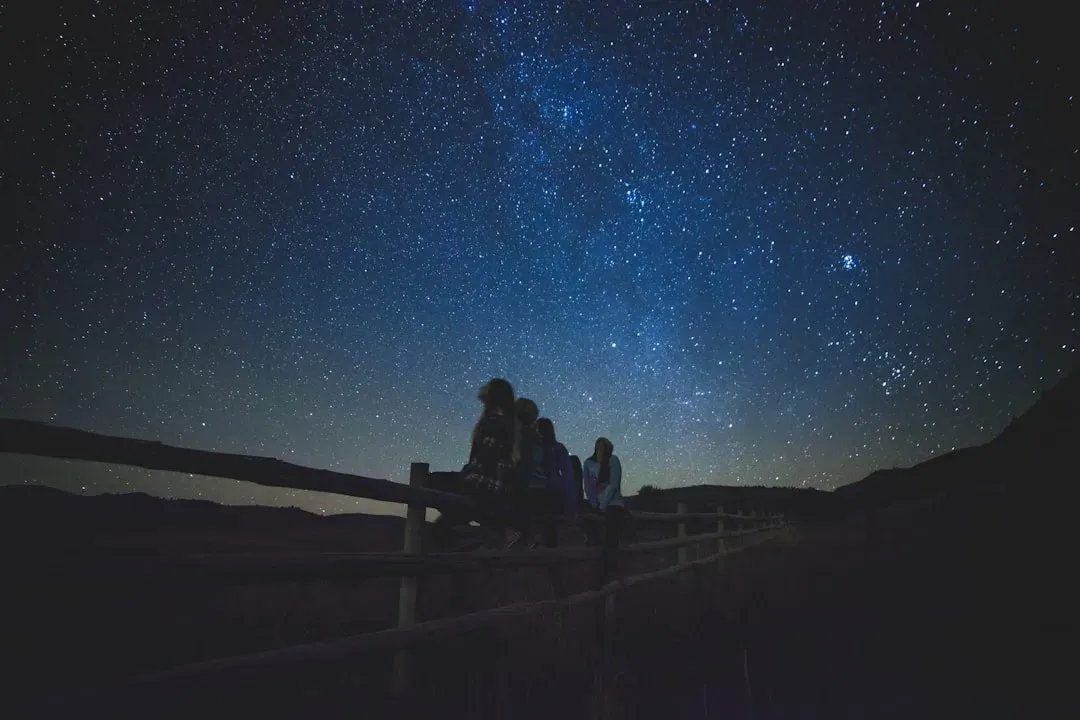
Engaging with this legacy of sky-based prediction does not require a degree in astrophysics or access to an observatory. One of the simplest steps is to start paying attention to the sky yourself: note the phases of the moon, the changing positions of bright planets, or the dawn and dusk lengthening and shortening over the year. Keeping even a modest sky journal for a season can give you a new appreciation for how much information is encoded in everyday celestial changes. Visiting local planetariums, science museums, or archaeological sites with known alignments can deepen that awareness and connect it to specific cultures and histories. Many institutions now highlight Indigenous and ancient astronomical knowledge alongside modern astrophysics, inviting visitors to see these traditions as complementary rather than competing.
There are also more active ways to support the science that continues this long story. You can participate in citizen science projects that track meteor showers, light pollution, or variable stars, helping astronomers refine models with distributed observations. Supporting dark-sky initiatives protects both modern research and the ability of future generations to experience a star-filled night similar to what ancient observers saw. Even small choices – such as shielding outdoor lights or attending local talks on archaeoastronomy or climate science – help keep these conversations alive. In the end, the most powerful engagement may be a simple shift in perspective: recognizing that when you look up and wonder what tomorrow will bring, you are joining a human conversation that has been unfolding under the same sky for thousands of years.
Suhail Ahmed is a passionate digital professional and nature enthusiast with over 8 years of experience in content strategy, SEO, web development, and digital operations. Alongside his freelance journey, Suhail actively contributes to nature and wildlife platforms like Discover Wildlife, where he channels his curiosity for the planet into engaging, educational storytelling.
With a strong background in managing digital ecosystems — from ecommerce stores and WordPress websites to social media and automation — Suhail merges technical precision with creative insight. His content reflects a rare balance: SEO-friendly yet deeply human, data-informed yet emotionally resonant.
Driven by a love for discovery and storytelling, Suhail believes in using digital platforms to amplify causes that matter — especially those protecting Earth’s biodiversity and inspiring sustainable living. Whether he’s managing online projects or crafting wildlife content, his goal remains the same: to inform, inspire, and leave a positive digital footprint.