
Every few months, a new study or discovery pops up that forces us to ask a simple, unsettling question: how much did the ancients really know? We like to assume that our age is the peak of human intelligence and innovation, but the deeper archaeologists dig, the more complicated that story becomes. From precise stonework to complex medicines and proto-computers, the past starts to look a lot less primitive than most of us were taught in school.
This doesn’t mean there were secret smartphones in the pyramids or forgotten spaceports in the jungle. But it does mean that many ancient societies mastered forms of technology, engineering, and scientific thinking that feel surprisingly modern. In some areas, we’re not so much inventing new things as we are catching up, refining, and finally understanding what earlier civilizations were doing with their tools, their minds, and the limited resources they had.
Ancient Engineering: When “Primitive” Builders Outperformed Modern Machines

Stand in front of a precision-cut stone block at an ancient temple and it’s hard not to feel a jolt of disbelief. How did people without power tools, steel cranes, or GPS align giant stones so perfectly that a piece of paper can’t fit between them? Structures like the Great Pyramid of Giza, the Roman Pantheon, or the megaliths at Sacsayhuamán in Peru show a level of planning and execution that would challenge modern construction teams even with advanced equipment.
Today, engineers run computer simulations to figure out load-bearing stress, thermal expansion, and long-term stability. Yet some ancient constructions have survived thousands of years of earthquakes, floods, and weathering with barely a crack, while many modern buildings struggle to last a single century. The more we study their methods – like interlocking stones, earthquake-resistant foundations, and clever weight distribution – the more it feels like we’re reverse-engineering old blueprints rather than starting from scratch.
Lost Medical Knowledge: Herbal Science, Surgery, and Microbes Before Microscopes

It’s easy to imagine ancient medicine as pure superstition, but surviving texts and archaeological evidence tell a very different story. In several early cultures, physicians were already performing complex surgeries, using antiseptic substances, and cataloging plants with specific healing effects. Some ancient medical papyri describe treatments and observations that look surprisingly close to modern clinical notes, including ways to set fractures or manage infections.
Even more surprising, chemical tests on ancient residues and skeletal remains have revealed that people were using painkillers, anti-inflammatory compounds, and even forms of antibiotics long before the age of laboratories. They did it without germ theory, microscopes, or randomized trials, relying instead on sharp observation and slow, empirical learning over generations. Modern pharmacology has rediscovered and refined many of these plant-based remedies, but the basic insight – that nature held a pharmacy waiting to be explored – was already there.
Ancient Astronomy: Stone Observatories and Cosmic Calculations

Long before anyone built a telescope, humans were mapping the sky with a level of patience and precision that most of us can barely imagine. Ancient observatories – sometimes little more than carved stones or aligned pillars – were used to track solstices, eclipses, and planetary movements over incredibly long periods. These weren’t just pretty sky shows; they were practical tools for agriculture, navigation, and ritual life.
In some civilizations, astronomer-priests were able to predict celestial events with a consistency that fascinates modern scientists. They developed mathematical systems to follow the cycles of the moon, Venus, and other planets, often with extremely small margins of error. Today we use satellites and supercomputers to model the heavens, but many of the basic ideas – cyclical patterns, long-term tracking, and precise measurement – were being explored by people whose only instruments were their eyes, simple tools, and sheer persistence.
Water Management and Environmental Engineering: Ancient Solutions to Modern Crises
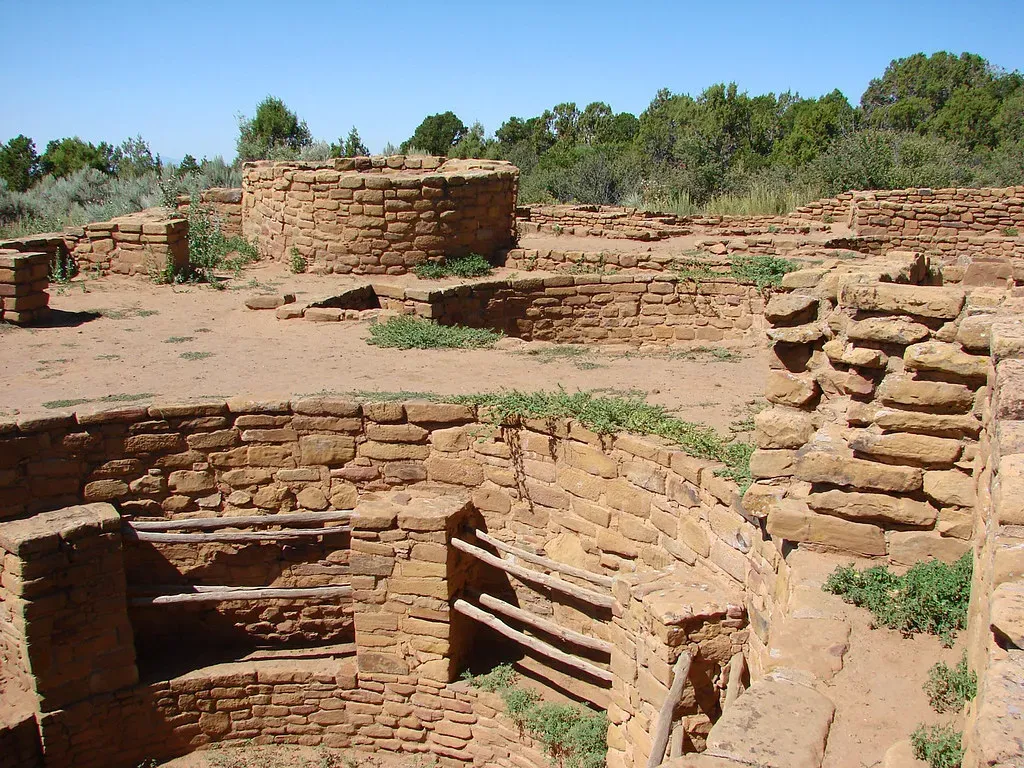
Water scarcity, flooding, and soil exhaustion feel like very modern problems, but ancient societies were grappling with them thousands of years ago. Instead of relying on fossil-fuel machinery, they designed gravity-fed canals, underground aqueducts, and terraced hillsides that could capture, store, and deliver water with almost elegant simplicity. Some of these systems were so well-designed that they remained in use for centuries without major overhauls.
In certain regions, archaeologists and engineers are now actively studying and reviving ancient irrigation and water-harvesting techniques to deal with climate change. Things like stepwells, qanats, and rainwater-catching earthworks are being reintroduced because they are low-energy, sustainable, and surprisingly efficient. It’s a humbling reversal: modern planners are turning to long-forgotten designs not out of nostalgia, but because those designs work, sometimes better than our high-tech but fragile infrastructure.
Ancient Materials Science: Concrete, Steel, and Glass That Outlast Us
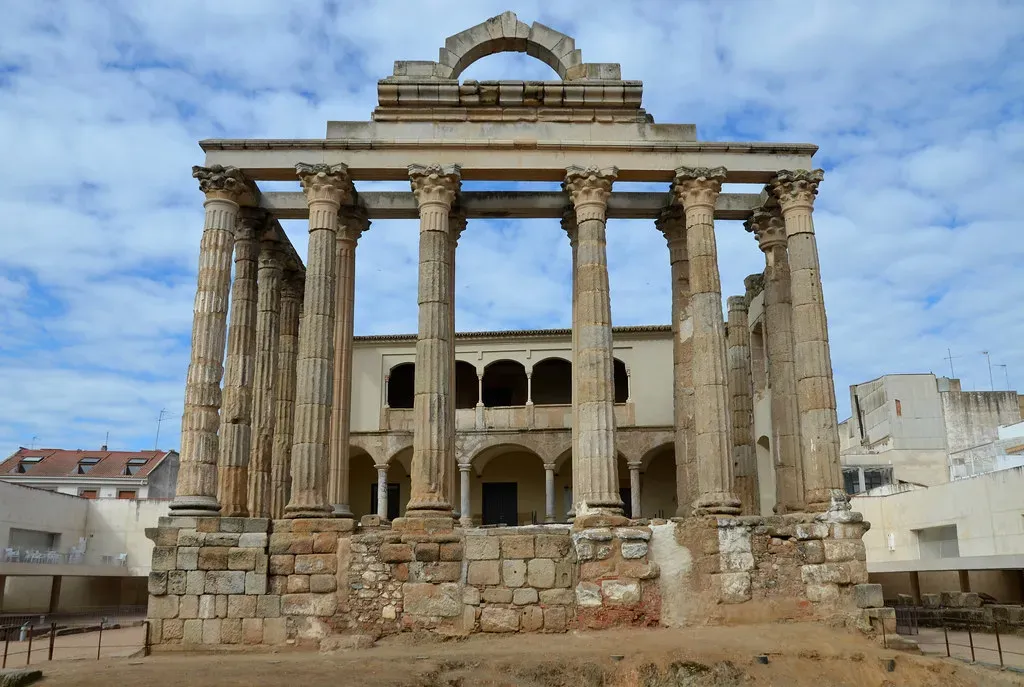
One of the more ironic discoveries of recent years is that some ancient building materials outperform their modern counterparts. Roman concrete, for example, often becomes stronger over time instead of cracking and crumbling. Analyses of ancient samples have shown that specific volcanic ash mixtures and crystal formations help self-heal micro-fractures, giving structures astonishing durability in harsh marine environments.
Likewise, early metallurgists in parts of Asia and the Middle East produced forms of steel and glass that required astute control of temperature and chemistry. They didn’t have digital thermometers or industrial furnaces, but they still hit the right combinations by iterating, observing, and passing knowledge down through craft traditions. Modern materials science is now dissecting these old recipes, sometimes to inspire new generations of robust, low-energy materials that echo what our ancestors already figured out by hand.
Proto-Computers and Analog Devices: When Calculation Was Carved, Not Coded
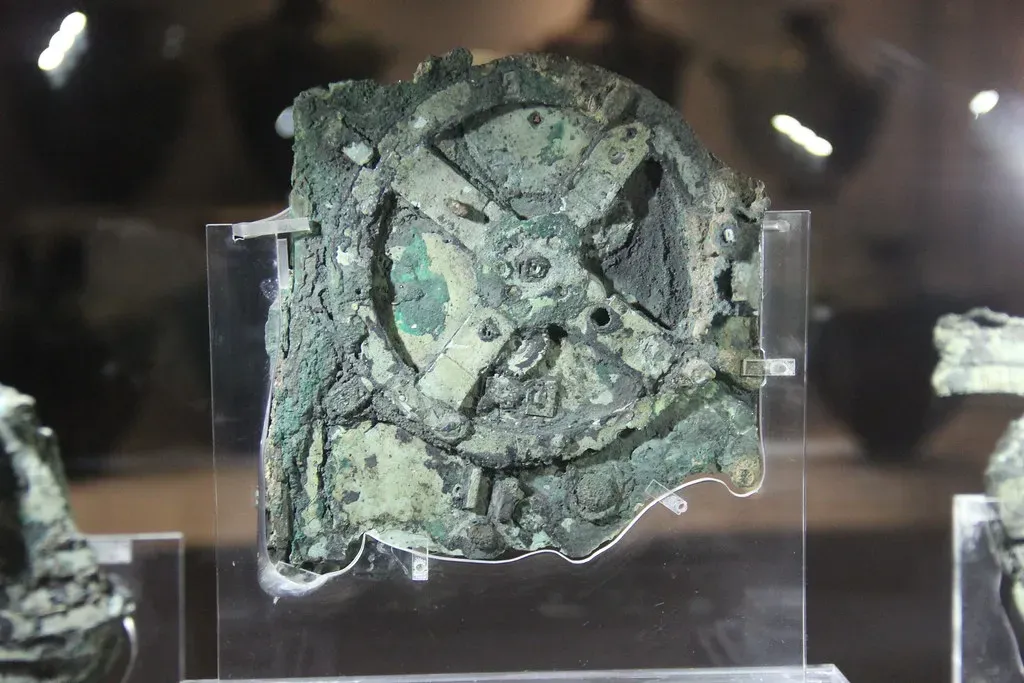
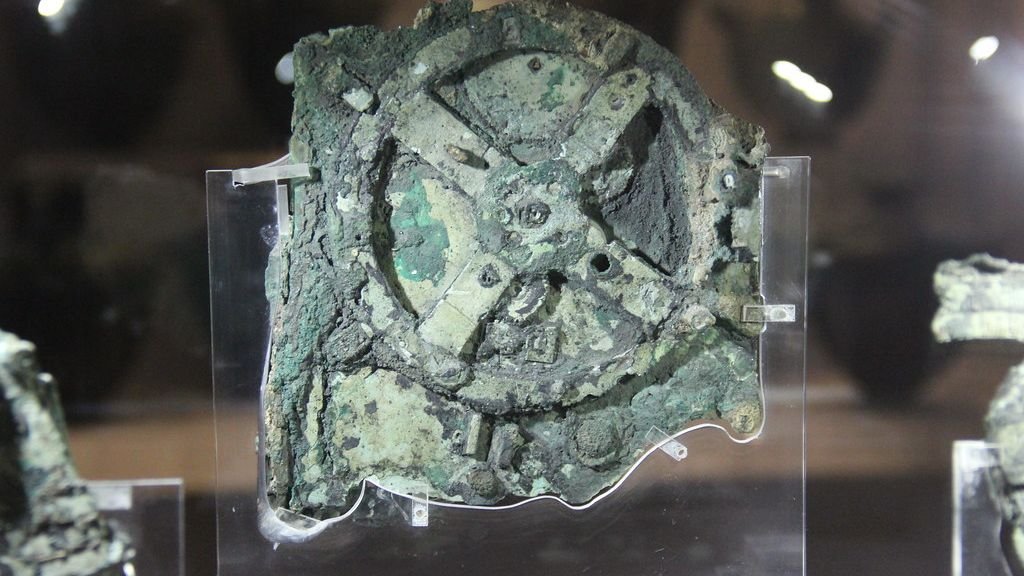
Finding an ancient device that behaves like an analog computer feels almost like stumbling onto a prop from science fiction. Yet that’s essentially what happened with discoveries like the Antikythera mechanism, a complex gear-driven instrument used to model celestial motions. It revealed a tradition of mechanical calculation that was far more advanced than many historians expected for its time.
And it wasn’t alone in spirit, even if it was rare in survival. Across different cultures, people built intricate calendars, counting systems, and mechanical aids to track time, trade, and the sky. Today, when we picture computing, we think in terms of code and silicon chips, but at the heart of it all is the same idea: turn patterns into something you can predict, store, and manipulate. Ancient engineers were already playing that game, just with wood, metal, and clever gear trains instead of plastic and electricity.
Knowledge Networks: Libraries, Oral Traditions, and the Fragility of Genius
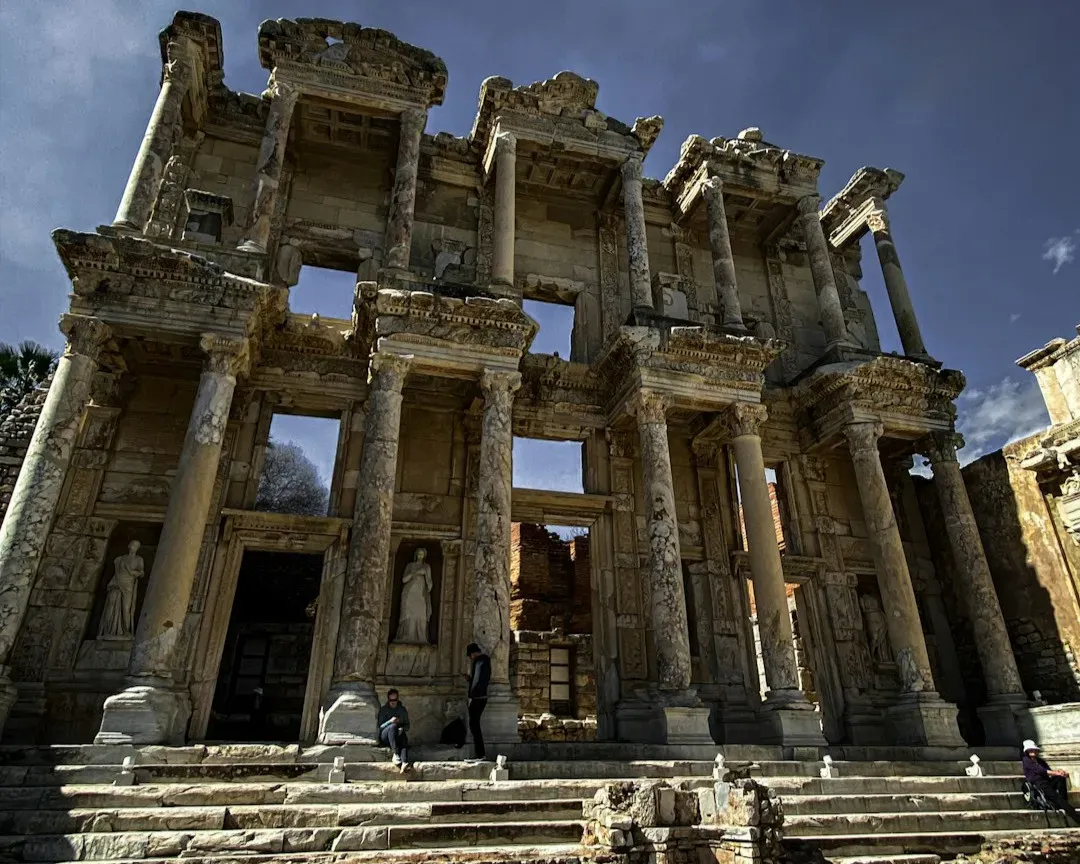
One of the most sobering lessons from ancient technology is how fragile knowledge really is. Civilizations built great libraries, complex script systems, and networks of scholars long before printing presses or the internet existed. Yet fires, wars, and slow neglect erased vast amounts of accumulated insight, leaving us with only fragments of what they once knew about math, medicine, engineering, and philosophy.
Oral traditions also carried technical information – like how to sail across open oceans or manage complex agricultural calendars – through stories, songs, and rituals. When those communities were disrupted or replaced, the knowledge often vanished with them. In a way, what we call “rediscovery” is sometimes just piecing together the scattered remains of intellectual worlds that were once robust and everyday. It raises an uncomfortable but necessary question: how confident can we be that our own age is immune to the same kind of forgetting?
The Past Was Not Stupid, and the Future Isn’t Guaranteed

When we step back and look at the broader picture, a pattern emerges: ancient civilizations were not primitive minds fumbling in the dark, but sharp, inventive problem-solvers working with the tools they had. In fields like engineering, medicine, astronomy, and materials, they reached solutions that we are only now fully understanding or finally learning to appreciate. Our satellites and smartphones may be new, but the drive to experiment, refine, and pass on useful tricks is as old as humanity itself.
Instead of viewing history as a straight, upward line of progress, it makes more sense to see it as a series of rises, crashes, and partial recoveries of knowledge. Some of what we now call cutting-edge has roots that stretch deep into forgotten workshops, temples, fields, and observatories. The real question might not be how advanced they were, but how much we are willing to learn from them before we repeat their mistakes – what do you think we’re still overlooking?