

Every few months, a new study pops up that sounds almost unbelievable: ancient farmers bred crops with surgical precision, builders oriented temples with astronomical accuracy, and doctors in dusty, pre-modern clinics performed procedures that look oddly familiar to a twenty-first-century surgeon. It’s tempting to shrug and say they “got lucky,” but the closer you look, the harder that explanation is to swallow. These people weren’t guessing in the dark; they were building knowledge, one careful observation at a time.
Modern science has powerful tools, from particle accelerators to space telescopes, but it also has a blind spot: we often treat anything “ancient” as primitive until proven otherwise. That attitude doesn’t just disrespect the past; it makes us slow to see patterns that have been staring us in the face for thousands of years. When you look at ancient engineering, medicine, astronomy, and even climate strategies, a strange feeling creeps in: we’re not just moving forward; in some areas, we’re circling back.
Ancient Megastructures And The Return Of Lost Engineering
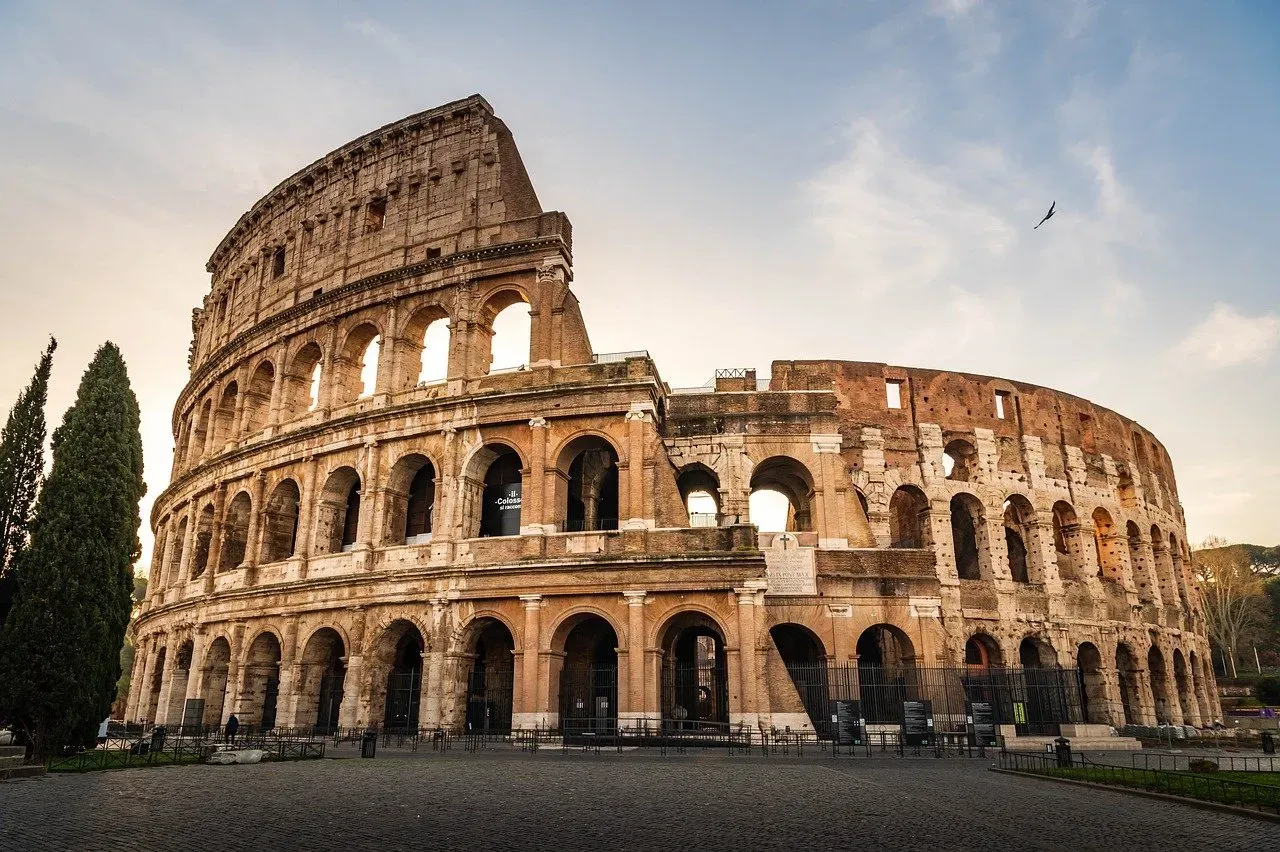
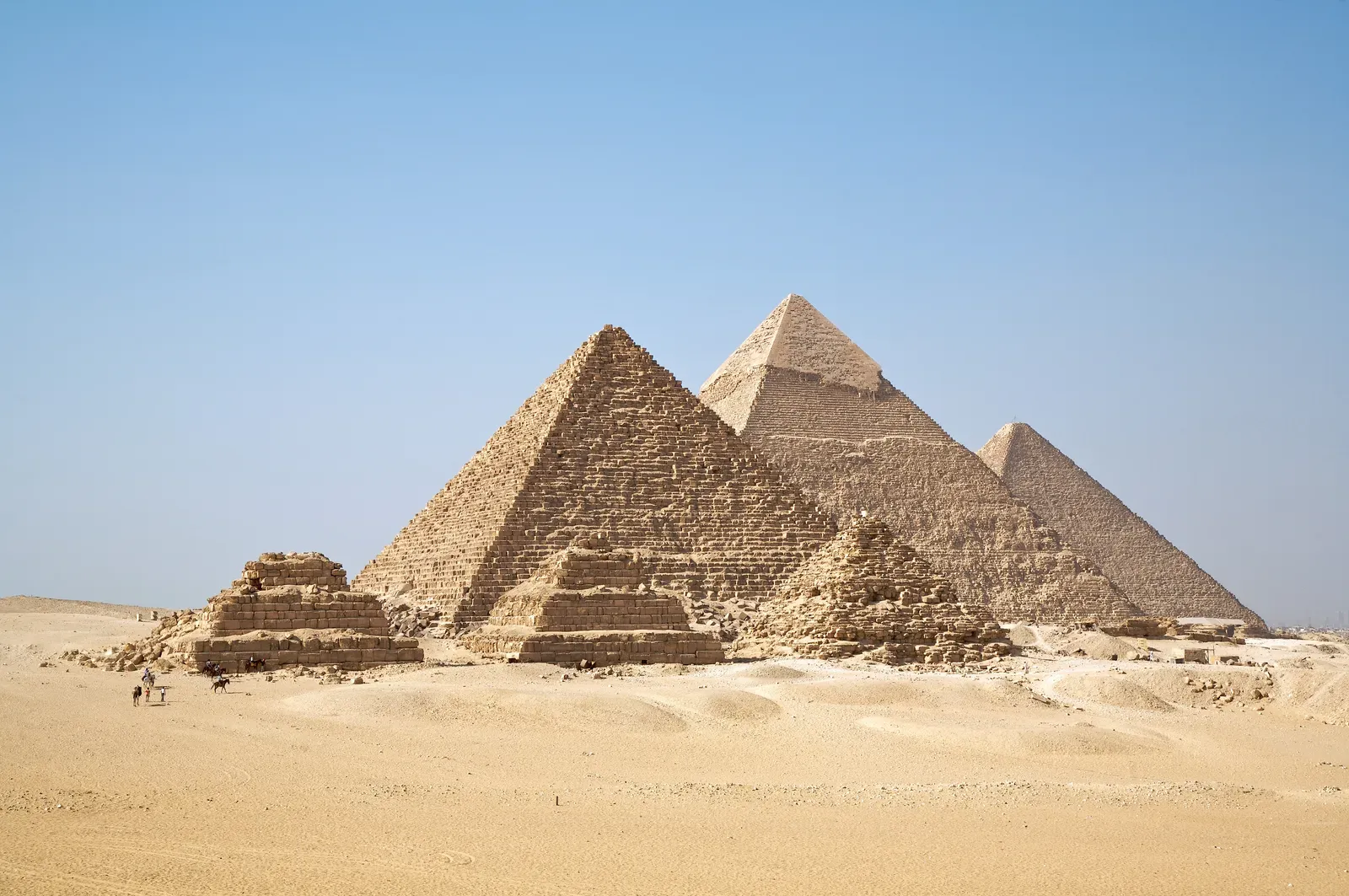
Stand in front of an ancient pyramid, a Mayan observatory, or a Roman aqueduct, and you feel something slightly unsettling: with almost no machines, they built things we’d struggle to replicate from scratch today. Modern engineers are increasingly realizing that many of these structures weren’t just big; they were exquisitely optimized for stability, heat control, and orientation. The Great Pyramid’s base is astonishingly level, its sides closely aligned to the cardinal directions, and its blocks joined with such precision that even a sheet of paper sometimes can’t squeeze between them.
Researchers studying Roman concrete had a similar shock. For years, we assumed it was simply a cruder ancestor of our own cement, until analyses showed it behaves in a remarkably self-healing way, with volcanic ash and lime forming minerals that seal cracks over time. Today, materials scientists are actively trying to replicate and improve on this ancient mix because it could help reduce the enormous environmental footprint of modern concrete. In other words, a “primitive” recipe might hold the key to more durable cities and a lower-carbon future.
Medicine, Surgery, And Herbal Wisdom Re-Entering The Lab

Flip through modern medical textbooks and you’ll find detailed sections on plants first cataloged by healers thousands of years ago. For centuries, ancient medical texts from regions like India, China, Egypt, and Greece were treated as folklore, helpful for cultural history but not real science. Yet when pharmacologists started testing these remedies with rigorous methods, patterns appeared: a surprising number of herbs and preparations had measurable antibacterial, anti-inflammatory, or pain-relieving effects that align with their traditional uses.
Archaeologists have also uncovered physical evidence of sophisticated medical techniques that fit eerily well with modern knowledge. Skulls from prehistoric and ancient cultures show signs of trepanation – holes drilled or cut into the skull – with clear indications of bone healing, meaning people actually survived the procedure. Some ancient surgical manuals describe suturing, cauterization, and wound care that echo current best practices. We’re not simply “proving” that old remedies worked; we’re discovering that generations of trial-and-error produced complex medical systems long before modern hospitals existed.
Ancient Astronomy: Mapping The Heavens Without Telescopes
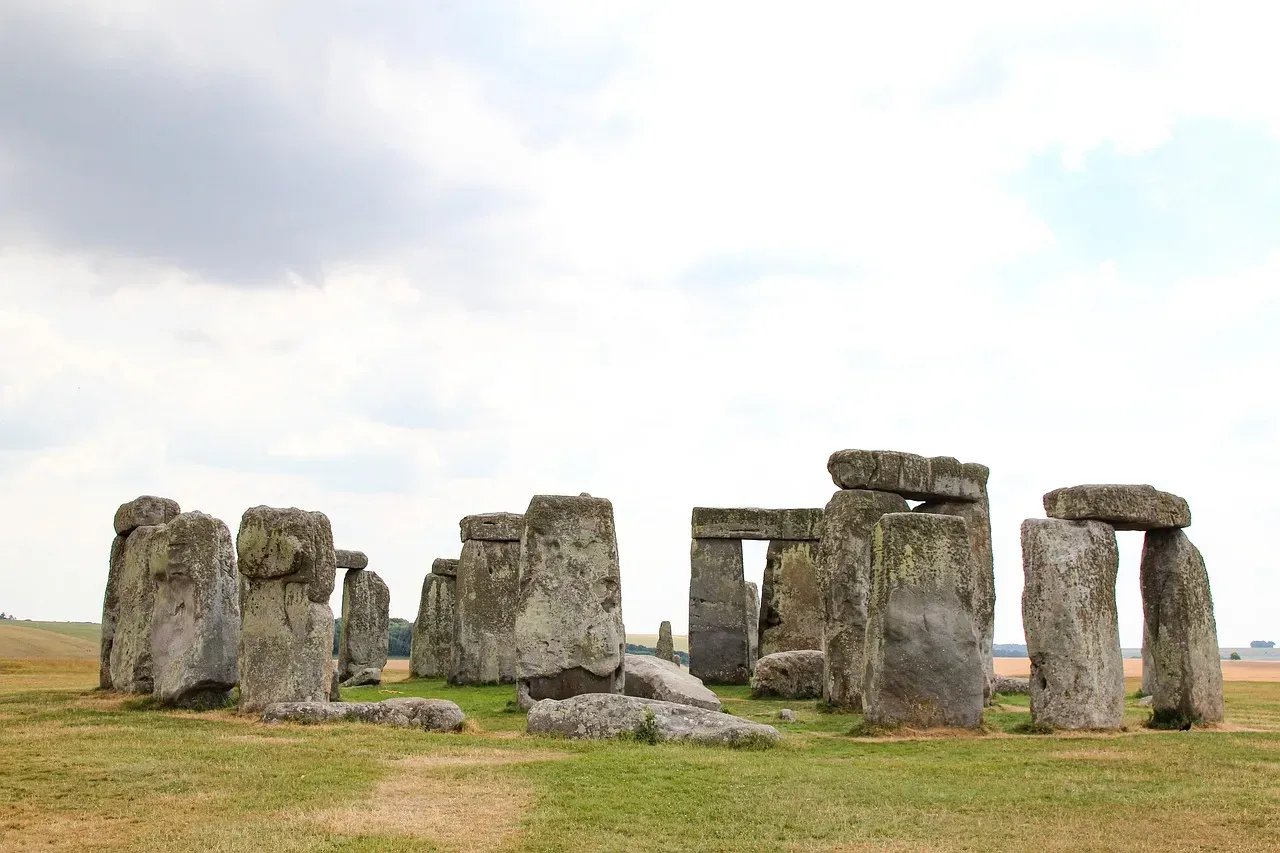
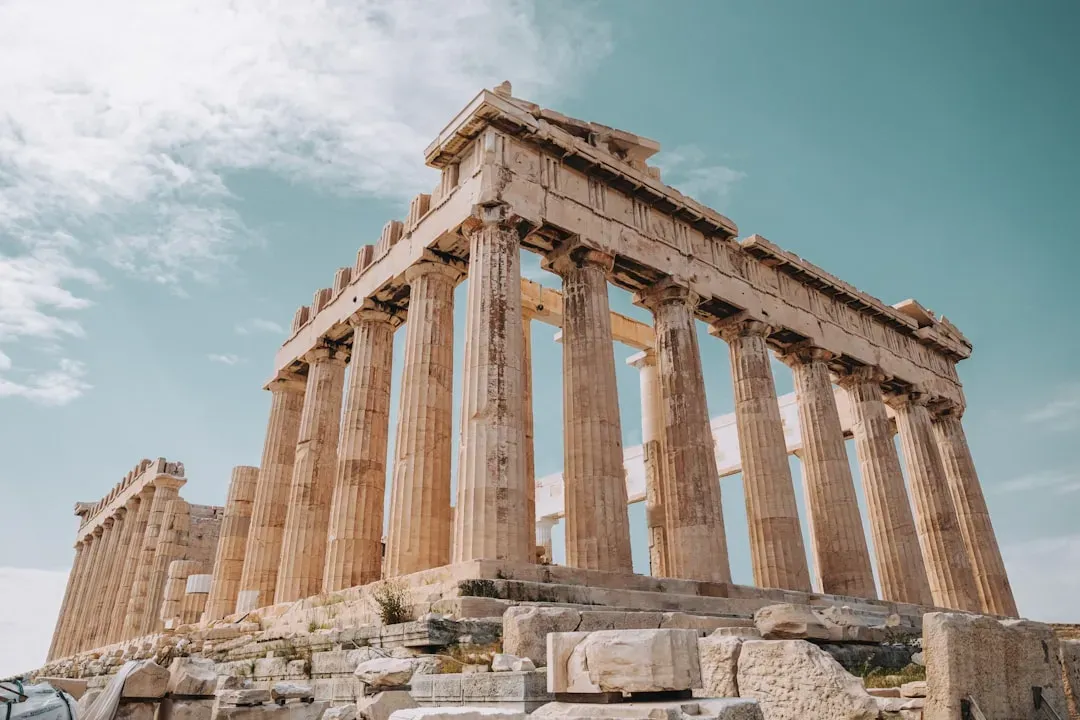
Long before anyone launched a satellite, ancient observers were mapping the sky with an accuracy that still surprises astronomers. Megalithic sites, Mayan temples, Egyptian structures, and countless other monuments across the globe are aligned with solstices, equinoxes, lunar standstills, and star risings in ways that are too consistent to be accidents. These alignments required long-term observations, patient record-keeping, and a deep understanding of seasonal cycles that borders on obsessive.
Modern astrophysics uses complex models to track precession – the slow wobble of Earth’s axis over thousands of years – yet some ancient systems clearly encoded this shifting sky into their calendars and myths. That doesn’t mean they “knew” astrophysics in the way we define it, but it suggests they recognized long cycles well beyond a single human lifetime. Today, as astronomers reconstruct historical sky maps to better understand climate events, eclipses, and even volcanic eruptions, those old records and stone alignments are proving to be far more than just ritual decoration.
Mathematics, Geometry, And The Art Of Practical Precision
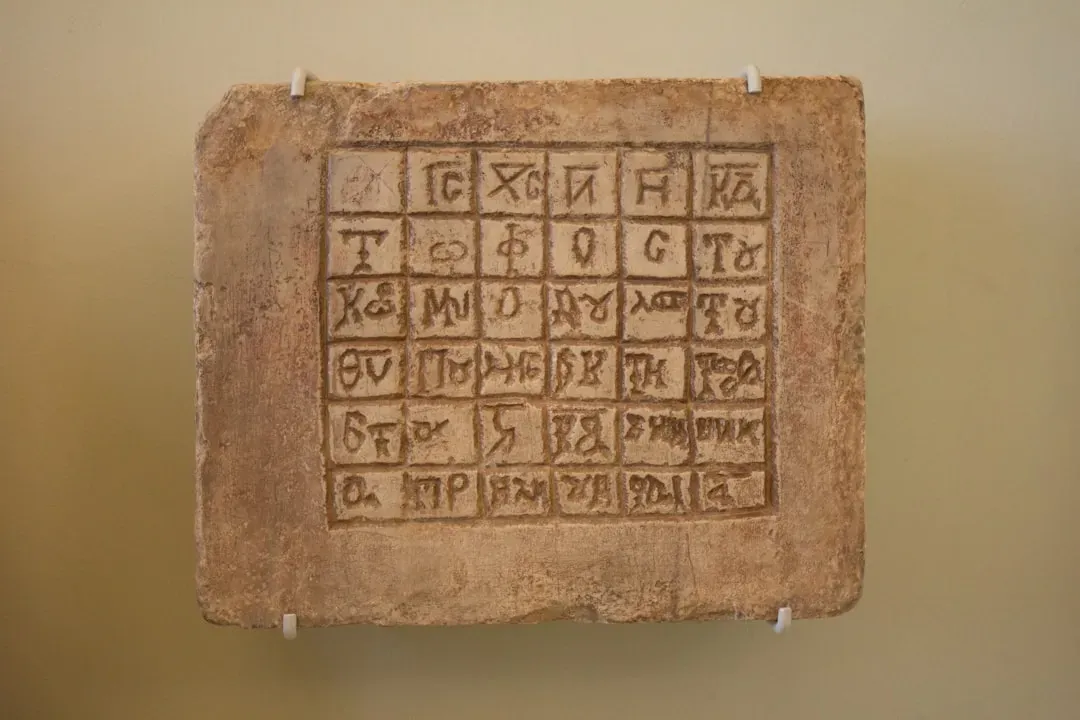
Modern math feels abstract and digital, but its roots are deeply physical: measuring land, tracking debt, dividing harvests, and building things that don’t collapse. In ancient Mesopotamia, Egypt, India, Mesoamerica, and elsewhere, people developed positional number systems, early forms of algebra, and geometric rules that still underpin engineering and physics. Clay tablets from Babylon show surprisingly sophisticated calculations, including methods to approximate roots and solve equations that mirror techniques we now teach in schools.
In architecture, that mathematical sense was turned into stone. Ratios and geometric patterns found in temples, pyramids, and sacred sites are not just aesthetic choices; many match acoustical sweet spots, structural stress distributions, and ergonomic proportions. Modern acoustic engineers and architects studying ancient theaters, for example, have found that their layout and materials enhance sound in ways that rival some contemporary venues. It turns out that centuries of listening, adjusting, and rebuilding can sometimes compete with computer simulations.
Climate, Agriculture, And Regenerative Practices We Almost Forgot
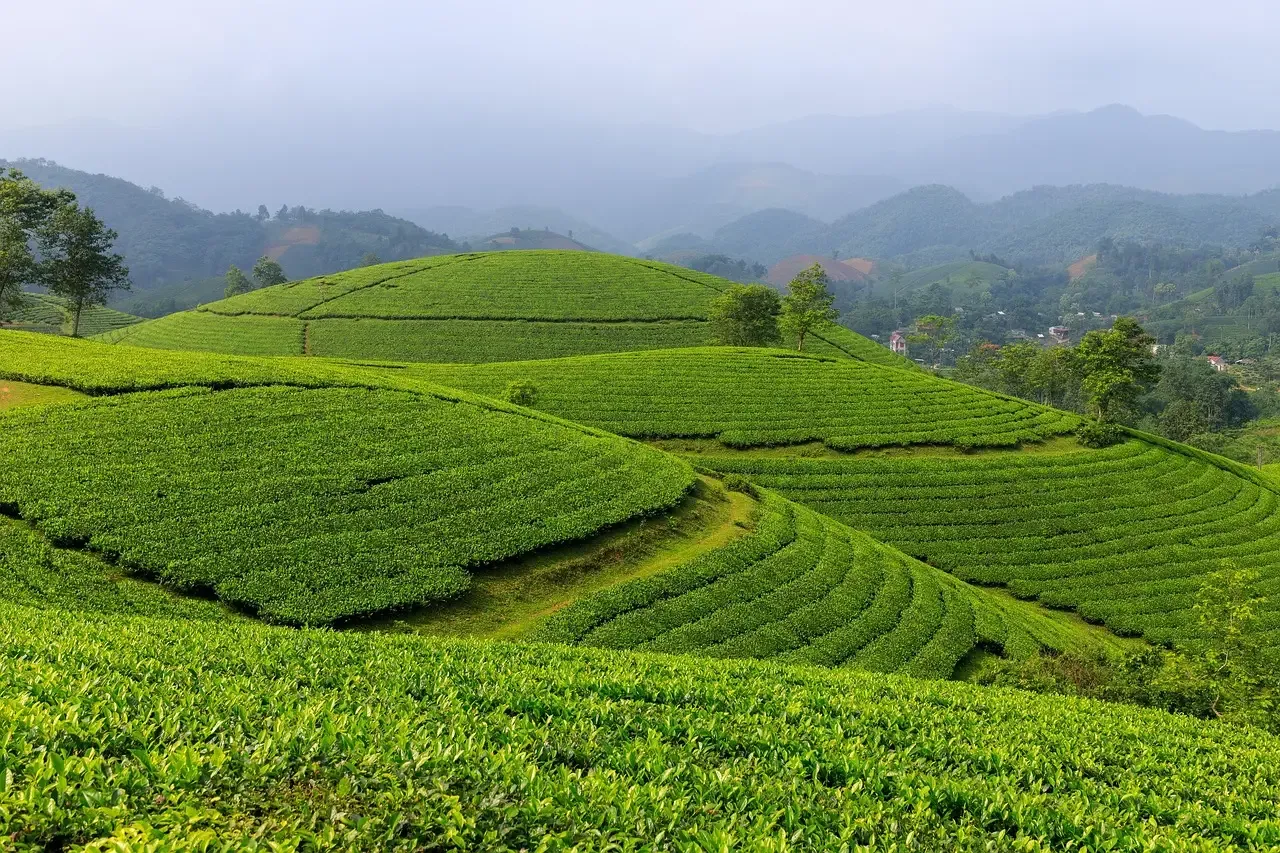
As climate change forces us to rethink how we grow food, some of the most promising ideas sound strangely familiar. Ancient terraced farming systems in regions like the Andes or Southeast Asia were designed to capture water, reduce erosion, and stabilize fragile slopes. Modern researchers are increasingly impressed at how these systems create microclimates and protect soil, especially during extreme weather, which is exactly what today’s farmers are desperate to manage.
Similarly, complex crop rotations, agroforestry, and polyculture – the practice of growing many species together – were common in ancient and Indigenous agriculture. These approaches build soil fertility, reduce pests, and increase resilience without relying on synthetic fertilizers and pesticides. Now, as large-scale monoculture struggles with degraded land and pesticide resistance, agronomists are turning back to these older, more diverse systems and testing them with satellite data and soil science. Sometimes the most radical innovation is taking an old idea seriously.
Sound, Space, And The Subtle Science Of Sacred Architecture
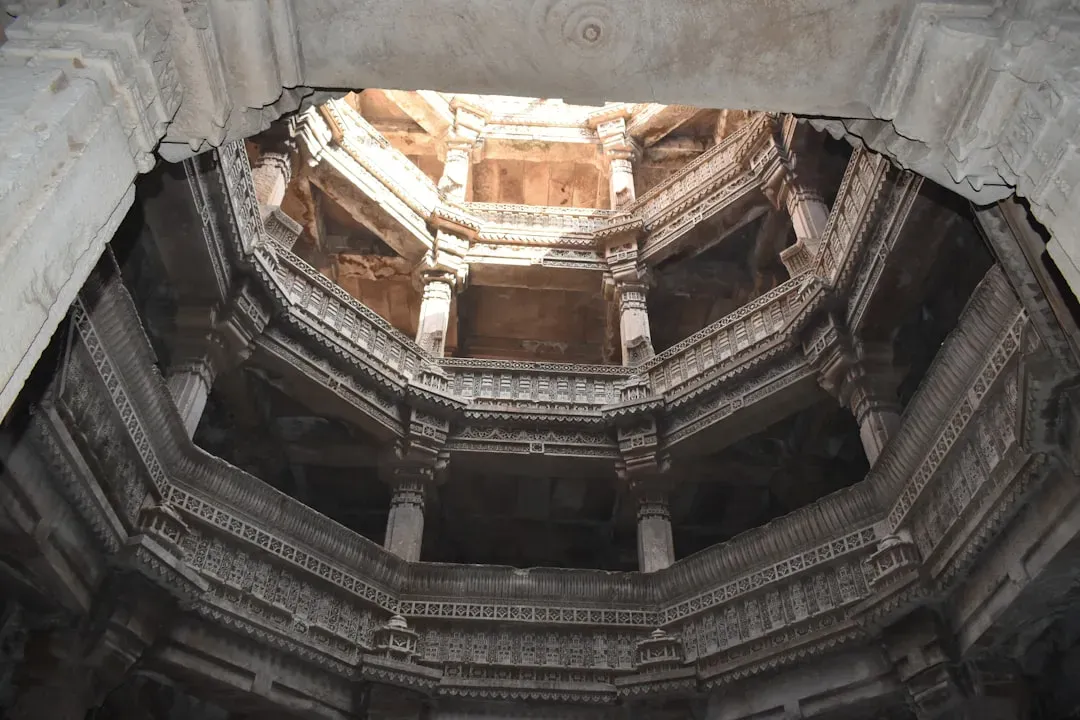
Walk into certain ancient temples, mosques, churches, or ceremonial platforms, and the space feels charged, even if you strip away all the spiritual language. Part of that reaction is psychological, but part of it is physical: careful use of light, resonance, symmetry, and proportion affects how our bodies and brains respond. Modern acoustic studies of ancient sites have found deliberate echo patterns, focal points for sound, and frequency responses that amplify chants or music without any modern equipment.
Architects are also revisiting passive climate control embedded in traditional buildings. Thick walls, courtyards, windcatchers, reflective surfaces, and complex shading systems were all designed to cool and ventilate indoor spaces naturally. In an era when air conditioning uses a huge amount of global energy, engineers are studying these old solutions with new simulations, adapting them to contemporary materials. The idea that a building can be tuned like a musical instrument and cooled like a well-designed cave is not new at all; we just forgot to keep listening.
Knowledge Systems, Oral Traditions, And The Limits Of Our Definition Of “Science”
One of the most uncomfortable realizations emerging from recent research is that a lot of what we now call “rediscovery” was never actually lost; it was ignored. Indigenous and traditional knowledge systems around the world tracked animal behavior, plant cycles, weather patterns, and ecological relationships with a rigor that simply didn’t fit neatly into Western academic categories. When climate scientists began checking these observations against long-term data, they repeatedly found that many of these “stories” lined up with measurable trends and rare events.
This doesn’t mean every ancient belief holds up under modern scrutiny, and it doesn’t turn mythology into physics. But it does expose a blind spot: if we only call something science when it uses modern jargon and tools, we’ll miss a huge amount of hard-won insight. The most exciting work happening now often sits at the edge where archaeological evidence, Indigenous knowledge, and modern instruments overlap. The result isn’t nostalgia for a golden age; it’s a more honest picture of how human beings, across time and culture, have tried to understand and navigate the world.
Moving Forward By Looking Back With Clear Eyes
Ancient civilizations did not have smartphones, rockets, or gene editing, but they weren’t fumbling in the dark either. Through relentless observation, trial-and-error, and cultural memory, they built systems of engineering, medicine, astronomy, agriculture, and architecture that still have the power to surprise experts today. Modern tools let us measure, verify, and sometimes improve on those ideas, yet without the humility to take them seriously, we might never have looked in the right places.
The real story isn’t that the ancients were “more advanced” than us or that we should copy them blindly. It’s that human curiosity and problem-solving have always been more sophisticated than our stereotypes suggest, and progress is rarely a straight line from ignorance to enlightenment. As we face climate disruption, resource limits, and social strain, some of our best options may come from reexamining the past with fresh eyes rather than assuming newer is always better. Which piece of forgotten knowledge do you think we’ll be most shocked to rediscover next?