

Walk outside on a clear night, look up, and you’ll probably think of telescopes, rocket launches, and space stations. We’re used to believing that real astronomy only began once glass lenses and modern science showed up. But that story quietly erases thousands of years of patient, astonishing sky-watching by people who had none of our tools, yet somehow mapped the heavens with a precision that still surprises researchers in 2026.
When you dig into what the Maya, Egyptians, Babylonians, Polynesians, Chinese, and others actually did with the night sky, the modern stereotype of “primitive stargazers” falls apart pretty fast. They weren’t just telling cute myths about constellations; they were tracking planetary cycles over centuries, predicting eclipses, encoding star paths into temples and pyramids, and sailing open ocean using nothing but the stars and memory. Once you see how much they truly knew, it gets much harder to dismiss them as people fumbling in the dark.
The Night Sky Was Their Giant, Shared Observatory
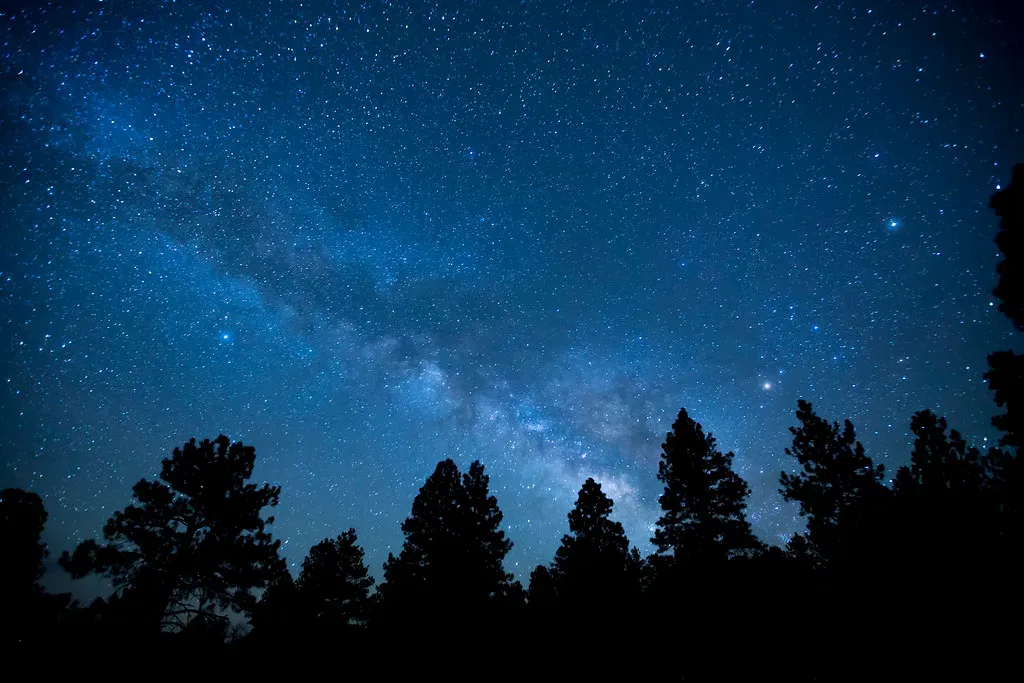
Imagine growing up without streetlights, screens, or even books, and having every clear night dominated by a sky full of bright, sharp stars. For many ancient cultures, the sky wasn’t background decoration; it was the main stage. Nights were long, and people watched the heavens the way we now binge-watch shows, except they did it for generations and wrote the patterns into stories, rituals, and architecture.
Because they lived under truly dark skies, they could see fainter stars, subtle color differences, and the slow drift of celestial objects that most modern city-dwellers never notice. Over time, this turned into a kind of “deep time” astronomy: grandparents told their grandchildren what the stars used to look like, and oddities were remembered, compared, and woven into collective memory. That sort of slow, communal observation is something modern science often tries to recreate with big observatories and long-term surveys, but ancient people were running that experiment with their naked eyes for thousands of years.
Egyptian Alignments: Pyramids and Temples as Star Instruments

The Great Pyramid at Giza isn’t just a big pile of stone; it’s astonishingly well aligned to true north, off by a tiny fraction of a degree. Achieving that level of accuracy with no GPS, no compasses, and no steel instruments suggests a sophisticated method built on tracking circumpolar stars. Many researchers think Egyptians used the night sky as a giant protractor, watching where specific stars crossed the meridian to fix the cardinal directions.
Inside some pyramids and temples, narrow shafts and corridors line up with particular stars or solar events, effectively turning the buildings themselves into fixed instruments. Certain temples light up dramatically on solstices or at key points in the agricultural year, when the sun’s rays hit inner chambers for only a brief window. To call this “basic” astronomy is a bit like calling a finely tuned mechanical watch “just some gears.” They were embedding precise celestial knowledge into monuments meant to outlast empires.
The Maya and Their Shockingly Precise Calendars
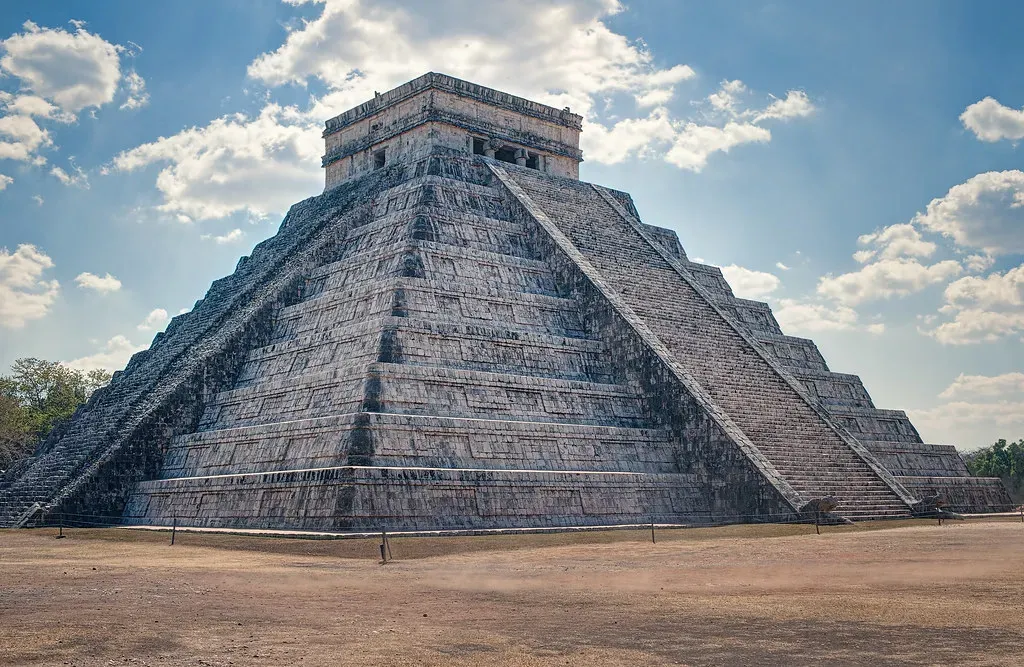
The Maya watched the sky with a level of dedication that borders on obsessive, and their calendars show it. Long before anyone had even imagined spacecraft, they had worked out the cycle of Venus with remarkable precision, tracking its appearances as morning and evening star and linking them to ritual and political events. That wasn’t casual curiosity; it was long-term data gathering across generations, carefully recorded in codices and stone inscriptions.
They also kept multiple, overlapping calendars that tracked both the solar year and a sacred ritual cycle, and their Long Count could project dates thousands of years into the past or future. Some of their observatory structures, like the rounded building at Chichen Itza, have sightlines that match solstices, equinoxes, and important planetary positions. When people joked back in 2012 about the Maya “predicting the end of the world,” they missed the real story: this was a culture so invested in the sky that they designed an entire timekeeping system wrapped around its rhythms.
Babylonian Sky Records and Early Planetary Predictions
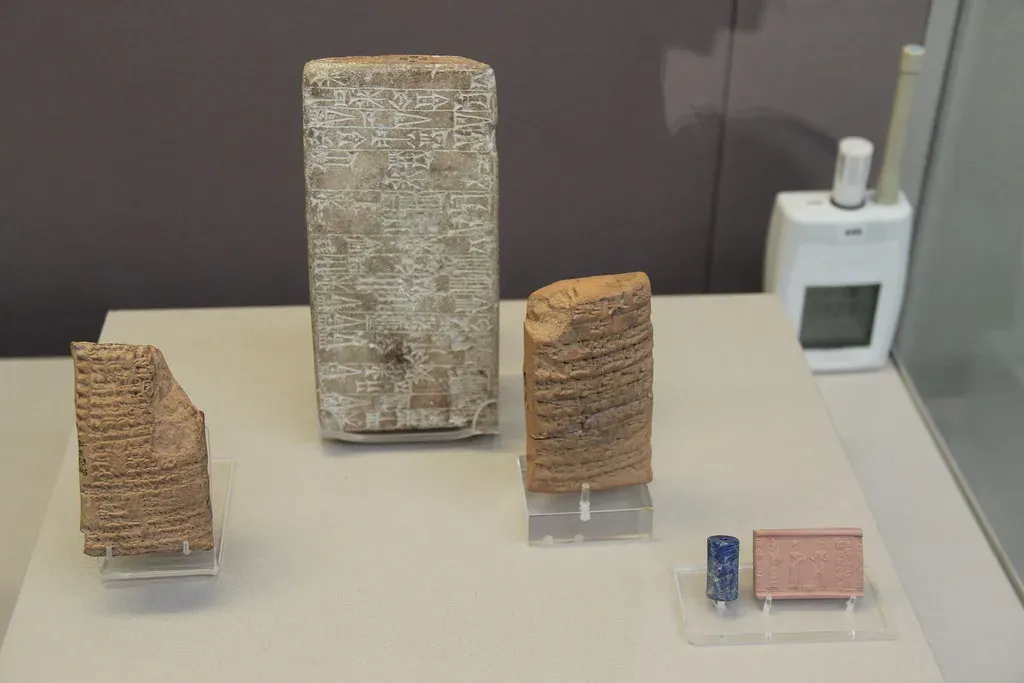
If you want to see the roots of modern mathematical astronomy, you eventually land in ancient Mesopotamia. Babylonian scribes filled clay tablets with systematic records of the rising and setting of planets, eclipses, and lunar phases over centuries. They weren’t just writing down pretty observations; they were looking for repeating cycles and patterns that could be used to predict future events, especially eclipses and the motion of Jupiter and other planets.
By reducing the messy, wandering paths of planets to numeric schemes, they created something that looks strikingly like the earliest version of predictive models. Their work influenced Greek astronomy and, through a long chain of transmission, shapes how we still calculate celestial motion today. When you strip away modern notation, what they did is surprisingly familiar: turn nature into numbers, find regularities, and then test those regularities against future observations. That’s not myth; that’s real science in its early clothing.
Polynesian Wayfinders and the Art of Star Navigation

One of the clearest examples that ancient people really understood the sky comes from the Pacific, where Polynesian navigators crossed thousands of kilometers of open ocean long before modern instruments existed. They used star paths, knowing exactly which stars rose where on the horizon at different latitudes, and how those patterns shifted as they moved. For them, the night sky was a mental map, not a backdrop, and memorizing it was as essential as knowing your neighborhood streets today.
These navigators combined stellar knowledge with waves, wind, and bird behavior, but the stars formed the stable framework. In modern revivals of wayfinding, navigators have successfully crossed huge distances using only traditional methods, confirming that this system is not some romantic legend but a functioning technology. It’s hard to keep calling ancient peoples “less advanced” when their sailors could locate tiny islands in a trackless ocean with the kind of precision that would humble most of us holding a map.
Ancient India, China, and the Long Memory of the Skies
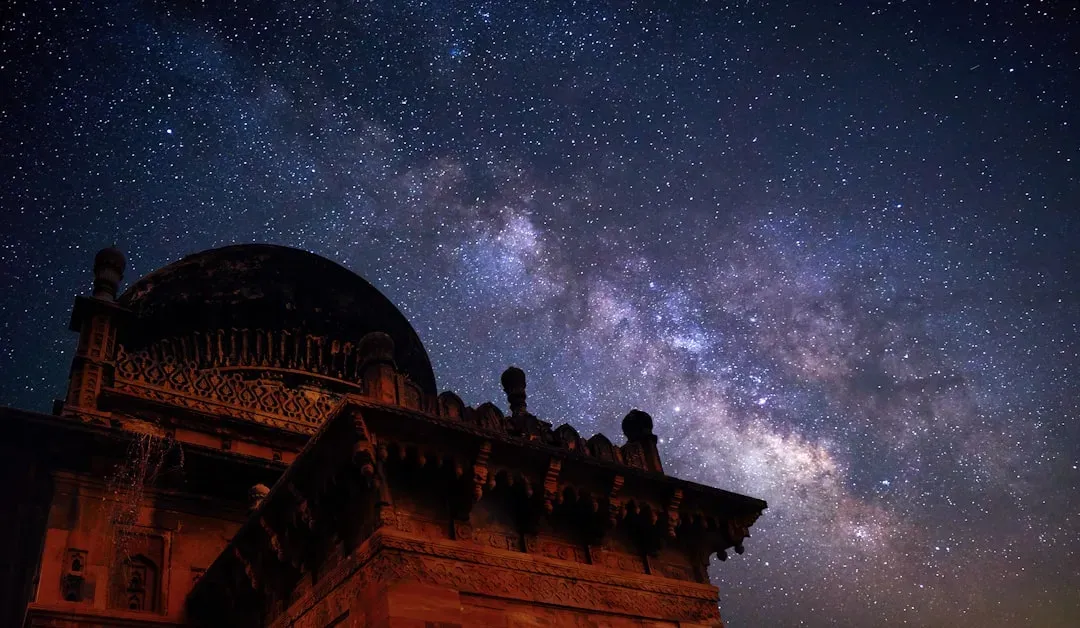
In India and China, systematic sky-watching built enormous catalogs of stars, comets, eclipses, and planetary events stretching across many dynasties and kingdoms. Chinese court astronomers maintained continuous records of unusual celestial occurrences, treating the heavens almost like a political weather report that might hint at changes on Earth. Whether or not you buy the astrology, the raw data they left behind is incredibly valuable for modern scientists studying things like supernovas and long-term changes in Earth’s rotation.
In India, astronomical texts described planetary periods, eclipse calculations, and detailed positions of stars used for both ritual timing and calendar corrections. Some of these calculations were refined through repeated observation, not just speculation, and later influenced Islamic and then European astronomy. It’s tempting to separate “serious” science from “ritual” or “astrology,” but in practice the careful watching of the sky that fed rituals also generated numbers accurate enough to still be useful centuries later. The line between priest and scientist was much thinner than we often imagine.
Why We Still Underestimate Ancient Astronomers
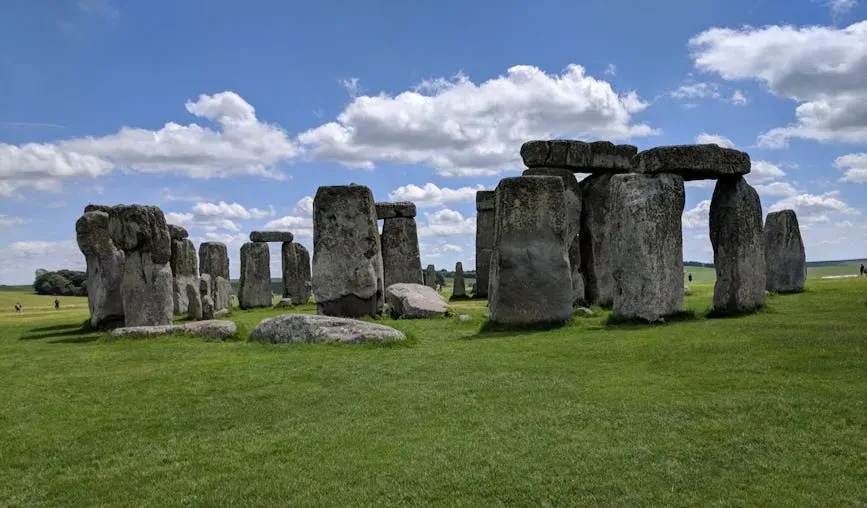
So why do we keep acting like people before telescopes barely understood the stars? Part of it is simple bias: modern culture tends to assume that newer automatically means smarter, and that sophisticated knowledge can only come from universities and labs. Another part is that some of what ancient people wrapped around their observations – myths, omens, gods – makes it easy for us to dismiss the whole package as superstition instead of carefully separating the data from the interpretation.
When I first read about how precisely some ancient structures line up with solstices or star risings, I honestly thought it was exaggerated. Then I saw how consistently those alignments show up in different places and cultures, and how often they match what we now know about celestial mechanics. It made me rethink the casual way we throw around words like “primitive.” In many ways, they were doing what we still struggle to do: paying deep, sustained attention to reality over long periods, and trusting the sky to teach them how the universe works.
Conclusion: Looking Back Up With New Respect
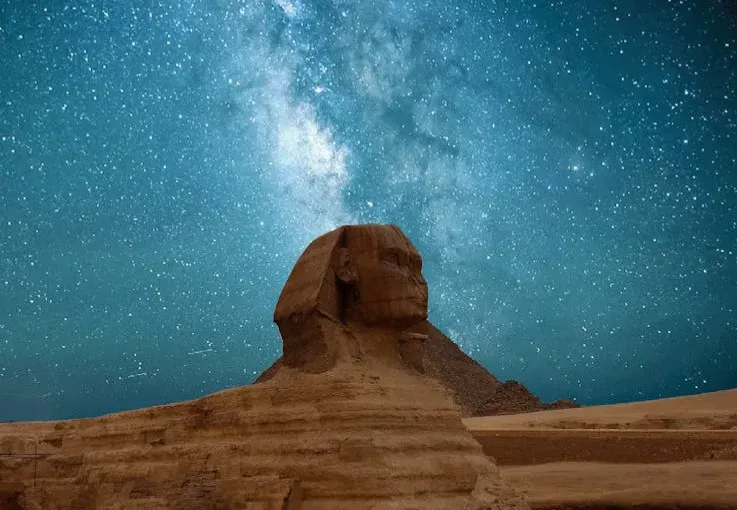
Ancient civilizations did not have telescopes, computers, or spacecraft, but they did have patience, dark skies, and a fierce curiosity that pushed them to squeeze every bit of information they could from the stars. From pyramids aligned with the heavens to calendars tuned to planetary cycles and voyages guided by starlight alone, they turned the night sky into a tool, a clock, a compass, and a storybook all at once. When we brush them off as merely mystical or naive, we quietly ignore a huge foundation of human knowledge that our modern science still rests on.
The more closely we look at what they actually accomplished, the more the old narrative of “ignorant ancients, enlightened moderns” falls apart. Recognizing how much they understood does not make our current achievements smaller; it just puts us back into a long human chain of sky-watchers rather than pretending we appeared out of nowhere. Maybe the most honest thing we can do is admit that, in some ways, they paid better attention than we do. The question now is simple: next time you look up at the night sky, what will you see differently?