
Imagine waking up tomorrow to find that the world’s power grid has vanished. No internet, no engines, no satellites. We’d still remember what we once had, but we’d struggle to rebuild it from scratch. That’s almost what it feels like when scientists look at some of the most advanced ancient technologies: humanity clearly did something remarkable, yet a lot of the “how” has simply disappeared.
We’re left with stone, metal, puzzling artifacts and jaw-dropping engineering feats that don’t quite add up with what we assume people thousands of years ago could do. Not in a “sci‑fi fantasy” way, but in a real, sobering way that makes modern experts squint and say: “We still don’t fully get this.” That gap between what we see and what we can explain is where these lost technologies live – and it’s exactly what makes them so hauntingly fascinating.
Stone Monuments Cut With Astonishing Precision

Walk up close to the Great Pyramid of Giza, Machu Picchu, or the walls of Cusco and the first shock isn’t how big they are – it’s how tight the stones fit. Massive blocks, some weighing more than a loaded truck, are joined so snugly that in many places you can’t even slide a razor blade between them. There’s no modern cement gluing them together; gravity, friction, and exquisite workmanship are doing all the work.
We know ancient builders had copper tools, stone hammers, sand abrasives, basic plumb bobs, and a brutal amount of labor. What we don’t fully understand is how they scaled that up so precisely over huge projects, often across uneven terrain and seismic zones. Some walls in Peru, for example, lock together in complex jigsaw patterns that actually help them withstand earthquakes, like an intricate 3D puzzle. When you stand in front of that kind of masonry, you don’t just see rocks – you see a planning system, a measuring logic, and a construction workflow that’s still only partly decoded.
Lost Metallurgy: Ancient Super-Steels And Mystery Alloys
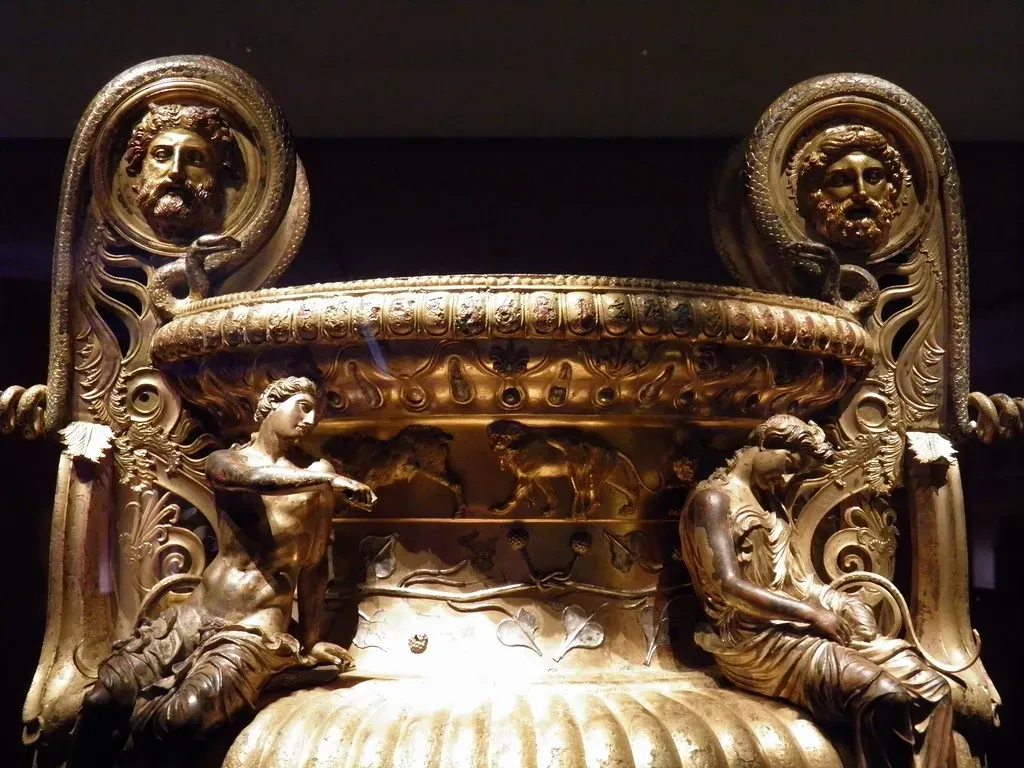
Most people have heard of Damascus steel, the legendary metal of Middle Eastern blades said to slice silk in midair and keep a deadly edge in battle. Modern metallurgists can create steels that outperform almost anything from the past, but the exact traditional process that gave Damascus steel its signature patterns and properties was gradually lost by the nineteenth century. Analysis of surviving blades reveals a complex internal structure and trace elements that suggest highly controlled forging and cooling techniques, plus very specific ore sources.
Then there’s Indian wootz steel, which fed into Damascus production, and the famous Iron Pillar of Delhi that’s resisted deep corrosion for over a millennium in a harsh environment. Researchers have proposed explanations involving high phosphorus content, microstructures, and protective oxide layers, but the original step‑by‑step recipes and empirical knowledge held by craftsmen are gone. It’s a harsh reminder that technology isn’t just about what’s possible in theory – it’s fragile, tied to communities, trade routes, and apprenticeships that can vanish in a generation.
Ancient Engineering Of Water: From Roman Concrete To Nabataean Hydrology
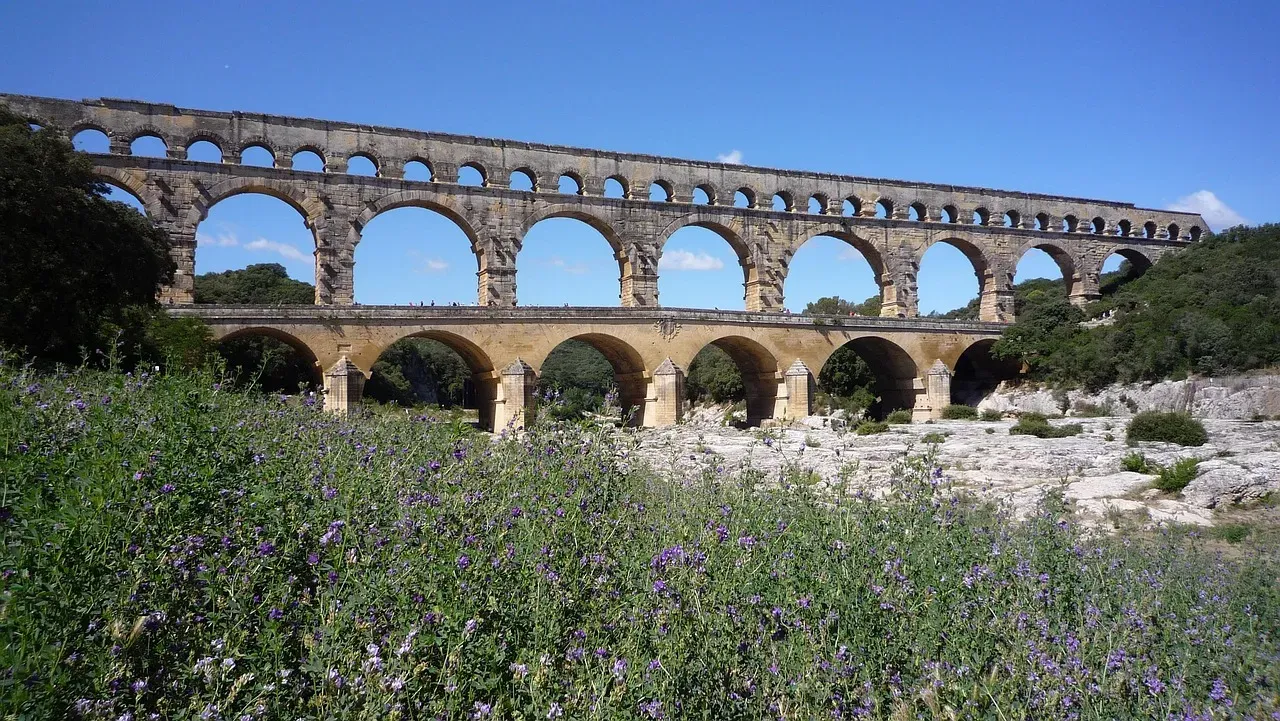
The Roman world was obsessed with water, and they engineered it with almost obsessive elegance: aqueducts arcing over valleys, siphons, underground channels, baths, and fountains all run by nothing but gravity and clever design. One of the most baffling elements is their water‑resistant concrete, used in harbors and ports. Unlike modern concrete that often deteriorates in seawater, Roman marine concrete in some places has actually grown stronger over time due to reactions between volcanic ash, lime, and seawater forming durable mineral crystals.
Far from Rome, the Nabataeans – builders of Petra in modern Jordan – turned desert landscapes into carefully managed water systems. They carved cisterns into rock, tunneled channels, and used subtle gradients and hidden pipes to capture and store seasonal rains. When you see a place like Petra, you’re not just looking at pretty facades; you’re seeing a whole technological mindset focused on making water obey human need in environments that seem brutally unforgiving. The exact decision rules, surveying techniques, and small‑scale innovations that made all this possible are only partly mapped out from the archaeological traces.
Mysterious Ancient Machines: From The Antikythera Mechanism To Proto-Engines
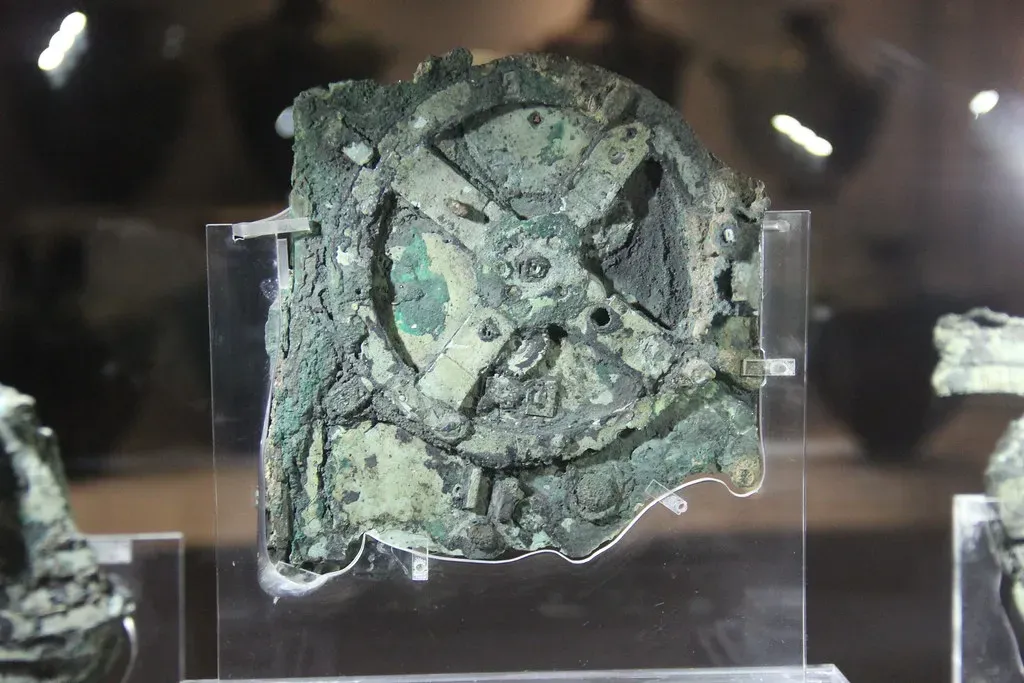
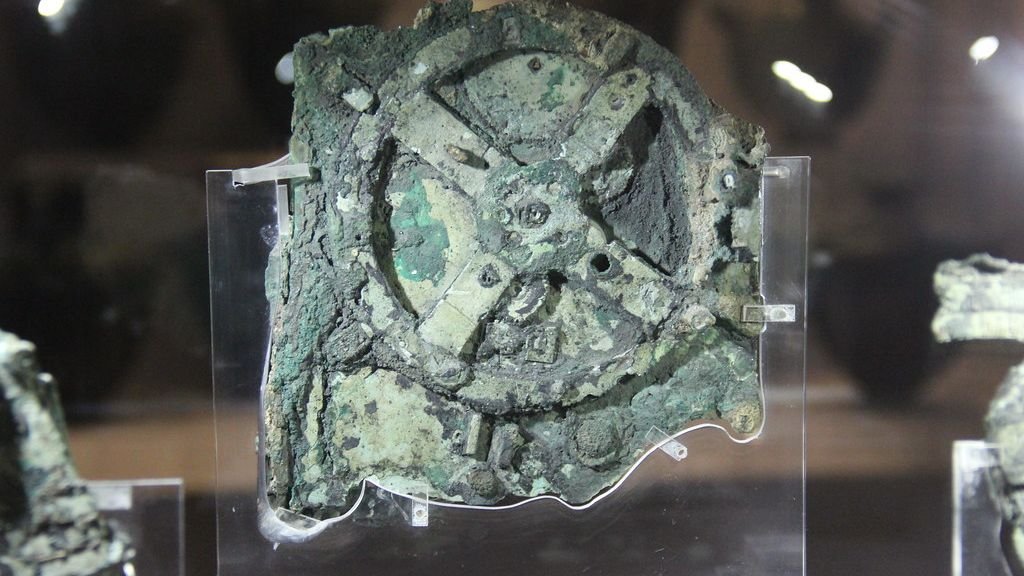
In 1901, divers off the Greek island of Antikythera hauled up corroded bronze pieces from a shipwreck. For decades, they looked like nothing more than barnacle‑covered junk. Only later did researchers realize they were parts of an intricate gear‑driven device from roughly the first century BCE. Now known as the Antikythera mechanism, it’s widely seen as an early analog computer that could predict eclipses, track the positions of the Sun, Moon, and some planets, and model complex astronomical cycles using a system of interlocking gears.
Tomography scans have revealed inscriptions and gear teeth counts that hint at an astonishing understanding of celestial mechanics and precision engineering. Yet we’ve only found this one device and a few vague literary references to similar machines. It’s like discovering a laptop in a medieval monastery and almost nothing else from its factory, manuals, or product line. What other geared instruments, automata, or proto‑engines might have existed in workshops from Alexandria to Rhodes that simply didn’t survive the rust, fire, and chaos of history?
Ancient Knowledge Of The Heavens: Alignments, Calendars, And Cosmic Cycles

Sites like Stonehenge, the pyramids of Giza, Chichén Itzá, and countless lesser‑known mounds and observatories around the world suggest that many ancient cultures cared deeply about the sky. These weren’t just random alignments: buildings and monuments were often oriented to solstices, equinoxes, particular stars, or lunar standstills. The main temple at Chichén Itzá, for instance, creates a serpent‑like shadow effect on the staircase during equinox sunsets, turning light and stone into a kind of slow, cosmic performance.
To pull this off, people tracked the heavens over generations with a rigor that feels surprisingly modern. The Maya developed complex calendars that synced solar, ritual, and longer cosmic cycles. Babylonian astronomers recorded planetary motions and made consistent predictions centuries before more formalized Greek models. Yet the tools they used were incredibly simple – no telescopes, no cameras, no electronics. What’s partly lost is not just the data, but the mental frameworks and teaching traditions that turned nightly observations into reliable, long‑term astronomical systems.
Transport And Lifting: How On Earth Did They Move Those Stones?
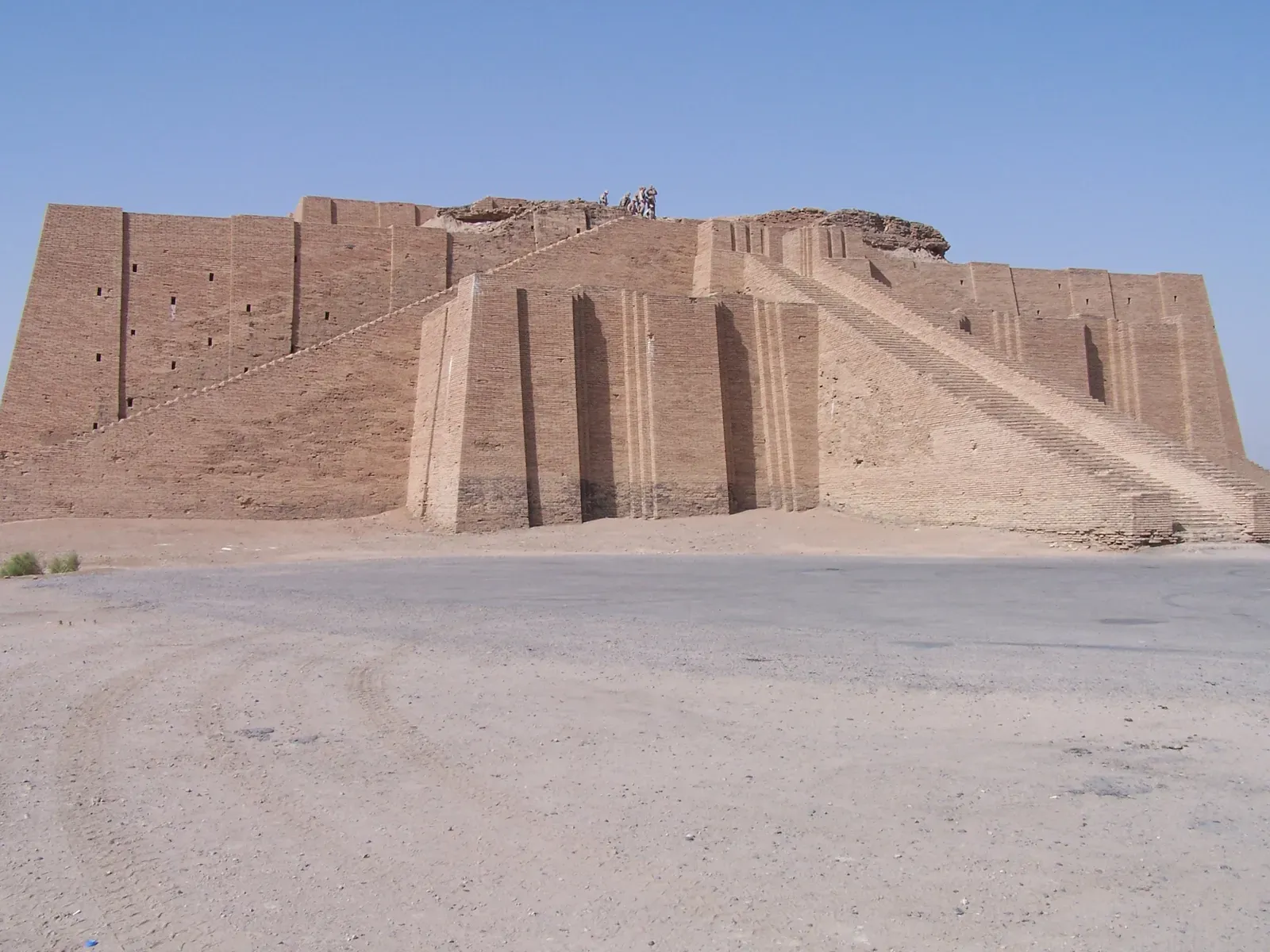
The question pops up every time someone stands at Stonehenge, gazes at the moai on Easter Island, or walks by the gigantic stone blocks in ancient temples: how did they move these without modern machinery? Archaeologists have shown that with ropes, wooden sledges, rollers, levers, and well‑organized labor, it is at least physically possible to shift massive stones. Experimental archaeology has even demonstrated ways to “walk” upright stones by rocking and pulling in coordinated fashion, a bit like moving a heavy refrigerator.
But possible isn’t the same as fully explained. The logistics of moving hundreds or thousands of such blocks over long distances, up hills, through forests, or into place at considerable heights still raise questions about project management, seasonal planning, and tool design. We can sketch out scenarios, run simulations, and try small‑scale experiments, yet the exact combination of techniques, local hacks, and clever shortcuts that made these feats routine for ancient builders remains partly out of reach. It’s like trying to reverse‑engineer a lost construction company just from the foundations of their buildings.
Encoded Knowledge: Writing Systems, Devices, And Techniques We Still Can’t Fully Read

Some of the most frustrating ancient technologies aren’t made of stone or metal – they’re written in symbols we still don’t completely understand. The Indus Valley script, for example, appears on seals and pottery but has resisted decipherment for decades. Without a clear bilingual key or longer texts, we’re left guessing about what kind of technical, economic, or scientific information might be hiding in those tiny inscriptions. It’s entirely possible that methods for measurement, trade, or even early engineering guidelines are trapped behind a script we can’t yet unlock.
There are also mysterious artifacts like the Phaistos Disc or certain Bronze Age tablets whose full meanings remain debated. Even in scripts we can read, we sometimes bump into technical terms, workshop notes, or step‑by‑step instructions that are too fragmentary to fully reconstruct a process. Imagine someone in the far future digging up only the index pages of our engineering manuals; they’d know we knew a lot, but not exactly how we did things. That’s where we stand with much of the world’s oldest technical knowledge – aware that it existed, aware that it mattered, and painfully aware of how much has slipped through our fingers.
Fragile Genius And The Technologies We Have Yet To Relearn

Looking at these lost technologies side by side, a pattern emerges: human beings have been clever, methodical, and relentlessly inventive for far longer than our modern ego likes to admit. Whether it’s precision stonework, advanced alloys, water systems in deserts, or mechanical computers built from gears, the ancient world wasn’t a slow climb from ignorance – it was a jagged landscape of brilliant peaks and forgotten valleys. Entire toolsets and methods could flourish for centuries and then disappear almost overnight when cultures fell, trade shifted, or knowledge stopped being passed on.
What lingers is a mix of admiration and unease. If so much could be lost before, what might our own age misplace when archives corrupt, languages die, or physical skills vanish under layers of automation? The ruins and relics of ancient civilizations quietly remind us that progress isn’t guaranteed, and that understanding is something we have to fight to keep. Which of today’s everyday technologies do you think would baffle people a few thousand years from now if all they had left was a handful of broken pieces?