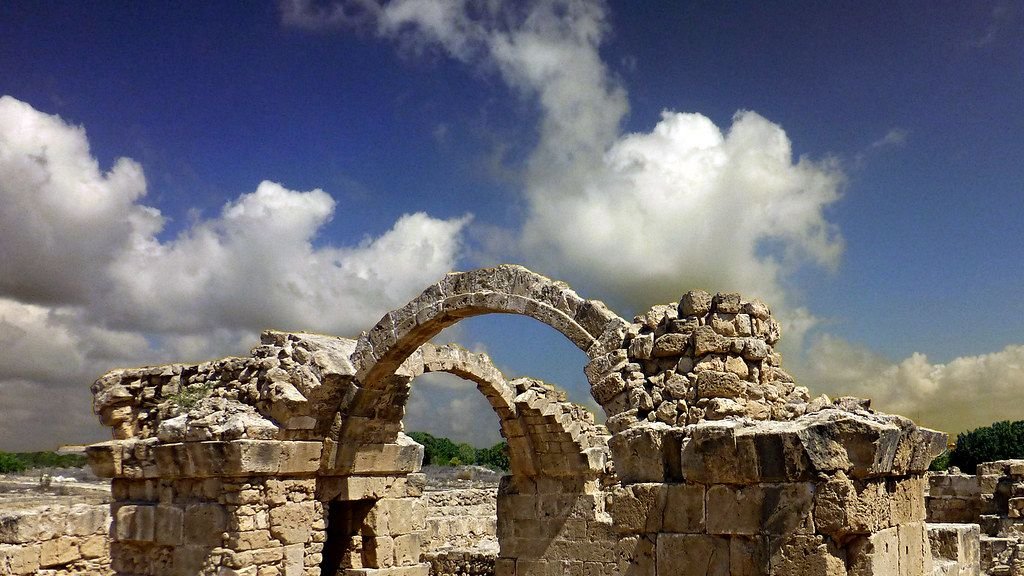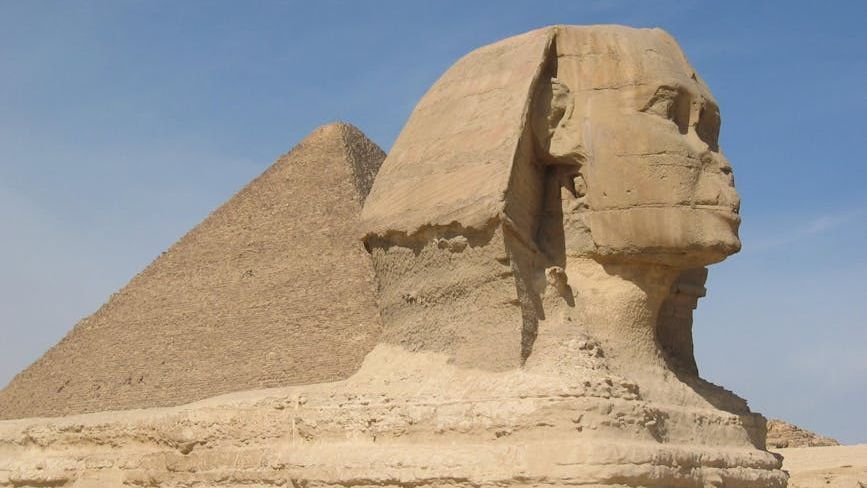

Every time we think we’ve reached the peak of modern progress, some ancient artifact or ruined city quietly taps us on the shoulder and says, “Are you sure you’re that advanced?” From precision-cut stones that fit together like puzzle pieces to perfectly aligned pyramids and astronomically tuned temples, the ancient world is full of knowledge that still makes experts pause. It’s not about secret alien help or mystical powers; it’s about how far human curiosity, persistence, and creativity can go without a single microchip.
What makes this so captivating is that a lot of this knowledge was built by people who didn’t even have steel, let alone smartphones. They watched the sky, studied the land, learned from failure, and passed hard-won wisdom from generation to generation. When you look closely, you start to realize that some of our “new” ideas are really just updates of incredibly old ones. And that’s both humbling and oddly comforting.
The Stunning Astronomy of the Ancients
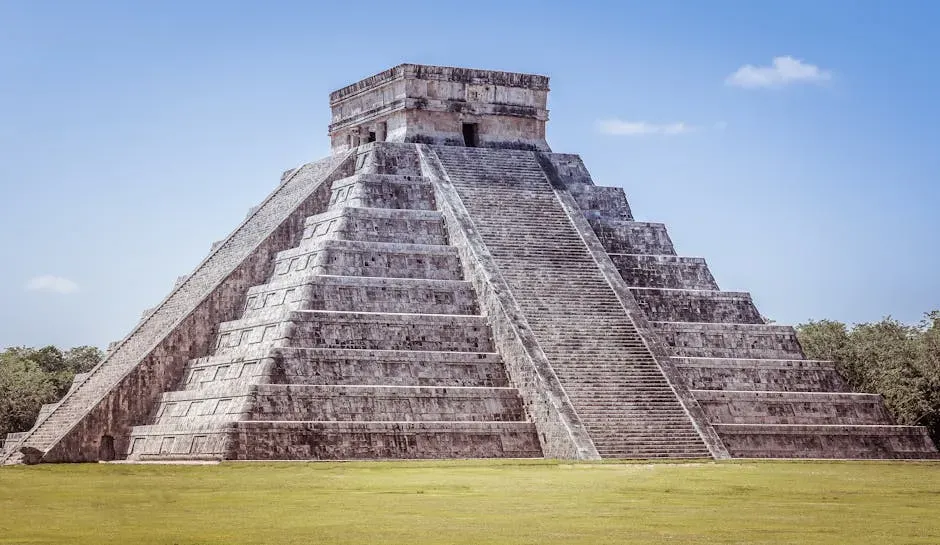
Imagine lying on your back under a pitch-black sky, night after night, for years. No light pollution, no distractions, just stars slowly sliding across the heavens. That was the laboratory of ancient astronomers, and they used it brilliantly. Civilizations like the Babylonians, Maya, Egyptians, Chinese, and ancient Indians tracked the movements of planets and stars with precision that still impresses astrophysicists.
Structures such as Stonehenge, the pyramids at Giza, and the Maya site of Chichén Itzá line up with solstices, equinoxes, and key celestial events in ways that clearly weren’t accidents. Some ancient sky-watchers could predict eclipses using long-term patterns, and others developed calendar systems that tracked the solar year with surprising accuracy. They didn’t just watch the sky for curiosity’s sake; it was their clock, their calendar, and in many ways their spiritual guide all rolled into one.
Engineering Marvels Without Modern Machines
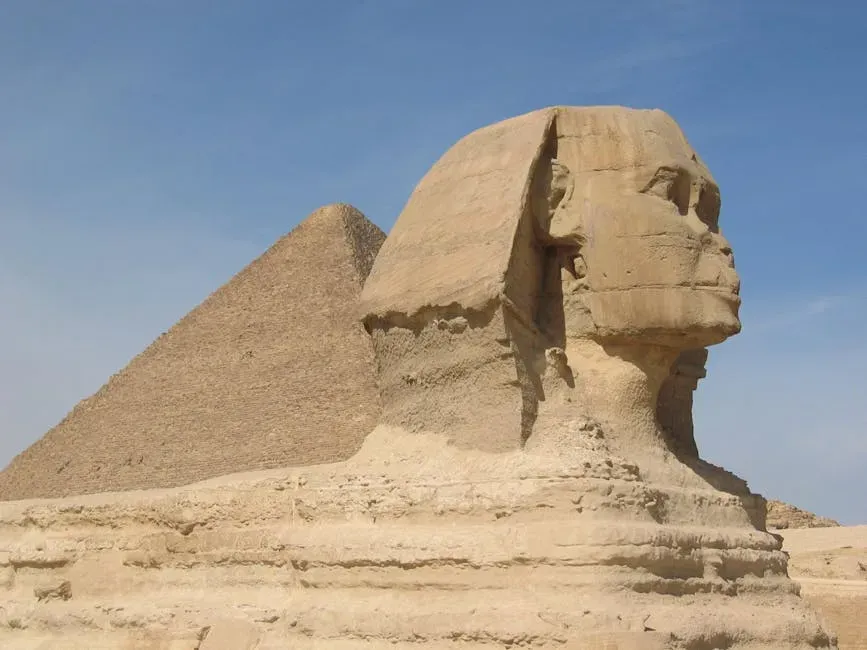
Stand in front of a massive stone block that weighs as much as a small airplane and ask yourself: how would you move this with no cranes, no trucks, and no electricity? Ancient builders did it again and again. From the Great Pyramid of Giza to the megaliths of Baalbek in Lebanon and the perfectly fitted stone walls of Cusco in Peru, ancient engineering pushed human muscle and ingenuity to extraordinary levels.
Instead of high-tech tools, they leaned on clever systems: ramps, sledges, rollers, levers, counterweights, and a deep understanding of balance and friction. At places like Machu Picchu, Inca engineers built terraces that not only kept the mountain from crumbling but also created microclimates for different crops. Our modern machines do the heavy lifting faster, but the underlying principles – force, leverage, geometry, and careful planning – are the same ones they refined thousands of years ago.
Advanced Medicine and Healing Traditions

It’s tempting to assume ancient medicine was mostly superstition and guesswork, and some of it definitely was. But buried in those old practices is a surprising amount of real, practical knowledge that set the stage for modern healthcare. Egyptian medical papyri describe wound treatments, setting broken bones, and even basic surgical techniques. In parts of ancient India and China, practitioners documented hundreds of medicinal plants, detailed diagnostic methods, and structured surgical procedures.
Of course, a lot of those early methods would look shocking or even dangerous today, but certain core ideas survive in updated, evidence-based forms. Herbal medicines inspired many modern drugs, and traditional practices like Ayurvedic and Chinese medicine still shape how millions of people think about health, balance, and prevention. What’s striking is that they treated health as something woven into lifestyle, diet, community, and environment, not just an isolated list of symptoms to fix.
Mathematics and Geometry Far Ahead of Their Time
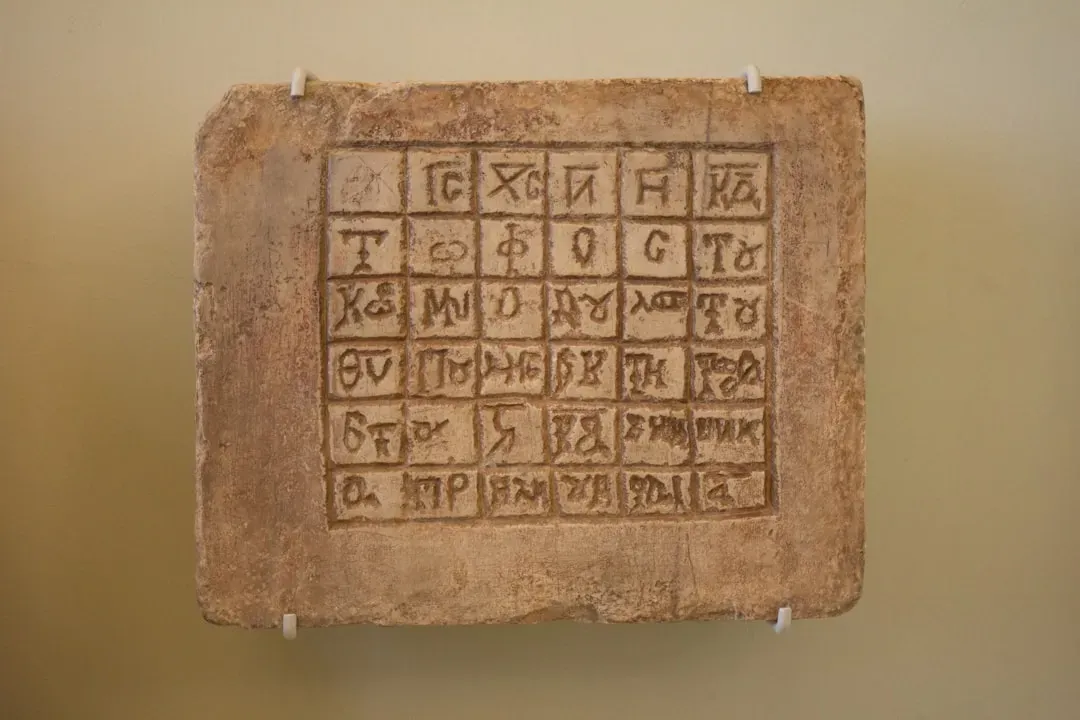
If you ever sat in math class wondering who invented all those formulas, the answer is often: very old civilizations solving very practical problems. Farmers in ancient Mesopotamia used early forms of algebra to divide land and manage crops. Egyptian scribes calculated areas and volumes to shape monuments and manage flooding. The ancient Greeks didn’t just dabble in geometry; they turned it into a powerful language for understanding space, structure, and even philosophy.
Farther east, Indian mathematicians worked with the concept of zero and developed sophisticated approaches to arithmetic and early trigonometry that eventually traveled and helped shape global math. The Maya built complex calendars using vigesimal (base-20) numbers and understood large numbers in a way that still feels impressive. All of this emerged because real-world challenges – like building, trading, and tracking time – demanded more precise tools than gut feelings and rough guesses.
Urban Planning, Water Systems, and Sustainable Living
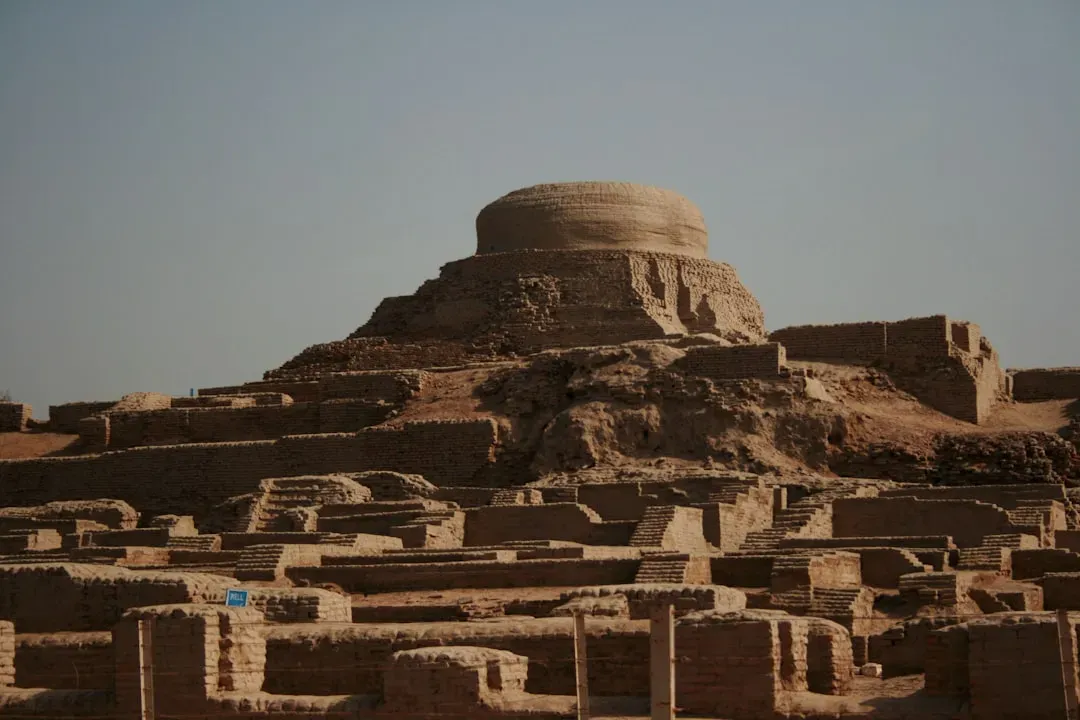
When you zoom out and look at some ancient cities from above – real or reconstructed – you see something that looks a lot like modern planning software brought to life by hand. The cities of the Indus Valley civilization, such as Mohenjo-daro, had carefully laid-out streets, standardized bricks, drainage channels, and what look like early forms of sanitation systems. That level of organization required shared rules, collective effort, and long-term thinking.
Other societies mastered water in harsh environments. The Nabataeans around Petra carved channels and cisterns to capture and store scarce rainwater. The Romans, with their aqueducts and sewers, turned water management into a kind of imperial infrastructure art. Meanwhile, terrace farming in places like the Andes and Southeast Asia showed how to work with steep terrain rather than against it. These weren’t just clever hacks; they were early experiments in sustainability that many modern cities are now trying, somewhat desperately, to relearn.
Once, while hiking in the mountains and looking down at a series of ancient terraces, I was struck by how…calm they looked compared to our hectic concrete grids. It felt like the land and the design were actually in conversation, not locked in a wrestling match. That kind of harmony is something our shiny glass towers still struggle to pull off.
Written Language, Storytelling, and the Memory of the World
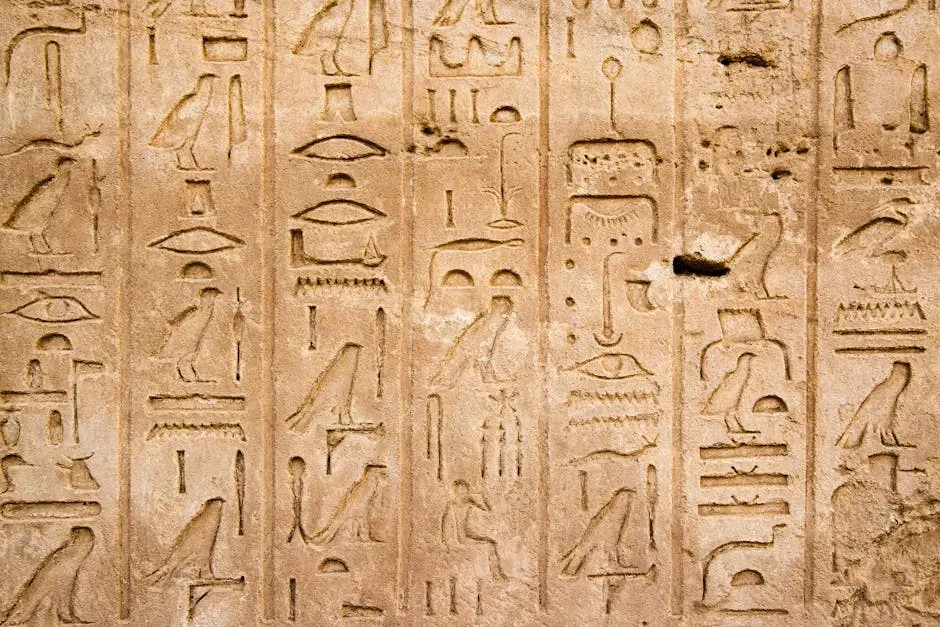
Before hard drives and cloud backups, human memory lived in stories, songs, and eventually in marks scratched into clay, stone, and paper. The invention of writing in places like Mesopotamia, Egypt, China, and Mesoamerica was a turning point as dramatic as the arrival of the internet. Suddenly, ideas could travel across generations without relying on someone’s ability to remember every detail perfectly. Laws, trade records, poems, myths, and mathematical tables could all be preserved and refined.
But even before or alongside writing, oral traditions carried astonishing amounts of information. Epic stories, genealogies, navigation routes, seasonal cues, and spiritual lessons were woven into memorable narratives, rhythms, and images. Many of those stories weren’t just entertainment; they were knowledge compression tools, like ancient “zip files” for culture. The fact that we still tell and retell versions of those same tales says a lot about how efficient and emotionally powerful those early narrative systems really were.
Philosophy, Ethics, and Ways of Understanding the Self
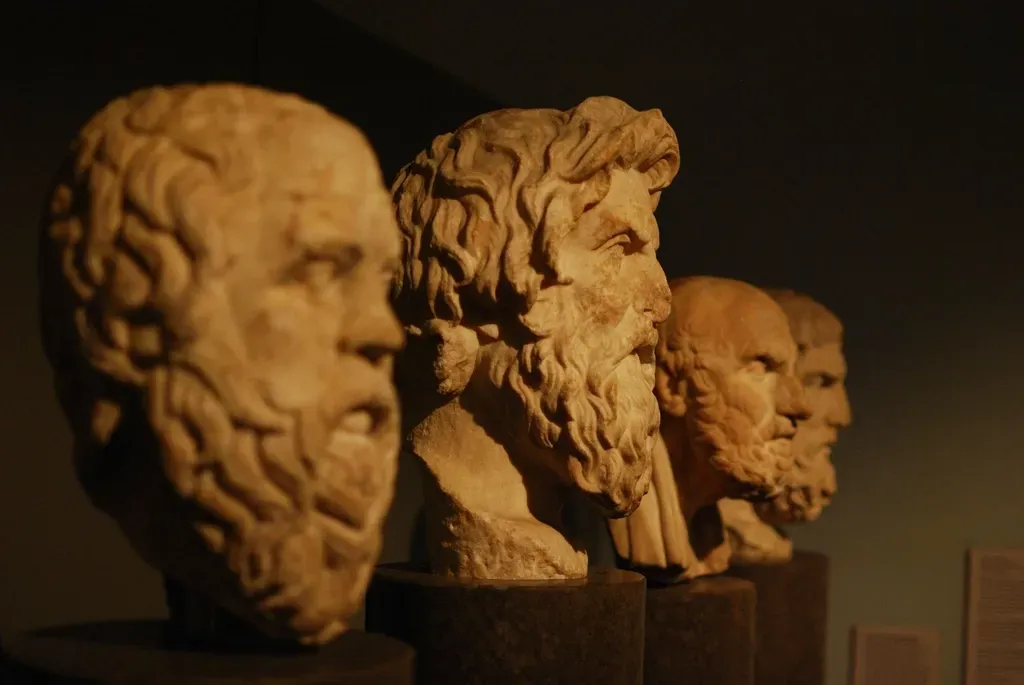
For all their technical achievements, one of the most surprising legacies of ancient civilizations is how deeply they thought about what it means to live well. Long before therapy apps and self-help books, people in Greece, India, China, and elsewhere were asking hard questions about justice, duty, happiness, and the nature of reality. Schools of thought emerged that argued, debated, and refined their ideas, leaving behind texts that still challenge us.
Ancient philosophies explored ideas like the importance of moderation, the power of habits, the role of community, and the value of compassion, all in different ways. Many of them also recognized how fragile the human mind can be and offered practices – reflection, meditation, examination of one’s life – to manage fear, anger, and desire. You can read something written two thousand years ago and suddenly feel like the author has quietly stepped into your room and described your exact dilemma. That’s a different kind of knowledge, but no less impressive than a perfectly carved stone.
What Ancient Knowledge Really Teaches Us Today
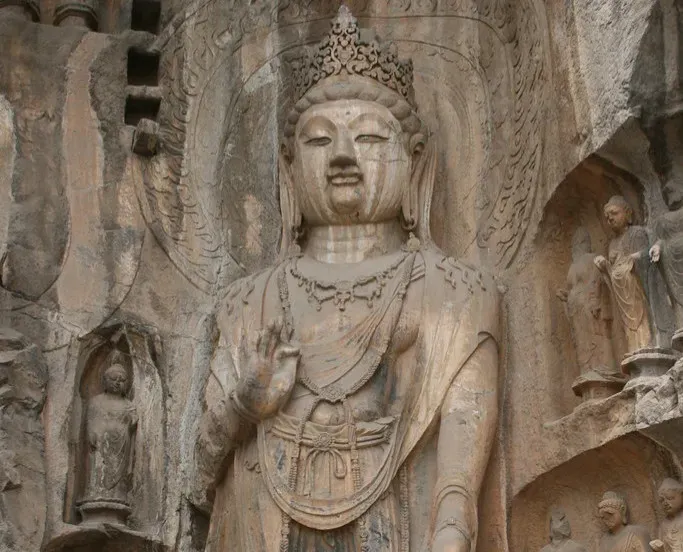
Looking at all this, it’s tempting to romanticize the past or, on the flip side, dismiss it because it doesn’t match modern science point for point. The truth sits somewhere in the middle. Ancient civilizations got some things wrong, sometimes disastrously so, but they also solved complex problems with limited tools and passed down insights we still lean on. Their knowledge wasn’t magical; it was earned through long observation, careful trial and error, and stubborn curiosity.
What continues to amaze is not just what they built or calculated, but how deeply they paid attention – to the sky, the soil, the body, the mind, and each other. In an age where information comes at us faster than we can process, there’s something quietly radical about that level of focused noticing. Maybe the real lesson isn’t that they were more advanced than us, but that they used what they had with a kind of intense care we often forget. How much of that old way of paying attention could we bring back into our very modern lives?