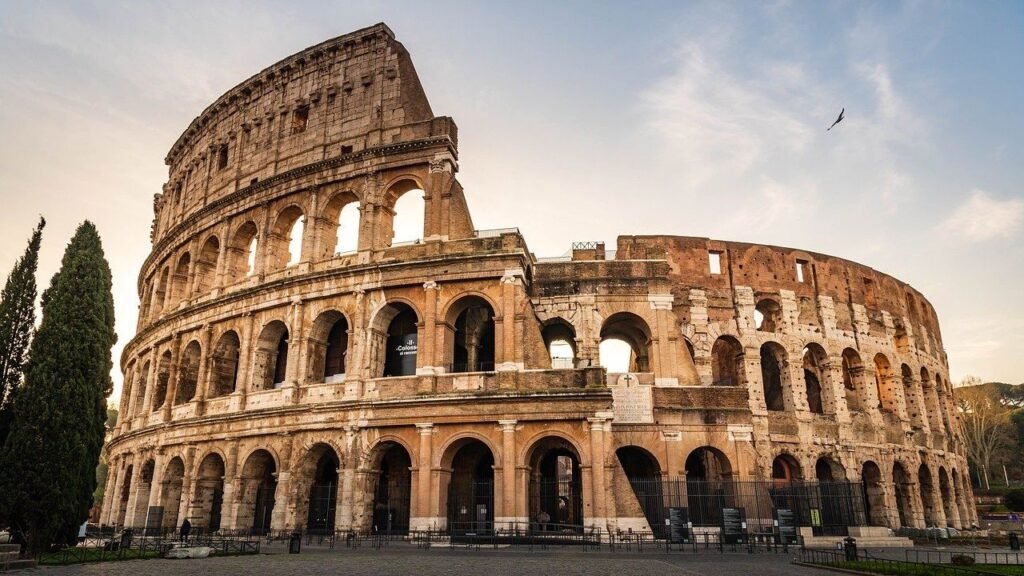

You’ve probably heard the story before. Ancient people were primitive, living in caves or simple huts, barely scraping by with crude tools. Modern technology, we’re told, is the pinnacle of human achievement, and everything before was just a slow, stumbling journey toward our enlightened present. Here’s the thing though: that narrative is starting to crack. More accurately, it’s been shattered by discoveries that keep popping up in dusty tombs, underwater shipwrecks, and forgotten ruins.
We’re finding concrete evidence that suggests ancient civilizations possessed knowledge and engineering capabilities that rival what we have today. Sometimes they even surpass it. The deeper archaeologists dig, the more uncomfortable questions emerge about what we thought we knew. Honestly, it’s humbling. You might be amazed at what your ancestors were capable of creating thousands of years ago, and how much of that wisdom vanished into history only to be painstakingly rediscovered centuries later.
The Greek Computer That Predicted the Cosmos
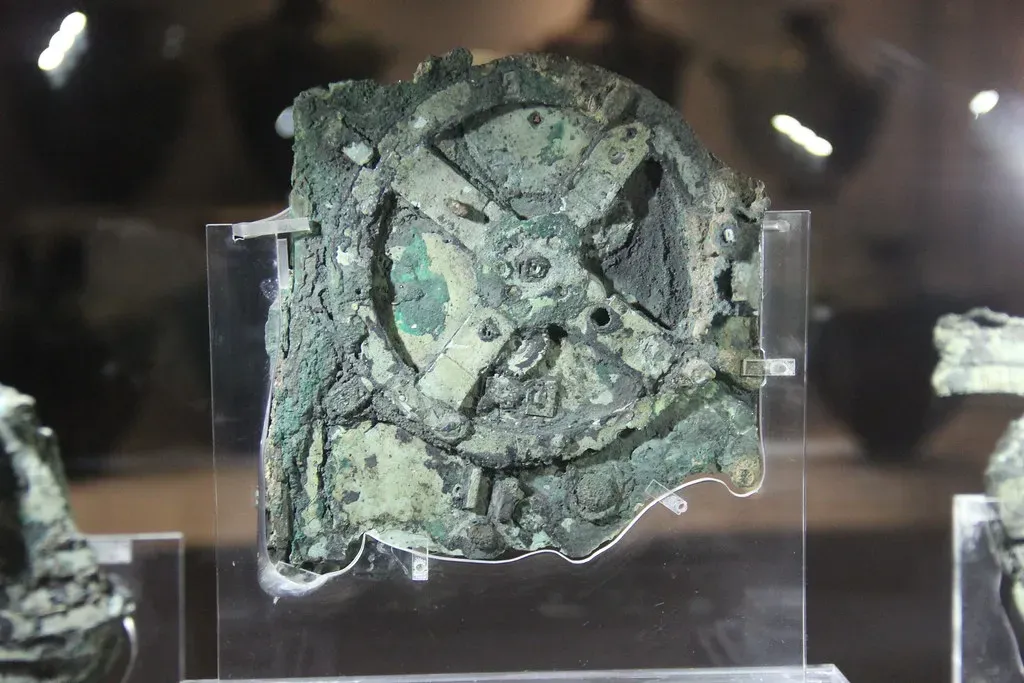
Imagine finding a hand-powered device from ancient Greece that functioned as an analog computer. That’s exactly what happened when divers recovered the Antikythera mechanism from a shipwreck off a Greek island in the early twentieth century. This shoebox-sized bronze marvel could predict astronomical positions and eclipses decades in advance. Let’s be real, most people in modern times couldn’t build something like that without a computer-aided design program.
Researchers attempting to replicate it in the twenty-first century referred to the mechanism as “a creation of genius – combining cycles from Babylonian astronomy, mathematics from Plato’s Academy, and ancient Greek astronomical theories.” It even modeled the Moon’s variable speed as it orbits Earth, despite the Ancient Greeks not knowing about elliptical orbits. The level of sophistication is staggering. No other geared mechanism of such complexity is known from the ancient world or indeed until medieval cathedral clocks were built a millennium later. That’s a thousand-year gap where this technology apparently disappeared.
Roman Concrete That Heals Itself
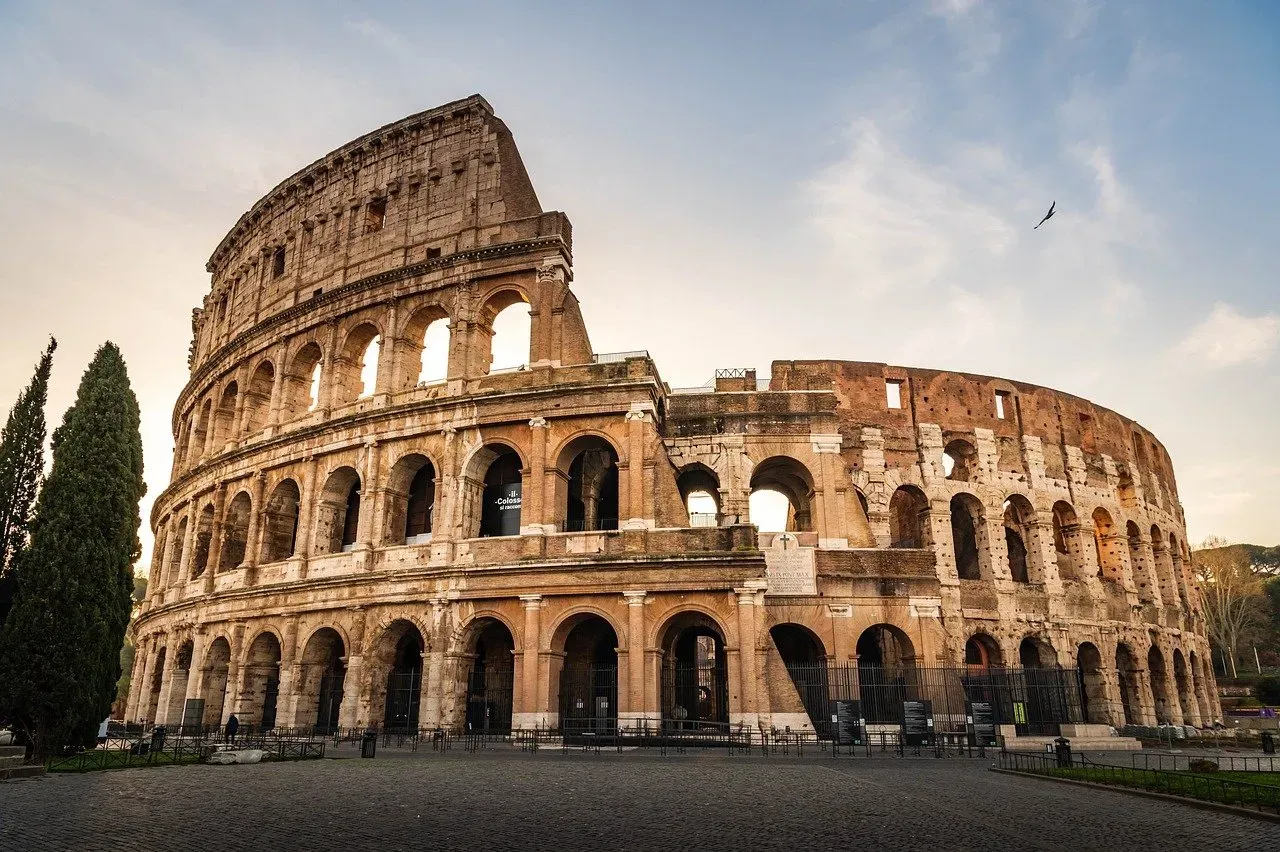
Walk around Rome today and you’ll see structures from two thousand years ago still standing strong. The Pantheon, with the world’s largest unreinforced concrete dome dedicated in the second century, remains intact, and some ancient Roman aqueducts still deliver water to Rome. Meanwhile, many modern concrete structures have crumbled after a few decades. So what did the Romans know that we’ve forgotten?
Turns out, quite a bit. Recent research from MIT and other institutions discovered ancient concrete-manufacturing strategies that incorporated self-healing functionalities. Calcium-rich mineral deposits called “lime clasts,” commonly found in Roman-era concrete, gave buildings and structures “a previously unrecognized self-healing capability.” When cracks formed, these lime clasts would dissolve and recrystallize, filling the gaps. The strength and longevity of Roman marine concrete benefited from a reaction of seawater with volcanic ash and quicklime to create a rare crystal called tobermorite, which may resist fracturing. Modern concrete just doesn’t do that. It crumbles, it fails, and we replace it.
Egyptian Medical Practices That Would Impress Modern Doctors
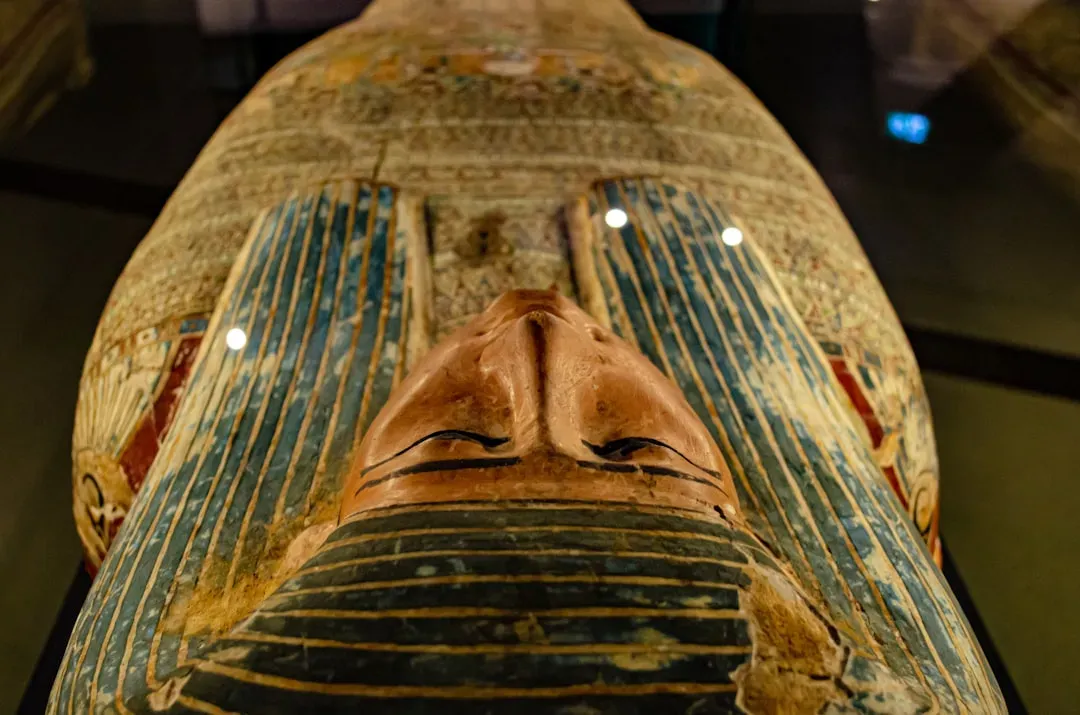
The medicine of the ancient Egyptians is some of the oldest documented, dating from the late fourth millennium BC until the Persian invasion. These weren’t witch doctors mumbling incantations. They were performing surgery. The extensive use of surgery, mummification practices, and autopsy as a religious exercise gave Egyptians a vast knowledge of the body’s morphology, and even a considerable understanding of organ functions.
They had advanced knowledge of anatomy and surgery, and they could diagnose diabetes and cancer. Two cases of successful amputations, one of arm and the other of leg, were recorded in the literature, suggesting the use of the bone saw. From the sixteenth century BC, roughly half of the drug sources used by the ancient Egyptians remain in use today, and research shows that roughly two thirds of their remedies are therapeutically effective. That’s better than some alternative medicine peddled in modern health stores. Greek medical pioneers like Hippocrates, Herophilos, Erasistratus and later Galen studied at Egyptian temples and acknowledged the contribution of ancient Egyptian medicine to Greek medicine.
Damascus Steel Swords With Nanotechnology
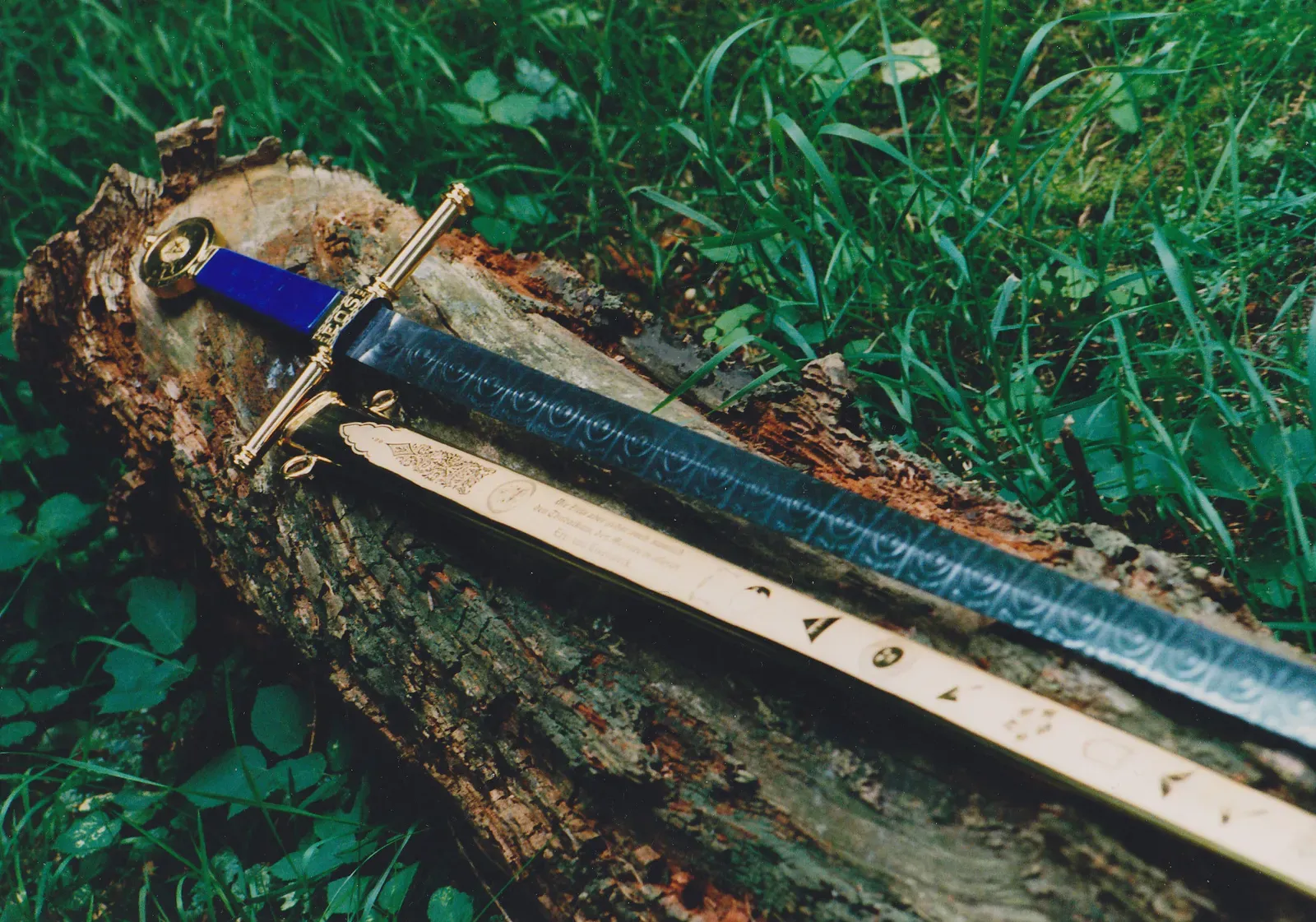
Damascus steel swords originated in the Middle East during the ninth century and were renowned for their appearance as well as their durability, being multiple times stronger and sharper than the Western swords used during the Crusades. Their name references not only the Syrian city from which they hailed but also the flowing pattern that adorns their surface. I know it sounds crazy, but these blades were essentially utilizing nanotechnology centuries before we even had the word for it.
The secret of making Damascus Steel has only reemerged under inspection of scanning electron microscopes in modern laboratories, and it was first used around 300 BC before the knowledge was inexplicably lost around the mid-eighteenth century. Nanotechnology was involved in the production of Damascus steel, in the sense that materials were added during the steel’s production to create chemical reactions at the quantum level. The ancient smiths didn’t understand quantum mechanics, obviously. They didn’t need to. They had perfected the craft through generations of trial, error, and closely guarded secrets.
The Baghdad Battery and Ancient Electricity
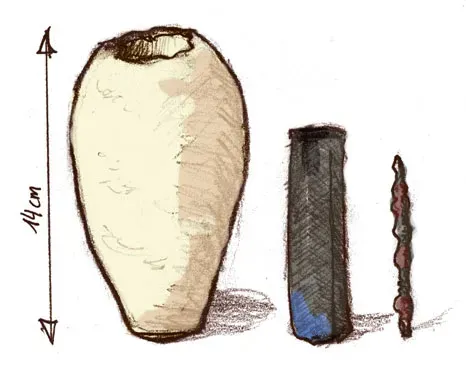
The Baghdad Battery is a ceramic pot with a tube of copper and a rod of iron fixed together with bitumen, discovered near the ancient city of Ctesiphon and believed to date from either the Parthian or Sasanian periods. Wilhelm König suggested that the object functioned as a galvanic cell, possibly used for electroplating or some kind of electrotherapy. The idea that ancient Mesopotamians might have harnessed electricity two thousand years ago sounds like science fiction.
MythBusters built replicas of the jars using lemon juice as an electrolyte and demonstrated that they could produce about four volts of electricity when connected in series. That’s not much, but it’s enough to produce a noticeable effect. Scholar Paul Keyser proposed in the Journal of Near Eastern Studies that ancient batteries and electric eels might have been utilized for medical purposes, potentially for pain relief or anesthesia, which raises intriguing questions about the true function of the Baghdad Battery. Though the claims are universally rejected by archaeologists and this interpretation is rejected by scientists, the mystery persists, and the debate continues.
Precision Engineering at the Pyramids

The pyramids of Giza were built around 4500 years ago. The Egyptians of the time are believed to have had only rudimentary tools, were unfamiliar with the wheel, had no machinery such as cranes, a limited knowledge of astronomy and only copper tools. Yet somehow they managed to construct monuments that still stand today. The pyramids are oriented to within one fifteenth of a degree to north, south, east and west, and the Great Pyramid of Giza is the most accurately aligned structure in existence, including all our modern buildings.
Let me repeat that: the most accurately aligned structure on Earth was built roughly forty-five centuries ago. It seems that it was achieved with brute force – a huge amount of labourers who would have taken around twenty years to complete each pyramid. Still, the organizational capacity and geometric precision required to pull this off staggers the imagination. We’ve got laser levels and GPS, and we still can’t match their alignment.
The Lost Formula of Greek Fire

The Byzantines of the seventh to twelfth centuries hurled a mysterious substance at their enemies in naval battle – a liquid shot through tubes or siphons that burned in water and could only be extinguished with vinegar, sand, and urine, and we still don’t know what this chemical weapon, known as Greek fire, was made of. Think about that for a moment. A weapon so effective, so terrifying, that it dominated Mediterranean warfare for centuries.
The Byzantines guarded the secret jealously, ensuring only a select few knew the secret, and the knowledge was eventually lost altogether. We’ve tried to recreate it. Scientists have theories involving petroleum, quicklime, sulfur, and various other ingredients. Nothing quite matches the historical descriptions. Here’s the thing: this wasn’t just some flammable oil. It was a sophisticated incendiary weapon that gave the Byzantine Empire a decisive military advantage for hundreds of years.
Advanced Astronomy and Calendars

The first recorded observations of comets, solar eclipses, and supernovae were made in China, and traditional Chinese medicine, acupuncture and herbal medicine were also practiced. The astrolabe is a testament to our ancient ancestors’ advanced technologies and scientific knowledge, and it’s a lasting reminder of the innate human desire to understand the universe and our place in it. These weren’t just random observations scribbled on clay tablets.
Ancient astronomers tracked celestial movements with remarkable precision. The ancient Chinese seismoscope was the world’s first recorded device for detecting earthquakes, invented by the brilliant Chinese scientist and statesman Zhang Heng. The wheel was invented around 4000 BC in Mesopotamia, which is just over six thousand years ago, and it’s only around 4000 BC that the wheel found its true use. From there, civilizations developed calendars, navigation tools, and mathematical systems that allowed them to predict everything from eclipses to the optimal planting season.
Sophisticated Hydraulic Engineering
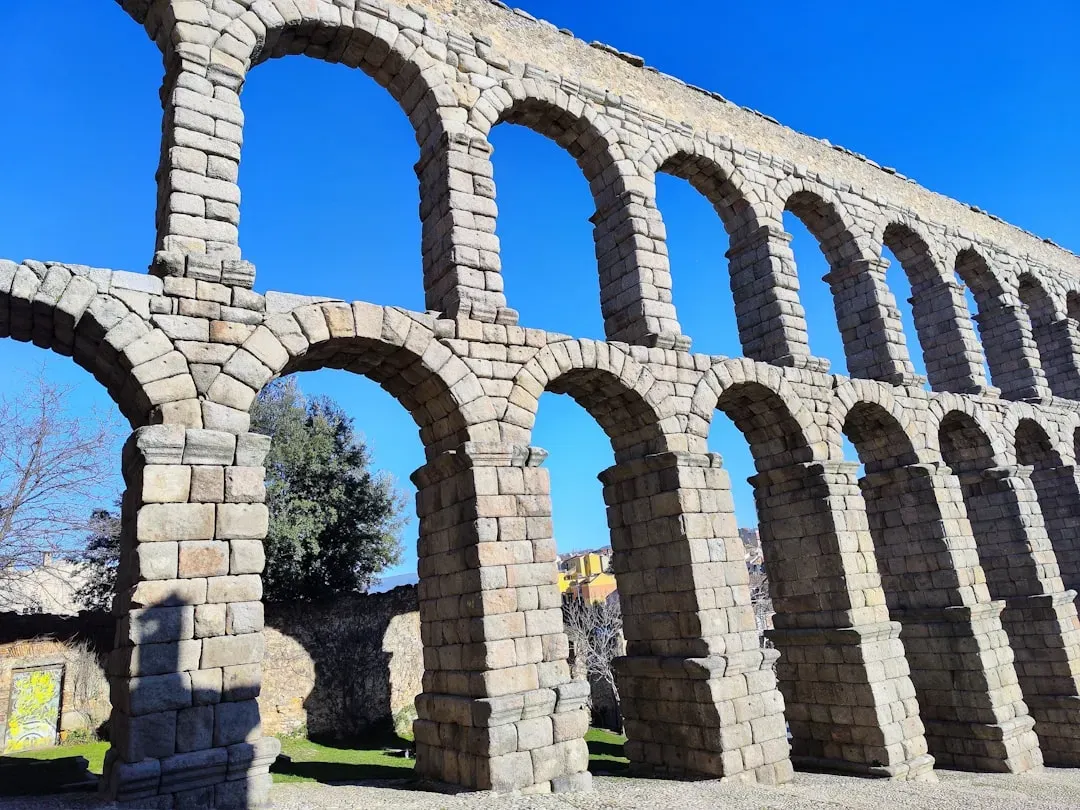
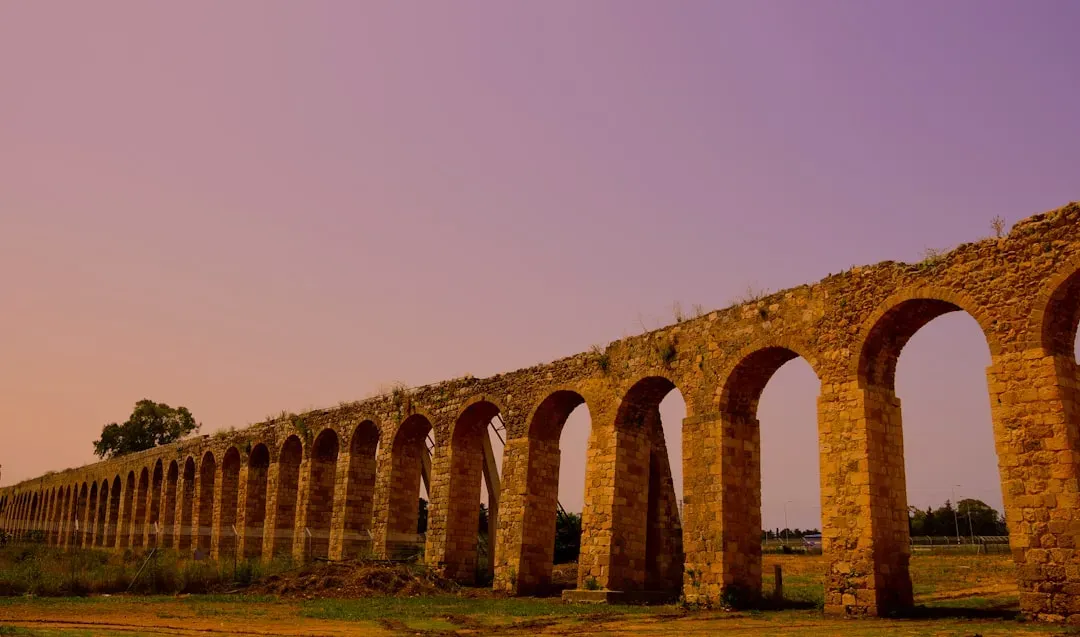
The Romans understood hydraulics and constructed fountains and waterworks, particularly aqueducts, and they exploited water power by building water mills, sometimes in series, such as the sequence found at Barbegal in southern France. These weren’t simple ditches. Roman aqueducts brought water from distant places to the cities for drinking, bathing, and sanitation, and the Romans were total pros at construction, using inverted siphons to ensure the water flowed smoothly.
The ancient civilizations of the Americas produced advanced engineering including above ground and underground aqueducts, quake-proof masonry, artificial lakes, dykes, fountains, pressurized water, roadways and complex terracing. All of this without the wheel, without iron tools, and often in challenging mountainous terrain. The Inca, the Maya, the Aztec – they developed water management systems that modern engineers study to understand how to build resilient infrastructure in earthquake-prone regions.
Knowledge Lost in the Dark Ages

The Romans developed many technologies which were apparently lost in the Middle Ages and were only fully reinvented in the nineteenth and twentieth centuries. This is perhaps the most unsettling part of the story. We didn’t just forget a few minor tricks. Entire bodies of knowledge vanished. All these technologies and more were part of civilized life before it collapsed and everything was lost, only to be gradually, accidentally rediscovered within the last two hundred years.
While many ancient super technologies – from Roman concrete to Damascus steel – were once lost, they have since been recreated by present-day researchers, and usually any difficulty in recreating them stems from the lack of original instruction rather than an inability to comprehend the invention itself. It makes you wonder what else we’ve lost. What innovations disappeared during wars, plagues, and the collapse of empires? What practical knowledge was written on perishable materials that rotted away or burned in library fires?
Rediscovering What Was Always There
The more archaeologists uncover, the clearer it becomes that our ancestors weren’t primitive. Ancient civilizations repeatedly demonstrated incredible ingenuity and engineering prowess, even in the most distant past, and certain ancient innovations and technologies remain a great enigma, as they cannot be replicated and fully understood. These forward-thinking inventions are reflections of the ingenuity of their respective civilizations. They solved complex problems with the materials and knowledge available to them.
Archaeological excavations throughout the world reveal that, once in a while, ancient civilizations developed inventions that were decades if not centuries ahead of their time. We’re not just talking about one or two isolated examples. This pattern repeats across cultures, continents, and millennia. The question isn’t whether ancient people were capable of advanced technology. They demonstrably were. The question is: how much more have we yet to rediscover? What secrets still lie buried beneath the sand, waiting to challenge everything we think we know about human history?
Next time you look at an ancient monument or artifact, remember: the hands that built it belonged to people just as intelligent, creative, and capable as anyone alive today. Did you expect that? What do you think we’ll uncover next?