
Every few months, another archaeological discovery quietly shakes our sense of how “primitive” the ancient world really was. A 4,000‑year‑old city with sophisticated drainage, stonework that fits more tightly than modern bricks, or a temple mysteriously aligned with the stars – it all forces us to ask an uncomfortable question: what exactly did our ancestors know that we’ve forgotten?
We like to think of history as a straight line of progress, but it often behaves more like a spiral. Old ideas disappear, then resurface centuries later dressed in new jargon and shiny technology. When you look closely, you start to see a pattern: in engineering, medicine, astronomy, and even psychology, ancient civilizations solved problems in ways that feel uncannily modern – and in some cases, strangely ahead of us.
Stone Engineering That Defies Modern Tools
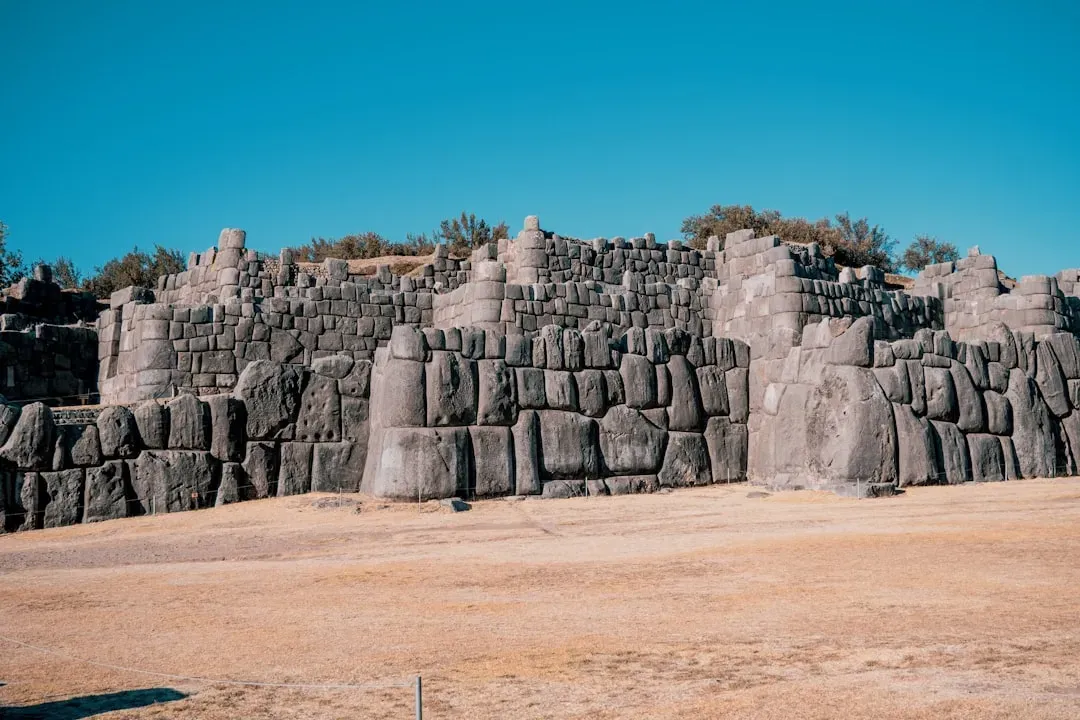
The first time you see a close‑up of Inca stonework in Cusco or at Machu Picchu, it almost feels fake. Massive blocks weighing many tons lock together like soft clay pressed by hand, yet no mortar holds them in place. The joints are so precise that you can barely slip a sheet of paper between them, and they’ve survived earthquakes that flattened newer buildings sitting right next door.
We still don’t have a full, universally accepted explanation for how, with no steel tools or industrial machinery, they quarried, shaped, transported, and fitted these stones in mountainous terrain. Modern engineers can reproduce similar work, but usually with heavy equipment, computer modeling, and a serious budget. The uncomfortable truth is that the Incas, Egyptians, and other ancient builders had an extremely advanced, practical understanding of geometry, load distribution, vibration, and local materials that we’re still trying to reverse‑engineer, often dismissing it as “mystery” instead of admitting we don’t fully understand their methods.
Lost Cities With Smart Urban Planning
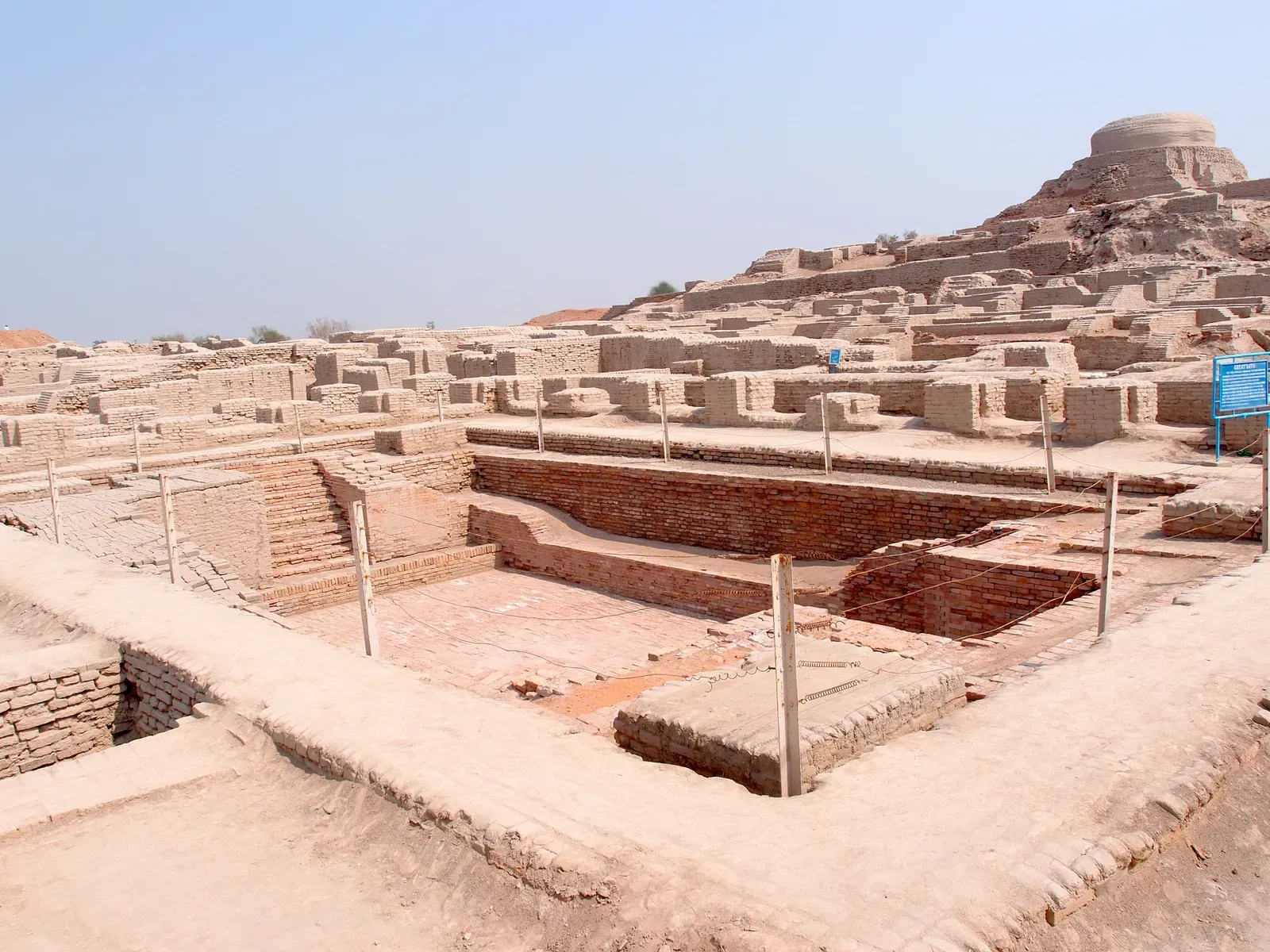
We often imagine ancient cities as chaotic and dirty, but discoveries in places like the Indus Valley and Mesoamerica tell a different story. The ancient city of Mohenjo‑Daro, for example, had straight streets laid out in a clear grid, houses with private bathrooms, and drainage systems that many modern cities should probably be embarrassed to compare themselves to. This was thousands of years ago, long before industrialization or modern public health theories.
The Maya built cities with sophisticated causeways, reservoirs, and terraces that managed rainfall and erosion in dense tropical environments. Some ancient planners clearly understood airflow, water flow, waste removal, and community organization on a level that aligns with today’s “smart city” ideals. When modern engineers and urban planners look closely, they often end up relearning principles of walkability, passive cooling, and resilient infrastructure that ancient builders treated as common sense rather than innovation.
Ancient Astronomy And Cosmic Precision
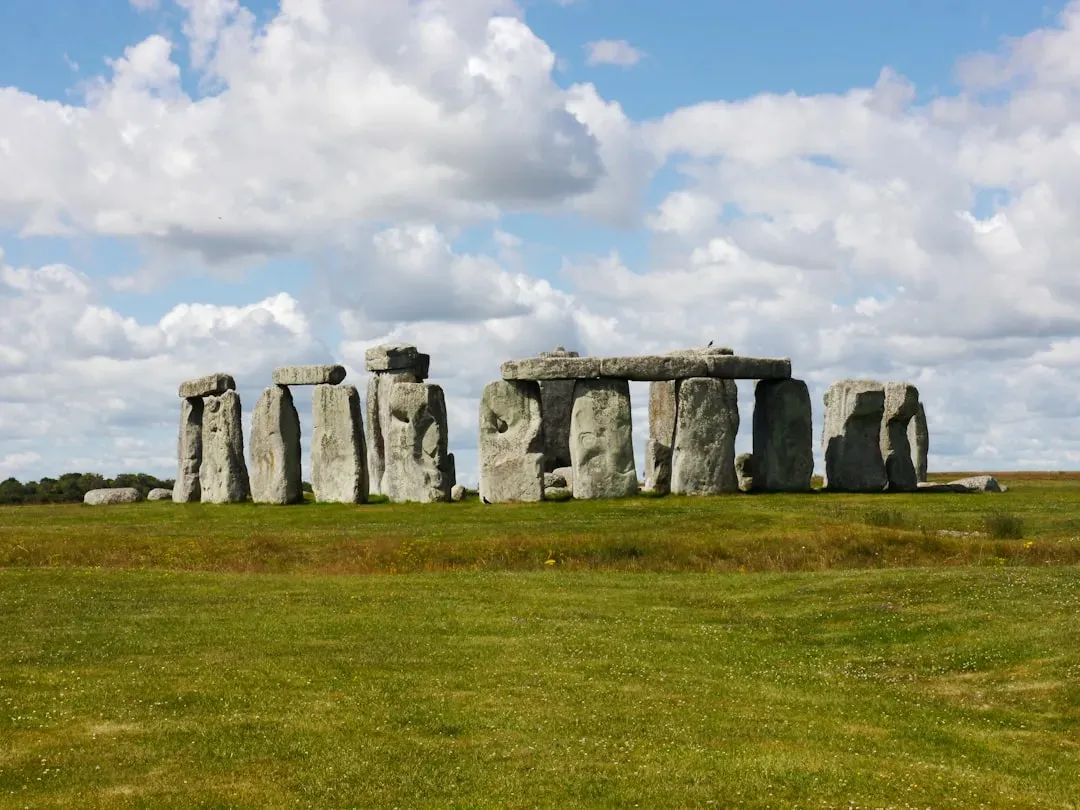
Stand inside an ancient temple at sunrise on a solstice, and it can feel almost unsettling. Sunlight pours through a narrow opening and lands precisely on a carved symbol, statue, or interior wall – something that only happens on that specific day of the year. Egyptians, Mayans, Babylonians, Greeks, and many others built observatories without calling them observatories, encoding planetary cycles and star positions into architecture, calendars, and myths.
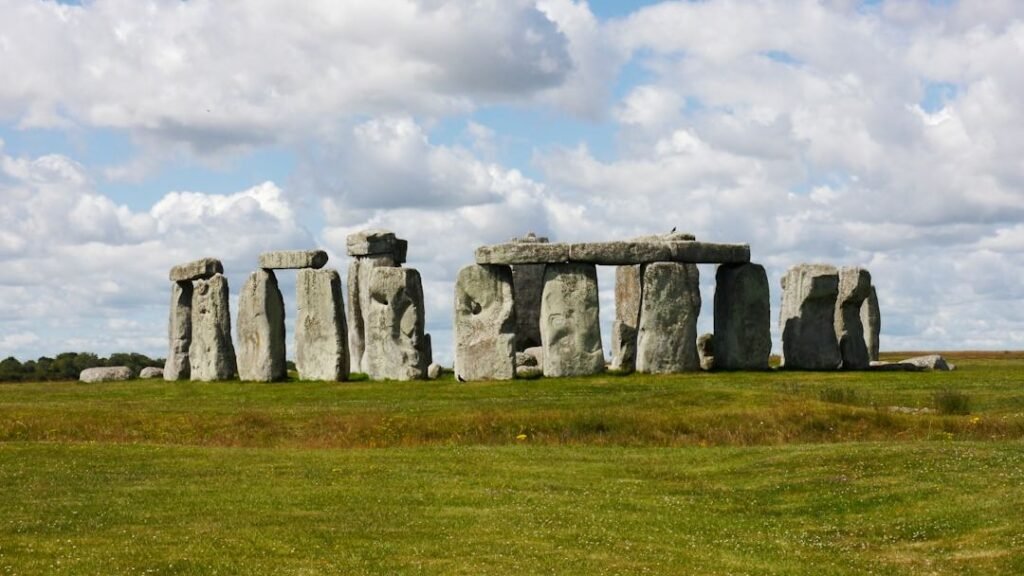
Places like Stonehenge, Chichen Itza, and Nabta Playa show detailed knowledge of solar and lunar movements, eclipses, and seasonal shifts. These cultures tracked time with a precision that required long‑term data, patient observation, and mathematical skill we often underestimate. Today, astronomers and archaeoastronomers are still decoding how they did their calculations, and it’s becoming clear that for many ancient civilizations, the sky was not just spiritual wallpaper but a scientific laboratory they understood surprisingly well.
Medicine, Surgery, And Body Knowledge Ahead Of Their Time
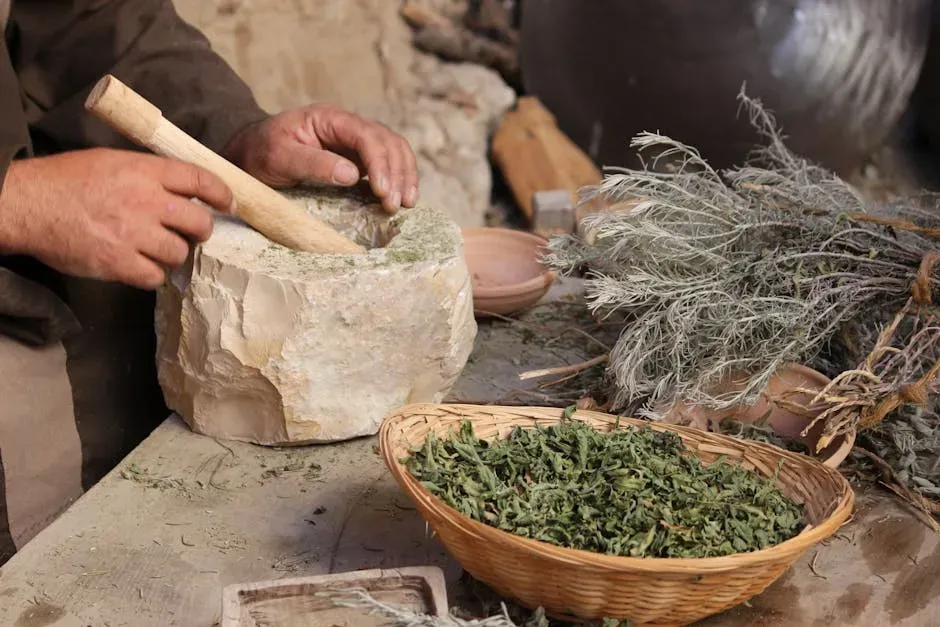
Ancient medical practices are easy to dismiss as superstition, but scratched beneath the surface, there’s a lot more science than most people expect. Egyptian medical papyri describe setting fractures, stitching wounds, and even diagnosing certain diseases with a level of observation modern doctors instantly recognize. In South America, archaeologists have found skulls with evidence of trepanation – holes carefully drilled into the skull – and many of those patients actually survived, meaning people knew how to manage trauma and infection at least somewhat effectively.
Ayurvedic practitioners in ancient India wrote detailed descriptions of digestion, metabolism, and mental states that sound shockingly familiar to current ideas about the gut‑brain axis and holistic medicine. Traditional Chinese medicine mapped meridians that, while still debated, often align with nerve clusters, fascia lines, and circulation pathways that researchers are re‑examining today. Modern science rightly discards what doesn’t work, but it’s also rediscovering that many ancient healers understood patterns in lifestyle, diet, sleep, and emotional health that we’re now repackaging under concepts like “integrative medicine” and “preventive care.”
Environmental Management And Sustainable Farming
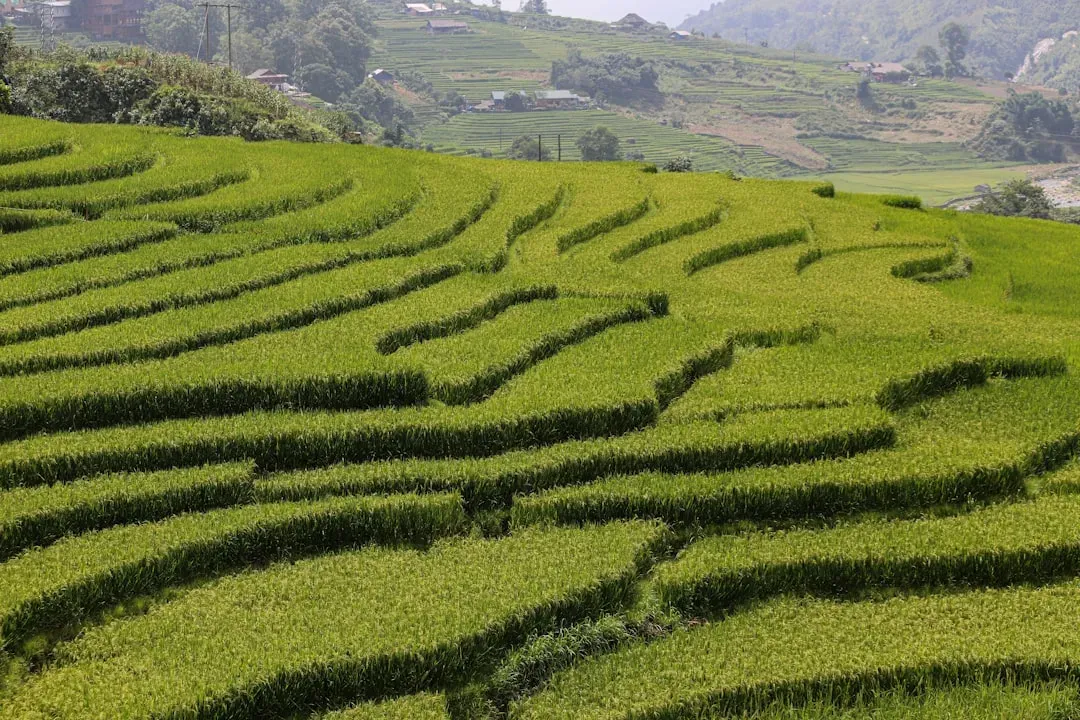
Long before climate change hit the headlines, ancient civilizations were quietly experimenting with how to coax food out of harsh landscapes without destroying them. The terraced fields of the Andes, for instance, are more than pretty mountainside patterns; they stabilize slopes, control erosion, and create microclimates that protect crops from sudden temperature drops. Some of those terraces are still in use, while nearby “modern” farms suffer from soil degradation and runoff.
Similarly, ancient irrigation systems in places like Mesopotamia, Angkor, and parts of Africa reveal a deep understanding of water cycles and seasonal rhythms. In the Amazon, researchers have found anthropogenic “dark earths” – soils enriched by ancient people using charcoal, bone, and organic waste – that remain fertile centuries later. Today’s regenerative agriculture movement frequently ends up circling back to techniques that echo ancient crop rotation, polyculture, and soil building methods, proving that “new” sustainable trends sometimes look a lot like remembering what our ancestors already figured out.
Sacred Geometry, Acoustics, And Subtle Design
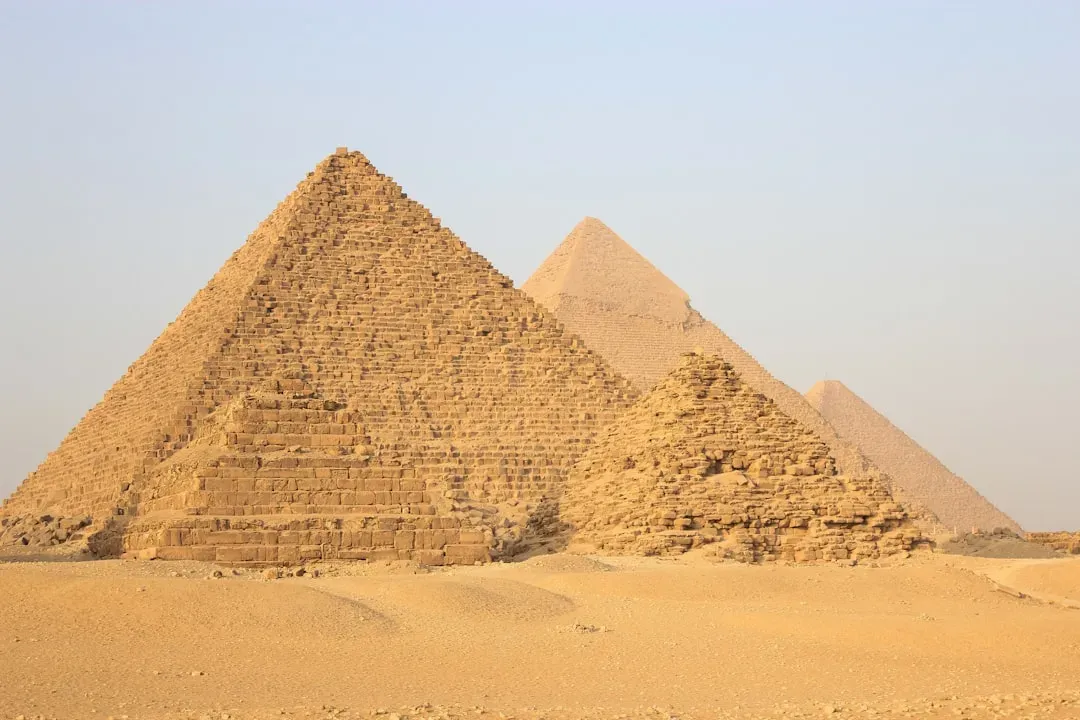
Walk into certain old temples, mosques, churches, or pyramids, and the space itself seems to do something to your senses. Your voice echoes differently. A whisper carries across a room. Vibrations feel oddly focused. Many ancient builders were not only artists and masons, but accidental or intentional acoustic engineers. They understood how shape, material, and proportion could shape sound and, by extension, emotional experience inside a structure.
Alongside this, there’s the persistent thread of “sacred geometry” – ratios and patterns like the golden ratio, specific triangles, and repeating polygons baked into floor plans and façades. These designs appear in Egyptian, Greek, Indian, Islamic, and medieval European architecture. While the mystical explanations vary, the practical outcome is consistent: spaces that feel harmonious and balanced to human perception. Modern architects use software to simulate what ancient builders did with intuition, geometry, and centuries of trial and error, rediscovering that good design quietly guides how we feel and behave inside a building.
Philosophy, Psychology, And Ways Of Knowing
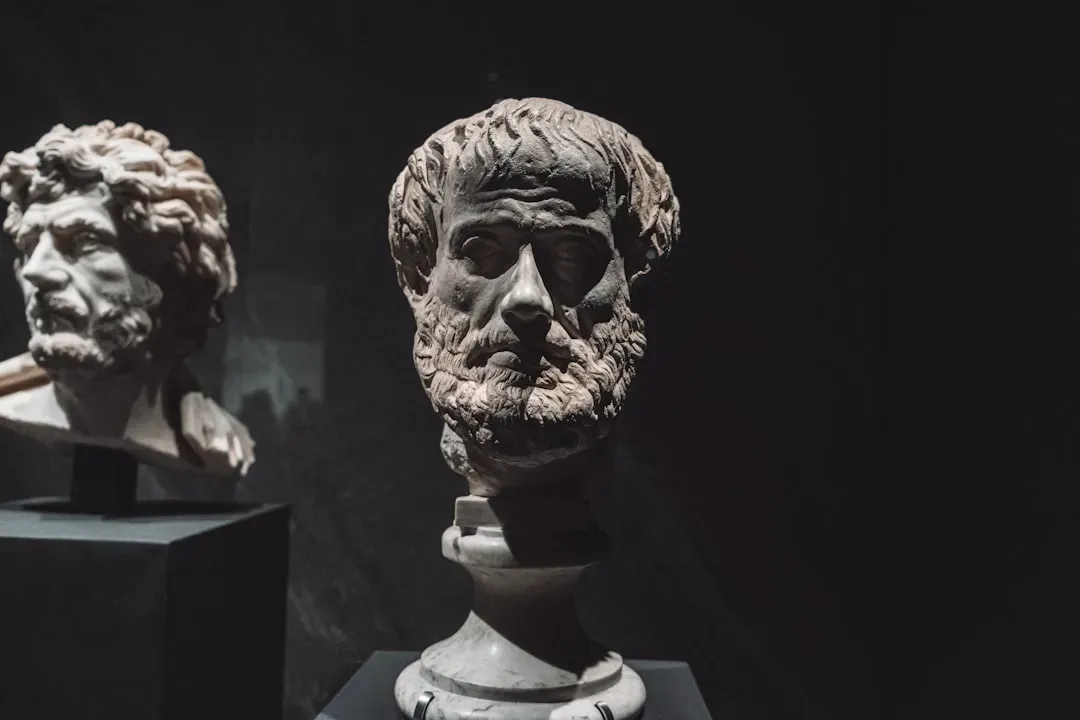
When people talk about “ancient wisdom,” it can sound fluffy and vague, but much of it was brutally practical. Stoic philosophers in Greece and Rome, Buddhist thinkers in India, Daoist writers in China – they were all wrestling with anxiety, fear, attachment, and meaning in ways that sound suspiciously like modern therapy sessions. Reading their work today, you find early versions of cognitive reframing, mindfulness, exposure to discomfort, and value‑based living.
Many ancient cultures also had non‑written ways of preserving complex knowledge through stories, rituals, and symbols. Indigenous traditions worldwide encoded ecological, social, and psychological insights in myths that modern anthropologists and psychologists are now reading as data, not just tales. While today we lean heavily on written reports and spreadsheets, those older methods remind us that human minds sometimes learn best through narrative, metaphor, and embodied practice. In a strange twist, some of our most cutting‑edge psychological tools are basically polished, reworded fragments of insights people have been passing down for thousands of years.
Conclusion: Progress, Amnesia, And Humility
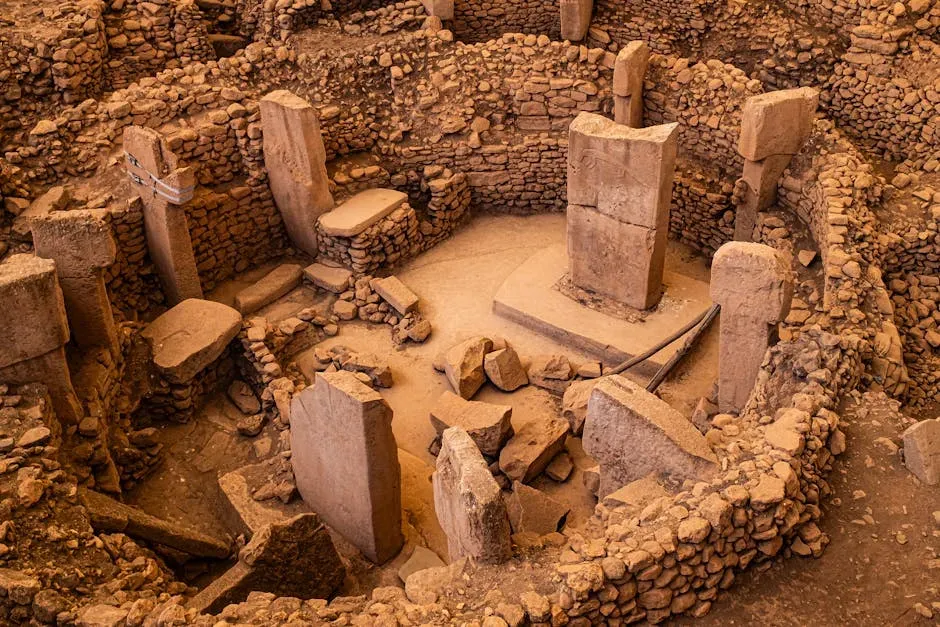
Looking back at ancient civilizations through the lens of modern science doesn’t turn them into secret space travelers or all‑knowing geniuses, but it does force a kind of humility. They did extraordinary things with limited tools, harsh environments, and no safety net, and in the process they developed sophisticated knowledge that we dismissed, forgot, or are only now starting to properly test again. History starts to feel less like a ladder we climbed and more like a library where we carelessly lost entire shelves of useful books.
If there’s a lesson here, it’s not that the past was better, but that it was richer and more inventive than we usually admit. We are, in many fields, catching up to old ideas with new instruments, new language, and new proof, rediscovering that our ancestors were not stumbling in the dark so much as walking different paths using different maps. The real question is whether we’ll remember that the next time we’re tempted to call something “primitive” just because it doesn’t look like us.