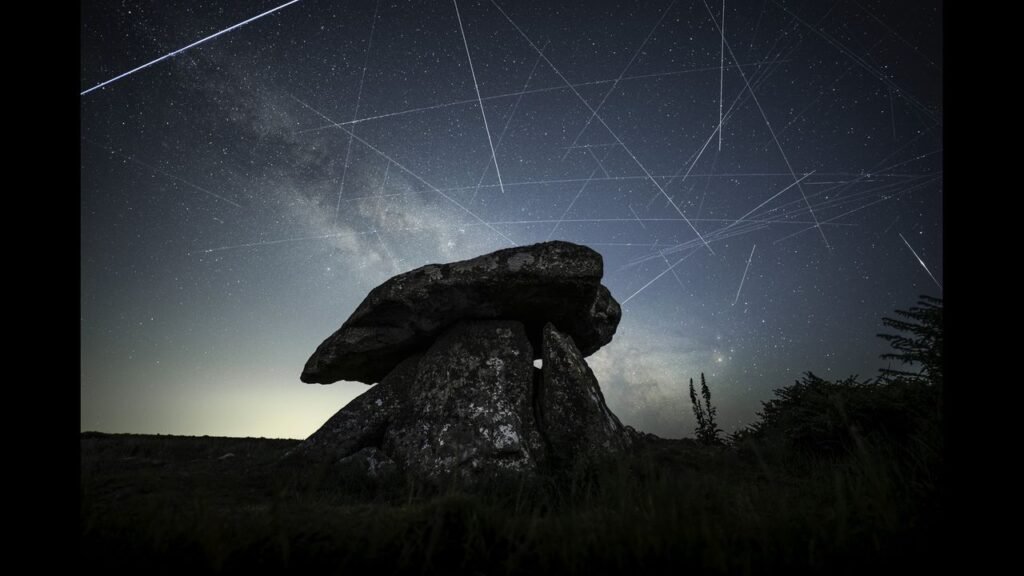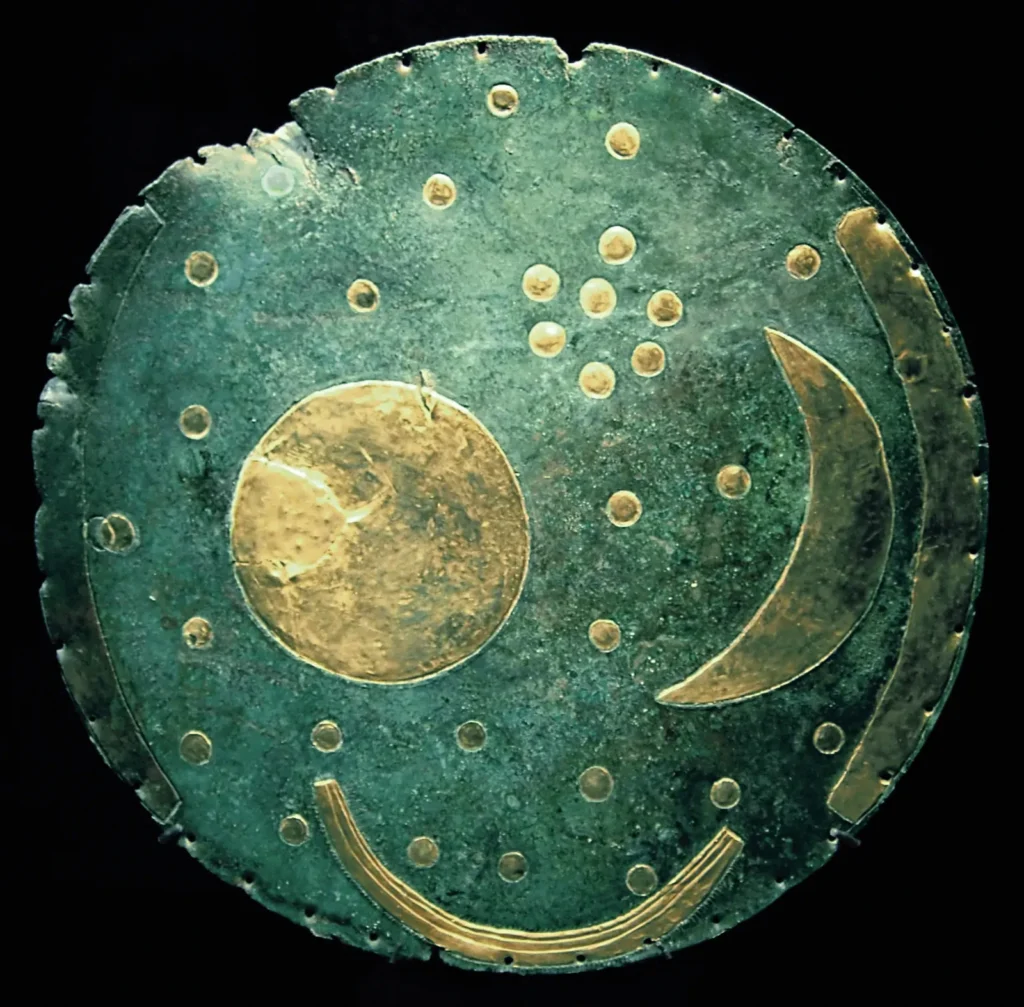

Picture this: thousands of years before satellites, before telescopes, before even written language was widespread, human beings were already mapping the cosmos with shocking precision. They were predicting eclipses, calculating the length of a solar year, and building massive stone structures aligned to celestial events. Not roughly aligned. Precisely. The kind of precision that makes modern scientists stop and say, “Wait, how did they do that?”
You might think of ancient people as primitive, fumbling in the dark and making lucky guesses. Honestly, that could not be further from the truth. Far from passive observers, these early civilizations developed sophisticated systems to track and predict celestial events, using their knowledge to inform their agriculture, navigation, and spiritual beliefs. What you are about to discover is that the story of astronomy does not begin with Galileo or Newton. It begins much, much earlier. Let’s dive in.
The Babylonians: Earth’s First True Astronomers
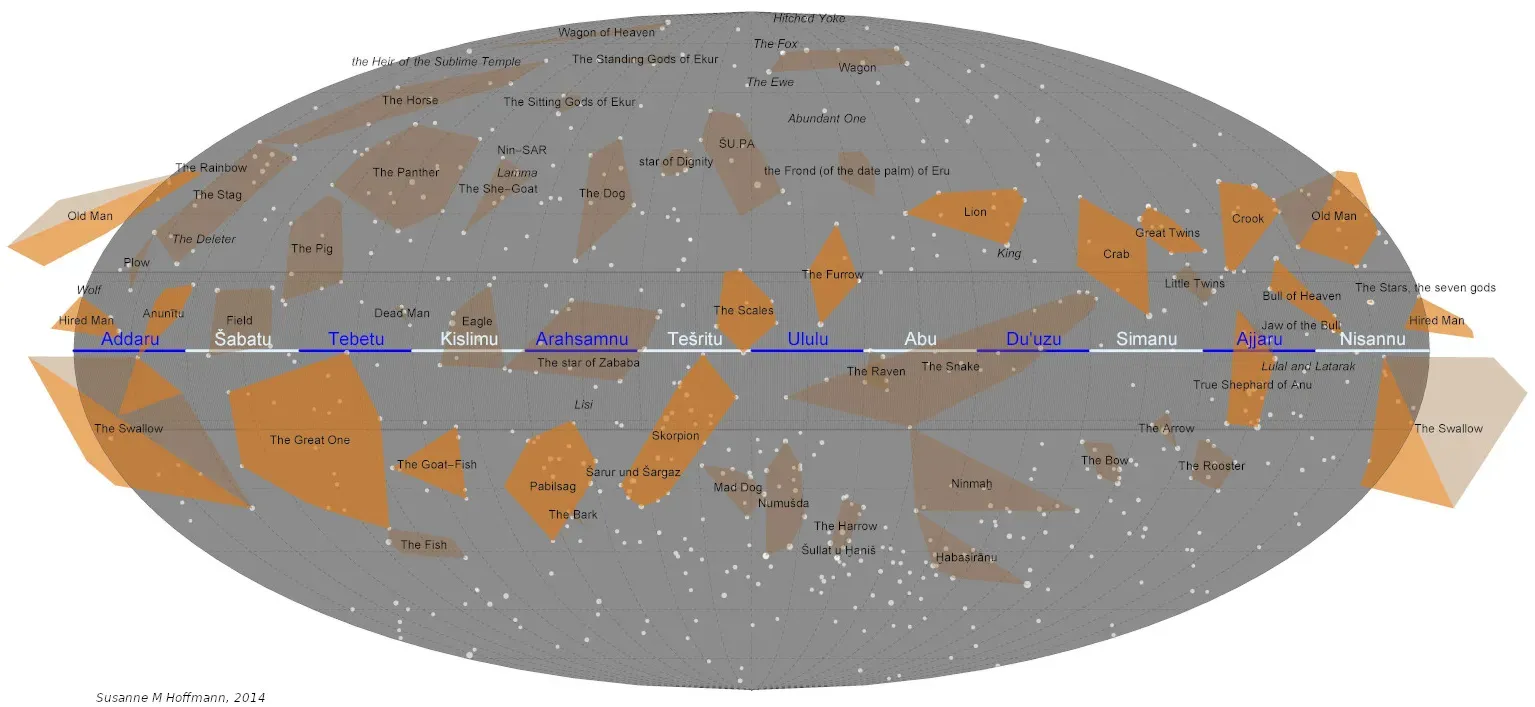
Considered the world’s first known astronomers, the ancient Babylonians were avid stargazers. Some six thousand years ago, they erected watchtowers to scan the night sky, mapped the stars and visible planets, and recorded their observations on clay tablets. Think about that for a second. Six thousand years ago. While most people were still figuring out how to farm reliably, someone in Mesopotamia was staying up all night cataloguing the movements of planets.
Although their vision of the universe was based on mythological beliefs, the Babylonians’ astronomical observations and predictions were astoundingly accurate. They were the first known people to predict eclipses. They could track and predict the relative movements of the sun, the moon, Mercury and Venus. What’s wild is how they pulled this off using nothing more than naked eyes and an obsessive dedication to recording patterns. During the eighth and seventh centuries BC, Babylonian astronomers developed a new empirical approach to astronomy, studying and recording their belief system and philosophies dealing with an ideal nature of the universe and employing an internal logic within their predictive planetary systems. This was an important contribution to astronomy and the philosophy of science, and some modern scholars have referred to this approach as a scientific revolution.
Ancient Egypt: Stars, Pyramids, and the Nile
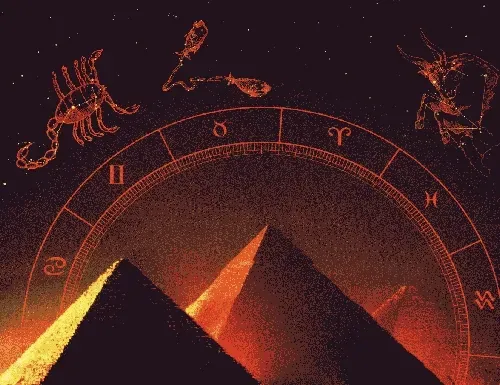
Here’s the thing about ancient Egypt that most people overlook: their relationship with the stars was not just spiritual. It was deeply, urgently practical. The annual flooding of the Nile was the foundation of Egyptian civilization and agriculture, so predicting this occurrence with accuracy was the driving force behind the development of Egyptian astronomy. Everything in their world revolved around getting that timing right. Miss the flood prediction, and your crops fail. Fail your crops, and your civilization struggles to survive.
The Egyptians were skilled astronomers. They mapped the constellations visible in the night sky, developed a 365-day calendar based on the heliacal rising of the star Sirius, and aligned their monuments with celestial bodies. You can see this knowledge etched permanently into stone. The precise orientation of the Egyptian pyramids serves as a lasting demonstration of the high degree of technical skill attained in the third millennium BCE. The Egyptian pyramids were carefully aligned towards the pole star, and the temple of Amun-Re at Karnak was aligned on the rising of the midwinter Sun. That is not coincidence. That is mastery.
The Mayan Calendar: A Cosmic Masterpiece
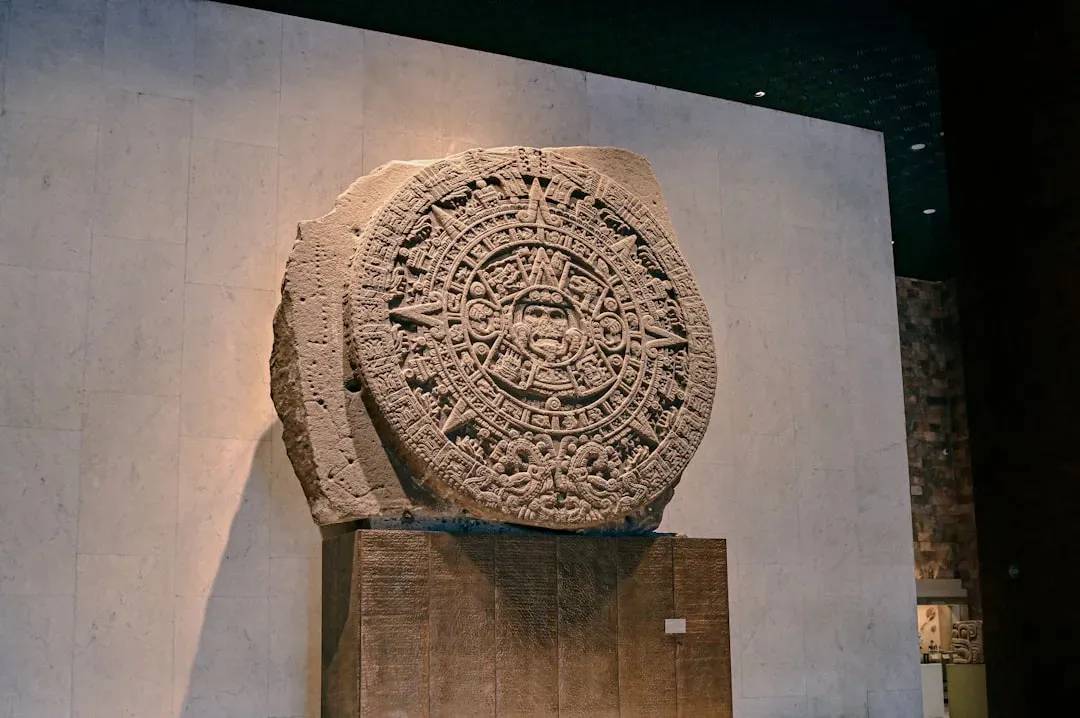
I think the Mayans are genuinely the most underappreciated astronomers in all of human history. The Mayans, one of the most advanced ancient civilizations of Mesoamerica, had a profound understanding of astronomy. This knowledge was not merely for curiosity or scientific exploration. It was deeply intertwined with their religion, calendar system, and everyday life. They were not just watching the sky on clear nights for fun. The sky was their entire operating system.
The Mayans built sophisticated observatories, such as El Caracol at Chichen Itza, to accurately observe celestial bodies. These observatories were architecturally aligned with the movements of the sun, moon, Venus, and other planets. Their records were extraordinary too. Their astronomical observations were recorded in codices, folding books written on bark paper. Though many were destroyed during the Spanish conquest, some, like the Dresden Codex, survived. It contains detailed tables for predicting solar and lunar eclipses and the cycles of Venus and Mars. It is also famous for its Venus Table, remarkably accurate in predicting this planet’s appearances and disappearances. Let’s be real: that level of precision, built entirely through observation and mathematics, is stunning.
Ancient China: The Sky as a National Obsession
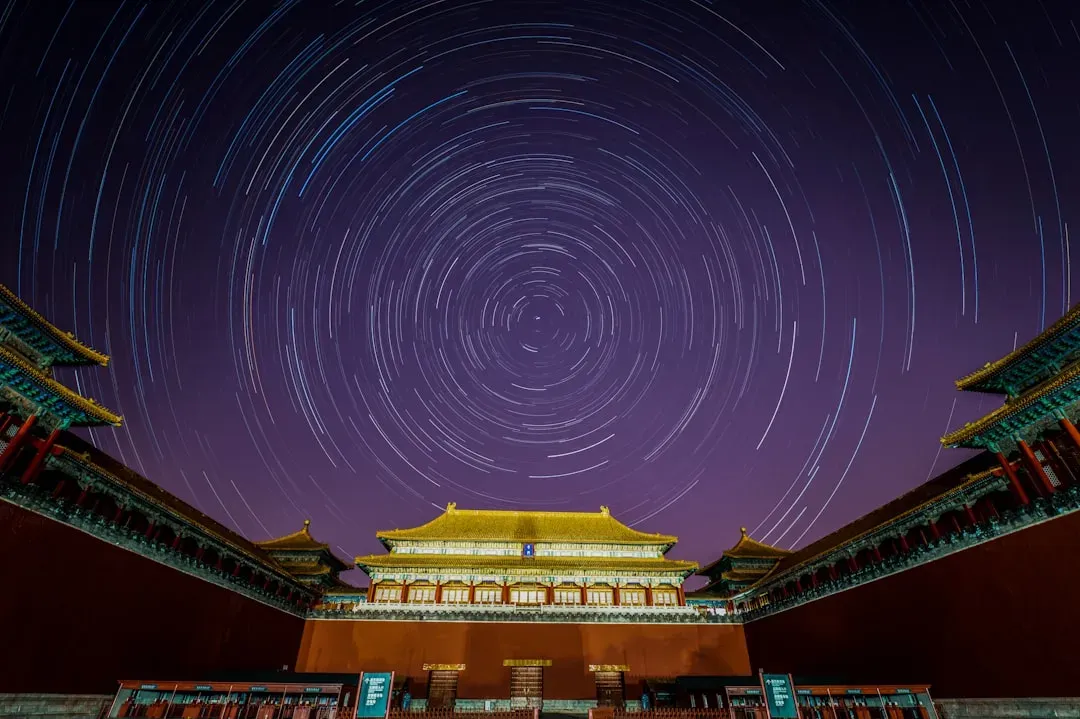
Astronomy in China has a long history stretching from the Shang dynasty, being refined over a period of more than three thousand years. The ancient Chinese people identified stars from 1300 BCE, as Chinese star names later categorized in the twenty-eight mansions have been found on oracle bones unearthed at Anyang, dating back to the mid-Shang dynasty. Three thousand years of continuous astronomical observation. You could not build a more complete picture of the night sky if you tried.
The astronomer Shi-Shen, in the fourth century BCE, is believed to have catalogued 809 stars in 122 constellations. He also made the earliest known observation of sunspots. Chinese astronomers were also remarkable for their records of rare events. Astronomers took careful note of “guest stars” which suddenly appeared among the fixed stars. The supernova that created the Crab Nebula in 1054 is an example of a guest star observed by Chinese astronomers, recorded also by the Arabs, although it was not recorded by their European contemporaries. That single observation, made nearly a thousand years ago, is still used by modern astrophysicists today. That is a legacy worth admiring.
Ancient Greece: Building on the Shoulders of Giants
It is hard to say for sure who gets the most credit in popular culture, but ancient Greece tends to dominate the conversation on astronomy. What people often miss, though, is how much Greek astronomers owed to the civilizations before them. There were astronomers at work in ancient India, Mesopotamia, Egypt, China, and elsewhere prior to the development of the discipline in Greece, and the Greeks were latecomers to the field. Drawing on the works of the Babylonians and Egyptians, however, they were able to develop a working model of the universe explained by natural laws rather than supernatural influences. Give credit where it’s due.
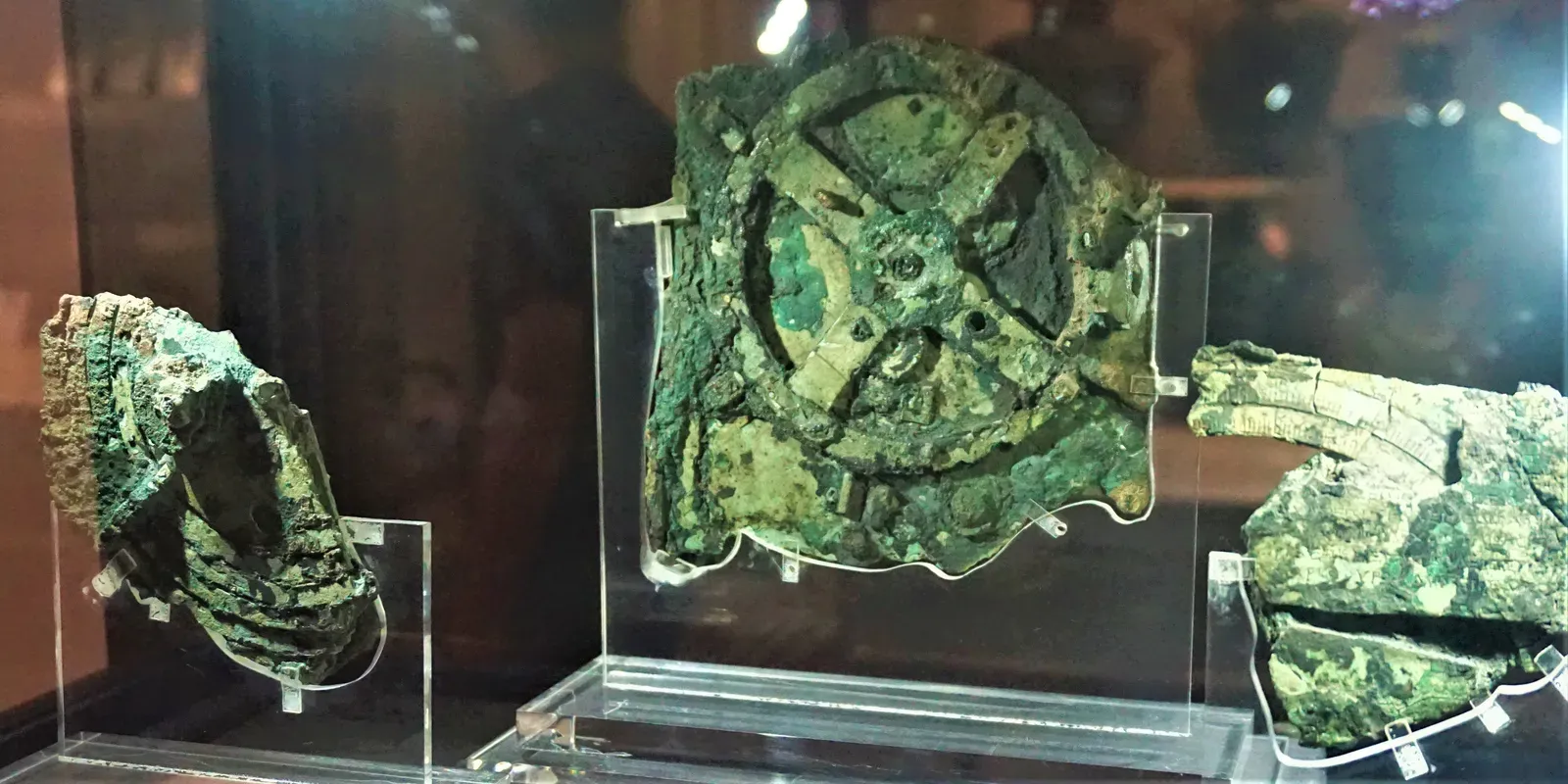
Still, the Greeks produced something remarkable. One of the leading candidates as the inventor of the Antikythera Device, believed to be the world’s first analogue computer and dated to the late second century and early first century BCE, is Hipparchus. The device, discovered in 1901, is modeled on Babylonian astronomical principles correlated with Egyptian astronomy but manufactured in Greece featuring letters of the Greek alphabet. By turning a crank on the device, one could calculate the position of planets, the Sun, Moon, and when an eclipse was most likely to occur. A hand-cranked eclipse predictor from two thousand years ago. You could spend an entire afternoon trying to wrap your head around that one.
Stonehenge and the Megalithic Sky Watchers
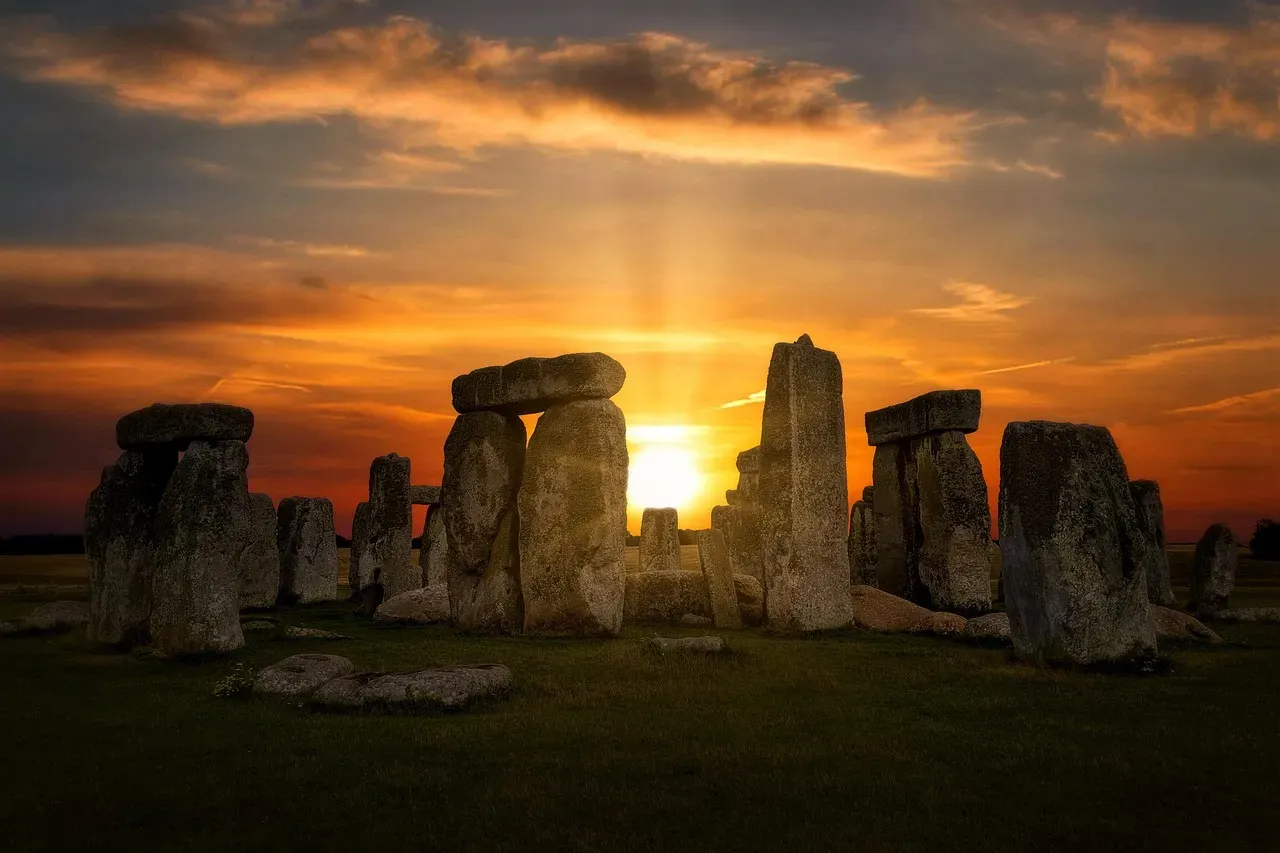
Stonehenge is one of those places that refuses to stop being mysterious, no matter how many times scientists study it. Stonehenge is known for its alignment with the movements of the sun, moon, and stars. The monument is oriented towards the sunrise on the summer solstice and the sunset on the winter solstice, indicating a connection to the changing seasons. Additionally, the axis of Stonehenge aligns with the position of the midsummer sunrise and midwinter sunset, suggesting a deliberate design to track the movements of celestial bodies. Whoever built this was paying very close attention to what the sky was doing each year.
Ancient structures with possibly astronomical alignments, such as Stonehenge, probably fulfilled astronomical, religious, and social functions. It was not just a single outpost either. Other monuments in the Stonehenge landscape were also built to align with the movements of the sun. Woodhenge, a timber monument near Durrington Walls, was built on the same axis, aligning with the midwinter and midsummer solstices. These early builders did not just stumble into these alignments. They built a network of cosmic markers across the landscape. The sheer scale of that ambition is genuinely breathtaking.
Polynesian Navigators: Reading the Ocean with Stars
If there is one story from ancient astronomy that deserves far more attention, it is this one. Polynesian navigators utilized the art of celestial navigation, using the rising and setting positions of specific stars, constellations, asterisms like the Big Dipper, and the movements of the Sun and Moon to chart and remember their courses across the Pacific Ocean. No GPS. No maps printed on paper. No compass in the modern sense. Just the stars, the ocean, and extraordinary human intelligence.
Ancient Polynesians learned to use the stars to navigate thousands of miles across the Pacific Ocean, enabling them to colonize distant islands, including the Hawaiian Islands. Think of it like driving across an invisible road at night, with no headlights, guided only by the light patterns overhead. These early navigational techniques, developed long before the invention of modern instruments, highlight the deep understanding of the natural world that most would think we only got recently. The Polynesians did not just survive across those open waters. They thrived, spread, and built lasting civilizations. All because they understood the stars in ways that most people today cannot begin to imagine.
Conclusion: We Are the Heirs of Ancient Stargazers
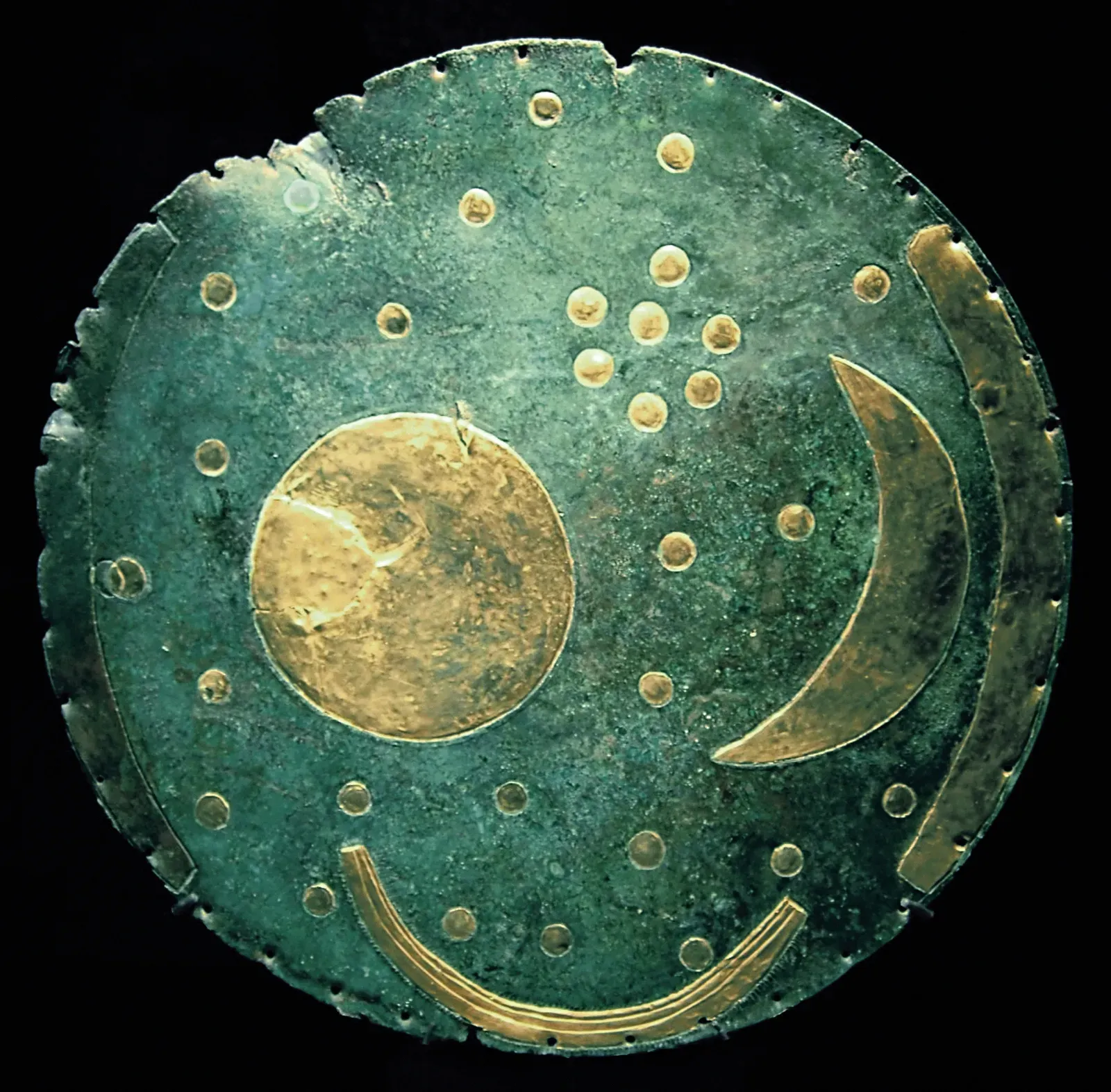
When you look up at the night sky today, you are looking at the same stars that the Babylonians catalogued, that the Egyptians used to time the flooding of their river, that the Mayans encoded into calendars of stunning complexity, and that Polynesian sailors used to find their way across the largest ocean on Earth. The alignment of ancient structures with the stars, the Sun, and the Moon reveals knowledge of the cosmos that predates modern astronomy by many centuries. Ancient civilizations relied on the Sun, Moon, and stars to develop celestial calendars that regulated agriculture, religious ceremonies, and daily life.
There is something humbling in realizing that the so-called “primitive” peoples of the ancient world were doing things that many modern humans could not replicate today without a smartphone app. As modern science continues to uncover the brilliance of ancient astronomical knowledge, we are reminded that progress does not always mean leaving the past behind. By honoring and preserving the celestial wisdom of earlier civilizations, we enrich our understanding of both the universe and ourselves. Next time you glance at the night sky, ask yourself this: are you seeing what they saw? What would you have done with that knowledge?