
Most people’s mental picture of the Americas before Columbus looks something like this: vast empty wilderness, scattered nomads, untouched nature. It’s a romantic image. It’s also spectacularly wrong. Long before European sails dotted the Atlantic horizon, the American continents were alive with sprawling cities, complex governments, towering pyramids, and intellectual traditions that rivaled anything happening simultaneously in Europe or Asia.
The story of these civilizations is one of the most underappreciated chapters in all of human history. You’ll find empires that spanned thousands of miles, astronomers who mapped the heavens with frightening precision, engineers who built roads through mountains without iron tools, and cities whose populations exceeded those of medieval London. Let’s dive in.
A Continent Already Full of People and Purpose
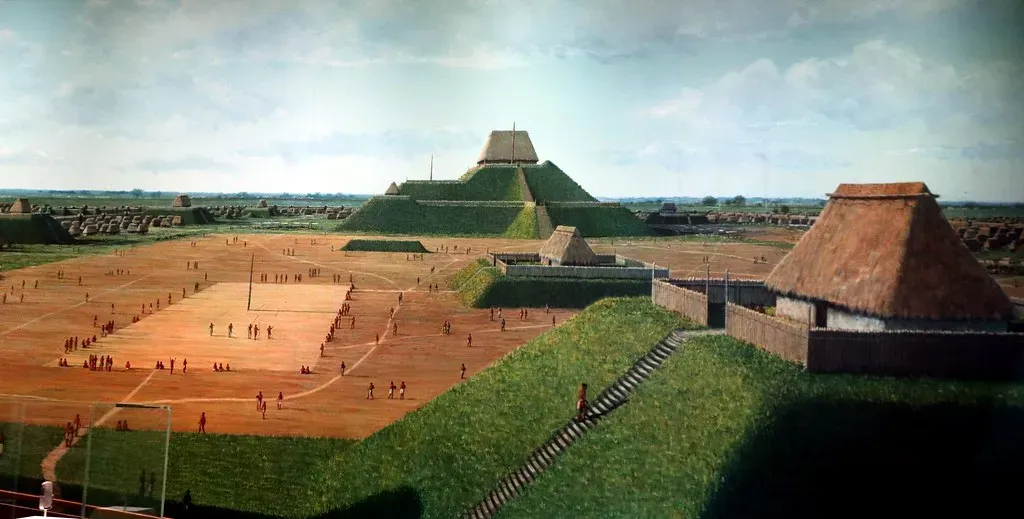
Here’s the thing that tends to shock people when they first really sit with it: the Americas were not a blank slate when Europeans arrived. By the time Europeans were poised to cross the Atlantic, the Americas were home to a marked diversity of peoples speaking hundreds of different languages. This wasn’t a land of isolated wanderers waiting to be discovered – it was a living, breathing, thriving world of its own.
During the pre-Columbian era, many civilizations developed permanent settlements, cities, agricultural practices, civic and monumental architecture, major earthworks, and complex societal hierarchies. Think of it like comparing Europe of the same era: you wouldn’t call medieval Paris “empty” just because the Romans had not founded it themselves. The Americas were no different – layered, complex, and ancient.
The Olmec: The Forgotten Mother Civilization
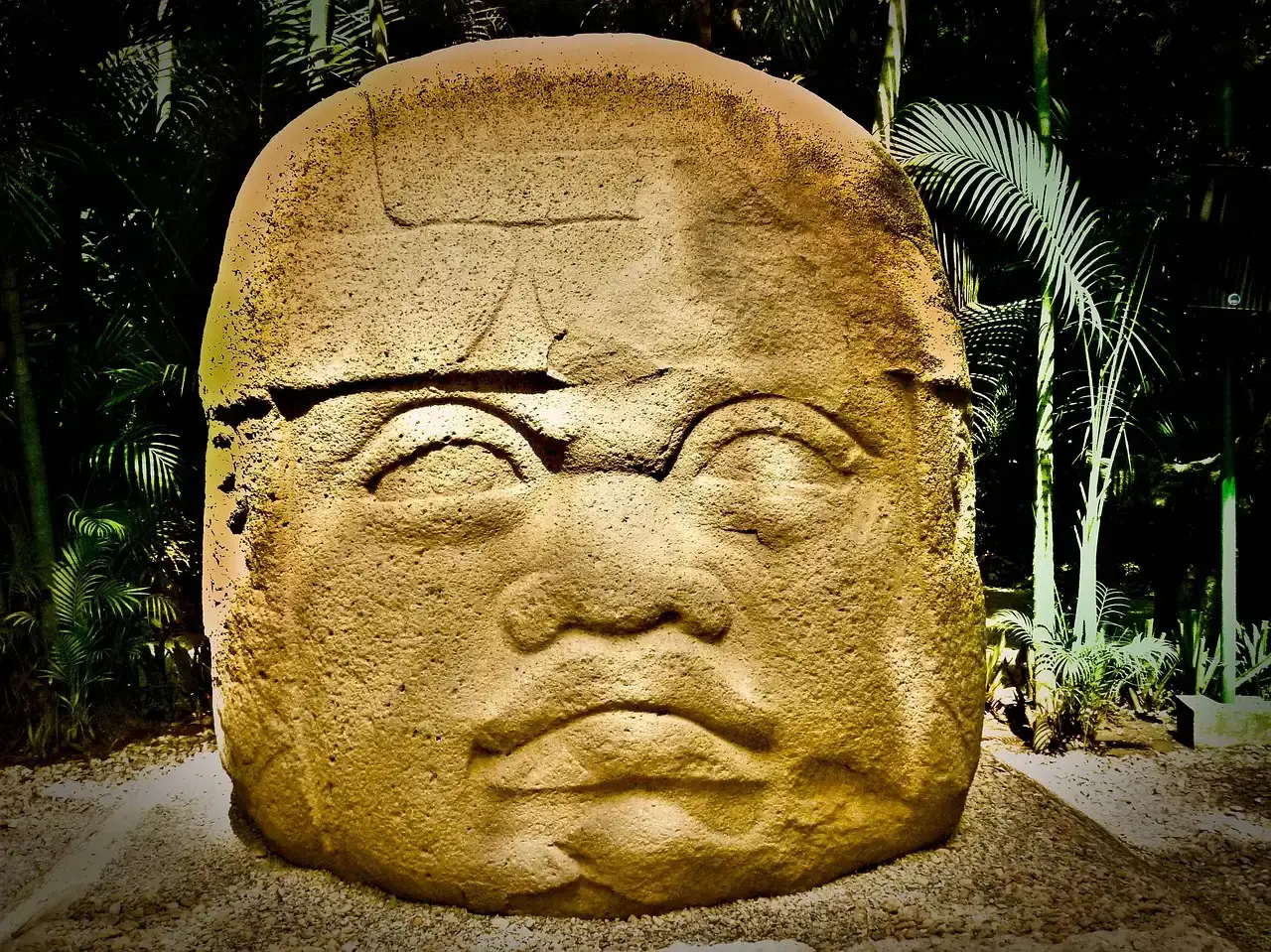
The Olmec civilization emerged around 1200 BCE in Mesoamerica and ended around 400 BCE. You might not have heard of them as often as the Maya or Aztec, but honestly, without the Olmec, those later civilizations almost certainly would not have taken the shape they did. They were the original architects of Mesoamerican culture – the roots beneath everything that followed.
The Olmec influence extended across Mexico, into Central America, and along the Gulf of Mexico. They transformed many peoples’ thinking toward a new way of government, pyramid temples, writing, astronomy, art, mathematics, economics, and religion. Their achievements paved the way for the Maya civilization and the civilizations in central Mexico. That’s not a small legacy. That’s a cultural operating system that ran for thousands of years after the Olmec themselves were gone.
Teotihuacan: A Metropolis That Rivaled Rome
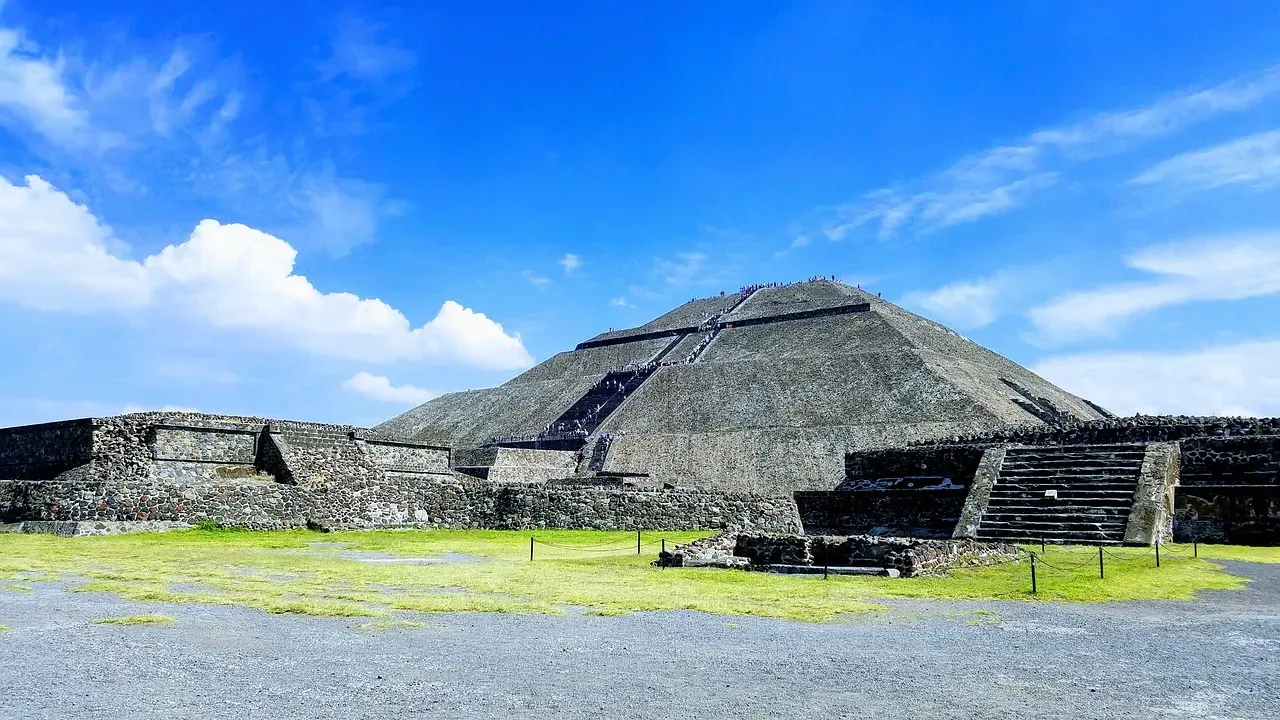
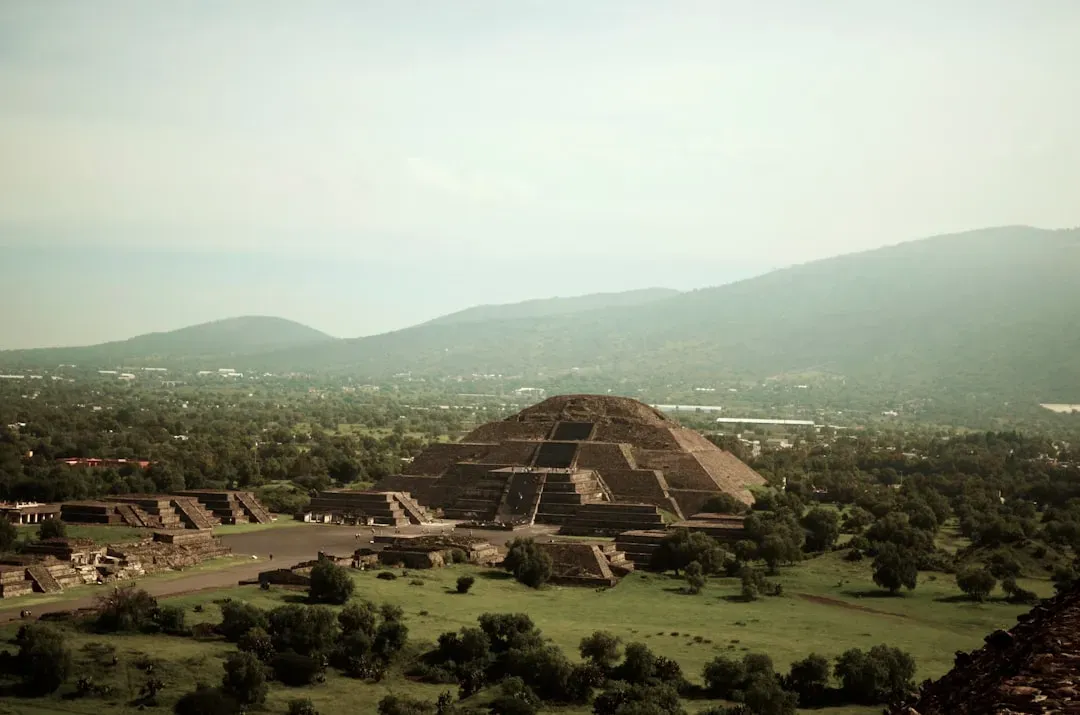
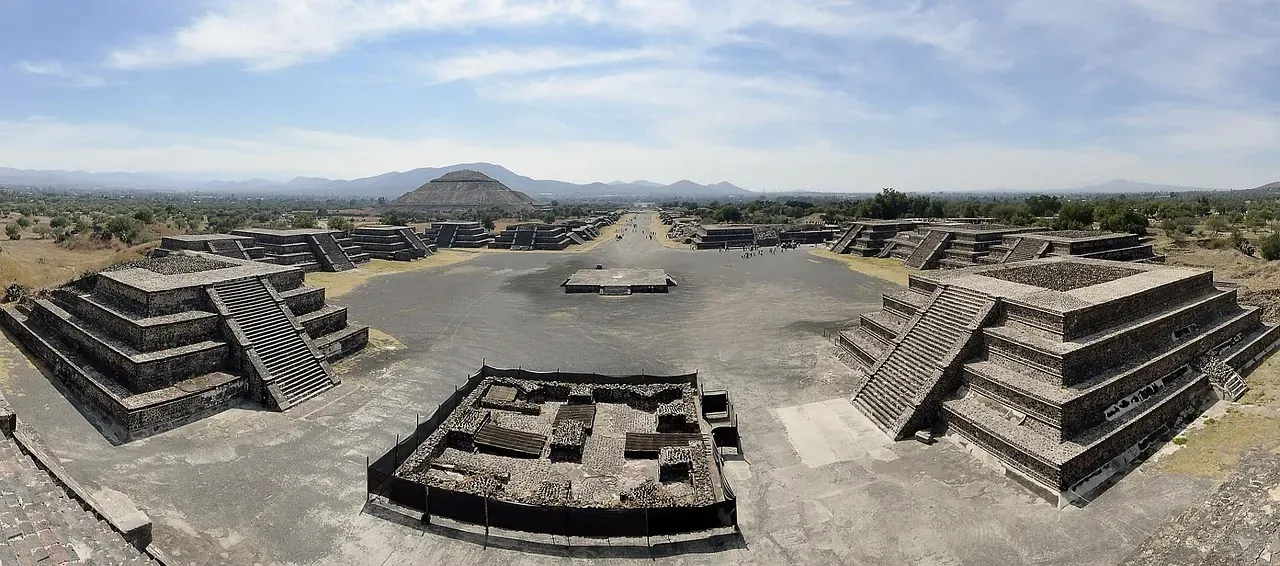
I think most people are genuinely stunned when they learn just how large and sophisticated Teotihuacan was. Emerging from the power vacuum left by the Olmec’s decline, Teotihuacan was first settled in 300 BCE. By 150 CE, Teotihuacan had risen to become the first true metropolis of what is now called North America. This wasn’t a village. This was a world-class city by any standard.
At its peak, Teotihuacan was home to around 100,000 people, making it one of the largest urban centers in the world at that time. The city’s impressive layout included vast ceremonial complexes, wide avenues, and monumental structures like the Pyramid of the Sun, the Pyramid of the Moon, and the Temple of the Feathered Serpent. Teotihuacan’s influence extended throughout Mesoamerica, and it became a major center for trade, religion, and cultural exchange. Roughly one hundred thousand people. In one city. Centuries before the Middle Ages.
The Maya: Masters of Science, Writing, and Time
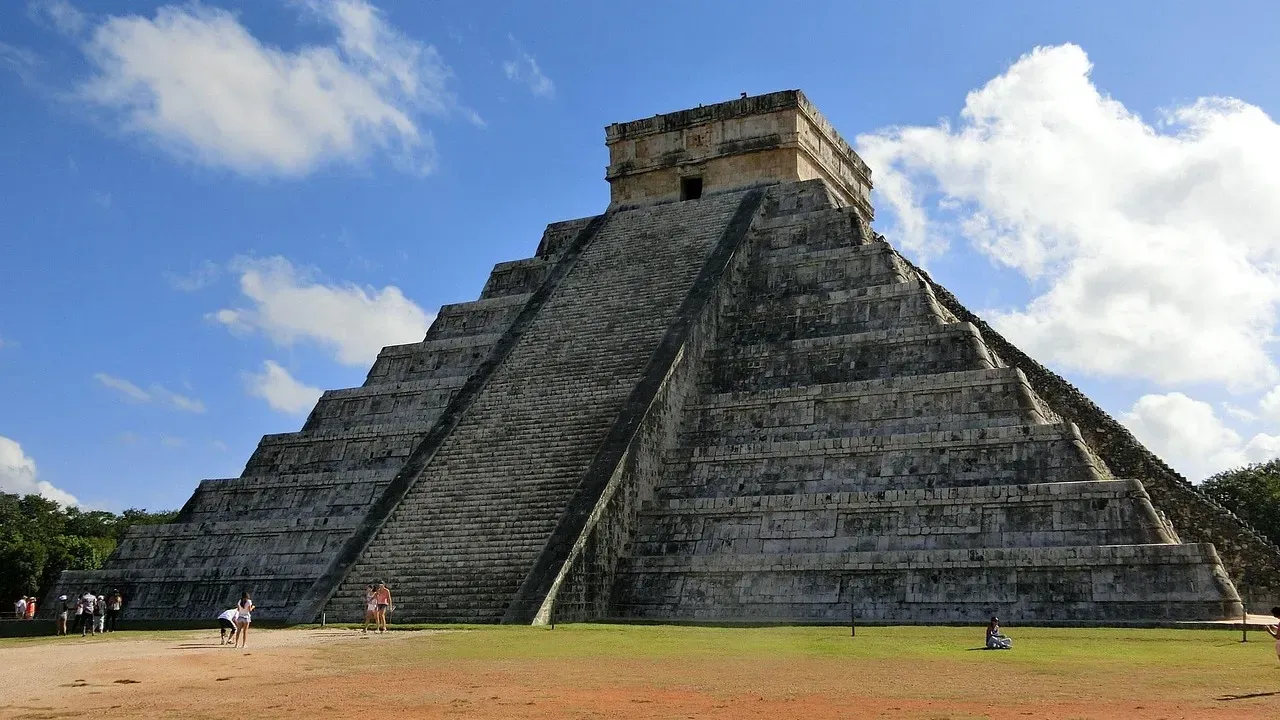
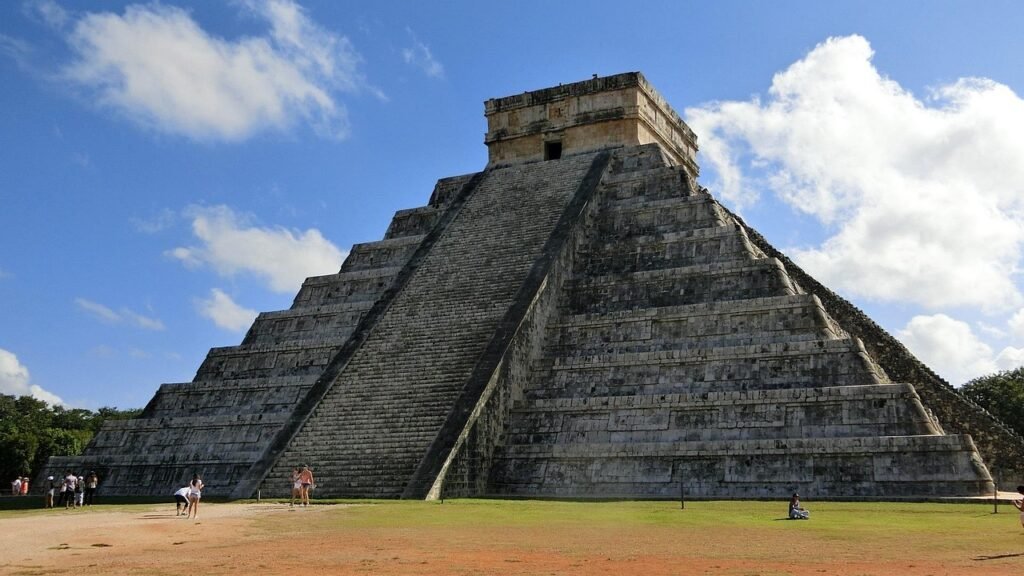
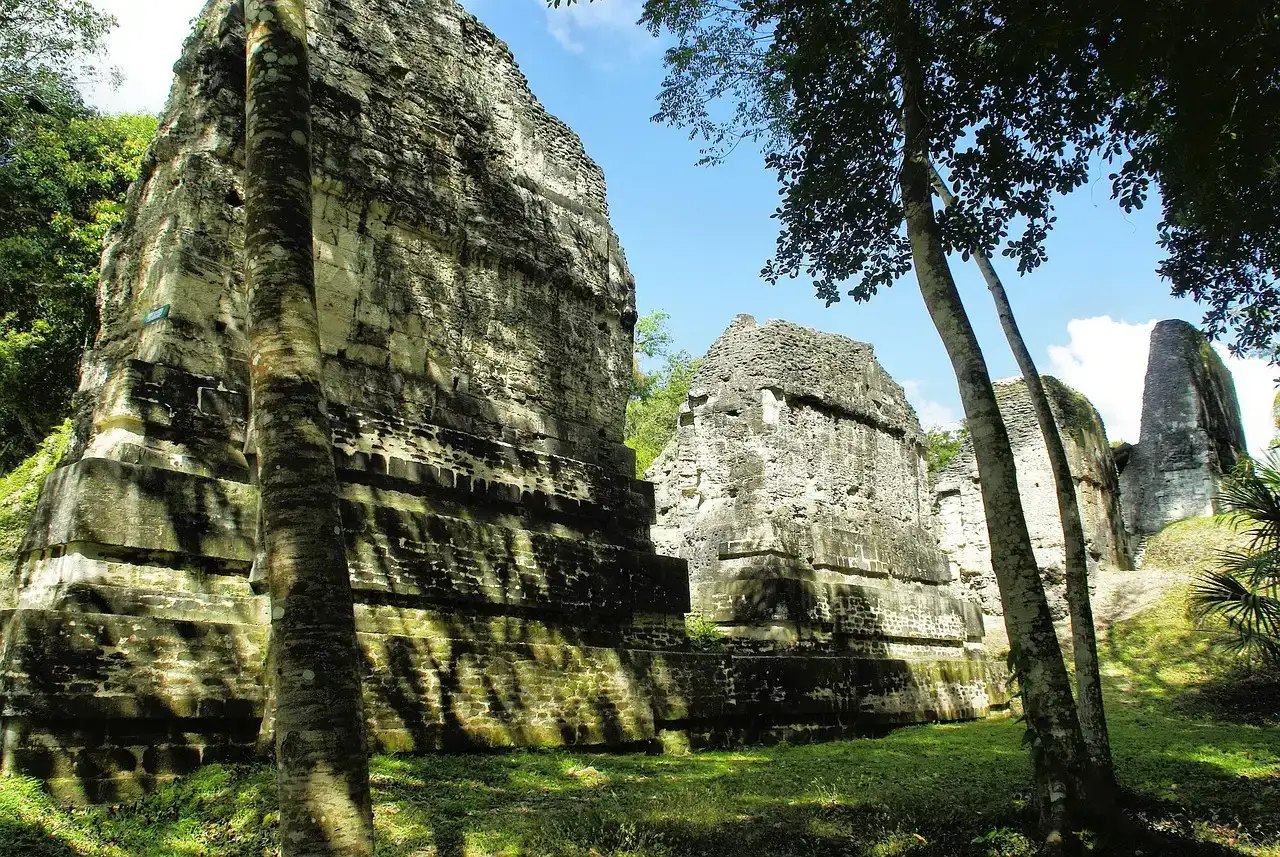
The Maya civilization thrived in present-day Mexico, Guatemala, Belize, Honduras, and El Salvador from around 2000 BCE to the 16th century CE, and is renowned for its advancements in mathematics, astronomy, and writing. Let’s be real – when most people think of ancient American civilizations, the Maya are the first name that comes to mind, and for good reason. They were extraordinary. Their intellectual output alone would make them worthy of study for centuries to come.
The Maya developed a complex calendar system, including the Long Count calendar, which tracked time over millennia, and the Tzolk’in, a 260-day ritual calendar. Their hieroglyphic script, one of the few fully developed writing systems in the pre-Columbian Americas, recorded historical events, religious rituals, and astronomical observations. They weren’t just building pyramids – they were recording history, tracking stars, and calculating time across spans that dwarf most modern calendars. And yet, the Maya civilization maintained written records, which were often destroyed by Christian Europeans such as Diego de Landa, who viewed them as pagan. What was lost in those fires is incalculable.
The Inca: Engineers of an Empire Without Equal
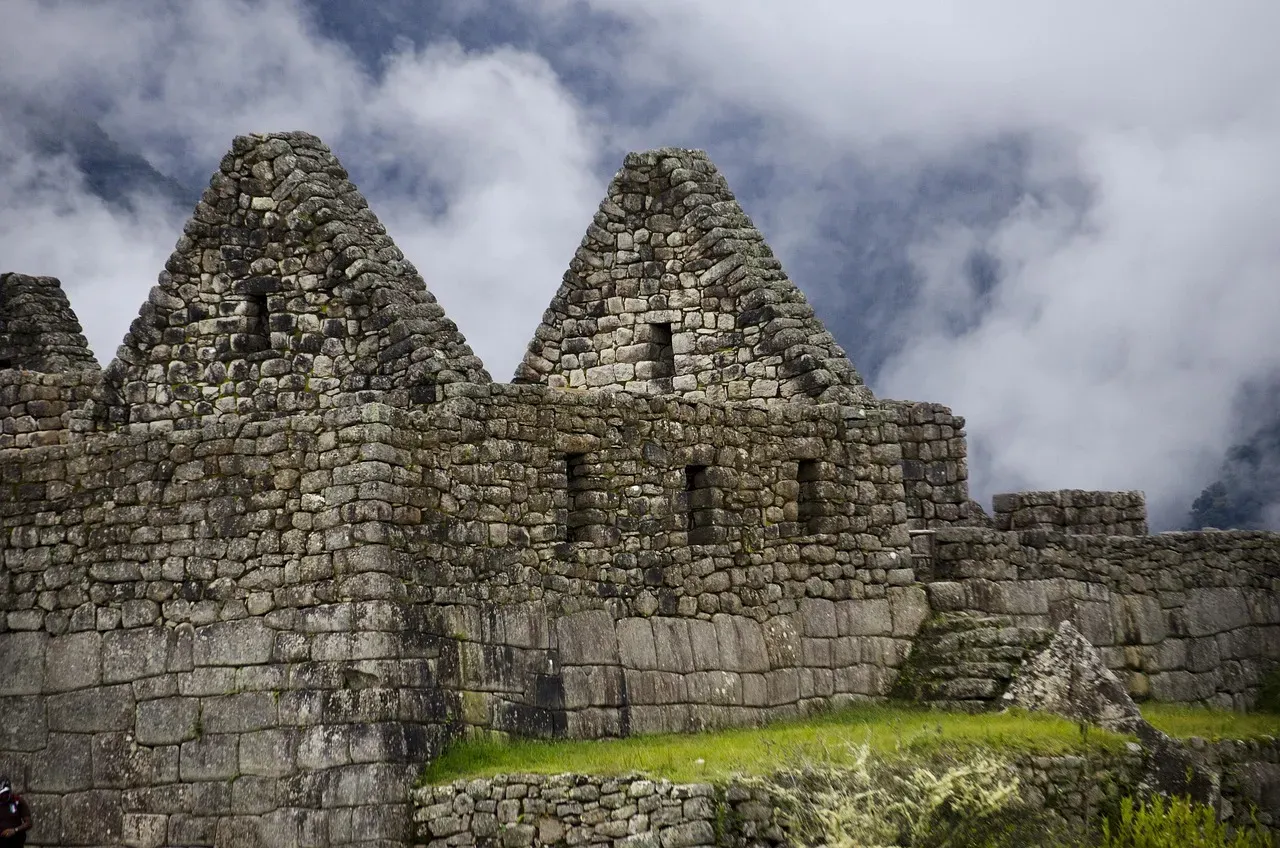
In South America, the Inca civilization emerged in the 15th century and quickly expanded to become the largest empire in the pre-Columbian Americas, stretching from modern-day Colombia to Chile. The Inca are celebrated for their engineering feats, particularly their extensive road network and the construction of Machu Picchu, the iconic citadel perched high in the Andes Mountains. Honestly, the Inca are a perfect example of what human ingenuity looks like when it’s unconstrained by borrowed technology. They built everything themselves, from scratch, on their own terms.
Their road system is particularly jaw-dropping when you understand the context. Spanning over 25,000 miles across some of the world’s most challenging terrain, the Inca road network stands as one of humanity’s greatest engineering achievements. Built without wheels or iron tools, these roads connected an empire stretching from modern-day Colombia to Chile. Engineers carved paths through mountains, built tunnels through solid rock, and constructed drainage systems that still function today. Suspension bridges made from woven plant fibers crossed deep gorges, while stone staircases climbed vertical cliff faces. No wheels. No iron. Still working after 500 years. It’s hard to say for sure what the most impressive part of that is.
Cahokia: North America’s Forgotten City
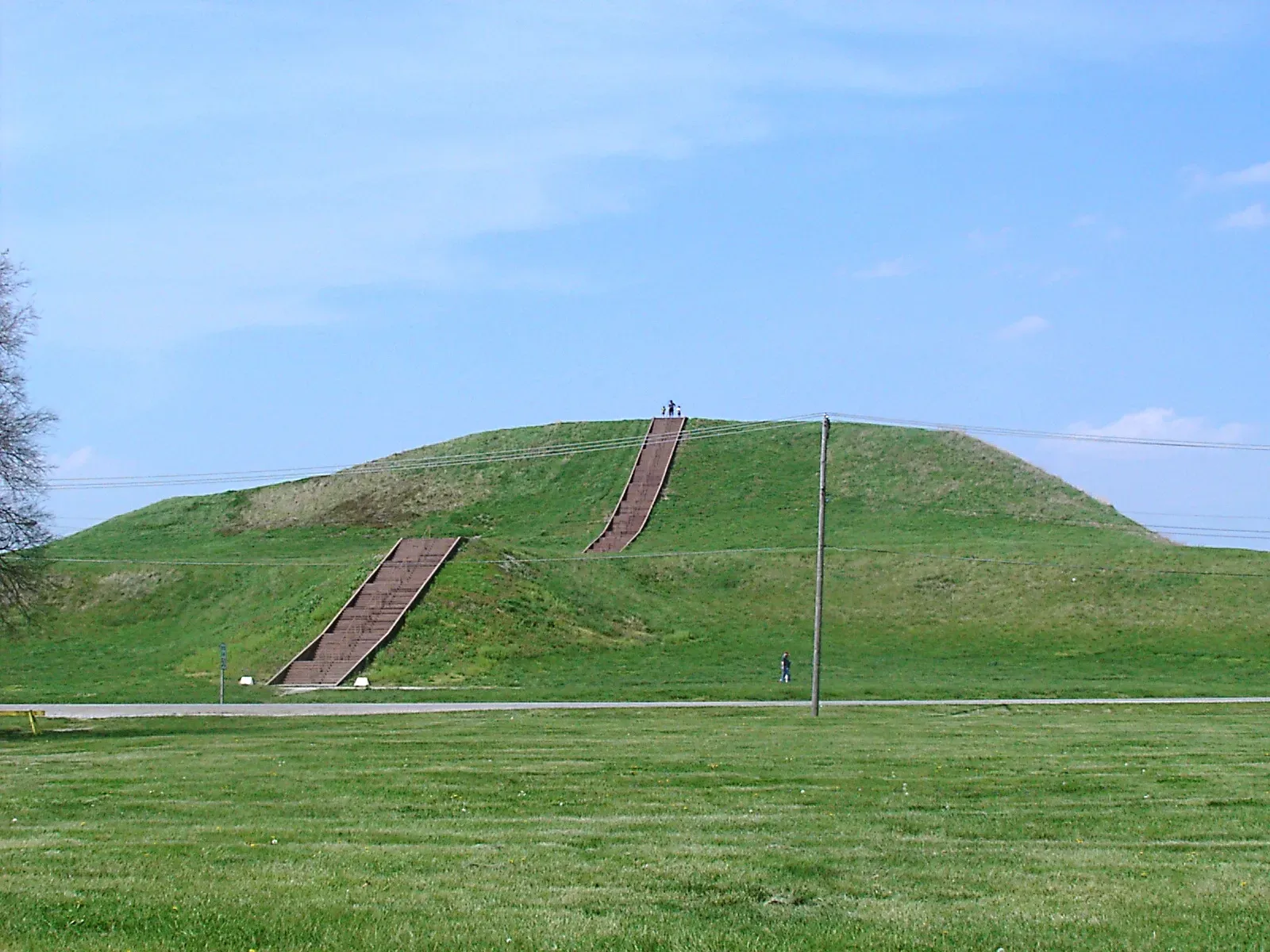
Here is where many Americans get genuinely surprised. People tend to associate great pre-Columbian cities with Mexico or Peru – but there was once a massive city sitting right in what is now Illinois. At its apex around 1100 CE, the city of Cahokia covered about 6 square miles, included about 120 earthworks in a wide range of sizes, shapes, and functions, and had a population of between 15,000 and 20,000 people. Cahokia was the largest and most influential urban settlement of the Mississippian culture, which developed advanced societies across much of what is now the Central and Southeastern United States, beginning around 1000 CE.
Located just east of modern-day St. Louis, Cahokia rivaled contemporary European cities in size. No American city, in fact, would match its peak population levels until after the American Revolution. Sit with that for a moment. A Native American city in Illinois was larger than most contemporary European cities – and yet it barely appears in most school history books. The inhabitants left no written records beyond symbols on pottery, marine shell, copper, wood, and stone, but the evidence of elaborately planned community, woodhenge, mounds, and burials reveal a complex and sophisticated society.
Agriculture, Trade, and Intellectual Exchange Across the Continent
The pre-Columbian civilizations were extraordinary developments in human society and culture, ranking with the early civilizations of Egypt, Mesopotamia, and China. Like the ancient urban societies of the Old World, those in the New World were characterized by kingdoms and empires, great monuments and cities, and refinements in the arts, metallurgy, and writing. You won’t hear that comparison made enough. These weren’t primitive societies stumbling toward civilization – they were full participants in the story of human achievement.
Trade networks among pre-Columbian civilizations were vital for economic prosperity and cultural exchange across regions. These networks allowed for the distribution of goods like obsidian tools and agricultural products, fostering relationships between diverse groups. This exchange not only enhanced local economies but also facilitated the sharing of ideas, technologies, and cultural practices that shaped the development of complex societies in the Americas long before European influence altered these dynamics. Think of it like a vast, invisible internet of goods and ideas – stretching from the Andes to the Mississippi Valley, connecting cultures that might have seemed worlds apart.
What Was Lost – and What Endures
Many of the pre-Columbian cultures eventually ended with European contact, dying out from warfare as well as disease, but all three of these cultures left behind some of the most ornate and highly decorative artifacts ever made. The human cost of colonization was staggering, and the cultural loss that accompanied it is still being reckoned with today. Libraries of knowledge, centuries of oral tradition, architectural wonders – all swept aside in a historical eyeblink.
Still, the story did not end entirely. Advances in technology, such as LiDAR (Light Detection and Ranging), have revealed hidden structures and settlements beneath dense vegetation, transforming our understanding of ancient urban planning and population density. Recent LiDAR surveys in the Maya region have uncovered thousands of previously unknown structures, suggesting that their cities were far more extensive than previously thought. Every decade brings new discoveries that push back our assumptions about how large, how complex, and how deeply connected these civilizations truly were. The story is still being written – one excavation at a time.
Conclusion
The ancient civilizations of the Americas were not footnotes in world history. They were world history. From the Olmec’s foundational cultural imprint, to the Maya’s breathtaking astronomical precision, to Teotihuacan’s urban grandeur, to the Inca’s engineering brilliance, to Cahokia’s quietly astonishing size – the evidence is overwhelming. These were full human societies, every bit as sophisticated, creative, and enduring as anything arising simultaneously in the Old World.
The real story of America did not begin in 1492. It began thousands of years earlier, in languages we are still learning to read, in cities we are still learning to find, and in achievements we are still learning to fully appreciate. The next time someone refers to pre-Columbian America as the “New World,” perhaps it’s worth asking: new to whom?
What surprises you most about these ancient American civilizations? Share your thoughts in the comments below.